The new collectible design, a Milan Design Week preview
From immersive environments to sound-driven exhibitions, Milan Design Week 2026 expands collectible design into a cultural ecosystem. Yet as global instability grows, can meaning outweigh function and economic value?
In recent years, collectible design has moved a long way from its original definition and has become a complex cultural platform that brings together the concepts of art, design, and craftsmanship. As evident through the increasing focus on Milan Design Week 2026, collectible design is no longer just limited to furniture and art objects designed and produced for the masses. It is a product of a new cultural movement where we are beginning to place value and meaning on things, not based on their use or consumption value, but on the ability to express intent and authorship.
There is a new fascination with intent, research, and conceptualism in the work that is being produced and consumed. Furthermore, the rise of cross-disciplinary practices, spanning architecture, sound, performance, and digital cultures, has expanded the field even further, transforming collectible design into a new kind of ecosystem.
Gallery
Open full width
Open full width
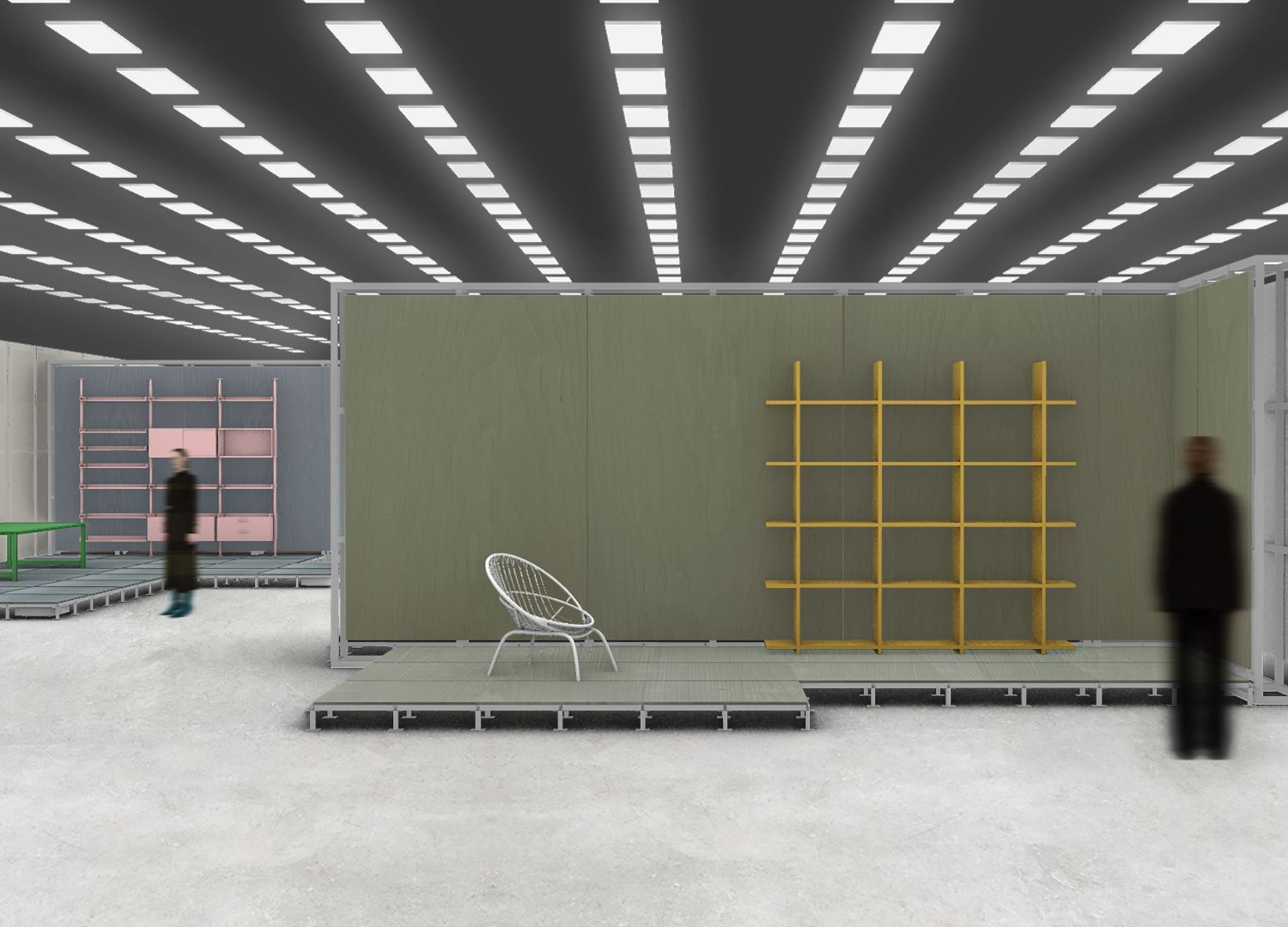
The increased importance of collectible design is also evident from changes in prominent business platforms. With the establishment of Salone Raritas in the 64th session of Salone del Mobile Milano, the fair will be extended to encompass an exclusive segment for collectible design, antiquities, limited editions, and exquisite craftsmanship. Debuting from April 21 to 26, 2026, at Fiera Milano Rho, the initiative marks a significant shift in how collectible practices are positioned within the broader design industry.
Curated by Annalisa Rosso and designed by Formafantasma, Salone Raritas brings together a tightly selected group of around 25 exhibitors, including international galleries, antique dealers, and makers working with custom and limited production. The project, whose name derives from the Latin notion of rarity, frames collectible design through the lens of uniqueness, research, and material excellence, further reinforcing its role as a cultural and market-driven force.
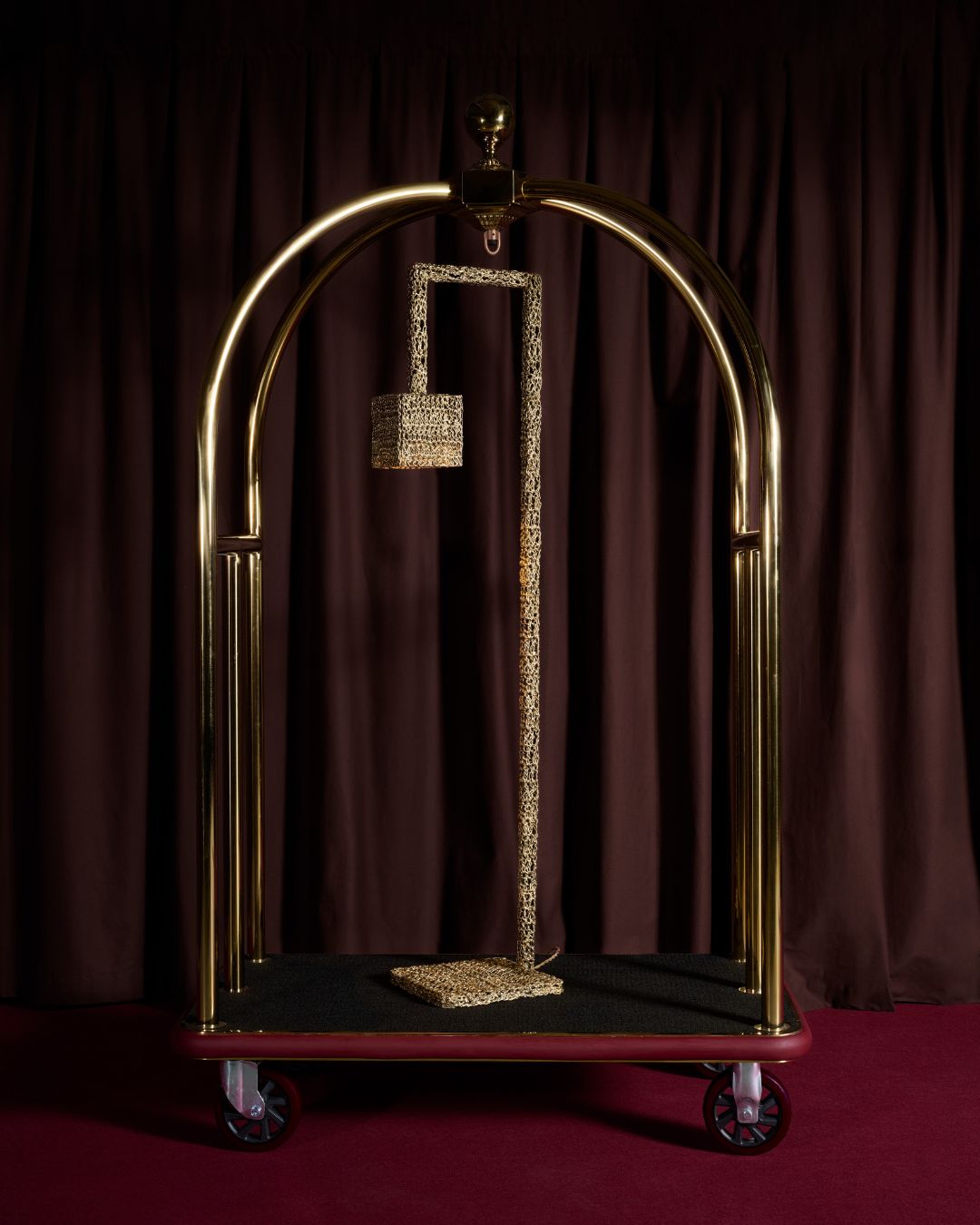
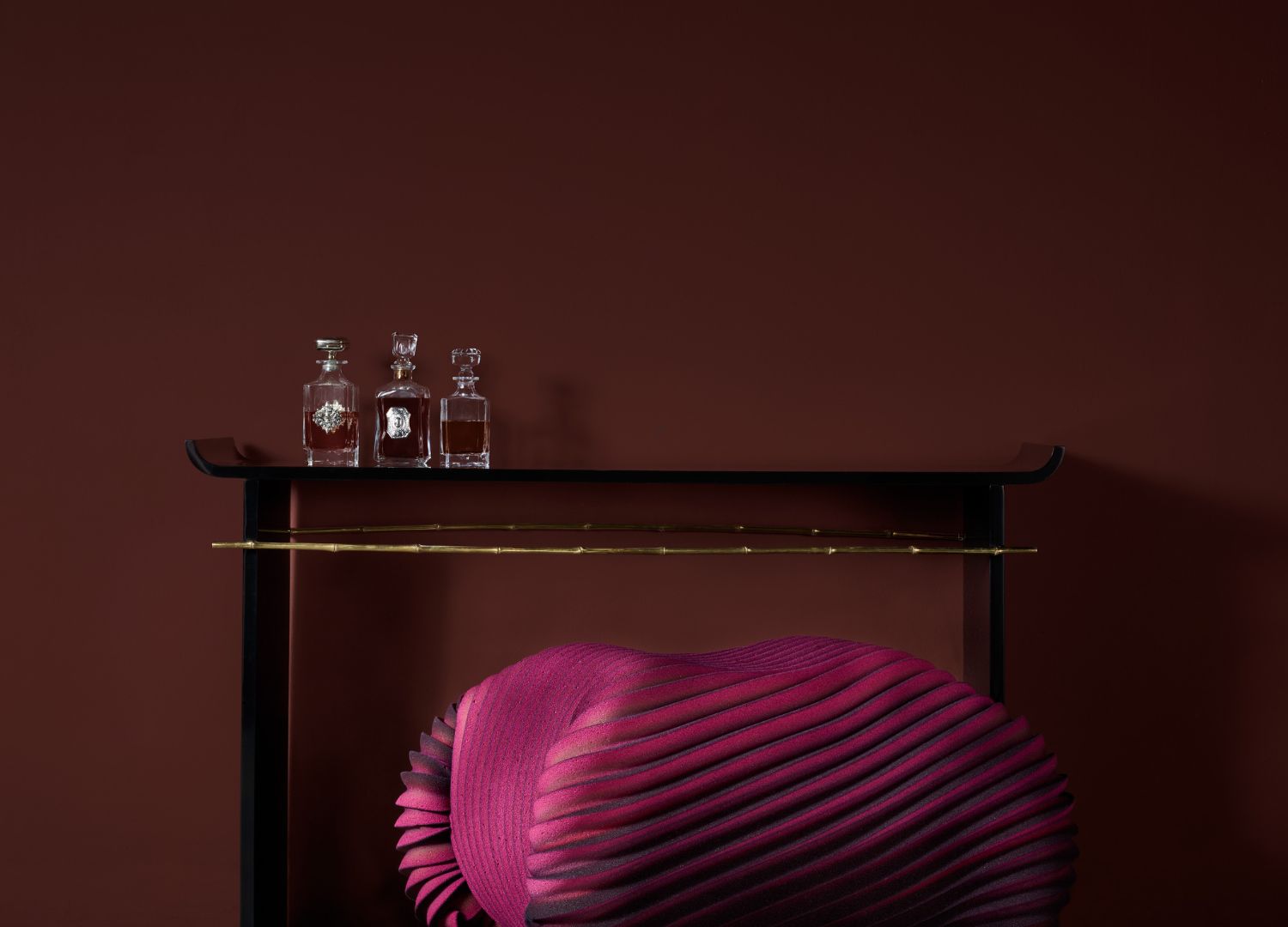
For Milan Design Week 2026, Nilufar is hosting Nilufar Grand Hotel, a curatorial immersive experience that rethinks hospitality in relation to collectible design. Housed in Nilufar Depot, Nilufar Grand Hotel is a vision of founder Nina Yashar, combining both modern and vintage design voices, in addition to new works by Nilufar Edition, a one-of-a-kind project where design is created without market pressures, more in line with Renaissance-era workshops.
In this fictional yet deeply tangible environment, objects become the true protagonists. Conceived as a hotel without temporal or geographical limits, the installation invites visitors into a “realistic fiction” where design pieces inhabit spaces as if they were living entities. The lotus flower, Nilufar’s long-standing symbol, returns as the project’s emblem, representing harmony, purity, and Yashar’s curatorial identity.
As Yashar explains, “The idea comes from a desire to explore how collectible design can enter our daily life to transform our spaces into intimate and memorable experiences.” Each room has its own story to tell, based on the encounter between designers, design, and sensibilities. The spatial journey starts with the re-designed entrance, now acting as a check-in space, to herald the hybrid experience to come. The main atrium is designed to be a social space where interaction is encouraged through the design of furniture and lighting compositions.
Intimate spaces are developed through a range of signature bedrooms designed by david/nicolas, Filippo Carandini, and Allegra Hicks, each generating its own “autonomous aesthetic bubble.” The communal spaces, such as the dining room with its Raw Pebble table by Gal Gaon, or the snug fumoir with seating by Derin Beren Yalcin, combine sociability with solitude.
On the upper floors, the story is about contemplation. A Meditation Room, inspired by Japanese onsen culture, offers rare vintage works by George Nakashima, highlighting the relationship between craftsmanship, nature, and material. These spaces are “exhibitions within the exhibition,” further supporting the notion that collectible design can not only transform space, but also the mind.
Established in 2021, DEORON marks yet another aspect of collectible design that is currently trending: the trend towards research-based, slower design. Although initially planned to be a fully digital project, DEORON has come up with a new strategy that combines digital and physical realms. Building on the success of its inaugural event during MDW 2025, DEORON now presents an enhanced concept, featuring over 50 designers, studios, and brands from around the globe. The exhibition brings together furniture, lighting, homeware, and technology, creating a dialogue between established and emerging creatives.
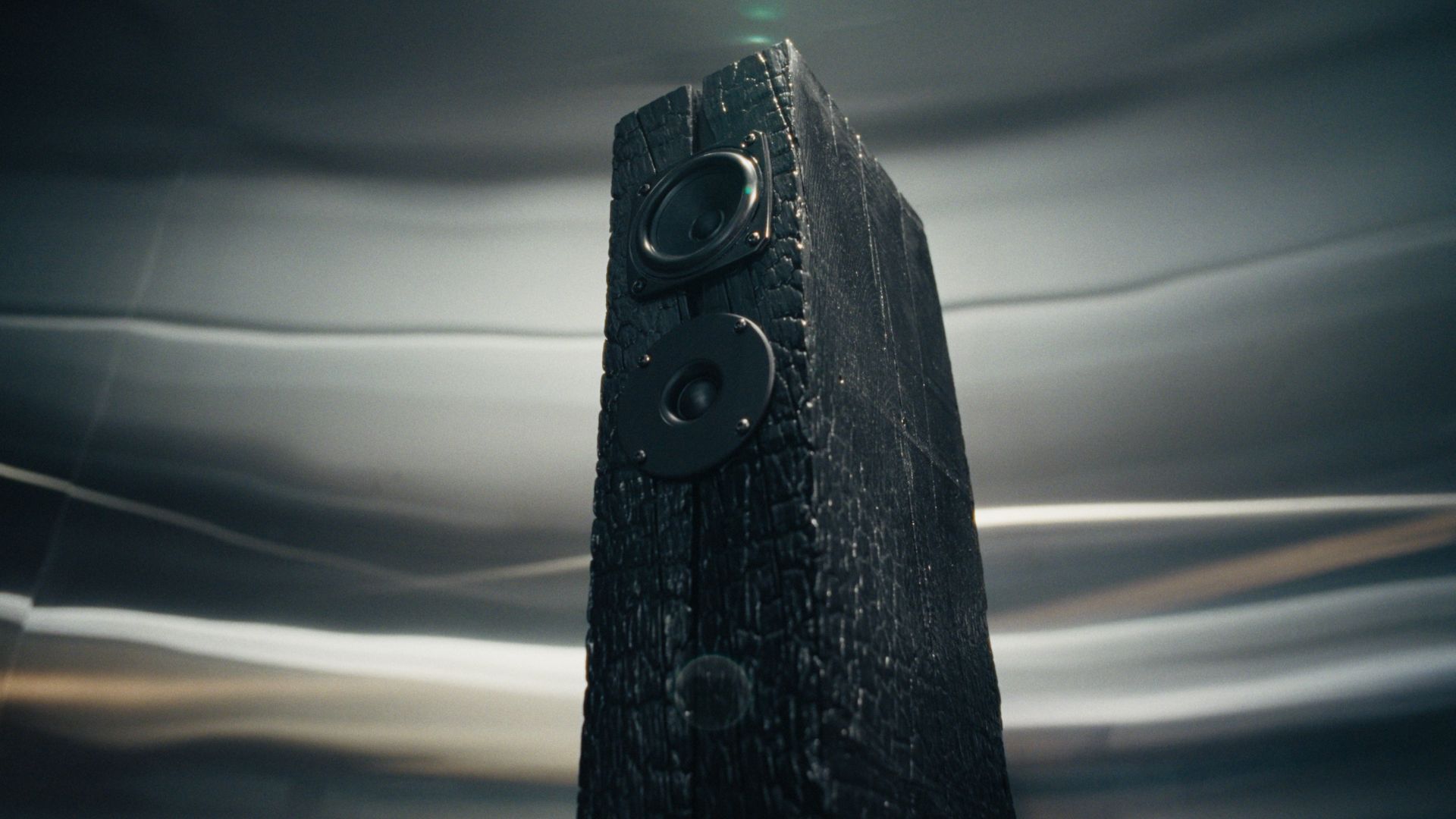
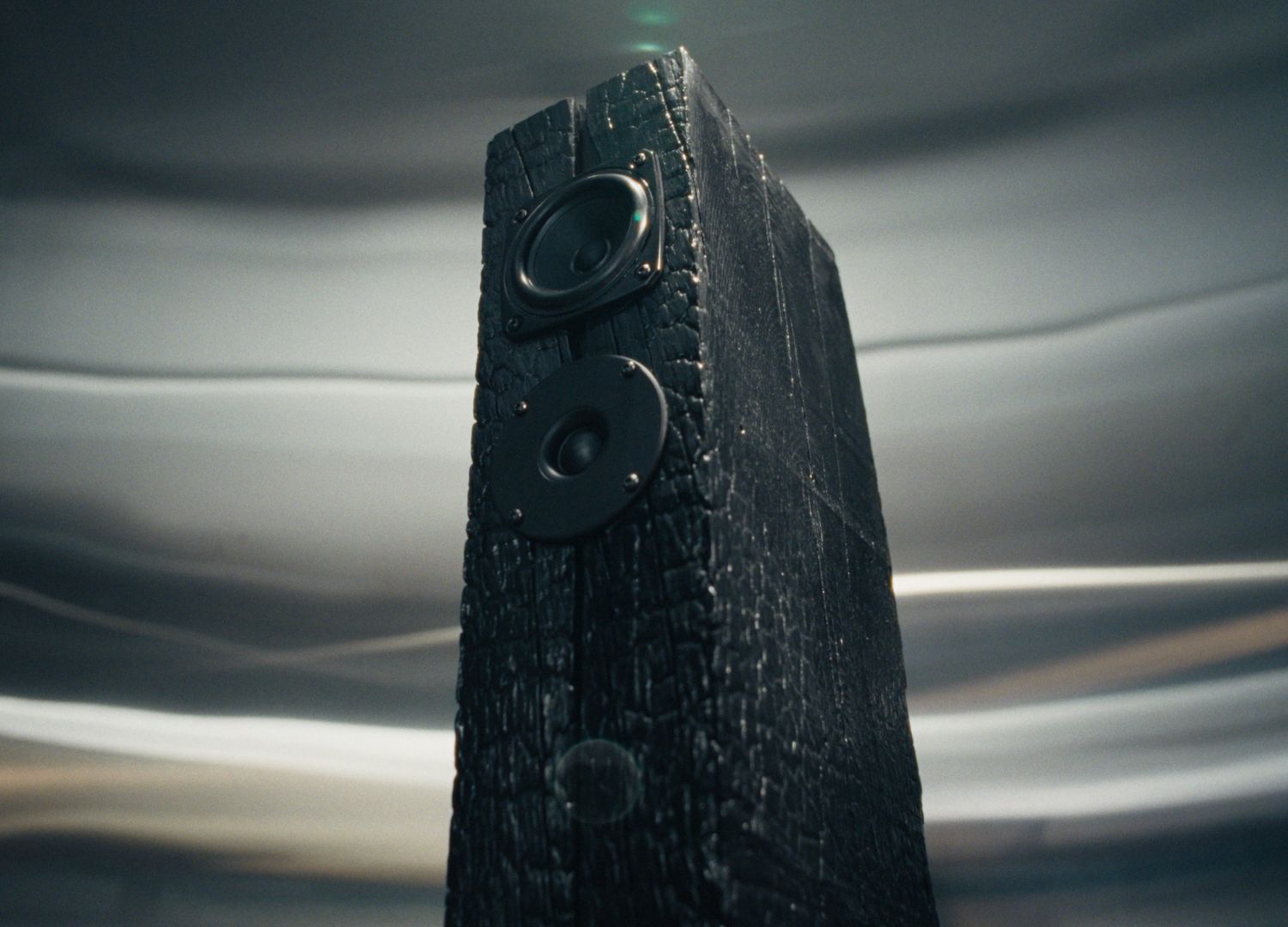
What distinguishes DEORON is its focus on experience. Rather than a conventional exhibition, it encourages direct interaction with the works—inviting visitors to touch, sit, and engage physically with the objects. Sound and architecture are woven into a unified narrative, with a sculptural sound system shaping spatial perception, alongside a program of listening sessions, daily events, and a bar that activates the space as a social platform. In this context, collectible design emerges not only as an object-based practice but as a shared cultural experience.
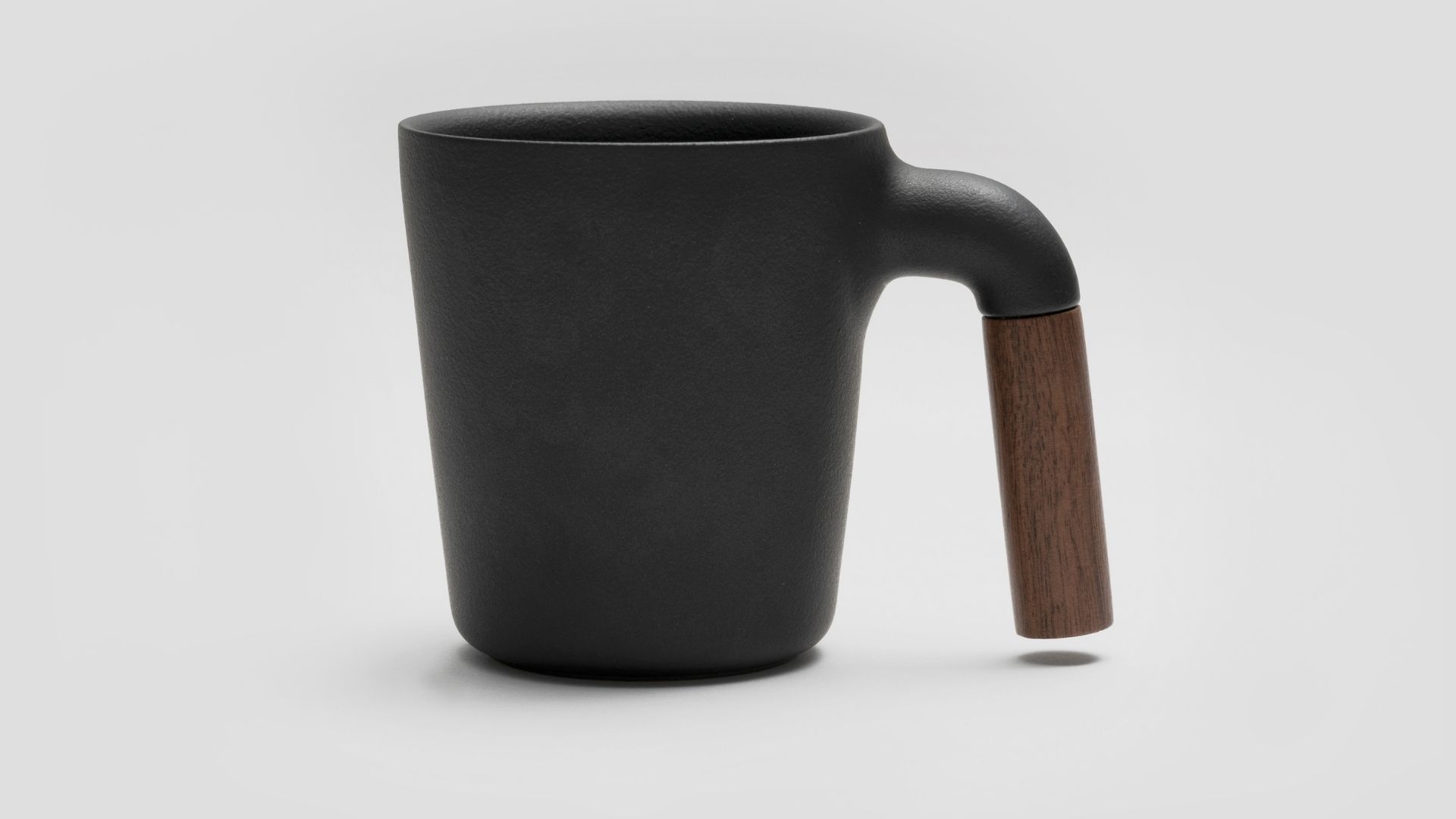
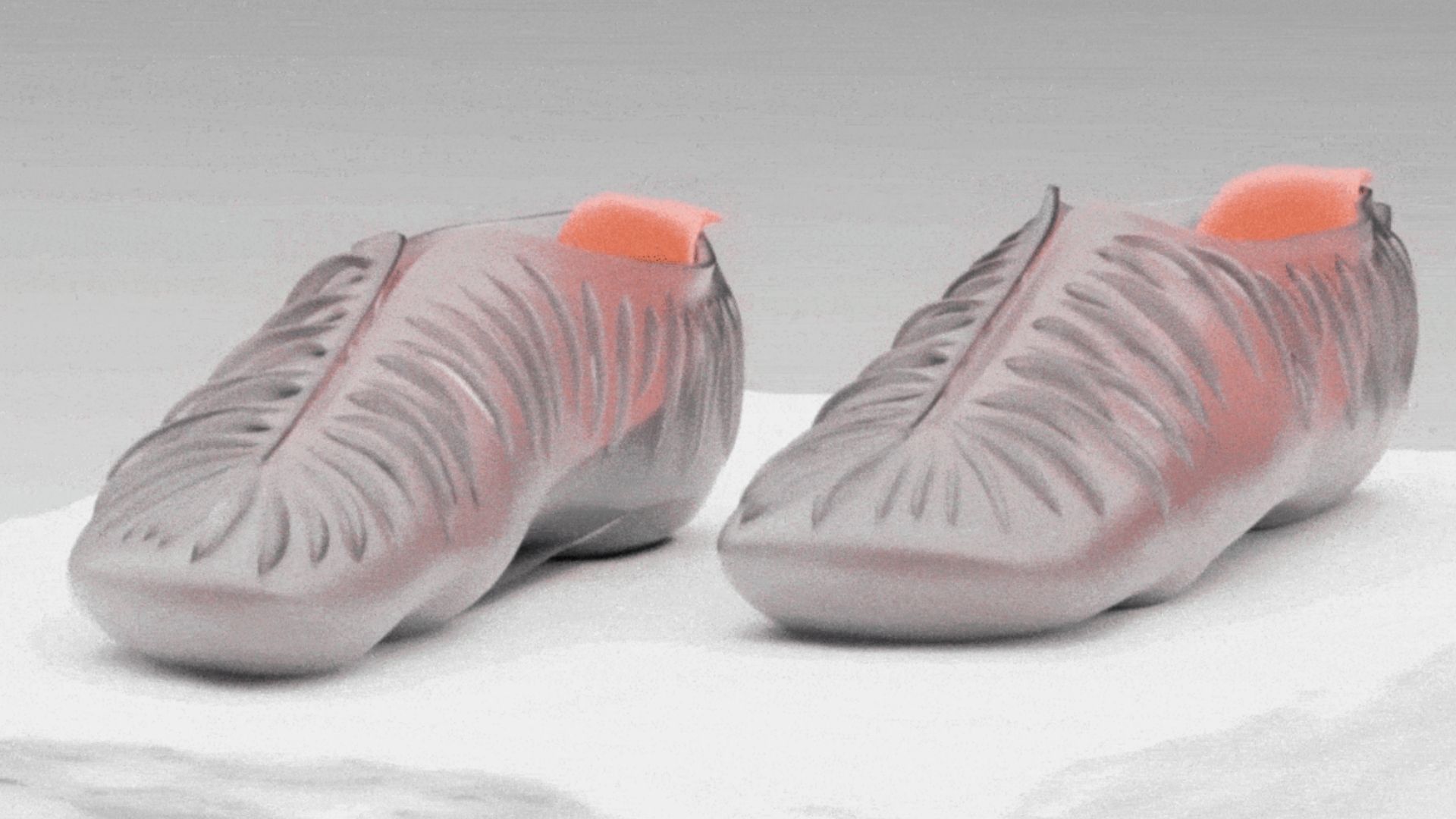
This philosophy can be seen in the practices of the collaborating studios including A POW STUDIO, the collective based out of Seoul that experiments with perception using a multidisciplinary approach; Gast Studio, which blends ceramics with CGI; LAÔMA ATELIER, a studio that produces jewelry, objects, and furniture from the perspective of material awareness; and Studio Ambre, which uses processes that mimic nature to explore time and transformation.
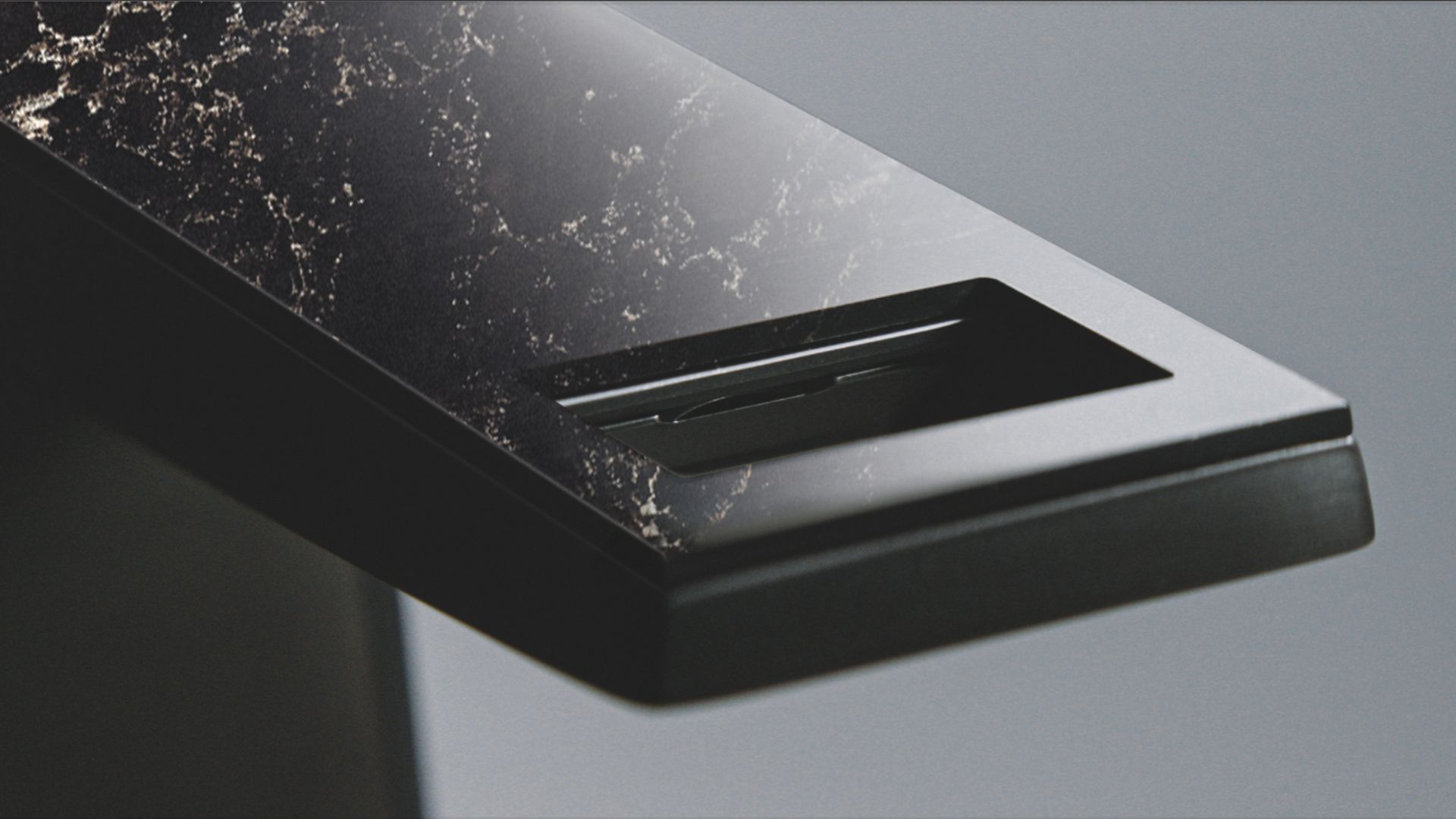
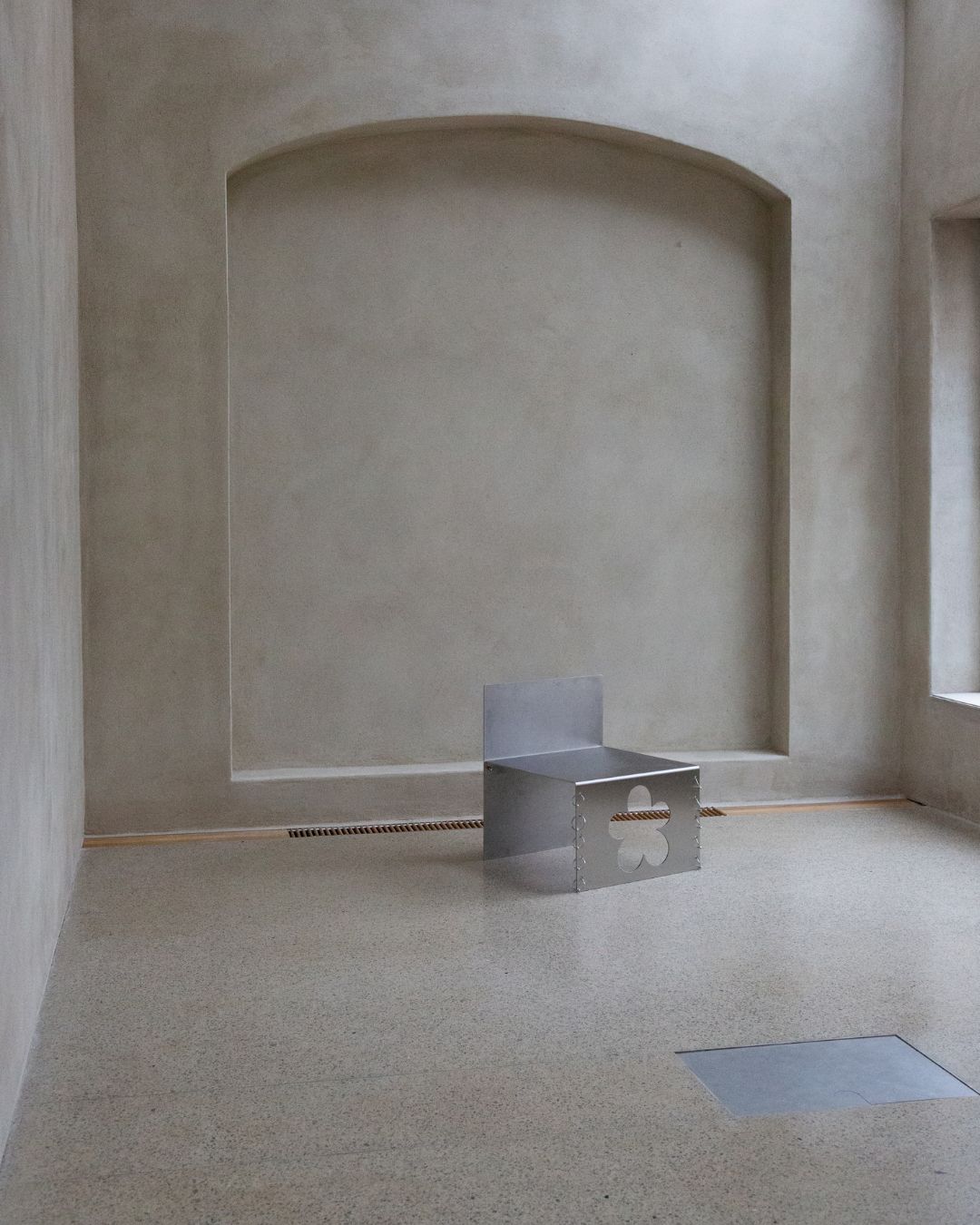
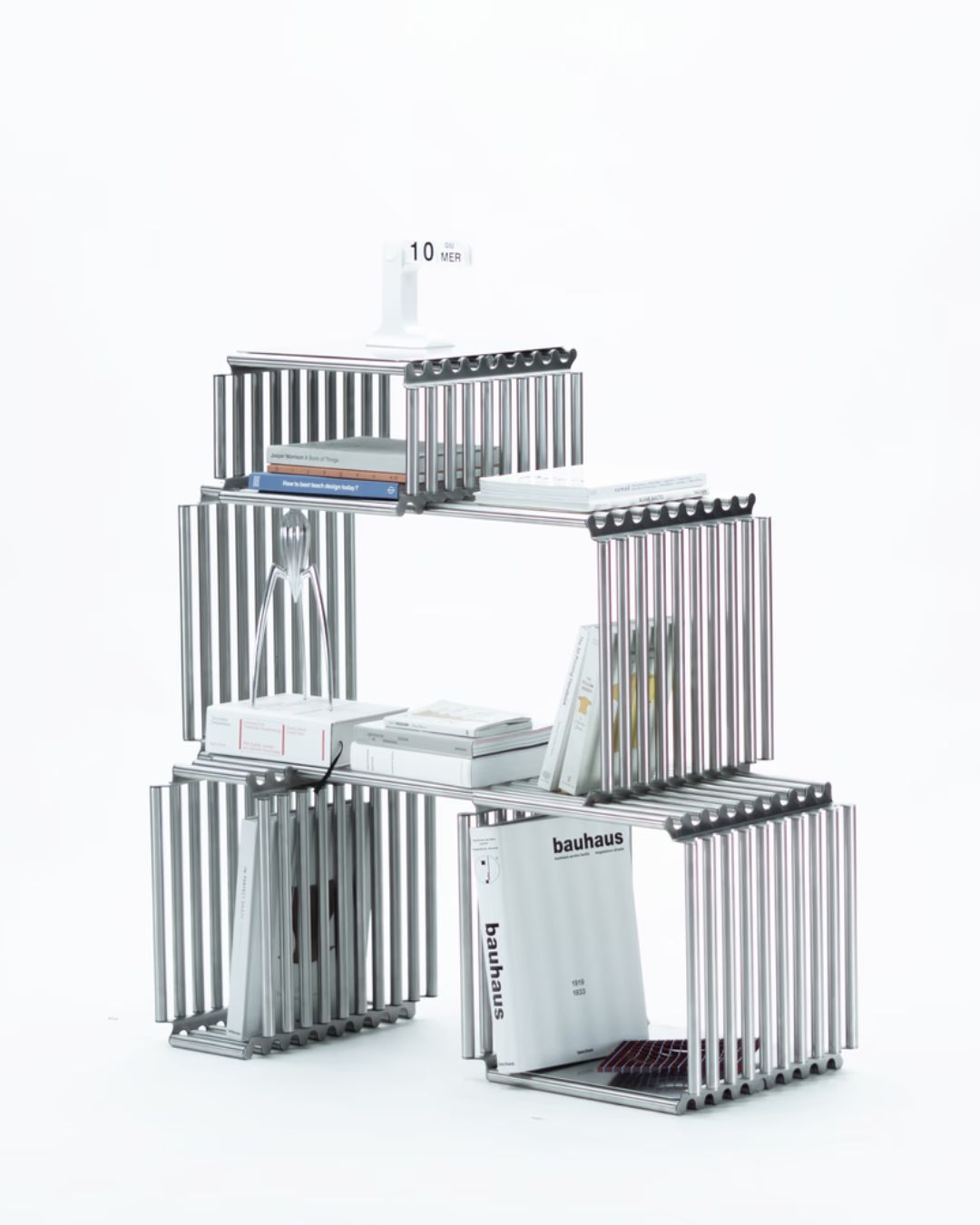
At Movimento Gallery, the group exhibition One, Two, Many explores the expressive potential of a shared material language. Bringing together seven Italian and international designers, including Chris Shao, Corpus Studio, and LC Atelier, the project revolves around a metallic finish developed specifically by the gallery. Each participant is given the opportunity to make sense of this conclusion in terms of a set of parameters: a single material, potentially paired with a single element, giving rise to a variety of possibilities. The finish, which is liquid metallic coated, has a dynamic effect when interacting with light and texture.
The exhibition space extends this conversation in a way that is enhanced by a sound intervention specific to the space. Of the works on view, Geste by Lucrezia Calvi is notable for its balance of hospitality and individual elements of geometry and tactility. One, Two, Many‘s design also underscores an important aspect of collectible design today: the balance of individuality and collectivity, where constraint breeds new forms of experimentation.
The same principle guides SOLIDIFIED: from matter to form. The exhibition features a selected group of designers and studios, featuring their carefully selected works based on contrasts between the displayed objects rather than similarities. The difference in materials, forms, and design processes creates the composition of the exhibition. The projects created by ASET feature the distinctive and functional objects created through the synthesis of craft and modern manufacturing techniques.
In turn, A+N Studio is known for its material-based design that aims to explore the connection between objects and people’s perception and well-being. On the other hand, Felix Klein‘s practice offers a more conceptual design with the integration of carpentry to create unique designs that combine clarity and expressiveness of furniture. The uniqueness of each piece is emphasized in its contribution to the space that is defined by rhythm and scale.
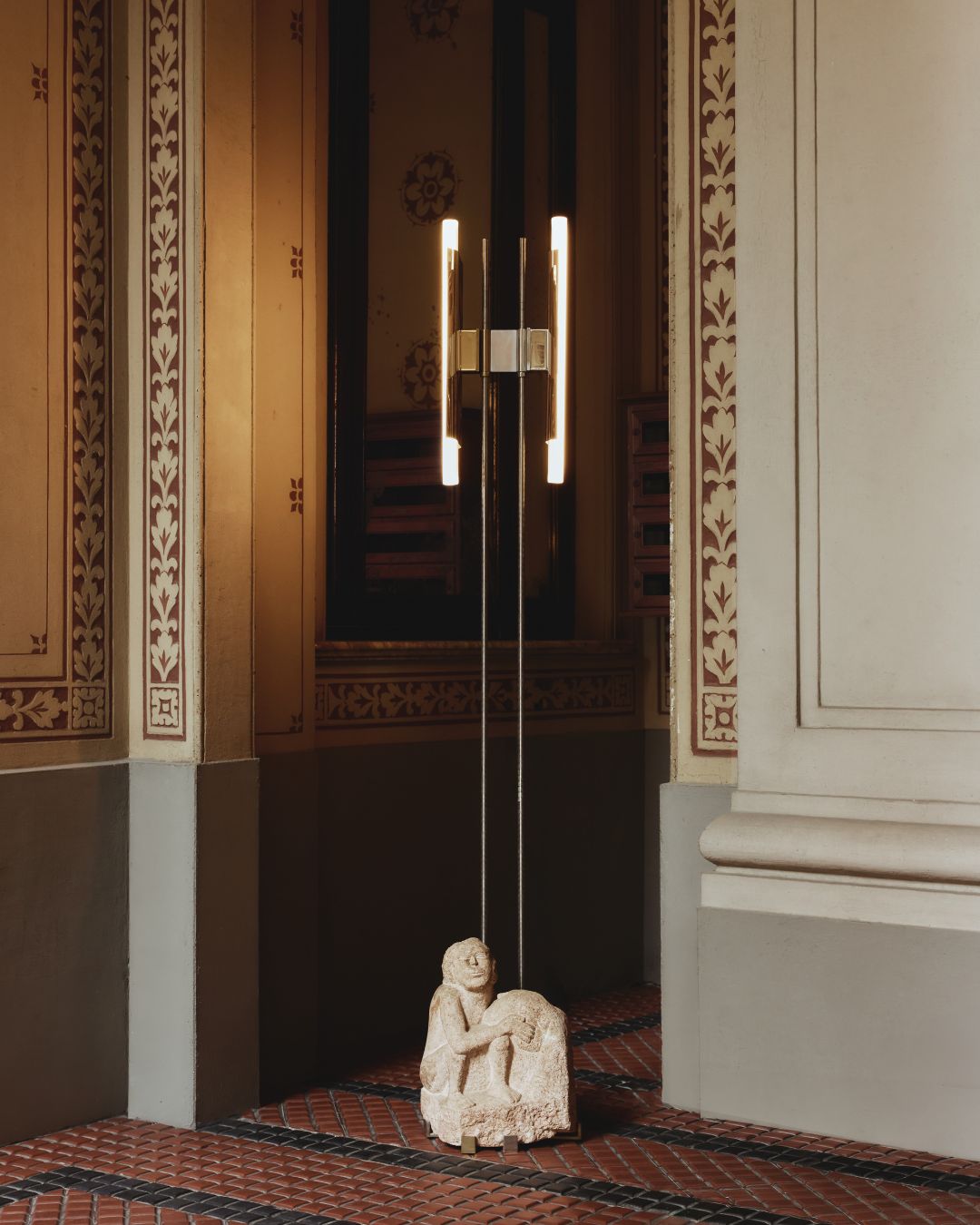
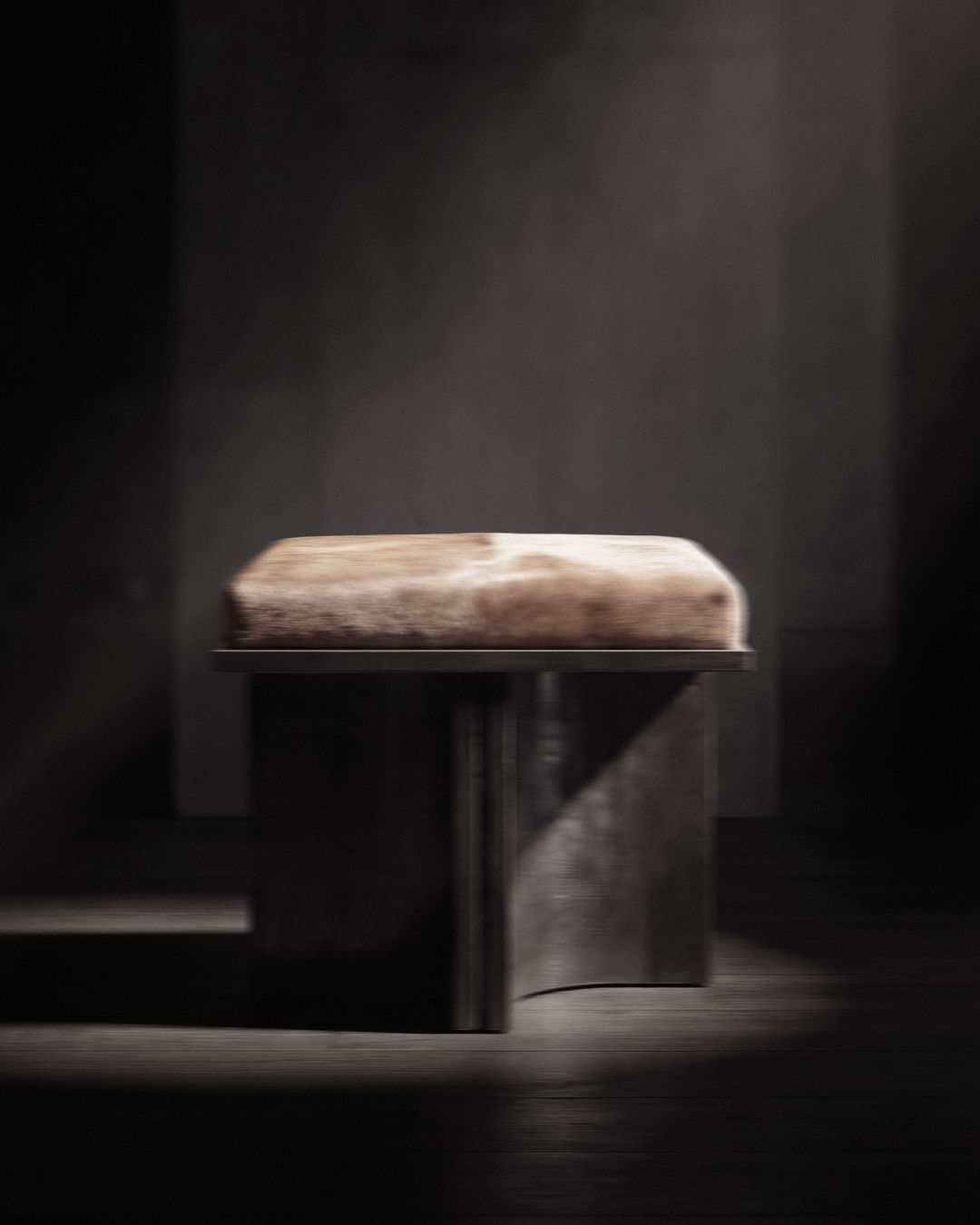
The collectible design collection, PRAGMA, created by Eugenio Laponte for his debut, presented through the exhibition MEDULLA, takes on a more conceptual and introspective approach. Created through the artist’s practice, EUTOPIARCH, the collection considers objects as “actions” instead. Drawing on references such as Le Corbusier’s La Tourette, Laponte challenges conventional notions of comfort and ergonomics. His pieces, often heavy, angular, and visibly constructed, require awareness from the user, slowing down interaction and emphasizing the relationship between body and object.
MEDULLA presents these works in a specific context that reveals the process by which abstract concepts are translated into physical form. The exhibition reveals one of the essential aspects of collectible design: its ability to function as a medium of thought rather than mere function.
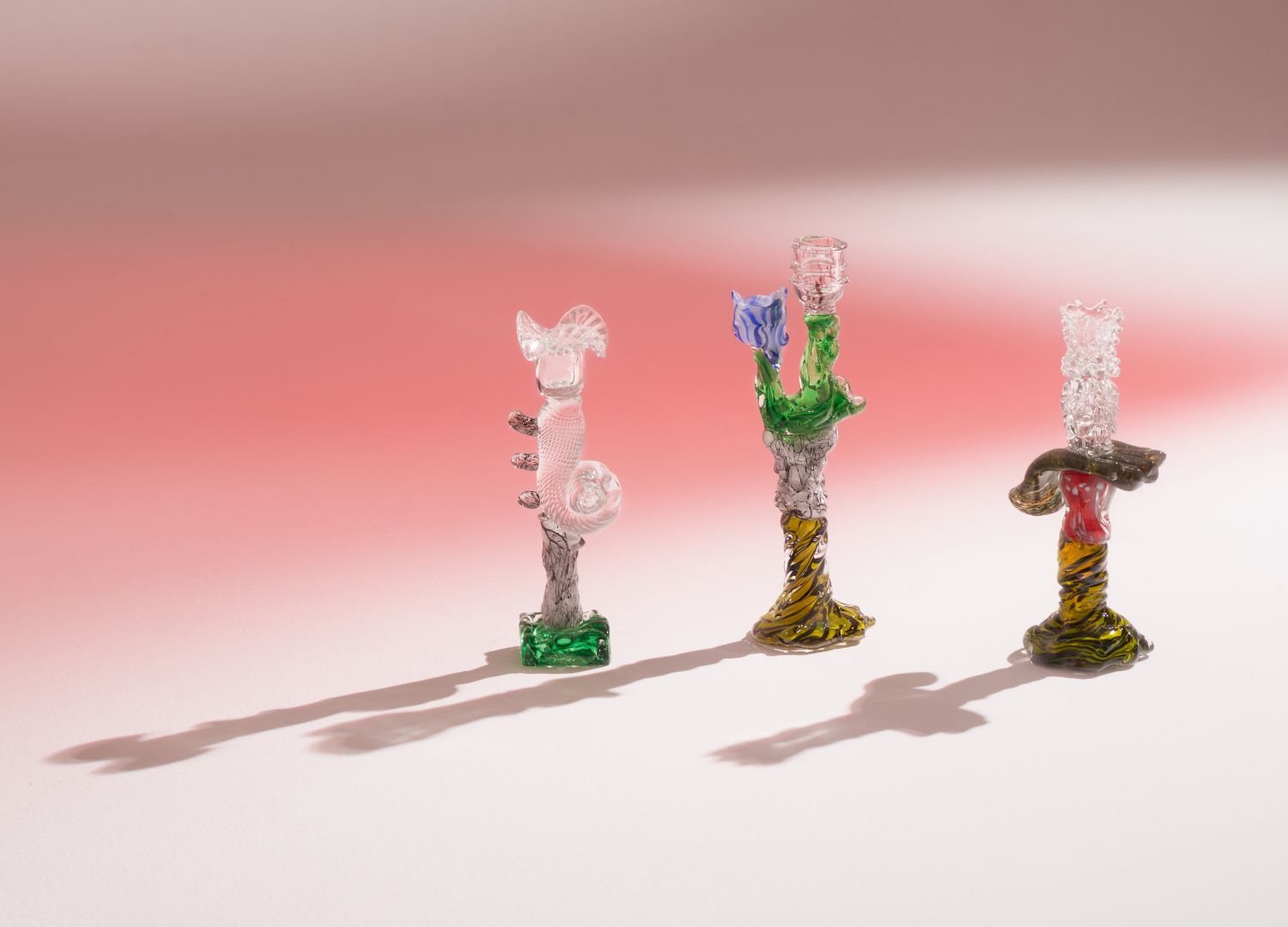
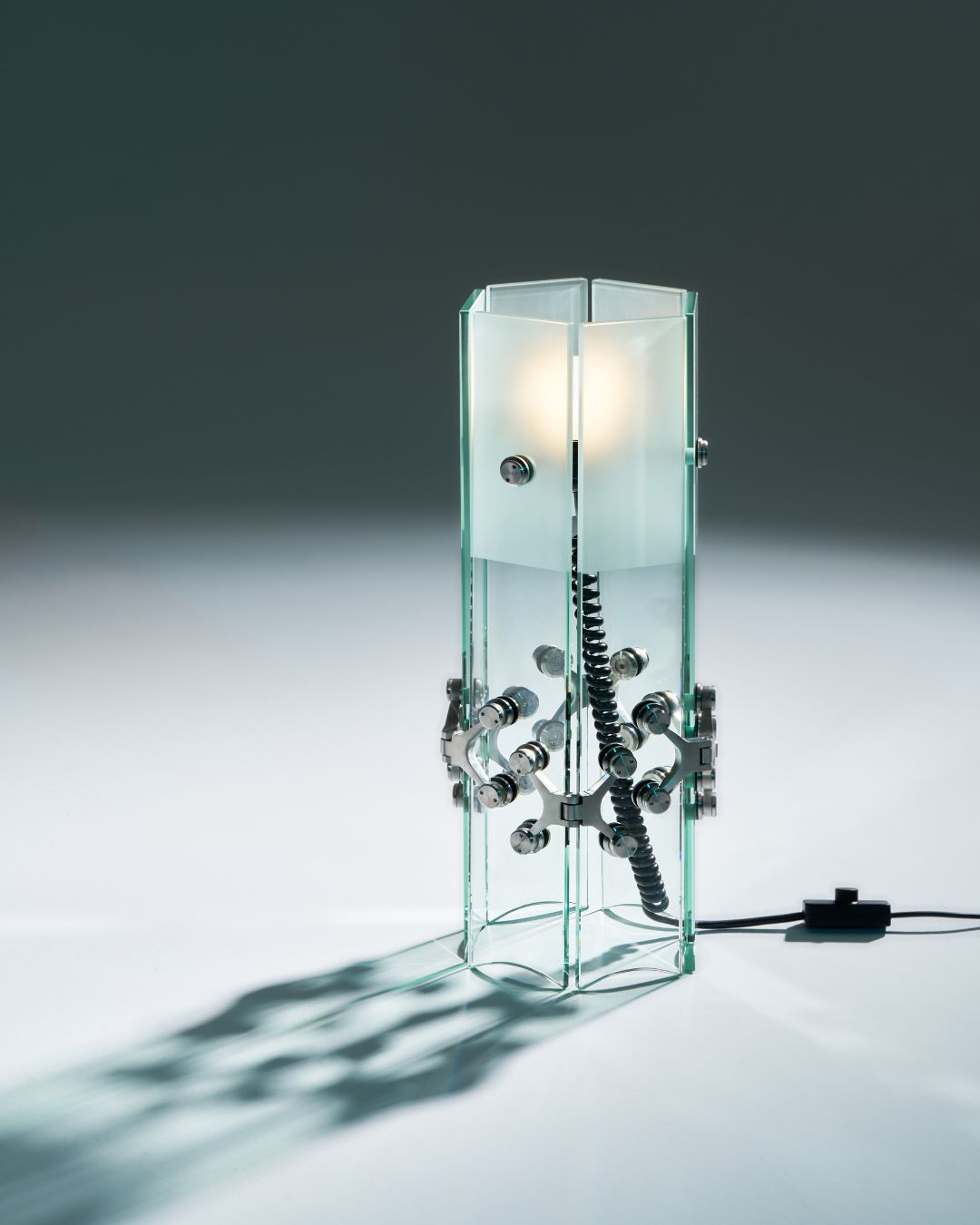
This parallel exploration of the theme of material language and tension within the idea is provided through Delvis(Un)Limited with The Romance of Fragility, a collective exhibition, which questions the notion of fragility not as a defect, but as a state of potentiality. Curated by Valentina Ciuffi, with creative direction by Studio Vedèt and exhibition design by Space Caviar, the installation features glass, the most representative form of fragile material to study its language, structure, and symbolism in a series of designs created by Familiar Form, Inderjeet Sandhu, Johan Pertl, Serim Kwack, Tino Seubert, and Maria Tyakina.
While moving away from traditional notions of daintiness, fragility is instead understood in the context of exposure and sensitivity, a point of suspension loaded with potentiality. Glass itself becomes the primary means of expressing this concept, appearing sometimes solid as if made of stone, other times liquid or translucent. Milan Design Week 2026 becomes a testing ground for this new ecology – one that values slowness, critical reflection, and emotional resonance, where objects act less as endpoints and more as triggers for dialogue and connection.
But in a present marked by geopolitical tensions, economic instability, and a growing pull toward what is concrete, necessary, and easily convertible into value, is this direction sustainable, or are we heading somewhere else?
About the author

Multidisciplinary art director and storyteller crafting contemporary narratives across design, technology, politics and fashion, between Milan and Rotterdam.
Instagram