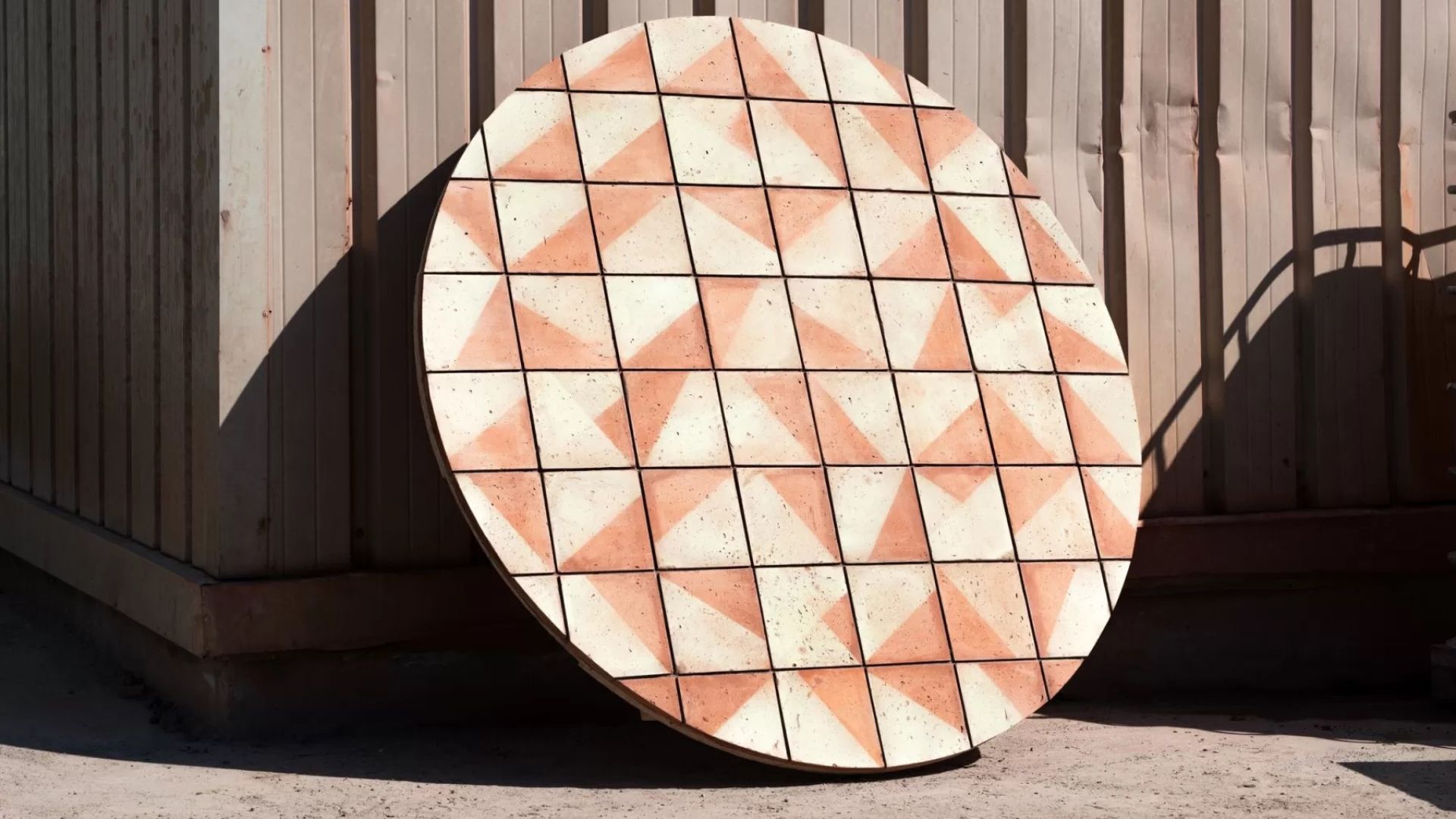
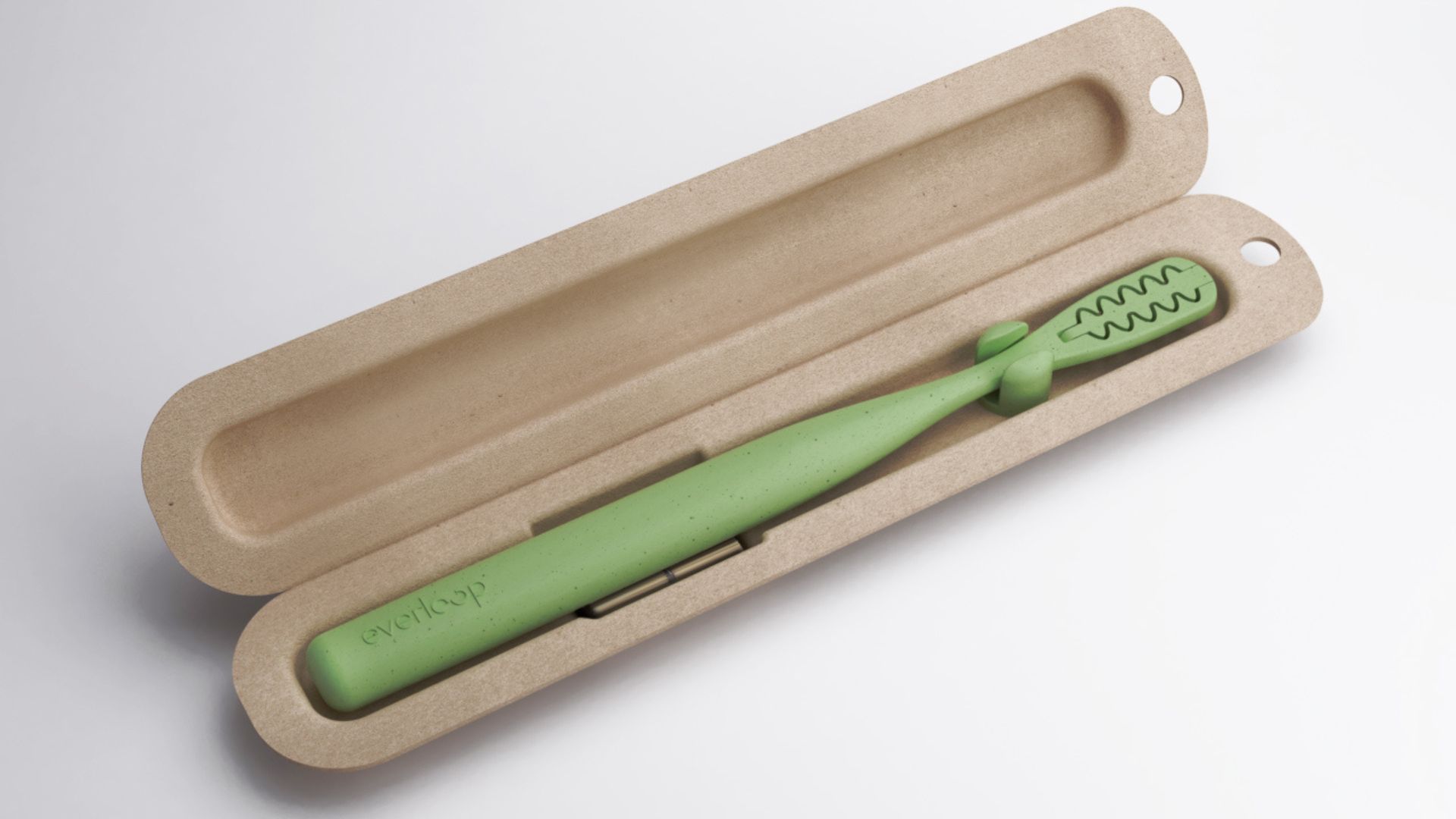
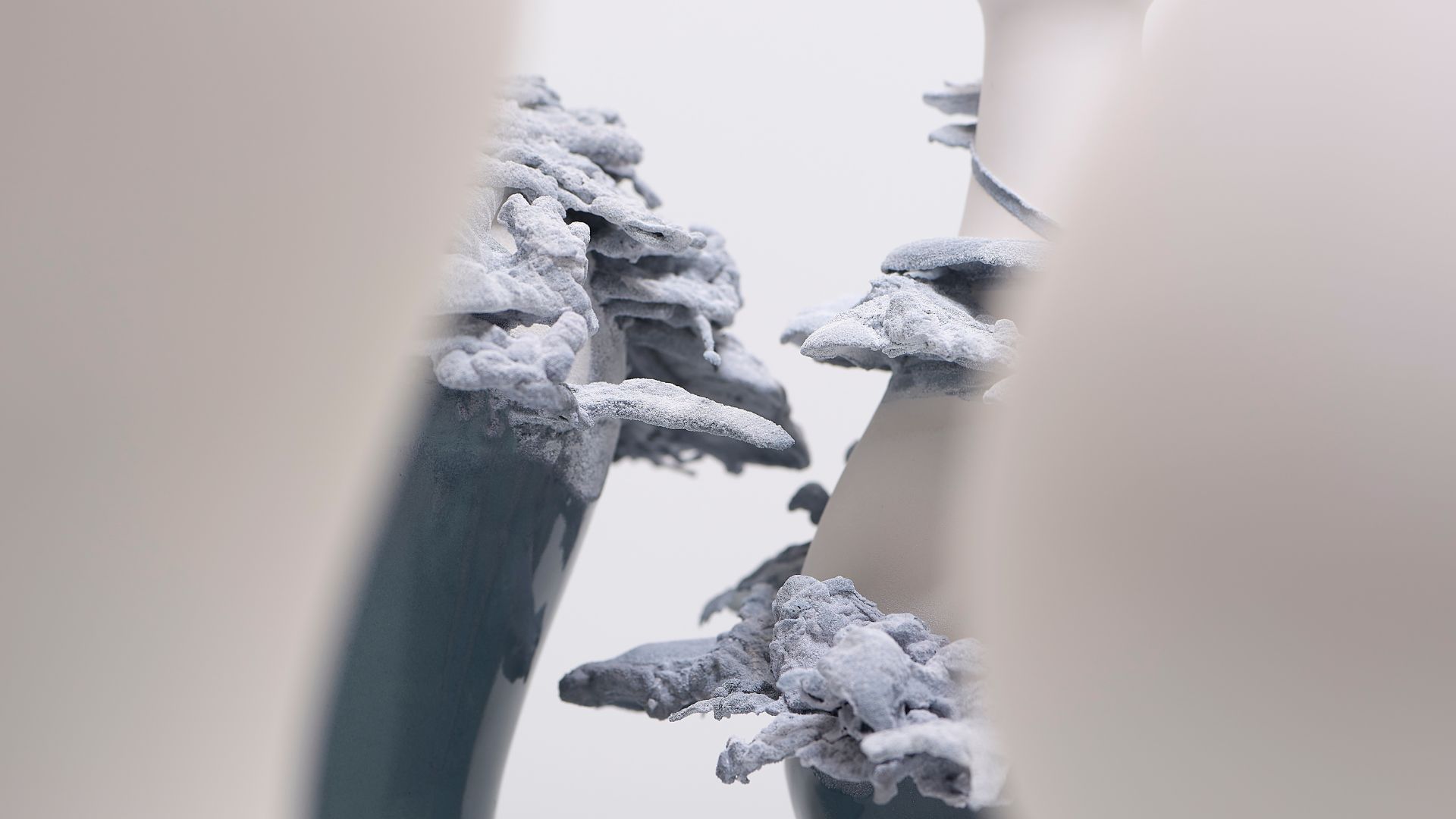
Milan Design Week 2026 is coming up: independent designers and emerging talents
As the world’s most important design event comes back, the margins of Milan Design Week are once again where the most urgent conversations about design’s future are taking place.
With each passing April, Milan Design Week seems constantly split in two. On one side: the spectacle machine, mega-installations by luxury conglomerates, infinite queues for some gift by a fashion house. On the other: quieter, more precarious, experimental work of young and independent designers who come to Milan precisely because it is the one moment when the entire global design industry is paying attention, and a single well-placed project can change the trajectory of a career.
Milan Design Week 2026 runs from 20 to 26 April, with Salone del Mobile.Milano taking place at the usual Fiera Rho from 21 to 26 April. This year’s fair brings together more than 1900 exhibitors from all over the world, yet it feels more attuned to the question of emerging talent. New formats have multiplied, independent platforms have matured, and the city itself seems to be redistributing its centre of gravity from the historical centre to the outskirts, literally and metaphorically. This year, the work on the margins is part of the story.
Gallery
Open full width
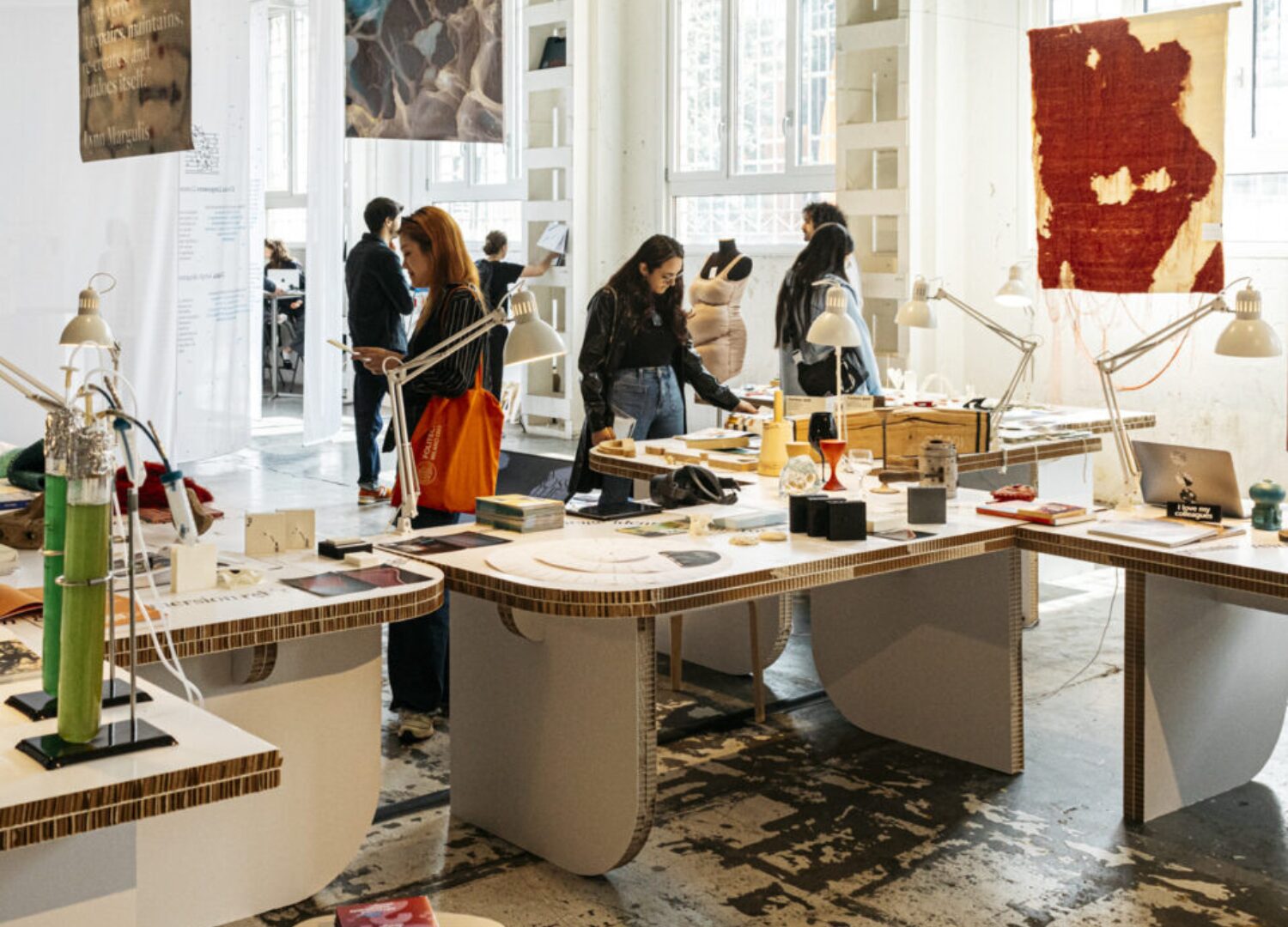
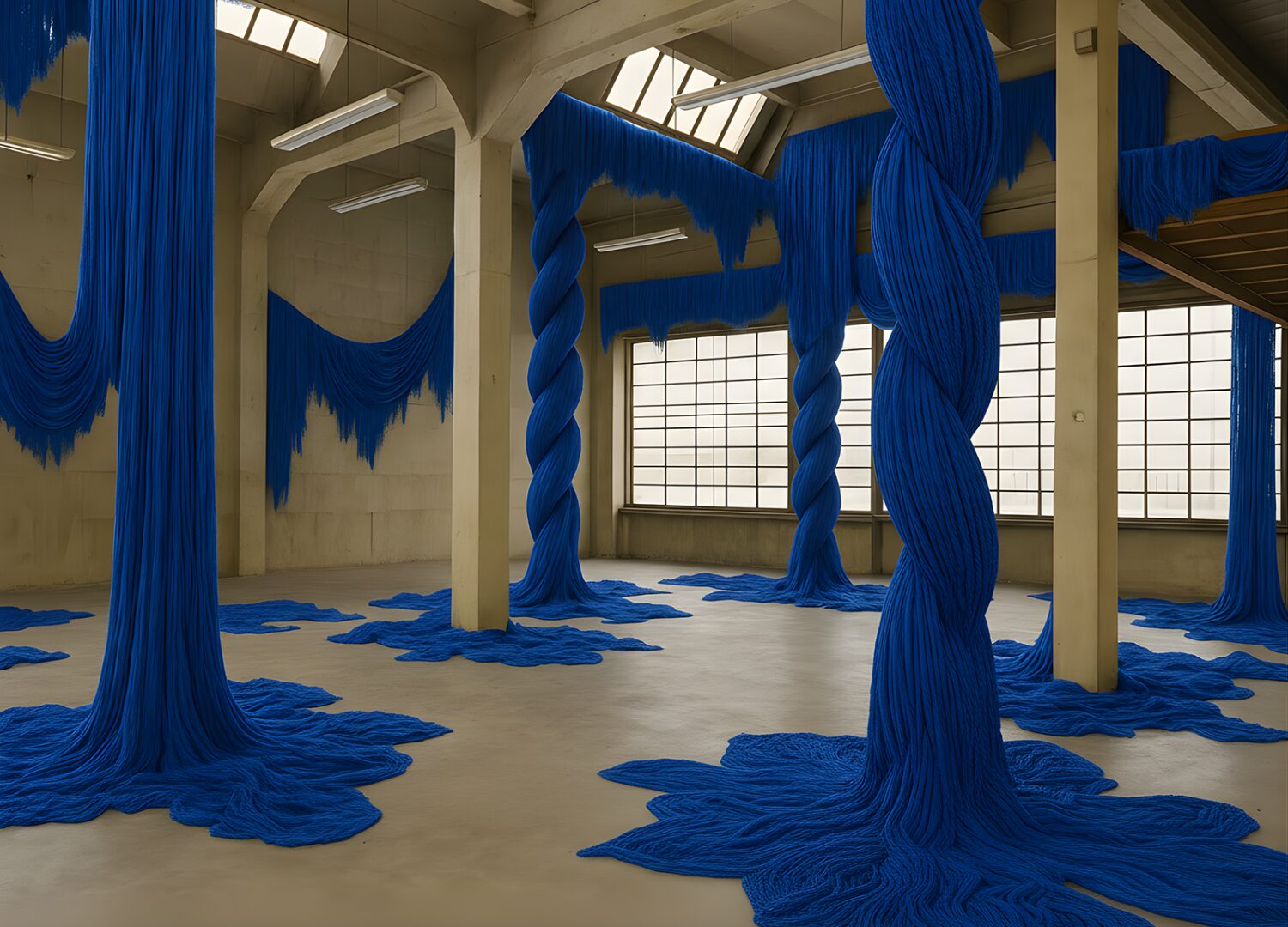
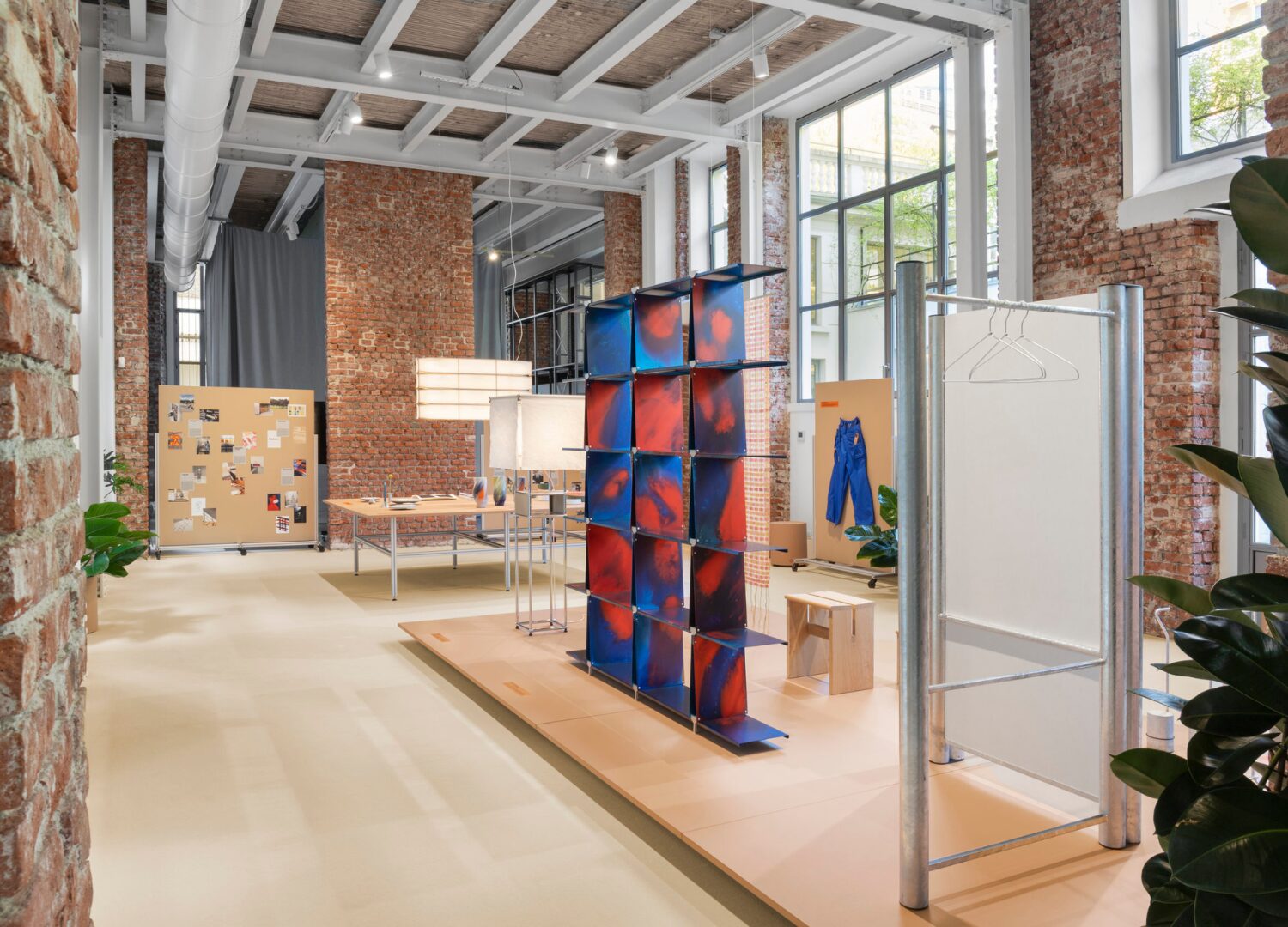
Open full width
The foundation of the fair’s attention to rising talents is in SaloneSatellite, a dedicated incubator for emerging designers founded by Marva Griffin in 1998. SaloneSatellite will once again present 700 international designers under 35, reinforcing Salone’s long-term commitment to emerging practices and design education. This year’s theme is “Craftsmanship + Innovation“, referencing the current dialogue between traditional practices and technological innovations.
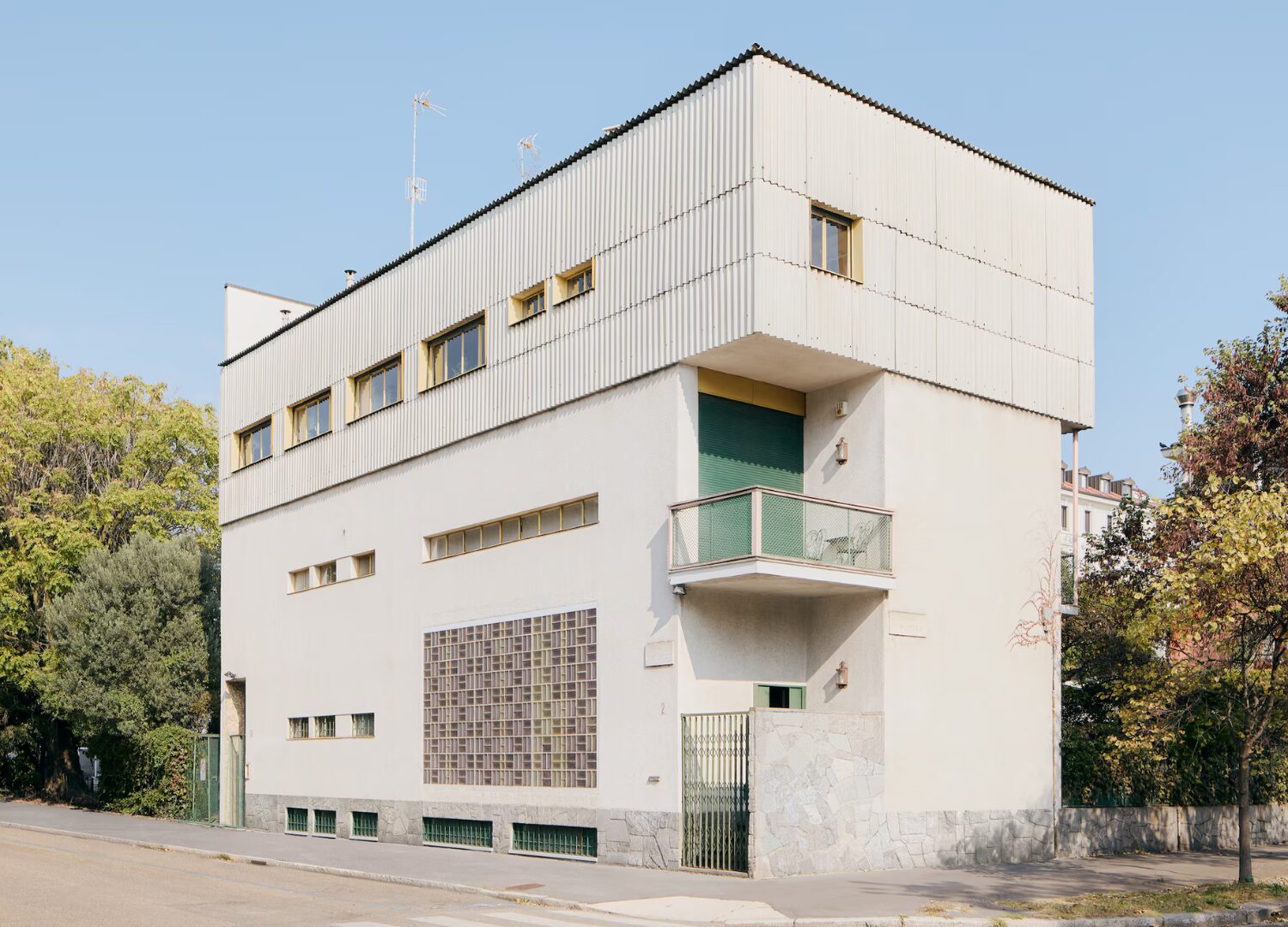
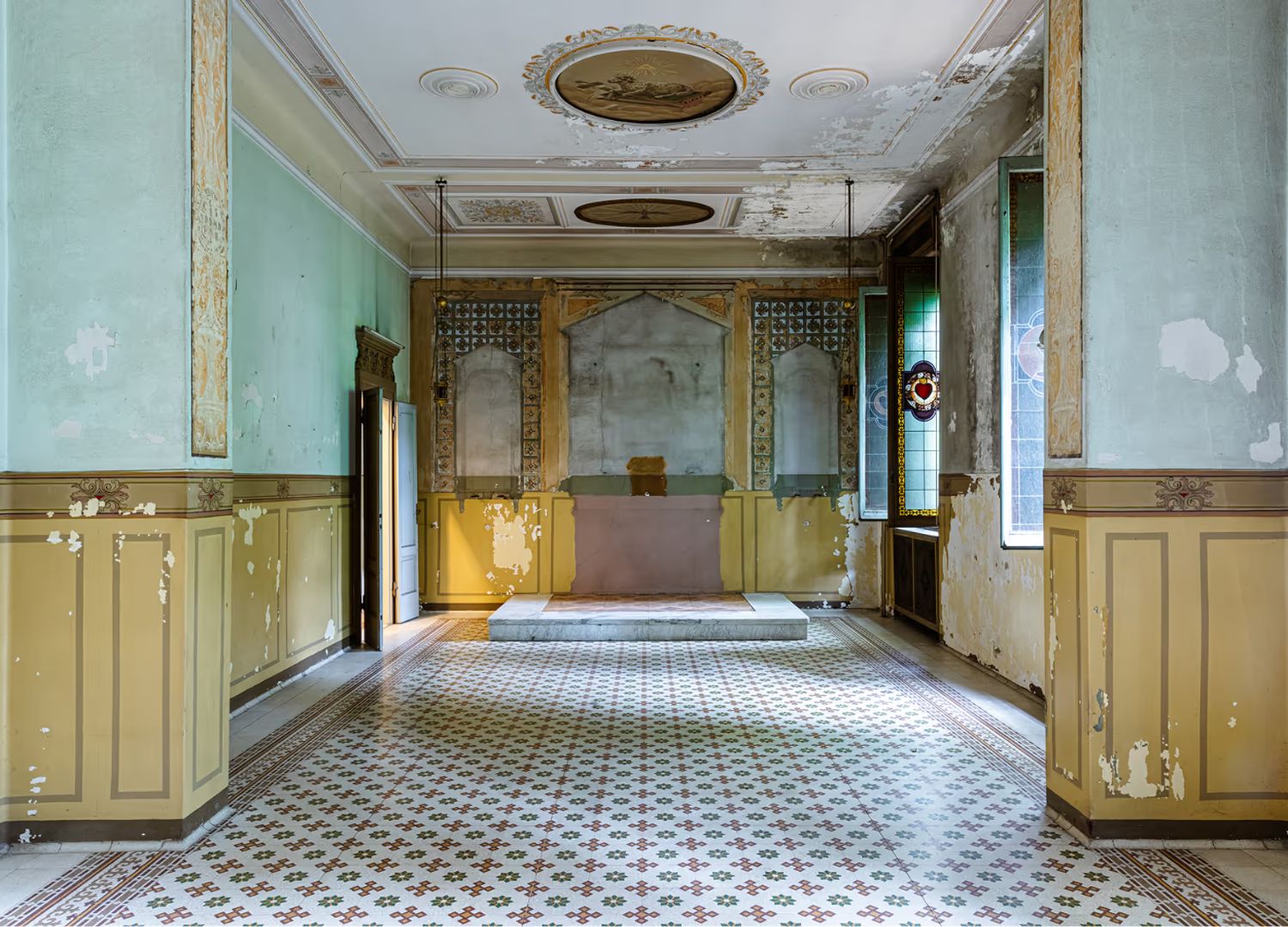
Outside the fairgrounds, one of the most anticipated platforms for independent work is still Alcova, the itinerant exhibition founded by Valentina Ciuffi and Joseph Grima, now in its eleventh edition. Among the major designers, students will also show at Alcova through partnerships with internationally acclaimed design institutions, featuring London’s AA School of Architecture, UMPRUM Academy of Arts, Design Academy Eindhoven, and HEAD Geneve. After a few years in the north of Milan, the show is coming back to the city in two extraordinary locations: the Baggio military hospital and Franco Albini’s rationalist Villa Pestarini.
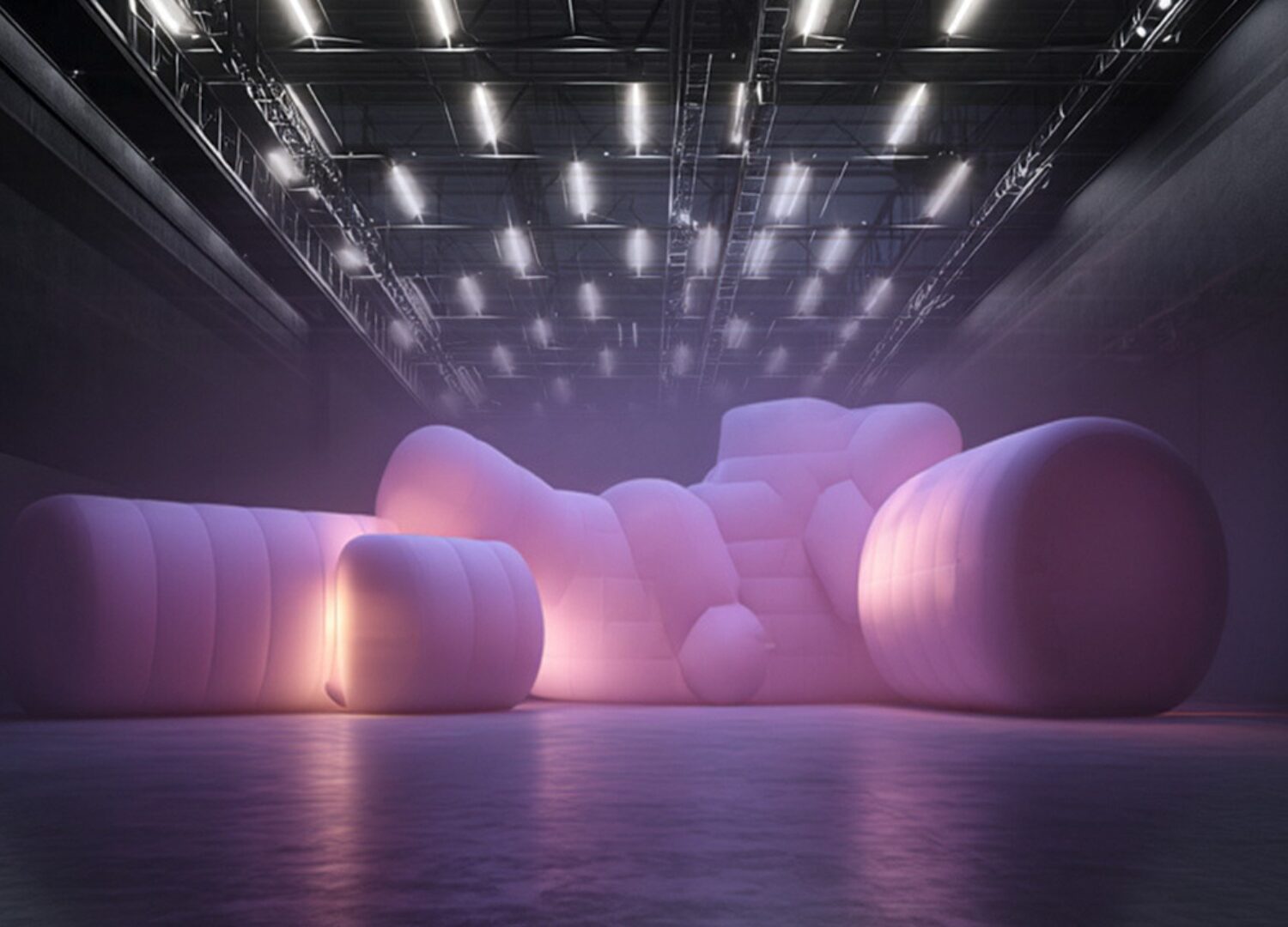
Another Fuorisalone institution dedicating more space to independent designers this year is Superstudio, which this year has effectively tripled its footprint and redesigned its model to extend to three distinct formats: SuperNova, SuperCity, and SuperPlayground. SuperPlayground’s program is purposefully dedicated to young designers, emerging studios, and creative collectives. The show is hosted in a new space in the Bovisa district, a neighbourhood known for its fresh design influences because of the presence of Politecnico di Milano’s design campus. Through an open call, SuperPlayground provides flexible exhibition spaces to selected talents, aiming to bring back the original spirit of Fuorisalone: free research, experimentation, and new narratives.
The Swiss presence this year takes a notably different form from recent editions. Having completed a three-year run as the House of Switzerland Milano, this year the Swiss Arts Council Pro Helvetia moves to Spaziovento, under the theme of Shared Matter. It presents a curated selection of emerging Swiss designers selected through an open call, who are supported through visibility, but also with international collaborations and research work.
For a decade now, the Isola Design District has been Milan’s most consistently hospitable neighbourhood for young designers. This year, the platform continues to champion emerging practices through Isola Rising Talents, the district’s dedicated section for early-career designers, now hosted at ZonaK in Via Spalato 11. The third edition spotlights top students and recent graduates, looking to design futures characterised by playfulness and fresh voices.
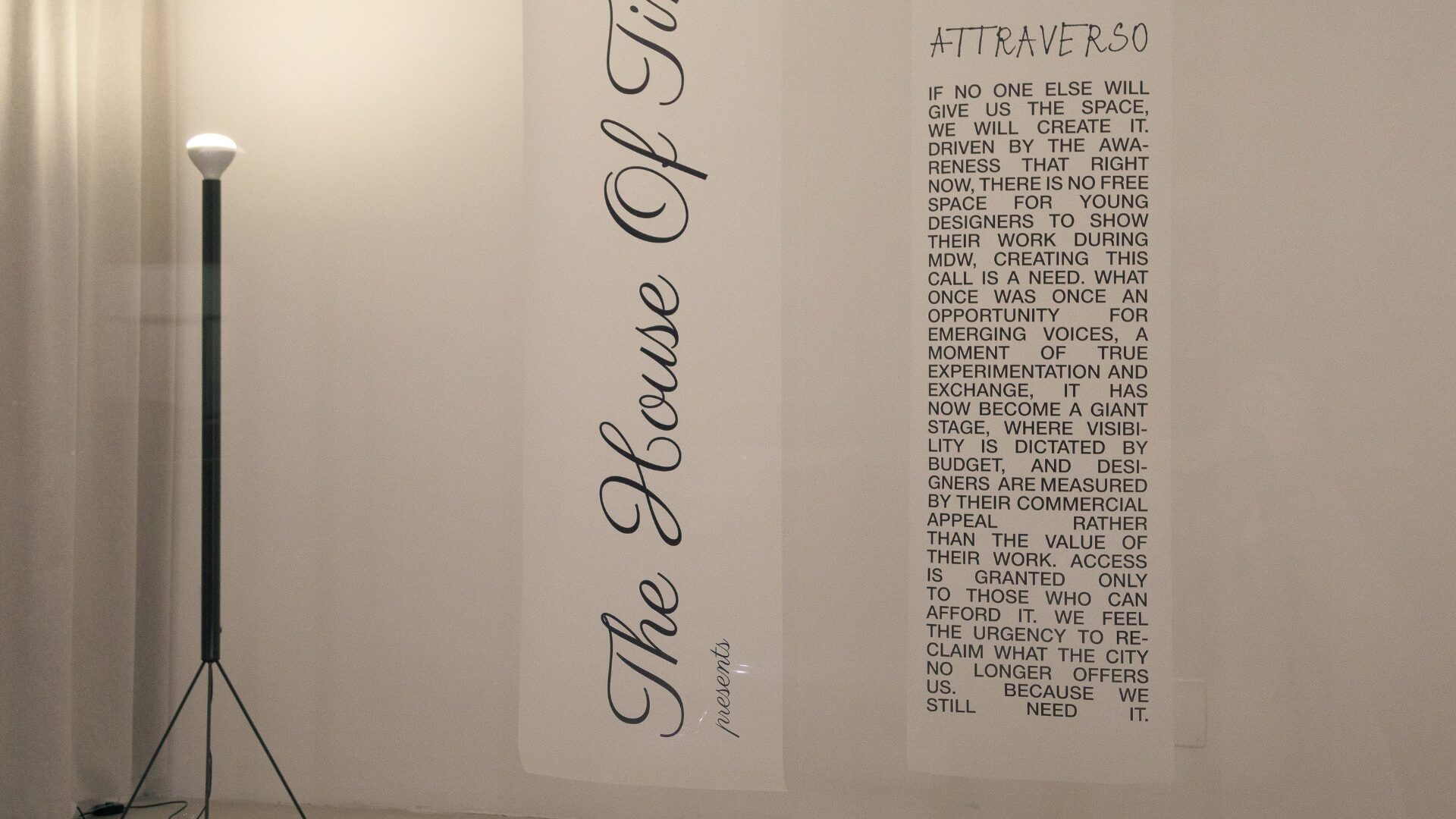
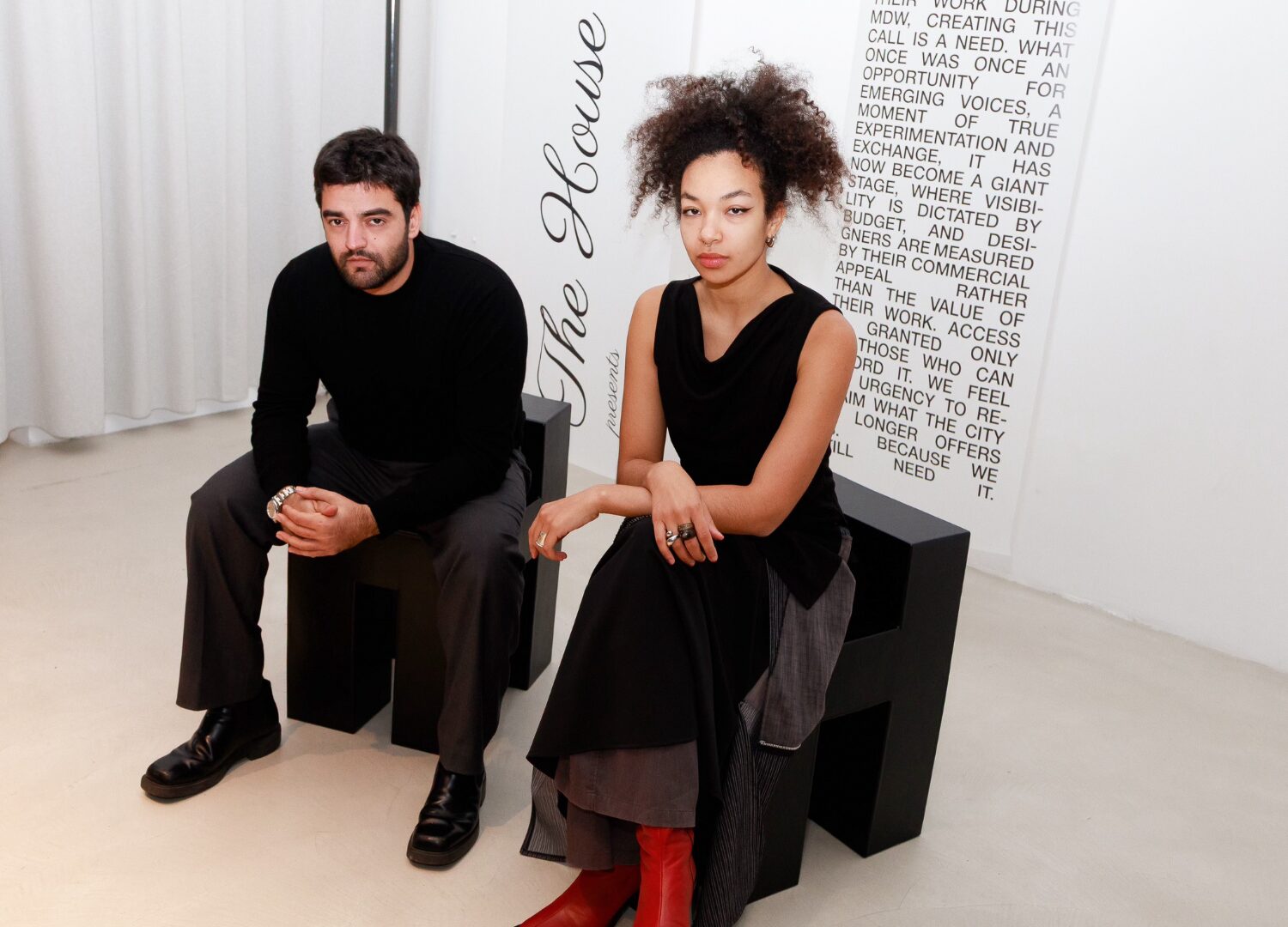
Other than the big names, this year we are also seeing young designers taking matters into their own hands, establishing their own platforms and spaces. House of Time is an independent curatorial project by Gabriel Bianchi and Sade Linda Ekwedike. Presenting their second edition this year, they will be exhibiting in Aretè Showroom in Via Seneca 4, presenting 30 designers selected from a free open call around the theme of transparency, called “Attraverso”. Another curious new entry is “a bunch of knobs” by Zaccaria Slater, an itinerant show made of a door hosting 30 door knobs designed by 30 different creatives, acting as a metaphor for designers being able to get their foot in the door of the industry.
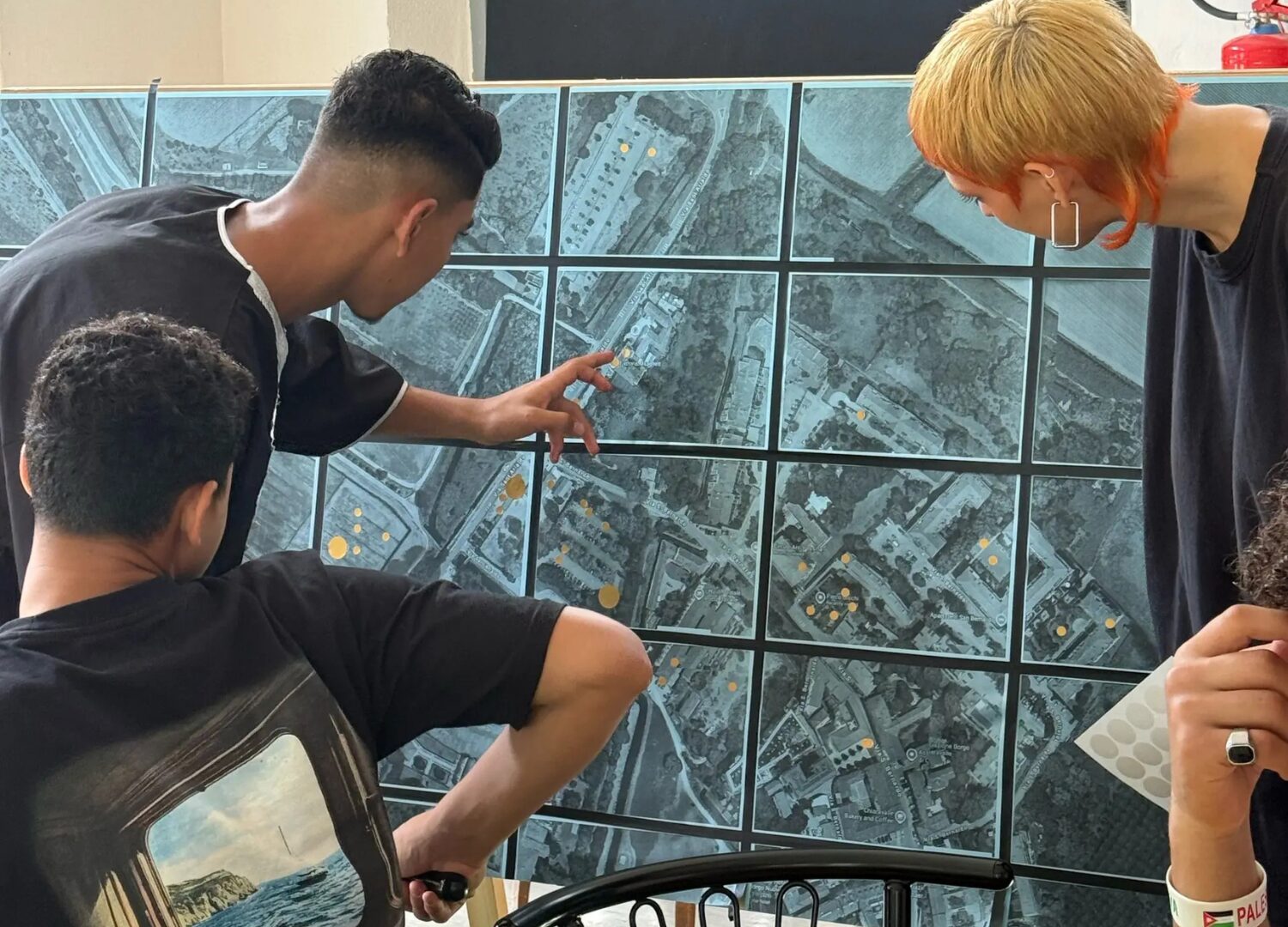
Redesigning Design Weeks is a project by Nieuwe Instituut, which aims to allow young designers to rethink one of the core businesses of their own industry, inviting them to reconsider the social and environmental impact of fairs on their host cities. Continuing on 2025’s theme “Civicity“, this year’s edition will show the ongoing research in a short 3-day exhibition at Villa Mirabello, as well as a presentation of the residency’s outcomes at BASE Milano on the 24th.
BASE Milano will also be hosting young designers in residence, in a public program called “Hello Darkness“, which sees the dark as a world of infinite possibilities of creation and subversion. The open studio sessions will feature work from Jean-Baptiste Durand, Saul Baeza & Manuela Valtchanova, Bianca Carague, Cristina Dezi, and Lucrezia Alessandroni.
What emerges looking at the 2026 lineup is a sense that Milan is responding with curiosity to the new generation’s desire to be heard. This year’s Fuorisalone’s theme is “Be the Project,” understood to be both an invitation and a challenge, recognising that design is a constantly evolving process that shapes and redesigns relationships between people, objects, and environments.
The platforms about the younger talents described here are not marginal to the event; they are, increasingly, the event. They are where the next decade of design culture is being written, in the rooms of abandoned villas or a design village on the outskirts. The question of who gets space in Milan is never granted; space is expensive, space is scarce, space is power, and the energy this year around these platforms suggests the answer is slowly changing.