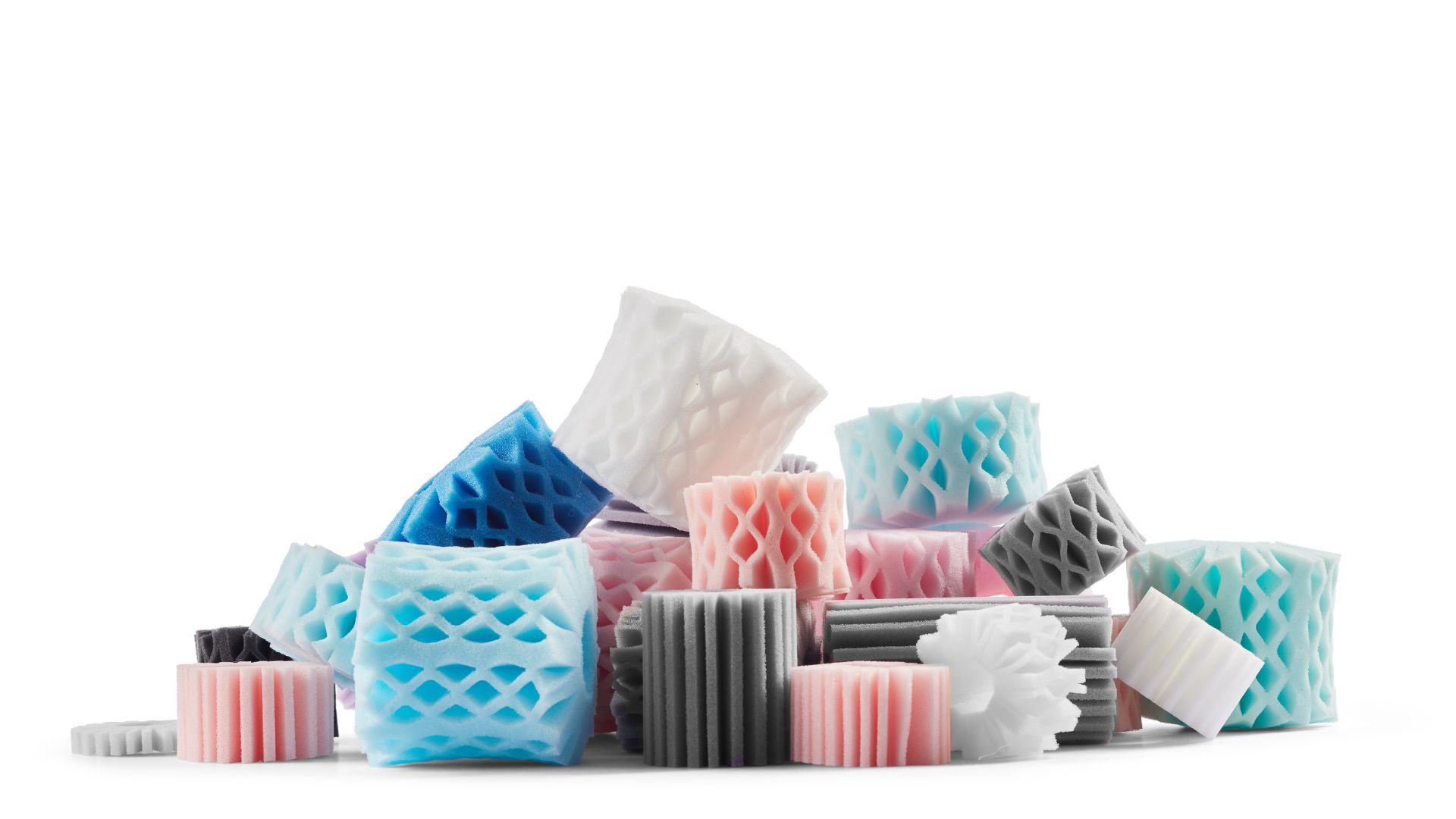
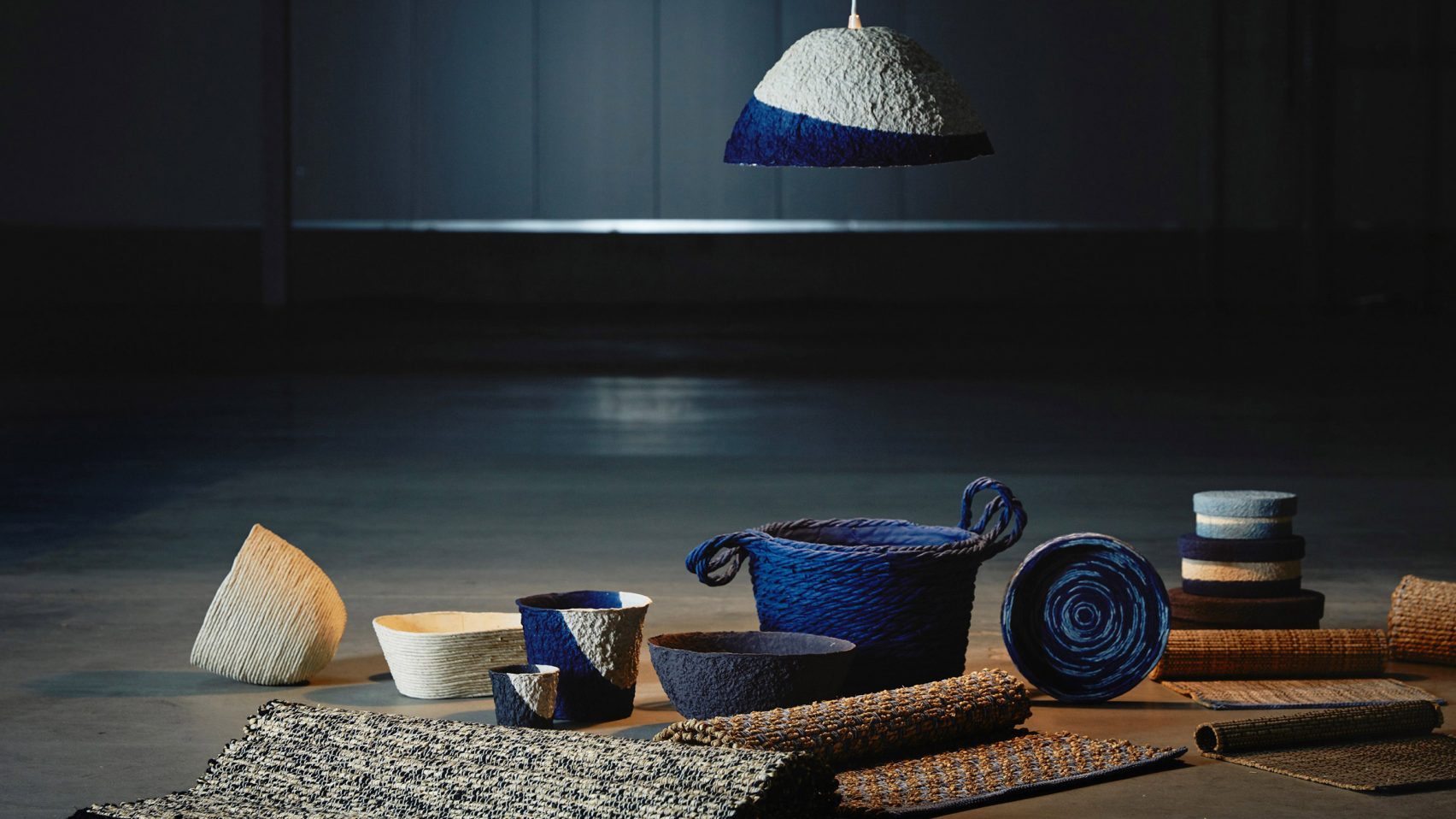
Waste, reconsidered: debris turned into cement-alternative building materials
Highlighting the emerging intersection of material science and circularity within the construction sector.
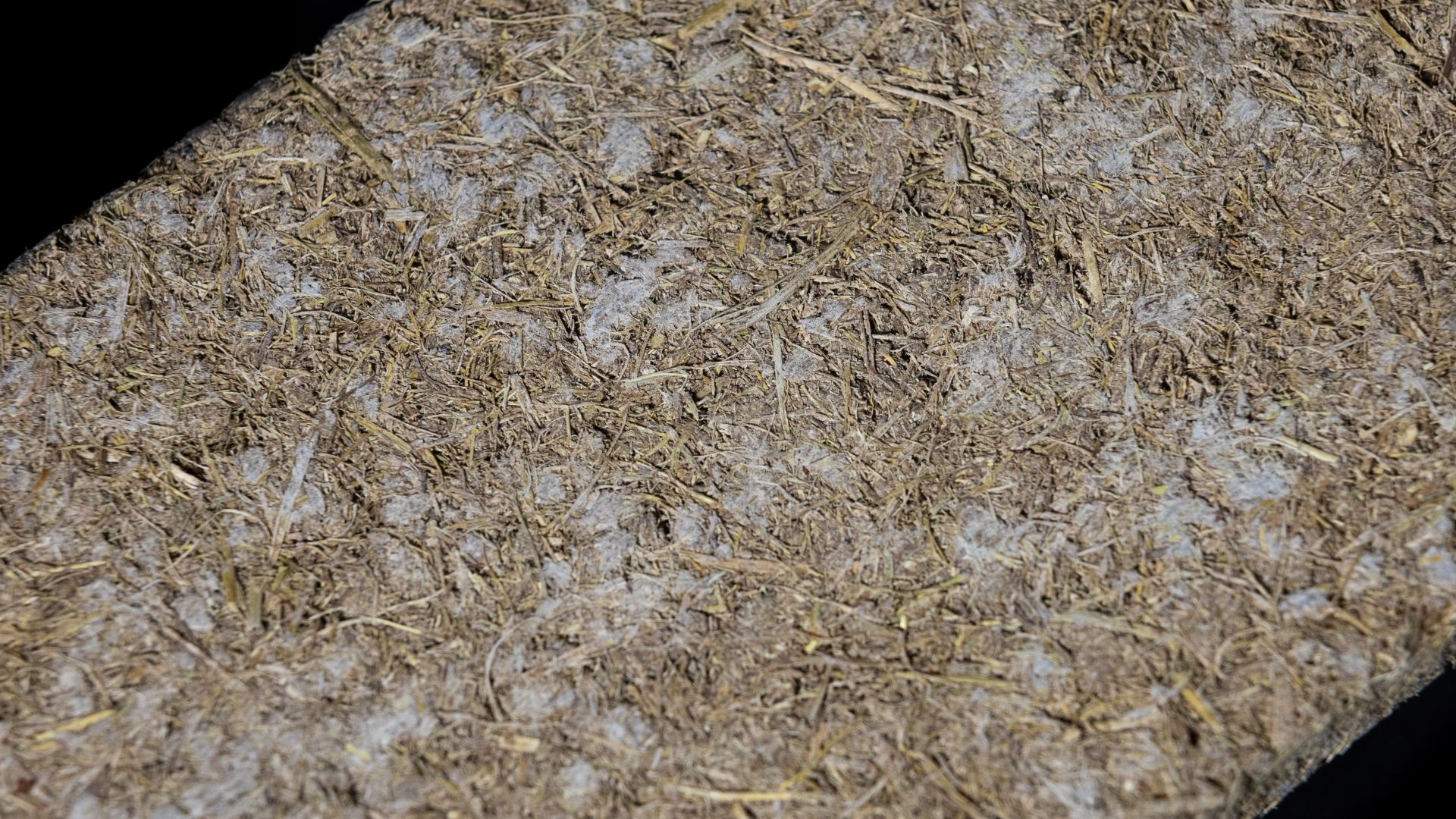
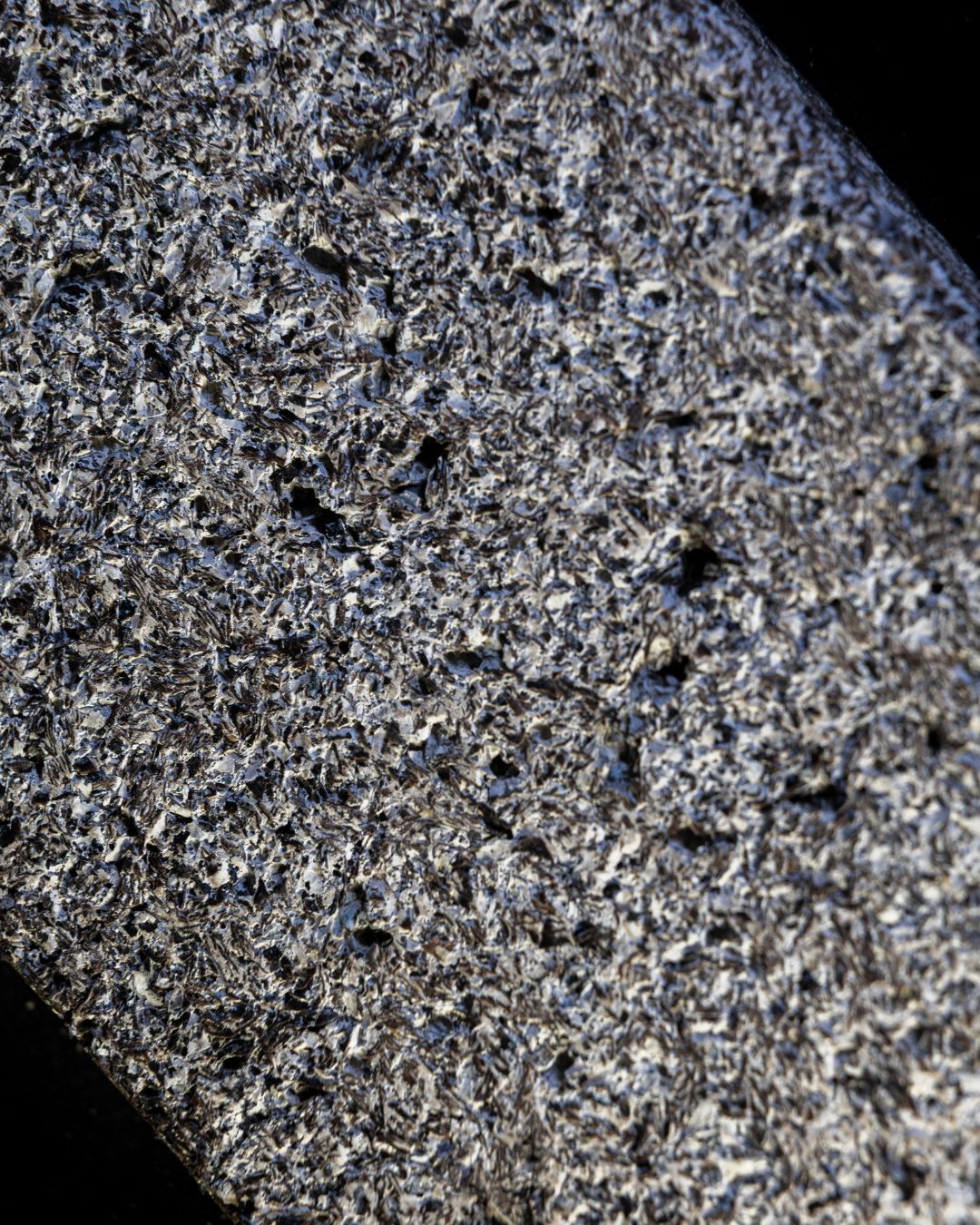
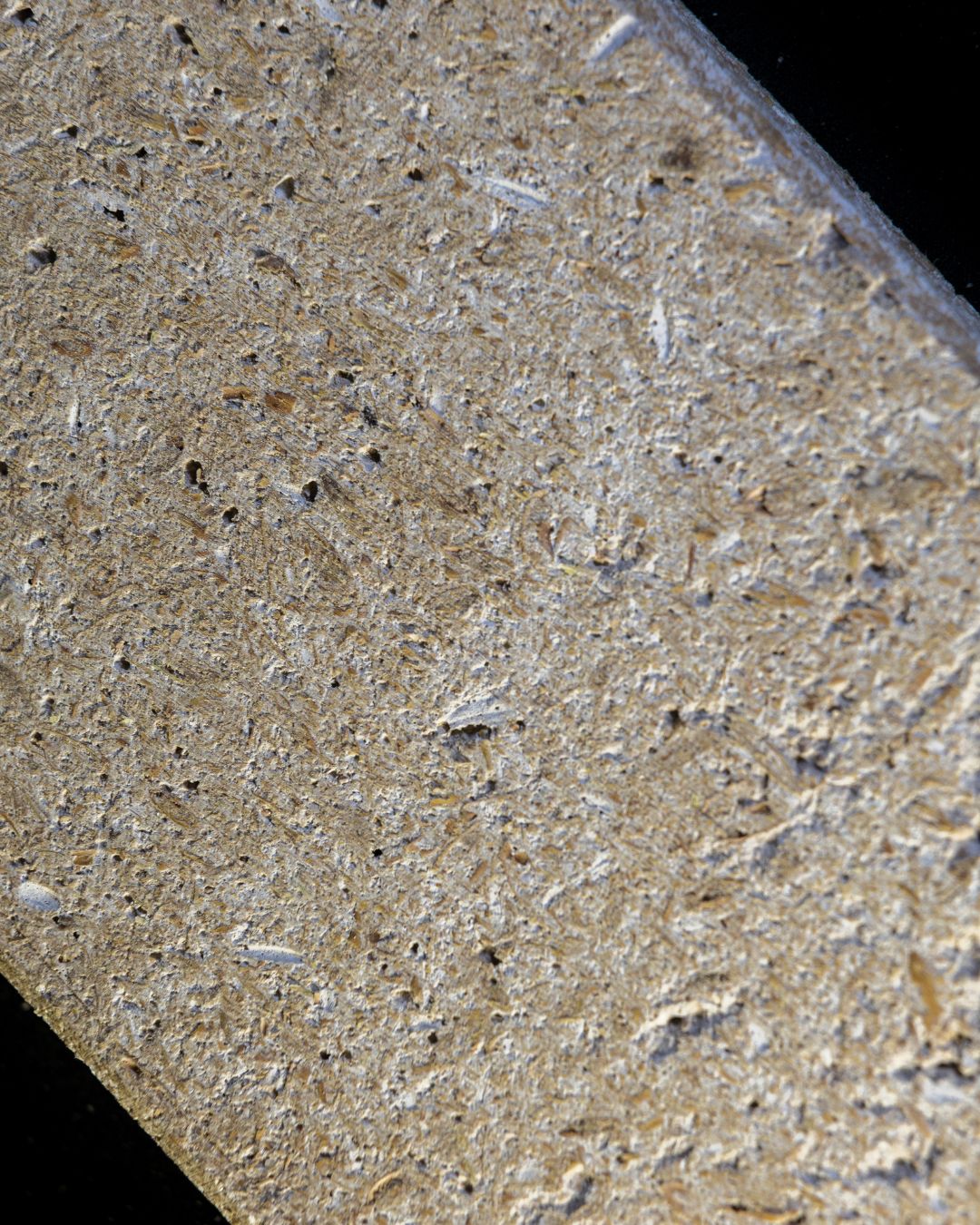
Agricultural and mineral-based waste streams are typically incinerated or landfilled due to their poor recyclability. Through formulation processes tailored to each base material, Innsbruck (Austria) based Parastruct repurposes such waste into a new class of cementitious-like materials.
Structurally, these materials fall outside standard classifications: occupying an intermediate category of their own as they showcase properties in between those of cement-like structures and geopolymers or contain clinker (a distinct ingredient to produce concrete).
Gallery
Open full width
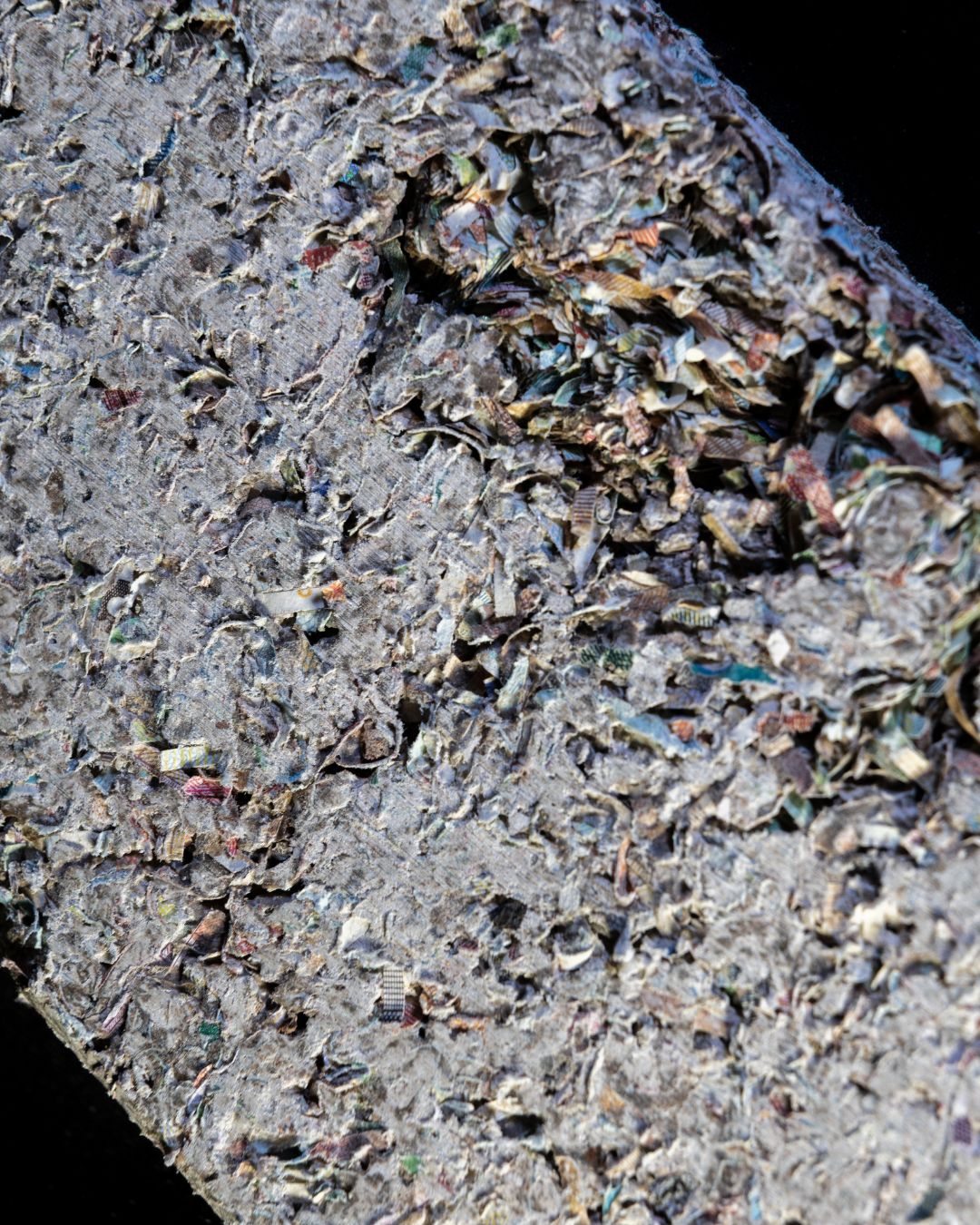
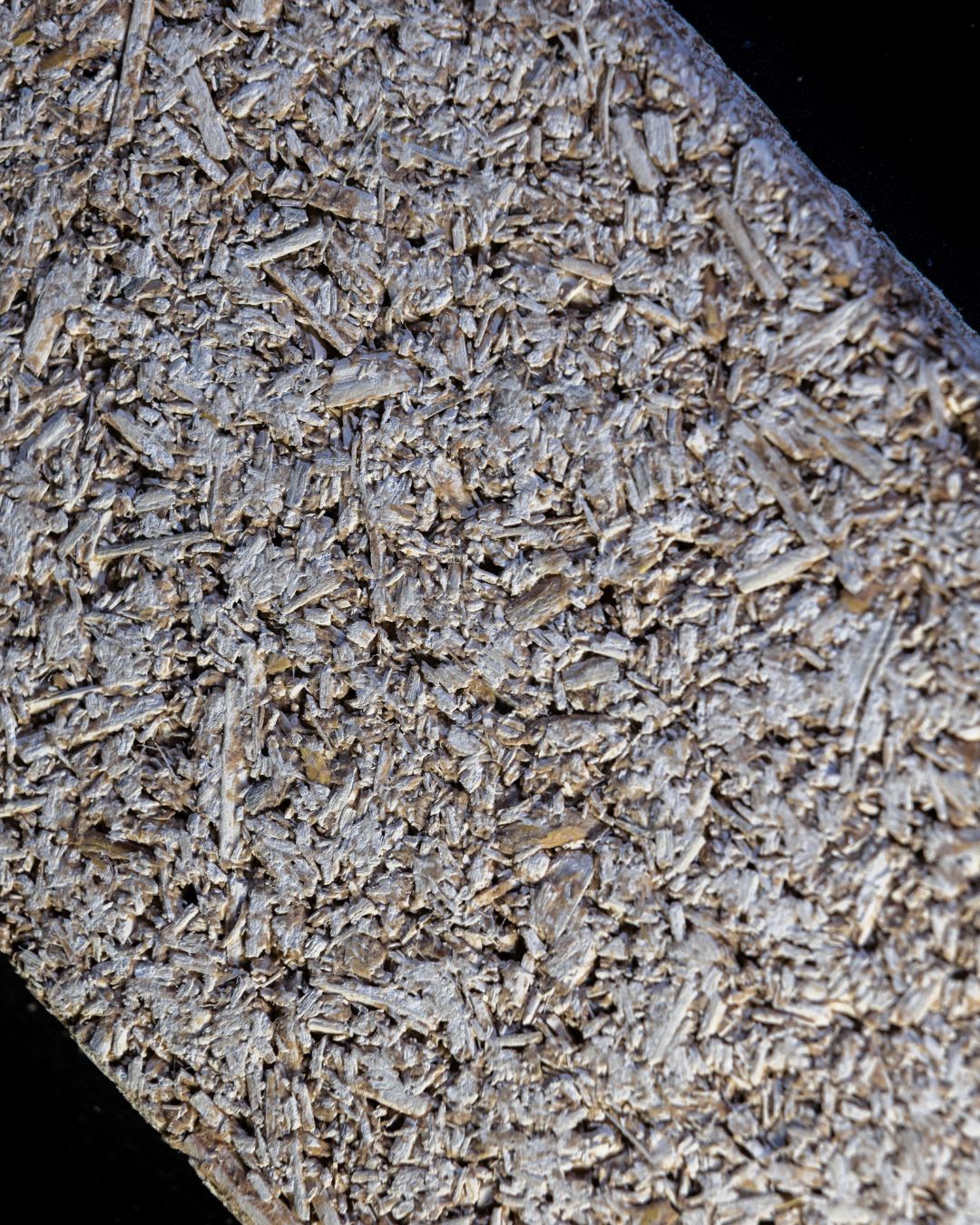
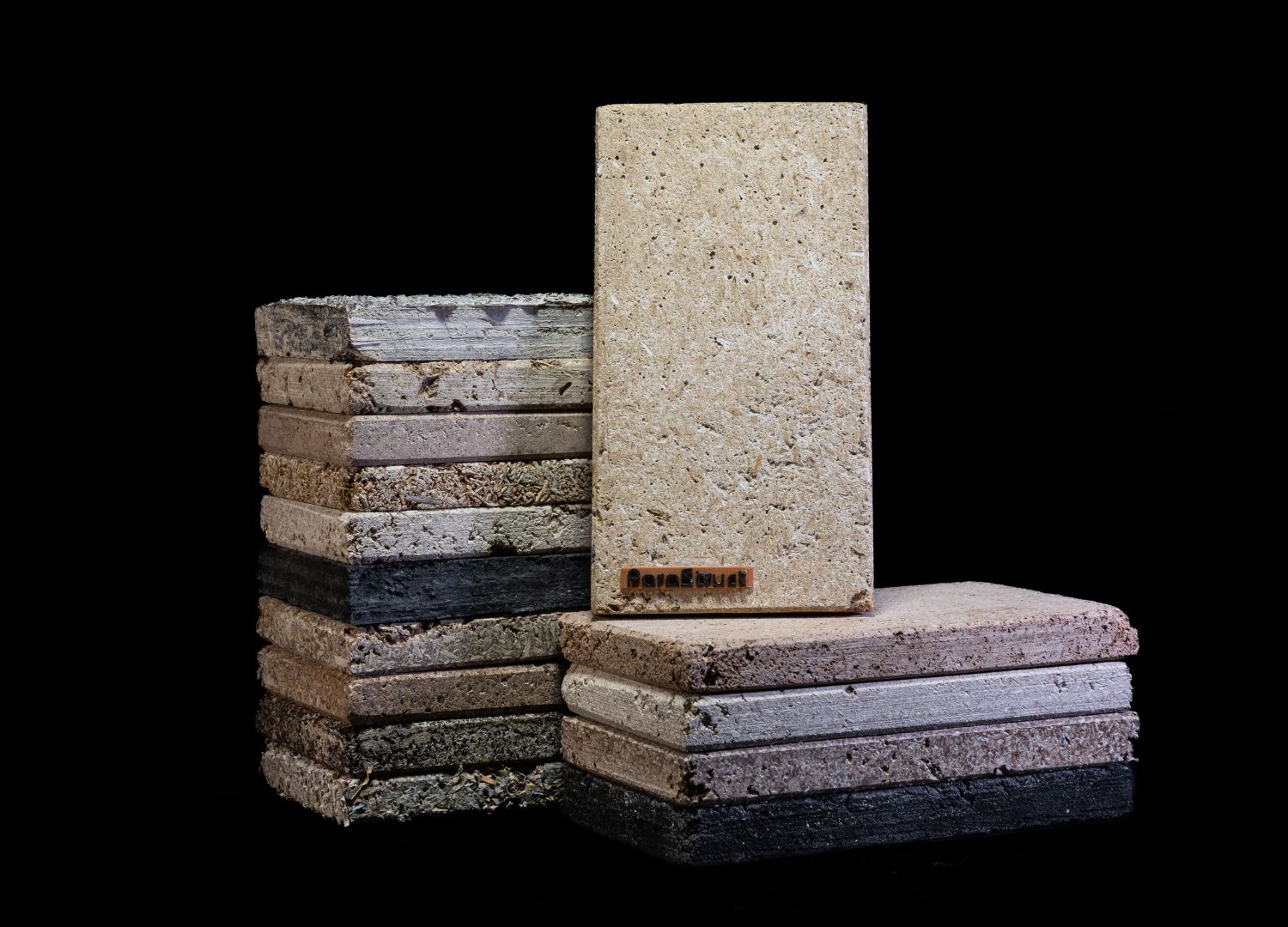
Open full width
Parastruct – highlights:
Material properties
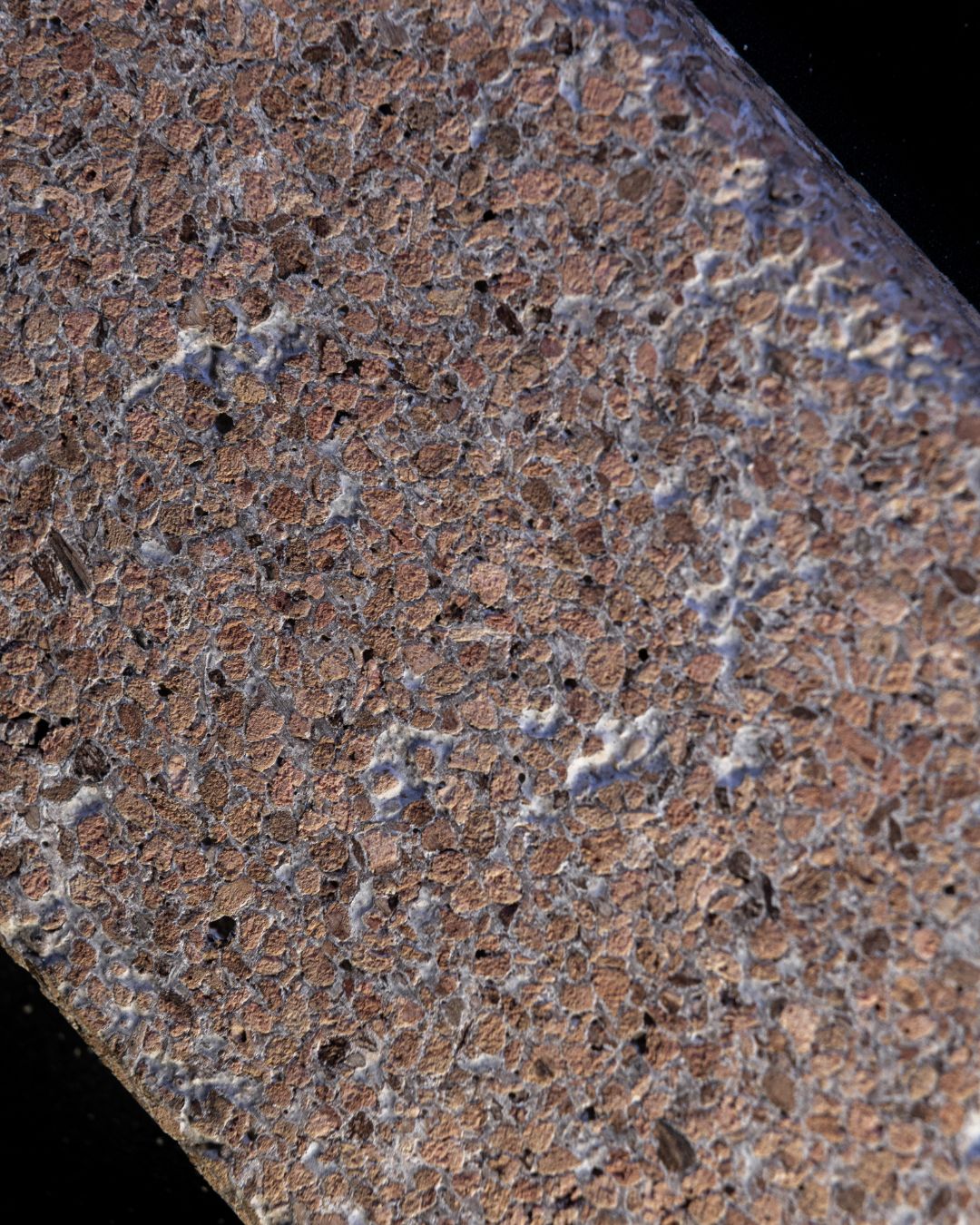
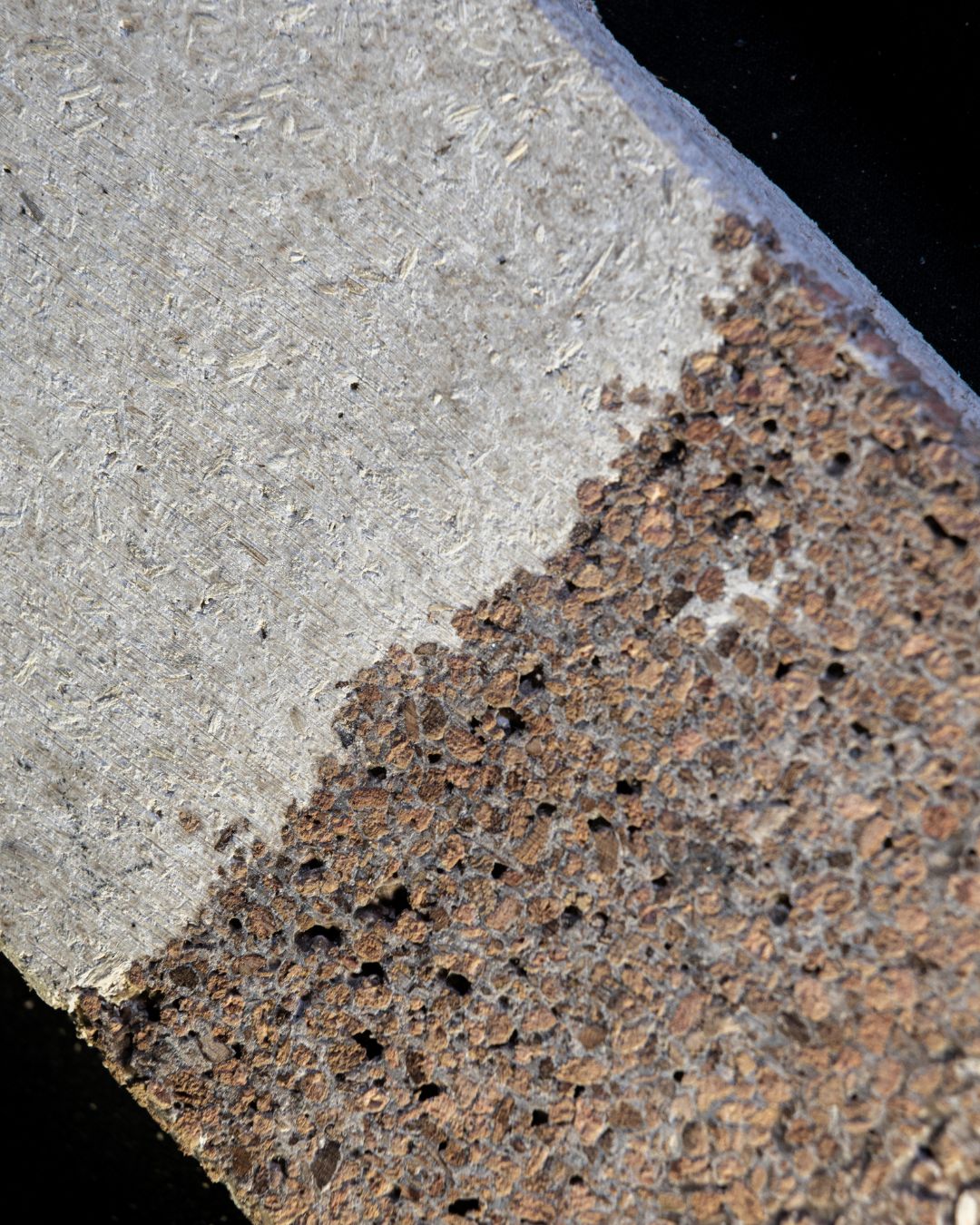
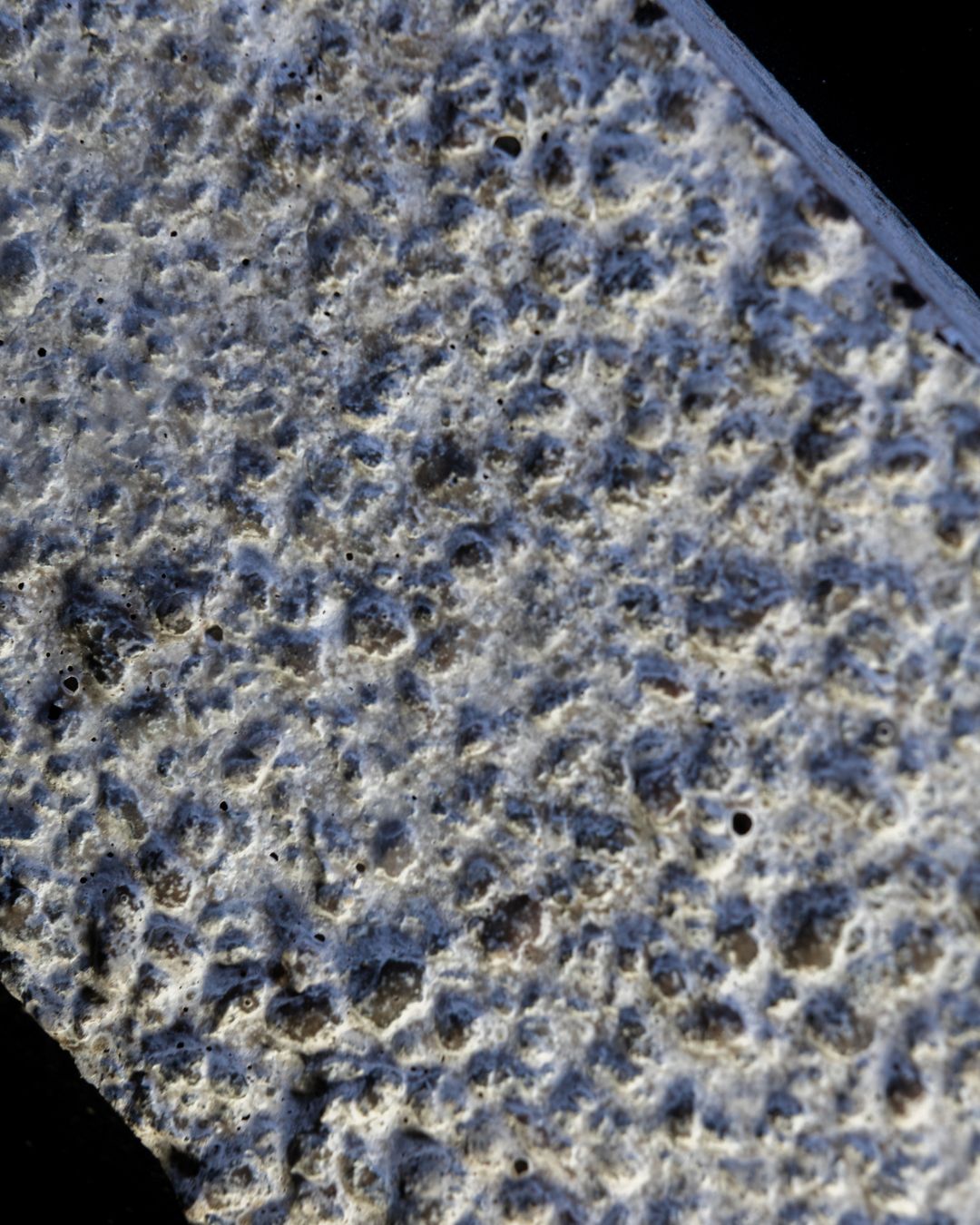
Specifically, their materials are built from core components such as recycled mineral binders which are reactivated from fine-grained mineral dust and industrial by-products like steel slag, and wood filler such as wood flour. By adjusting the ratio between the mineral binder and the biogenic filler, ParaStruct can produce materials with characteristics ranging from wood to concrete-like surfaces, allowing the formulation to serve / fit the intended application. This results in products that utilize resources efficiently, enable material cycles, and remain economically viable.
Applications and formats
Due to the customizable nature of the material, it lends itself to a variety of practical applications. In construction, Bioscreed by Parastruct, has been used for subfloors, precast parts, mold making, cold casting of concrete, ceramics and laminating applications. Their acoustic properties have also been explored, as seen in a collaboration with the Technical University of Darmstadt on printed cellulose acoustic panels.
BioMaterials by Parastruct has been adapted for more specialized uses, such as printed elements designed to withstand marine conditions for coastal weather protection, as well as recyclable 3D-printed commercial fixtures for the fashion industry. Formats include project specific modular 3D structures and flooring construction with a minimum thickness of 30mm. The dynamic applications of the company illustrate how the same base technology can be reformulated to meet a variety of different performance and aesthetic related requirements.
The business philosophy behind
ParaStruct’s business model centers on licensing the technology to manufacturers/producers of building materials rather than manufacturing itself, as the production process is designed to be decentralized. Access to the material requires communication with ParaStruct directly to license the process or source quantities, rather than buying it off a shelf like a standard building product.
The company has also received institutional backing from the EU Commission, including the Circular Economy Community Award and the Seal of Excellence and has participated in the Techstars Sustainability accelerator program in Paris.
The company allows waste streams that were once once considered unrecoverable to be reformulated into functional and customizable building materials. Its approach offers a tangible model for how industrial and agricultural waste can be redirected into the built environment and mitigates the negative impacts of landfill buildup.
About the author

Materially helps companies in the development and promotion of sustainable innovation starting from materials. We work with a focus on circular economy and materials innovation through a design thinking approach. Our team’s expertise and our network rely on 20+ years of international projects and experiences.
WebsiteInstagramLinkedin