Recycling plastic waste with a cotton candy machine
Emerging from a university project, Polyfloss is a machine that turns plastic waste into a fun fibre, making eco-conscious behaviours accessible and enjoyable.

In a world drowning in plastic waste, where less than 10% of plastic is recycled globally, a radical change to the system has to come from an unexpected place. The Polyfloss factory has taken inspiration from something as simple as cotton candy, to create a revolutionary solution for localised plastic recycling by transforming waste into valuable fibres that can be used for textiles, building materials, and packaging applications.
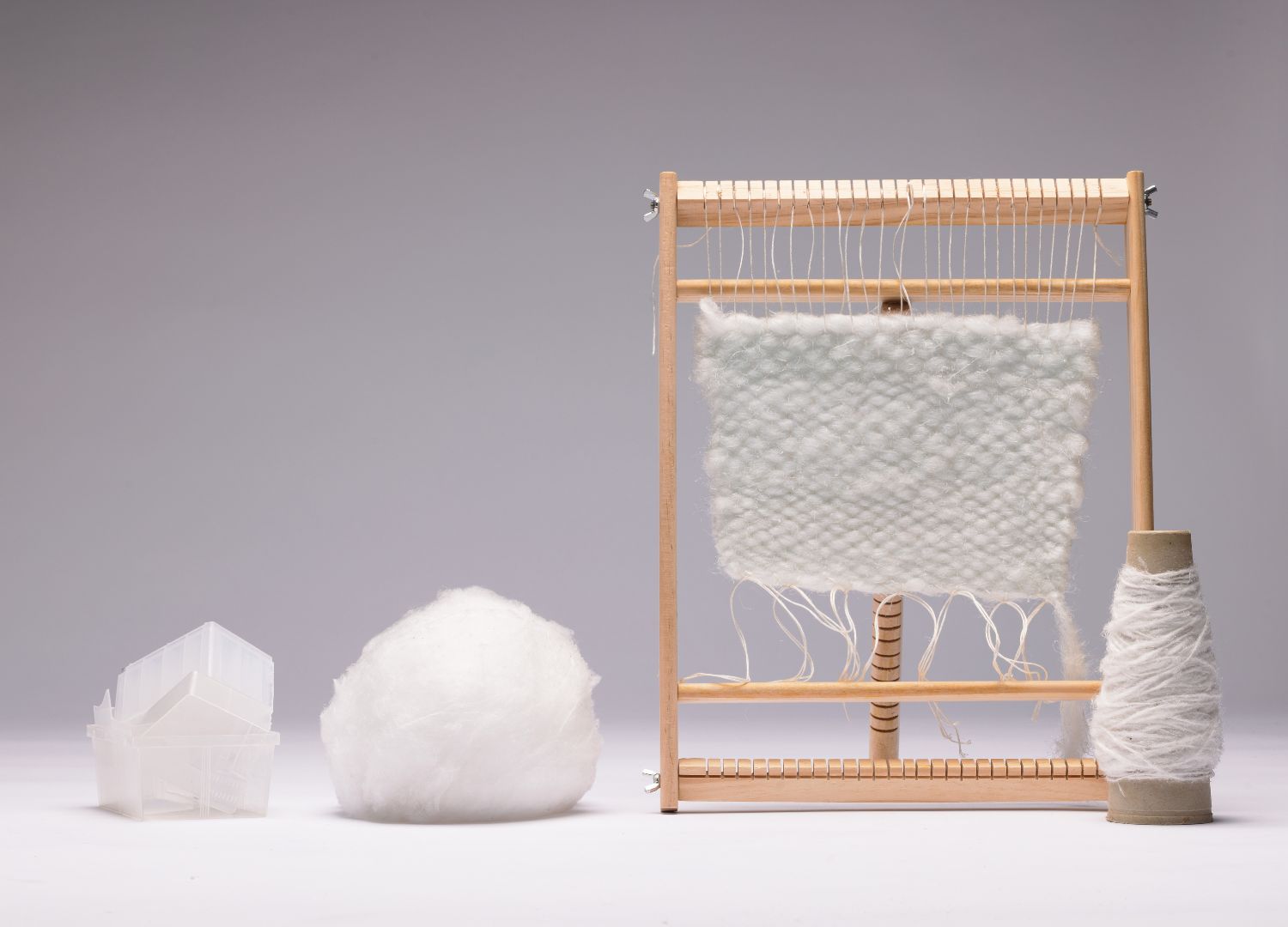
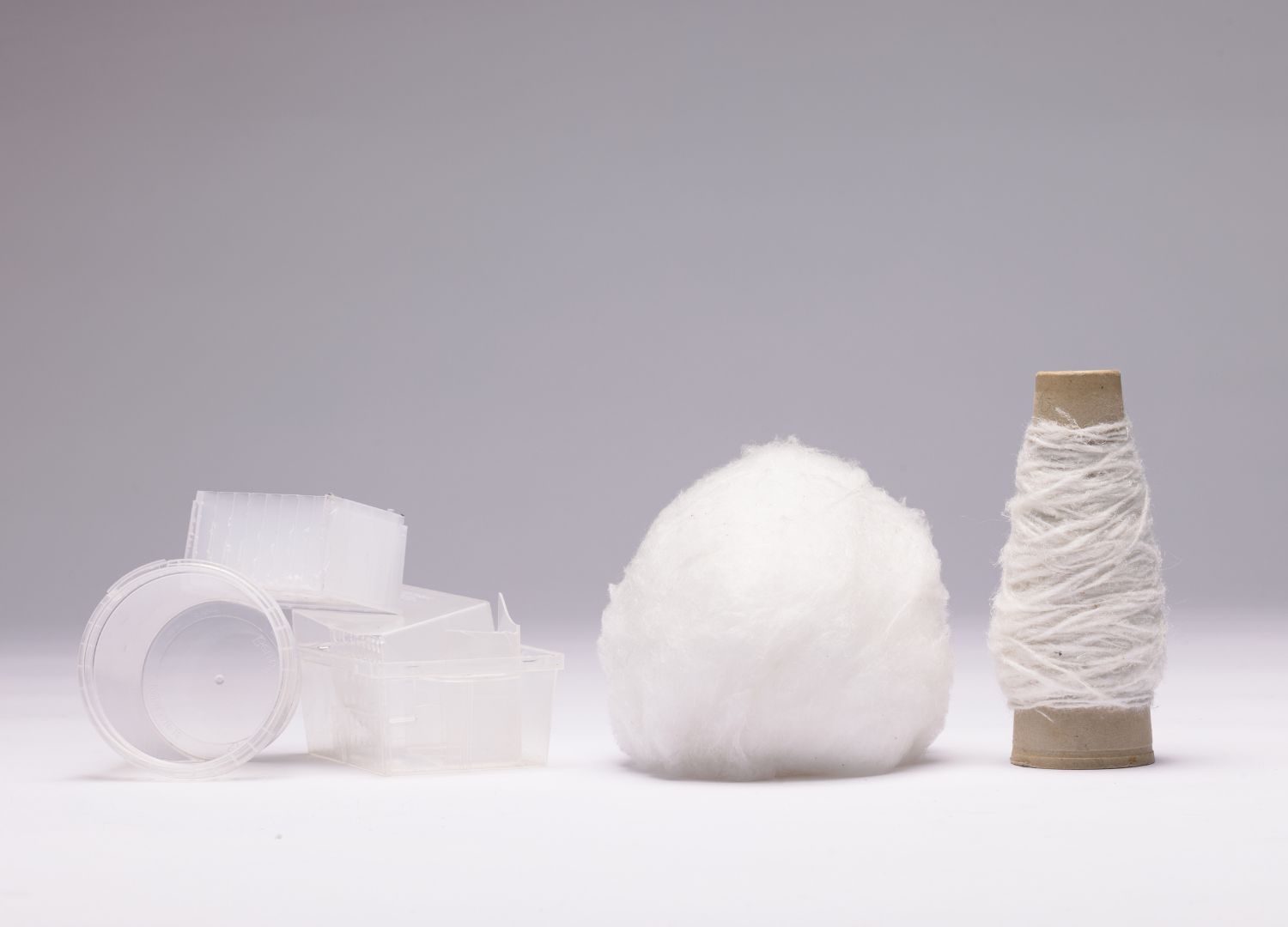
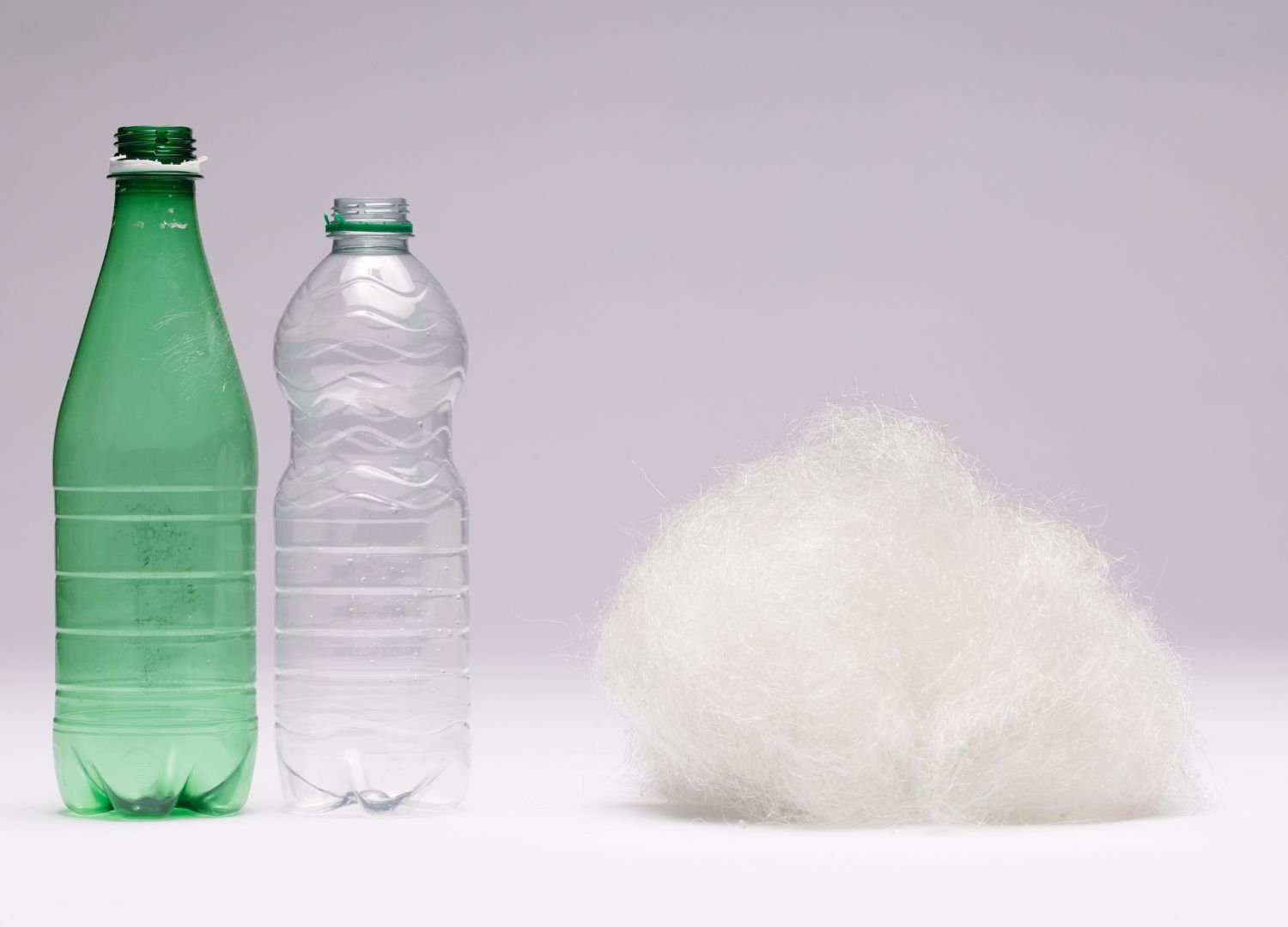
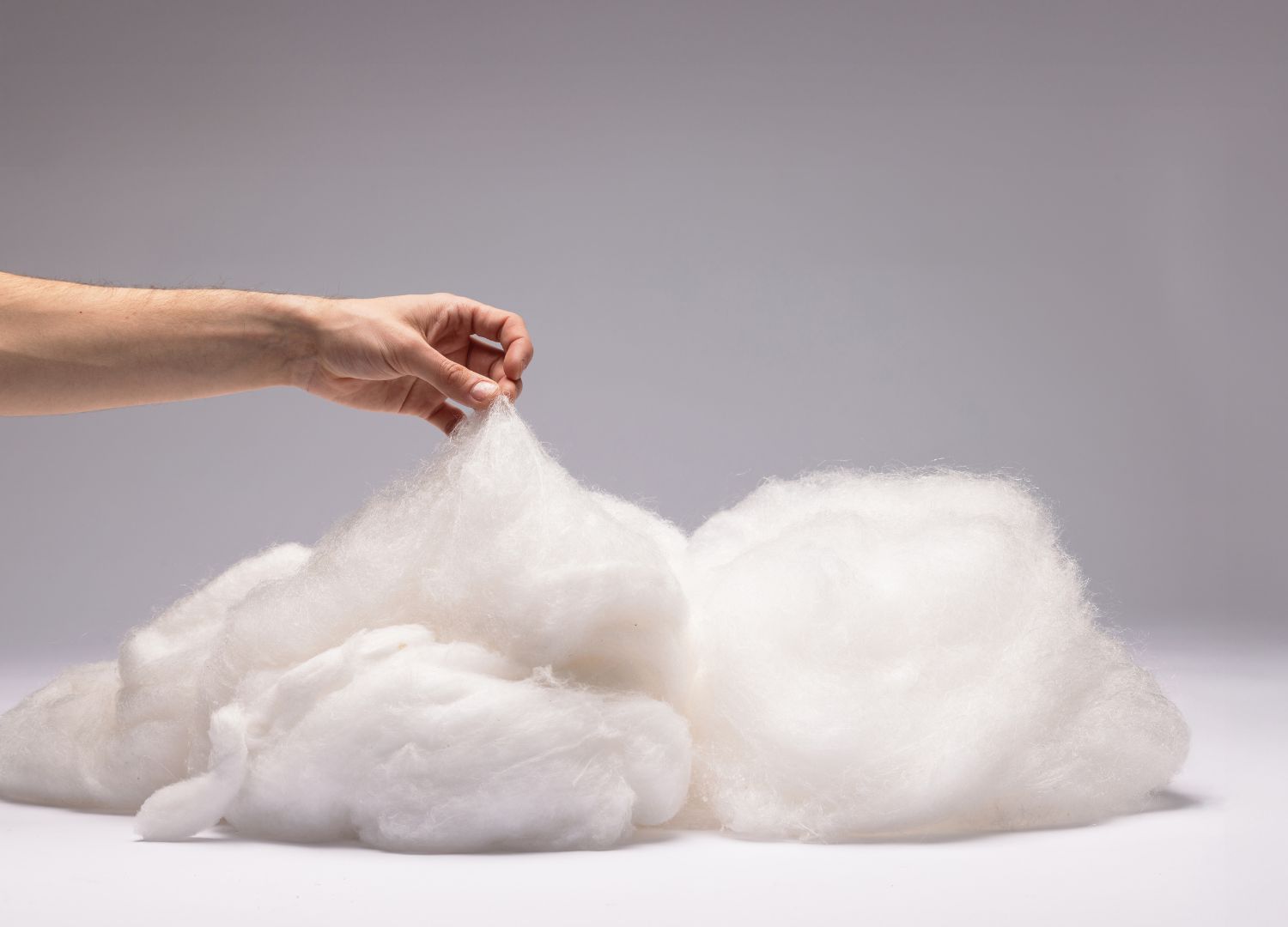
The genius behind the Polyfloss factory lies in its simplicity and familiarity. In the same way that cotton candy machines spin sugar into delicate, intertwining fibres, the Polyfloss factory transforms plastic waste into newly useful plastic fibres. This approach is radical in handling plastic recycling, as fibres can be more versatile than the typical bricks or sheets.
The machine combines a single extruder that heats plastic and pushes it through a tube, like a pasta machine, except the head of the extruder spins, like a cotton candy machine. As the hot plastic arrives, hot and under pressure, in the spinning head, centrifugal force pushes it through a precision slit, dividing the flow into thin fibres. These are then immediately blown with cold air to get them to elongate and cool down for collection.
Gallery
Open full width

Open full width
The global plastic crisis demands local and accessible solutions. While industrial recycling systems are definitely useful and relatively effective, they are often too expensive to be accessed in every area, especially outside of EU countries. The Polyfloss approach allows plastic waste to be tackled right where it is generated, supporting the development of small-scale circular economies, where waste can become a valuable resource rather than a problem.
Additionally, thousands of different kinds of plastics exist, and these facilities often only recycle a few, most likely being HDPE and PET. While the Polyfloss factory also recycles a limited amount of plastics, three kinds called PP, PET and PETG, increasing the amount of decentralised solutions like this one can allow us to have more strategies to combat the various challenges that plastic waste brings up.

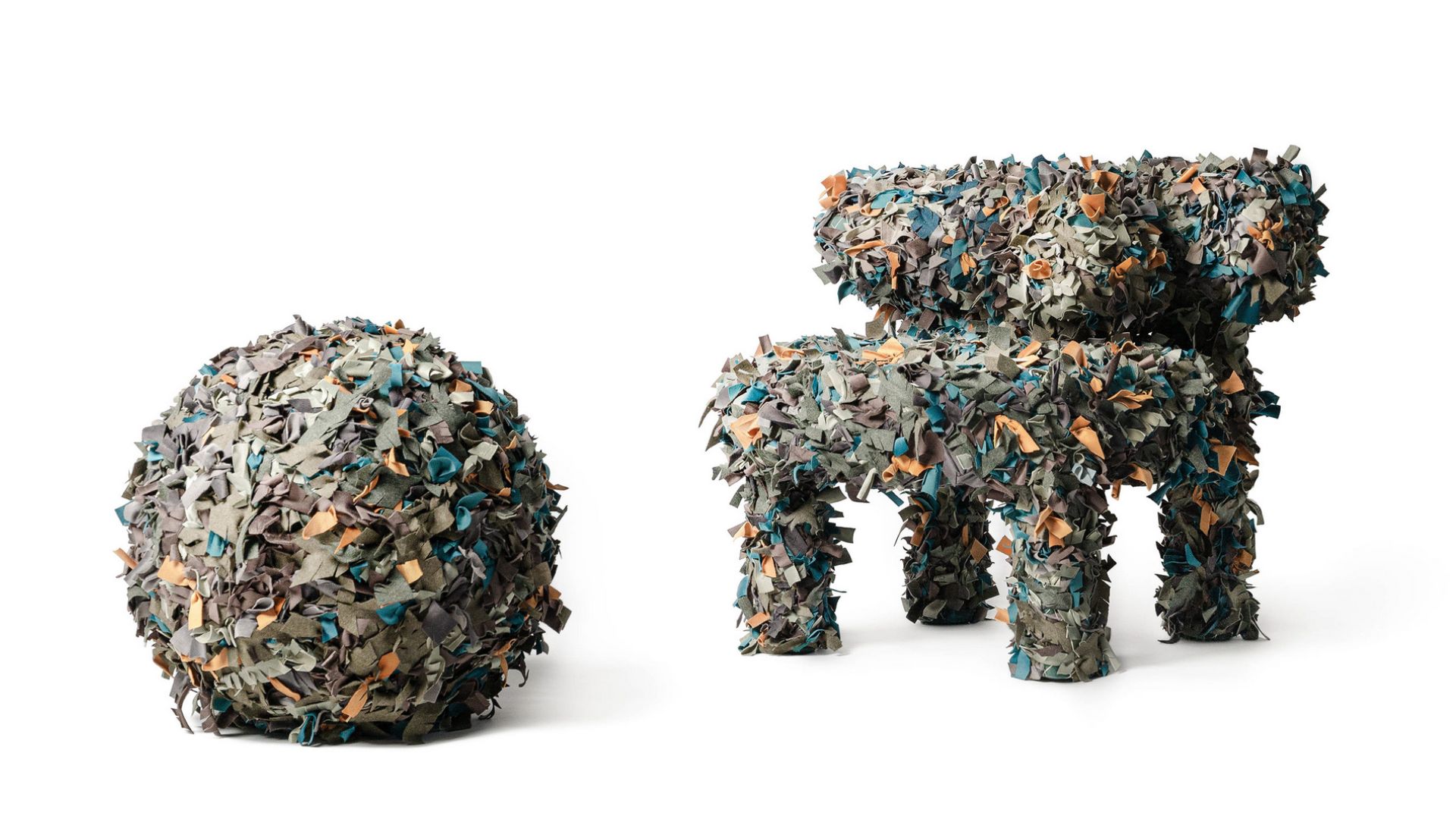
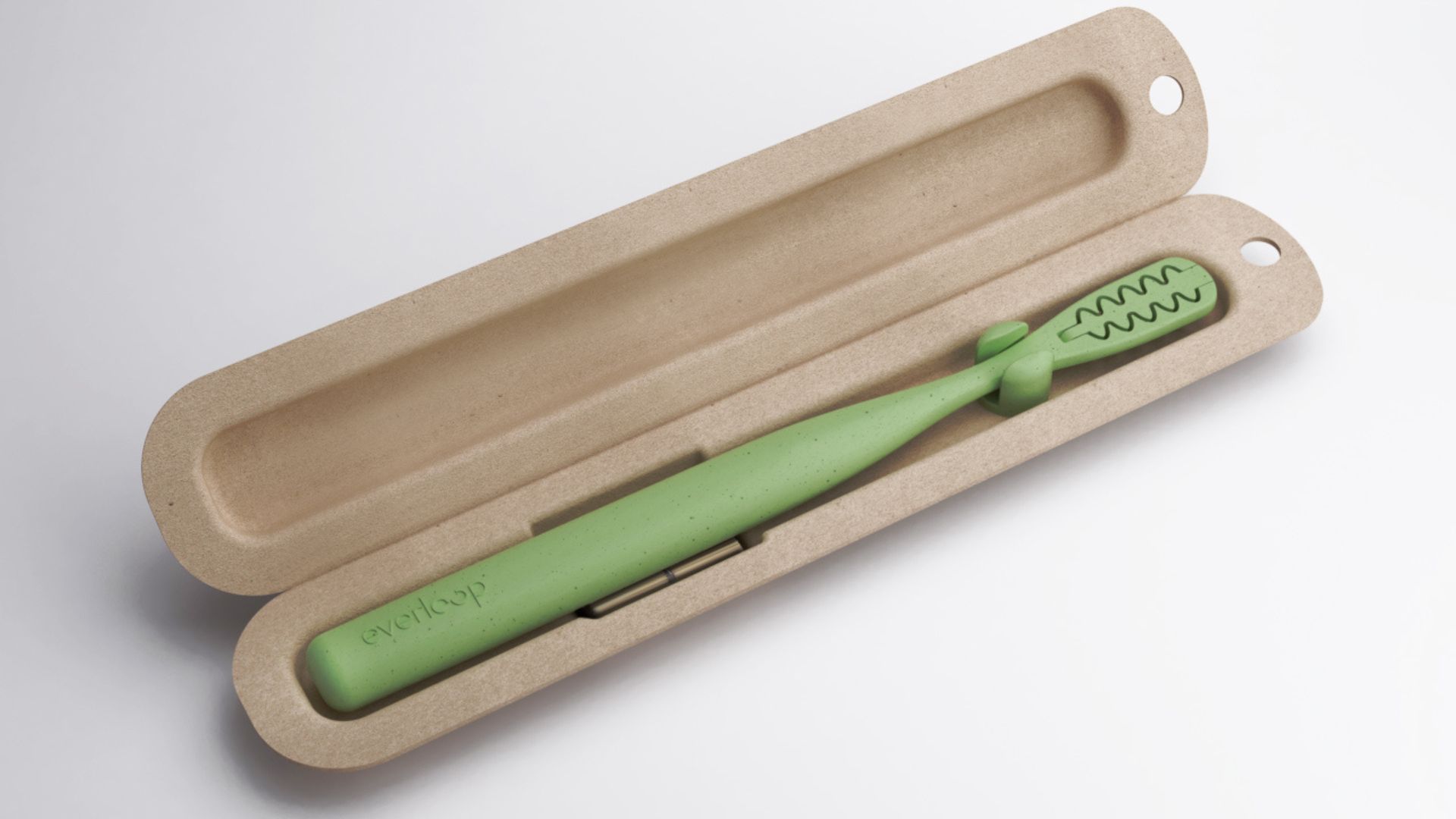
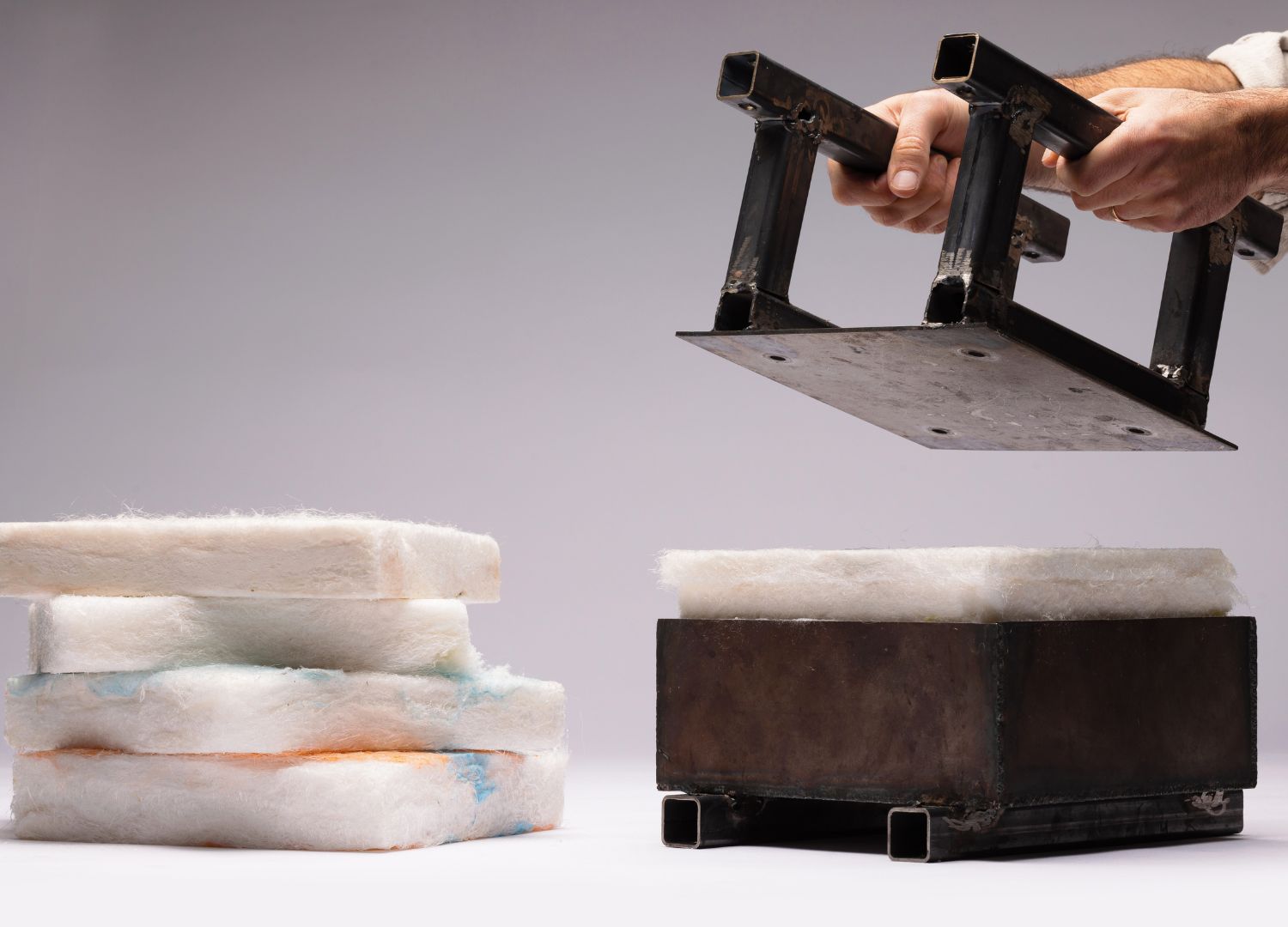
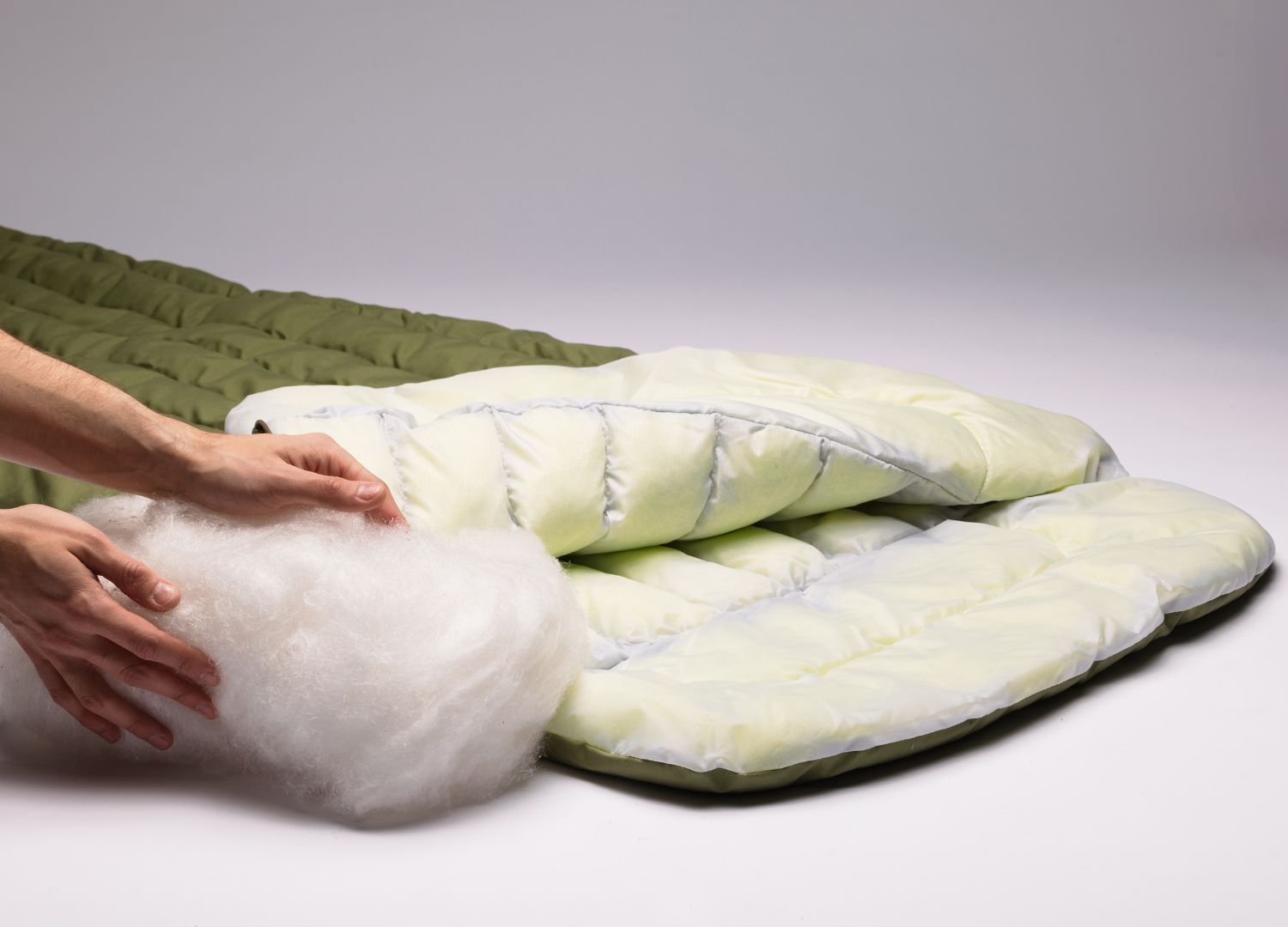
The process’s output, plastic fibres, can have many different future lifetimes. They can be incorporated into textile disciplines through weaving, spinning, knitting, and braiding. Makers and FabLabs could easily recycle their waste in-loco, to then create 3d printing filament using other available tools, or to fuel various creative projects. This machine has the ability to complement existing practices, simply expanding a user’s range of possibilities.
The work also has an interesting backstory, coming from an unassuming student project at Imperial College and the Royal College of Art in London in 2011. The founding team, composed of Emile De Visscher, Audrey Gaulard, and Christophe Machet, worked together for 15 years to turn an innovative idea into a practical reality. Finally, they are coming out with the Mini-Machine, a tabletop recycler that is now live on Kickstarter.

In a time where environmental challenges can feel overwhelming, the Polyfloss factory offers the ability to take direct, meaningful action on plastic waste in a way that feels almost playful and childlike. By demonstrating that sometimes the most effective solutions to complex problems come from simple and familiar processes, the project shows us that tackling global challenges is not so impossible, but can be accessible and enjoyable.