From salt to avocado waste: how far can material experimentation go?
With Saltscapes and Avocado Pit Bioplastics, Studio Brière turns overlooked resources and organic waste into innovative solutions. Her “material first” approach redefines processes, aesthetics, and sustainable potential in contemporary design.
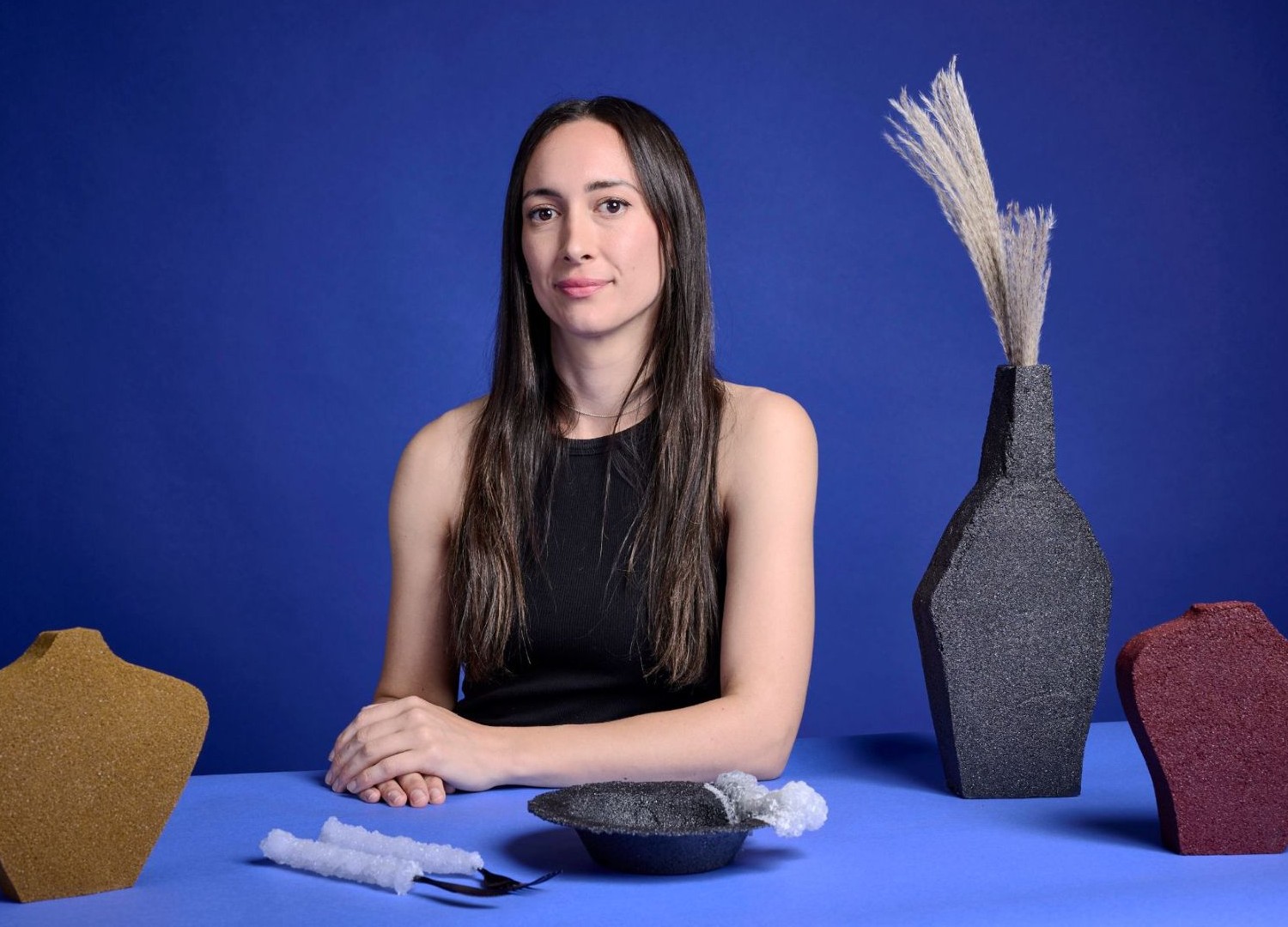
Sustainability doesn’t always follow conventional solutions; sometimes it demands radical choices, like experimenting with new resources and processes—using, for example, salt or avocado waste as alternative materials. This is where Studio Brière comes in. Founded in London by designer and researcher Julia Brière, trained at the Royal College of Art, it takes a practical and experimental approach, combining artisanal techniques with scientific tools to explore new ways of making. The “material first” concept acts as a guiding principle: exploring its properties opens up unexpected opportunities.
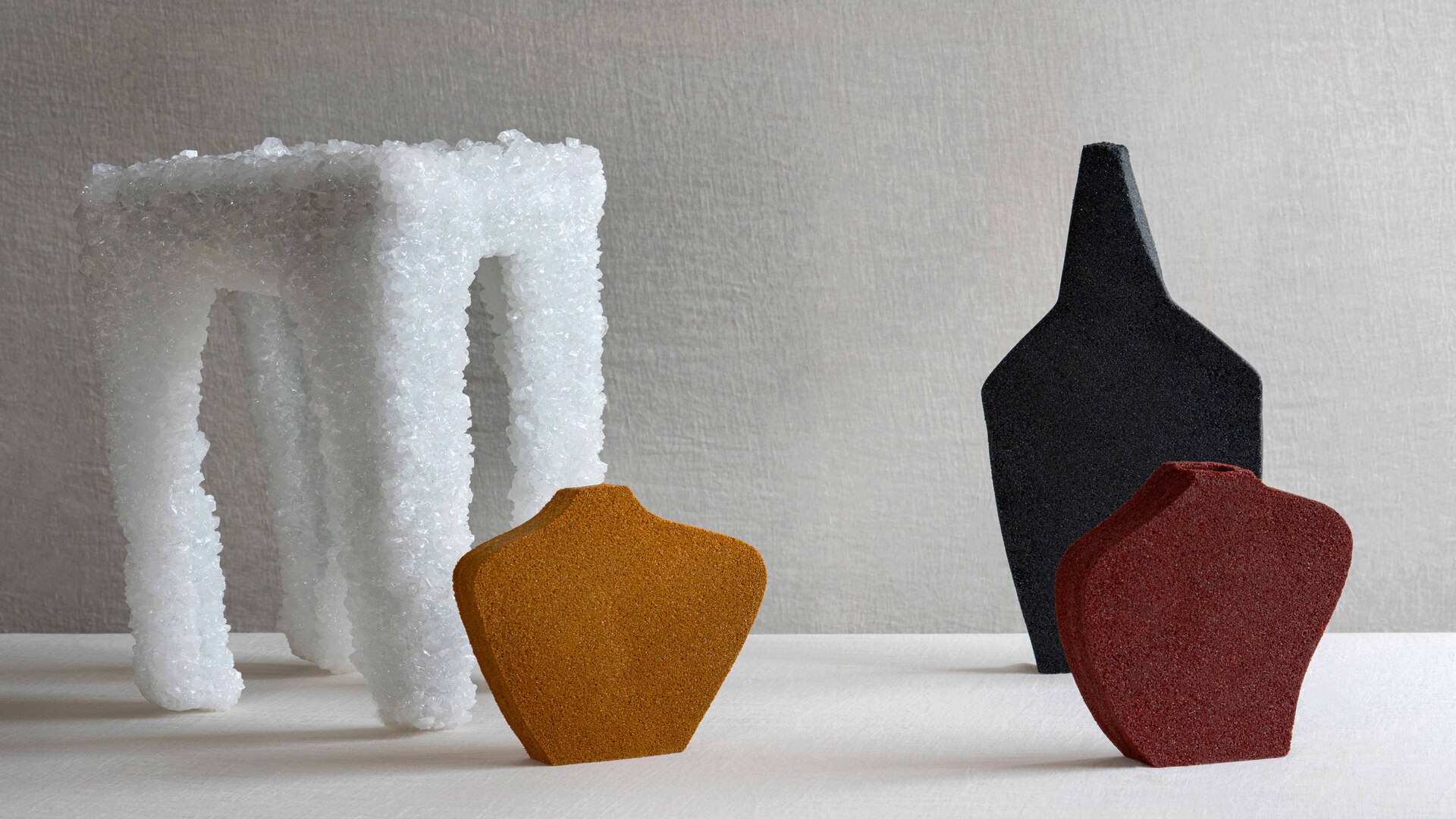
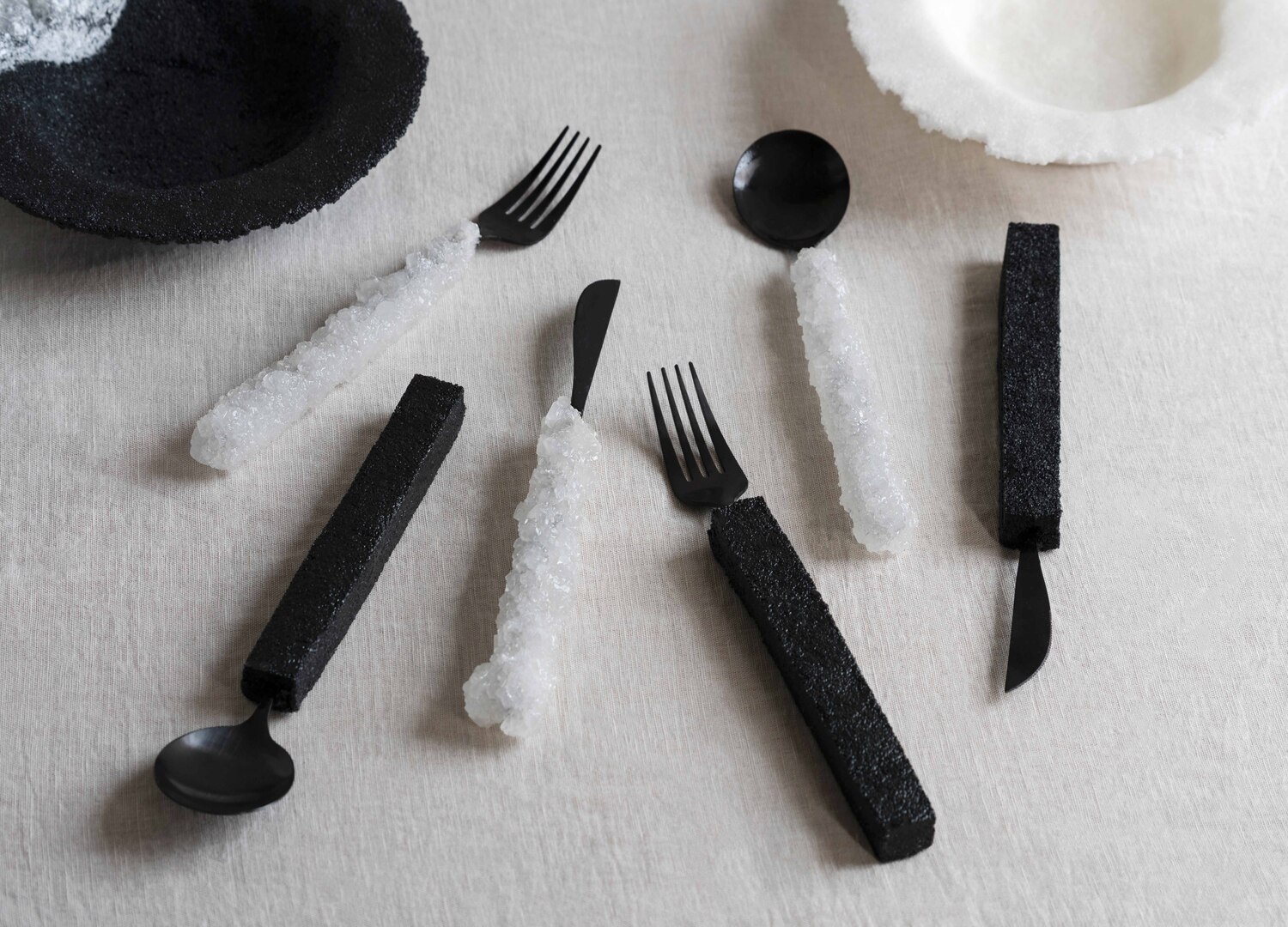
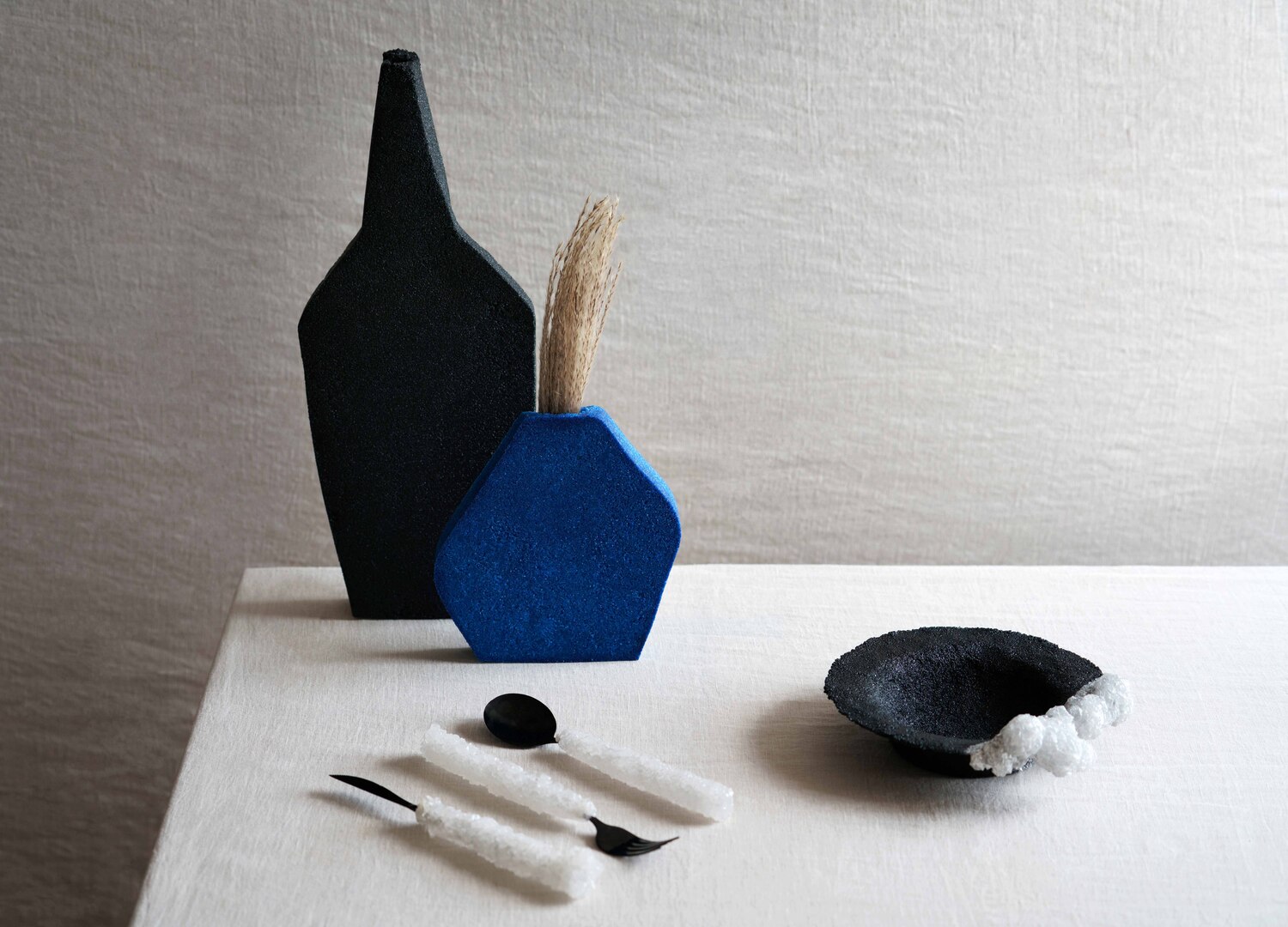
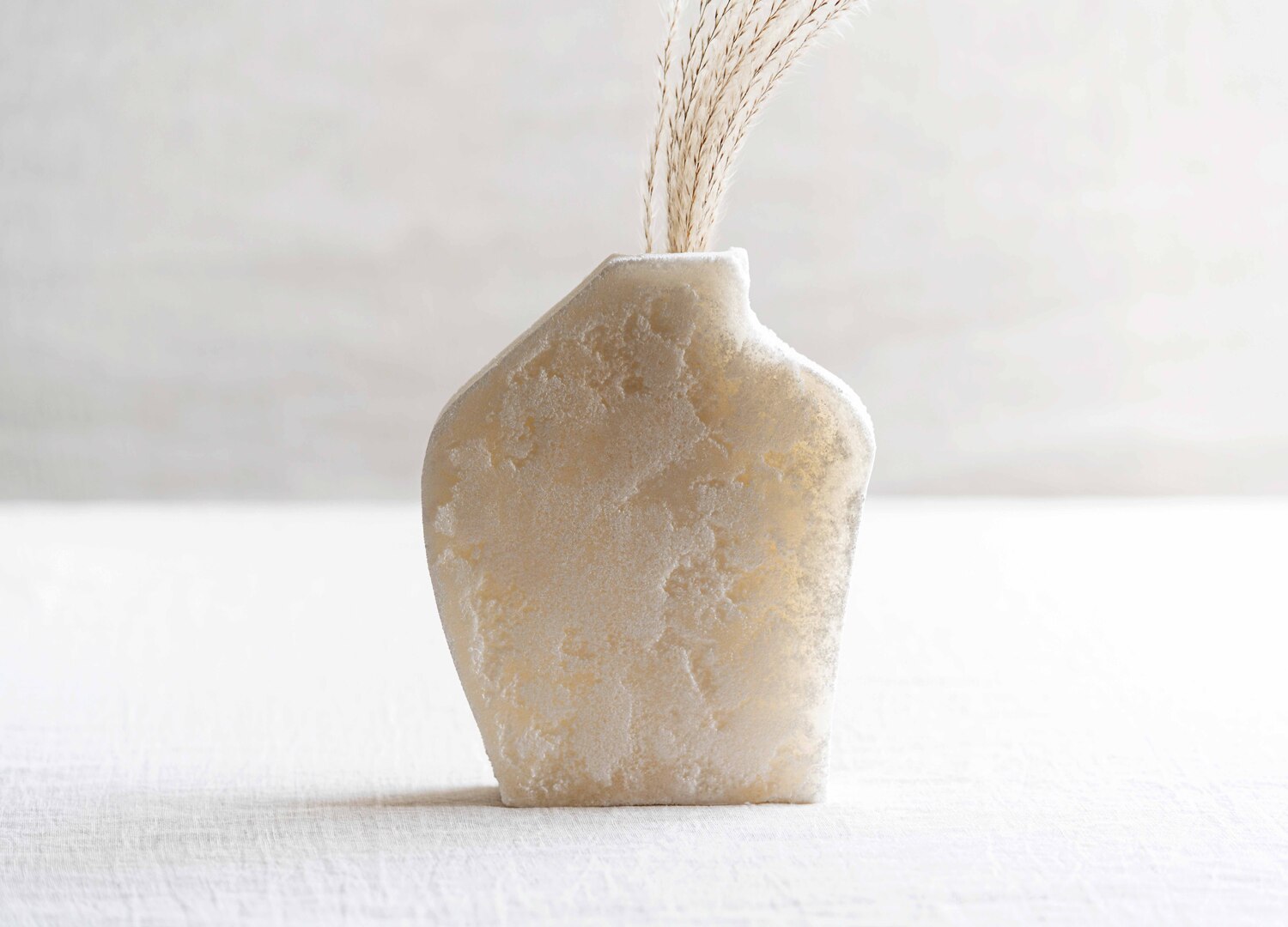
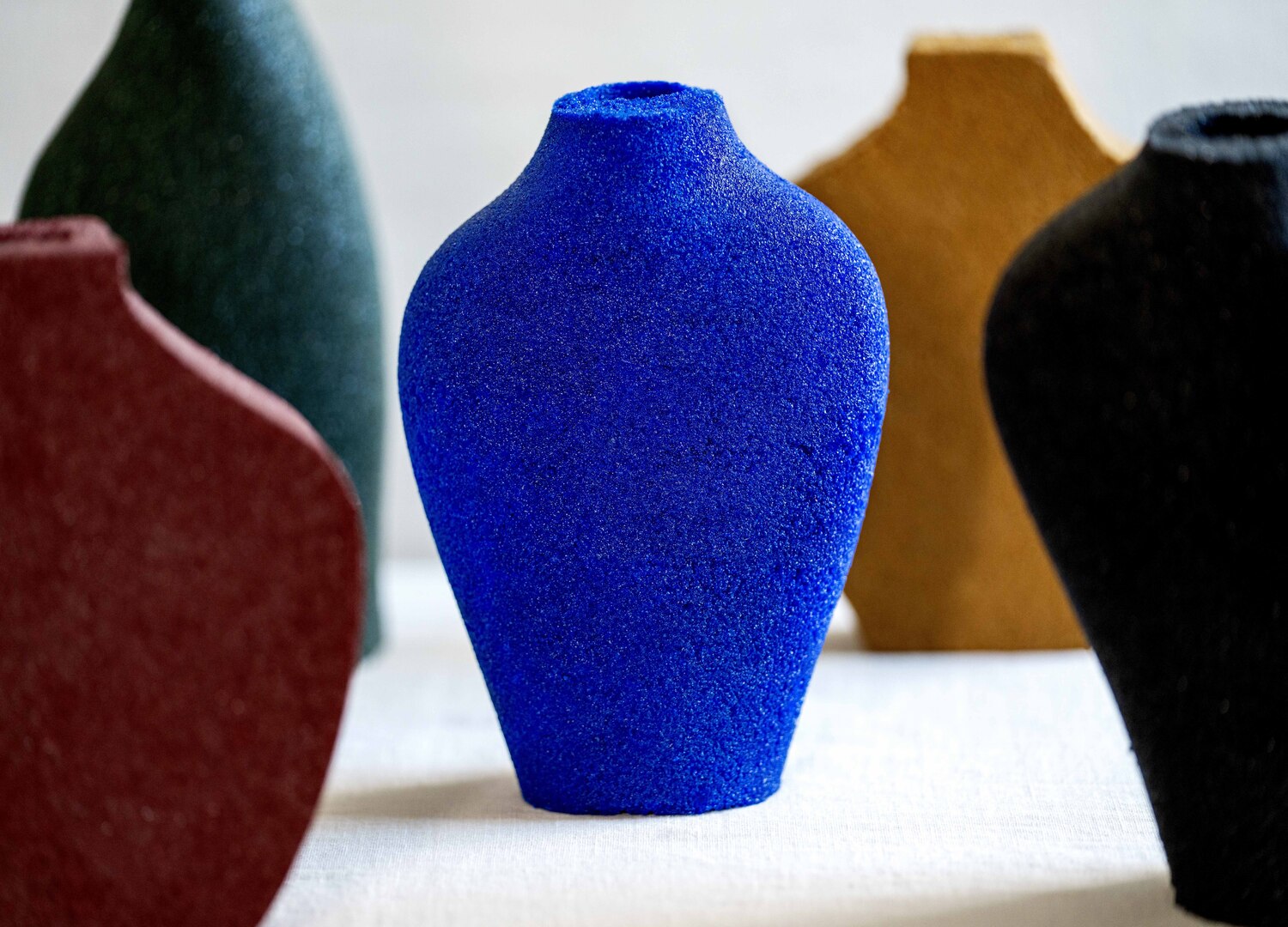
The Saltscapes project transforms a common element – sea salt – into a creative resource. Starting from a composite of salt and bio-binder, the studio investigates its potential through controlled crystal growth, layering, and hybrid processes between geology and architecture. The series includes furniture and pieces that highlight the structural, functional, and aesthetic qualities of salt, merging nature-inspired forms with engineering precision.
Gallery
Open full width
Open full width
Saltscapes is more than a collection of objects: it reflects on the role that abundant, naturally produced, and often overlooked materials can play in design. It demonstrates concretely how matter can be “cultivated” rather than extracted, reducing energy impact and opening new directions for more sustainable supply chains.
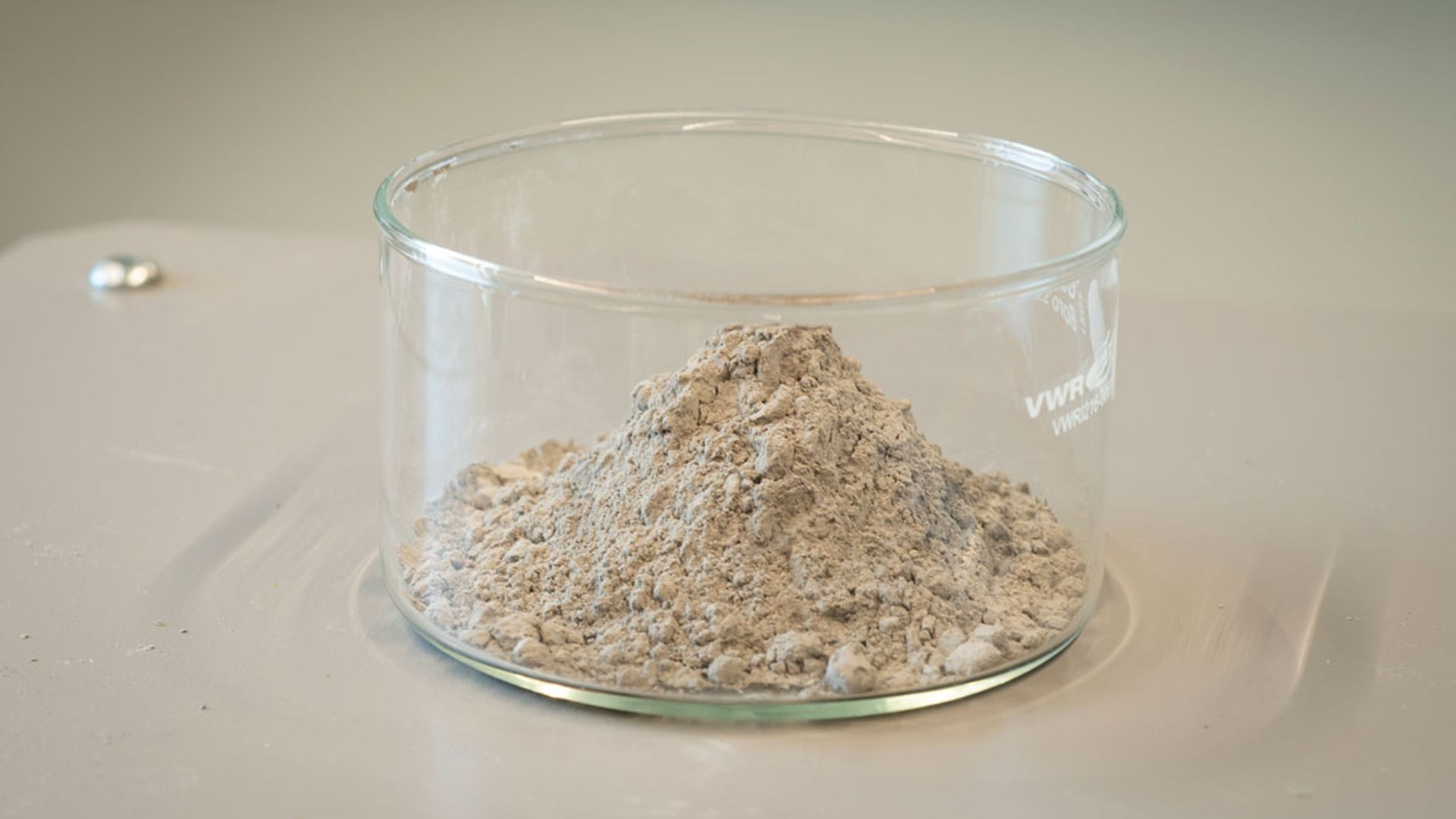
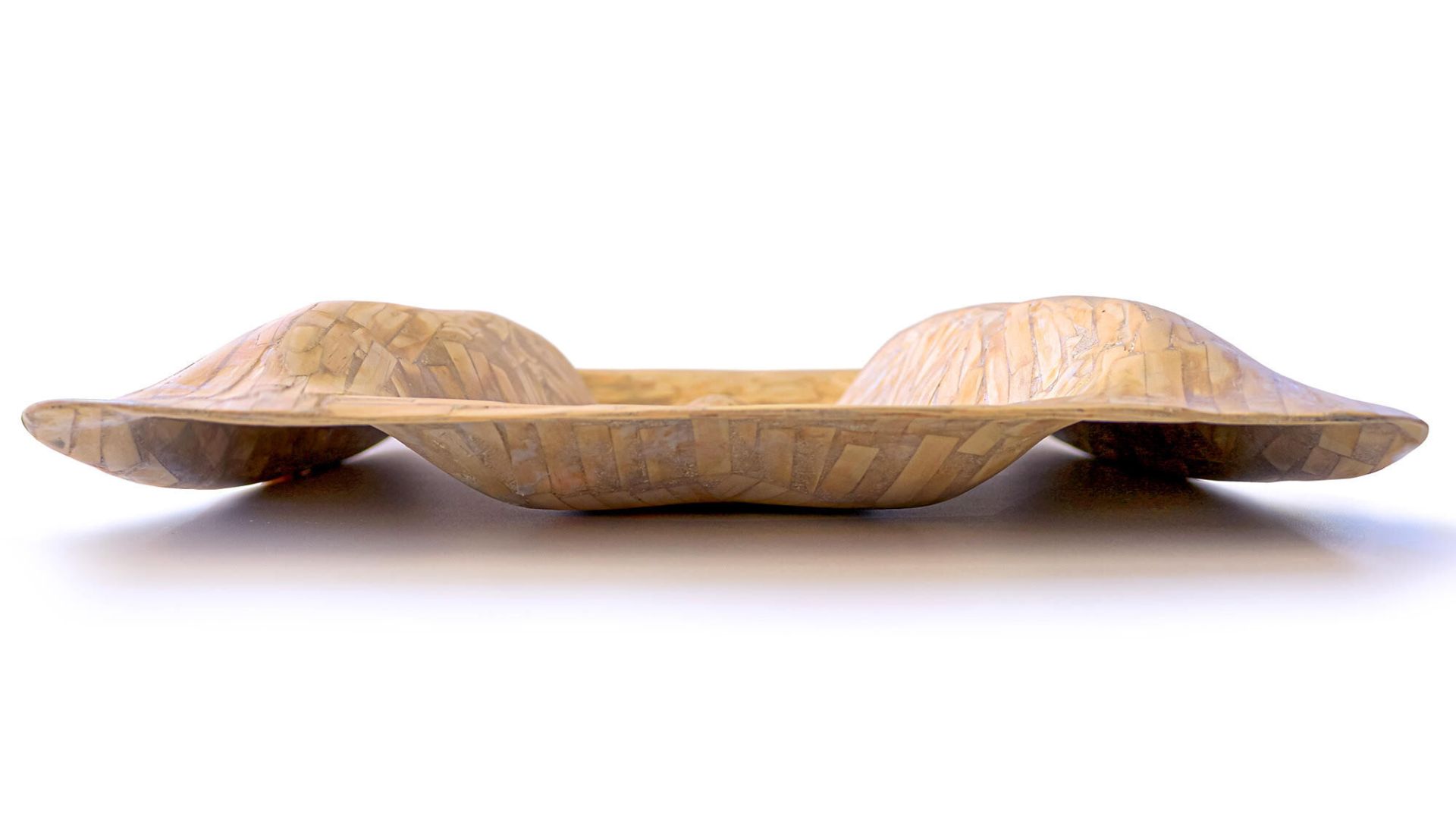
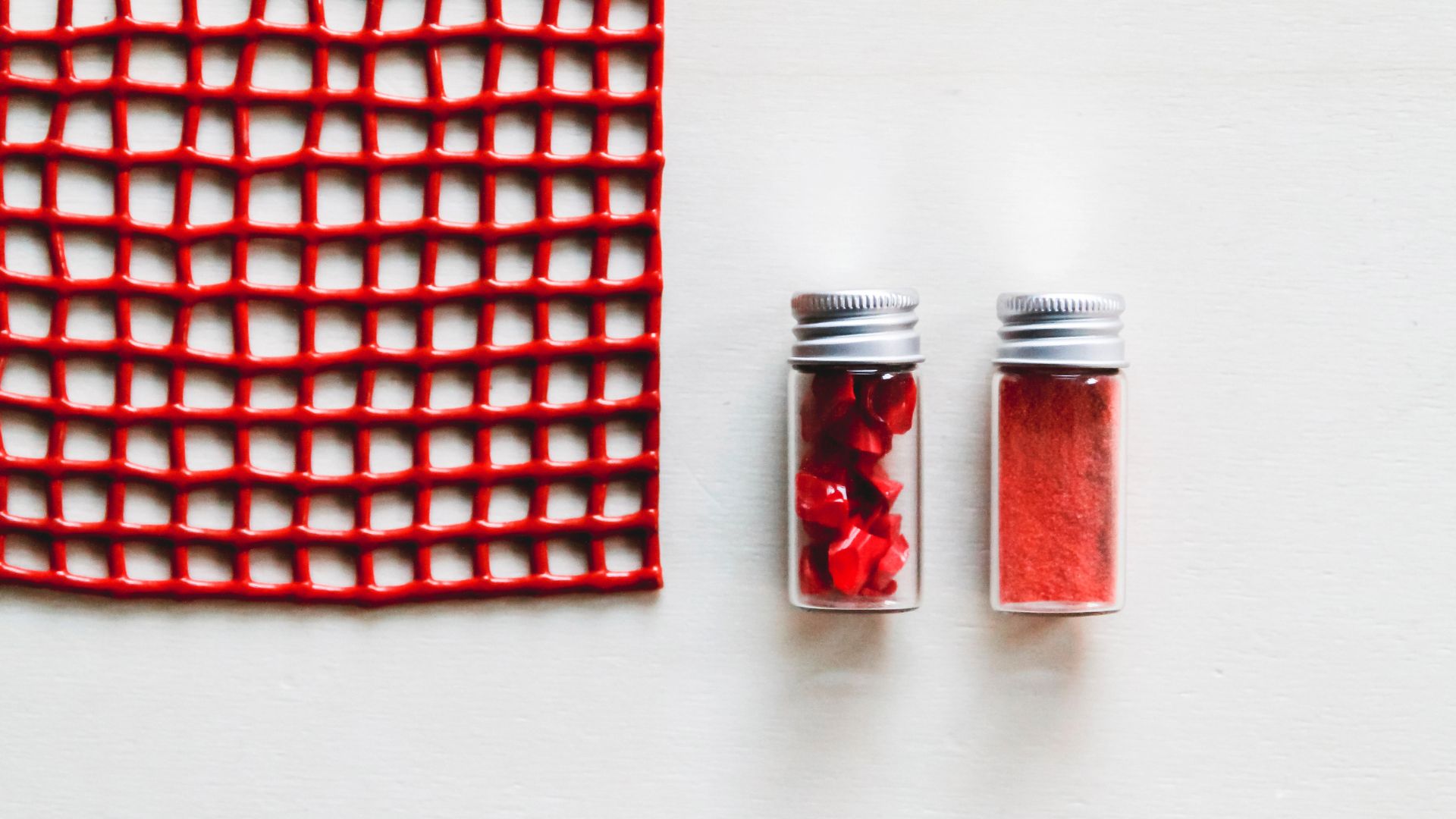
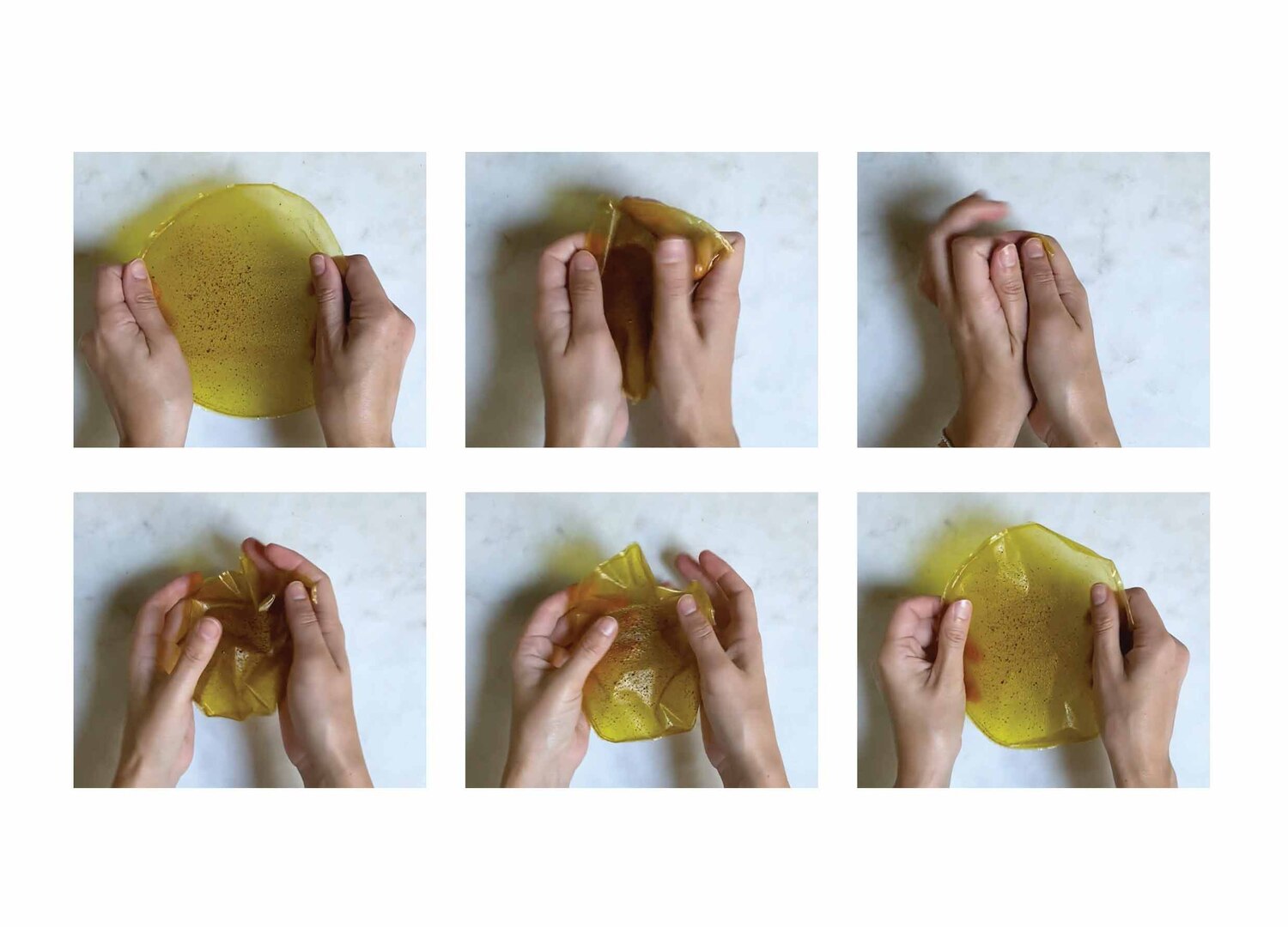
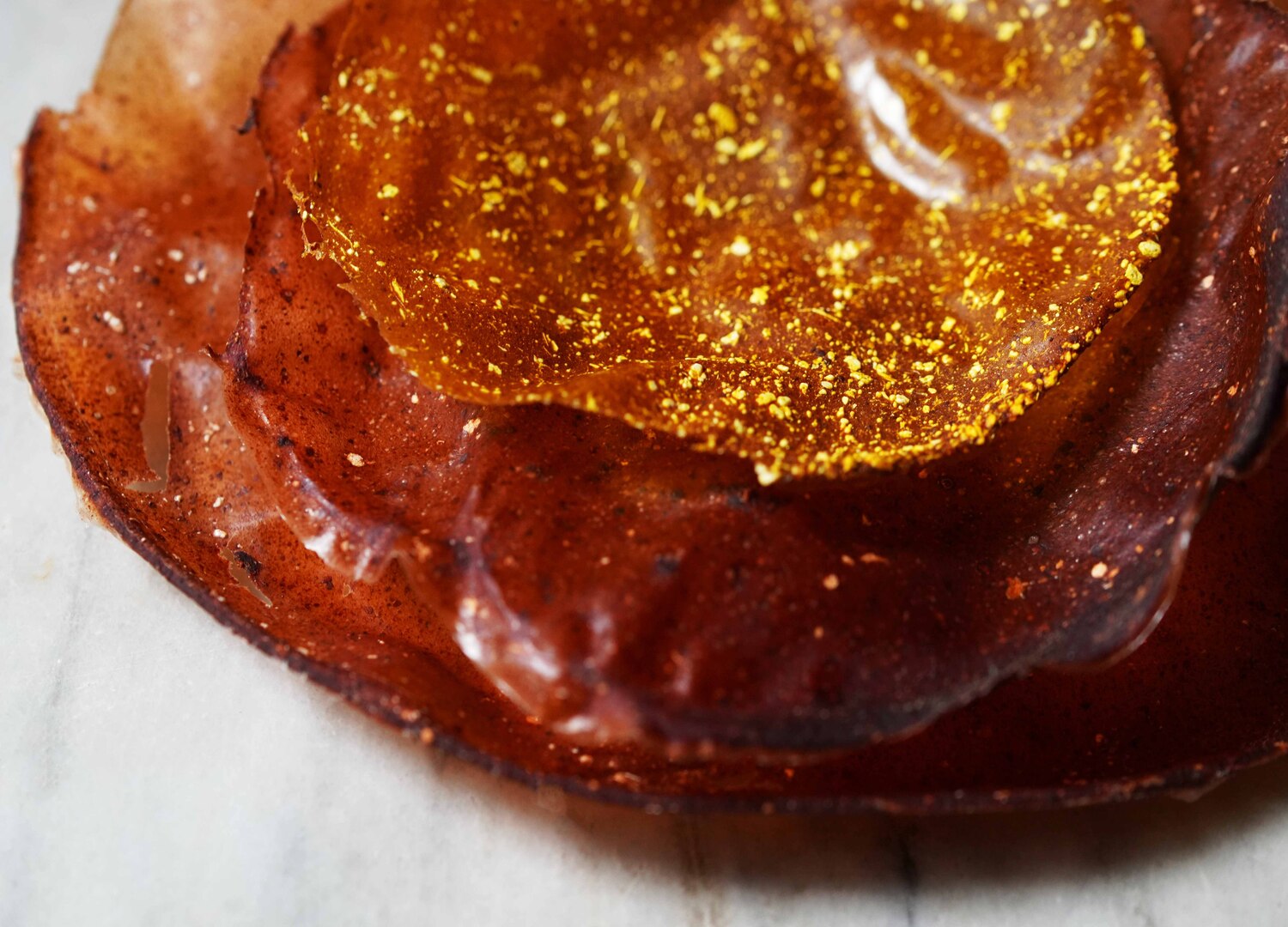
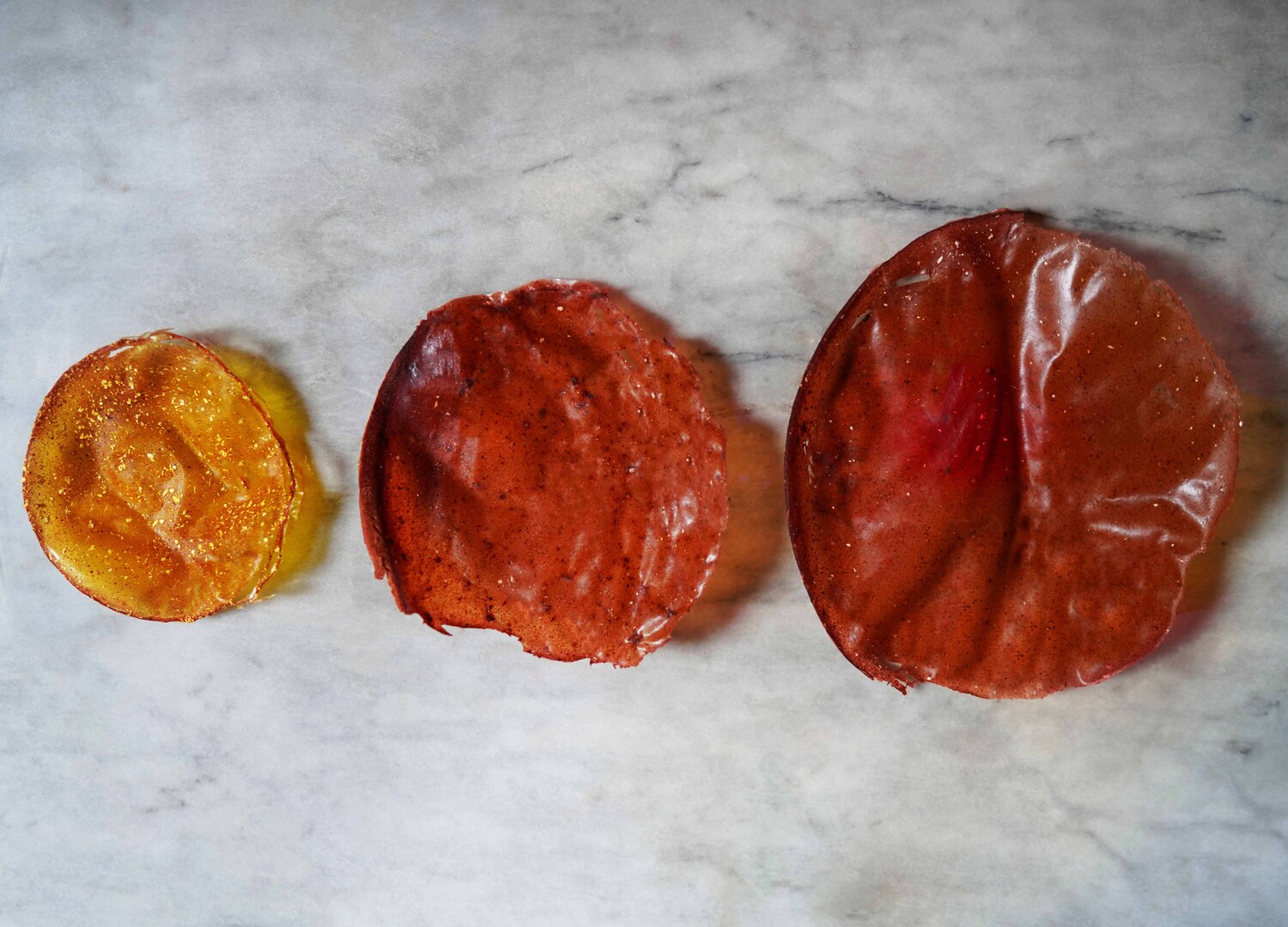
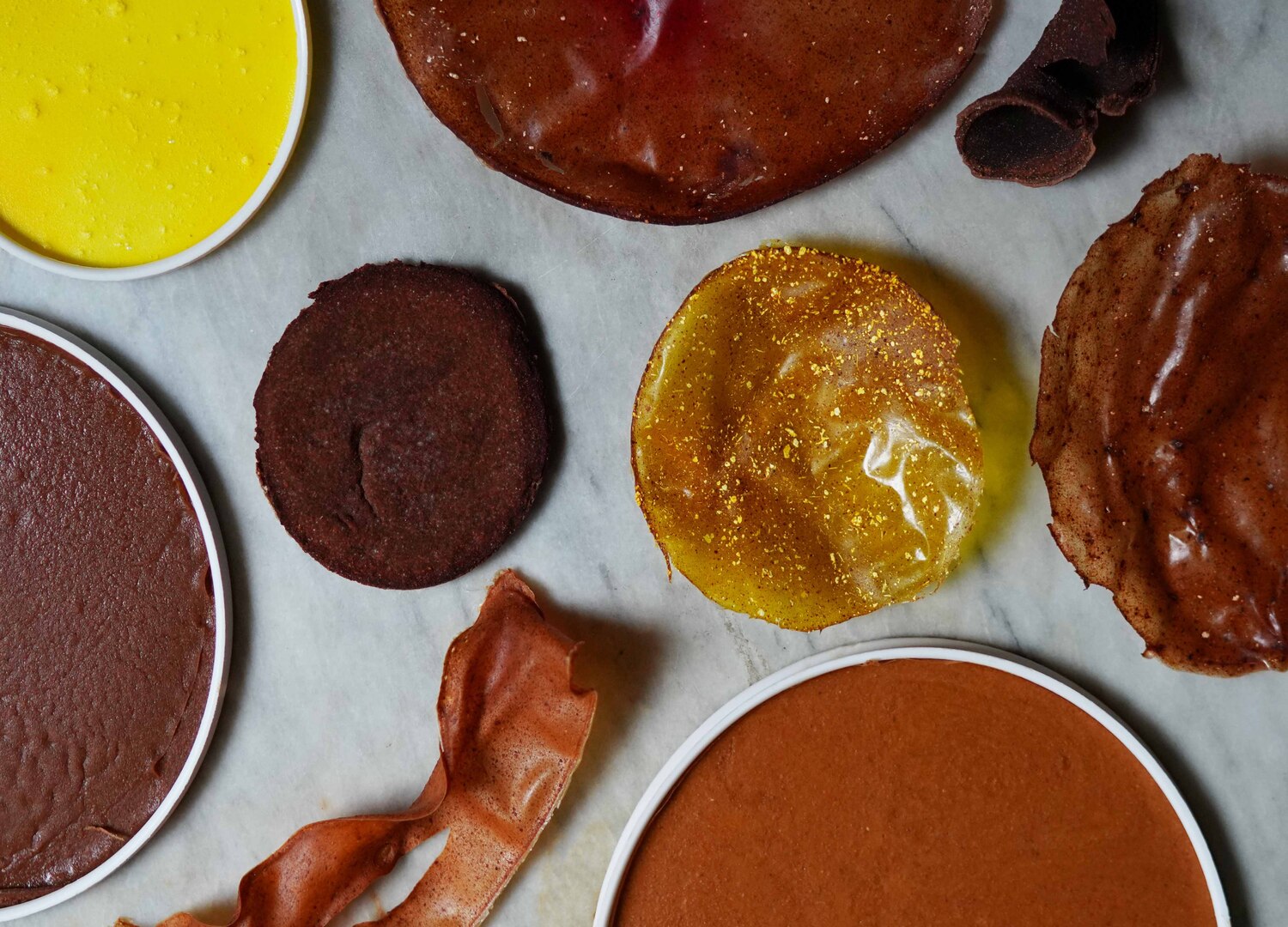
In stark contrast to mineral materials, Avocado Pit Bioplastics investigates the potential of organic waste, such as the millions of avocado pits that end up in landfills each year, contributing to methane emissions. Studio Brière recovers, mills, and combines them with natural binders to create a versatile biopolymer, applicable to everything from small objects to packaging. The project goes beyond simply creating an alternative material: it proposes a circular model in which food waste becomes a valuable resource, easing landfill pressure and turning an environmental problem into an opportunity—both practical and ethical.
Salt and avocado represent two extremes – one mineral, the other organic – yet they follow a shared trajectory guided by Julia Brière. She is not searching for a “miracle” material, but rather for a method grounded in observing what is abundant, (dis)carded, or simply overlooked, transforming it and giving it new life. In this sense, the work of Studio Brière invites a reconsideration of the role of so-called “marginal materials” in contemporary design. What is typically regarded as residue or a by-product becomes the starting point for imagining alternative supply chains and aesthetics, based on regeneration rather than extraction, and for asking how material intelligence can be built from what already exists.
This research extends beyond objects to encompass processes and methods that can be adapted or further developed by others, highlighting an ethical dimension that goes beyond sustainability, and reframing experimentation as a form of responsibility rather than novelty. Working at the intersection of craft and biology, Saltscapes and Avocado Pit Bioplastics demonstrate how the imperfections and unpredictability of matter can generate emerging aesthetics—less standardised and more closely aligned with natural processes, where variation becomes an asset and material traces remain visible.
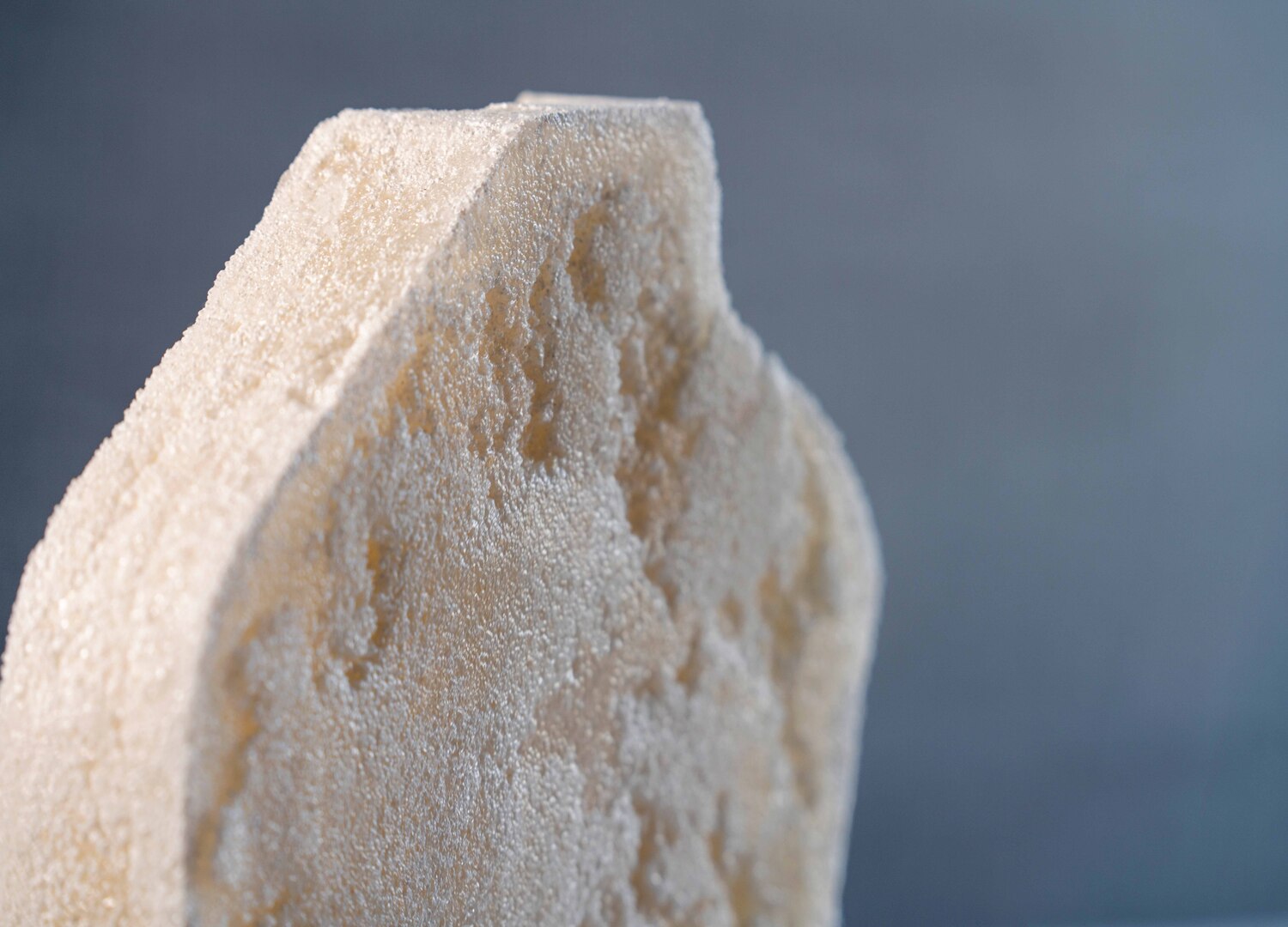
In doing so, Brière challenges the dominance of today’s “conventional” materials, suggesting that innovation does not necessarily lie in technological complexity, but in the ability to rethink what we discard. Her research points toward more resilient material futures and a design culture capable of recognising value where it has long gone unnoticed.