Massimo Banzi’s SuperModerno wants to demystify technology
The Arduino co-inventor has launched a multichannel platform about the warts-and-all history of technology. With an activist twist.
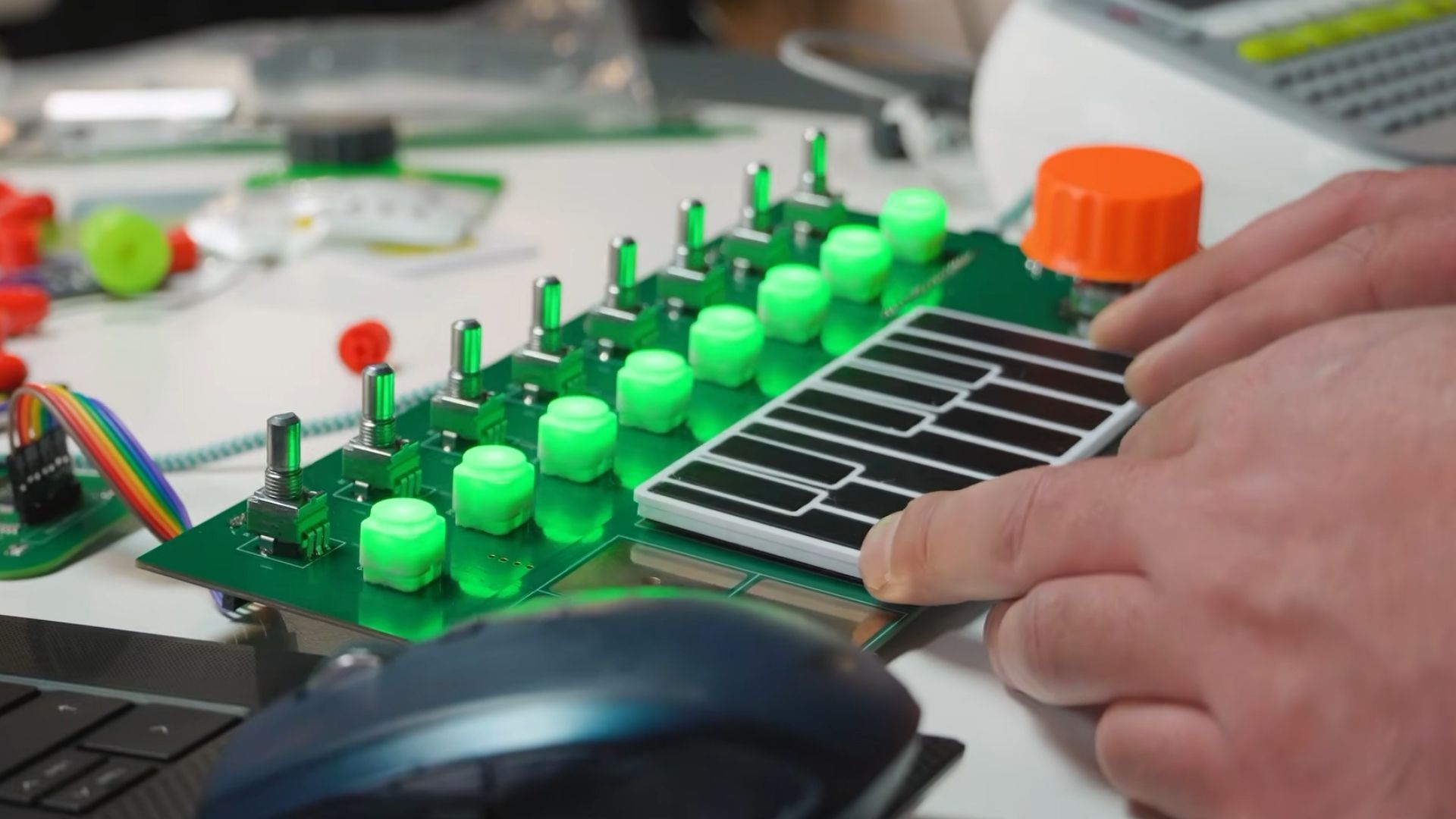
SuperModerno is the name of Massimo Banzi’s multi-channel media company dedicated to technology. And there’s something funny about the fact that the latest project by one of the inventors of Arduino – a man who has spent most of his life at the forefront of innovation – carries a name that sounds so distinctly retro.
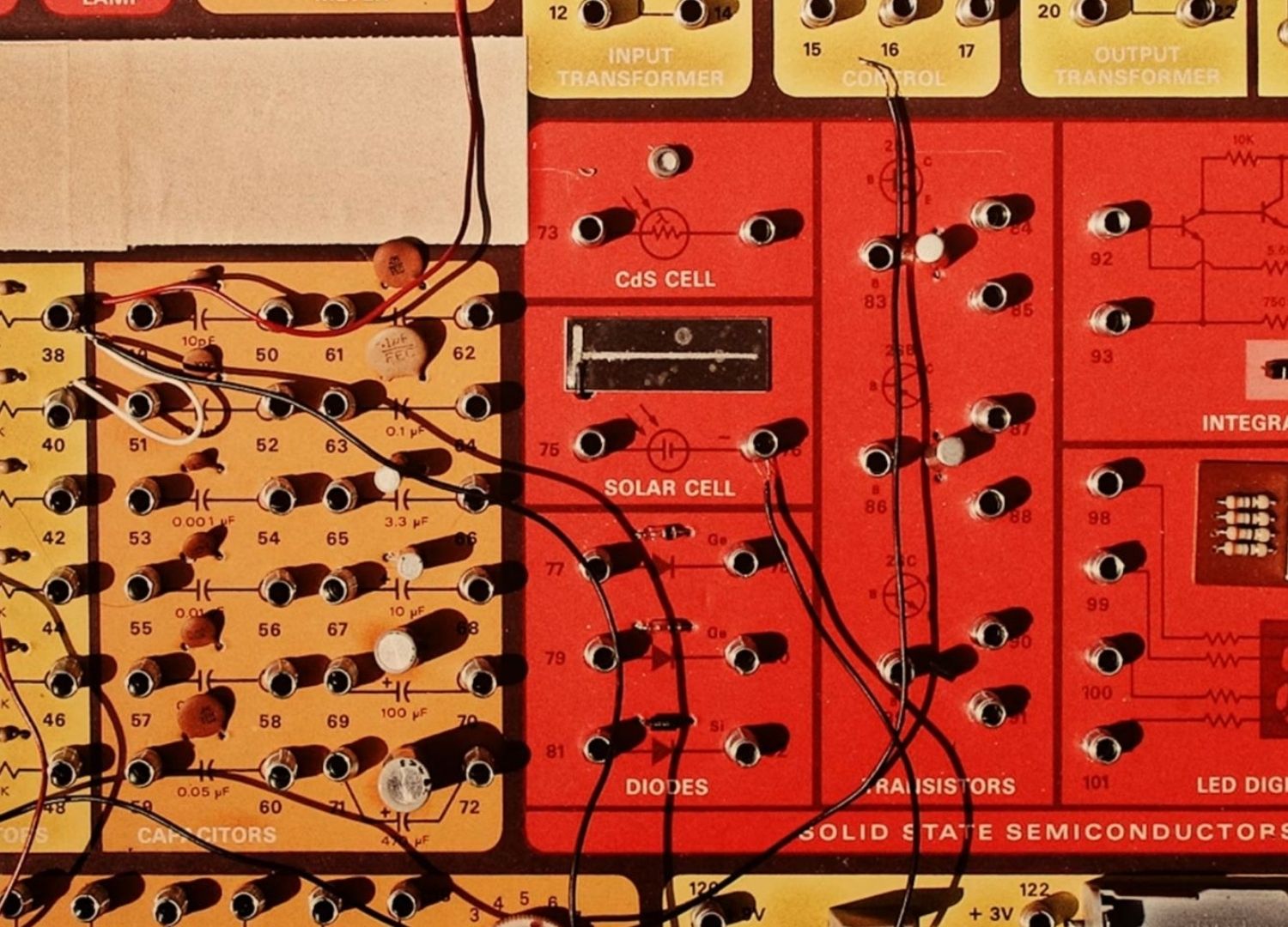
SuperModerno indeed evokes Italian Radical Design of the 1970s: the era of Superstudio, Superarchitecture and a time when ‘modern’ still meant contemporary rather than a codified style from the past. And its Instagram account (@SuperModerno.TV) points to an object, the television, that feels like a relic in the digital era. «All true», Banzi says. «But the name also recalls the optimism of the post-war times, when there was sincere excitement and hope about technology».
Gallery
Open full width

Open full width
It is, indeed, a very clever name and a perfect fit for the purpose. Because its vintage flavour says plenty to a younger generation with a growing appetite for what has been, as long as it comes loaded with meaning and with a new, alternative take on issues of the present. Which is exactly what SuperModerno wishes to deliver.
Built to explain how digital technology got us where we are, its content lives across Instagram, TikTok and YouTube, focusing on the social impact of technologies and avoiding the jargon and billion-dollar headlines in favour of concrete, human stories, profiling overlooked figures as role models rather than measuring anyone’s worth in dollars.
Because besides the educational ambition, SuperModerno has a somewhat social purpose, one that sounds a bit like tech activism. «Presenting technology as something magic or impenetrable is a very good deal for those who make it and sell it. While de-mystifying it is a good deal for everyone else», Banzi tells us.
And that set the tone for the long conversation that followed.
Interview with Massimo Banzi, SuperModerno:
Why is de-mystifying technology so important today?
Massimo Banzi:
“It has always been very important and something that I have done all my life, with Arduino, with promoting the fab lab culture etc. But it is now even more so because all we do goes through digital technologies. When people do not understand what’s going on when they use certain services, when they can’t figure out the mechanisms that govern them, they end up becoming – pardon me for using this word – slaves.
When you experience things that impact your life and do not raise a hand nor try to react, clearly you are living a life when you are not in control. And the result is what we see now: tech companies positioned as supranational states that do pretty much whatever they wish. Demystification is a move against all this”.
What would happen if technologies were made more transparent?
Massimo Banzi:
“I think the story of Arduino shows that, if given the right tools, many people can create innovations or develop solutions that have an impact in their lives and that of others. The idea behind SuperModerno is: if we apply that model to other technologies, we increase people’s ability to say: I don’t want what this company is offering me, I’ll build an alternative”.
In this de-mystification of technology, what role does design play?
Massimo Banzi:
“A very important one. What makes social platforms addictive was designed: interactions and experiences were carefully conceived and made easy, smooth and engaging. They are machines built to attract and retain as many people as possible. But interaction design can also be used to do the opposite: to empower people. It’s important to notice though that if making technologies transparent is a design issue, letting designers do it is more related to the desire to put people in the driver’s seat or not. With SuperModerno we want to do that”.
What is the editorial cut that SuperModerno pursues?
Massimo Banzi:
“We move along three axes. For the moment, because what you see on Supermoderno right now is only a slice of what it will become. The first is profiles of overlooked people. Like Sophie Wilson, the English trans woman who co-designed the ARM processor that ends up in basically every phone and laptop today, and who remains almost unknown despite that impact. The angle is deliberately about role models and what the technology did for the world, never about net worth or valuation.
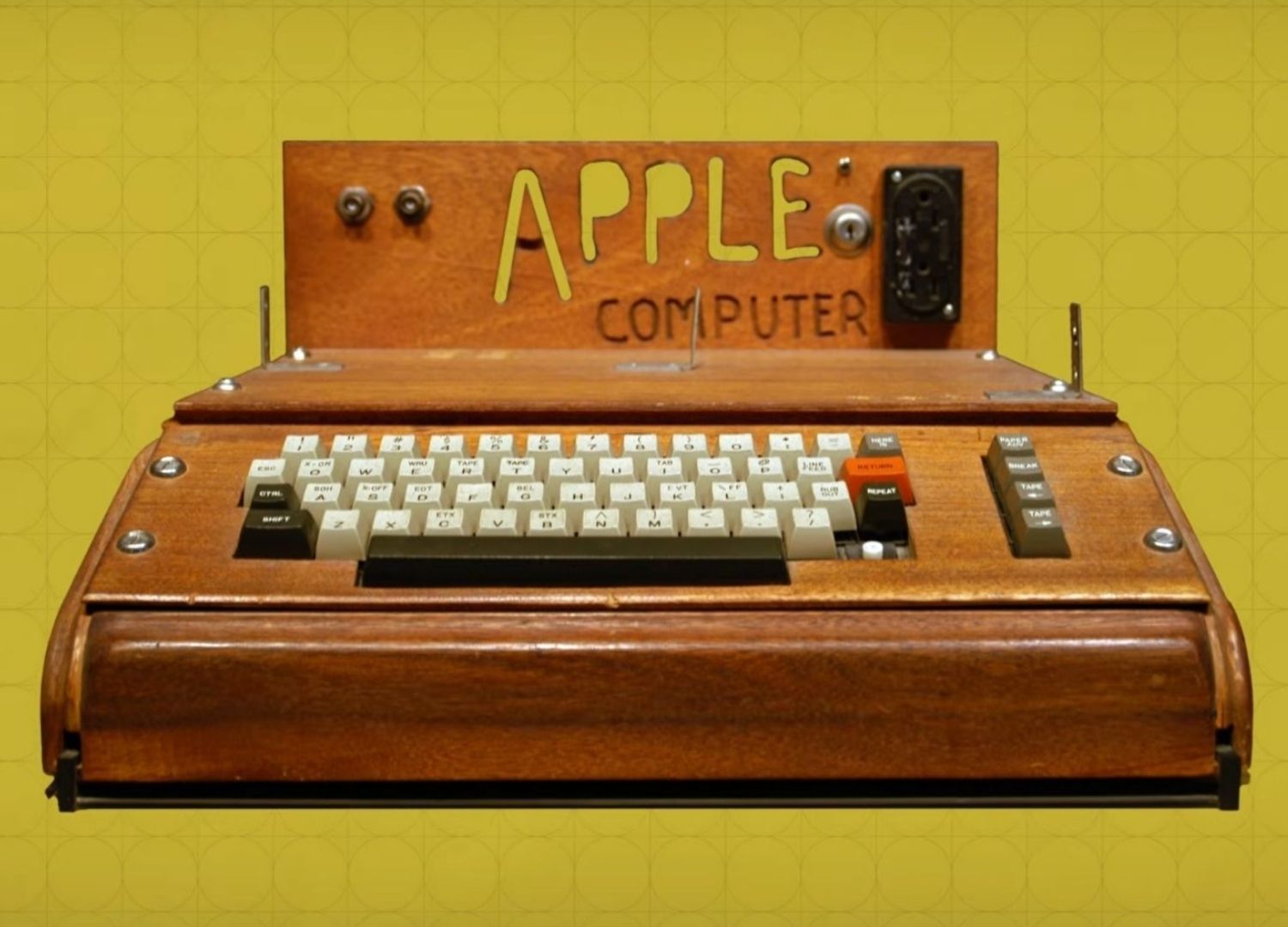
The second is honest, warts-and-all company histories, as a reaction against the ‘biography of angels’ treatment most tech and design brands get online like Apple (turning fifty this year, still told as if Steve Jobs was a saint, when people who actually worked with him describe someone far less flattering) or Olivetti (Adriano Olivetti certainly did a ton of brilliant things but also an equivalent of less smart ones). Every human being has a good side and a less good side, and turning them into saints doesn’t do anyone justice.
The third is more practical. The ‘how it’s actually made’ content aimed at people who want to learn to build things themselves rather than just be inspired by someone else’s story”.
Once people understand how something is made, what do you actually give them to build themselves?
Massimo Banzi:
“We take the technology and build projects around it, to show people what they can actually do once they get their hands on a piece of circuitry. And then we publish the blueprints, so anyone can go build the thing themselves. This is also part of our economical sustainability plan: instead of doing some random sponsorship, when a company has a piece of technology it wants people to understand, we build something with it.
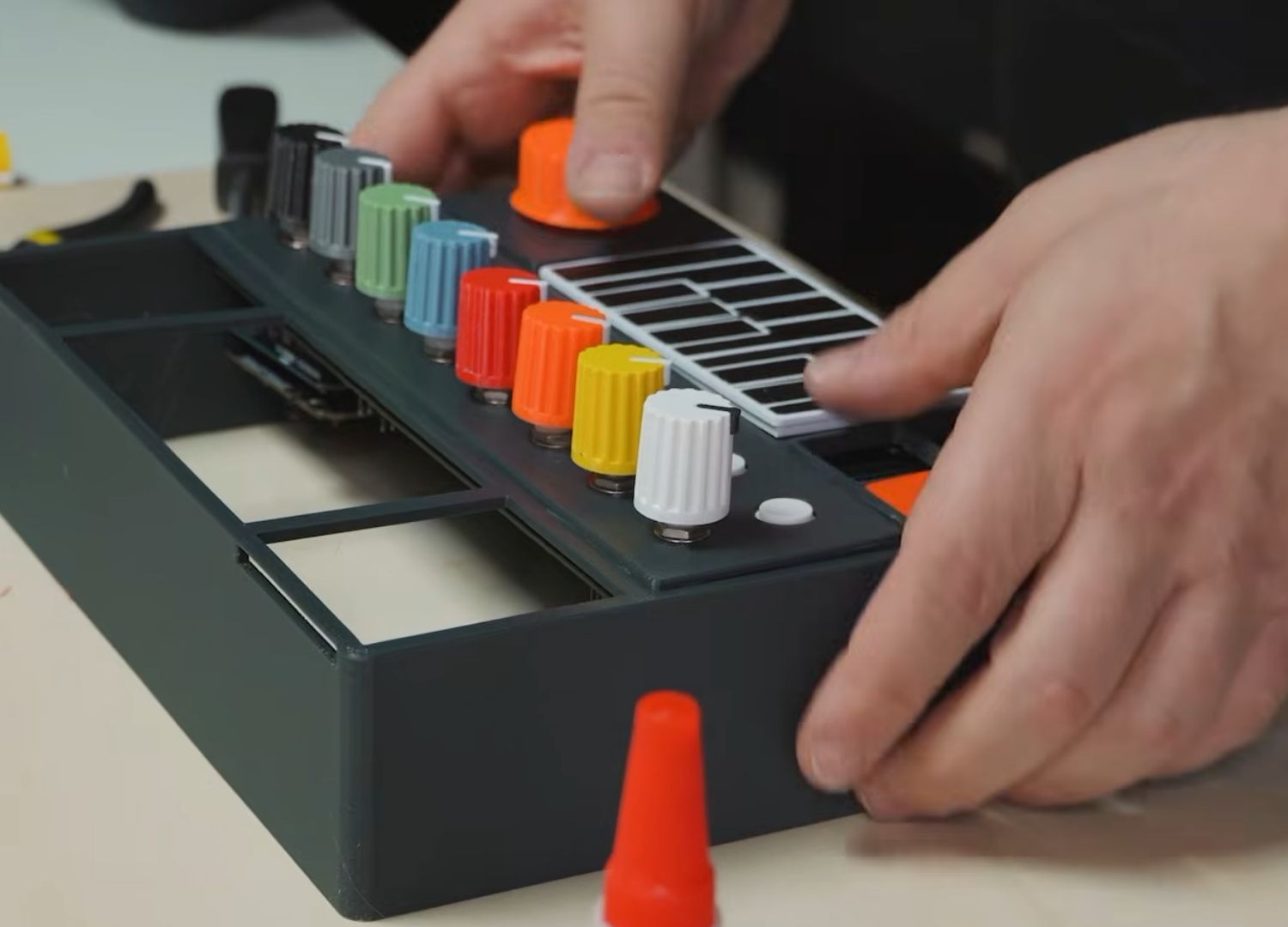
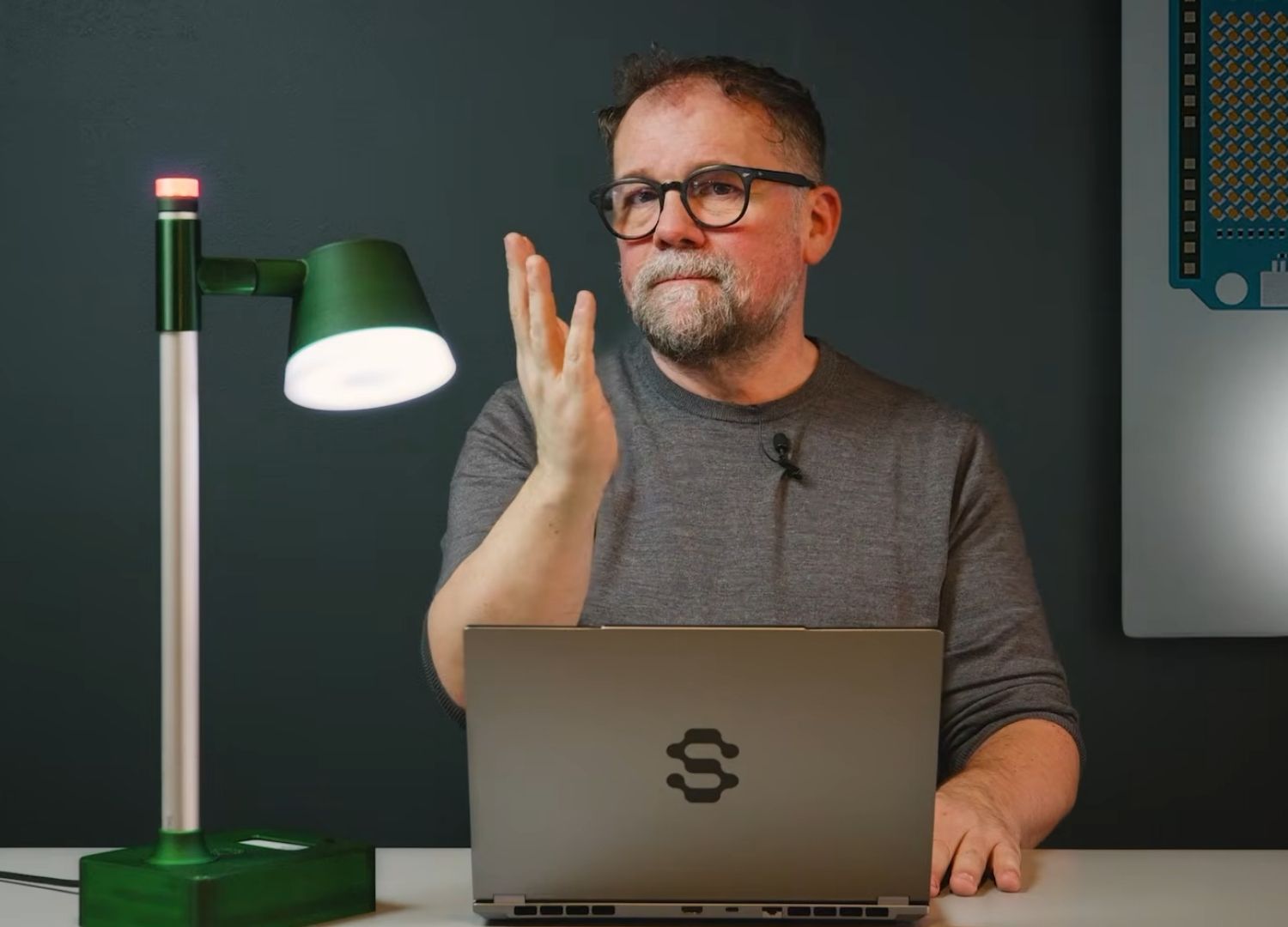
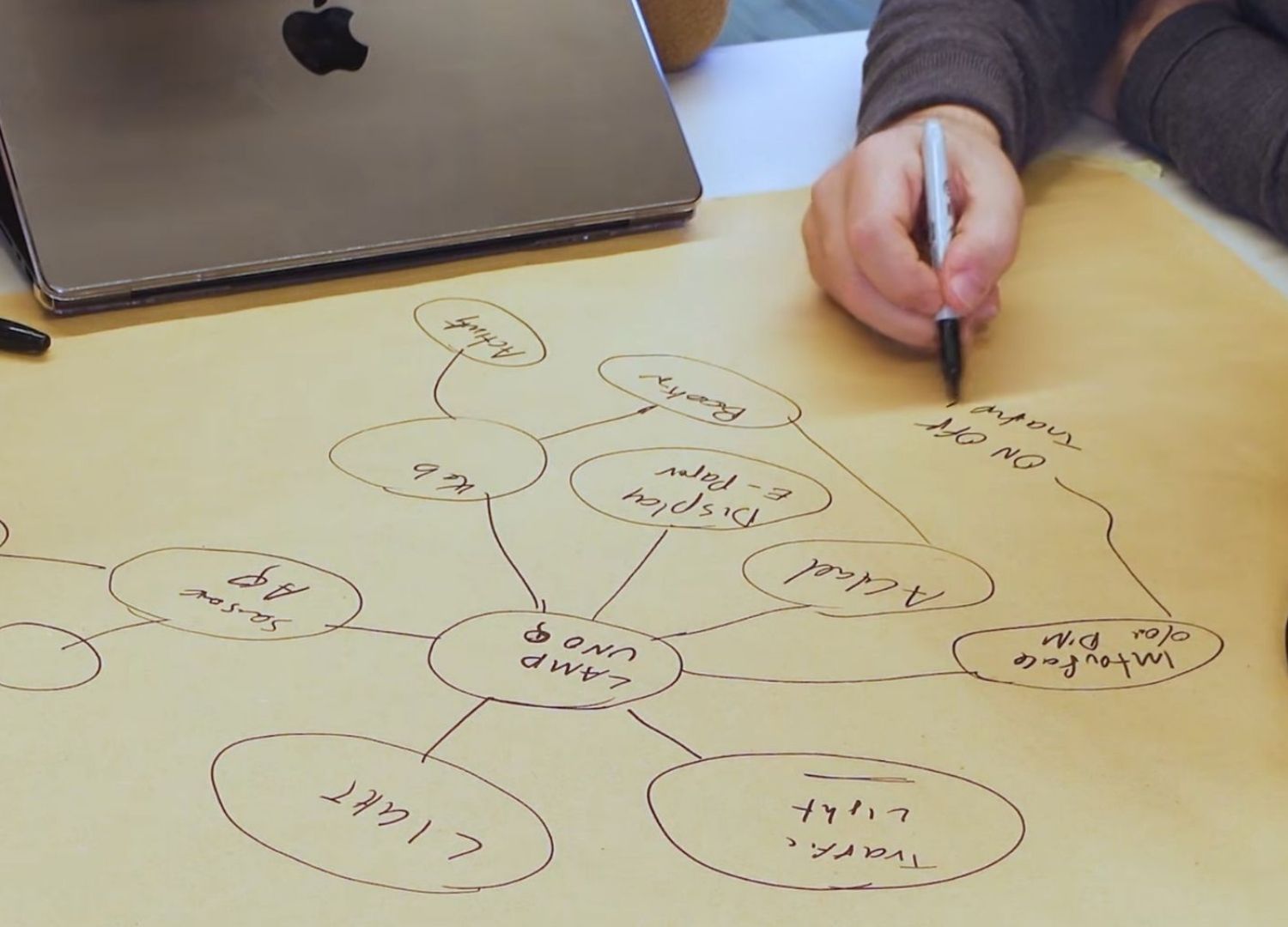
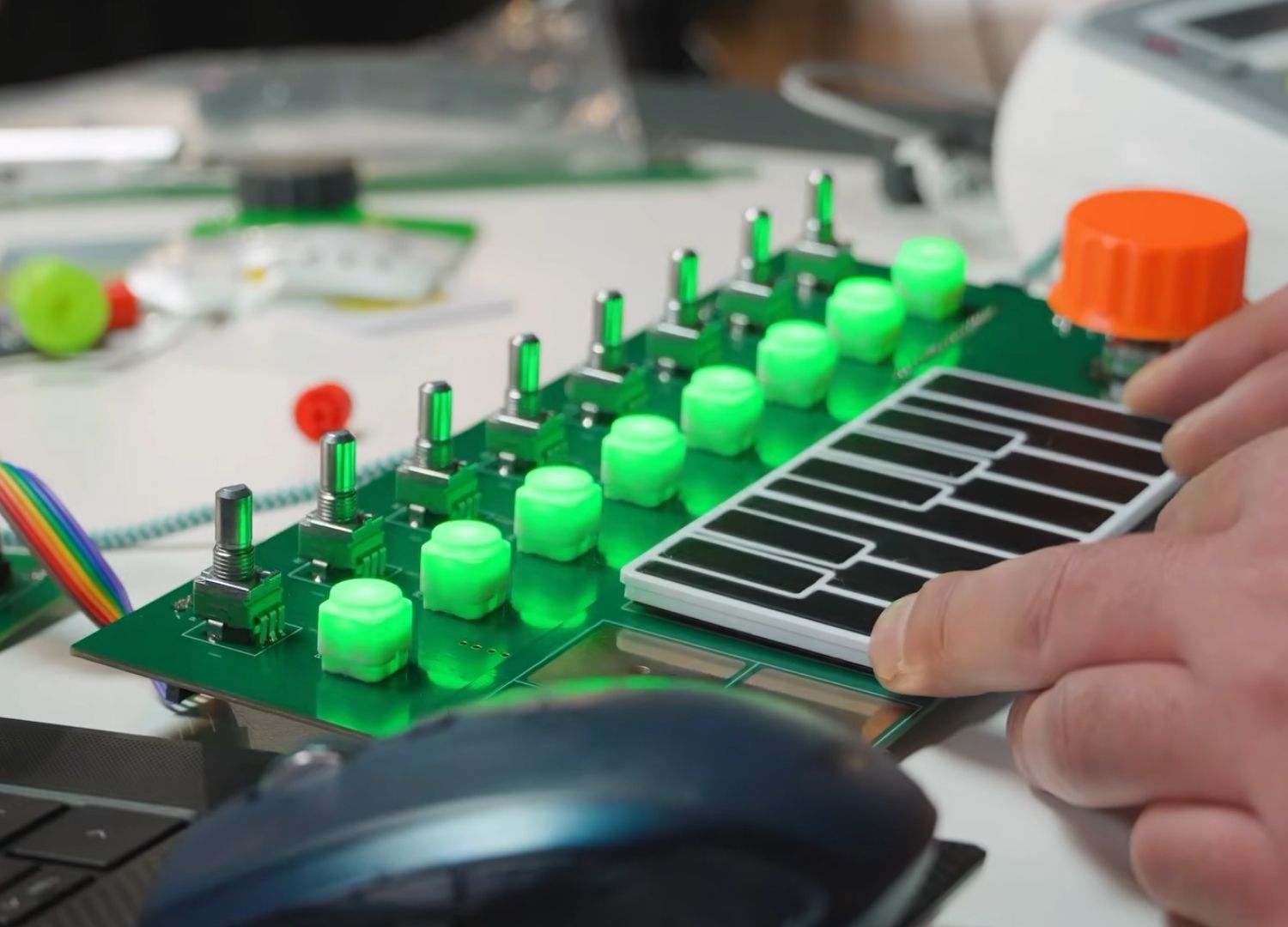
For instance with Qualcomm, the company that now owns Arduino: we developed a lamp, a musical instrument, a home automation project that keeps people off any single platform, a video intercom built around privacy instead of surveillance. It’s paid content but the point stays education, not promotion”.
Is there a bad way of talking about technology, and why is it bad?
Massimo Banzi:
“Personally, I can’t stand YouTubers who interview tech people, and then the thumbnail says ‘7 billion’. I get that there’s an audience that clicks to see the video because this guy made lots of money, but I think this is genuinely harmful because it puts people, especially the youth, on the wrong measuring stick. I’ve spoken at three high schools over the last few months, and all the kids ask me is how much money I made selling Arduino. But I know because I’ve seen it over the years that when young people see someone else’s story and understand that yes, maybe they can also do something like that, something clicks.
It’s not too late to change the way people look at technology, but the narrative needs to shift. I think it’s important to build role models around the impact inventors had, not around what their invention did for their bank account”.
Why has it always been so difficult to talk about the history of technology?
Massimo Banzi:
“It’ difficult to give it a European angle because it’s first and foremost told by Americans and the British. Sure, Europeans tell it too, but often in very scientific settings that don’t really popularize it. This wouldn’t be an issue if Americans didn’t have a very self-centered view. Let me give you an example. The most important computer history museum in the world is in Mountain View, California, right around the corner from Google’s headquarters, and it took them years of debates and internal arguments to even accept that a French computer arrived a year before the first American personal computer.
Even now, Olivetti’s Programma 101, which isn’t a personal computer but is the first desktop computer in history, is still displayed next to the calculators. Plus, recently they have put some fancy gadget celebrating an HP calculator right in front of it, so it’s basically hidden in a corner, invisible. If those of us who tell these stories keep aping what Americans do, we cut off our own ability to say that Europeans (and not only) made things too. So we try, now and then, to push for telling different stories”.
What is the most interesting yet forgotten European technology story?
Massimo Banzi:
“The French Minitel. That was also the topic one of our most successful Instagram posts. This was a small computer, connected to a network and provided to all citizens for free by 1985: it could be used to buy plane and train tickets, chat. A guy I work with told me he even used to check his high school exam results in the 80s.
In front of this evidence, Americans normally react by saying that, back then, they already had CompuServe. Which is true. But CompuServe had a thousand users, the Minitel was in every French home. The fact that there was such an incredible European invention that changed everything, and Americans don’t know about it, and most Europeans don’t know about it either, that’s exactly why it’s worth telling. In the end, what generates interest”.
When it comes to technology, what’s the best and the worst thing that could happen?
Massimo Banzi:
“It’s a complicated question, because obviously the best thing that could happen is that technology becomes more respectful of people and their rights, more accessible to all, more transparent. To get there people should understand that the technologies they use have an impact and a price, especially when it’s invisible. This means spending time and energy thinking about these issues and being more engaged. Thinking that someone else will take care of it or ‘there is nothing I can do about it’ is the best way to end up in some kind of dictatorship.
Which brings me to the worst thing that could happen, which could be more or less an Orwellian, technological state. It’s not a far-fetched call. Big tech companies (and some of their CEO now say it openly) want to establish a kind of world order. Those companies are supranational, they don’t answer to anyone: they’ll do whatever it takes. Don’t worry, they say, we’ll handle it. And whenever someone tells me not to worry, that’s exactly when I start worrying”.
Technology has such an impact on society today (on employment, inequality, finance, communications, education, health…) and it’s strange no politician takes a clear stance on it. Why do you think that is?
Massimo Banzi:
“One reason is that, on a national level, most politicians do not understand technology at all. I tested this at first hand on many occasions at events. They ignore the core of the issues and a lot of companies run influence operations on them to keep things that way. On a European level, where, to be fair, there are efforts to regulate technologies, the risk of damaging the revenues pushes the big companies to do whatever it takes to provide constant attacks against the EU: they’ll fund anything that tells you the European Union is the enemy of freedom, and to provoke toxic discussions online.
A party that takes technology very seriously exists and it’s Volt, the pan-European group. Yet it’s hardly visible also because of how the news cycle works. What we need, when it comes to technology, is not a list of what we do not want but one of what we dream of and that we could build together. To get to that, the first step is building critical thinking: the ability to say – especially for young people – ‘wait, hold on, this could be different’”.
About the author

Journalist, DesignAtLarge founder, internimagazine.it curator, scientific committee of the Compasso d’Oro Award member, Circular Design professor at NABA Milan.
Instagram