A week of Estonian design: where a factory floor became a gallery
Hosted in a former industrial complex, Tallinn Design Festival filled its hangars with furniture, tools, and innovative products.
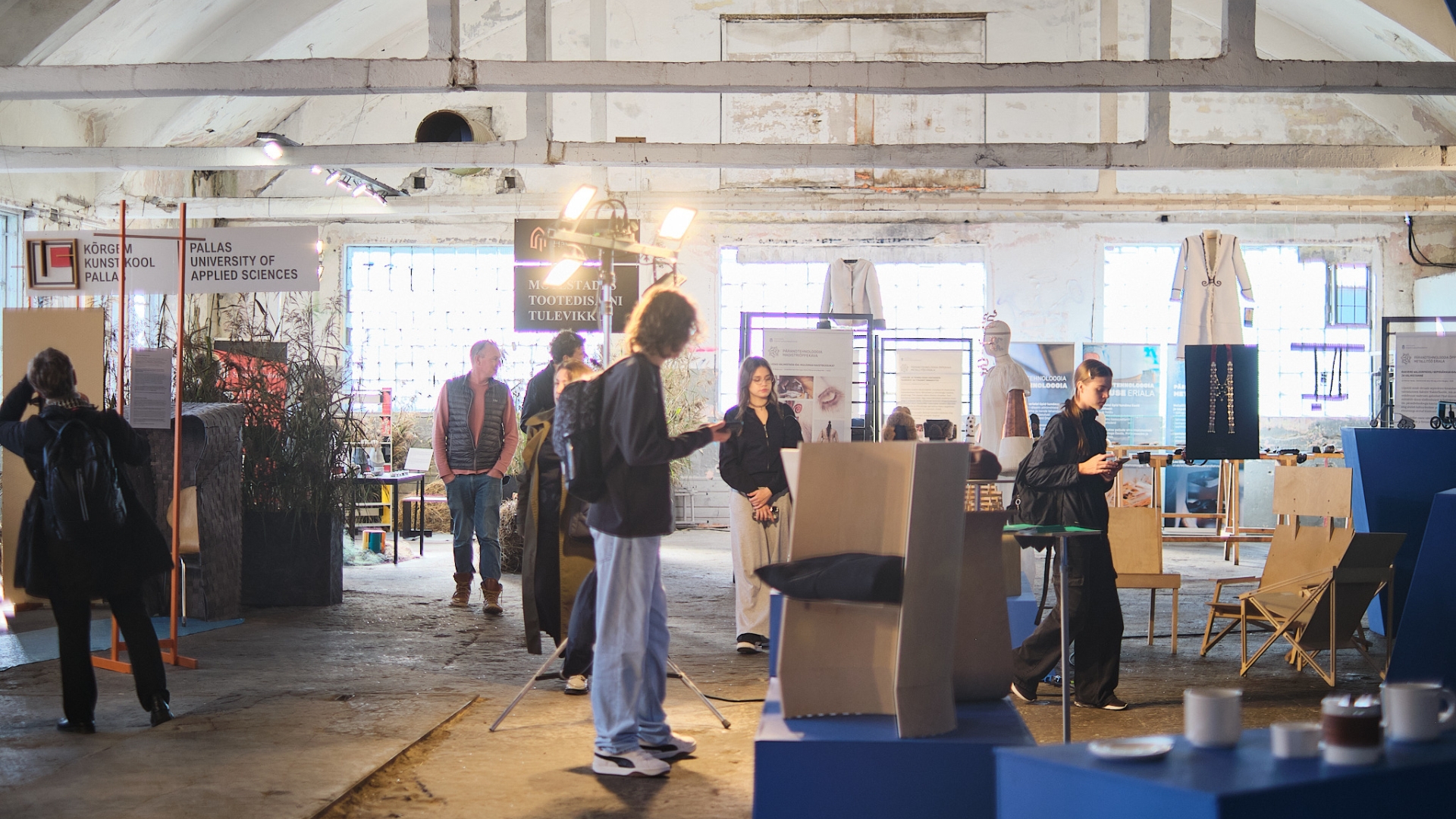
From 28 September to 4 October, the 21st edition of the Tallinn Design Festival, known locally as Disainiöö, took over Põhjala Factory with a wide variety of events. They included exhibitions, talks, workshops, bike tours, a fashion show, an awards gala, and a weekend market. To say it was a full week is an understatement, as TDF is the biggest design festival in the Baltics.
This year’s theme was about the future of product design, and the programme kept returning to 4 ideas: sustainability, adaptability, inclusivity, and an awareness of what things are made of.
Gallery
Open full width
Open full width
It’s a fitting setting for Estonian design, which has always had a close relationship with the factory. Applied-arts education in Tallinn dates back to 1914, and its graduates designed products for the interwar companies and later for Soviet-era plants. A magazine called Kunst ja Kodu, published in Tallinn from 1958 to 1990, covered interiors at a time when almost no one else in the Soviet Union did, and from 1966 the State Art Institute trained industrial designers as a new profession.
The Estonian pieces from those decades earned a reputation as the nearest thing to Western goods you could find in the Baltics, as the population was always looking to the West as a source of inspiration and freedom. Today, the country’s designers are known for being practical, a little wry, and versatile. Here is a selection of projects from the show that caught our interest.
Tallinn Design Festival 2026
Pergola by Aivan for Standard
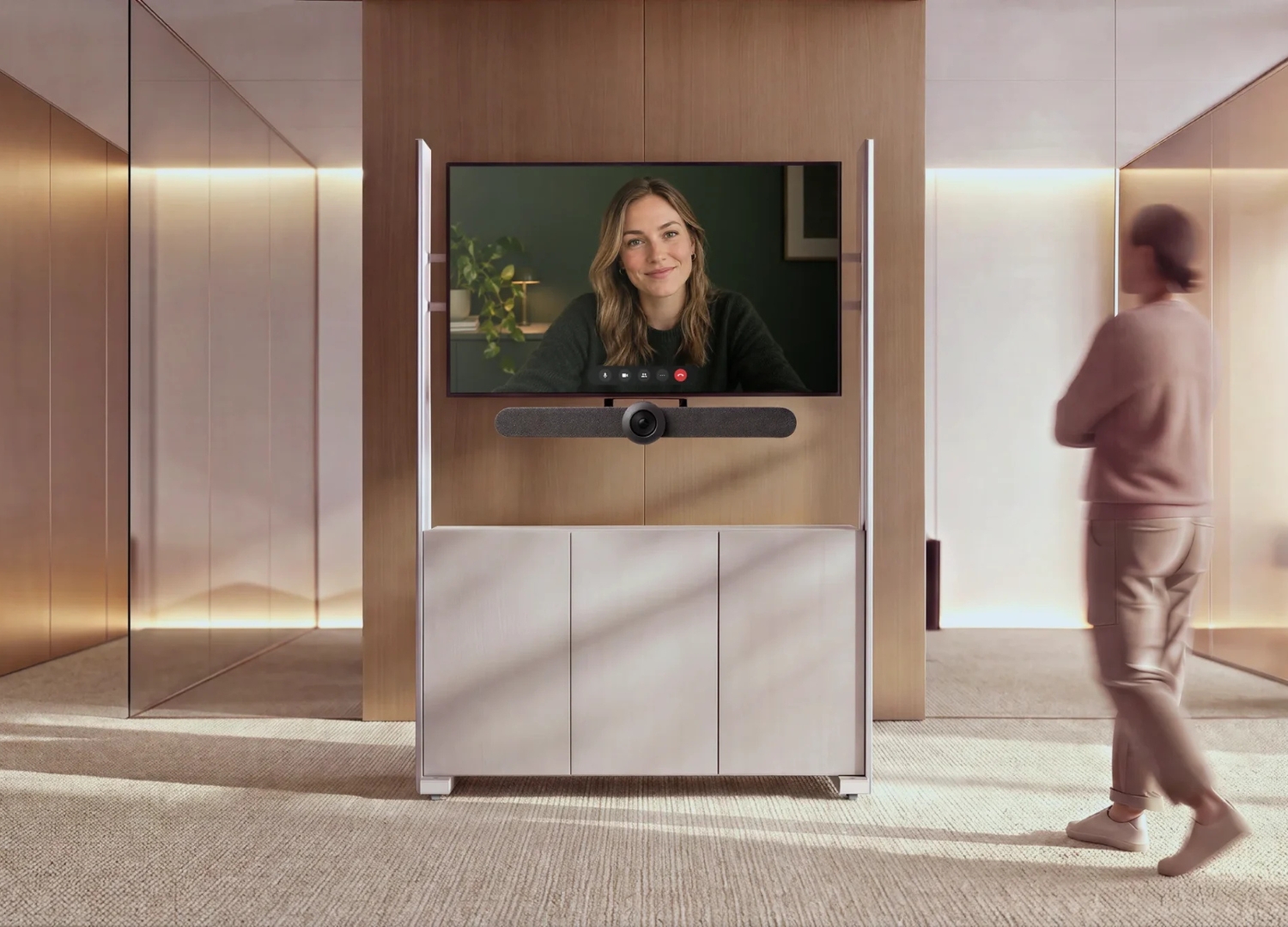
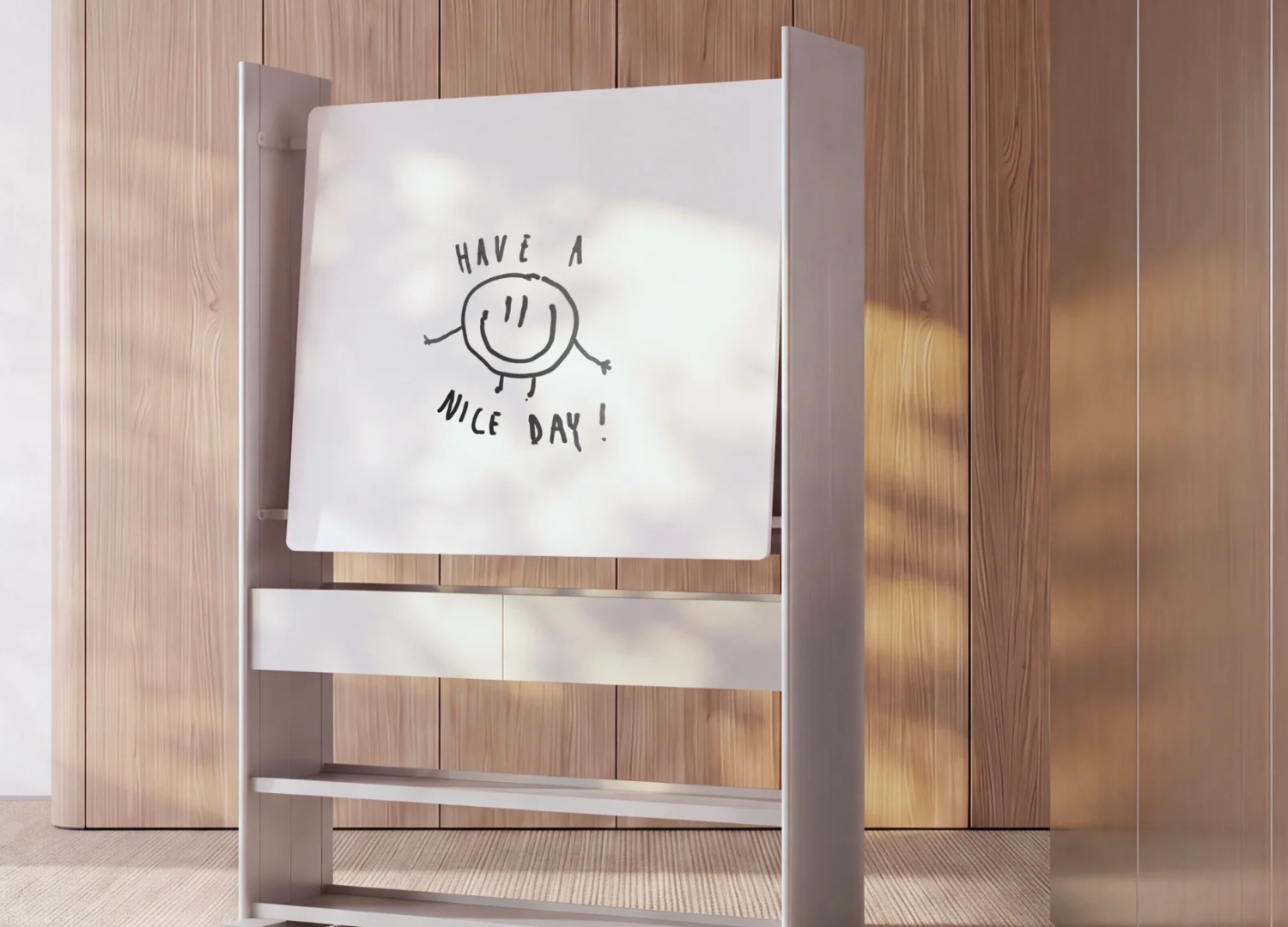
Standard is the country’s biggest design company, and as its CEO Ottomar Tamm describes it, “an 82-year-old startup.” Pergola is their newest collaboration with the Finnish studio Aivan, and it is a furniture system for the contemporary workplace built on modularity and flexibility. Through an aluminium profile that can be adapted to different needs, Pergola can host cabinets, a whiteboard, a screen, and many other useful tools for meetings or brainstorming sessions.
Something that was interesting from Aivan’s designers’ point of view is that, being an office themselves, they found themselves in the position of designing an object they could genuinely then use as a team, which led to them developing different ideas for the product.
Tekto by Franciszek Wesołowski
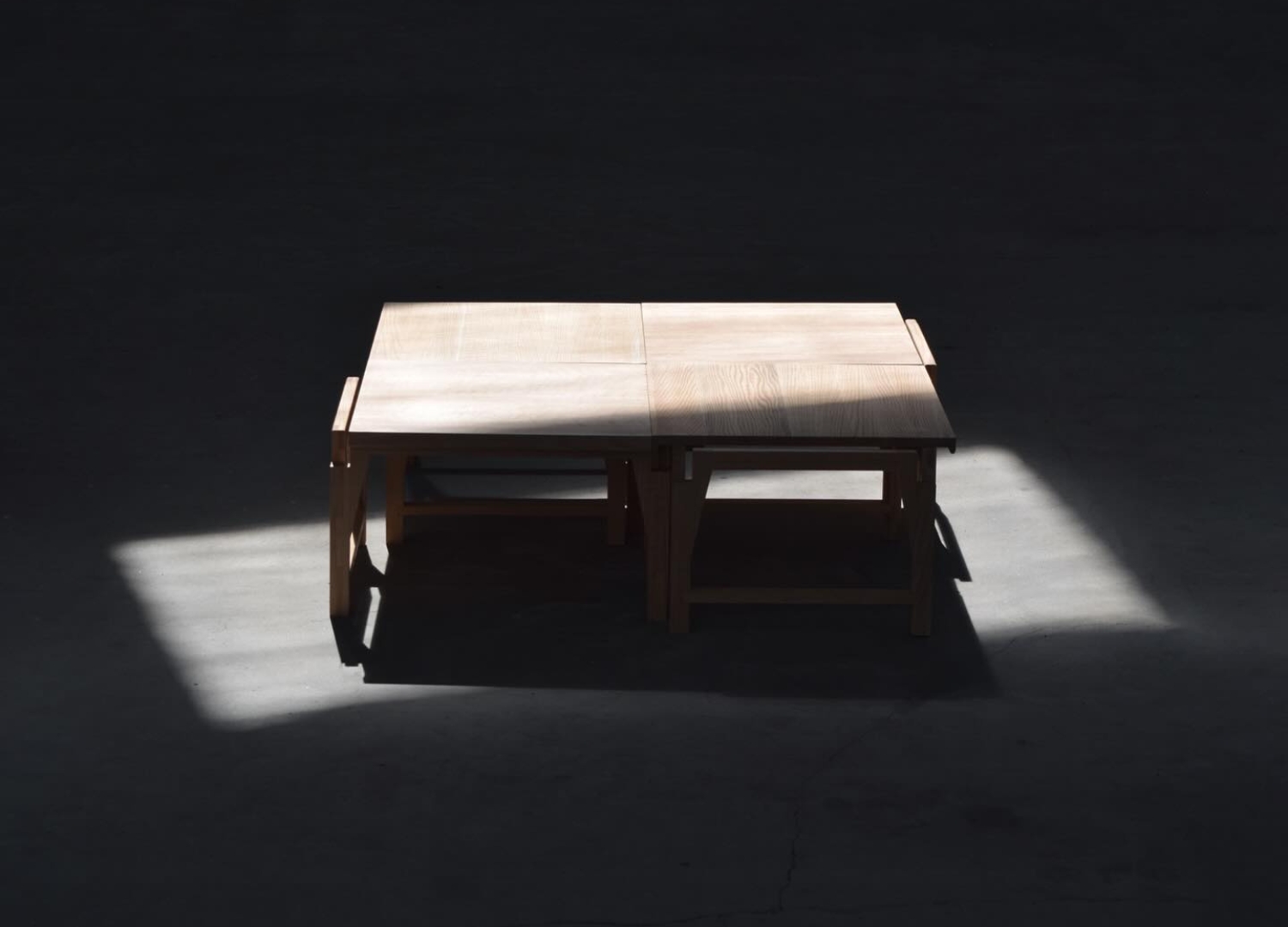
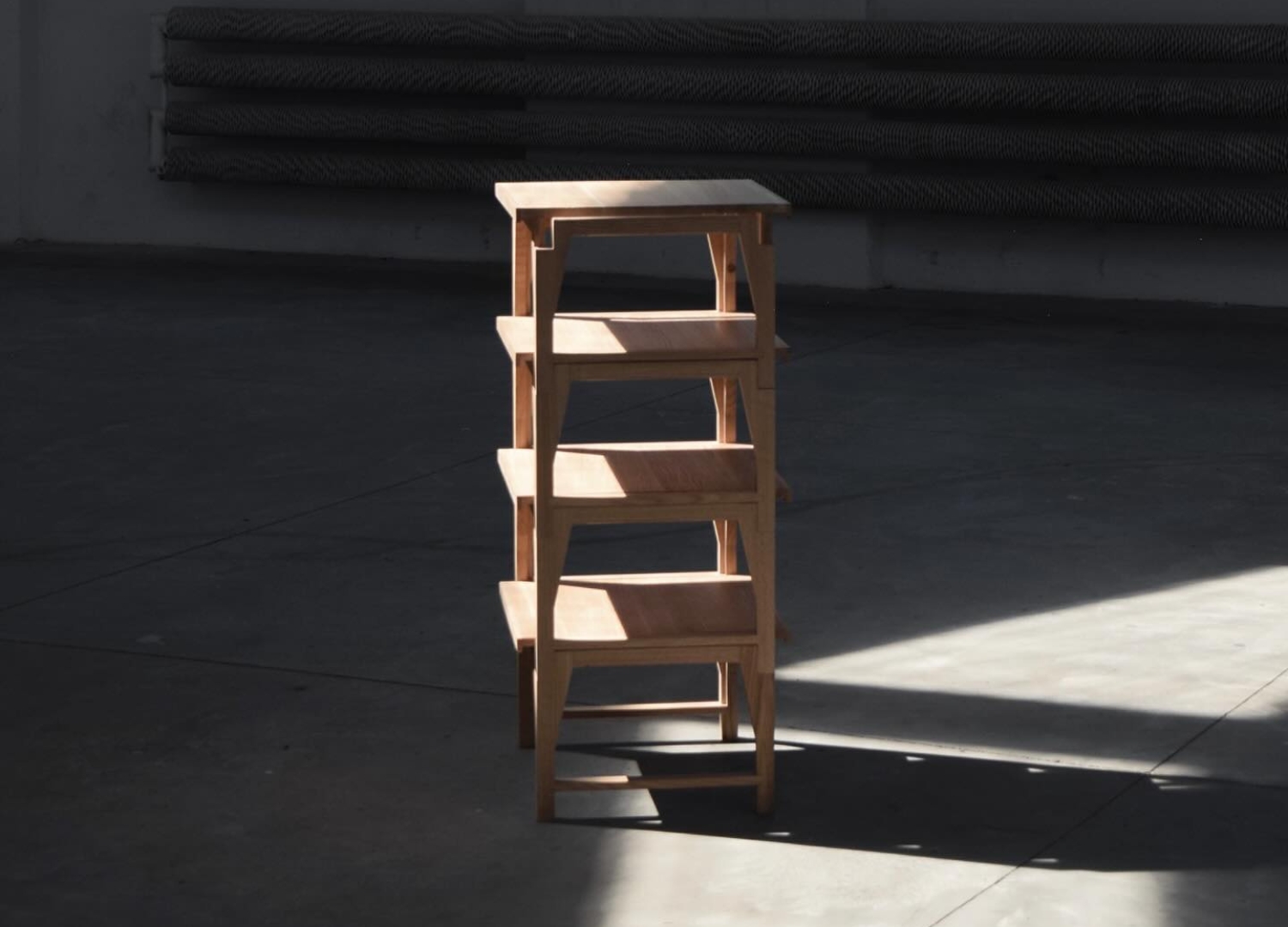
The Polish designer Franciszek Wesołowski, of the School of Form, built Tekto for creative people who cannot afford a studio and have to make their prototypes in small apartments. His answer is a family of identical wooden modules that connect side by side or stack upward, so the same piece can be a shelf, a low table, or a place to keep tools.
It is made of solid oak and ramie fabric, and the idea is a workspace that can be folded back into domestic life at the end of the day, leaving the home tidy. Here we see the same motif as Pergola, of a designer designing something he might use himself, a recurring theme of the festival signaling the values of adaptability and makeshift products.
ABLE tools set for [dis]abled by Barbora Bezděková
![Tallinn Design Festival, ABLE tools set for [dis]abled by Barbora Bezděková](http://designwanted.com/wp-content/uploads/2026/10/Tallinn-Design-Festival-ABLE-tools-set-for-disabled-by-Barbora-Bezdekova.jpg)
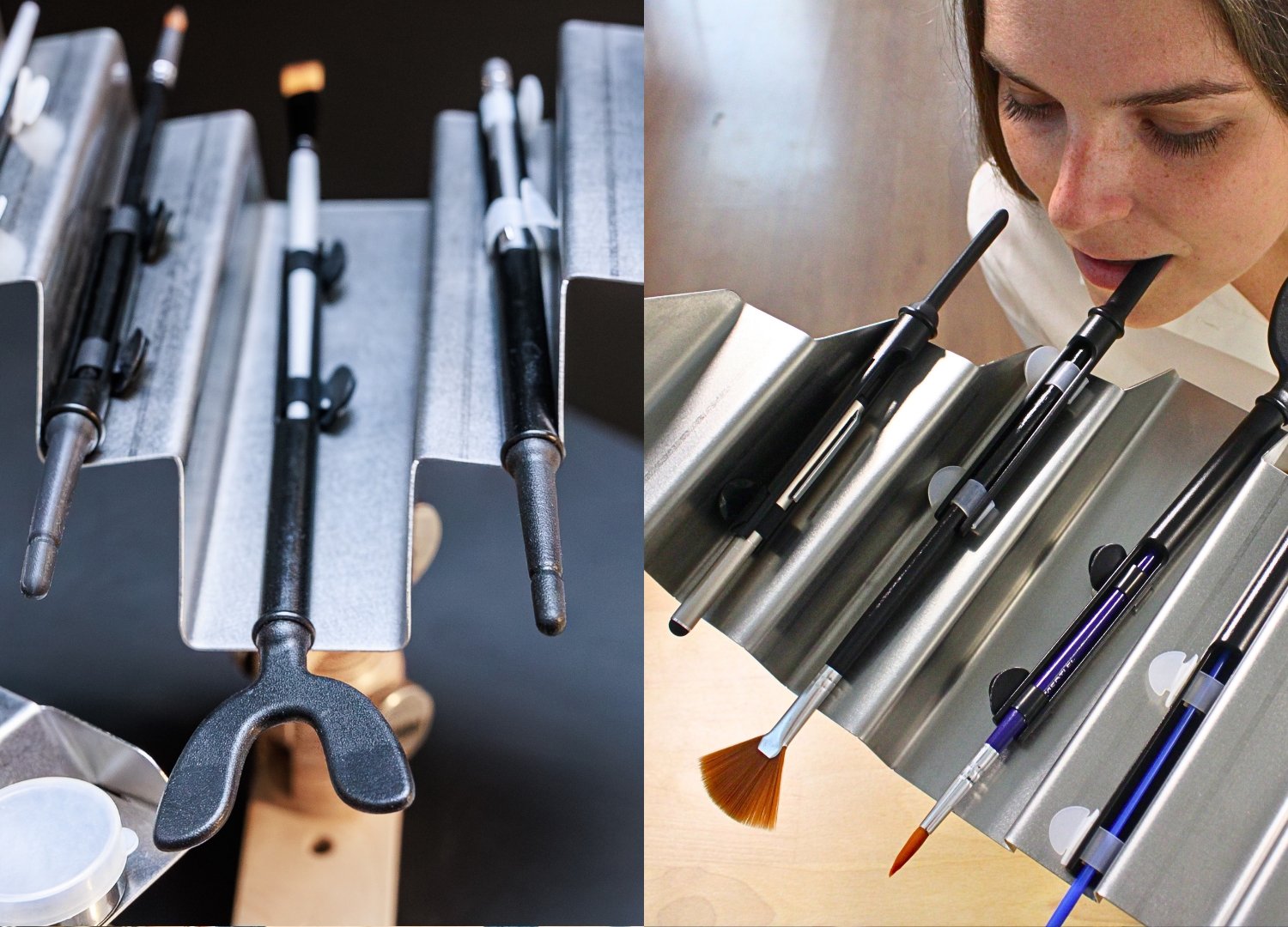
Barbora Bezděková from the Academy of Arts, Architecture, and Design in Prague designed a set of mouthpieces and an adjustable workstation dedicated to people with physical disabilities. The devices can be used to work on a screen, draw, use a tablet, or sign documents with their mouth.
The designer built it based on her own personal experience, after working with disabled people for 9 years. They had been waiting for safe mouthpieces for years, and were making do with everyday tools that could release microplastics or wooden chips into their mouths, with a person even breaking a healthy tooth on a metal pen. By the designer’s account, this is the first similar and safe product available on the market.
Park Bench Series with Integrated Bicycle Racks by Timo Talvik
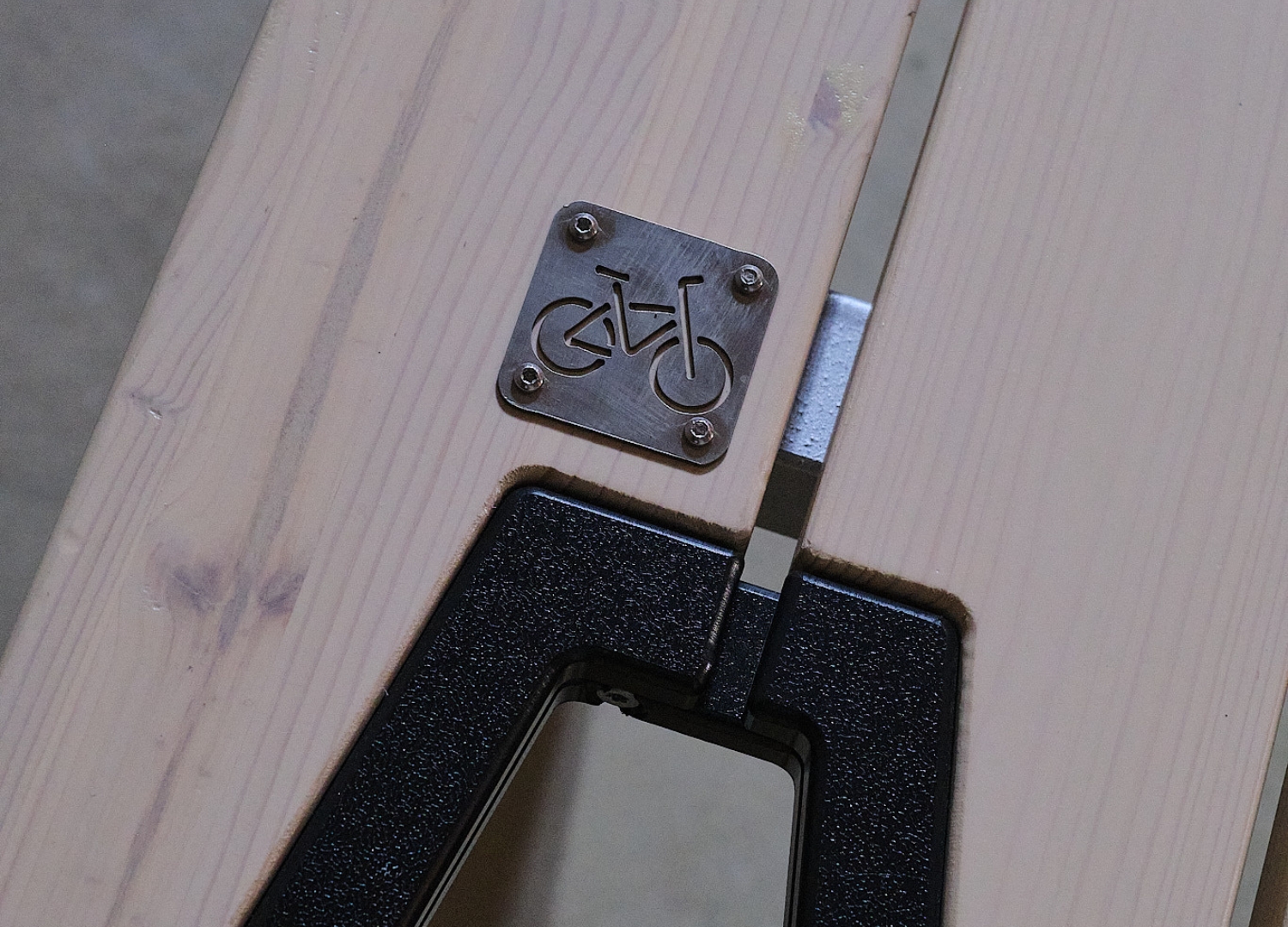
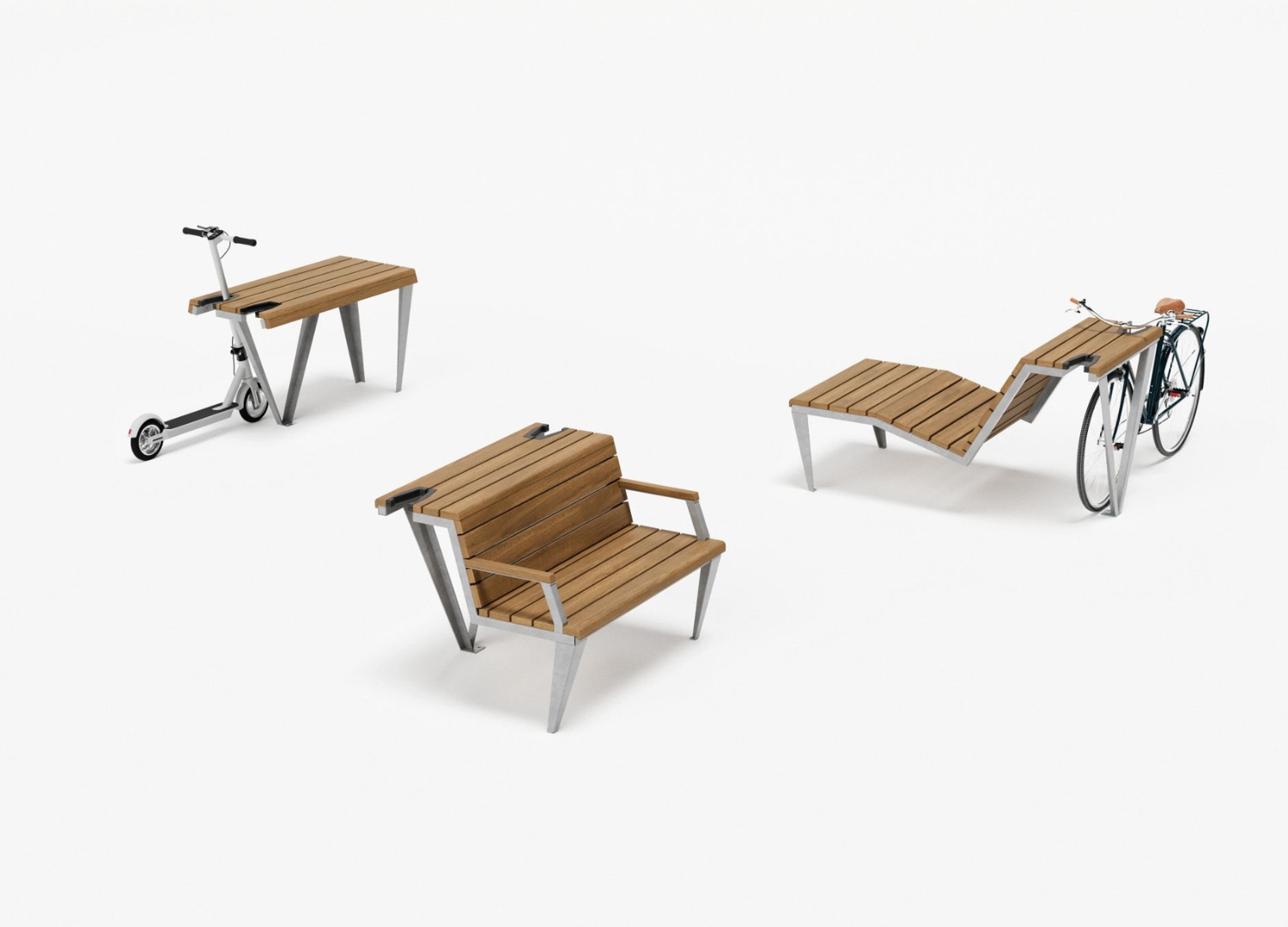
Timo Talvik is a designer from Tallinn, a city where cycling is very common, and he focused his project on his personal experience: having to park the bicycle to sit down on a bench for a rest. Therefore, he created three kinds of benches with integrated bike space: a standard park bench, a semi-high leaning bench for short stops, and a reclining bench with an extended footrest for longer rests. The three products share the same design language and the same materials, wood and metal.
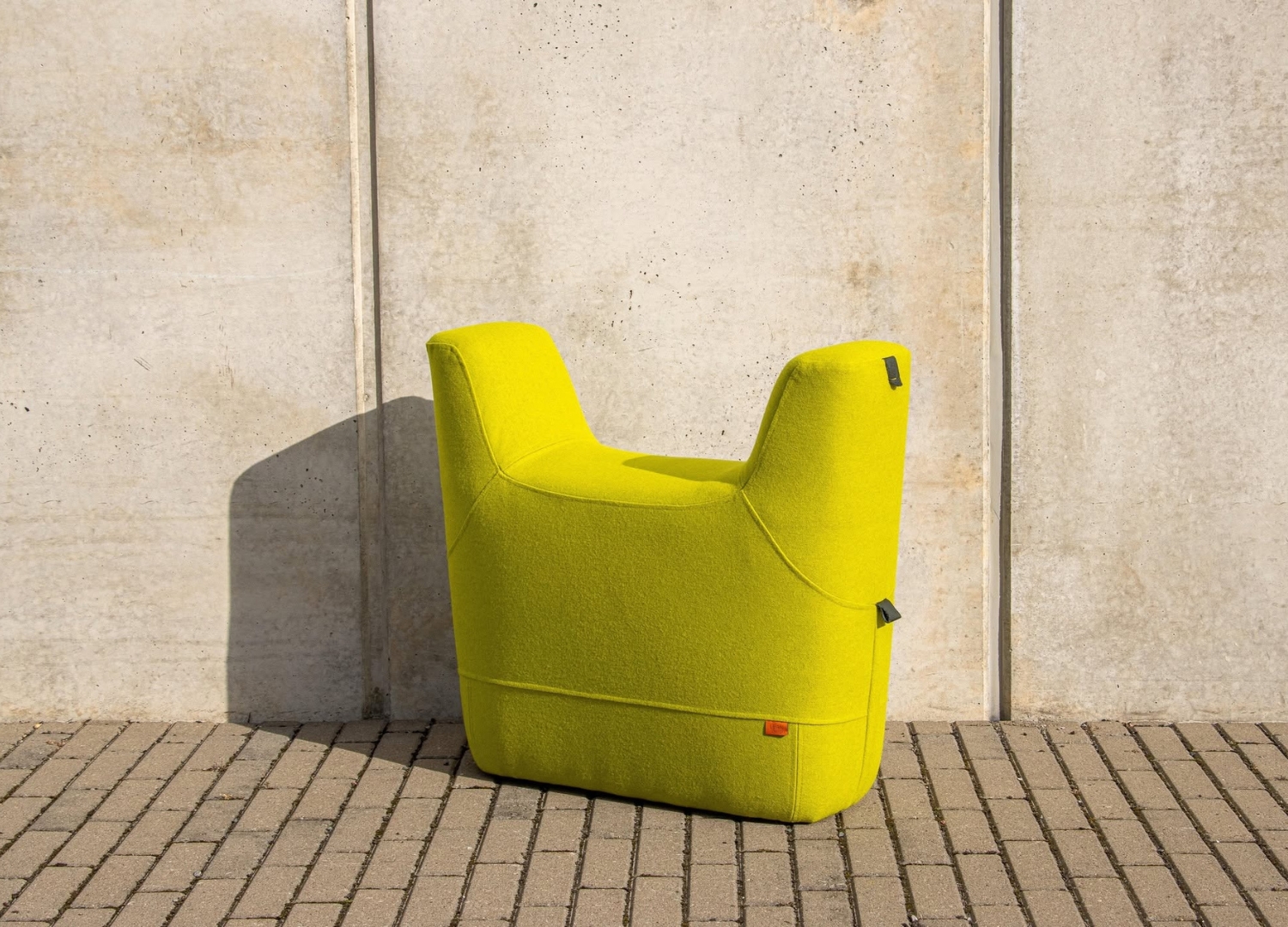
KOMA by Eneli Siimon for Leandesign OÜ
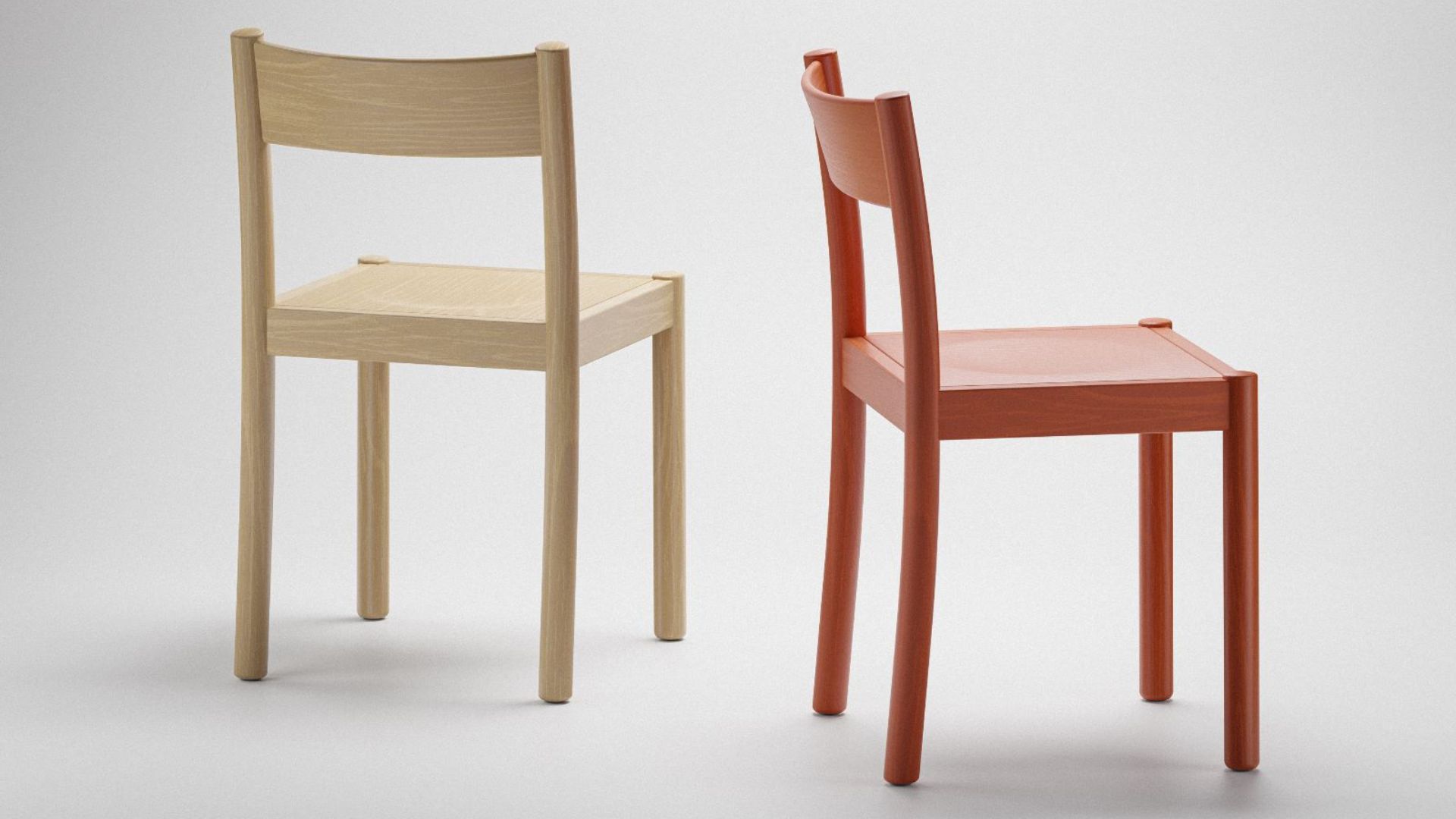
This seat was the winner of this year’s BRUNO award in the spatial and environmental product design category. The seat is designed around adaptability, as it doesn’t ask the sitter to choose one posture. Its open, supportive form invites you to sit upright, sideways, or leaning back, letting your body decide how it wants to rest instead of forcing it into one posture.
The company states that 96.4% of the material by mass is secondary material, gathered from existing industrial side streams and given a new life. Their tagline summarises the product’s philosophy: one chair, countless possibilities, less new, more value.
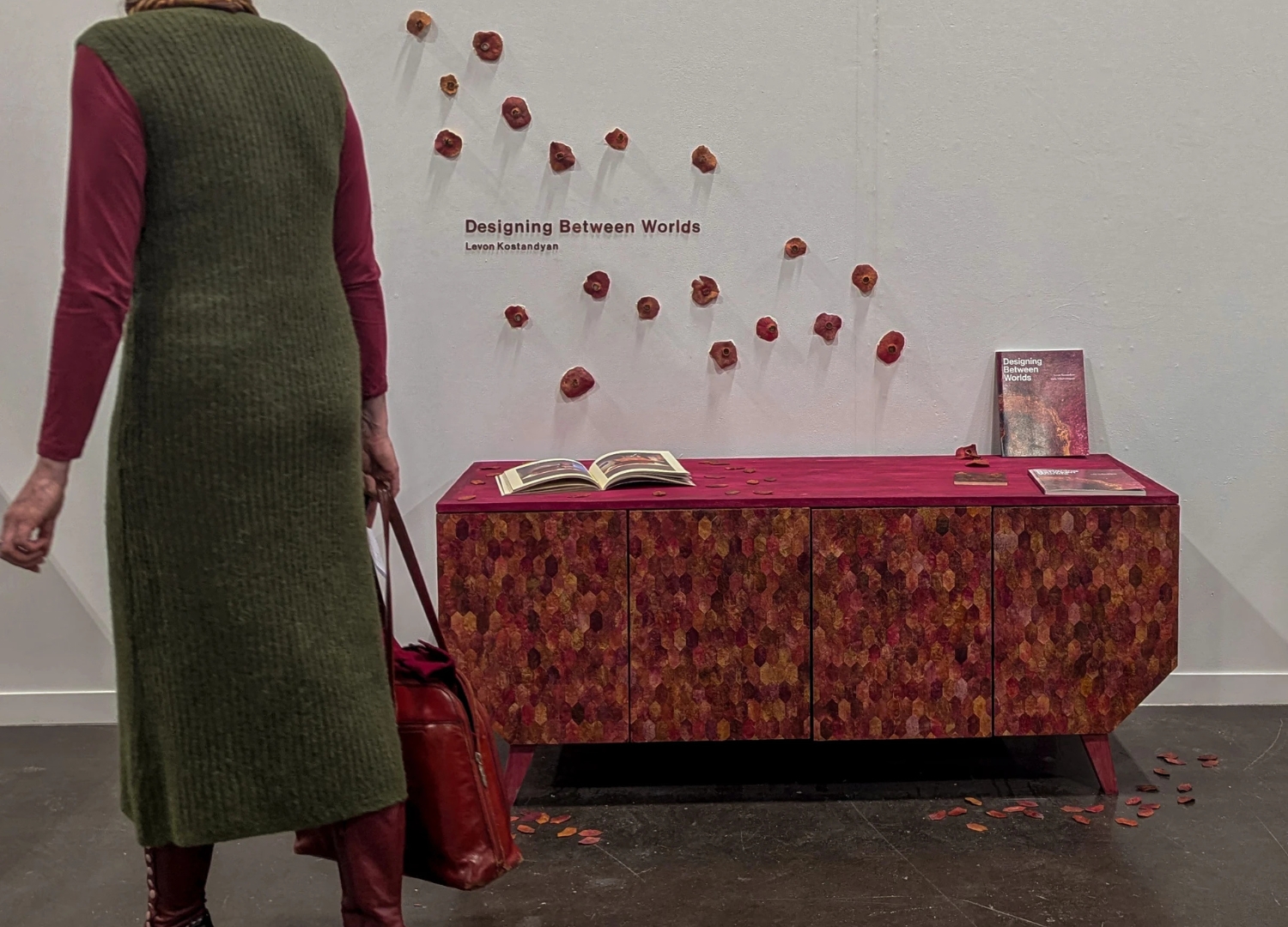
Designing between worlds by Levon Kostandyan
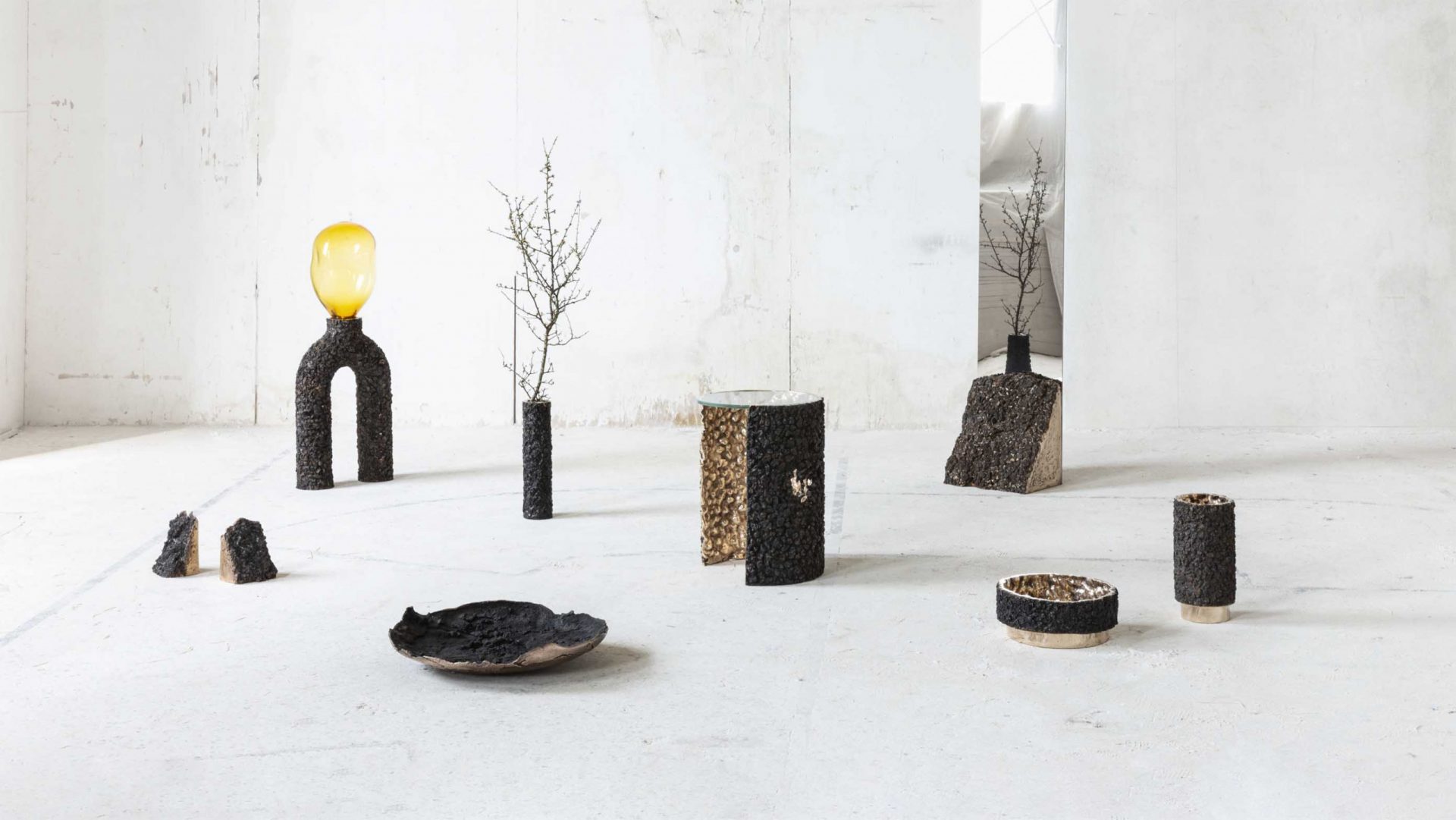
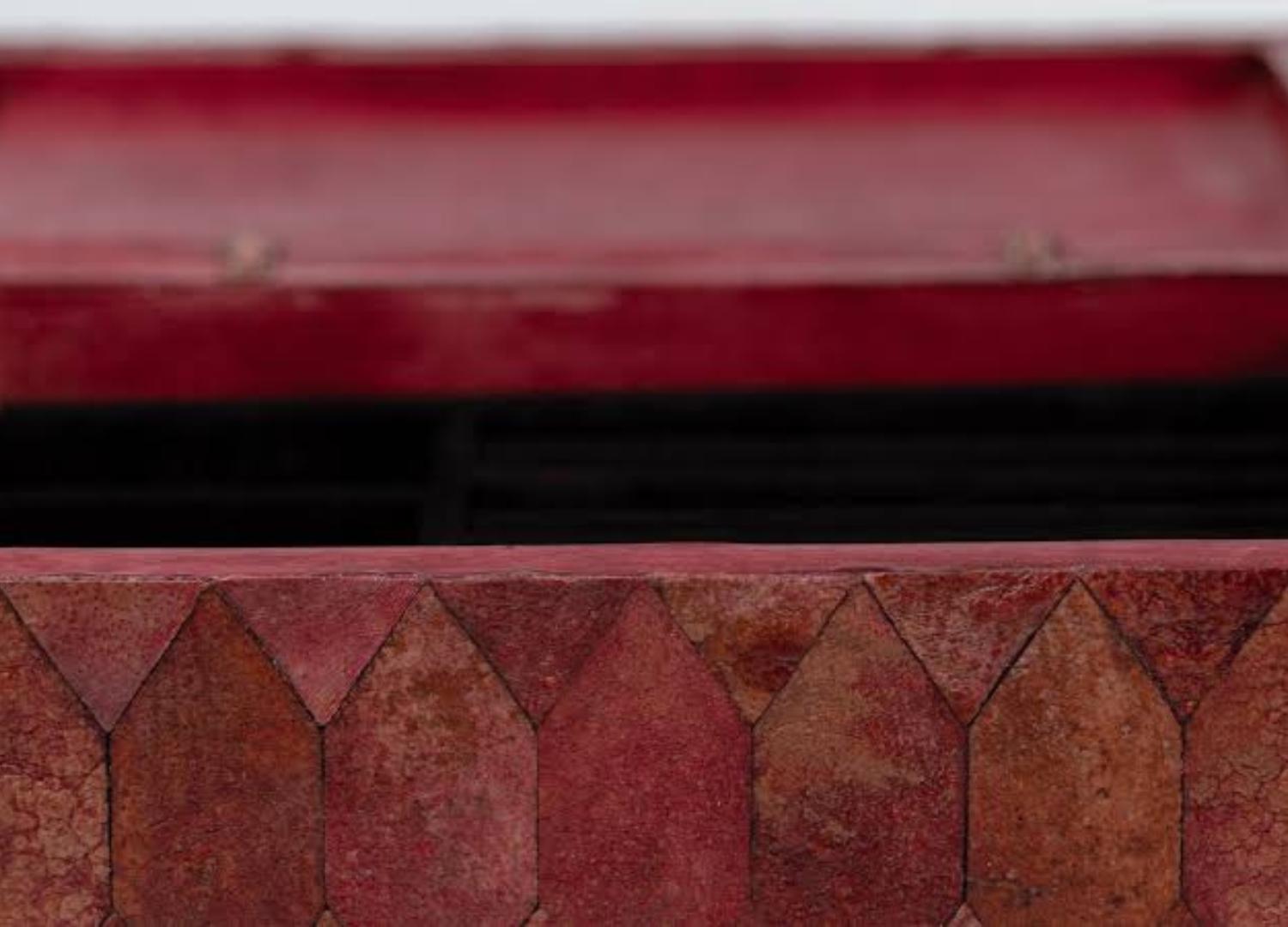
Last but not least, Kostandyan works with a simple material that is usually thrown away: pomegranate skin. The fruit is a sacred national symbol in Armenia, representing fertility, abundance, life, prosperity, and the enduring spirit of the nation, but it is also an agricultural by-product, which the designer turns into handmade veneers, inlays and furniture. The project begins with the concept of diaspora, asking how culture can be carried across distance and kept alive in a different form, rather than being preserved under glass.
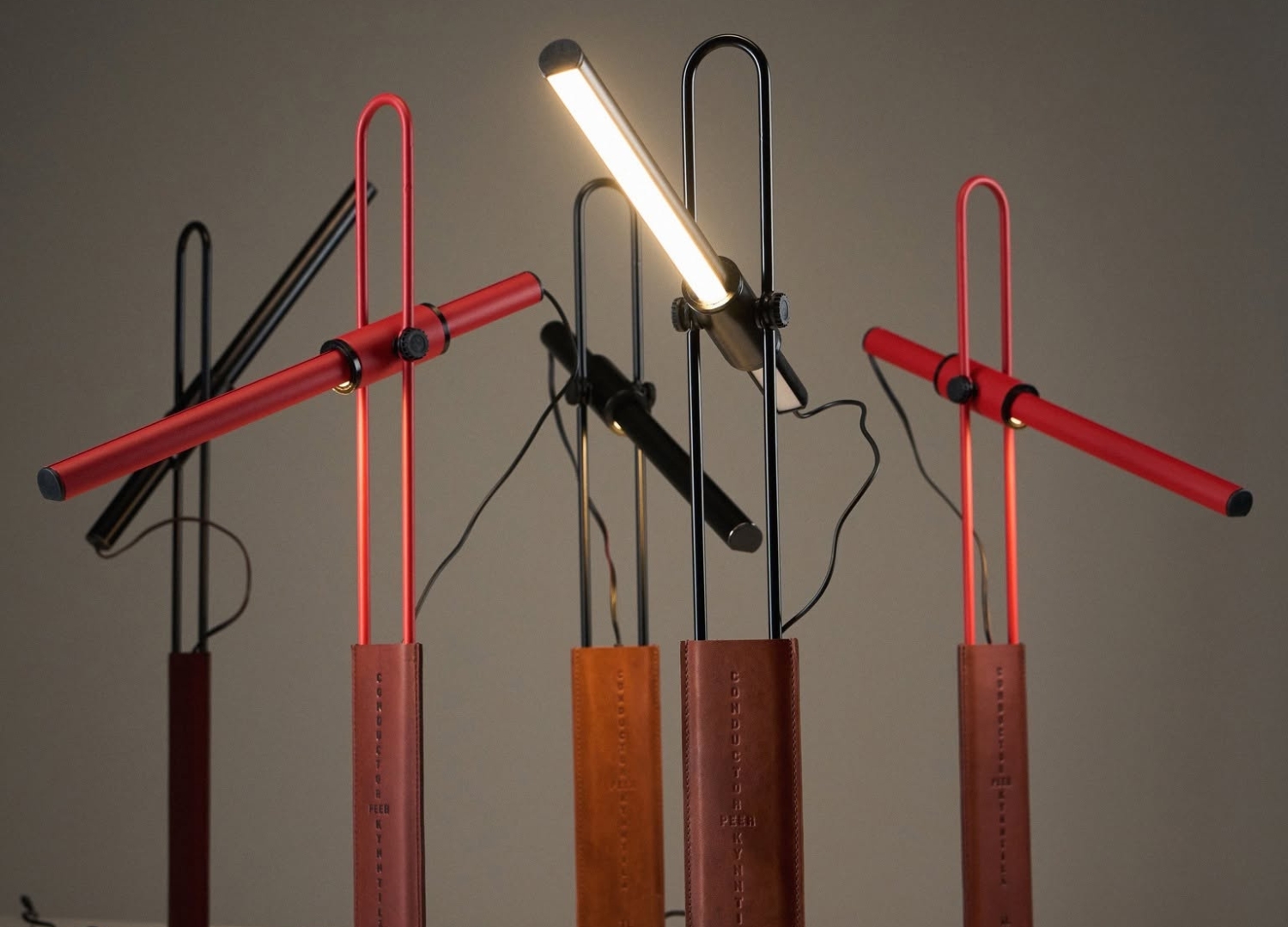
Conductor Peer Kynntilä by Tarmo Luisk
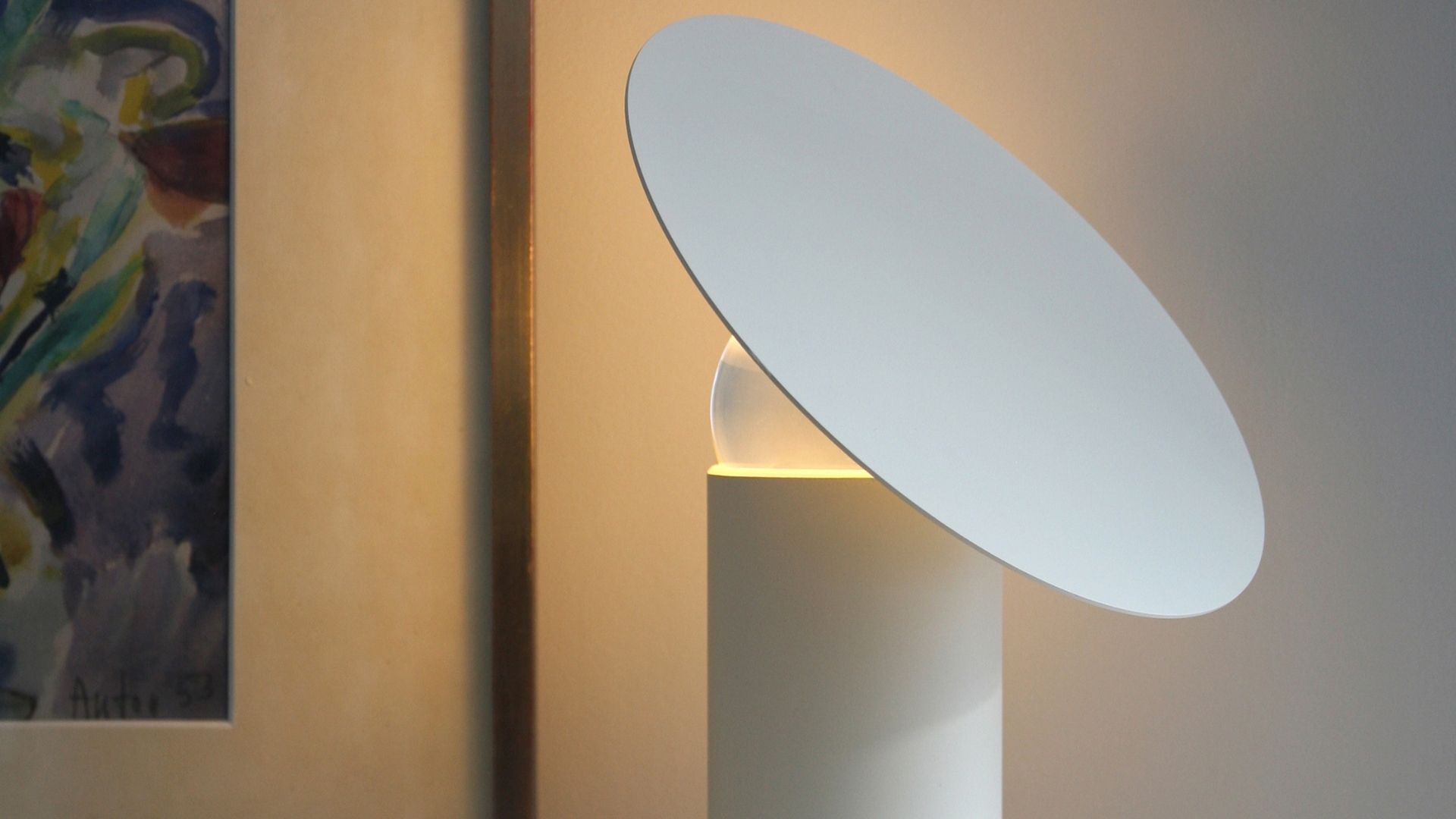
Conductor Peer Kynntilä is Tarmo Luisk’s latest lamp in metal and leather, made for his own brand 2PeaOÜ, and one of the nominees for this year’s BRUNO product design award. The product’s name is a stack of references, from Ibsen’s Peer Gynt, a character from the 1867 play, and it also references the Finns, Estonia’s tribal people.
The word kynntilä winks at kynttilä, the Finnish word for candle. The shape of the lamp adds another layer, as the arched top is meant to recall a conductor’s baton. The overall design is inspired by the lamps people used in Estonia before electricity, as an homage to the designer’s heritage.