Wind to Watt: wind as a resource accessible to everyone
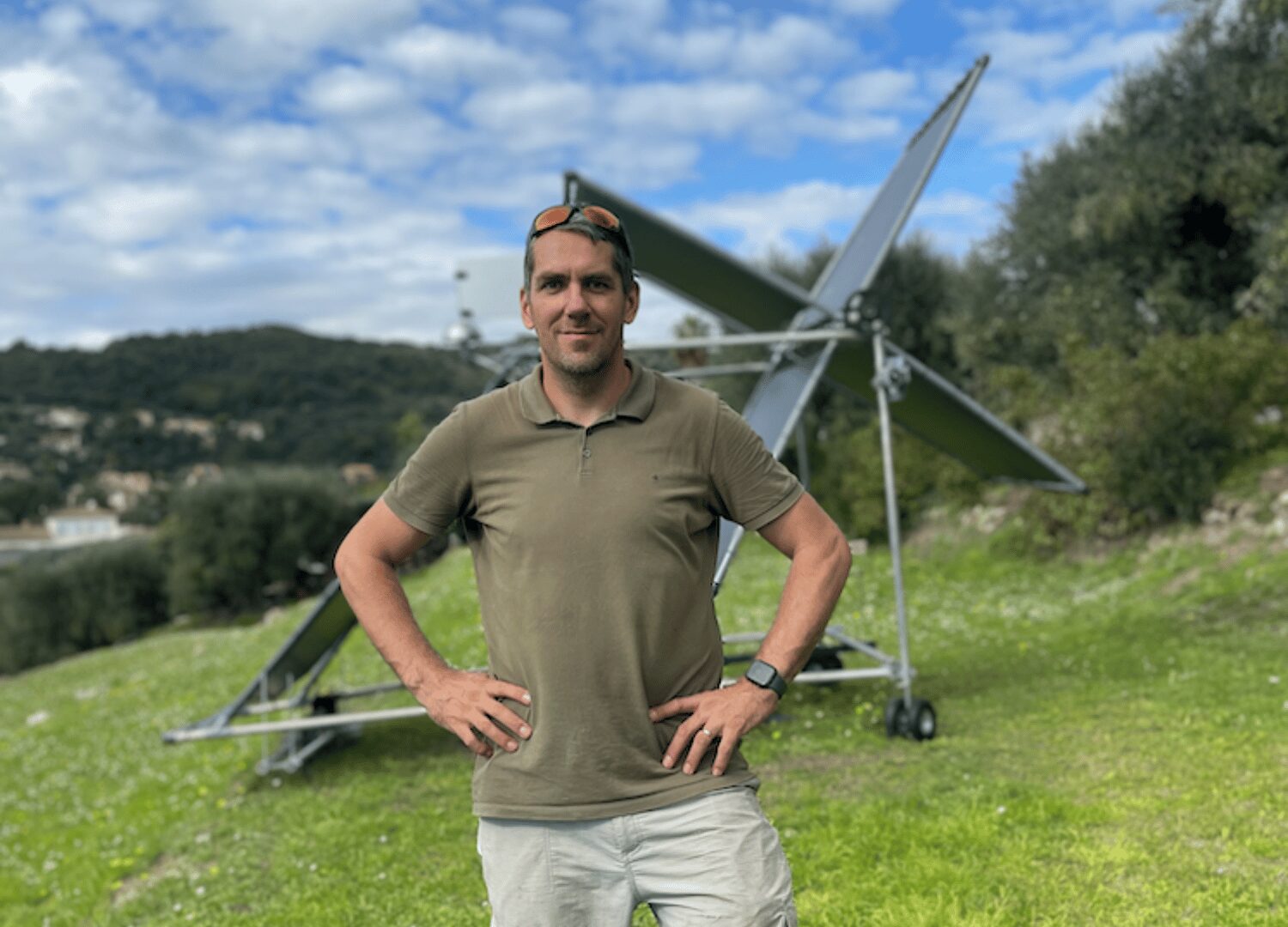
Created by Fabien Brun, Wind to Watt is a modular wind turbine under development, a solution designed to make energy accessible to everyone, even in challenging environments.
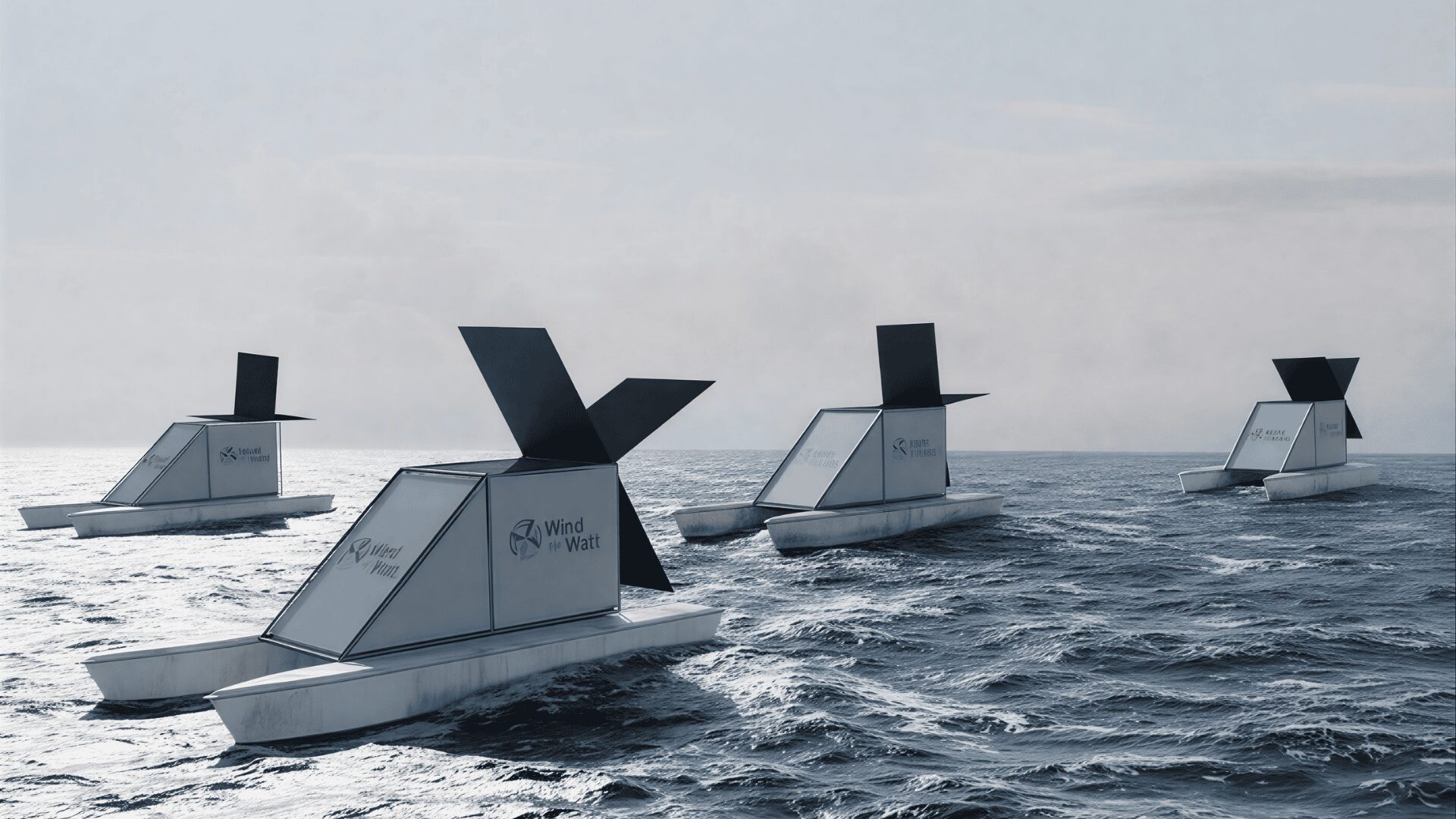
When we talk about renewable energy for homes or small businesses, we immediately think of solutions like solar panels, forgetting another fundamental resource that’s freely available: wind. Reminding us that wind power is also an opportunity for everyone is Wind to Watt, which is developing a new-generation modular wind turbine.
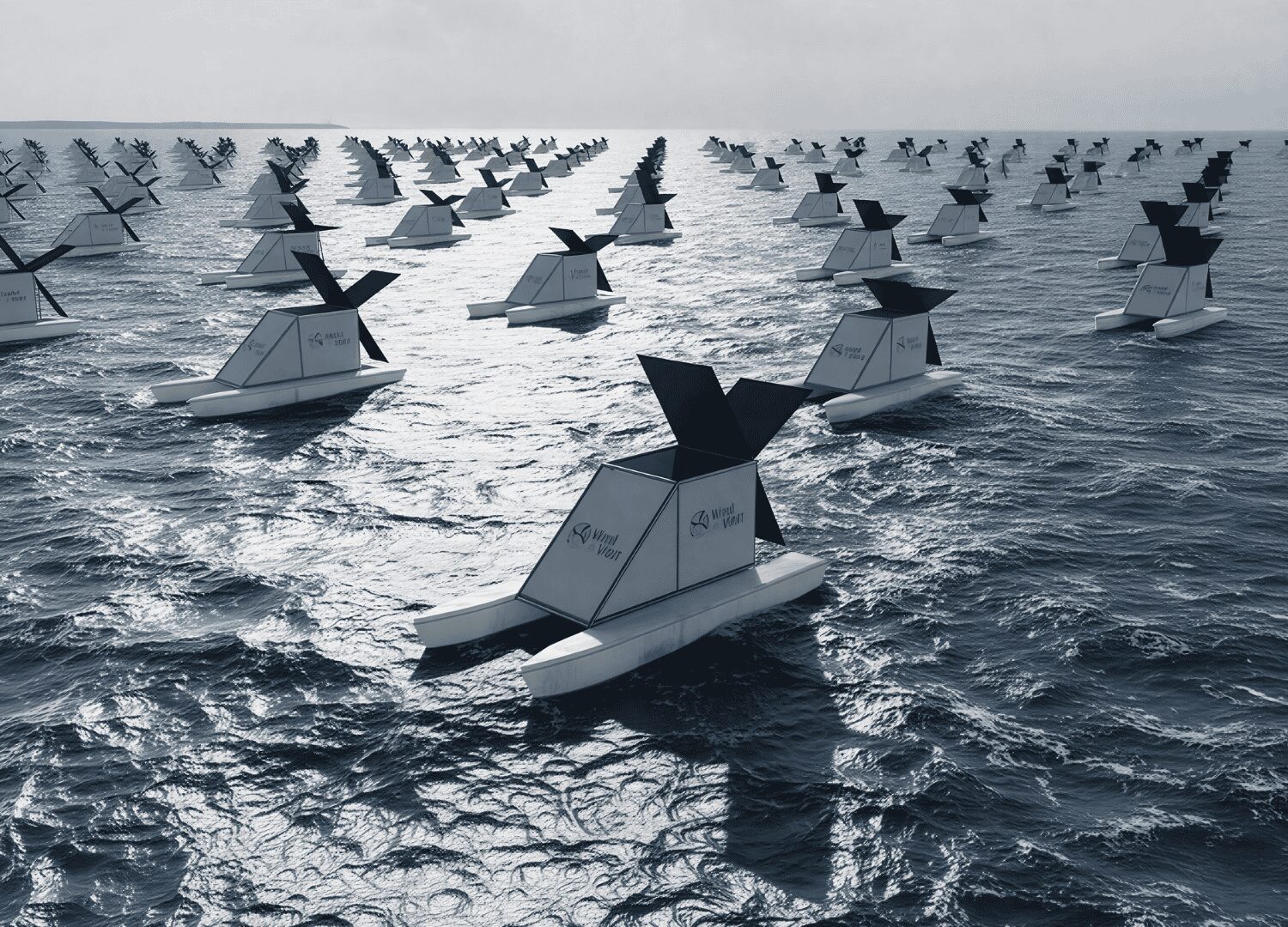
Although wind is present everywhere, converting it into electricity still relies on complex and expensive systems. With its product, the French brand aims to offer an alternative that makes wind energy accessible to everyone, even in contexts where its implementation remains challenging.
Gallery
Open full width
Open full width
Wind to Watt:
A easy-to-use, affordable, and adaptable energy solution
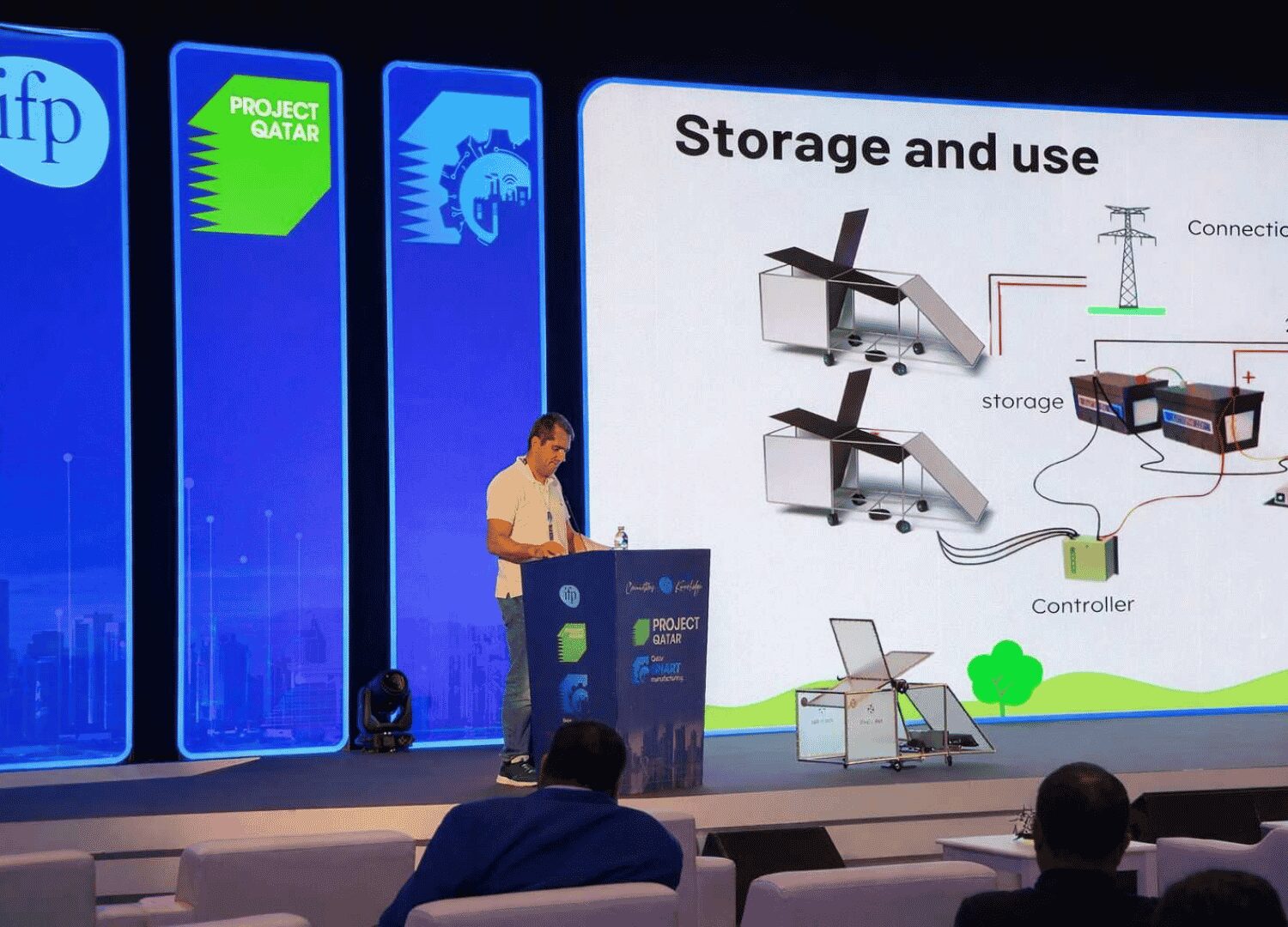
As Wind To Watt explains: “At a time when energy demand is intensifying (due to the combined effect of the digitalization of usage, the development of artificial intelligence, and imbalances in access to energy), this contradiction is becoming increasingly tangible: an abundant resource, yet one that is difficult to mobilize on a large scale,” it continues: “Our modular wind turbine concept is designed to provide renewable energy solutions that are accessible and deployable in both grid-connected and off-grid environments.”
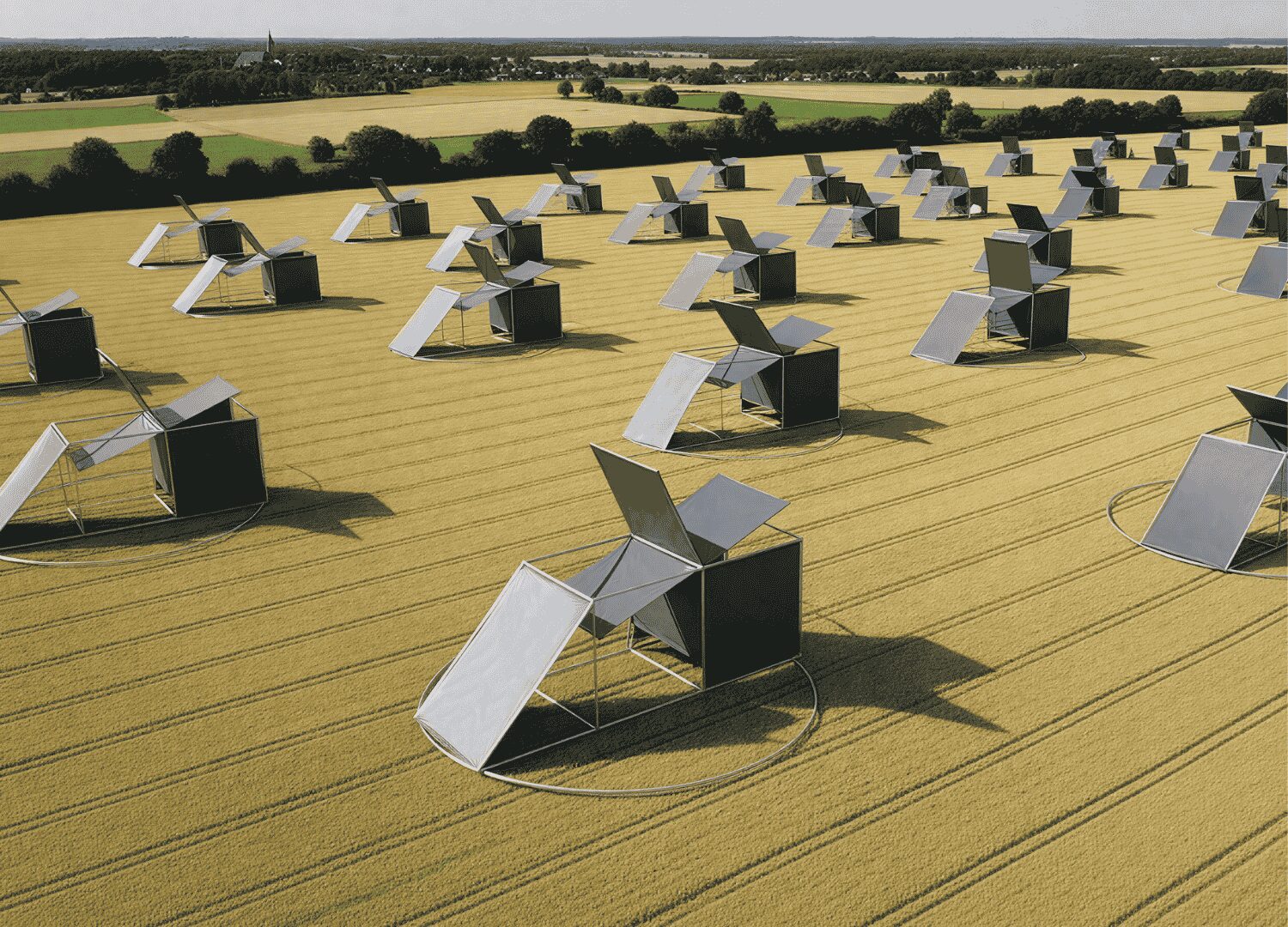
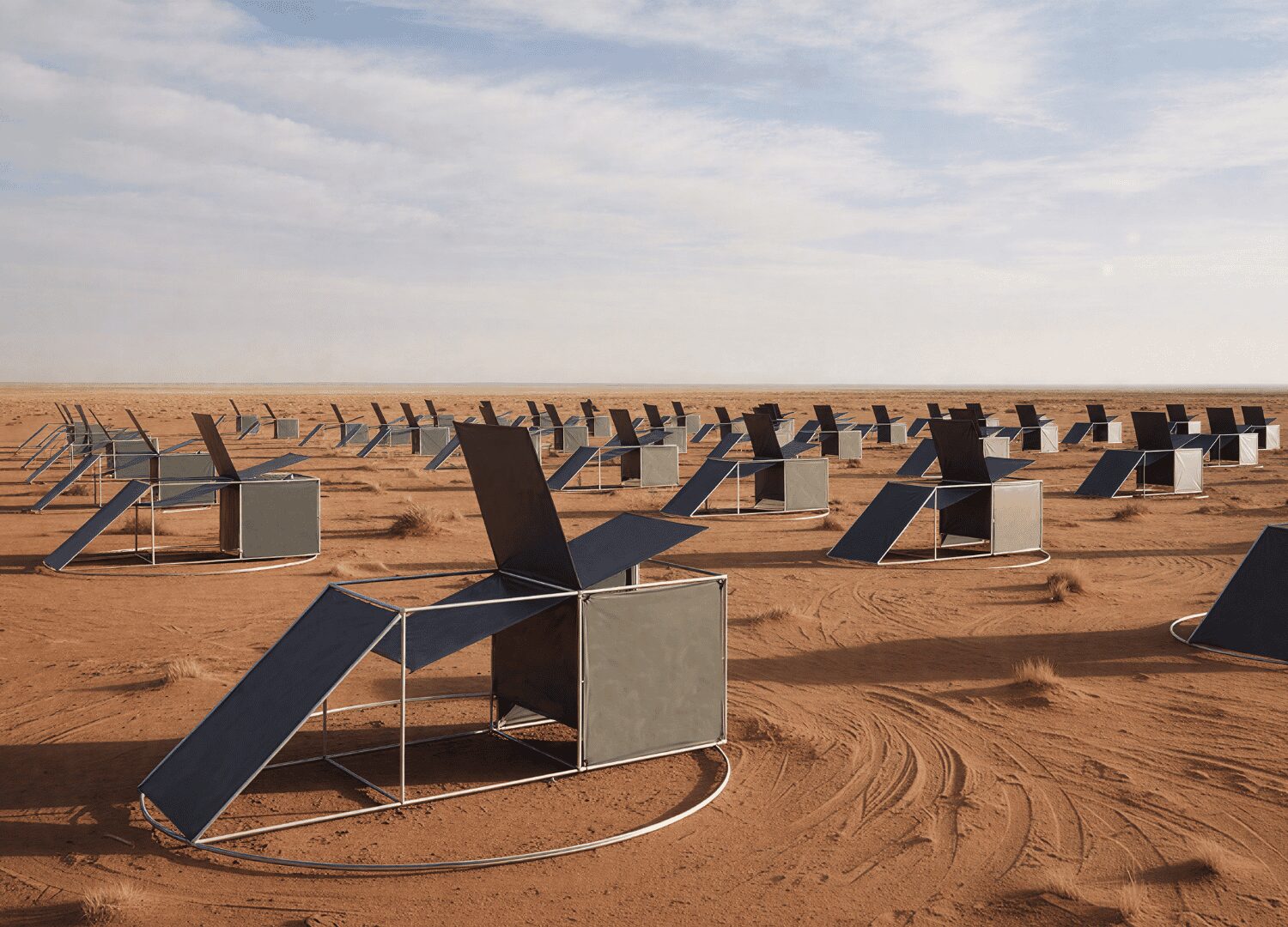
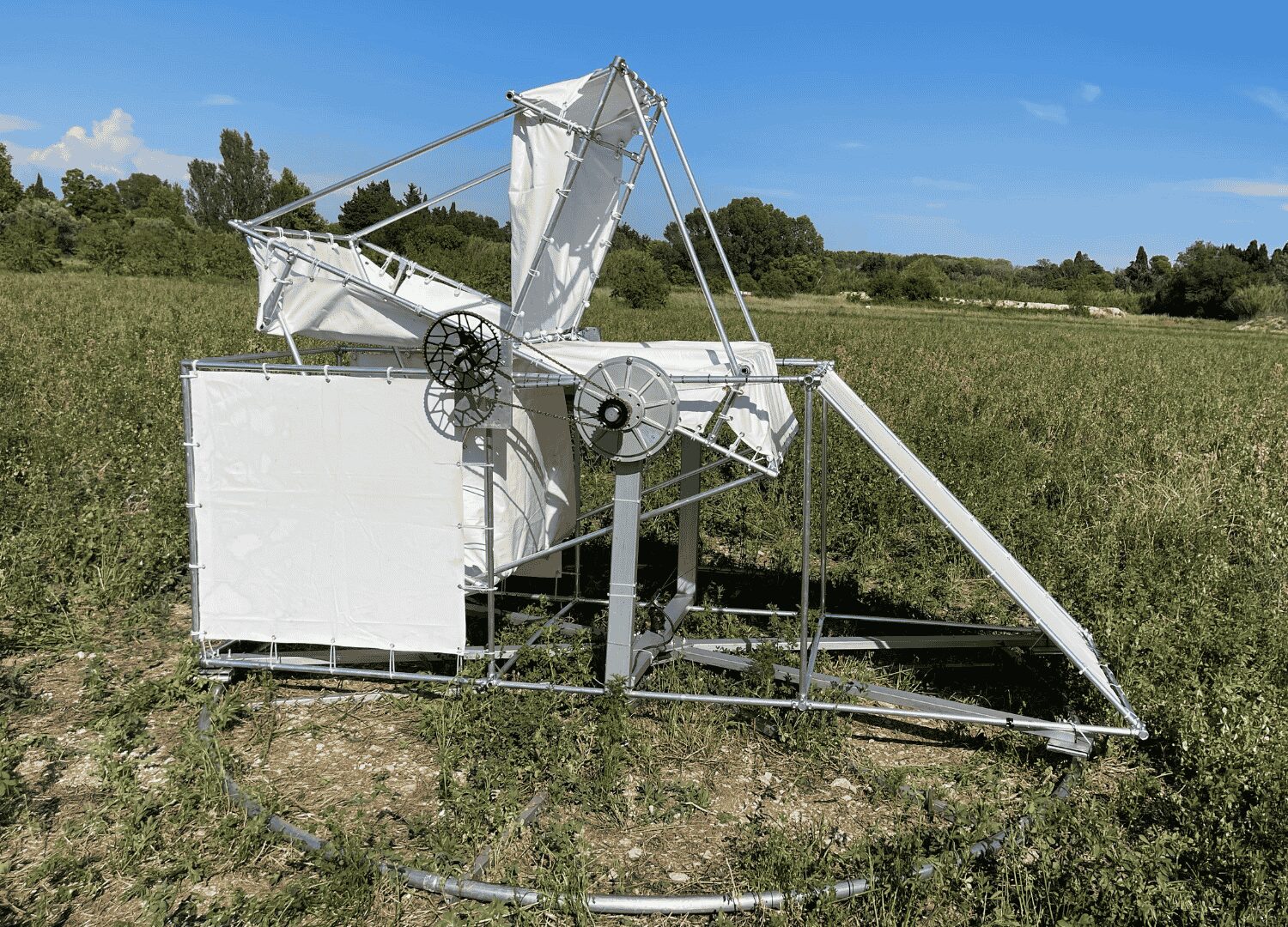
The brand offers an easy-to-install system – it can be assembled in less than three hours without requiring any specialized skills – and does not require the use of concrete, equipment, or complex construction. It adapts to any surface, whether on land or at sea, produces no noise, and has a minimal visual impact.
Flexible power ranges for different needs
Another key feature is its ability to generate electricity continuously, even at night. Thanks to its modular design, the system can be configured to deliver power ranging from 300 W to 10 kW and beyond, offering a flexible solution tailored to different needs.
This scalability depends on the context and consumption levels: in a residential setting, it can contribute to partial energy self-sufficiency, while in an agricultural setting, it can power irrigation systems, equipment, or livestock infrastructure. It can meet intermediate energy needs in offices and is also designed for industrial applications, thanks to its integration into large-scale systems.
A Support for energy continuity
In light of the growing energy demand associated with data centers for artificial intelligence, this scalability also opens up new possibilities for energy-intensive infrastructure. Wind to Watt, in fact, was not designed to replace current solutions but to ensure energy continuity through the principle of complementarity: its greatest advantage is the ability to integrate the product into hybrid systems. When solar panels reduce output due to adverse weather conditions or at night, the turbine helps compensate for the loss in energy production.
This issue is linked to the even more critical one of energy continuity – that is, the ability to ensure a stable, continuous, and uninterrupted power supply. The project is part of a broader discussion on energy supply security, in a context where the stability of energy sources is becoming a key factor.
The project is also aimed at off-grid areas, where access to electricity is a daily challenge. In Africa, India, and other isolated regions, this technology can help meet basic needs. Potential applications are varied, ranging from basic lighting for homes to water supply for domestic or agricultural use, from charging phones and electronic devices to powering equipment essential for daily life.
From the prototype to future developments
Led by Fabien Brun, the project stems from his experience combined with scientific knowledge and required two years of research and development before the first prototype was built. An initial model is now installed in Tarascon (France), on a particularly windy plot of land provided by a farmer.
At the same time, Wind To Watt is being promoted through a crowdfunding campaign on Ulule, which has been extended until June 30. The goal is to create a laboratory dedicated to wind energy, capable of testing different configurations and validating performance at various scales.
The next steps include a pilot implementation with agricultural and off-grid operations, as well as the development of industrial partnerships and local licensing models to accelerate large-scale adoption. In the long term, Wind To Watt aims to offer an alternative to diesel generators and contribute to a large-scale energy transition.