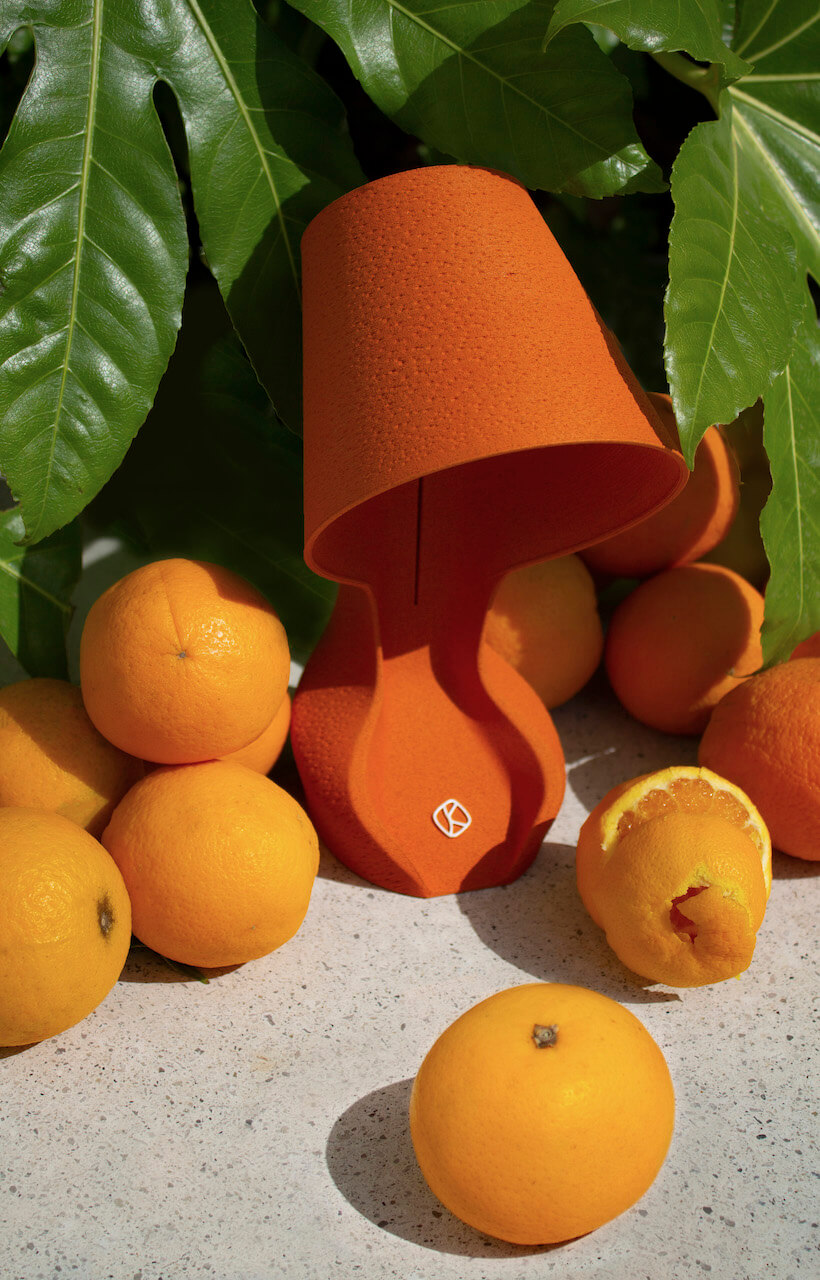
A lamp made from the peel of three Sicilian oranges
Milan-based start-up Krill Design has 3D printed orange peels into a tactile lamp that can be composted when finished with.
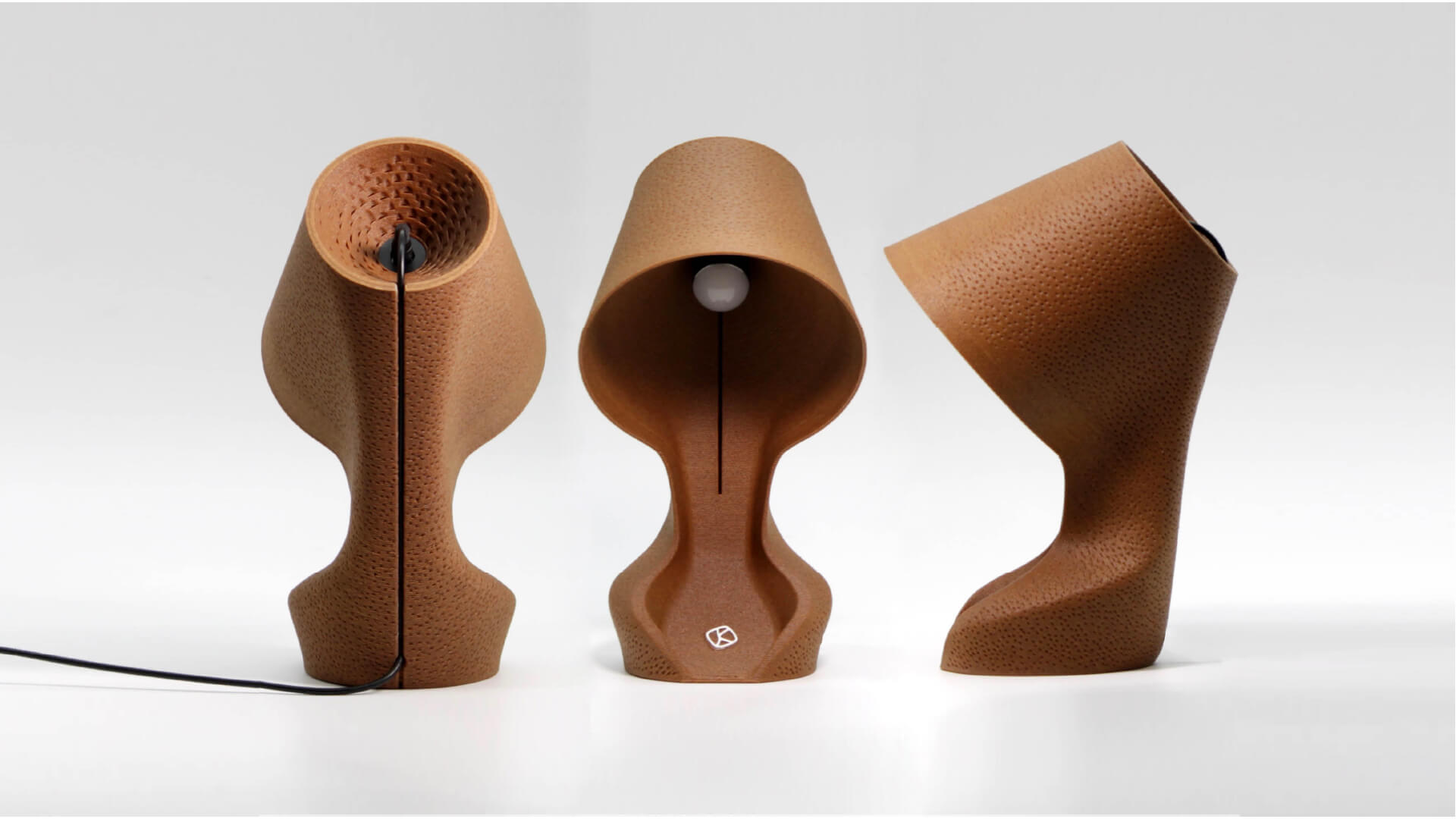
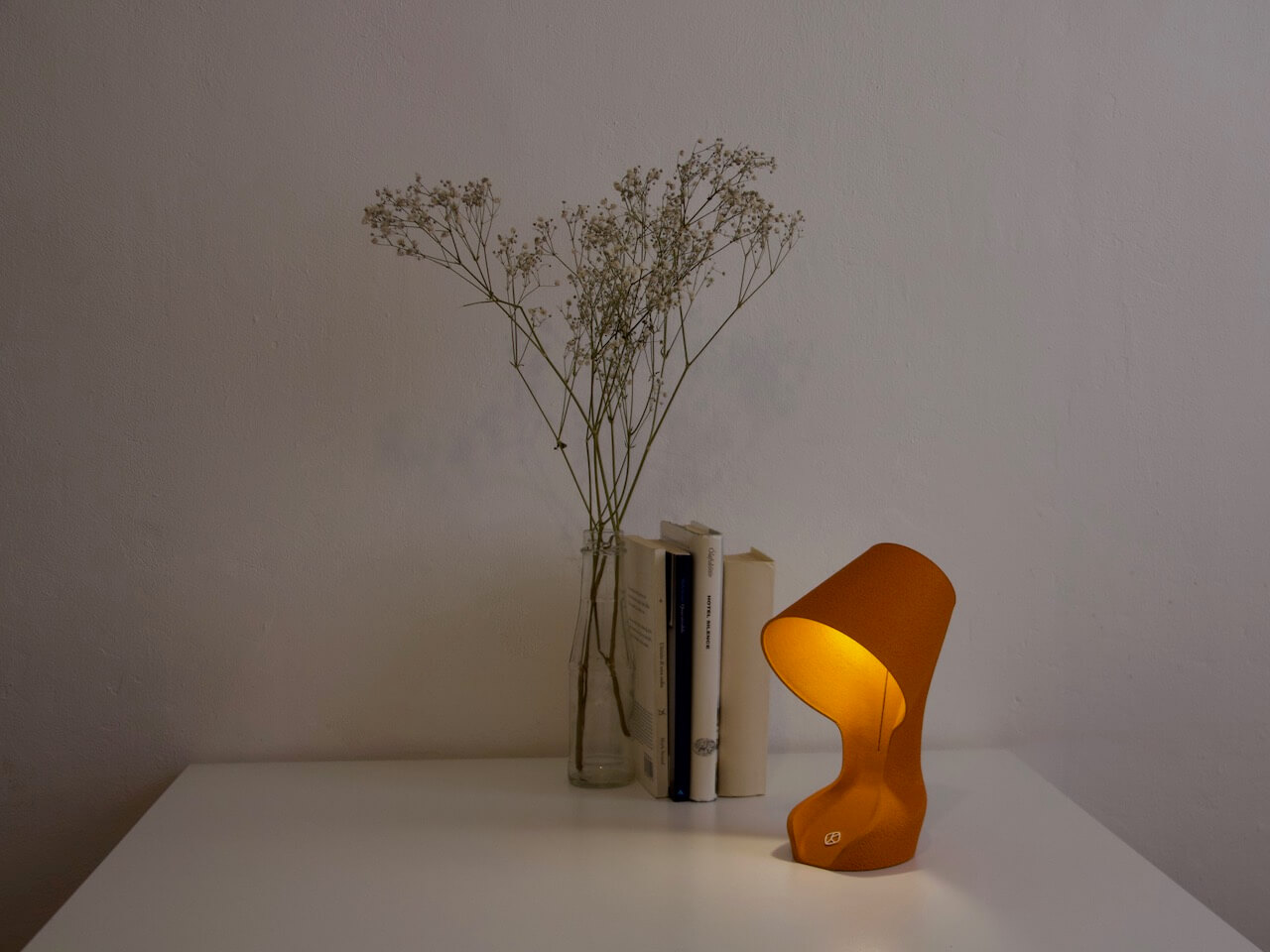
When you think you’ve seen it all, a young team or innovative designers will invent something to surprise you. In this particular case, the young team is Milan-based start-up Krill Design and the invention – Ohmie – is a 3D-printed lamp made using orange peel.
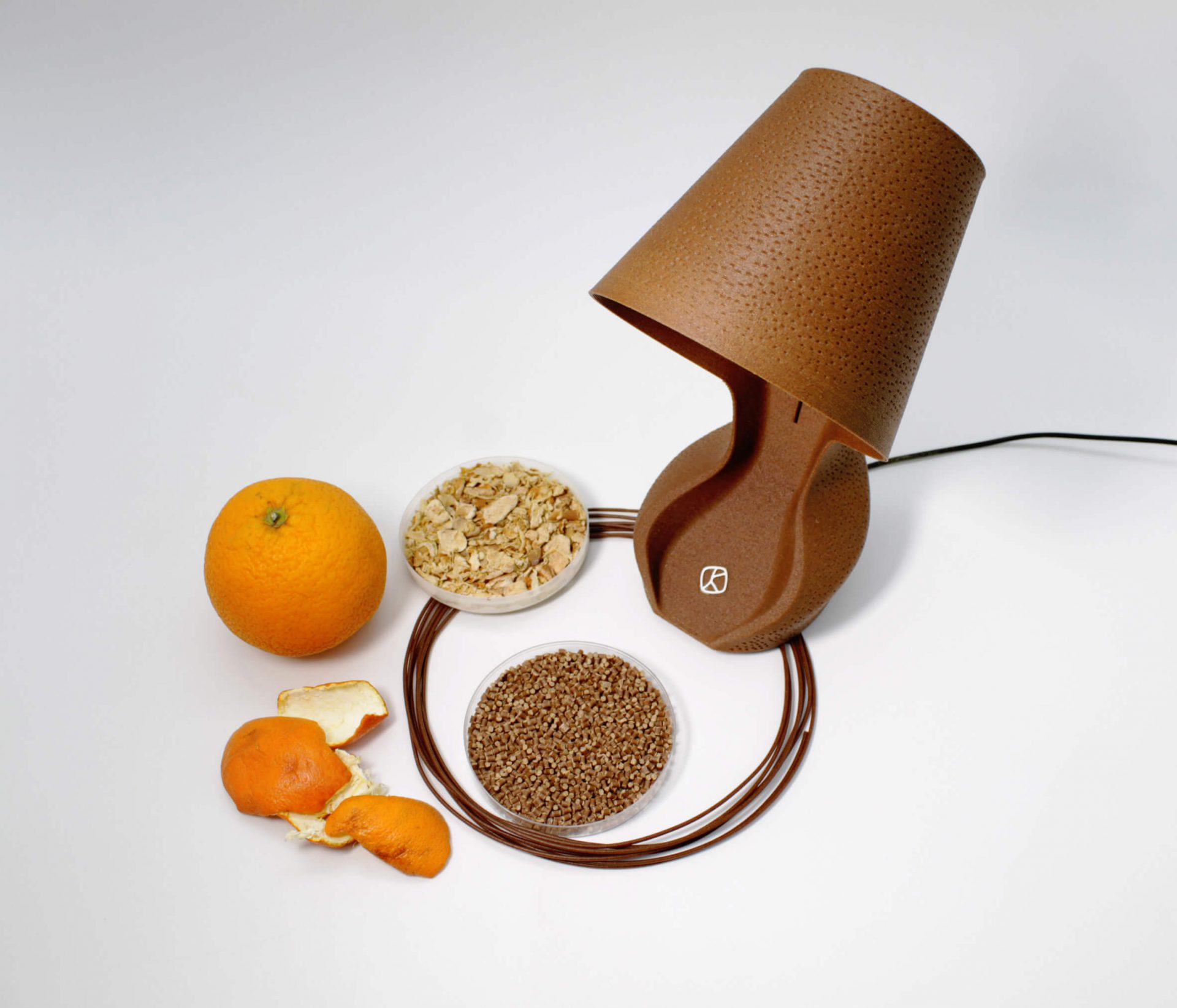
If you know of Krill Design the fruity make-up of its latest product (called Ohmie) might not come as a shock. The team actually specialises in the development of organic materials, in this case being juicy Sicilian oranges, which Krill Design has transformed into a natural and entirely comparable biopolymer.
Gallery
Open full width



Open full width
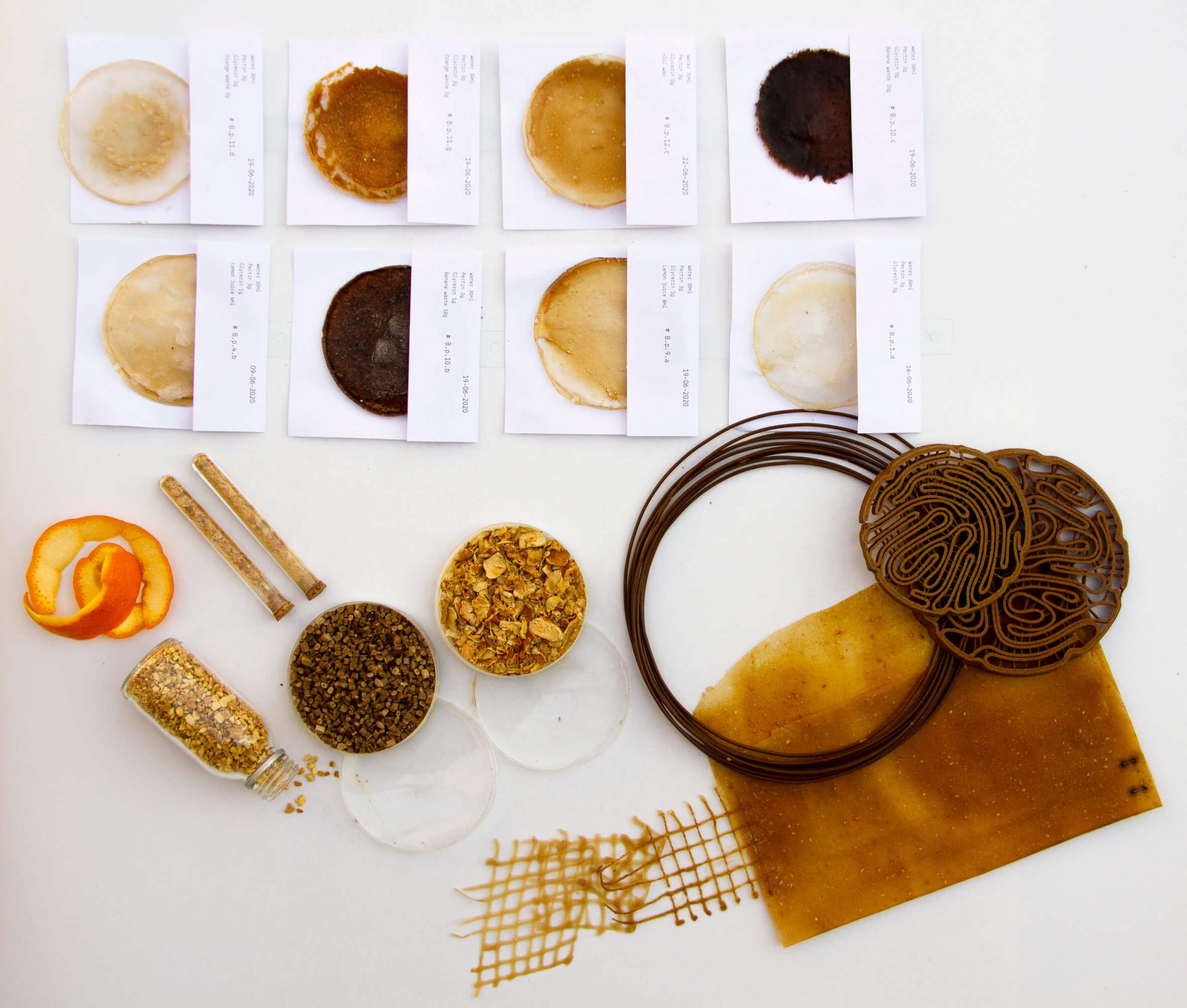
To achieve the biopolymer, orange peels are ground down and combined with vegetable starch before being 3D printed. Before being ground, the organic scraps need to have a moisture level below four per cent. Afterwards, the orange biopolymer is produced in the form of pellets.
Because of the expense and the machinery required to create the biopolymer, Krill Design outsources this part of the production. Once they receive it, the team extrudes the orange filament from the pellet and uses it within a 3D printer to bring Ohmie to life.
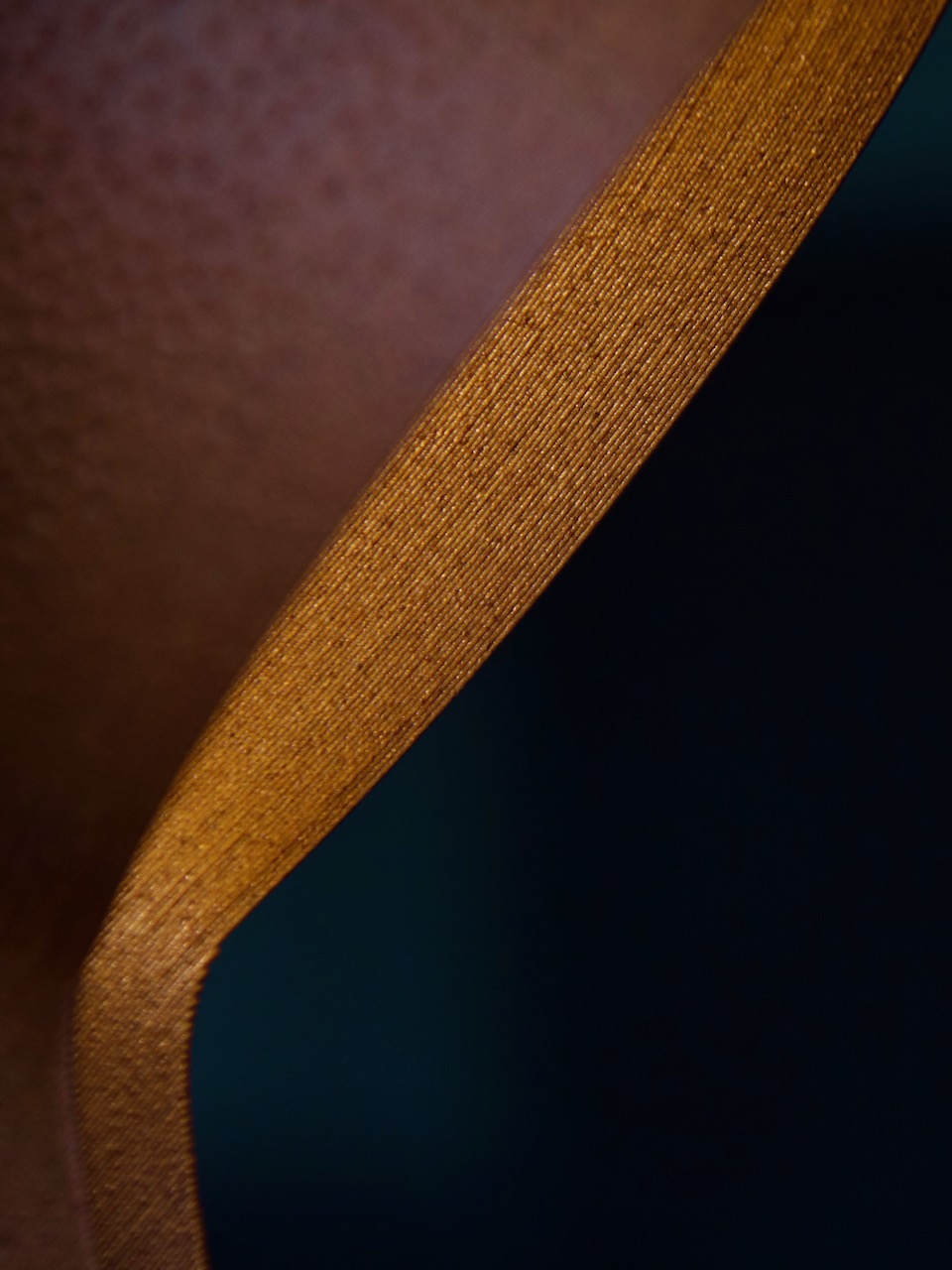
The great thing about Ohmie is that its design tells the story of its origins. It might not be as bright as the original fruit but its citrus scent and speckled surface tell of the organic materials used. And just like organic matter, Ohmie can be composted once it reaches the end of its life cycle.
Right now the remains have to be sent to a composting facility but Krill Design is looking into how it can achieve a biopolymer that can be durable and sturdy as well as easily composted in nature or in an at-home compost. The lamp can be broken down by hand into smaller pieces before being thrown away with the household’s organic waste demonstrating how good waste can be repurposed to create beautiful eco-design products. Easy peasy orange squeezy.

Beyond its visual appeal, Ohmie also represents a broader shift in how designers approach waste and material innovation. Developed by the Milan-based studio Krill Design, the lamp is created by transforming discarded Sicilian orange peels into a natural biopolymer that can be 3D printed into a functional lighting object. This process demonstrates how organic waste from the food industry can be reimagined as a valuable resource, aligning design with the principles of the circular economy.
What makes Ohmie particularly compelling is how its material origin becomes part of the design narrative itself. The lamp’s textured surface, subtle citrus scent, and warm color all reference the oranges used to produce it, creating a multisensory object that connects users with its natural origins. Once it reaches the end of its life cycle, the lamp can be broken down and sent to industrial composting facilities, closing the loop between material experimentation, sustainable production, and everyday product design.
About the author

Kieron is a freelance writer and Digital Consultant who doesn't consider himself a design lover but a user of design - which to him is more than enough.
Linkedin