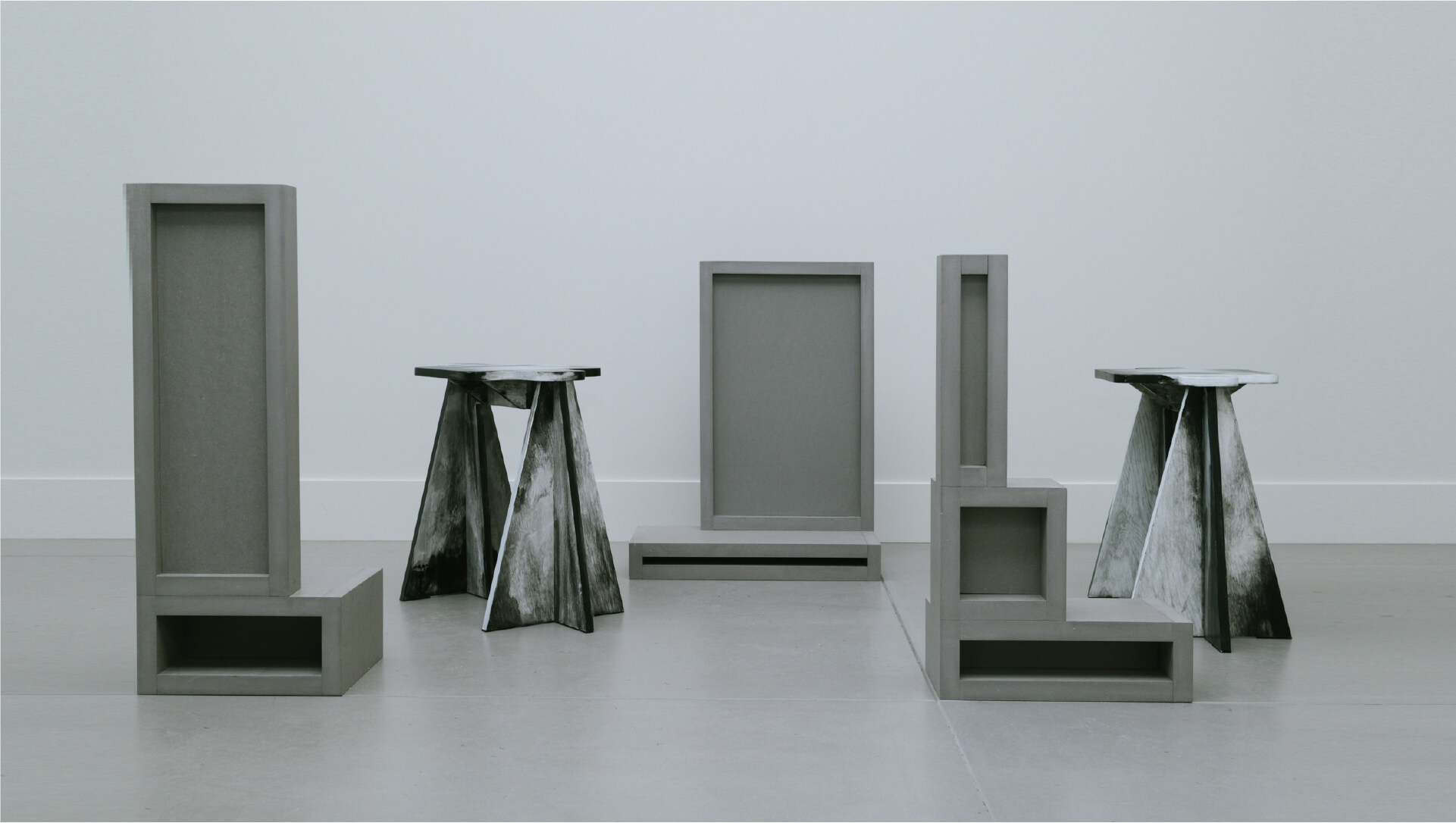
ALPI and GamFratesi design a three dimensional silent landscape in wood
The historical wood design company brings a metaphysical installation to the Danish exposition and fair to show new qualities and technologies in an installation inspired by De Chirico.
Wood has always been a poetic material: natural yet remarkably complex, colourful yet restrained, tactile yet understated. Few materials possess the ability to shape the atmosphere of a space as profoundly as wood, quietly influencing how we experience, inhabit and move through architecture, because it is a material that asks for research as much as craftsmanship, innovation as much as tradition. And this is precisely the territory in which ALPI has built its identity.
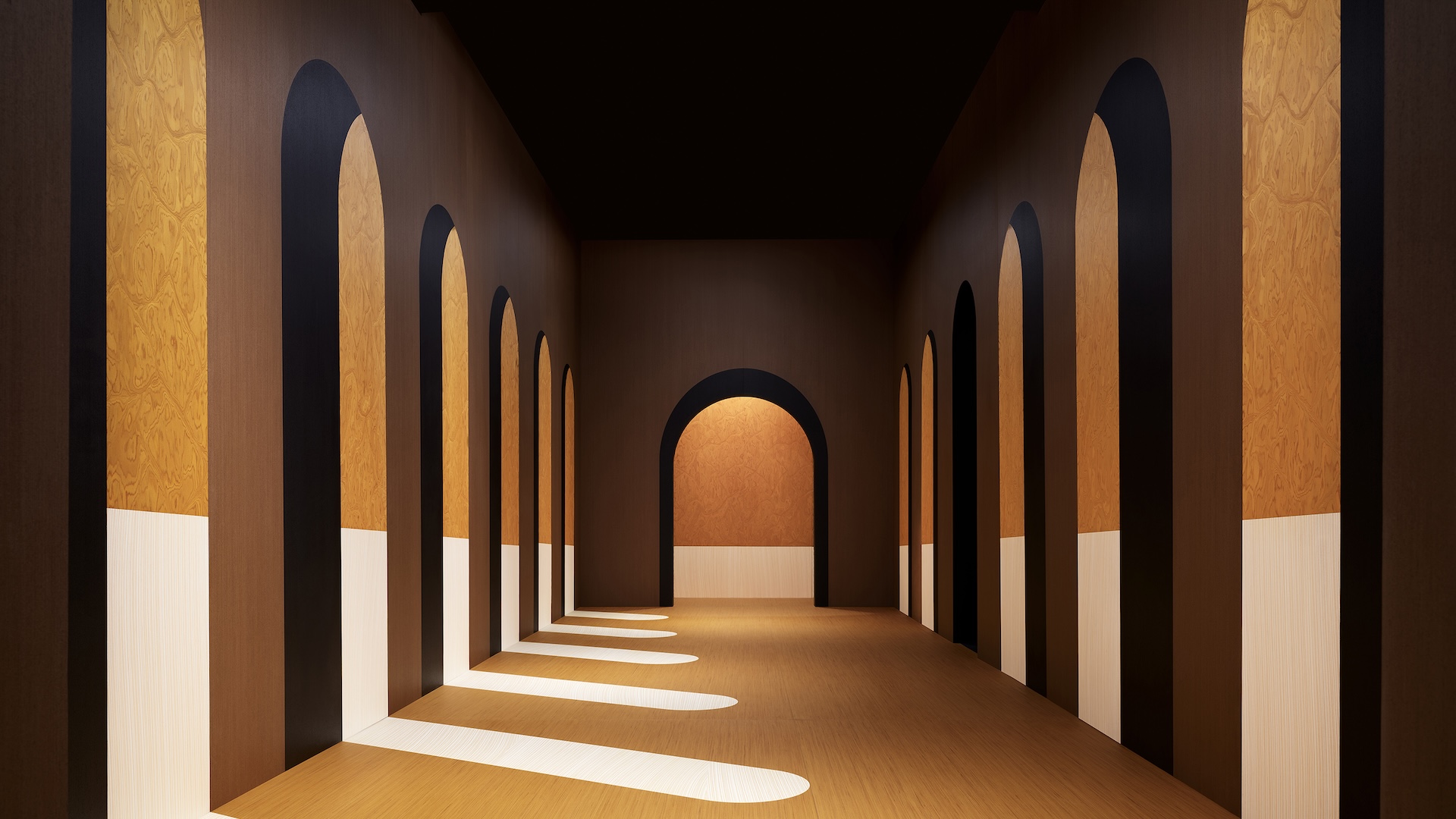
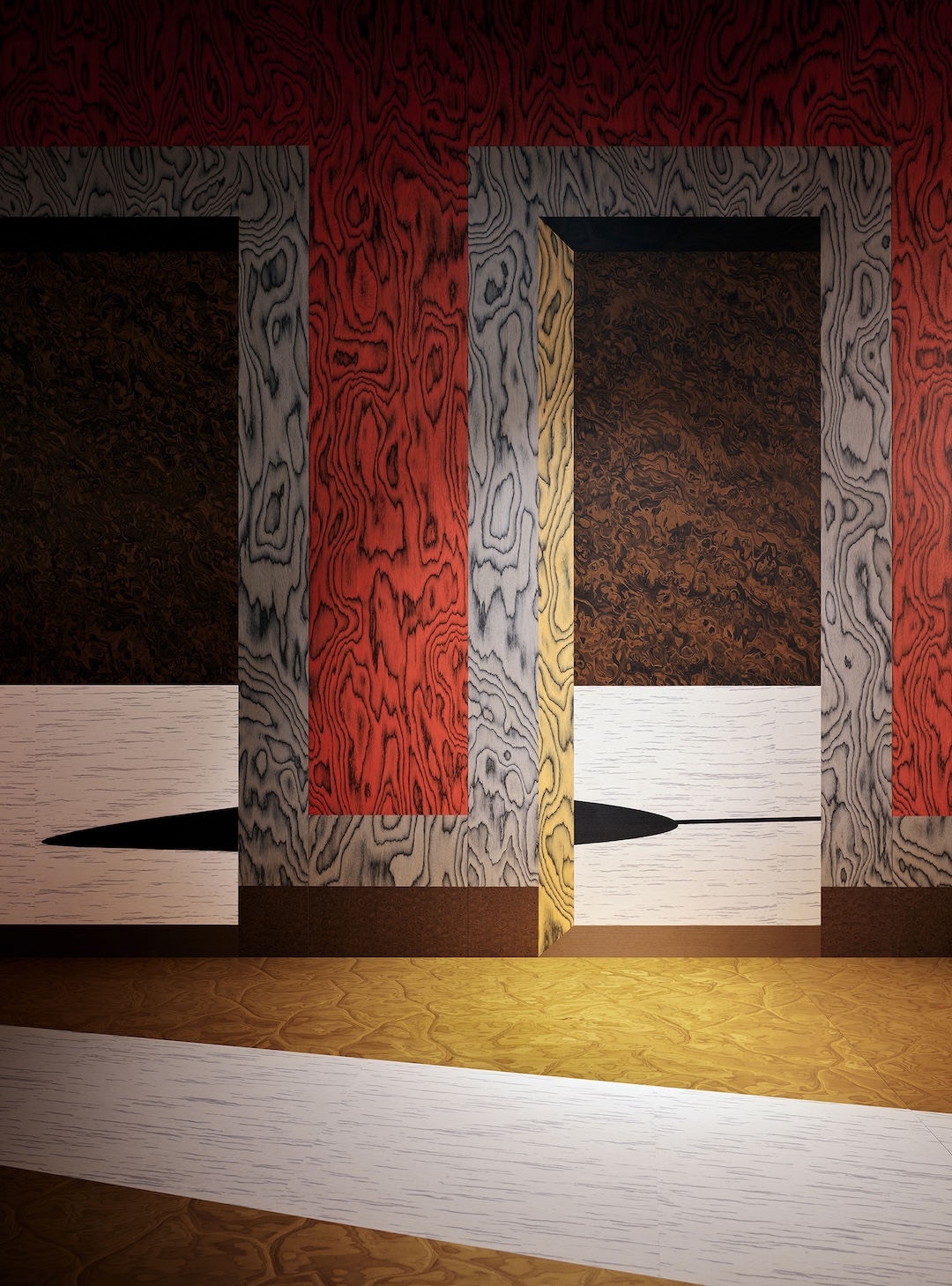
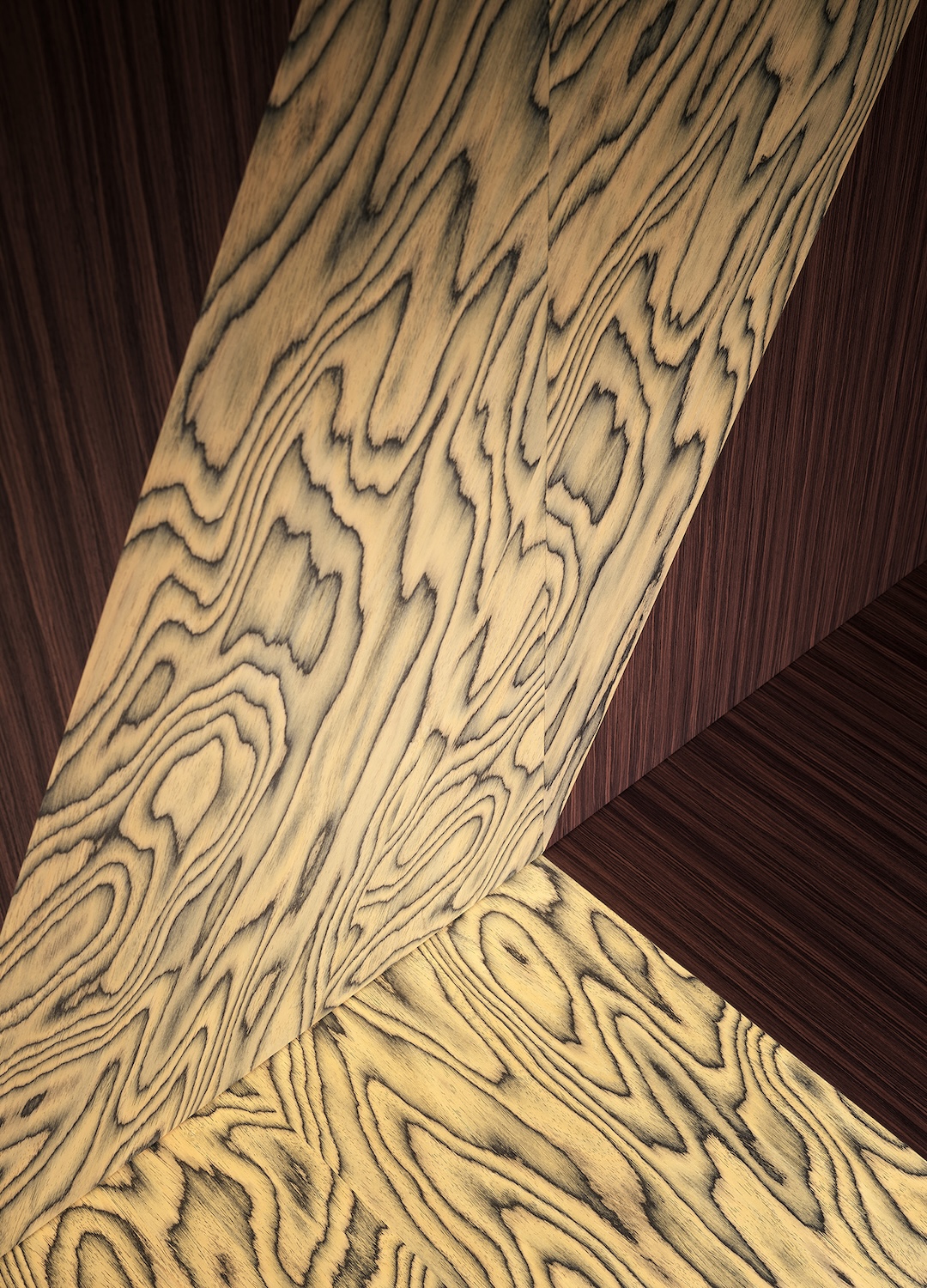
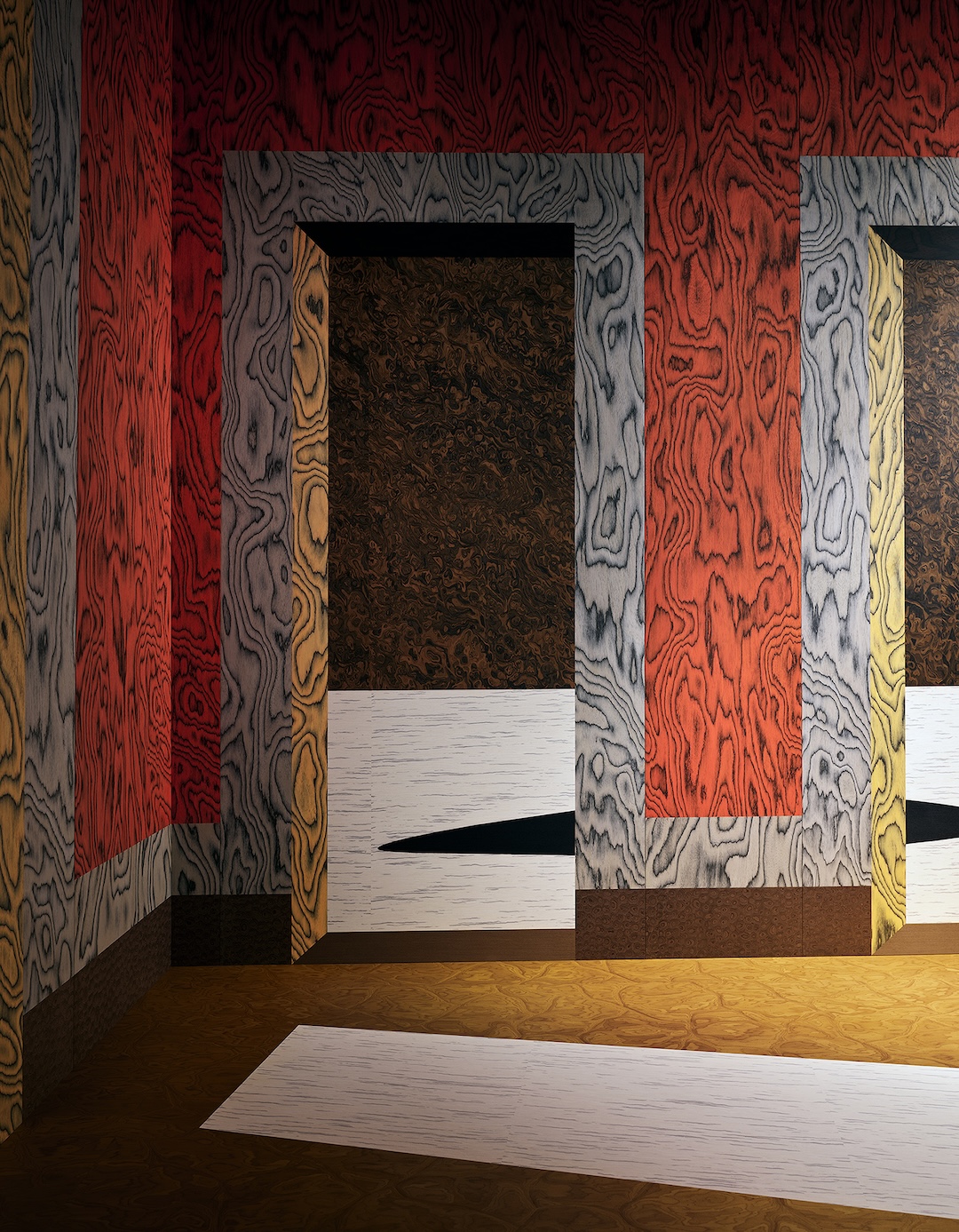
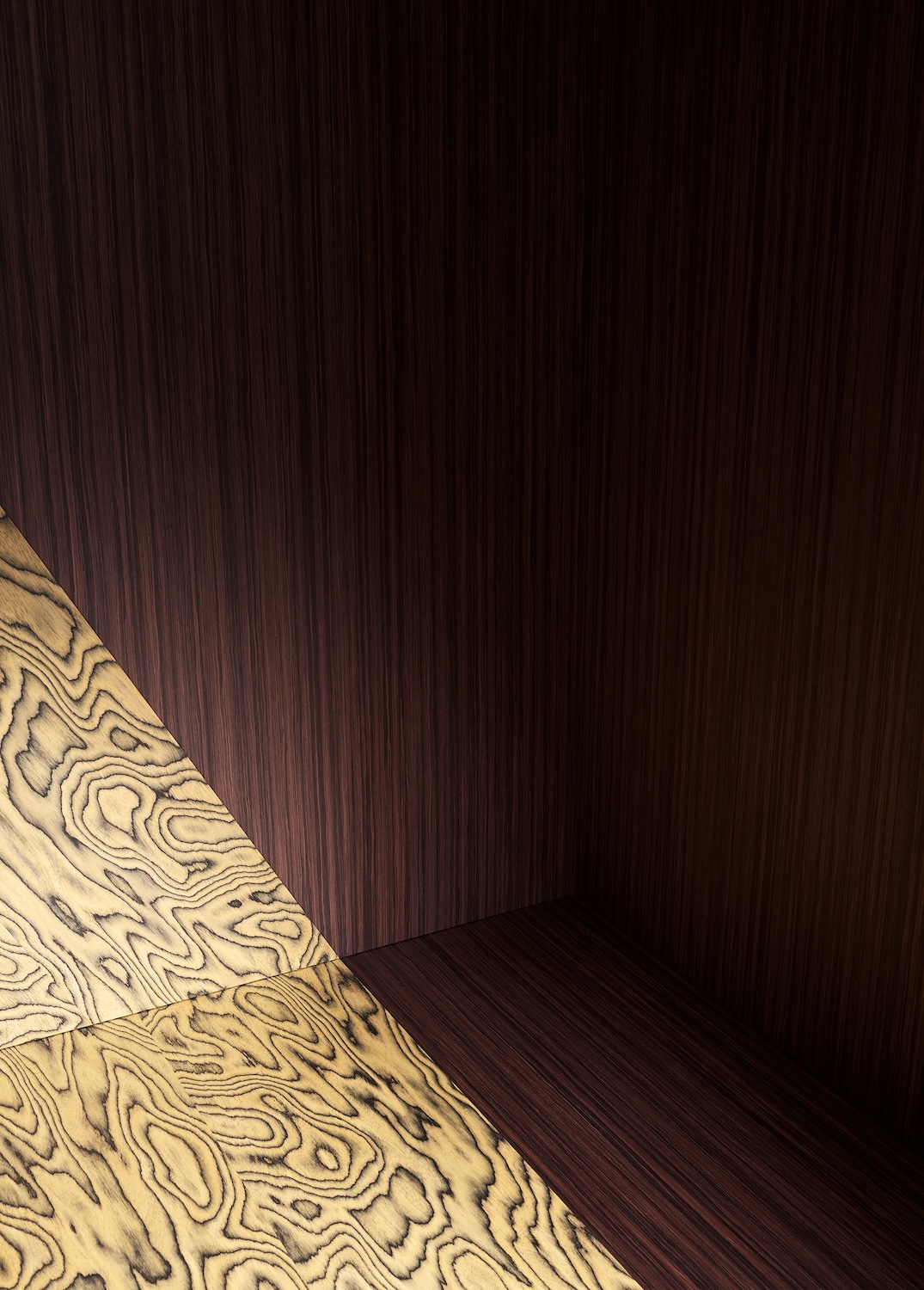
Rather than treating wood as a static, conventional surface, the Italian company has spent decades redefining its expressive potential, transforming it into a contemporary design language through technological innovation, material research and an ongoing dialogue with some of the world’s leading designers, and for its second participation at 3daysofdesign in Copenhagen, all of it converged in an immersive installation proposed by GamFratesi, Italian-danish design duo based in the Danish capital, named Piazza Interiore (inner square). Both a real place and a place for the soul that explored the emotional and spatial possibilities of ALPIlignum veneer.
Gallery
Open full width
Open full width
ALPI at 3daysofdesign:
A metaphysics portal inspired by De Chirico
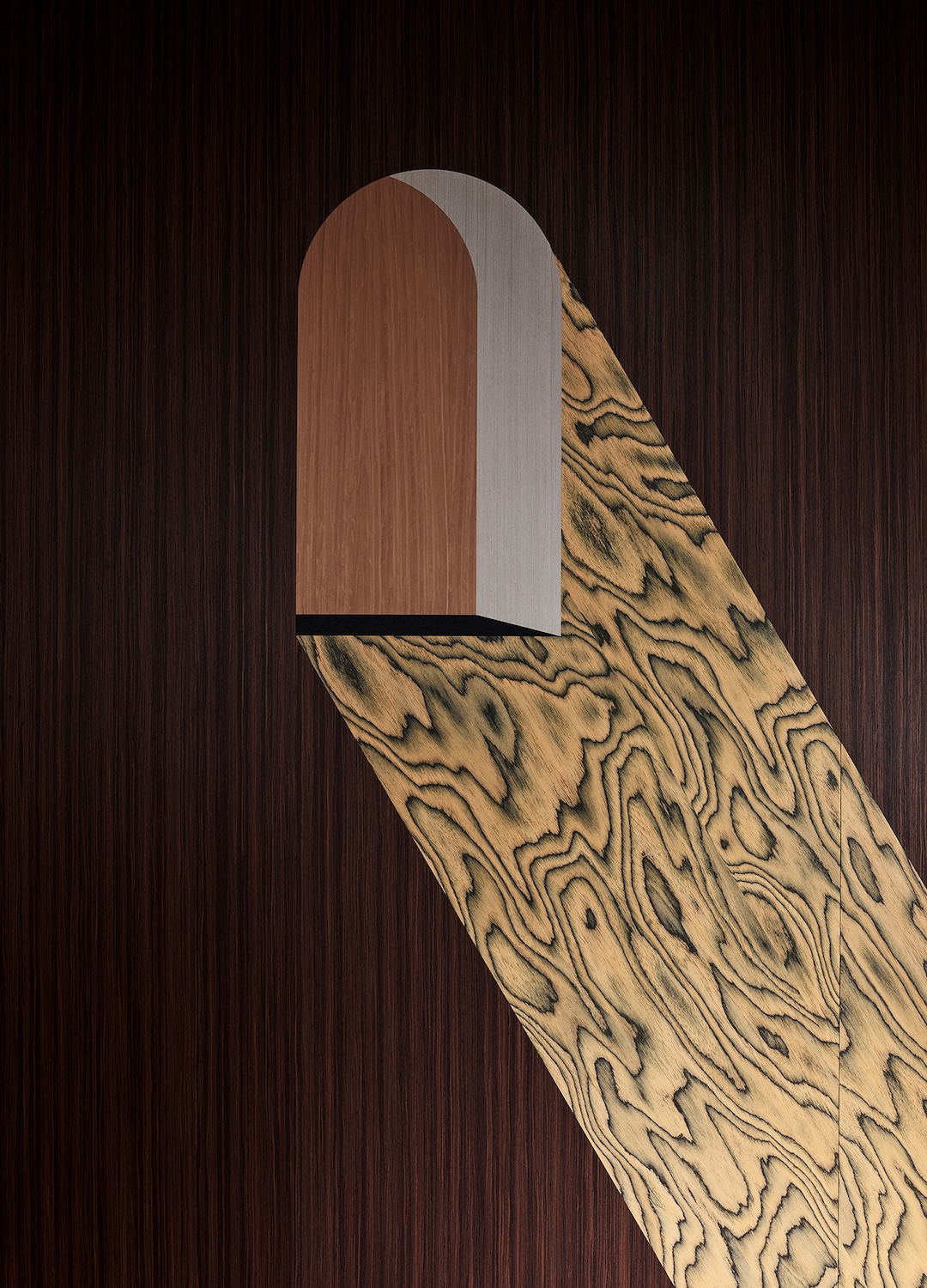
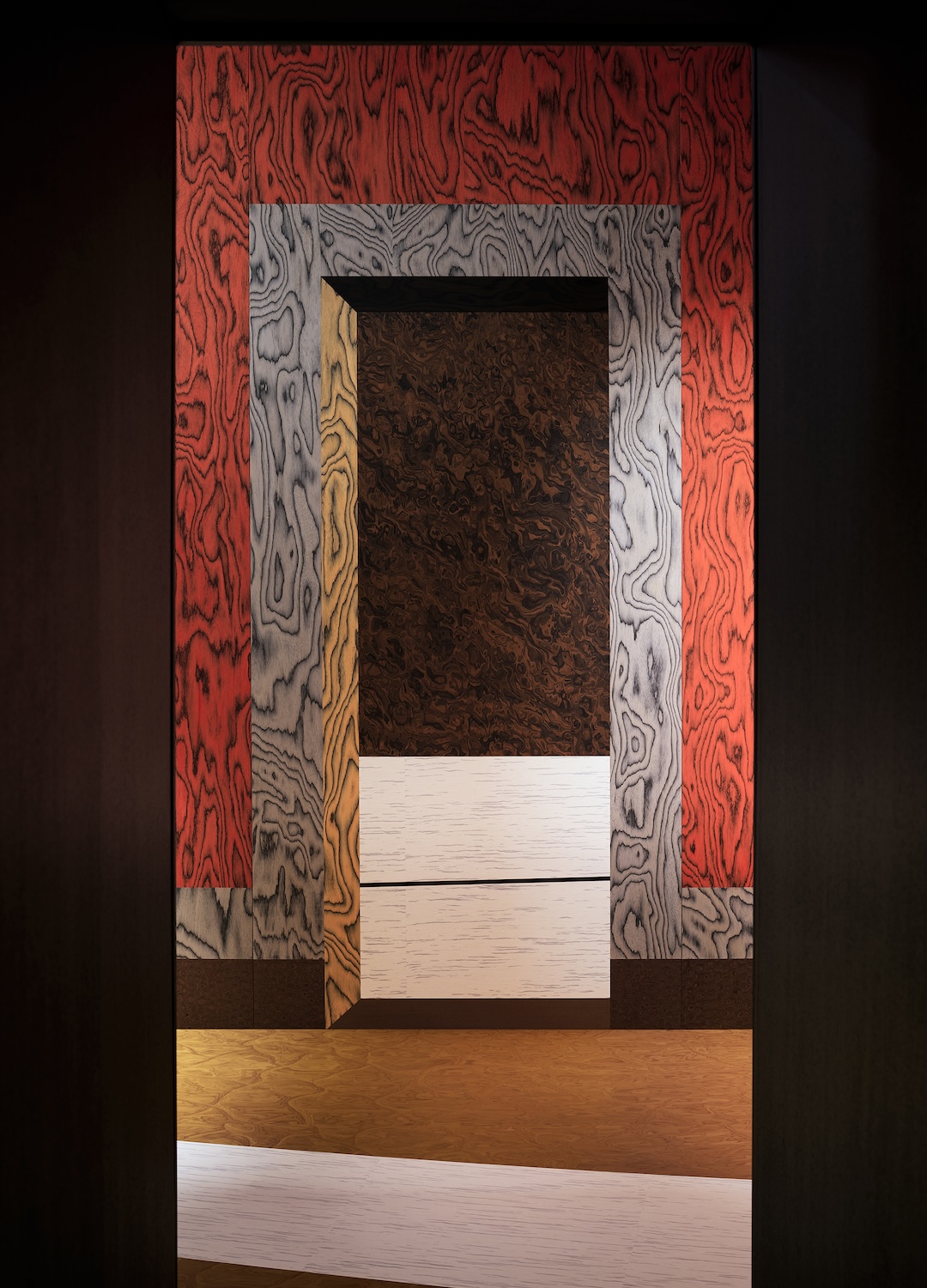
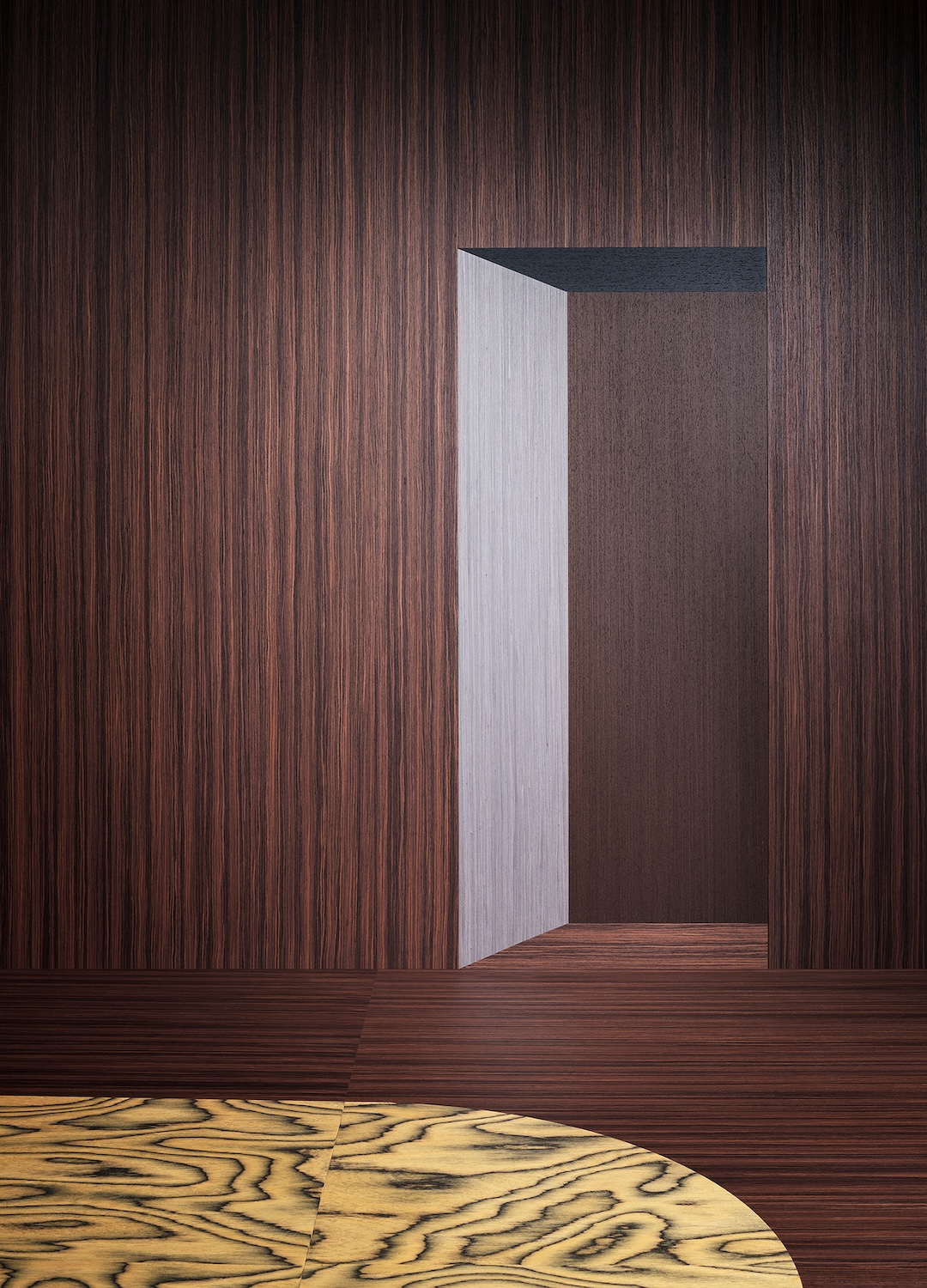
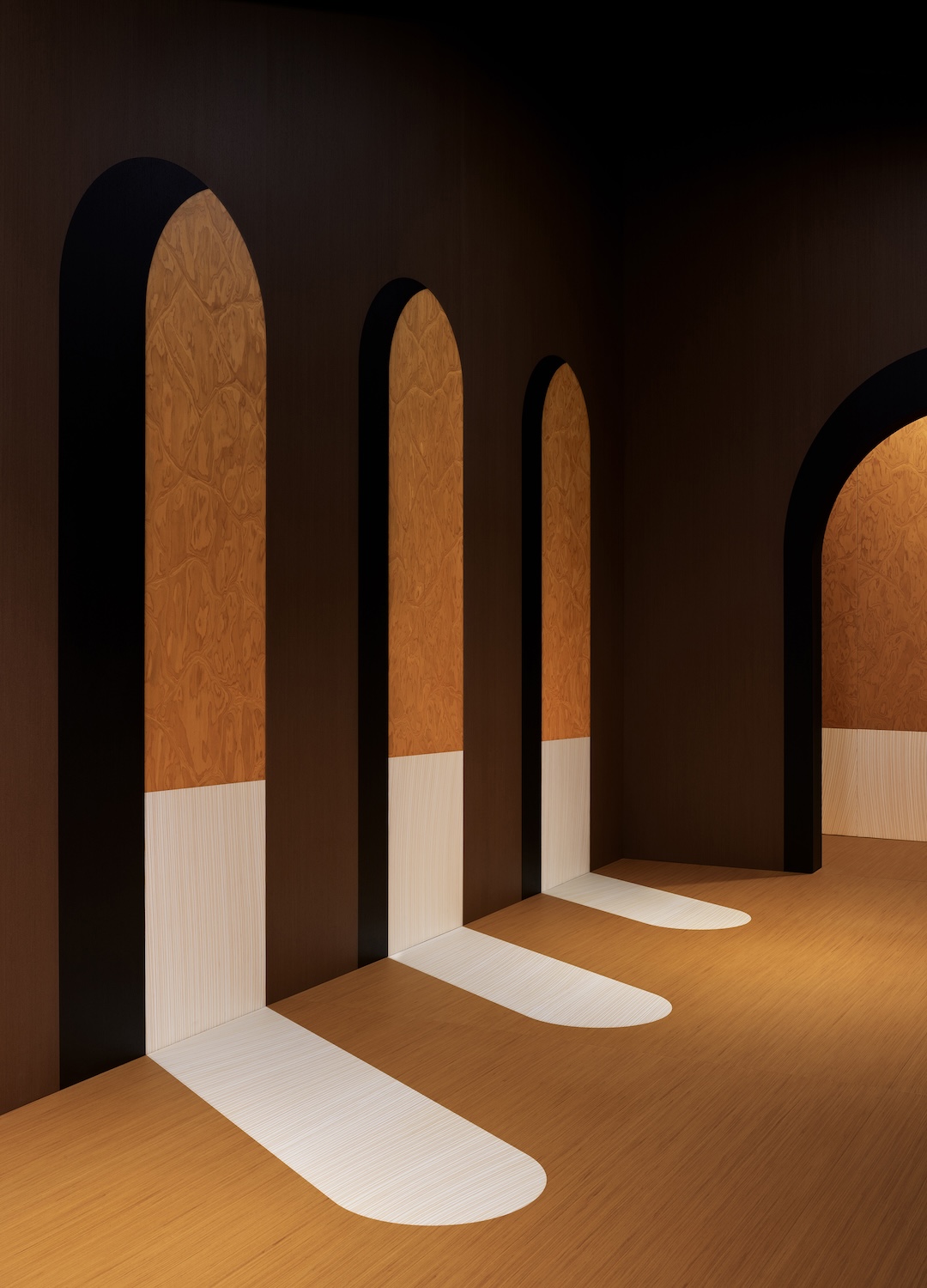
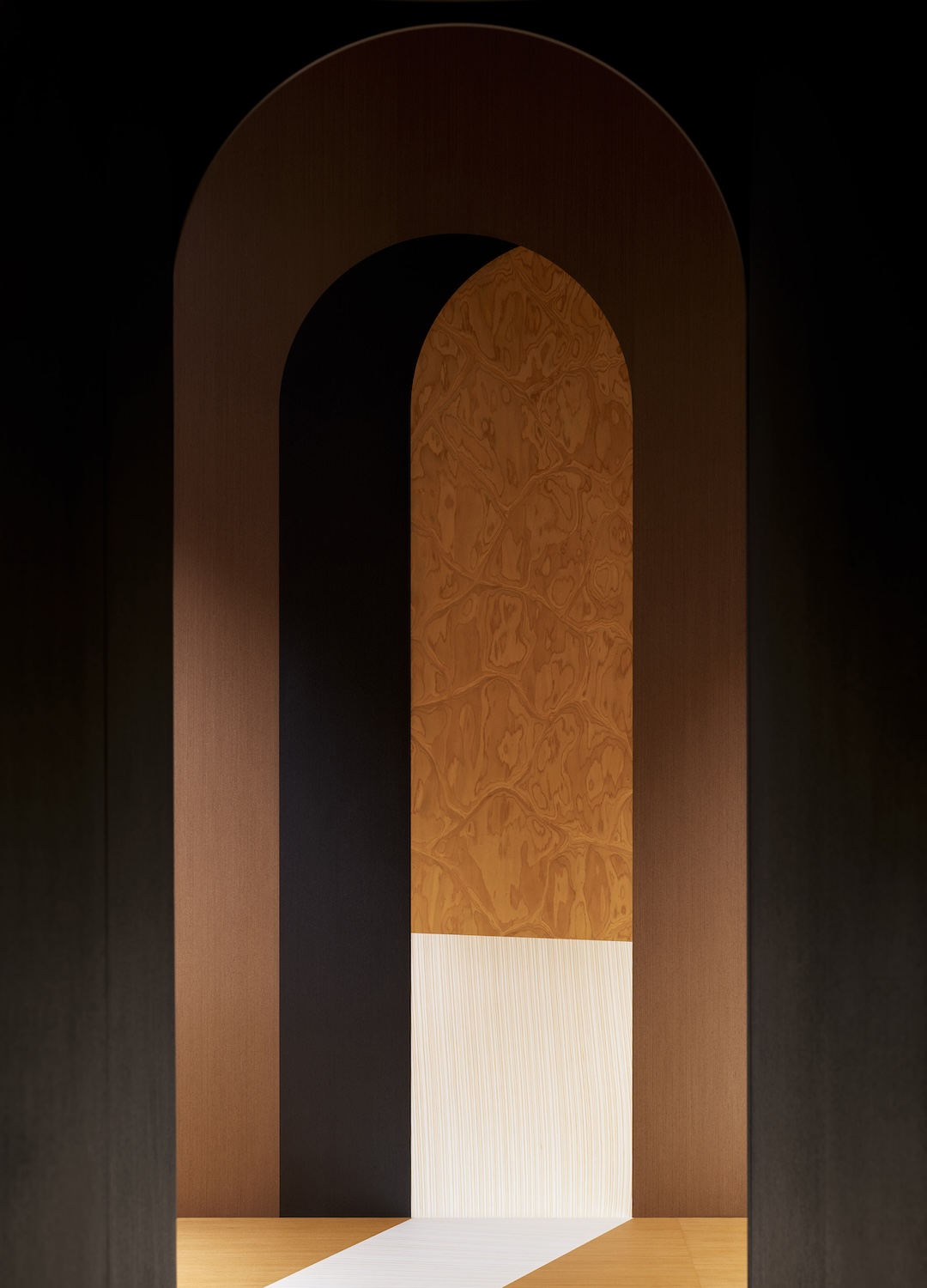
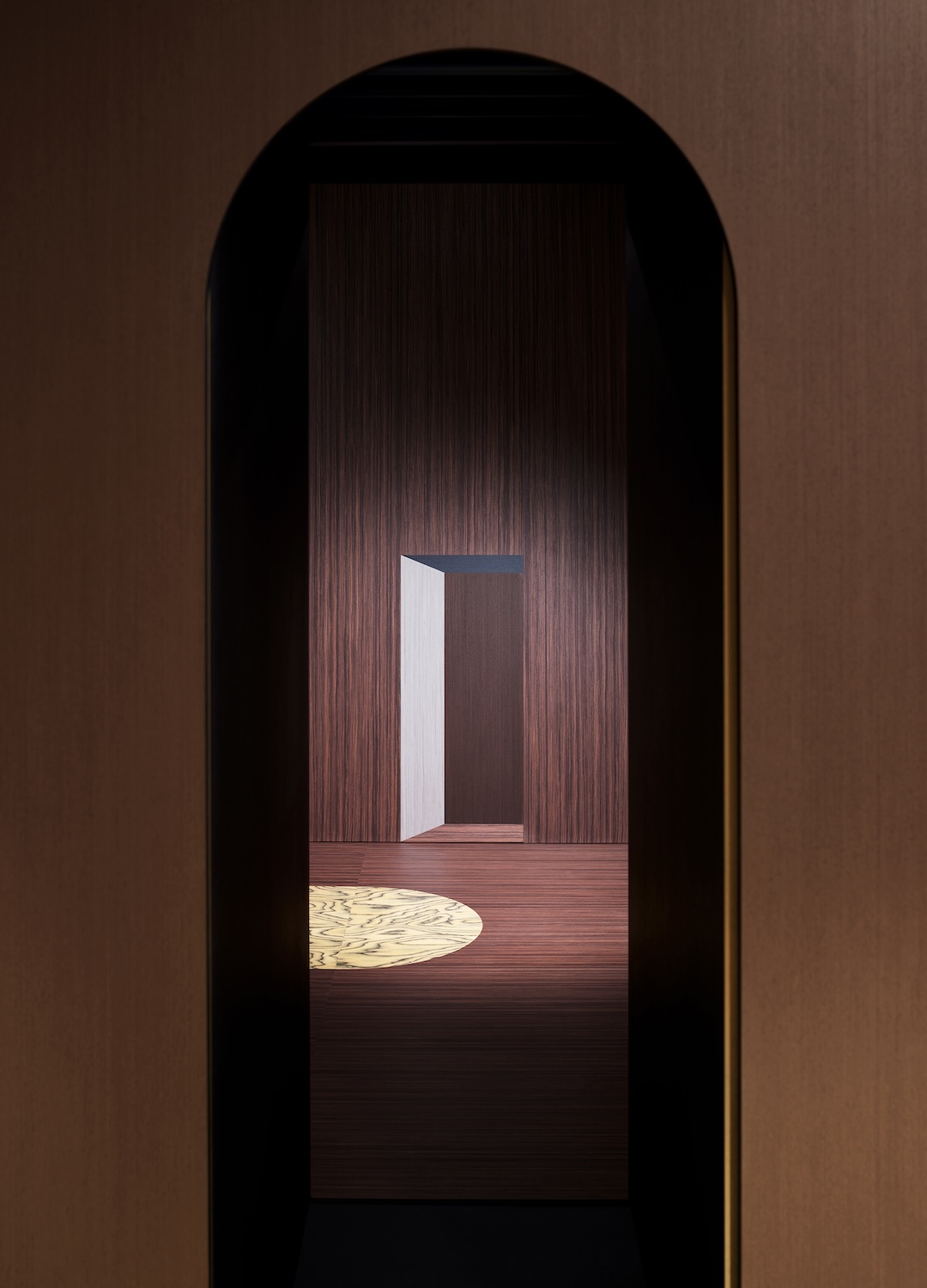
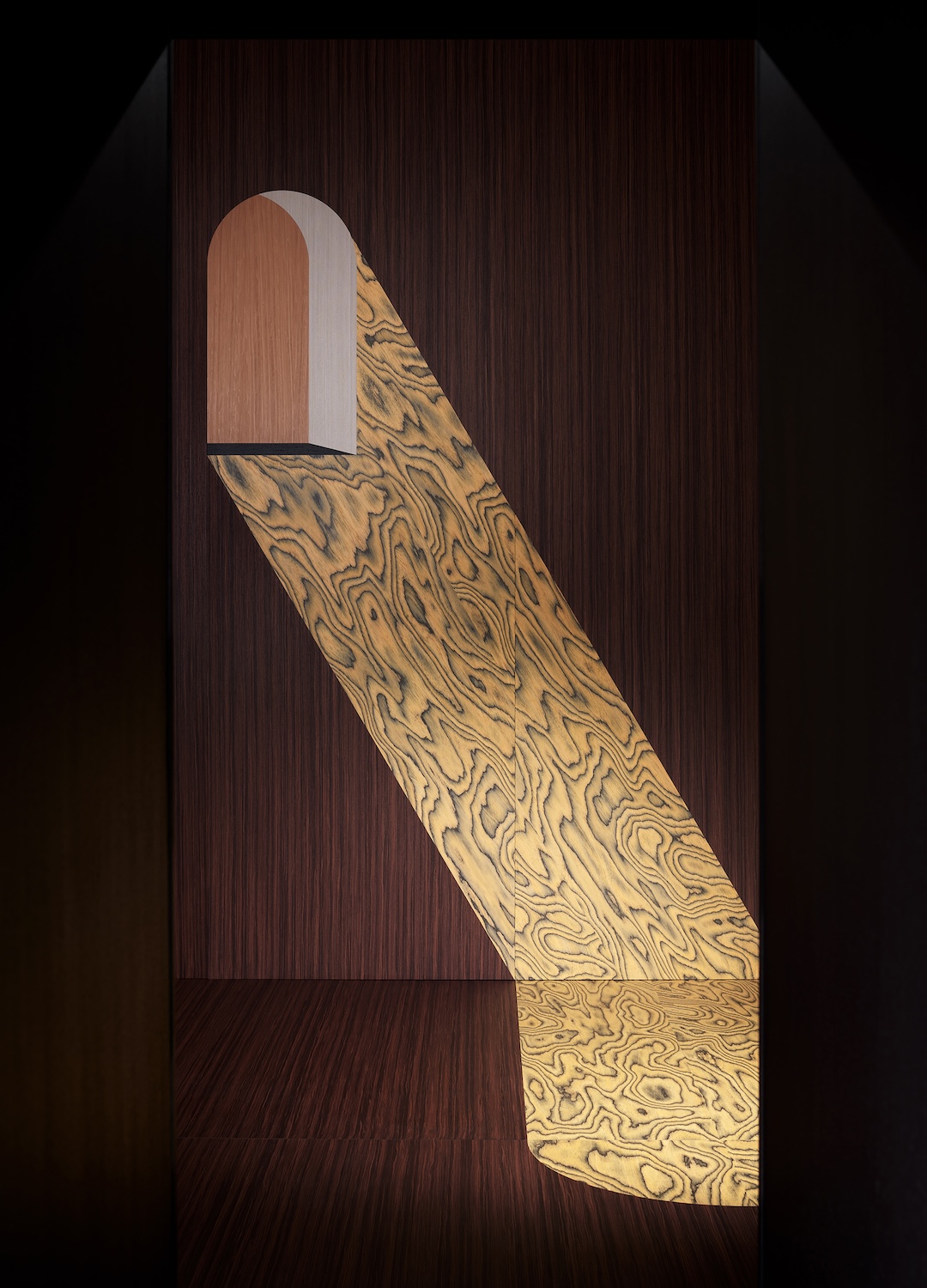
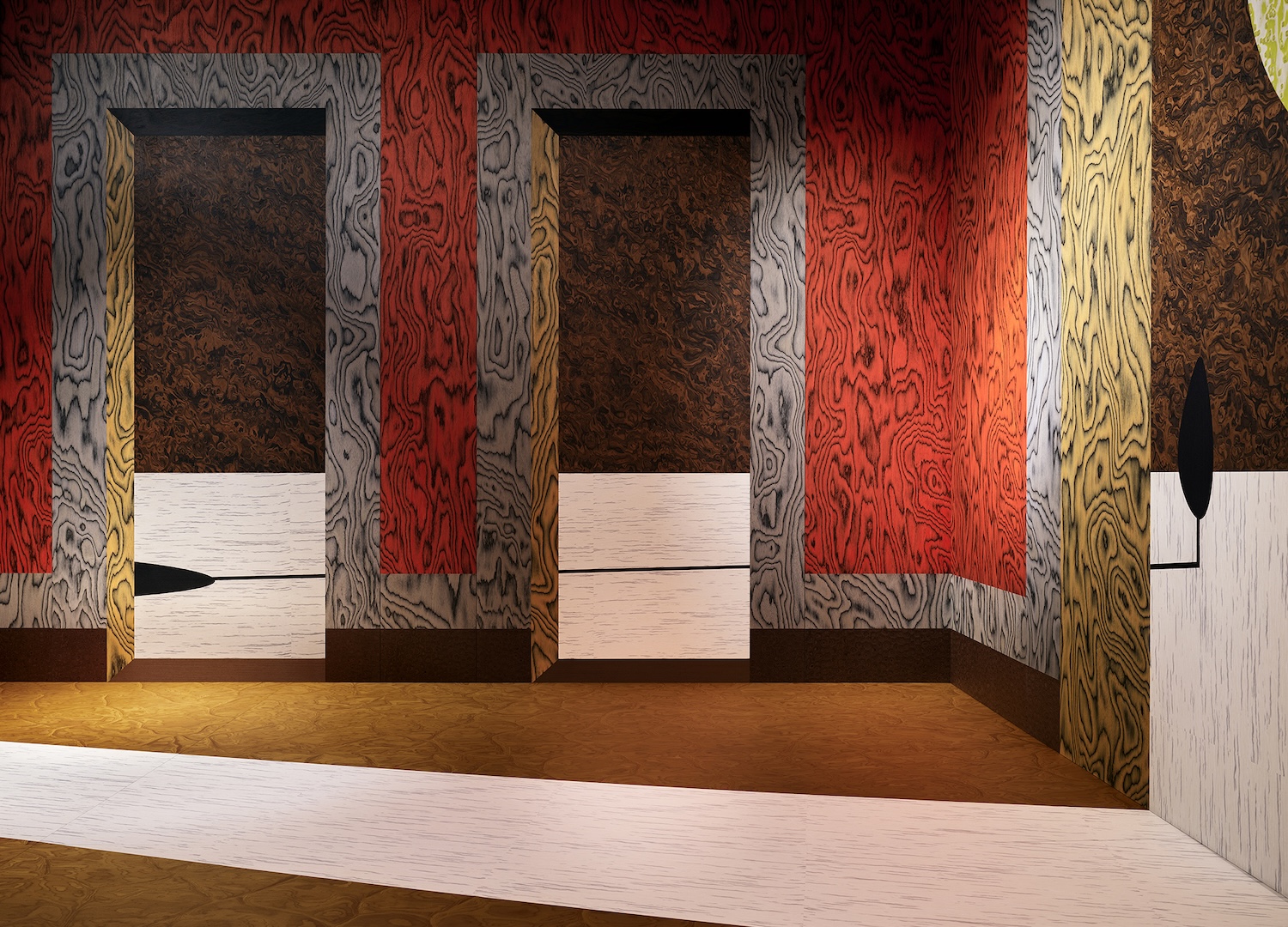
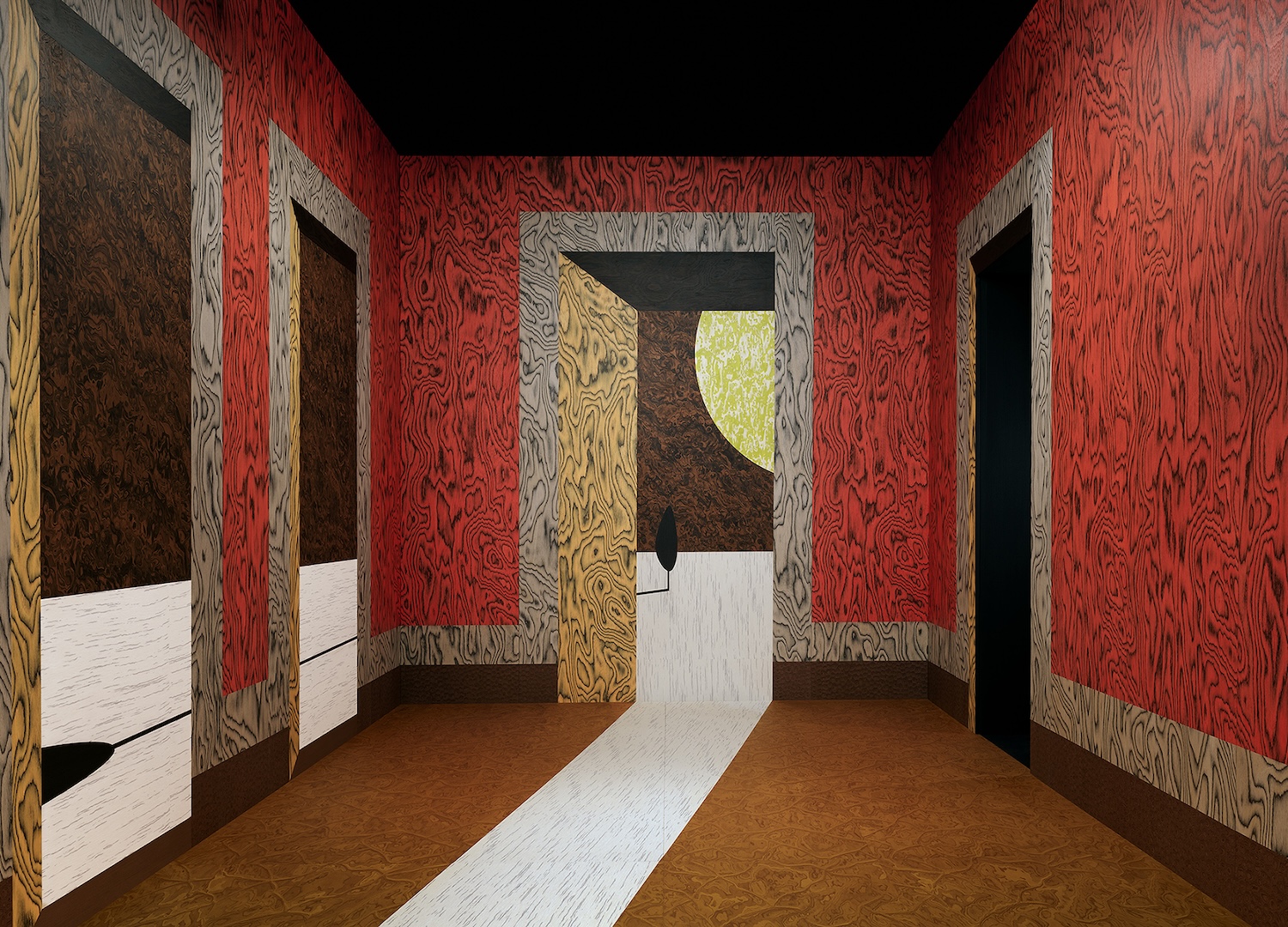
Hosted at Narrow Creative, the project is less an exhibition than an architectural experience – one that invites visitors to slow down and engage with wood as an active element capable of shaping perception itself, not just a finishing, a surface, a detail or a material. The installation took the imaginary world and the metaphysical atmospheres of Giorgio de Chirico‘s paintings, unfolding a sequence of three interconnected rooms, where mysterious architectural fragments, sharp shadows and suspended perspectives evoke the quiet tension typical of the Italian master’s work, while the warm presence of wood softens the composition, turning abstraction into something deeply physical.
The environment created for the occasion deliberately avoids offering complete interiors, and, instead, proposes changing spatial conditions – thresholds and moments, more than rooms and destinations, like a filter space between one dimension and another, just like the work of De Chirico. Different ALPI wood grains expand, contract and redirect the eye, creating what GamFratesi describes as “a three-dimensional silence“: an environment where material becomes both architecture and narrative. Visitors are encouraged to move slowly through the installation, allowing the subtle shifts in texture, light and proportion to gradually alter their perception of space. Rather than dictating a single reading, the project leaves room for interpretation, inviting everyone to construct their own relationship with the environment.
The reference to De Chirico extends beyond aesthetics. His idea of metaphysics – the beauty found in emptiness, precision and the silent presence of objects – resonates deeply with ALPI‘s own approach to wood. “I do not see anything disturbing in the word ‘metaphysical’. The formidable emptiness we discover is the very beauty of matter in all its senselessness and tranquillity. Even more metaphysical are certain objects whose clarity of colour and exactitude of measurement are the opposite of any type of confusion or nebulosity,” wrote Giorgio de Chirico in We Metaphysicians (1919).
And, as Vittorio Alpi explains, this poetic dimension of the material only emerges through rigorous research, technical development and continuous experimentation. Beauty, in this context, is never decorative; it is the consequence of precision. “His (of De Chirico, rd) words strike a chord with us at ALPI for being profoundly analogous with the way we interpret design and the wood itself. The intriguing poetic dimension of this material is revealed by dint of research, development and experimental rigour.”
ALPIlignum: reconstruction as a design gesture
That philosophy has defined the brand since its origins. The company pioneered the industrial production of reconstituted wood veneer, developing ALPIlignum, a material created by reconstructing real wood rather than printing decorative patterns onto its surface, resulting in a genuine wood veneer whose aesthetic possibilities become virtually limitless while maintaining the authenticity and tactile qualities of the material itself. This way, every surface is designed, not simply manufactured, demonstrating how technology can expand, without replacing crafts and creativity, the expressive qualities inherent in natural materials.
This combination of advanced technology and artisanal expertise has always positioned ALPI as one of the leading names in decorative wood surfaces, collaborating with industries ranging from furniture and interiors to automotive and shipbuilding. Equally significant is its commitment to sustainability and traceability, with direct control over the entire production chain – from responsibly managed forests to the finished veneer. Certified raw materials, long-term reproducibility and continuous investment in research have made the company a benchmark for architects and designers seeking aesthetic freedom and technical reliability.
Design has always played a central role in this evolution: long-standing collaborations with internationally recognised designers – including Piero Lissoni, who has served as the company’s art director since 2015 – reflect the conviction that innovation happens where manufacturing expertise meets creative research, and, over the years, these collaborations have contributed to expanding the vocabulary of wood, proving that veneer can become an expressive medium rather than a simple decorative finish.
New materials are useless without new perspectives
Within this broader vision, Piazza Interiore feels like a natural continuation rather than a standalone installation, demonstrating how a material often perceived as familiar can still surprise us, revealing new spatial, sensory and emotional dimensions. The installation became a reflection on perception itself, and on how materials construct moods, memories and ways of inhabiting the world, without overlooking the quality of the spaces.
In Copenhagen, ALPI reminded us that wood is far more than a building material – it can be perceived as a medium capable of slowing time, shaping silence and transforming architecture into an interior landscape, which, through the Italian company, proposes a different rhythm of research on design. One based on observation, on material awareness, on quiet contemplation, reminding us that innovation does not always demand new materials – but, sometimes, it simply requires looking at familiar ones from a different perspective.
About the author

Ludovica Proietti, journalist, design historian and curator, teaches in universities and curates events, always exploring projects with fresh, unconventional perspectives.
Instagram