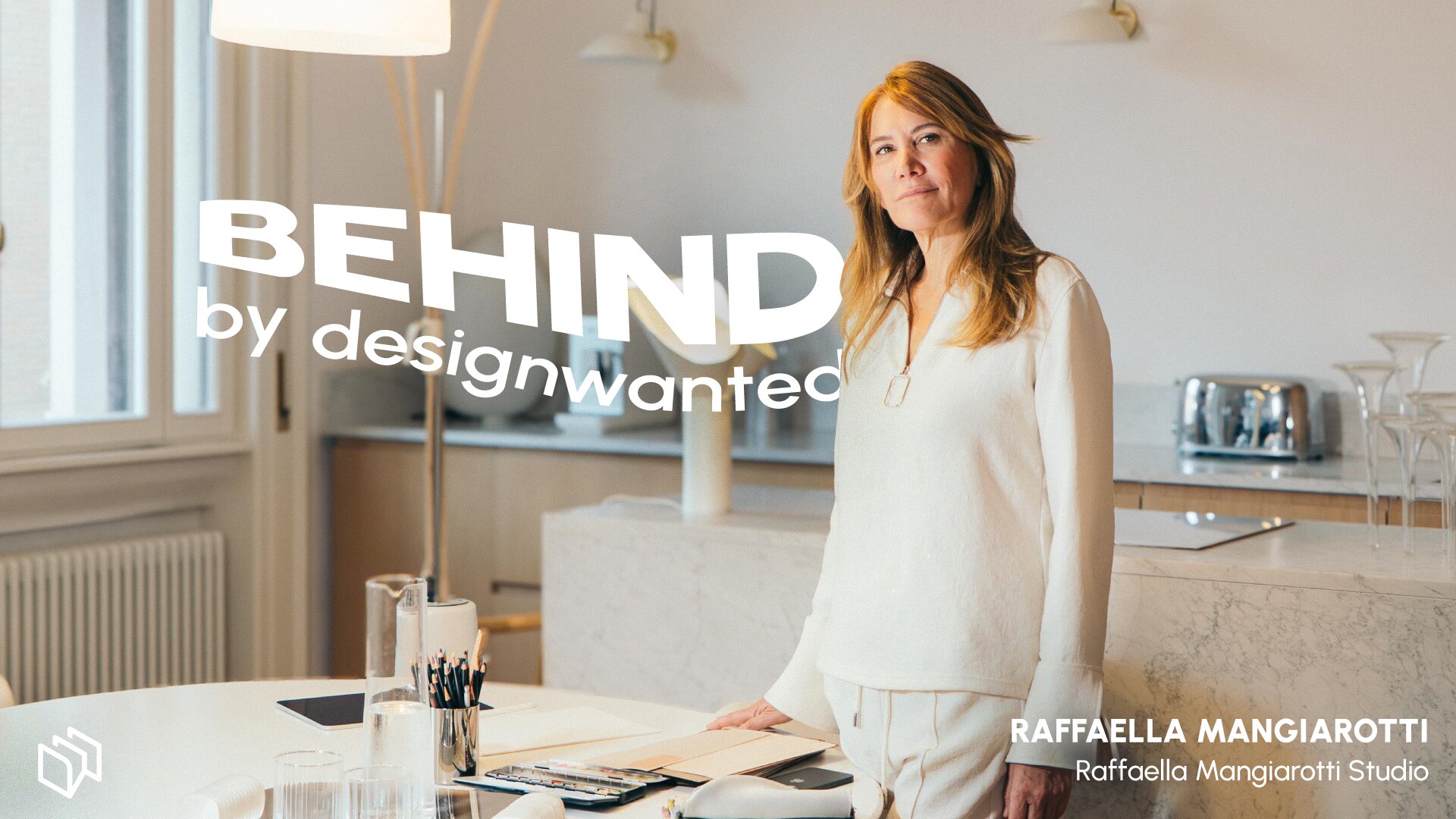



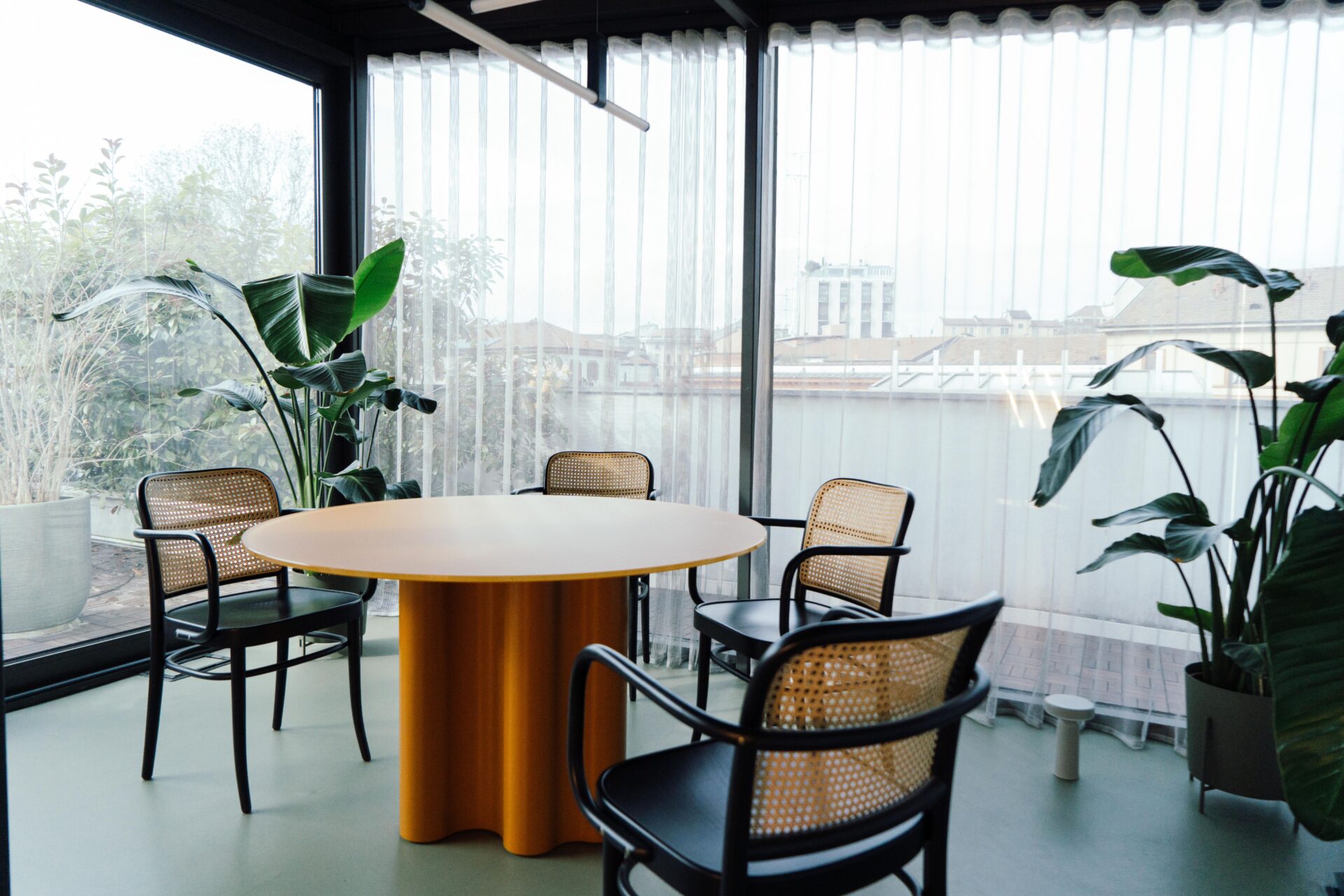
In this episode of Behind, DesignWanted steps inside the world of Archventil, the studio founded and led by Elena Tomlenova. Through residential interiors, hospitality projects, and commercial spaces, the Milan-based practice has developed an approach that positions design as a tool capable of shaping experiences, behaviors, and personal transformation.
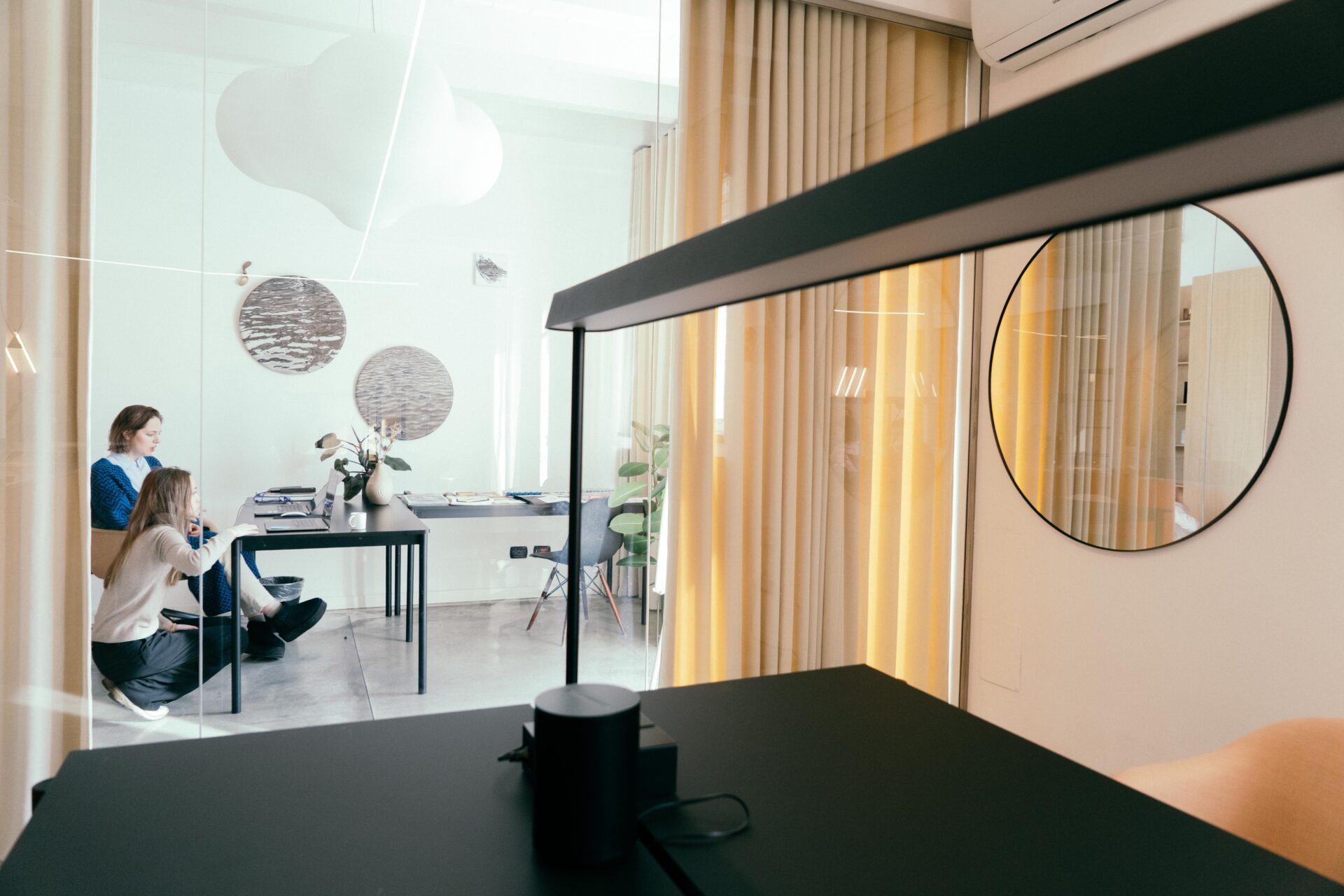
For Tomlenova, architecture and interiors are never isolated exercises in style. From the beginning, Archventil has treated every property as an asset, following projects not only through concept and design, but also through delivery and execution. The studio’s process is rooted in translating ideas into built realities, ensuring that the original vision remains consistent throughout construction and implementation.
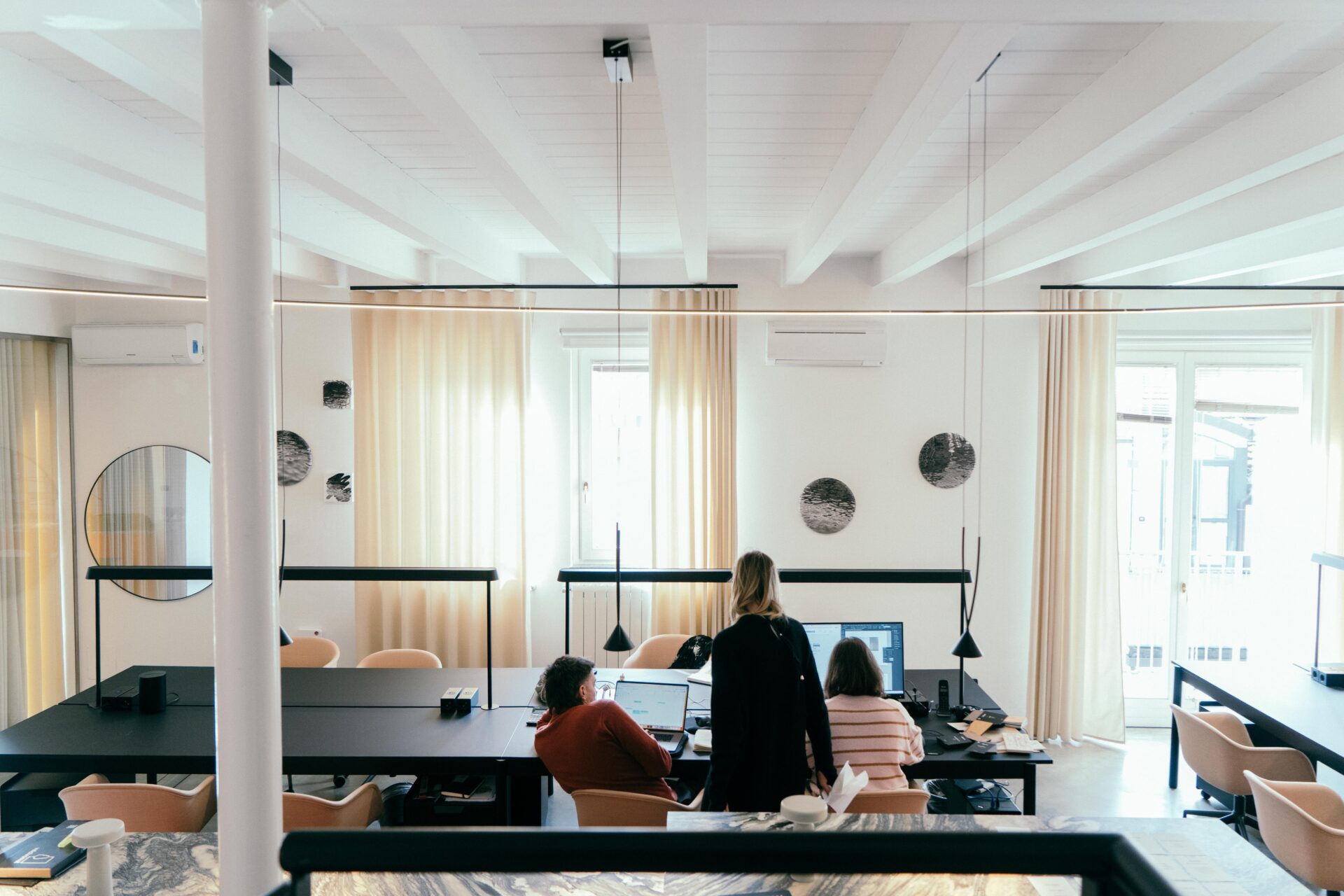
Over the years, the practice has worked across a wide range of scales and typologies — from apartments and private villas to B&Bs, offices, hospitality spaces, and commercial environments. Despite these differences, the underlying question remains constant: what can design add to make a space more meaningful and impactful?
Tomlenova describes design as something that may not be essential for survival, yet deeply important in the way people experience and transform themselves through their environments. In her view, society has already moved through the eras of products, services, and experiences, and is now approaching what she defines as an “era of transformation.” Spaces, in this context, are no longer simply functional containers or aesthetic compositions. They become environments capable of influencing emotions, behaviors, and daily life.
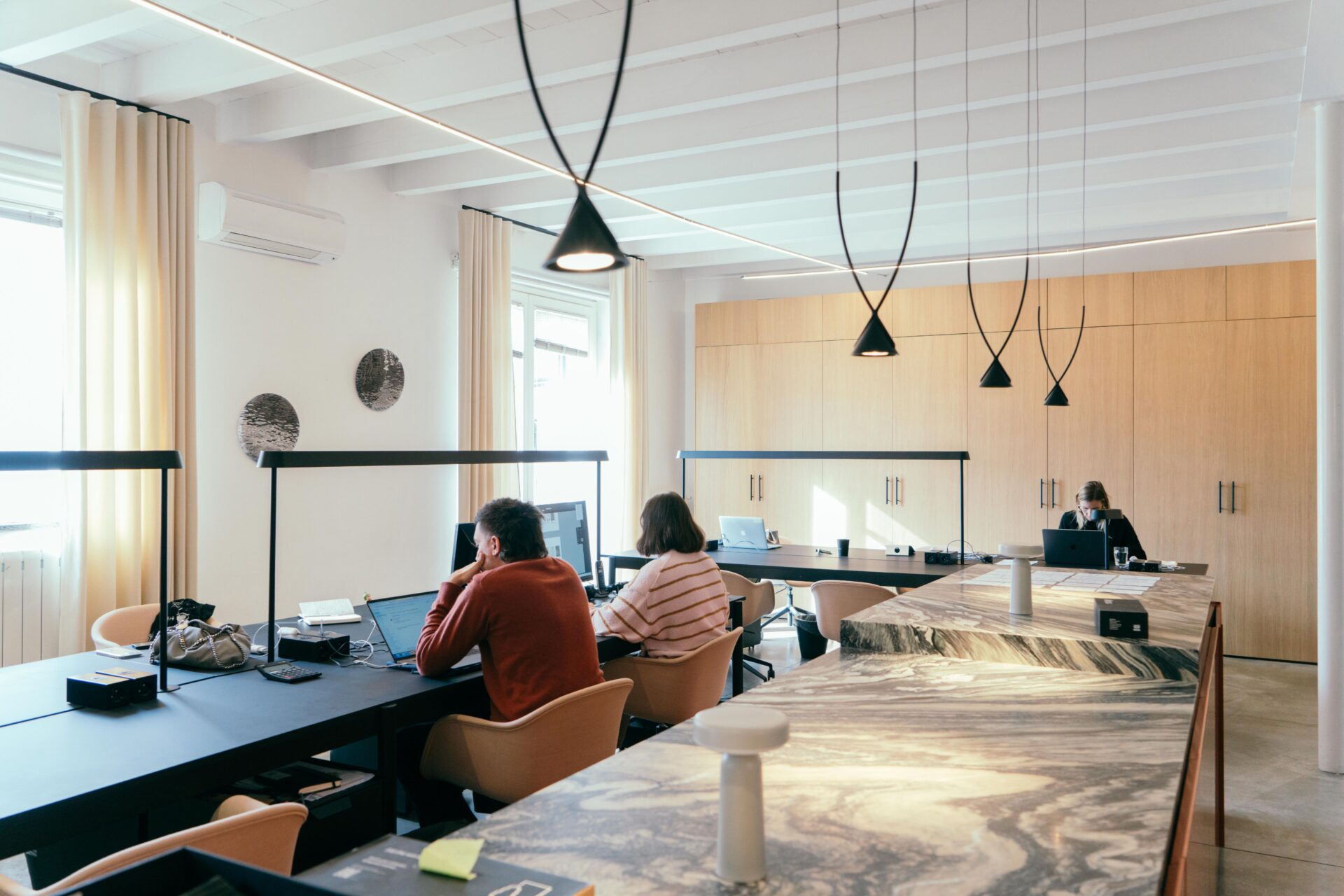
This perspective shapes the studio’s relationship with clients from the very beginning. According to Tomlenova, the most important phase of a project happens during the first hours of interaction, when the brief is defined. Understanding a client’s needs in their entirety — practical, emotional, and aspirational — allows the team to form an early image of what the project truly requires. Once this foundation is established, the rest of the process develops through organized and methodical stages. The initial dialogue, however, remains the key moment where the direction of the project takes shape.
Archventil embraces adaptability. Tomlenova rejects the idea of being tied to a single aesthetic language, preferring instead what she describes as “sincere” styles. Authenticity becomes the guiding principle: preserving what feels genuine to a space while introducing elements that reflect the identity and lifestyle of the people who inhabit it.
This sensitivity is particularly evident when working with historical architecture. In spaces defined by classical proportions, decorative moldings, and high ceilings, the studio prioritizes preservation wherever possible. Existing architectural details are not treated as limitations but as qualities that can gain additional value when integrated into a contemporary design narrative. New materials, furnishings, and products are selected to create harmony between the character of the space and the emotional preferences of the client.
The diversity of Archventil’s projects reflects this flexible approach. One example Tomlenova recalls is a contemporary villa inspired by elements of wabi-sabi aesthetics. Although the building itself was not historically significant, it existed within a relatively classical context. The clients — an international couple with French and Chinese backgrounds living in the United States — wanted the house to become a place of calm and retreat, defined by minimal details and restrained finishes.
To achieve this atmosphere, the studio designed an immersive interior where walls, floors, and ceilings were covered in a continuous material finish, creating a seamless spatial experience reminiscent of a private spa. The project focused on generating a sense of stillness and relaxation through material continuity and carefully balanced proportions. For Tomlenova, one of the most rewarding aspects of the experience was that the clients only met the team in person several weeks after moving into the completed home, reflecting the level of trust established throughout the process.
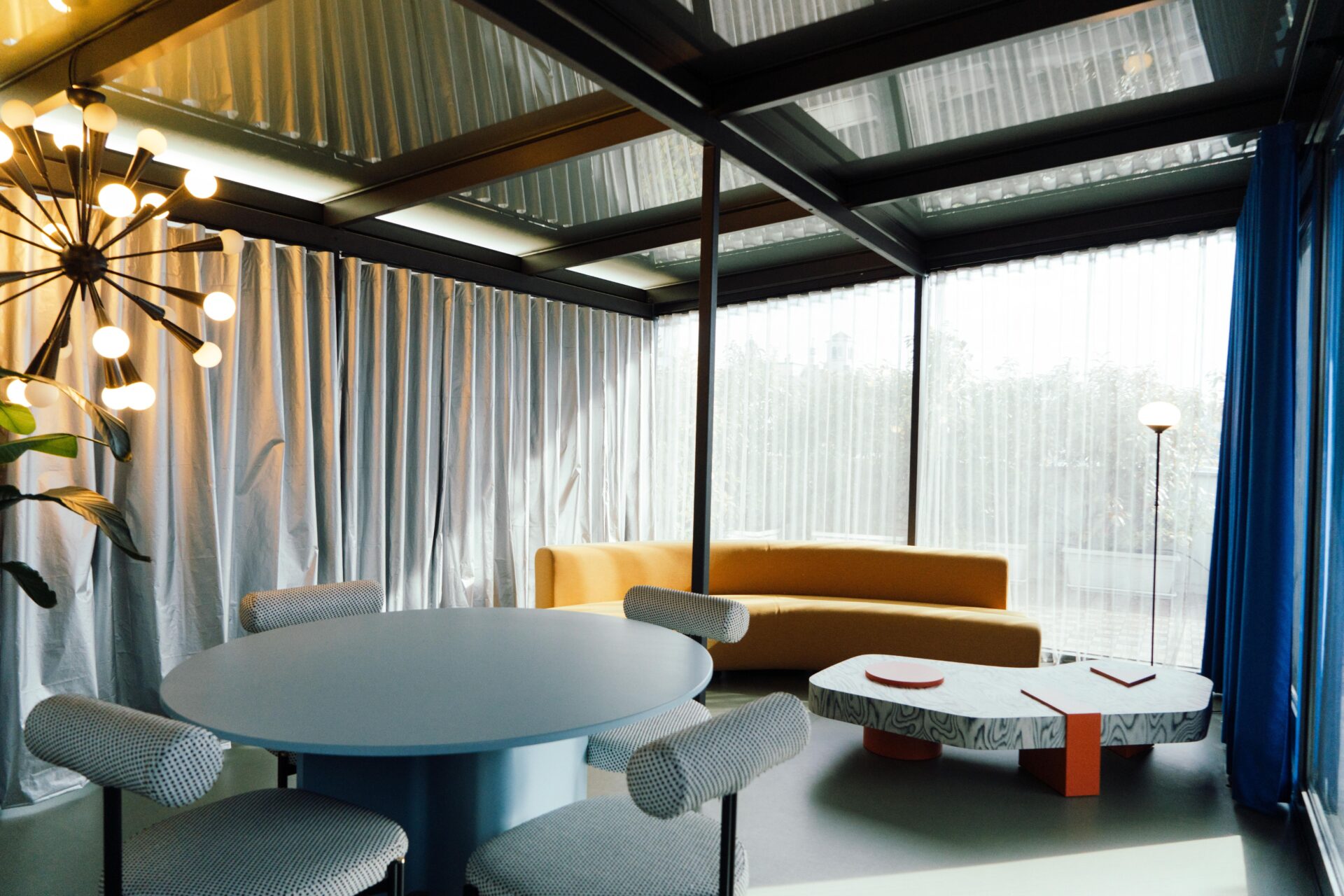
Another project developed near Piazza Repubblica in Milan demonstrates a completely different atmosphere. Designed as a vibrant B&B, the space incorporates fluorescent colors, bold contrasts, and a more expressive visual language. In this case, the design process was shaped not by a single private client, but by an imagined hospitality audience.
The studio approached the project through a broader analysis of the neighborhood, the positioning of the business, and the expectations of future guests. The concept became both experiential and strategic, combining visual impact with an understanding of how hospitality spaces communicate identity. The result attracted significant editorial attention, appearing in publications across Europe and the United States.
These projects reveal what defines Archventil’s practice most clearly: the ability to interpret objectives and translate them into coherent spatial experiences. Whether working with restrained minimalism or vibrant hospitality interiors, the studio approaches each project as a unique balance between context, emotion, and functionality.
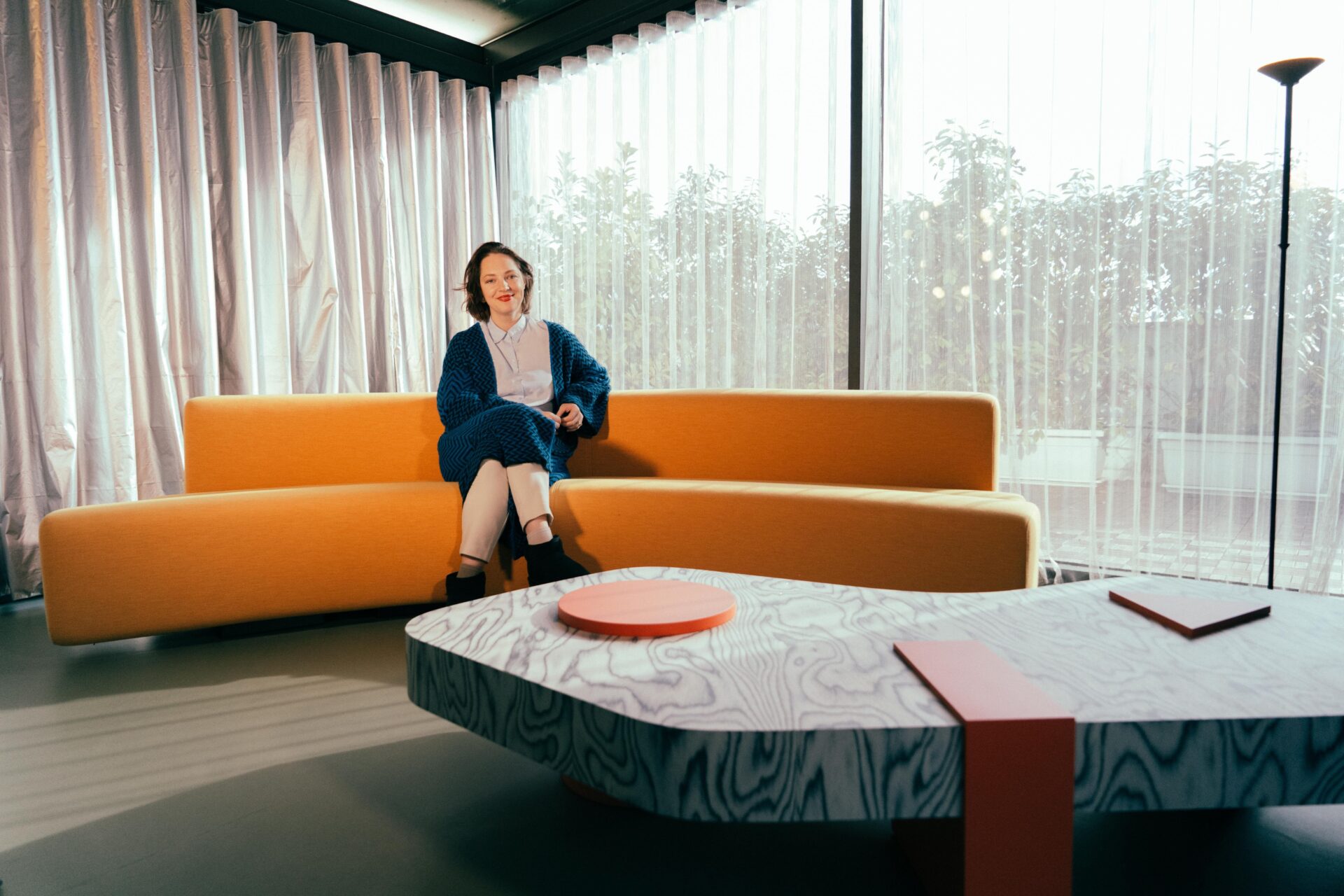
For Tomlenova, the ultimate goal is creating environments that align architecture and interiors with the ambitions, emotions, and lifestyles of the people who inhabit them. In this sense, design becomes less about aesthetics alone and more about the possibility of transformation through space.
The original BEHIND series comes to life thanks to the invaluable support of our trusted partners: