


At Milan Design Week 2026, Samsung presents its Design Open Lab at Superstudio Più as a space for dialogue, extending beyond a conventional exhibition format to encourage exchange and reflection. In this interview, Chief Design Officer Mauro Porcini frames the exhibition as a testing ground for a broader design vision, one that places human values at the center of technological development.
The premise is consistent and long-standing: design begins and ends with people. This approach, already embedded in Samsung’s cultural foundation, is now being extended to address a more complex landscape shaped by artificial intelligence, automation, and connected systems. The question is no longer whether technology can serve people, but how intentionally it can do so.
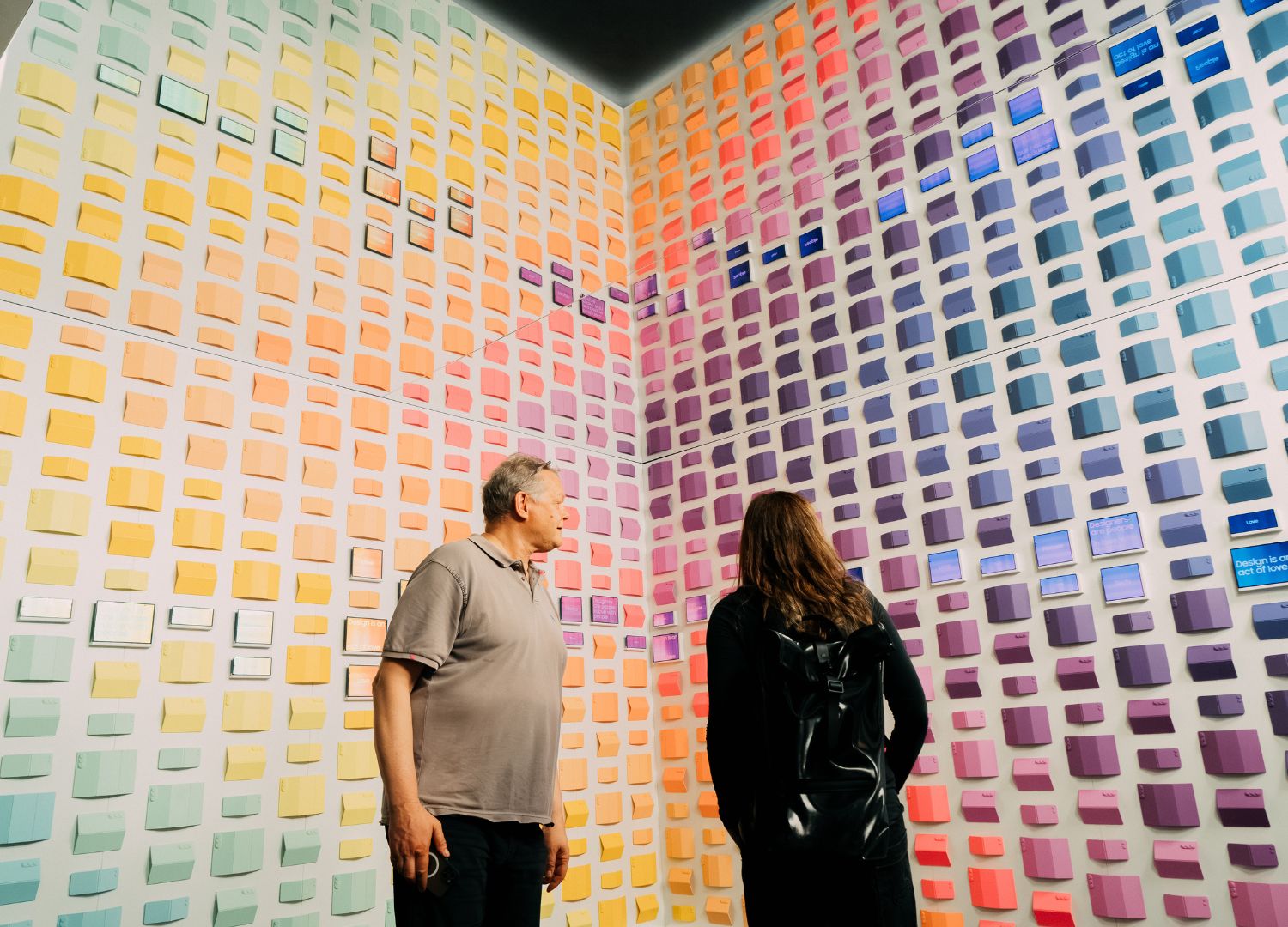
At the core of this direction lies a framework defined as AI × (EI + HI), where artificial intelligence is guided by emotional intelligence and human imagination. The formula operates as both a strategic principle and a design tool. Within the development process, it reinforces the role of designers as active agents, responsible for directing the capabilities of AI through empathy, critical thinking, and creative intent. Technology expands what can be done, but it does not determine why or how it should be done.
The framework also introduces an ethical dimension once products enter everyday life. AI is expected to function in support of human experience, not as an autonomous layer. This requires a clear orientation: technology must amplify human values, behaviors, and relationships. In this sense, the designer’s role extends beyond form-making, taking on the responsibility of shaping systems that influence how people live, interact, and express themselves.
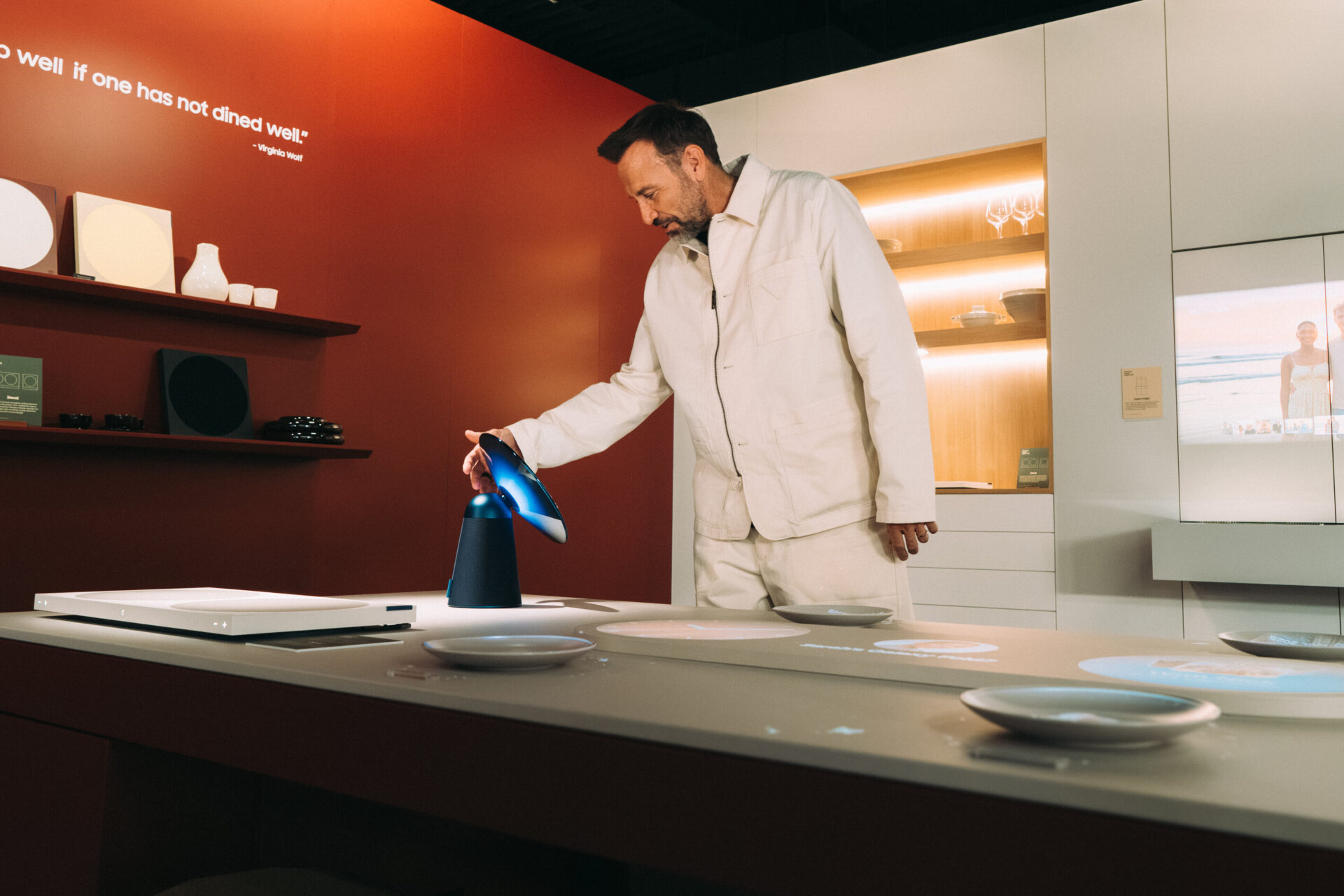
This position informs a broader reconsideration of one of design’s most established principles. The Bauhaus formula “form follows function” has long defined the language of industrial design, encouraging clarity, efficiency, and reduction. Over time, however, its application within consumer electronics has contributed to a visual and functional uniformity, with products becoming increasingly minimal and often indistinguishable from one another, reflecting a narrow interpretation of usability.
Mauro Porcini points to this condition as a limitation. In other design fields – such as fashion, automotive, or furniture – diversity of expression remains central. Technology, by contrast, has tended toward homogeneity. Reintroducing variation becomes essential, not as a stylistic exercise, but as a response to human diversity. A human-centered approach implies the ability to offer choice, allowing products to reflect different identities, preferences, and ways of living.
At the same time, the conditions that supported “form follows function” have changed. Digital interfaces, adaptive systems, and AI-driven personalization have made products increasingly fluid, and function is no longer fixed but evolves in relation to the user. This shift calls for a new design framework.
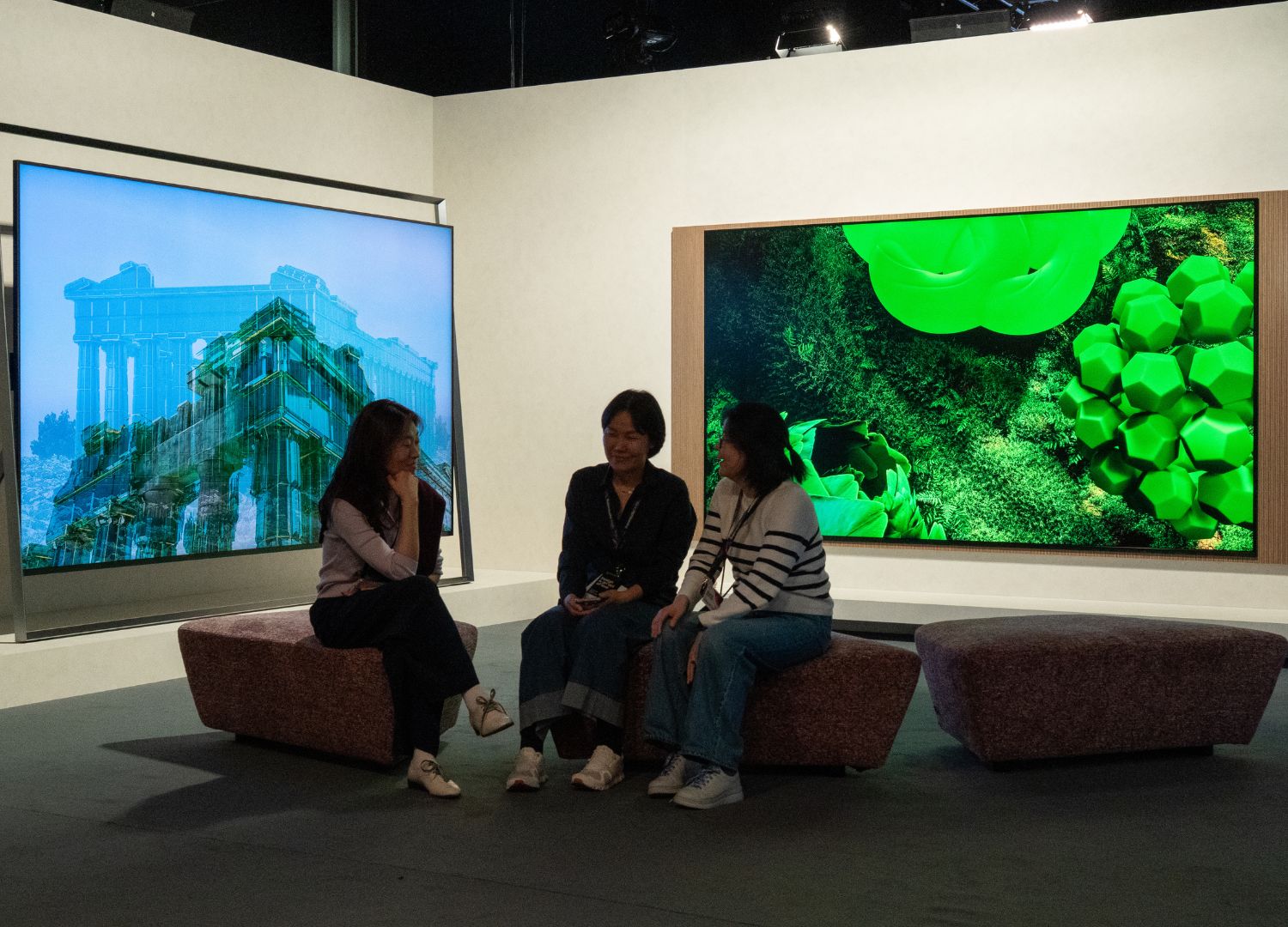
The Samsung’s Chief Design Officer proposes an evolution toward “form and function follow meaning.” Meaning becomes the element that aligns performance, appearance, and experience. It accounts for emotional response, personal relevance, and cultural context. In practical terms, this means designing products that are not only efficient but also expressive and adaptable.
This transition introduces new challenges. Greater flexibility brings the risk of overload, as users navigate an expanded set of possibilities. Too much openness can lead to confusion, while excessive control limits expression. Design, in this context, becomes a process of calibration, defining the conditions under which users can shape their own experiences without losing clarity.
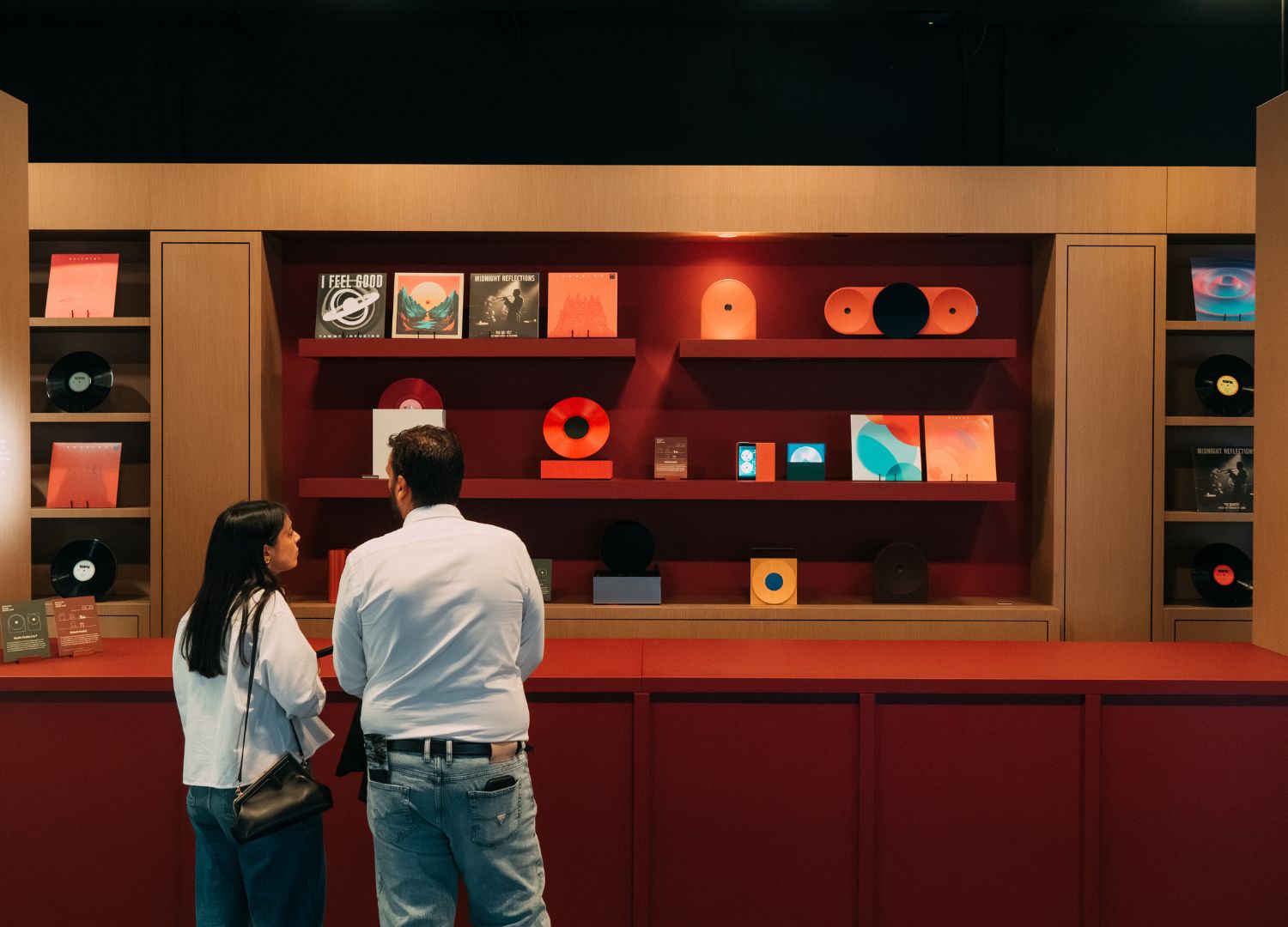
The Samsung Design Open Lab during Milan Design Week 2026 reflects this approach through a series of experiments and prototypes. The exhibition is structured around four thematic areas – “live longer,” “live better,” “live loud,” and “live on” – each corresponding to different dimensions of human needs, from physical well-being to self-expression and long-term impact. Artificial intelligence is present across all scenarios, yet it remains embedded within experiences.
The decision to present the exhibition as an open laboratory signals a shift in how design is communicated. Instead of showcasing finalized products, Samsung invites feedback from designers, creatives, and industry professionals. The format acknowledges the transitional nature of the current moment, where technological capabilities are evolving faster than established design frameworks.
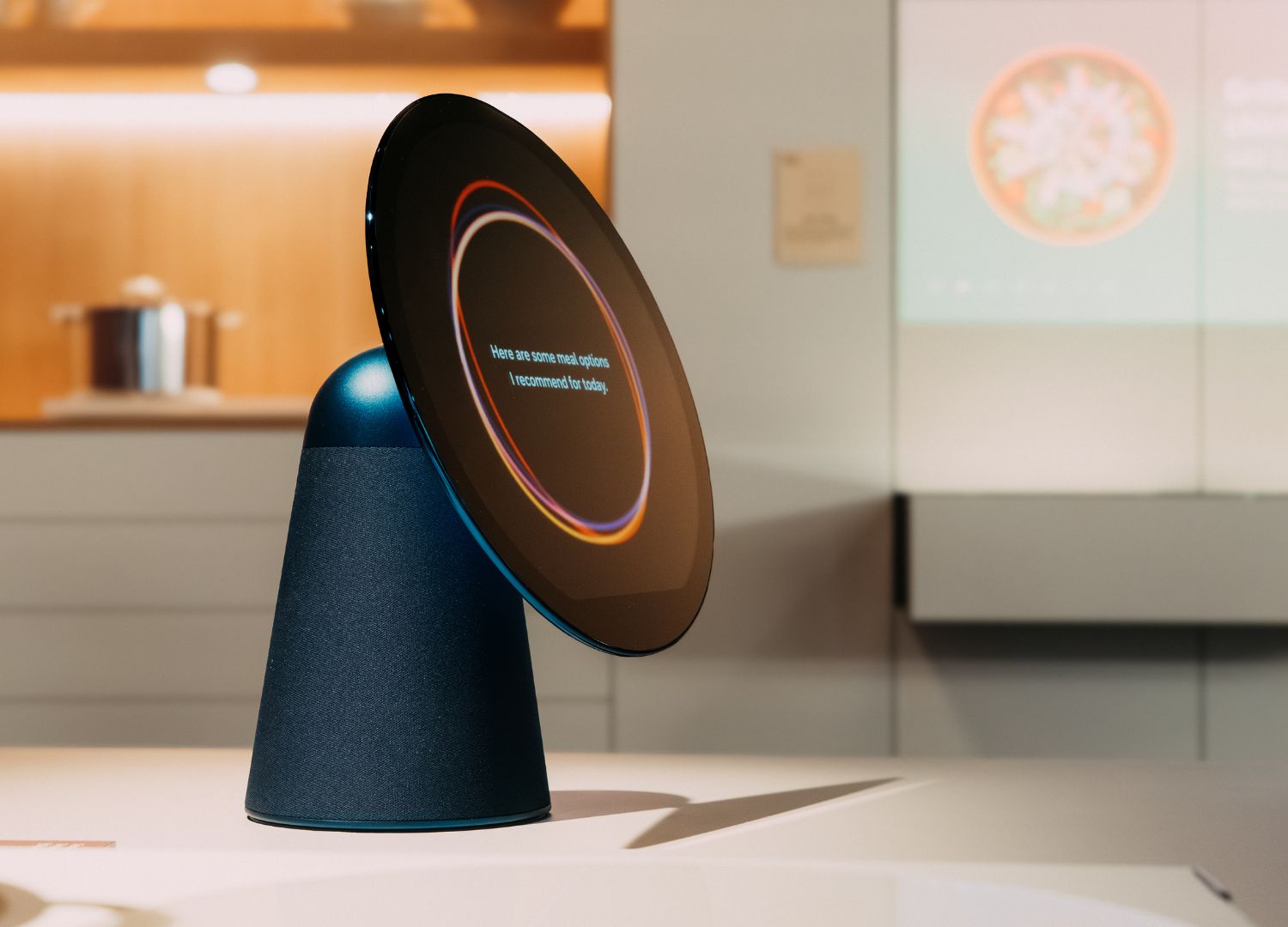
For Porcini, success is measured through response. Observing how people interpret, engage with, and react to these experiments becomes part of the design process itself. Within this context, the role of design expands. It moves beyond problem-solving toward a more interpretive function, mediating between technological potential and human expectations. Artificial intelligence introduces new degrees of complexity, but also new opportunities for expression and connection. The challenge lies in aligning these possibilities with meaningful outcomes.
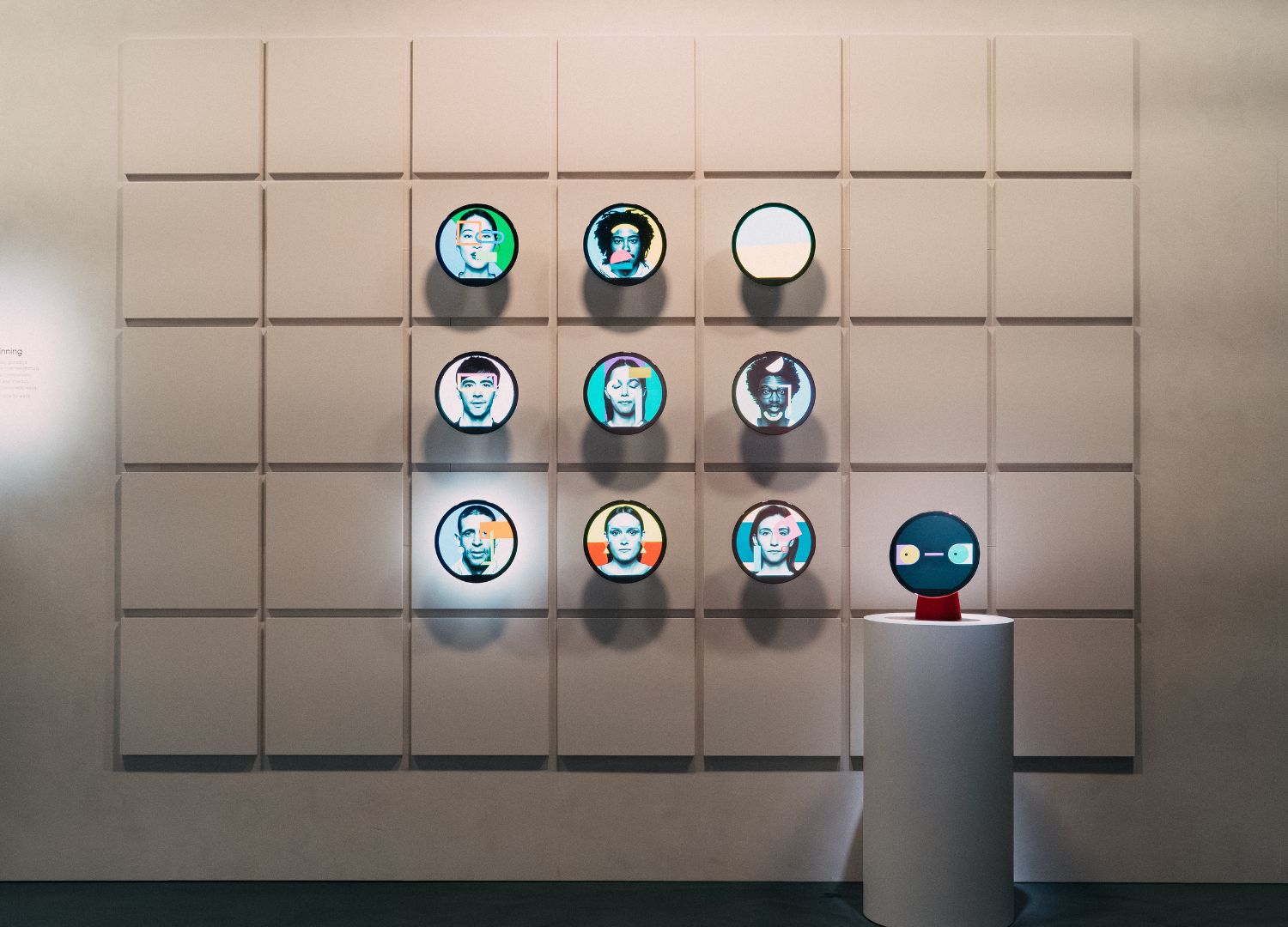
The Samsung Design Open Lab suggests a direction where technology becomes more personal, more responsive, and more integrated into everyday life. This does not depend on the visibility of innovation, but on its relevance. As systems become more advanced, their value is increasingly defined by how they support individual and collective experience.
Through the framework of Articial Intelligence × (Emotional Intelligence + Human Imagination), Mauro Porcini articulates a position that places responsibility back into the hands of designers. Technology can extend capabilities, but meaning remains a human construct.