


Operating at the intersection of large-scale manufacturing and design-driven innovation, Midea is presented in this episode of Behind through the perspective of the RAC Milan Design Team. The brand is part of Midea Group, a Chinese home appliance manufacturer headquartered in Foshan, Guangdong, whose Smart Home Business Unit develops, produces and sells smart domestic systems, with a strong focus on Residential Air Conditioning (RAC).
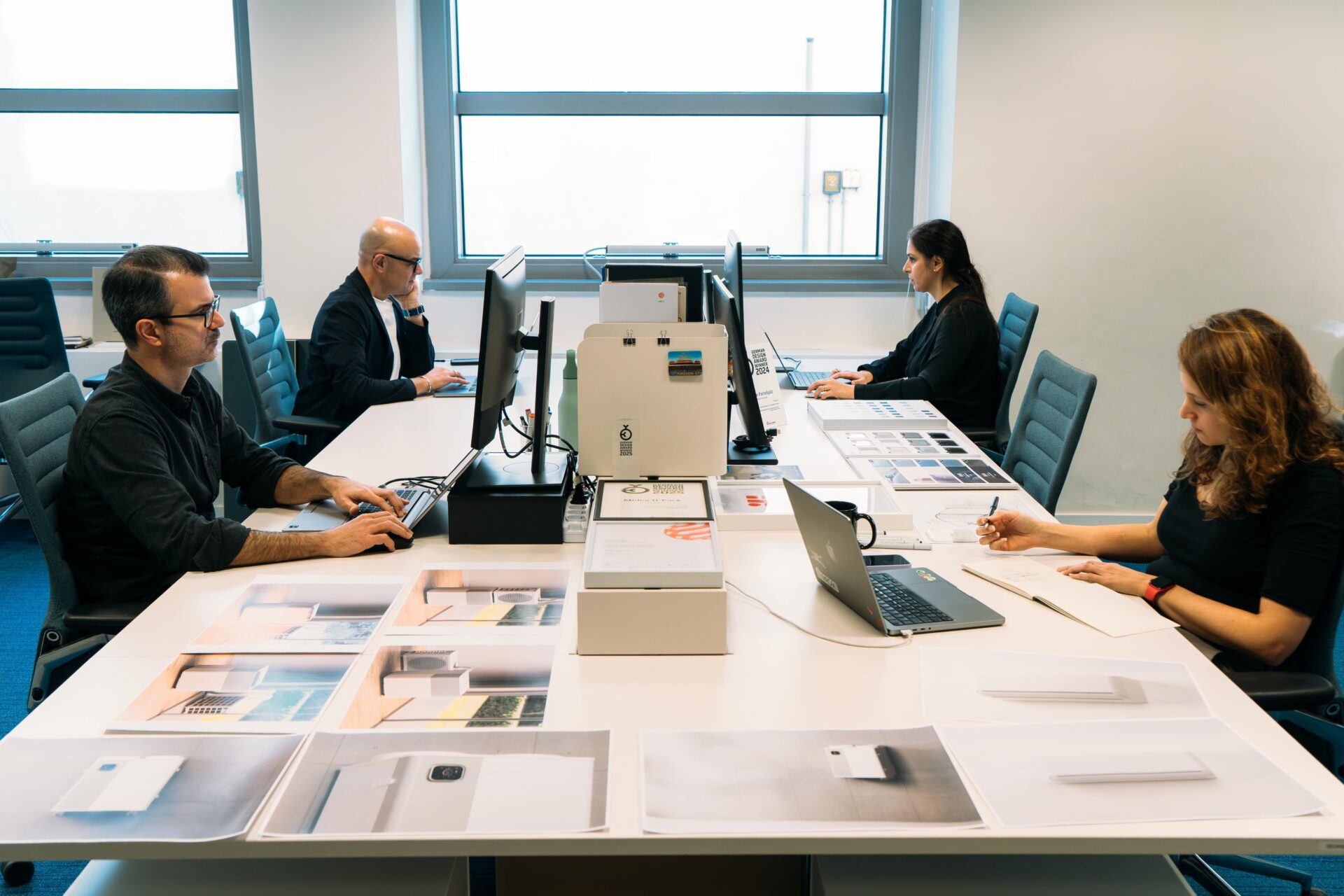
Recognized as the world’s leading brand in smart home appliances, Midea reaches millions of households across continents. While appliances are designed to meet functional needs, they are, however, experienced inside the home, the space where people spend most of their time and invest emotional energy. Within this context, design becomes a way to shape not only performance, but also how technology enhances everyday life.
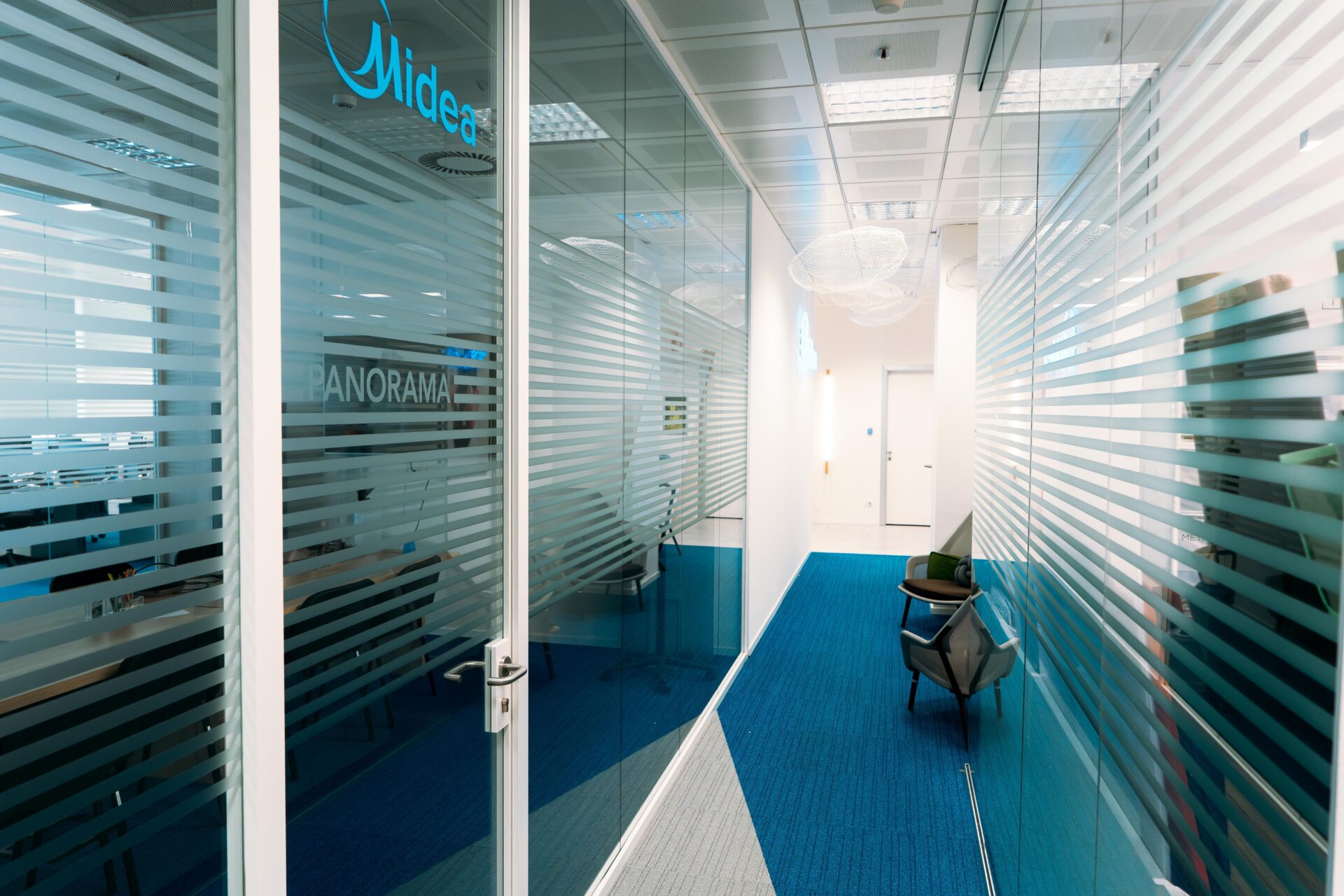
This perspective is reflected in Midea’s mission, “Humanizing Technology.” The company frames innovation as a process of translation, making advanced solutions accessible, intuitive, and relevant. For designers, this means working across multiple layers, from engineering constraints to cultural expectations, in order to envision, create, and bring to life products that integrate naturally into the daily lives of millions of people worldwide.
Central to this approach is a global design structure that balances direction and adaptation. At the core sits the RAC Global Design Team, based at Midea’s headquarters in Foshan and led by Joonsuh Kim. From here, product strategies are defined and developed through an iterative process that spans from early concept to final detailing. Following a clear design vision, the team establishes a coherent framework for future products, ensuring consistency across markets while addressing evolving consumer needs.
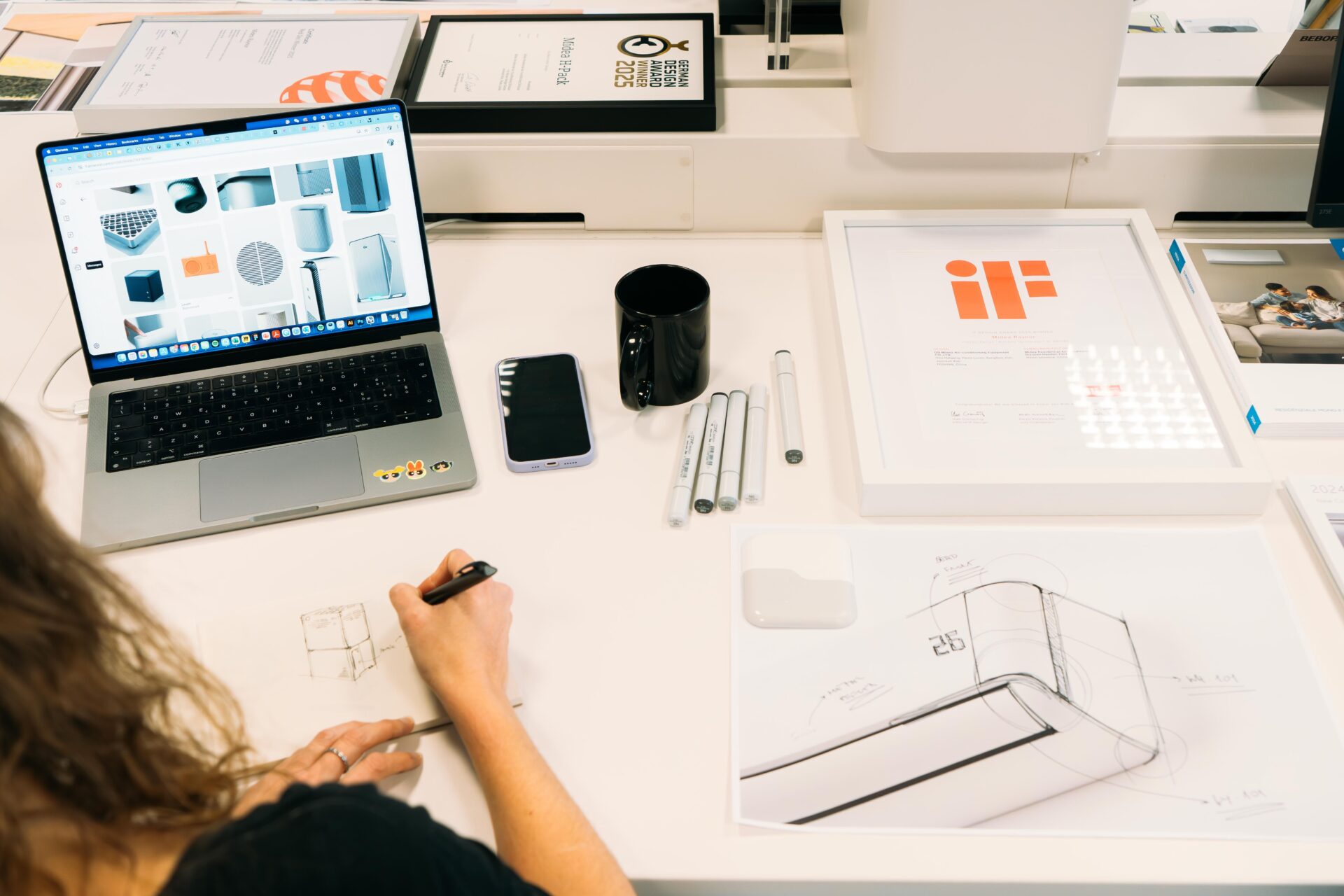
The relationship between the global team and its regional counterparts is continuous and collaborative. Regular meetings and work sessions allow for alignment on product roadmaps, while projects are distributed across teams to maximize both efficiency and expertise. Each stage of development—from defining value propositions to refining formal details—is guided through this network, enabling the creation of a global direction while fostering local interpretation.
Within this system, the Milan Design Center, immersed in the European context, works to translate global strategies into products that resonate locally. This also involves understanding how climate, lifestyle, and expectations shape the way appliances are used and perceived. The result combines global intent with regional relevance.
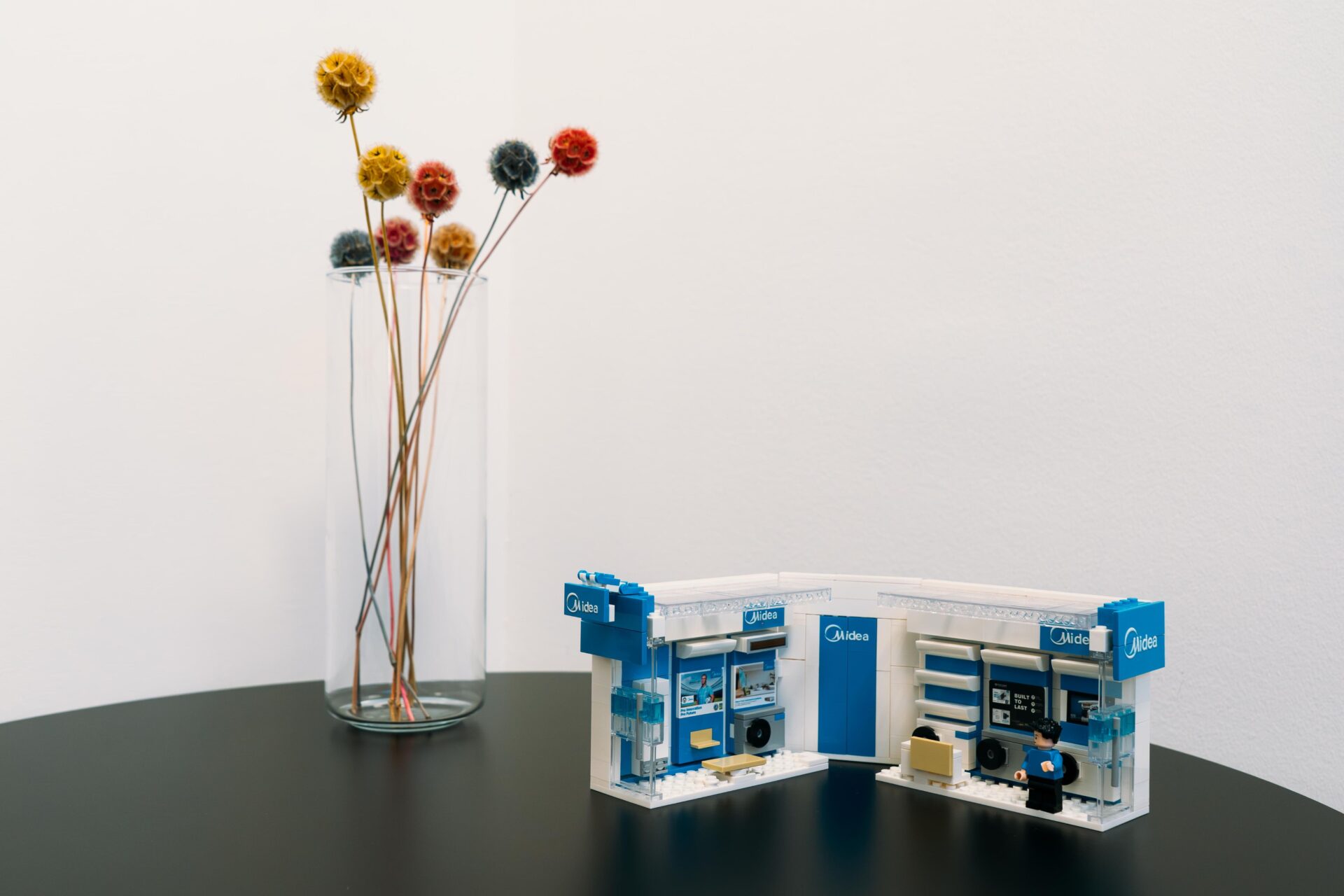
This dynamic becomes particularly evident in projects developed for specific environmental conditions. In northern European countries, for instance, winters are long and severe, with temperatures dropping to extreme levels and daylight hours significantly reduced. These conditions influence both the technical requirements of appliances and the way comfort is experienced within the home.
Traditional split air conditioners, often used as air-to-air heat pumps, tend to lose efficiency as temperatures fall, leading to reduced performance and higher energy consumption. Addressing these limitations requires a different approach, one that considers not only technical performance, but also the broader context in which the product operates.
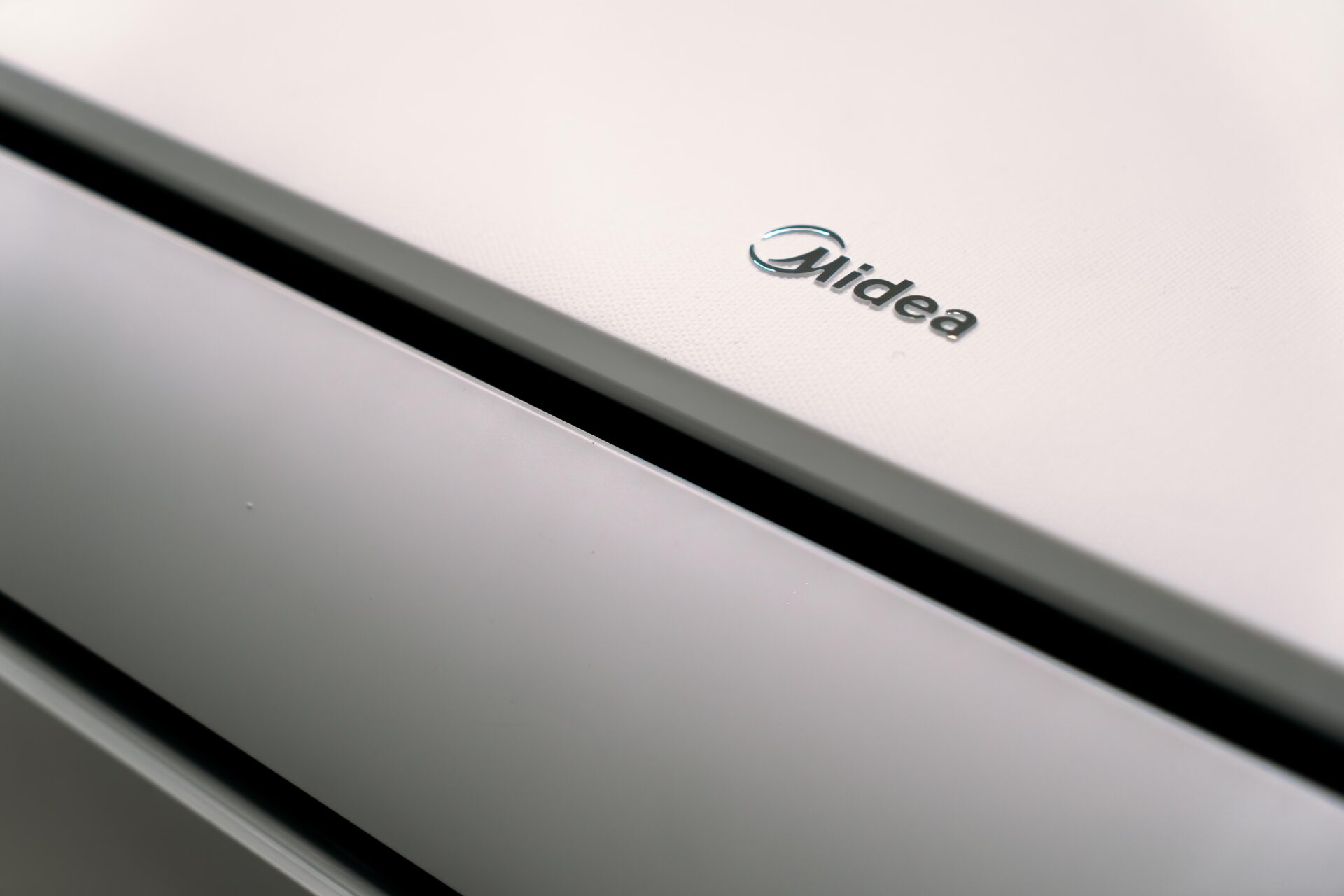
Developed in response to these challenges, Raynor is a split air conditioner designed to provide reliable heating even in extreme cold and humidity. From a technical standpoint, it integrates a range of innovations that allow it to operate continuously, 24 hours a day, while maintaining a high level of energy efficiency, reaching an A+++ rating. This balance reflects a broader commitment to combining performance with sustainability, responding to both environmental concerns and the realities of energy use.
One of its defining features is the waterfall airflow system, enabled by a 180-degree rotating deflector. Rather than distributing warm air directly into the space, the system directs it toward the floor, from where it rises gradually and evenly. This creates a more enveloping and natural sensation of warmth, avoiding the abrupt or uneven distribution often associated with conventional airflow systems. The experience is further refined by a night mode that maintains comfort without disturbing sleep, addressing another essential aspect of daily life in colder regions.
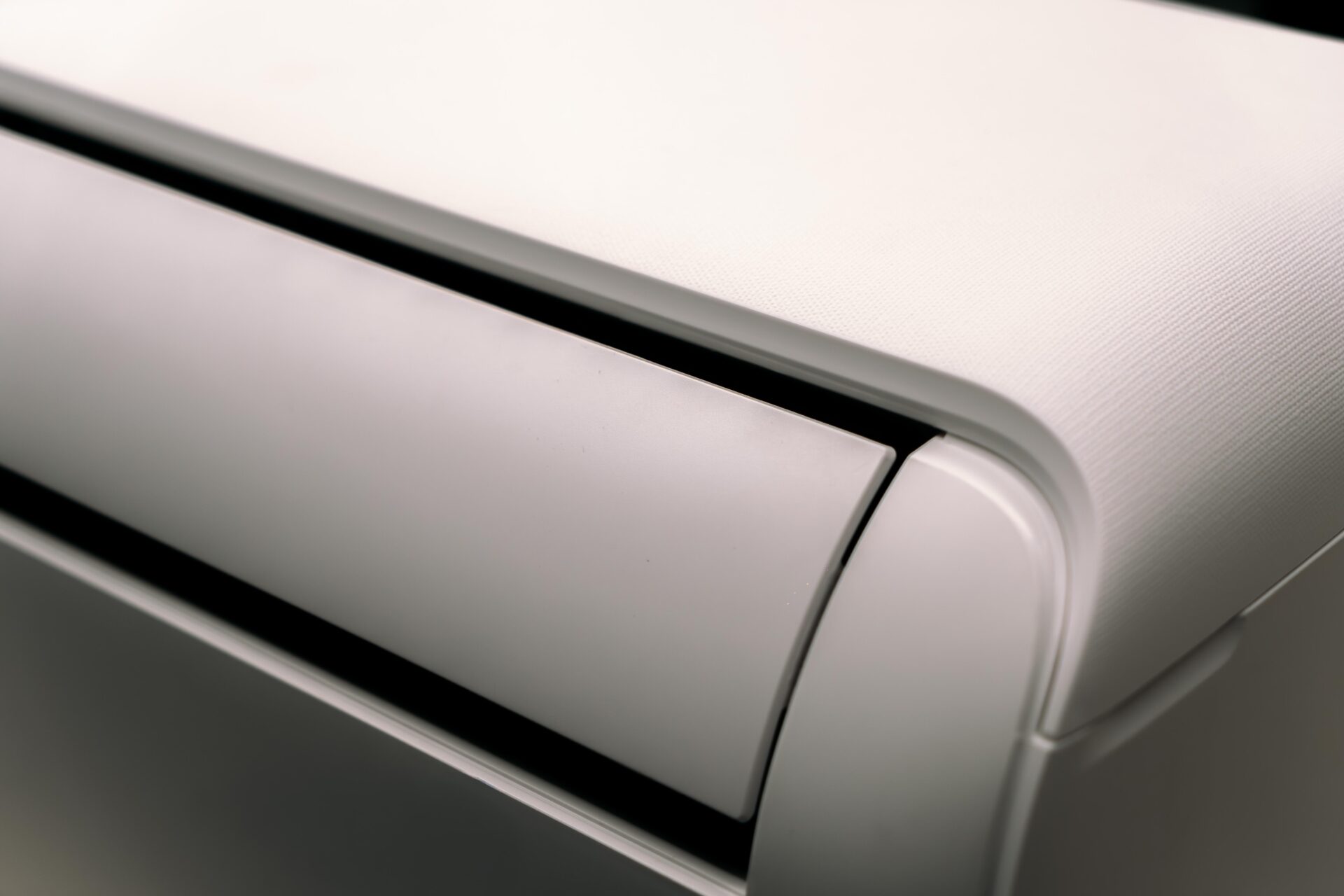
Beyond performance, the design of the unit reflects a deliberate effort to align with the home interior context. The form is defined by soft volumes and generous radii, conveying a sense of calm and familiarity. A fabric texture on the front panel references materials typically used for Nordic furniture upholstery, creating an immediate sensorial connection between the appliance and its surroundings.
Through this balance of engineering and design, Raynor communicates a sense of warmth even when not in use. It becomes part of the atmosphere of the home, contributing not only to thermal comfort but also to the overall perception of the space. This approach reflects the broader ambition of humanizing technology, designing objects that support both functional needs and emotional well-being.
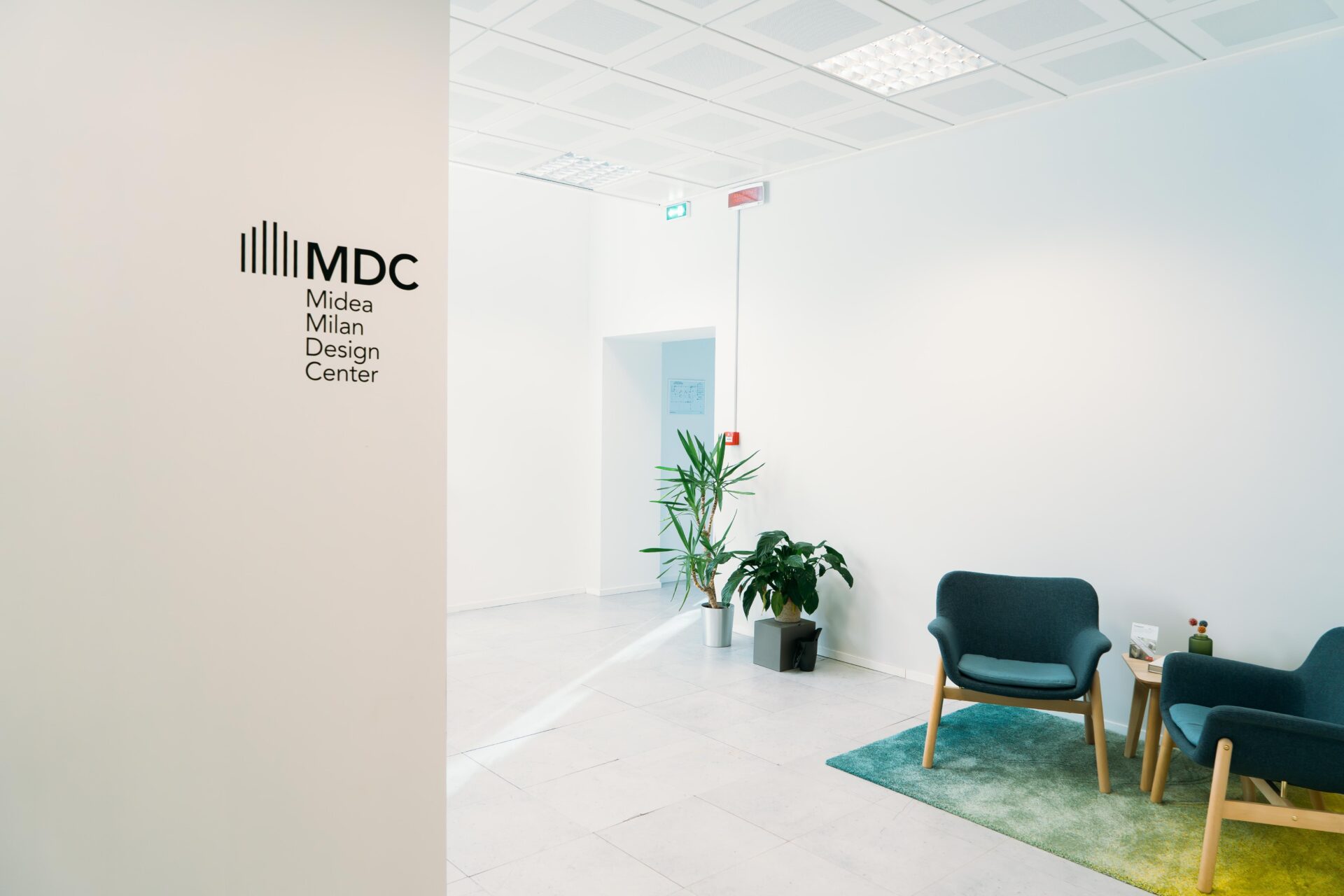
As presented in Behind, Midea’s work highlights how design operates within a global industrial framework while remaining sensitive to local contexts. The collaboration between its Foshan and Milan design teams demonstrates how a shared vision can be translated into solutions that are both consistent and adaptable, responding to the diversity of contemporary living environments.
More broadly, it points to an evolving understanding of home appliances. No longer defined solely by performance, these products are increasingly shaped by the way they integrate into everyday life visually, functionally, and emotionally. In this ever-changing scenario, design at Midea plays a key role in connecting technology and experience, redefining the meaning of comfort in the contemporary home across diverse global cultures.