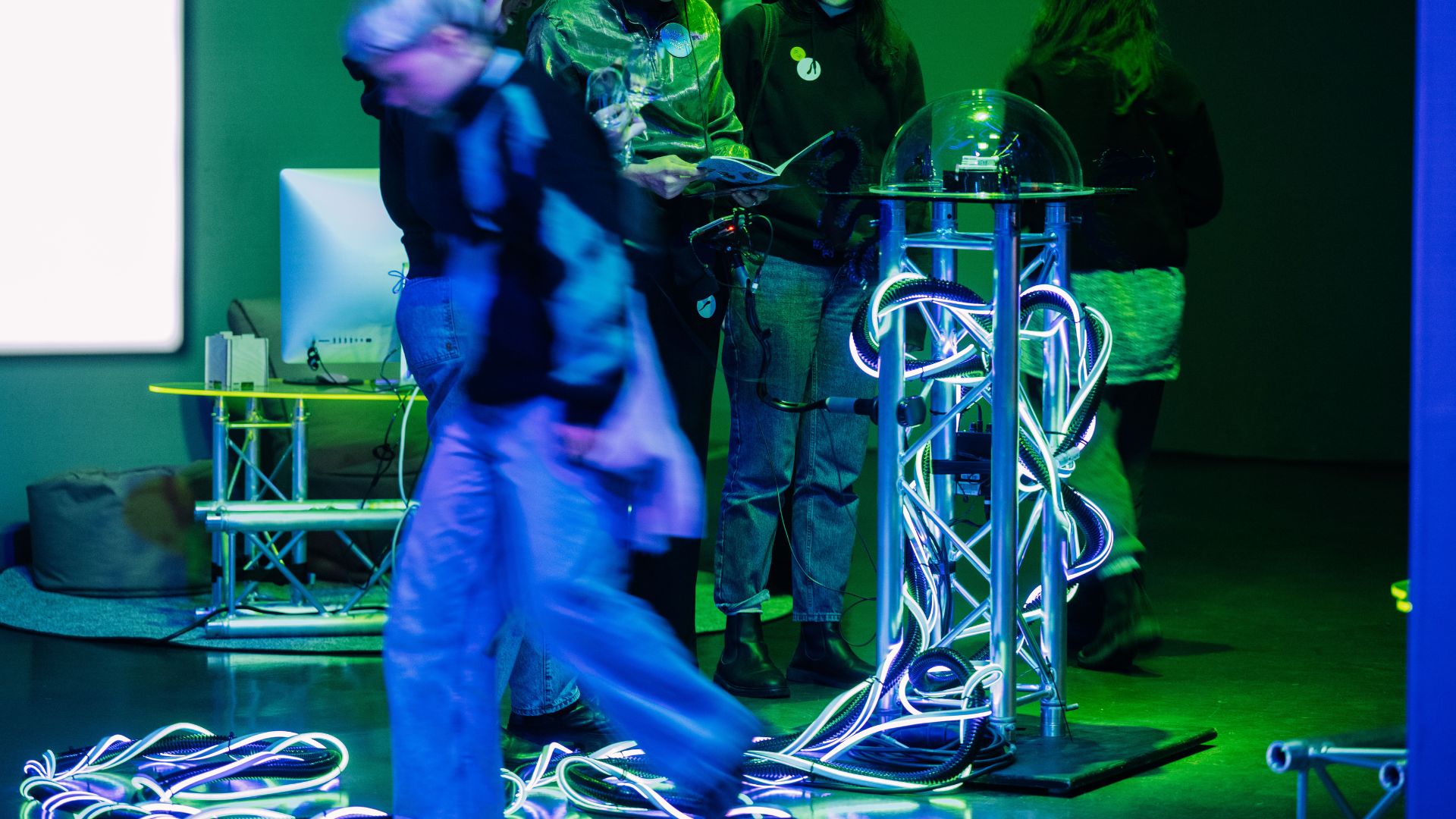
The Better Design Award is becoming a global catalyst for design-driven change
Now entering its 2025 edition, the BDA is positioning itself to be more than a celebration of aesthetic excellence—it’s emerging as a platform for strategic transformation in how we conceive, apply, and evolve design globally.

Design awards are often abundant, but only a few become pivotal. Even fewer manage to translate a trophy into lasting momentum for careers, companies, and culture. With backing from heavyweights like China Media Group and the Guangdong, Guangzhou, and Shenzhen governments, the Better Design Award doesn’t just hand out certificates—it cultivates futures. This isn’t about prestige alone; it’s about design as policy, design as economic engine, and above all, design as a force for better living.
Structured around the goals of Chinese-style modernization, the award is deeply embedded in a broader national and international vision: one where design thinking is central to industrial innovation, social sustainability, and global communication. The BDA does not ask, “What looks good?”; it asks: “What changes lives?”, “What reshapes systems?” and “What translates innovation into impact?”. In this way, it speaks directly to designers who are not only makers but strategists—those who build bridges between concept and implementation, aesthetics and systems, society and industry.
Gallery
Open full width





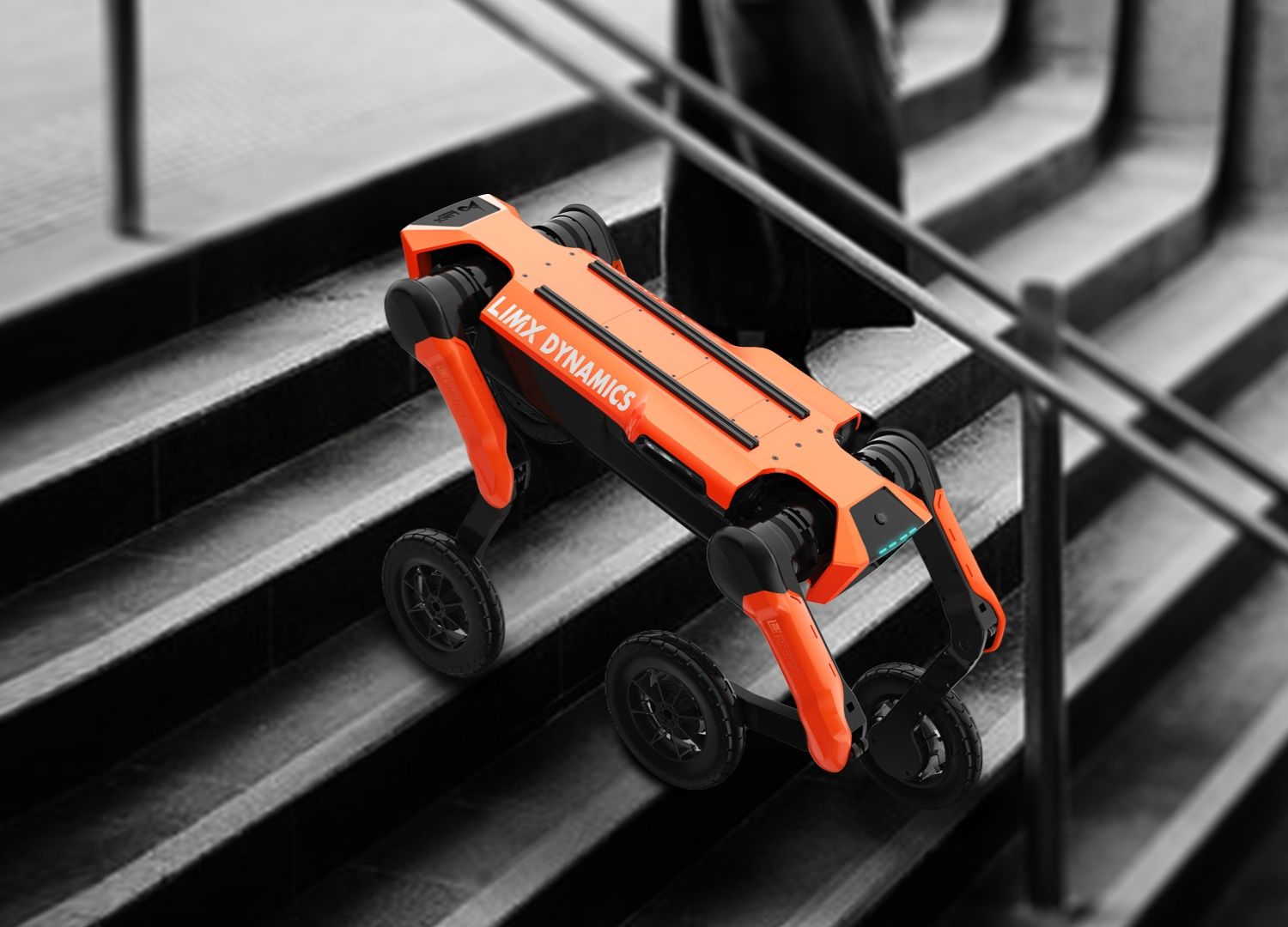
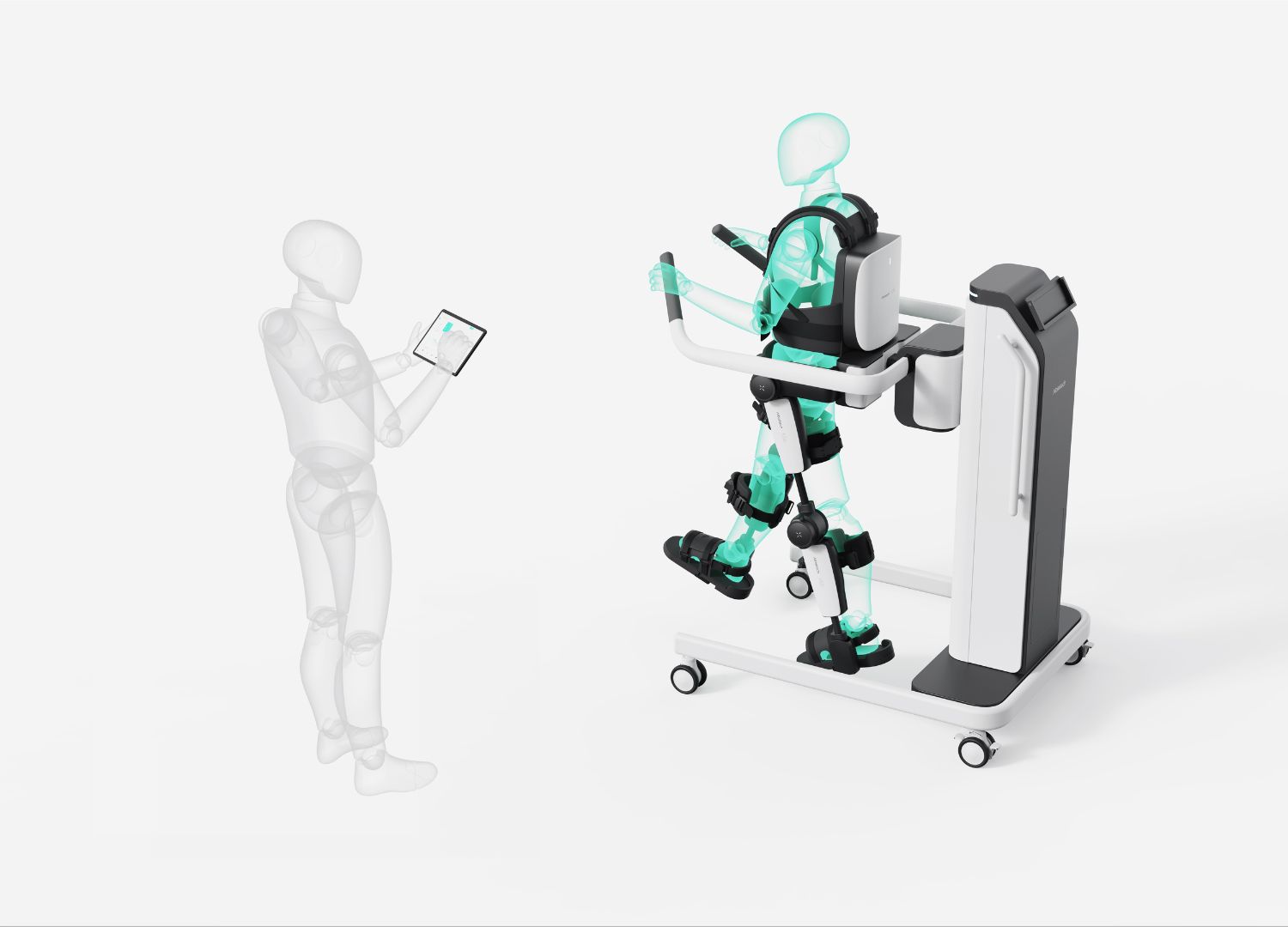
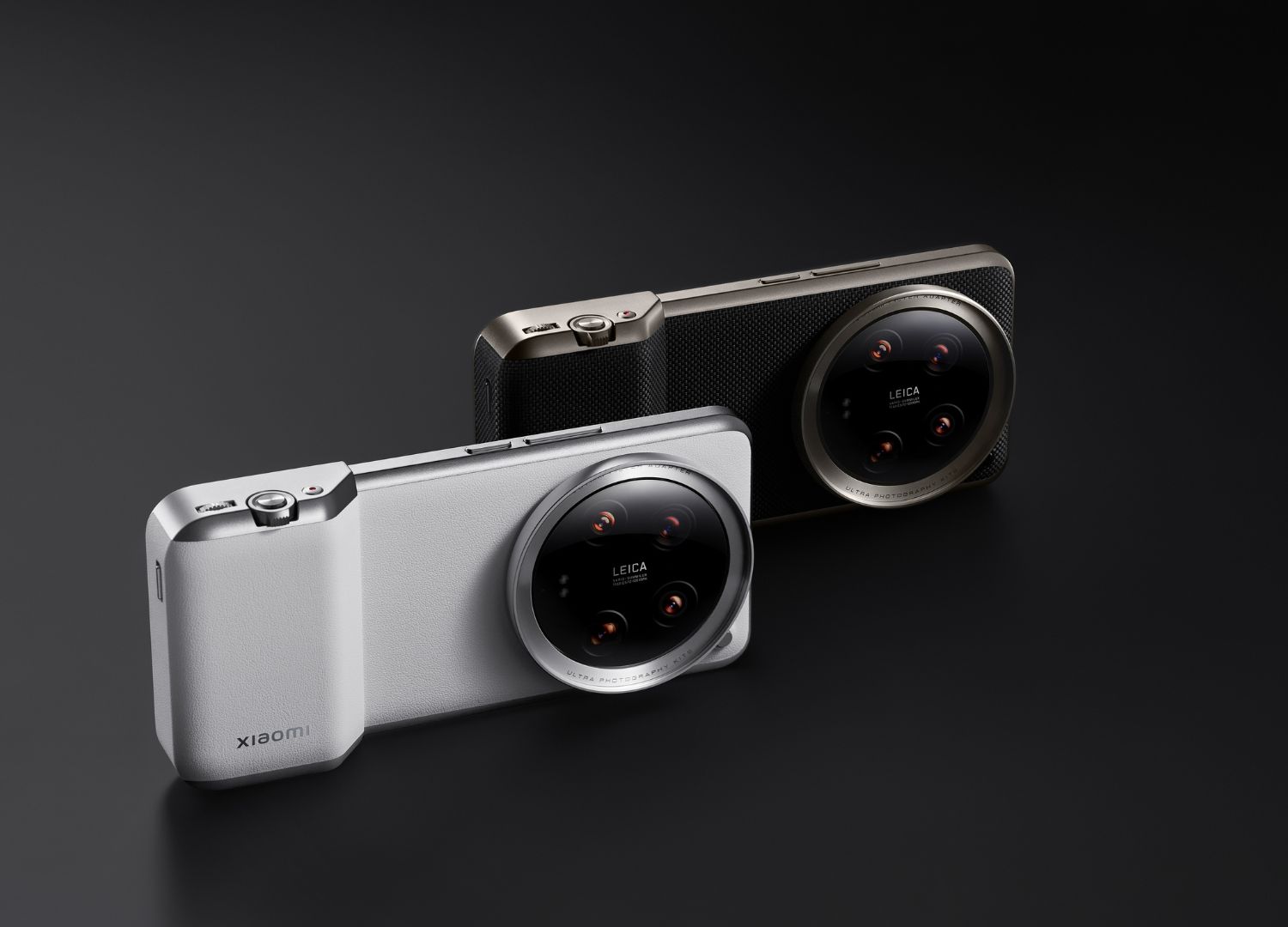
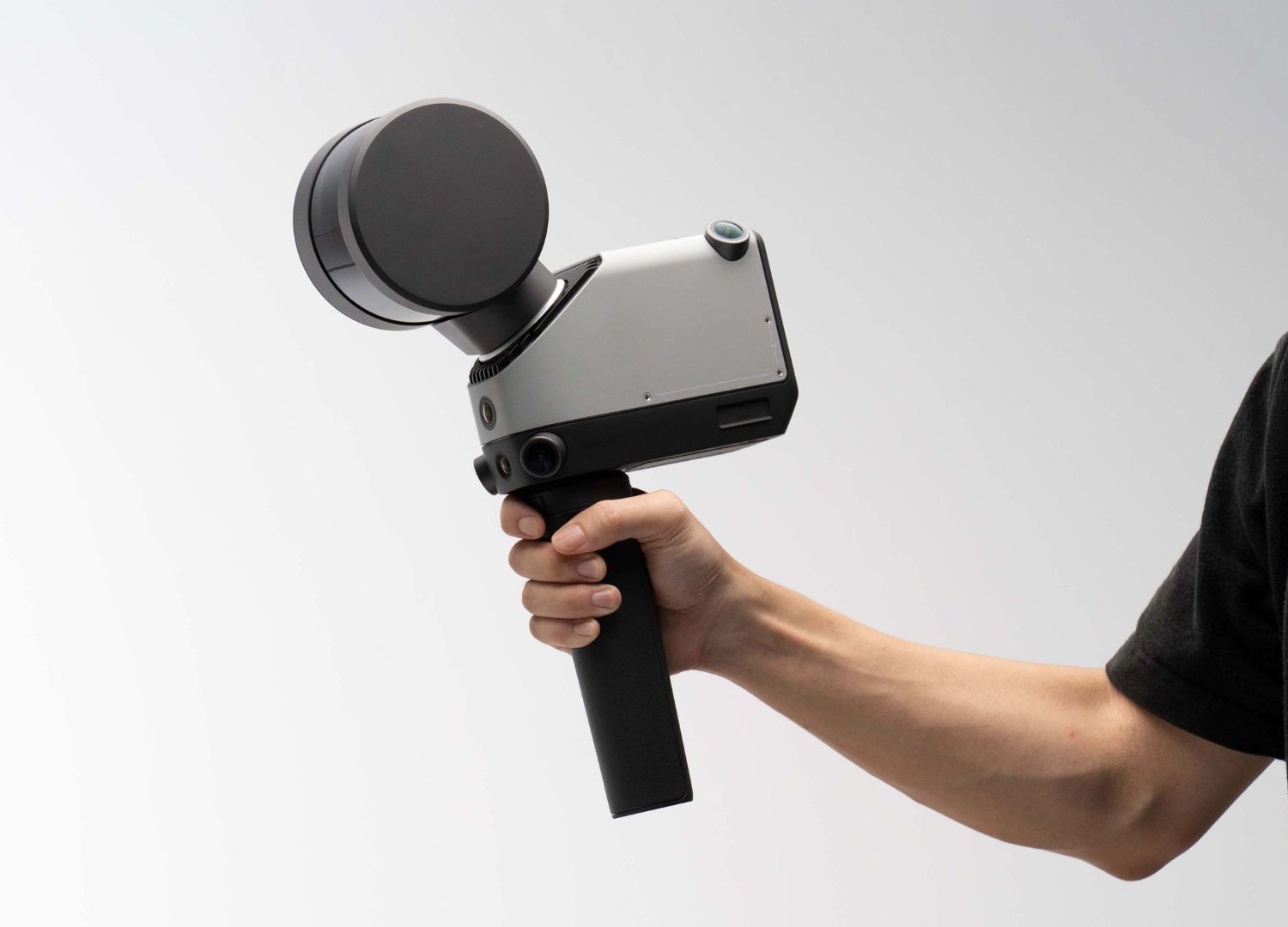


Open full width
A category for every vision—and every scale
The structure of the award is equally telling. With two overarching tracks—Product Design and Design for Industry—the Better Design Award recognizes that design today lives in both the tangible and the systemic. Within product design, entries are categorized into:
- Industrial Cornerstone: Heavy-duty innovation in infrastructure, aerospace, or public facilities
- Better Life: Everyday product solutions that quietly but profoundly shape how we live
- Future Design: Conceptual, forward-looking designs that are not yet commercialized
And for those working at the frontier of human-machine collaboration, there’s the AI & Robotics special competition, seeking applied intelligence in everything from smart homes to healthcare and automation. Meanwhile, Design for Industry shifts the focus from object to ecosystem. Entries in this category are expected to reimagine industrial frameworks—new supply chains, platform models, or innovation strategies that stretch beyond the studio and into policy, economics, and infrastructure.

Better Design Award: No Fees. No Gimmicks. Just opportunity.
While many international design awards impose steep fees just to enter, the Better Design Award is radically open: zero registration, evaluation, or winner service fees. It’s a signal that this isn’t just an award for elite studios in expensive cities; it’s a truly democratized space for innovation, open to students, researchers, startups, and established companies alike. And yet, what the BDA offers in return is far from basic. Winners gain more than applause—they gain:
- Substantial monetary prizes (totaling $580,000 USD)
- Use of the Better Design Award seal—a mark of distinction for packaging, branding, and promotion
- Media amplification through CCTV and international news outlets
- Invitations to global exhibitions and permanent museum inclusion
- Policy incentives, including tax support, industrial workspace access, and education benefits in China’s Greater Bay Area
- Access to mentorship, financing platforms, and cross-sector networks connecting design with industry, academia, and government
This blend of recognition and long-tail support—what the organizers call “Award + Post-Award Services”—transforms a win into a launchpad.

Designing in a time of urgency
What makes the Better Design Award particularly resonant now is its alignment with the pressures and possibilities of our time. With its focus on sustainability, smart tech, and inclusive growth, it reflects the real urgencies shaping the design profession. Its evaluation framework is rooted in three dimensions that are increasingly inseparable:
- Foresight: Designs must anticipate and align with industrial and societal shifts
- Industrialization: Ideas must scale and serve as blueprints for transformation
- People-centricity: Solutions must respond to human needs, not just market gaps
In this sense, the BDA is not chasing trends. It’s curating the future.

For designers who want to make things that matter
If you’re a designer driven by deeper questions—about meaning, system change, or long-term utility—the Better Design Award offers more than a podium. Submissions are open from May 23 to August 15, 2025, and applications are handled through the official website.
The design world doesn’t need more trophies. It needs frameworks that elevate practice and multiply impact. The BDA might just be one of the few global awards delivering precisely that.