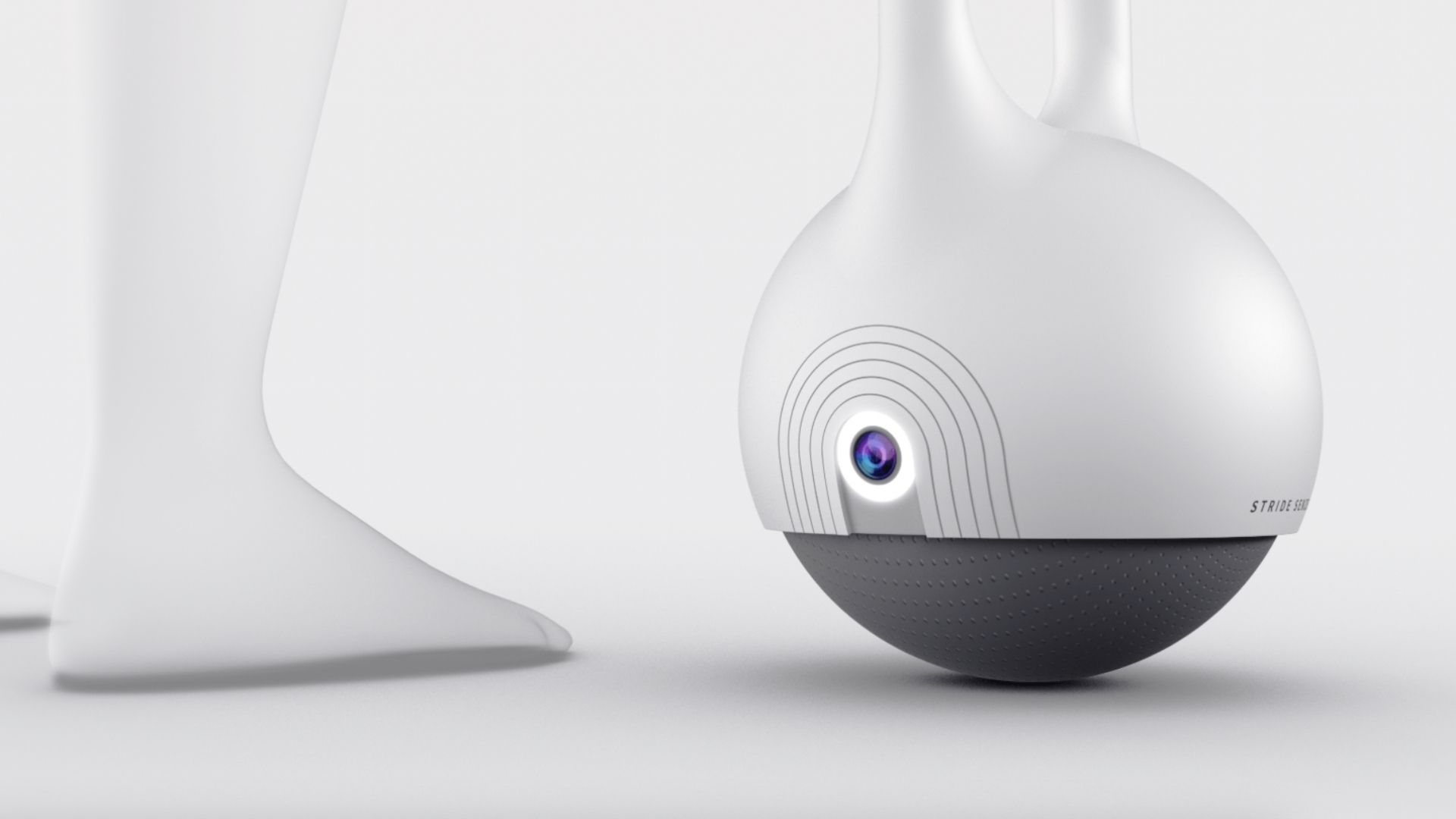
Bone-conduction headphones – How do they work?
Great for hearing-impaired individuals, Bone is a discrete set of headphones, which emit vibrations through the skull (instead of the ears) to play music.
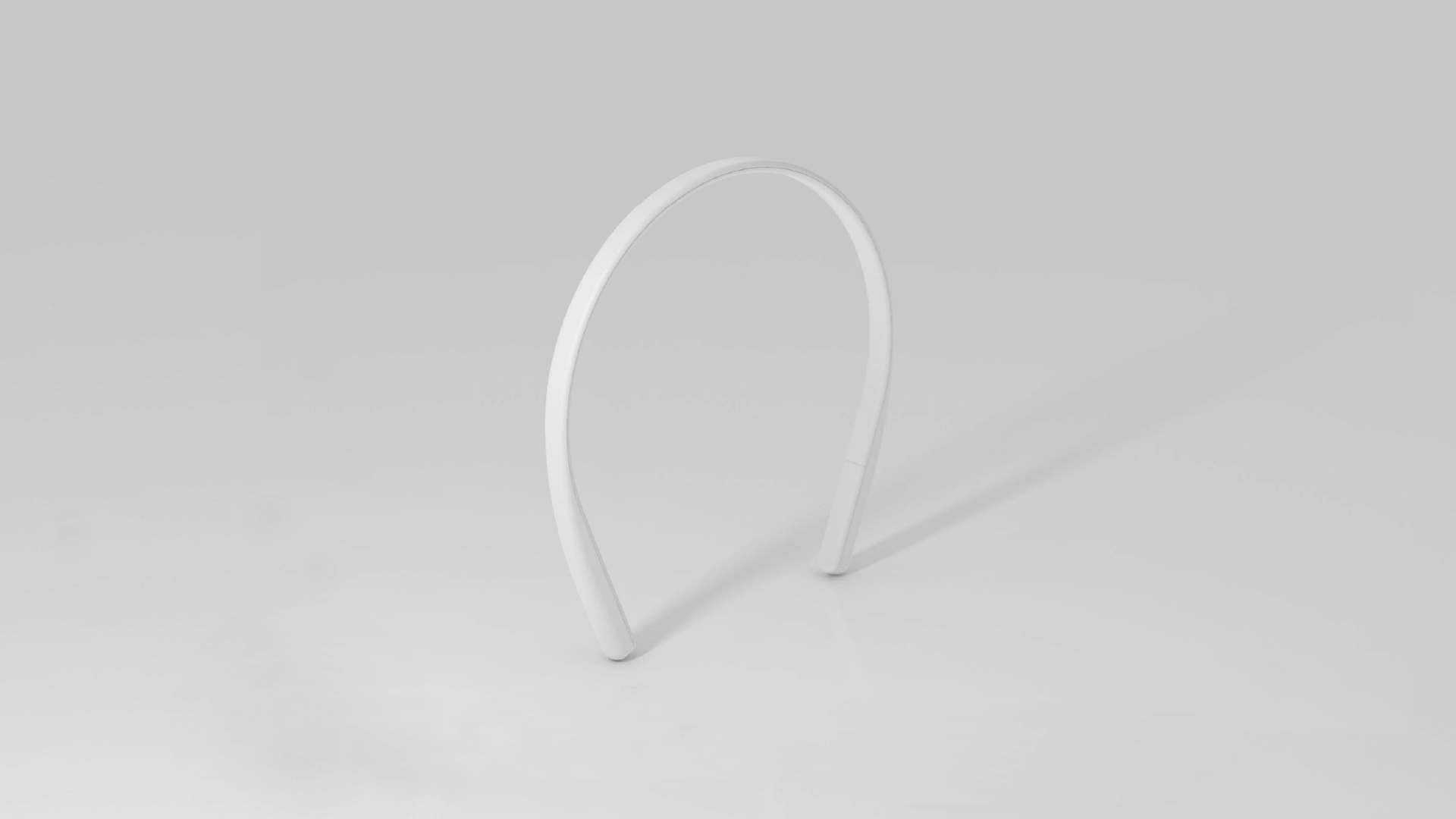
When we came across the conceptual Bone headphones by British designer Hans Rimzen, we wanted to understand exactly how bone-conduction technology works. It can’t be that far-fetched of an idea.
After all, it’s been around for a while—even the famous 18th-century composer Beethoven knew about it. But lately, we’ve seen the Apple patents floating around that would indicate that bone-conduction technology could be big business, so how does it work?
Here’s a little biology for you… We hear sounds through both our bones (bone-conducted or bone-transmitted) and our eardrums (air-conducted or air-transmitted). Most sounds are heard by our eardrums, which convert the sound waves to vibrations and transmits them to the cochlea (or the inner ear).
Rather than cueing the eardrum while sound waves travel through the air, Bone headphones let the user hear audio directly through vibrations in the skull. It exploits the bone structure and works by converting sound signals into air vibrations that can be received directly by the cochlea so the eardrum is never involved—it’s actually rooted in the same technology used in hearing aids. It’s useful for people born without external ear canals, or those who find earbuds painful or ineffective.

It’s a super cool concept thatcould work as an accessibility-focused solution for the hard-of-hearing community or in sports during running for example, since the headset frees up the ears and lets the listeners be aware of their surroundings.
The Bone headset is particularly discrete too, designed to be positioned over the head like a headband. Touch-enabled playback controls create an intuitive user experience and Rimzen’s design is created in part using recycled plastic making it a more eco-friendly alternative to most headphones.

Overall, it’s a promising project but there’s no information on user testing in terms of functionality so our appreciation is for the concept here. Besides, there are a couple of drawbacks to bone-conduction technology, including high-frequency sounds. The human hearing generally ranges from 20 to 20,000 Hertz (Hz), whereas bone conduction is only really effective at below 4,000Hz, with audio quality deteriorating at higher ranges.

Also, Bone headphones’ users might be able to feel the sensation of sound as it passes through bone, which could be quite annoying and the reason why bone-conduction technology hasn’t fully caught on yet. Unless there are any other takers, I guess we’ll have to see if Apple can fix those issues…
About the author

Kieron is a freelance writer and Digital Consultant who doesn't consider himself a design lover but a user of design - which to him is more than enough.
Linkedin