Design alone is not enough: branding is the missing piece
A strong product can draw attention without making its maker memorable. Through Vitra, IKEA, Kartell and Cassina, we explore how design companies can develop a brand strategy rooted in what they make, know and stand for.
A chair can circulate widely online while the company behind it remains unfamiliar. A new collection can attract attention without giving buyers or specifiers a clear reason to return to its manufacturer. For design companies, this is where brand strategy becomes essential: each product launch should not stand alone, but contribute to building a distinctive and recognisable identity.
Branding connects individual objects to a consistent point of view, giving people something to recognise and remember across collections, collaborations and communications. Product quality remains fundamental, but companies must also communicate what makes their expertise distinctive—and why it matters.
Brand strategy – Highlights:
What a brand strategy adds to the product
A brand strategy defines what a company wants to be known for, whom it serves and how it supports that position through its decisions. In design, this might centre on a particular manufacturing capability, an approach to domestic life or a commitment to preserving and developing a body of work.
That position should be visible in the products themselves and in the way the company presents and supports them. A claim about longevity, for example, becomes more credible when it is accompanied by clear information on maintenance and repair. An emphasis on material experimentation needs projects that explain what was tested and what the result makes possible.

For architects and interior designers, these signals help establish what to expect from a manufacturer. For the company, they provide a basis for choosing which collaborations, services and stories belong together. A coherent identity develops through those choices over time.
Vitra makes design culture accessible
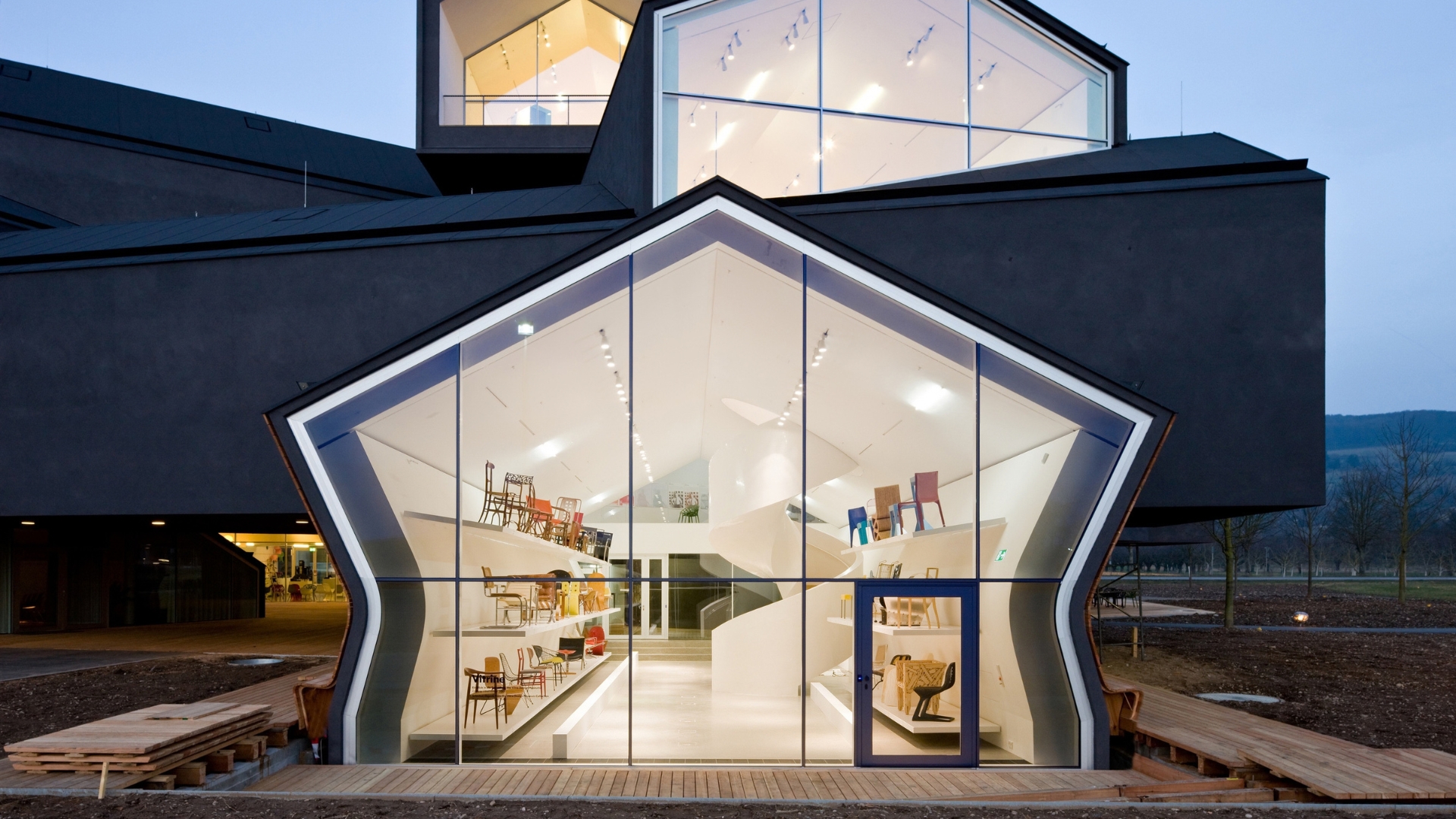
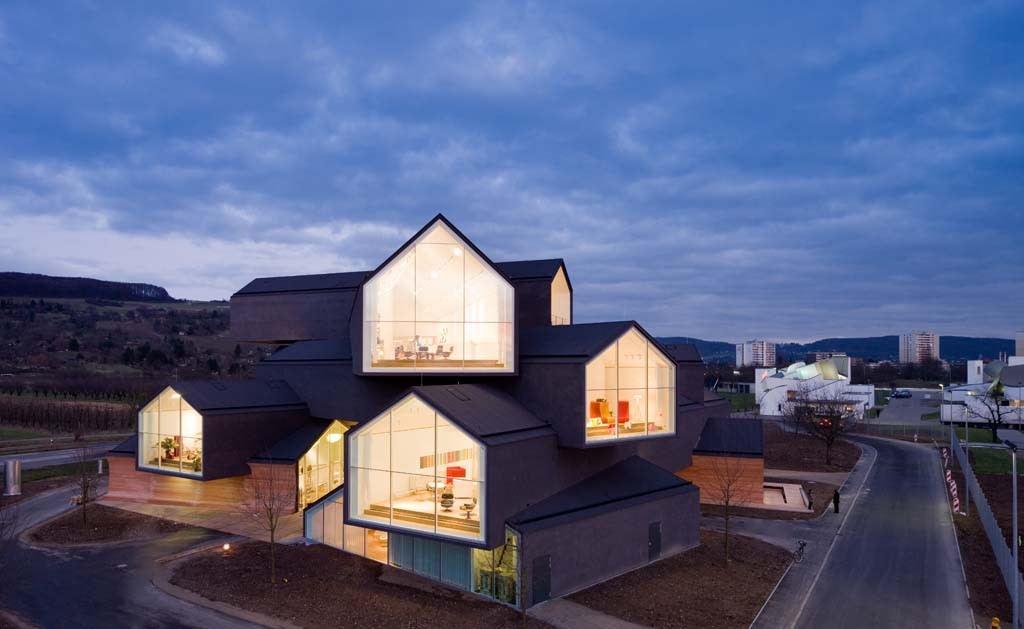
The Vitra Campus brings production buildings, museums and architecture together with spaces where visitors can explore furniture for the home. It provides several ways to encounter the company beyond a product catalogue, from visiting an exhibition to experiencing a building or a furnished interior.
Viewed through a branding lens, the campus gives physical form to Vitra’s engagement with design culture. Products sit within a wider setting that invites people to spend time with design and learn about it. The lesson for a smaller company is to identify knowledge it can share meaningfully, whether through a workshop visit, a conversation with a designer or an account of how a product was developed.
IKEA starts with life at home
IKEA’s Life at Home Report examines how people experience their homes. The 2026 edition explores how changing circumstances affect everyday life and what people need from the spaces they inhabit. This gives the company a subject that extends beyond individual purchases. A discussion about adapting a home to changing routines can remain relevant before someone needs a new sofa or storage unit.
For a design business, the useful principle is to understand the situations its products enter and develop content around those needs. Research gives that approach substance. It allows a company to contribute observations about how people live, providing a context in which its products can be understood.

Kartell and Cassina give heritage a role in the present
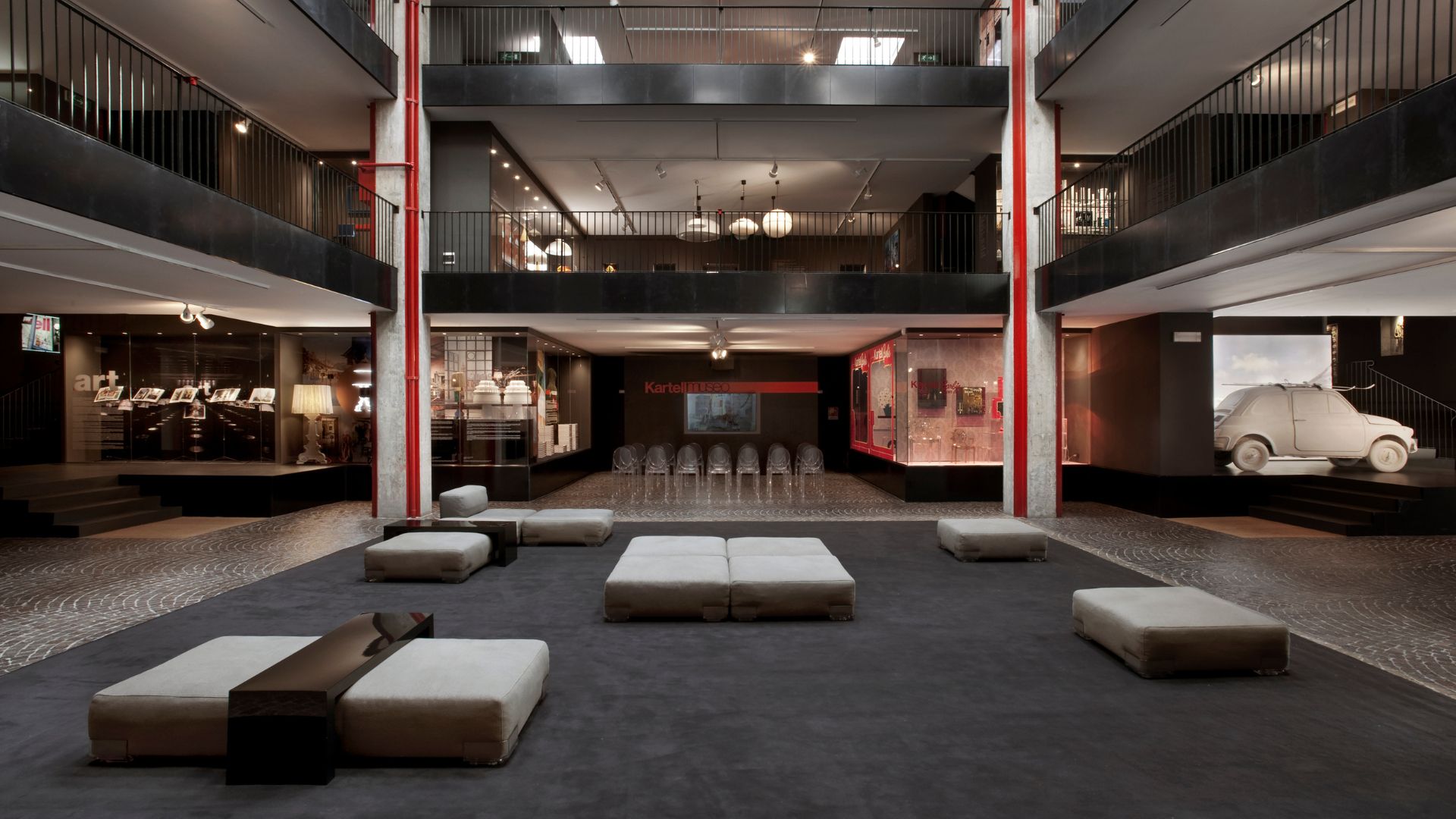
Kartell’s museum and historical archive preserve products, drawings and photographs alongside evidence of the company’s communication and distribution history. Exhibitions and educational activities make this material accessible, connecting individual objects to the development of the business and its design approach. For branding, the value lies in making continuity visible. An archive can show how materials, manufacturing choices and collaborations have evolved. It gives a company specific evidence for its identity, as well as material for future discussion and research.
Cassina articulates its position through a related emphasis on memory, research and innovation. Its manifesto places authenticity and tradition alongside experimentation and industrial and artisanal expertise. This frames heritage as part of an ongoing design practice.
These examples suggest that a company’s past becomes useful when it helps explain its present decisions. The task is to select the projects and processes that clarify what the business stands for today.
Turning a point of view into consistent decisions
For a design company, the starting point is an honest assessment of what it can credibly claim. Which capabilities distinguish its work? What do clients value in their experience with the company? Which qualities recur across its strongest projects? The answers should guide both product development and communication, so the brand strategy.
A business known for adapting products to complex interiors could explain the decisions behind completed projects. A specialist in a material could document how its properties influence form, construction and use. These stories give readers information they can apply while making the company’s expertise easier to recognise.
Consistency also depends on what happens after attention has been earned. Product information, showroom conversations and support for specifiers all contribute to the same impression. A persuasive story needs to match the experience of working with the company.

Consistency also depends on what happens after attention has been earned. Product information, showroom conversations and support for specifiers all contribute to the same impression. A persuasive story needs to match the experience of working with the company. Branding becomes useful when it gives individual launches a cumulative effect. Each product and each interaction should help people understand the company more clearly, giving them a reason to consider its work again when the next project begins.