Cork, code, and a question about what forests will look like in 50 years
Created by Portuguese computational designer le_Brimet for Future Days 2025 in Lisbon, Data Trees Metamorphosis bridges digital intelligence and physical sensation through cork, code, and an AI trained to imagine the future of plants.
What happens when you train an artificial intelligence on the plants of a greenhouse — and then ask it to imagine their future? That question sits at the heart of Data Trees Metamorphosis, an AI art installation by le_Brimet, created in collaboration with Gencork and with sound design by Marcus Amadeus for the second edition of Future Days 2025 in Lisbon.
The result was one of the most quietly disquieting works shown at the festival: a piece about climate change that didn’t lecture or alarm, but instead invited you to stand still, touch something real, and feel the weight of what we stand to lose.
Gallery
Open full width
Open full width
Data Trees Metamorphosis: Two portals, one conversation
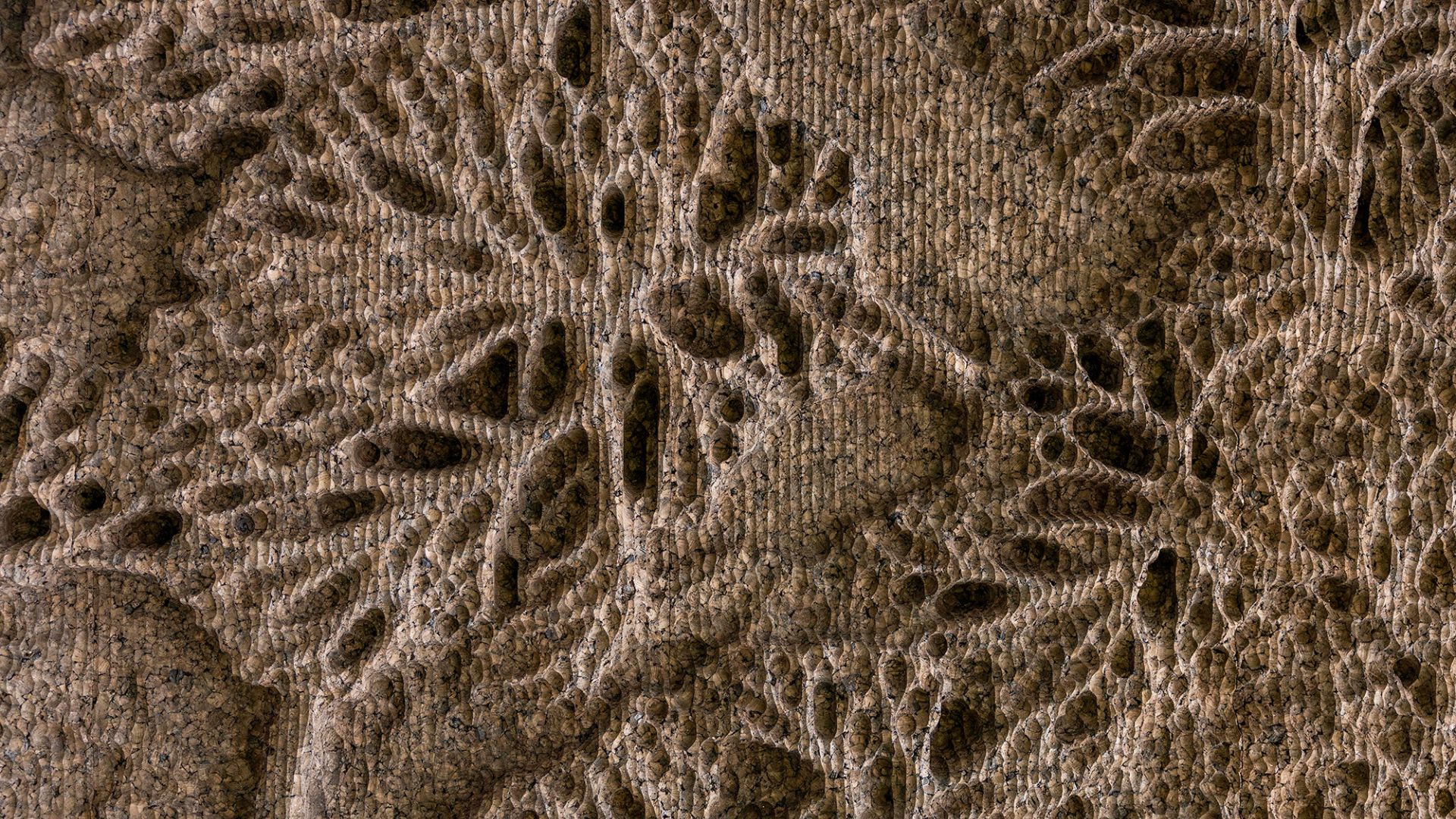
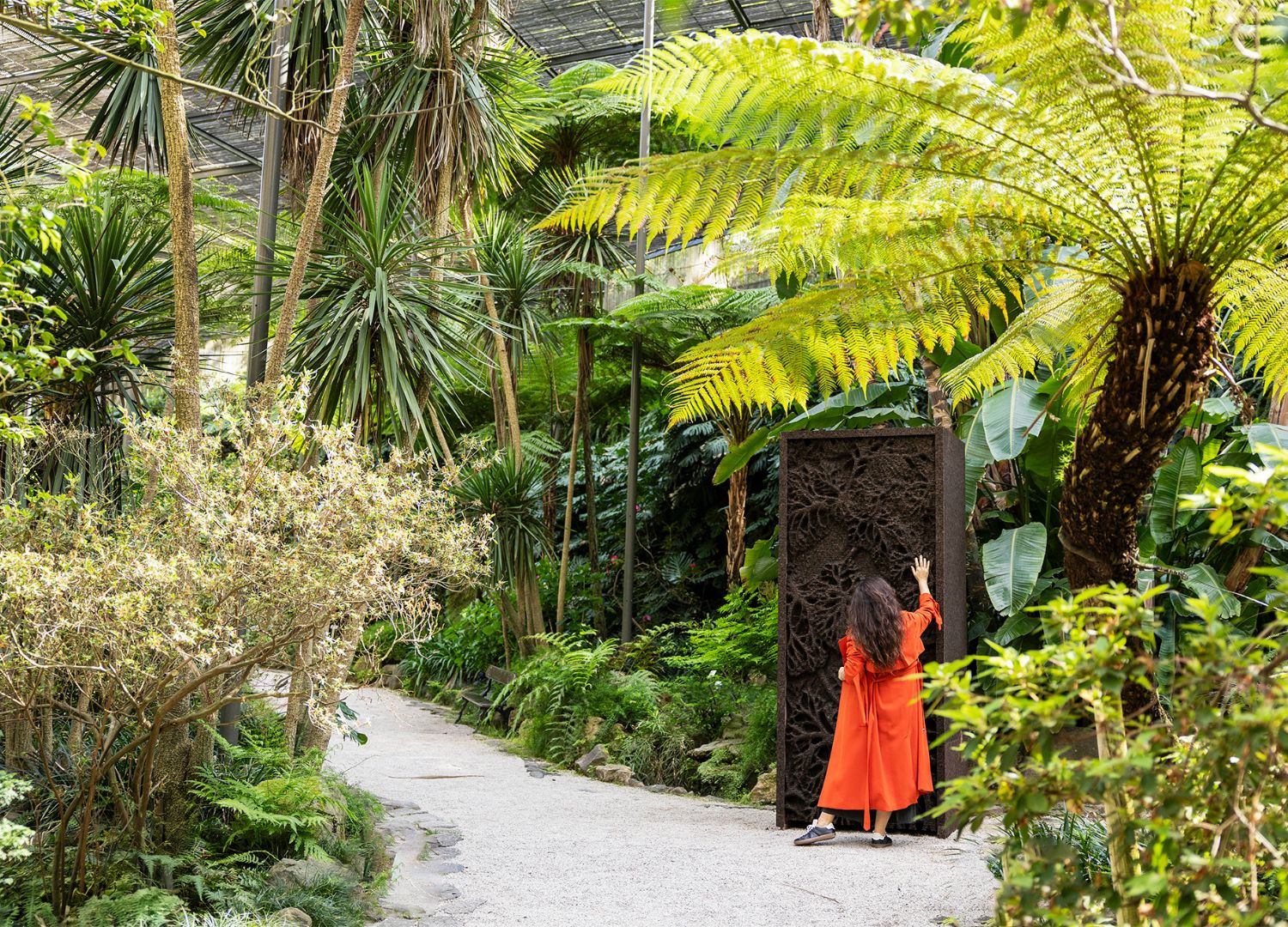
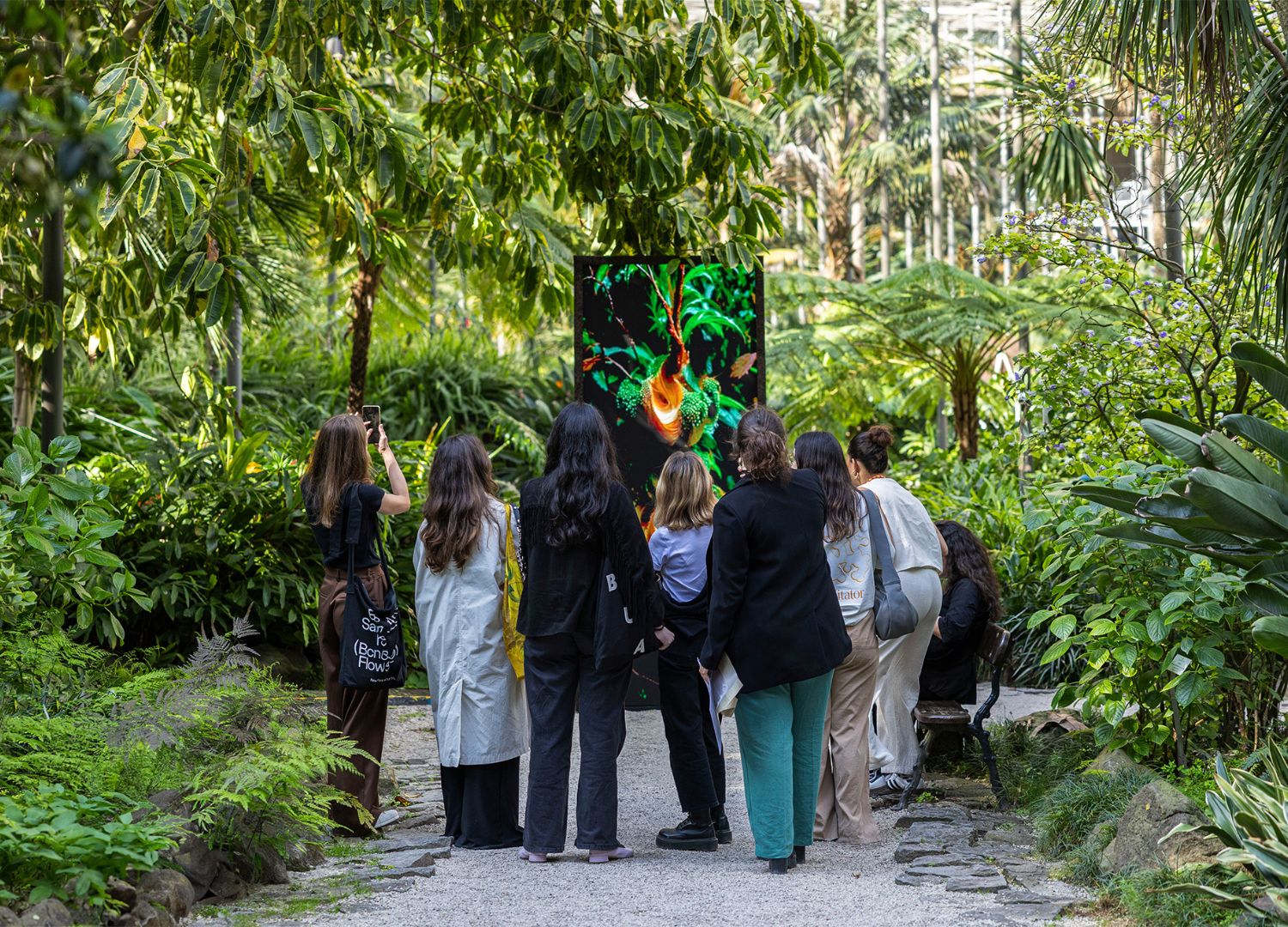
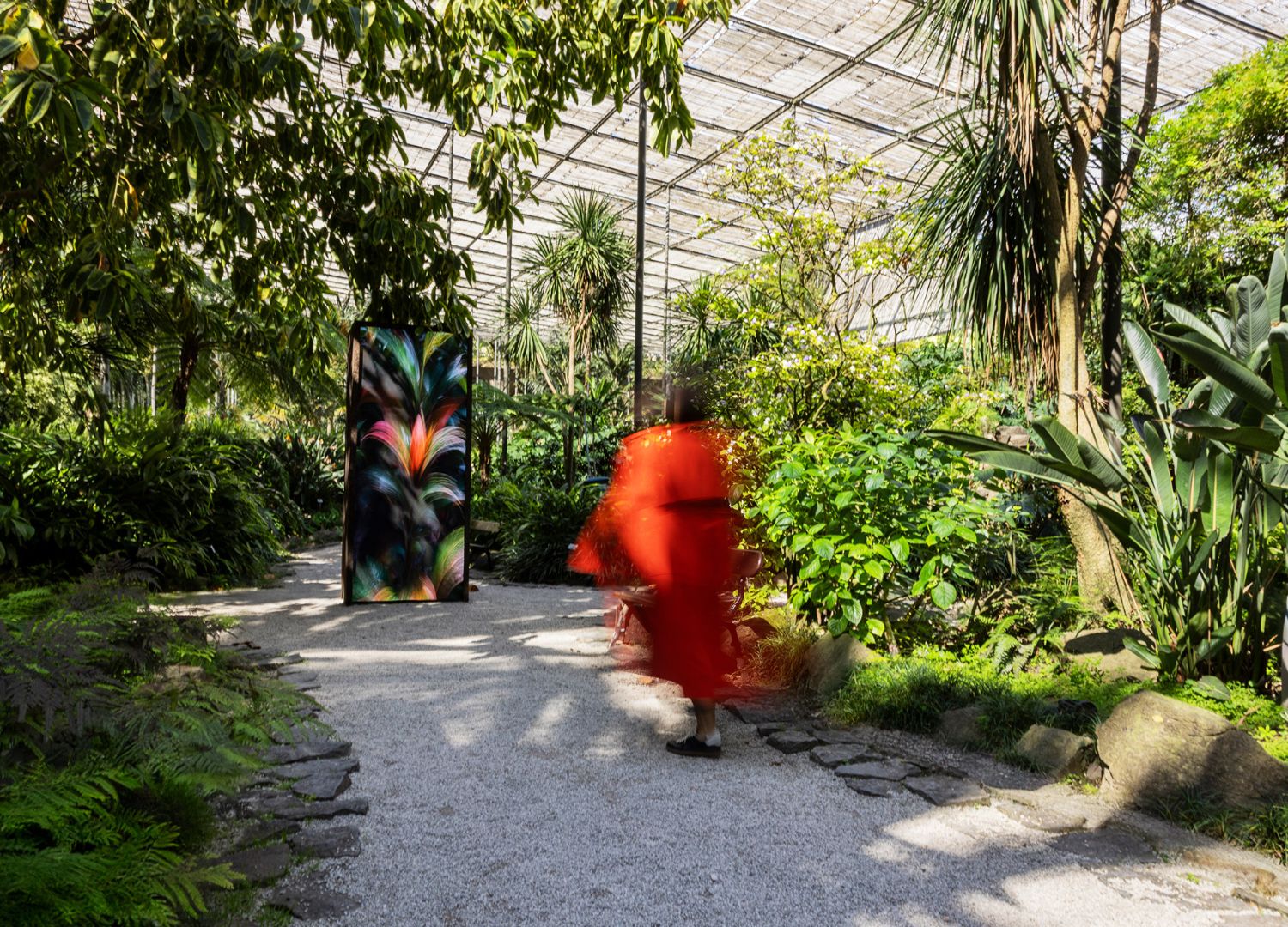
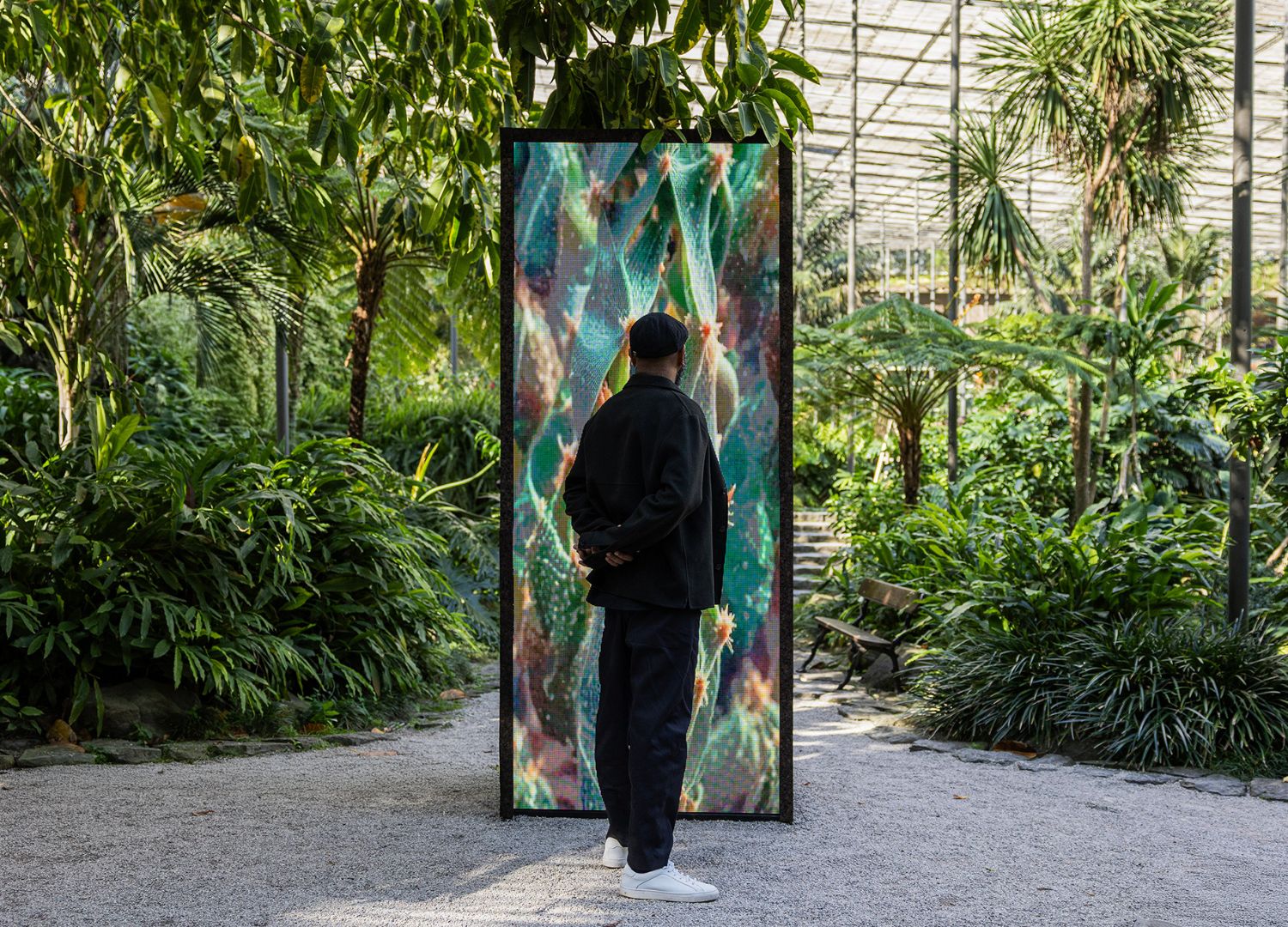
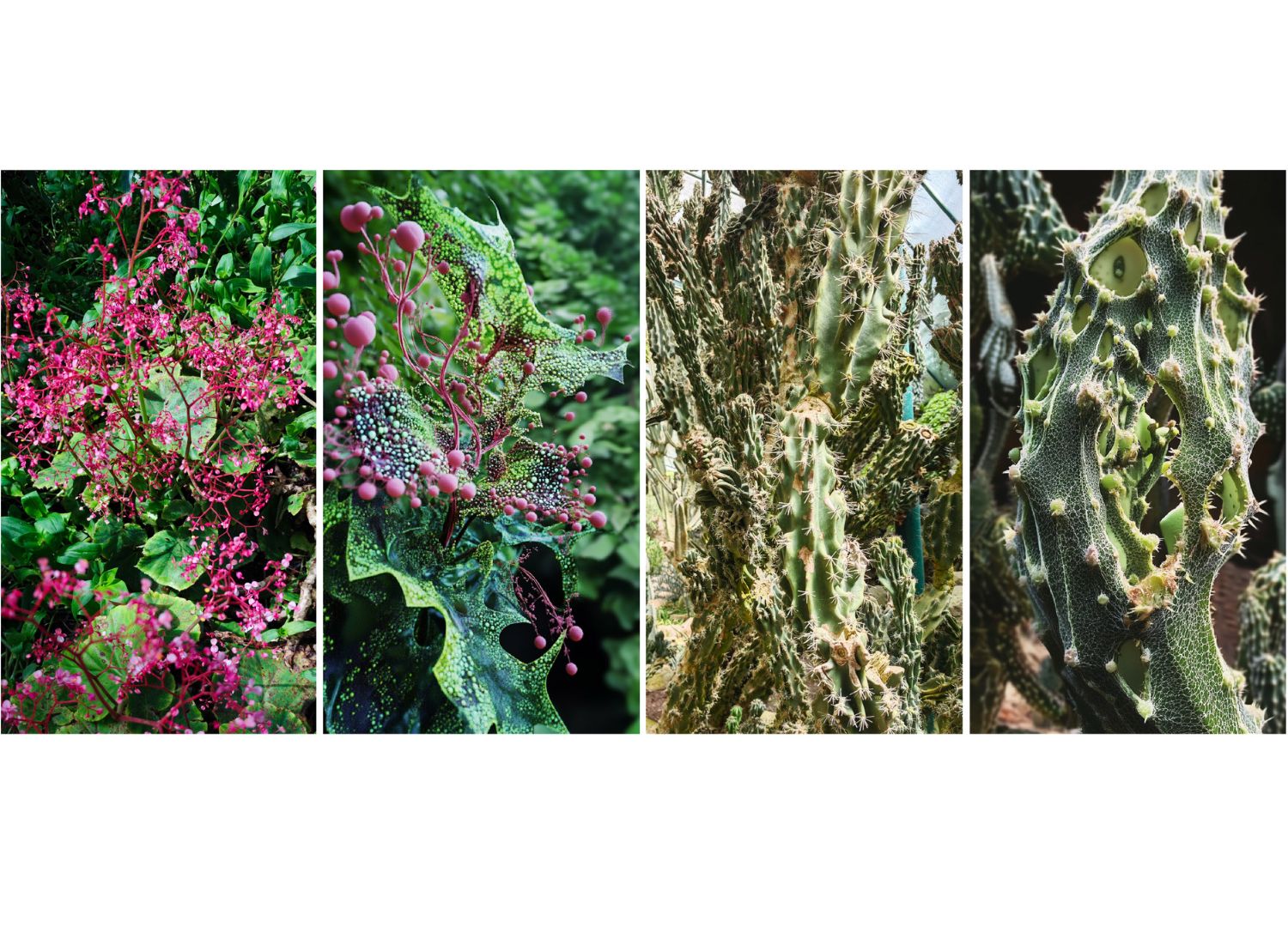
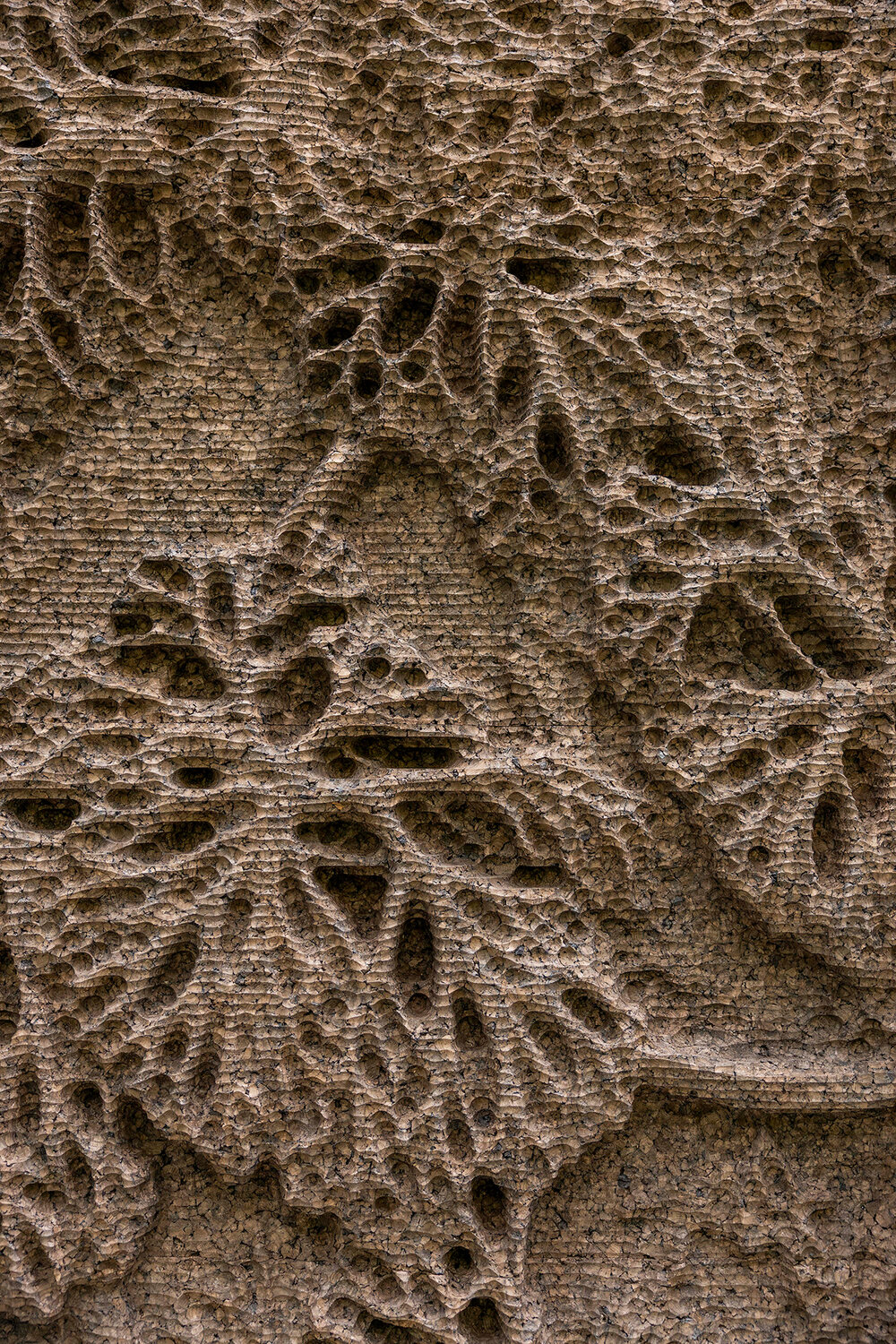
The installation was built around a deceptively simple architecture: two interconnected portals. The first was digital — an animated video screen displaying an ever-shifting carousel of AI-generated vegetation, forms morphing and adapting in response to imagined environmental pressures over time. The second was physical — a regenerative cork surface developed with Gencork, textured and raw, carrying the smell of the material itself.
Between these two portals, visitors found themselves suspended in an immersive soundscape composed by Marcus Amadeus that made the transition between digital and physical feel less like a boundary and more like a threshold. The logic was precise: the AI had been trained specifically on photographs of plant species from the greenhouse at Estufa Fria, the venue hosting Future Days that year, and had then been prompted to extrapolate — to speculate on how those species might change, adapt, or disappear across decades of climate-driven transformation.
The result wasn’t apocalyptic imagery or data visualization. It was something stranger and more affecting: a kind of botanical speculation, rendered in motion, set against the smell and grain of cork.
Pixels you can feel
Le_Brimet — who defines himself as a “(re)generative, holistic, and exploratory computational designer” and the originator of the concept of ArtCreTech, a symbiosis between art, creativity, and technology — has spent the past decade working at the intersection of physical space and digital systems. His practice is built on a specific conviction: that transforming data into sensory experience is not just aesthetically interesting, but ethically necessary.
“It’s quite easy to use pixel intelligence and make interesting things in the digital world, but it’s difficult to feel. It’s difficult to touch,” he explains. “So my idea with this installation was to make that bridge. Climate change is like a wake-up call, not only in terms of environmental issues, but much more. I’m a creative person, so it means that it’s mandatory, in my opinion, to be able to present ideas and ways of thinking. You can use art to scream at society.“
That phrase — “scream at society” — is worth sitting with. Because Data Trees Metamorphosis doesn’t scream. It whispers. And that, arguably, is what made it work. In a festival programme dense with panels, workshops, and forward-looking talks, the installation offered something different: a pause, a texture, a question you could hold in your hands.
The artist as ecosystem
Le_Brimet’s broader practice offers important context for understanding why this piece landed the way it did. A pioneer of generative and parametric design systems in Portugal, he has participated in major international design events across Milan, Paris, London, Copenhagen, Eindhoven, Stockholm, and beyond. His awards include two Red Dot Design Awards, three German Design Awards, a Green Product Award, and the Rising Talent distinction at the Stockholm Furniture and Light Fair 2019. In 2024, design magazine FRAME named him one of the “Ones to Watch” — a recognition of emerging digital creative minds shaping the field globally.
In 2024, he also formalized his thinking into ten principles of (Re)generative Computational Design — a framework rooted in critical reflection on his own practice, and oriented toward AI, robotics, 3D printing, and new sustainable materials as tools for reshaping design culture. Data Trees Metamorphosis is that framework made visible: technology not as spectacle, but as a medium for care.
The collaboration with Gencork — a company working with regenerative cork — was not incidental. Cork is a material with its own ecological story: harvested without felling the tree, it is one of the few industrial materials that is actively beneficial to the ecosystems it comes from. Placing it alongside an AI imagining the future of plants created a quiet but pointed dialogue between what regenerative practice already exists and what we risk losing if we don’t expand it.
The right audience, at the right moment
Festivals are unpredictable environments for art. Pieces can get lost in the noise of programming, or find themselves stranded between the wrong talks and the wrong crowd. Data Trees Metamorphosis found its audience. People stopped — between panels, between workshops — to interact with it, drawn by the textural contrast of the cork surface and the hypnotic quality of the screen.
“I think of people as an essential part of my installations,” le_Brimet reflects. “Future Days curates an ecosystem that approaches the future as an active, lived practice in the present, so it felt like a perfect opportunity to share my ideas with the audience.”
That alignment between work and context is what elevated this from installation to conversation. Data Trees Metamorphosis asked its visitors to consider not just what the future might look like, but what it might feel like — and what it might smell like, if we’re paying attention. In a moment when the design world is reckoning seriously with its relationship to ecological systems, that’s a question worth asking. Repeatedly, and in as many forms as possible.