DESIGNART TOKYO 2025: Pursuing instinctive beauty in a transformative era
Tokyo’s leading design and art festival returns from October 31 to November 9, 2025, gathering global creators under the theme “Brave – Pursuit of Instinctive Beauty”, celebrating design as an instinctive and emotional response to a changing world.

From October 31 to November 9, 2025, Tokyo will once again become a stage for one of Japan’s largest design and art festivals — DESIGNART TOKYO. This year’s edition gathers artists, designers, and architects under the theme “Brave – Pursuit of Instinctive Beauty”, inviting visitors to rediscover sensitivity and intuition in the creative process amid an age of rapid transformation.
At a time when technology often dictates the pace and direction of creativity, the showcase offers a counterpoint — a return to design guided by instinct, curiosity, and empathy. The festival frames creation not as a process of optimization, but as an open exploration of material and emotional intelligence, celebrating the imperfect, the intuitive, and the human. Situated at the intersection of design, art, and architecture, the event continues to redefine Tokyo’s creative landscape. Each edition forms a collective narrative that connects craftsmanship and digital experimentation, spatial practice and cultural exchange — showing how ideas evolve as they move between disciplines, places, and people.
Gallery
Open full width


Open full width
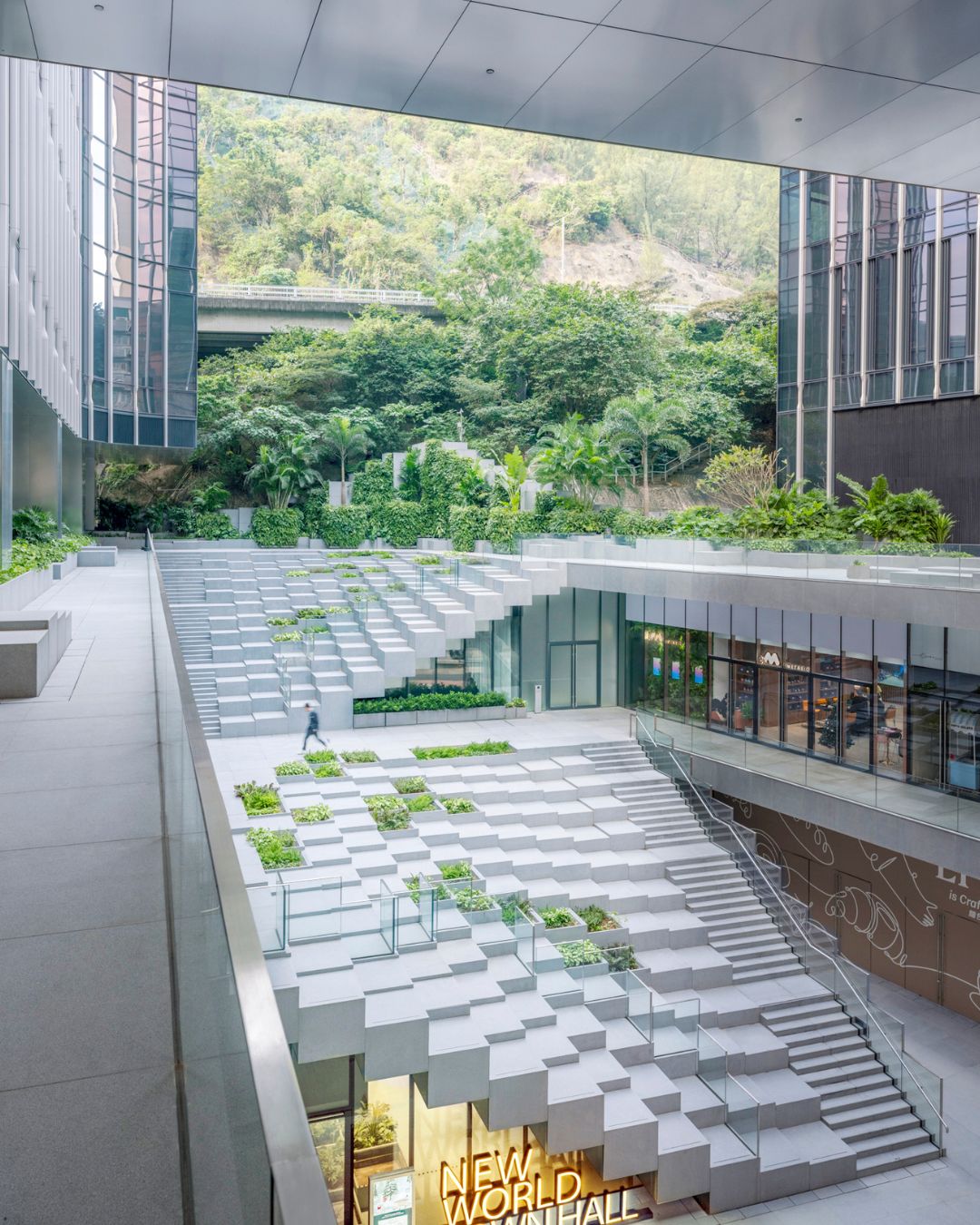
At the heart of the festival is DESIGNART GALLERY, a group exhibition hosted for the first time at MEDIA DEPARTMENT TOKYO, a new venue in the bustling district of Shibuya. Spanning three floors and over 1,100 square meters, the exhibition space will be designed by COLLECTIVE, a Hong Kong–based architectural practice known for its critical and multi-perspective approach to spatial design. Founded by Betty Ng, Chi Yan Chan, and Juan Minguez, COLLECTIVE has established itself through projects that transcend conventional typologies — from the acclaimed “Things, Spaces, Interactions” exhibition at Hong Kong’s M+ Museum to architectural works recognized at MIPIM Asia. Their installation for DESIGNART TOKYO marks the studio’s first major project in Japan, shaping an immersive environment where design becomes both reflection and experience.
Among the international highlights, Ujin Lin’s “Tokyo Nymphs” offers a poetic synthesis of the physical and digital. The Taipei- and London-based multidisciplinary designer presents sculptural beings born from discarded materials and transformed through 3D modeling and generative AI. The work blurs the boundaries between the handmade and the virtual, embodying the tension of transformation and the search for identity in a changing world.
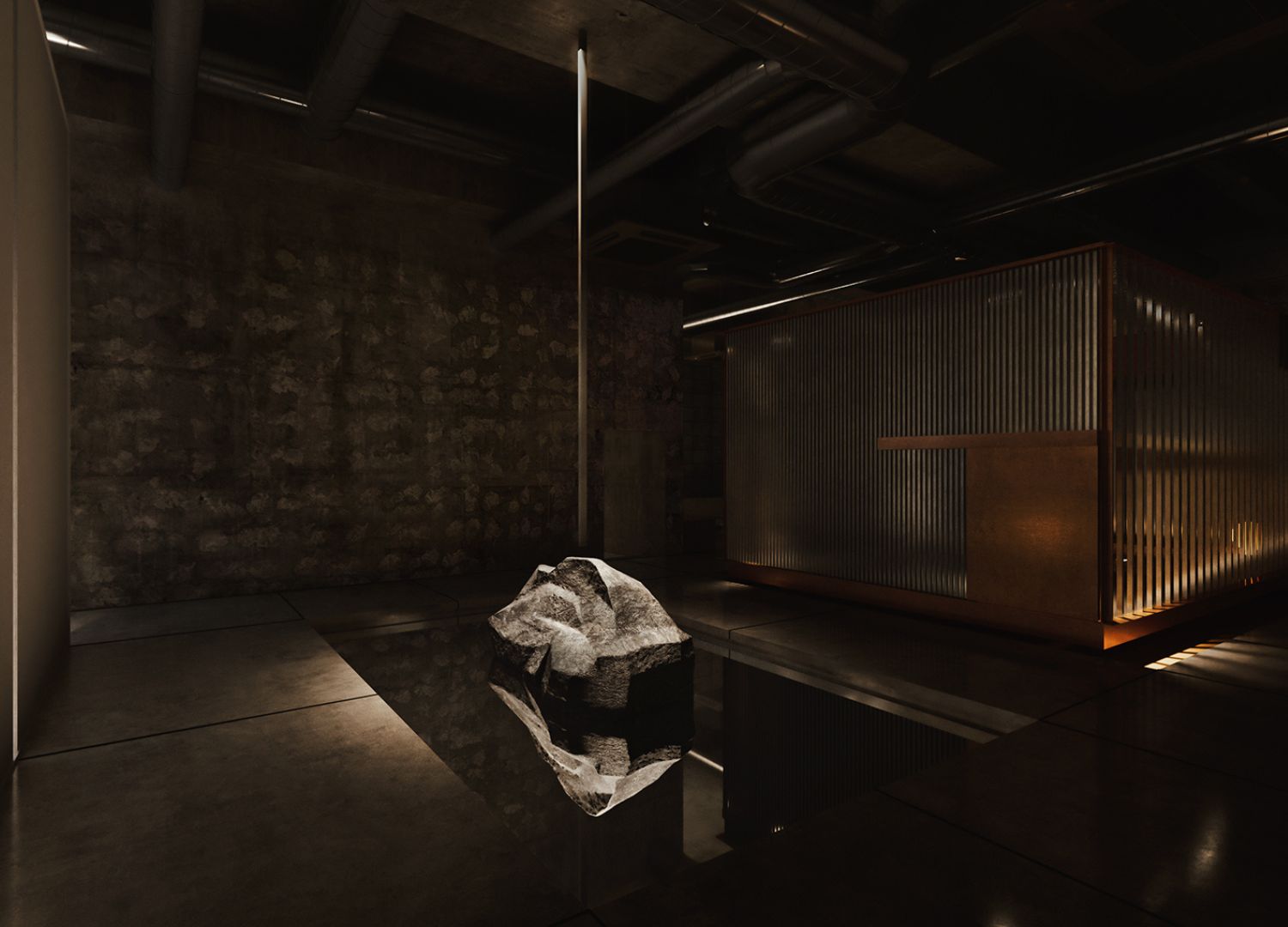
ùJapanese design studio we+ collaborates with Heiwa Gokin, a historic foundry from Toyama Prefecture, for the series “Unseen Objects”. The project reinterprets the overlooked beauty of the casting process, elevating industrial artifacts into contemporary art. It continues the studio’s research-driven approach to material and form.

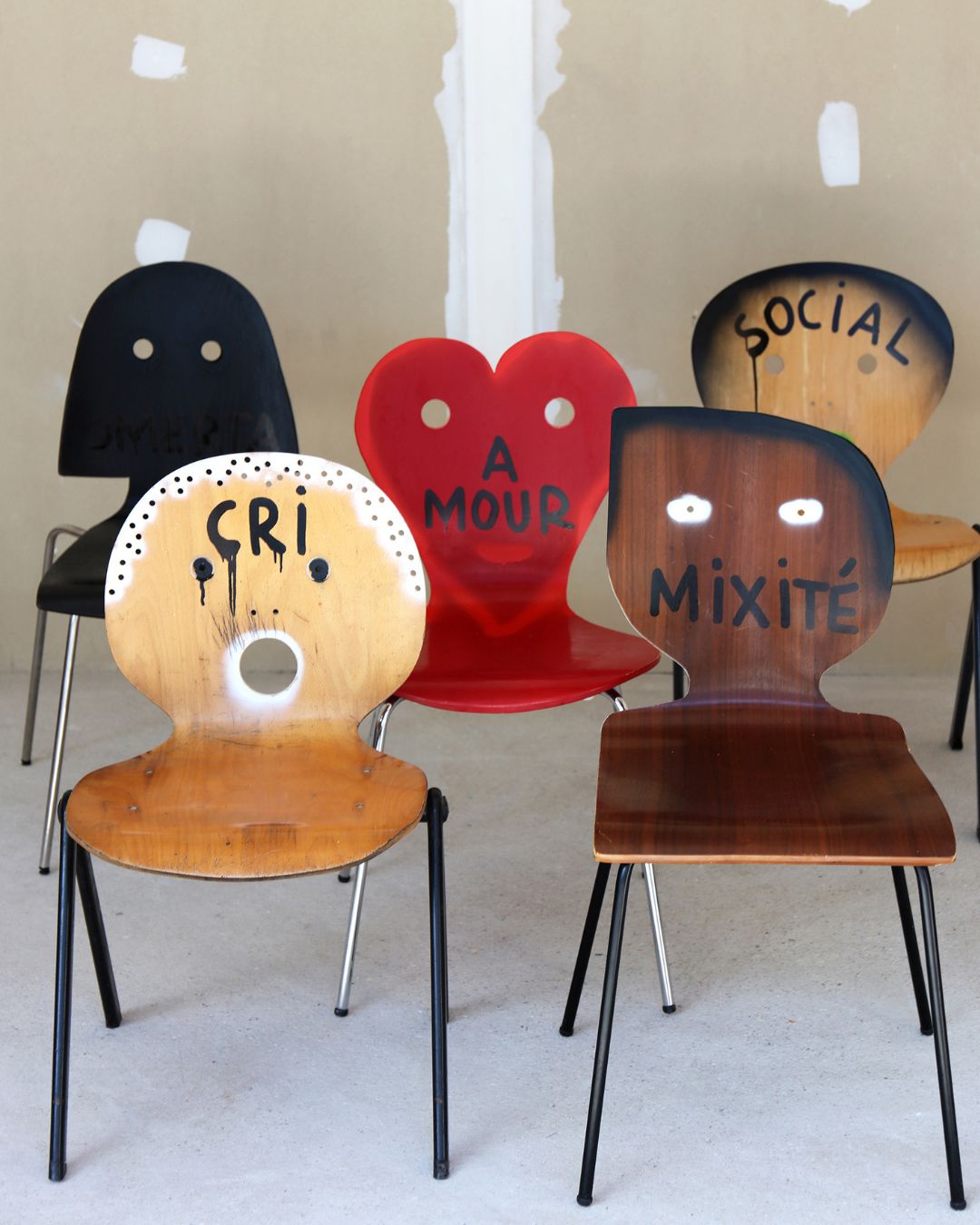
The French Design Focus, supported by the Institut Français, brings together several designers whose works reflect the diversity and vitality of France’s contemporary scene. Highlights include Mathilde Bretillot’s “Symphony of Materials”, which celebrates the sensory power of matter; Gala Espel’s “Semis”, delicate origami pieces that bloom into plants; and Studio 5.5’s “577chaises”, a monumental installation made of reused chairs as a reflection on democracy and collective identity.
Further expanding the dialogue between craft and experimentation, Natsumi Komoto’s “Kizashi – From Error to Mirror” transforms production offcuts into new sculptural forms, embracing imperfection as a site of discovery. Exhibited at sync public in Minami-Aoyama, the work underscores the emotional and tactile dimensions of making — where error becomes material insight. Meanwhile, “Jikou no Ma | SEN-AN” by GRANDIR and collaborators reconstructs the Japanese tea room within a contemporary context. Through spatial experimentation and philosophical reflection, the installation revisits notions of time, space, and relationship as foundations of sustainability in design.
Across its 10-day program, DESIGNART TOKYO 2025 will activate multiple districts — Omotesando, Gaienmae, Harajuku, Shibuya, Roppongi, and Ginza — transforming the city into a network of creative encounters. Each neighborhood becomes a different chapter in a collective narrative, where galleries, concept stores, hotels, and public spaces serve as stages for dialogue between disciplines and cultures.
Beyond the exhibitions and installations, the festival cultivates moments of exchange — between emerging voices and established names, local craftsmanship and global experimentation. It is in this fluid landscape that Tokyo reveals its layered creative identity: a city that continuously reinvents itself through openness, curiosity, and collaboration.