Reading the city through design: EDIT Napoli CULT Program 2025
With its open call for designers running until the end of July (better hurry!), the seventh edition of EDIT Napoli turns its CULT program into a journey through the city’s soul, where three iconic venues become stages for design, memory, and imagination.

The seventh, exciting edition of EDIT Napoli – set to take place at La Santissima, a striking new venue overlooking the Gulf of Naples – reaffirms its cultural vocation with the return of the classic CULT program. This year’s edition features a fresh selection of names whose practices are rooted in tradition, Made in Italy, and the histories of design and craftsmanship. Historic brands, globally recognized designers and architects, and a new constellation of venues will define the most research-driven section of the Neapolitan fair.
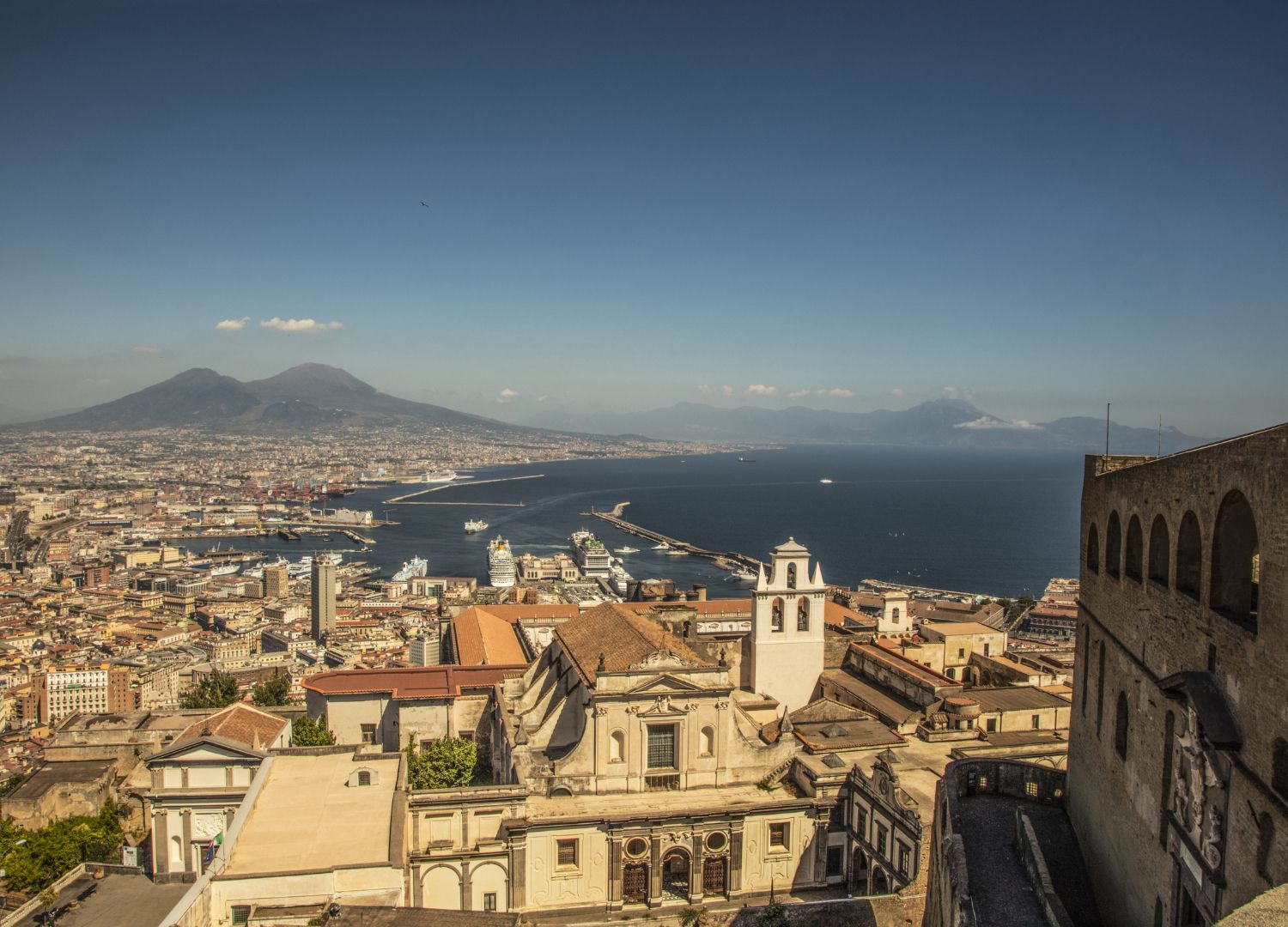
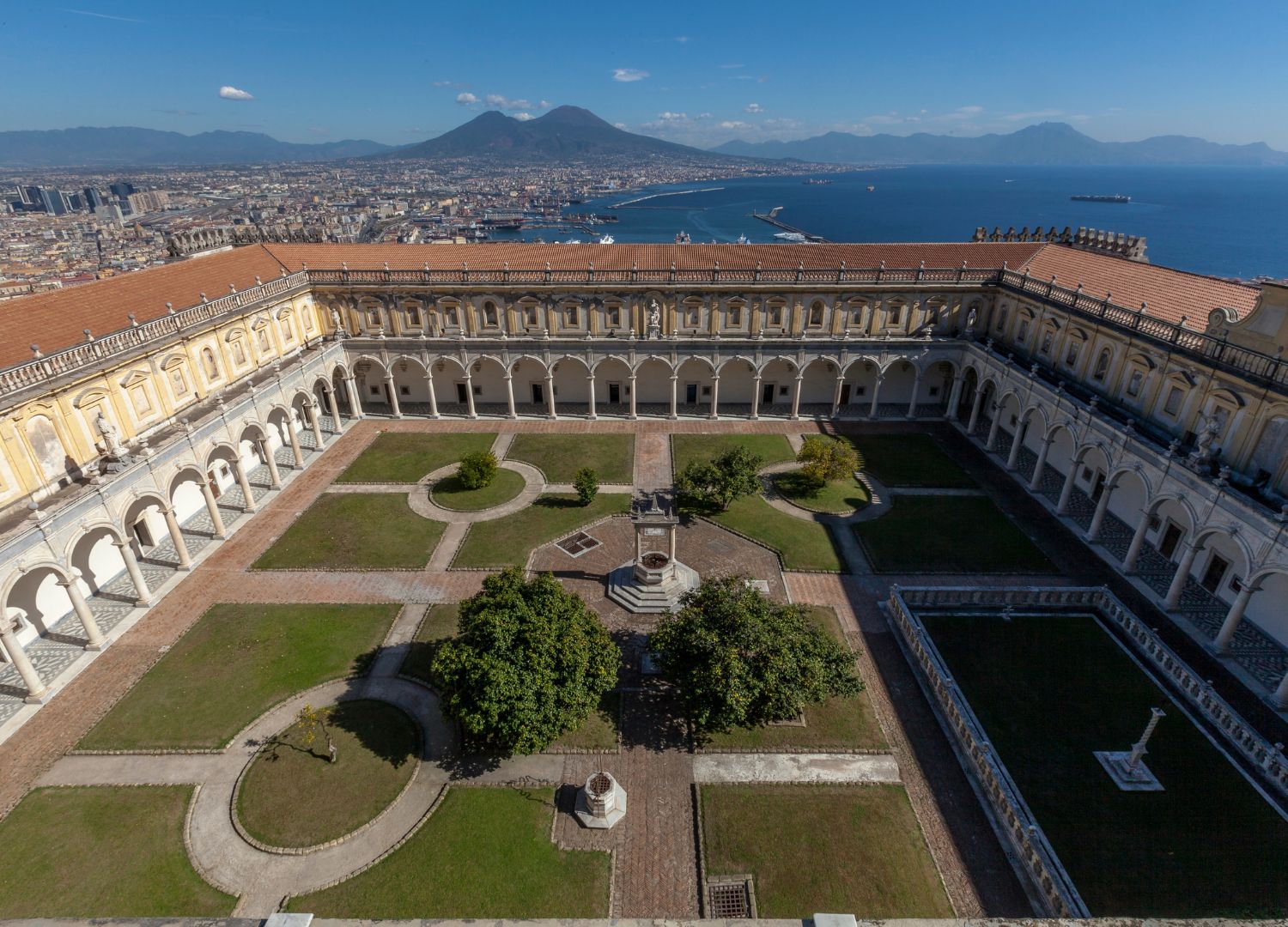
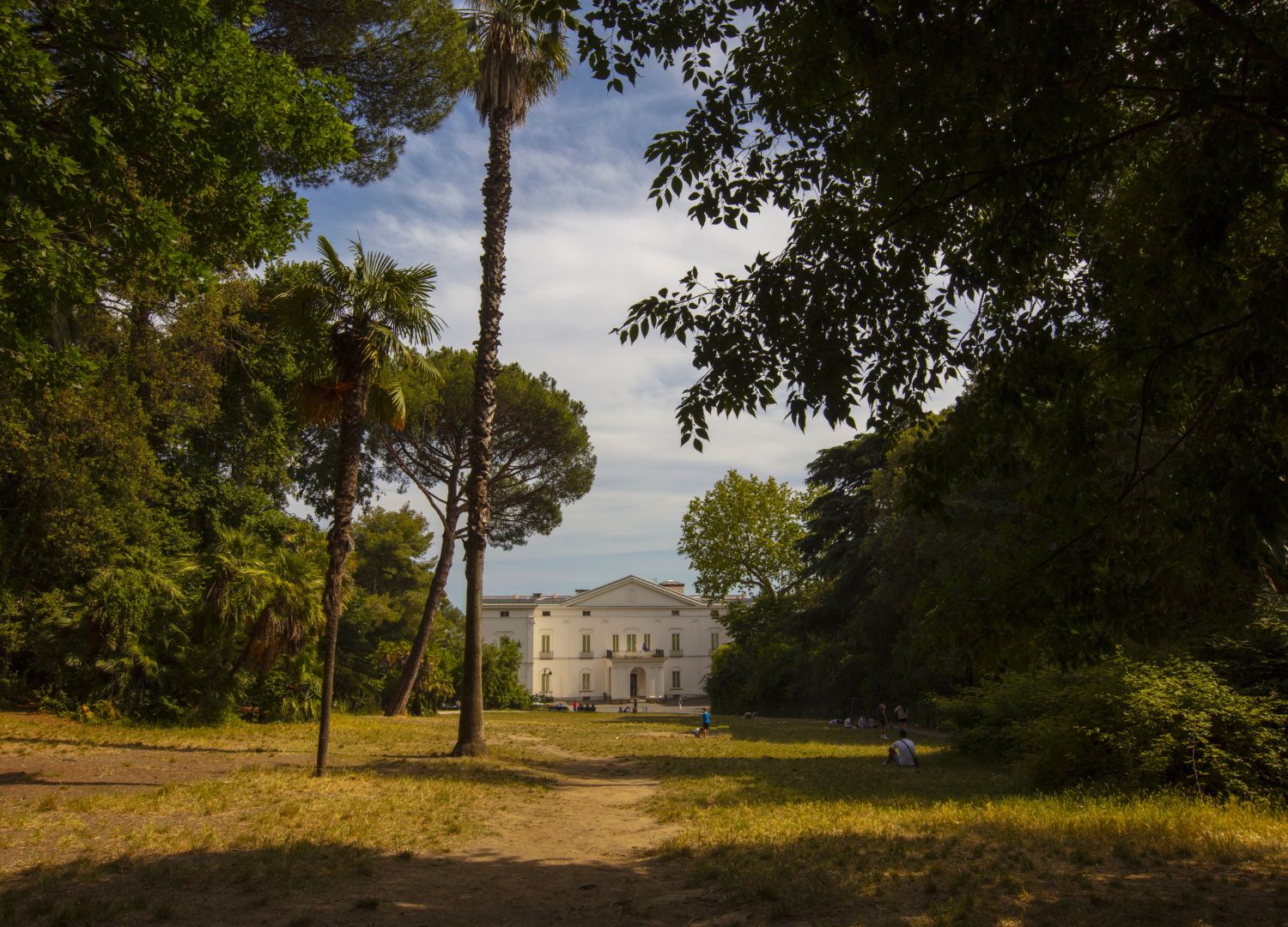
A map that opens the city up: the National Museums of Vomero at the top of the hill open up their doors, inviting us to the extraordinary Castel Sant’Elmo, the monumental Certosa di San Martino, and the more intimate Villa Floridiana. The locations chosen this year trace the path of a city that has recently reawakened – riding a wave of energy, visibility, and renewal – and seems poised to reach even greater cultural prominence.
Gallery
Open full width

Open full width
“These three venues will once again create a dynamic dialogue between container and content, a living exchange between exhibitions and the spaces that host them, generating unexpected links between past and present, local and global” says Domitilla Dardi, curator and co-founder of EDIT Napoli. “The CULT projects this year will invite visitors to move, to climb, to look from above, and to participate“.
The CULT program isn’t just an exhibition trail – it’s a journey through layered histories, where design becomes a lens to read the city, its architecture, and its spirit. Set across the spaces of the National Museums in Vomero, the program invites visitors to experience Naples not as a backdrop, but as an active part of the story.
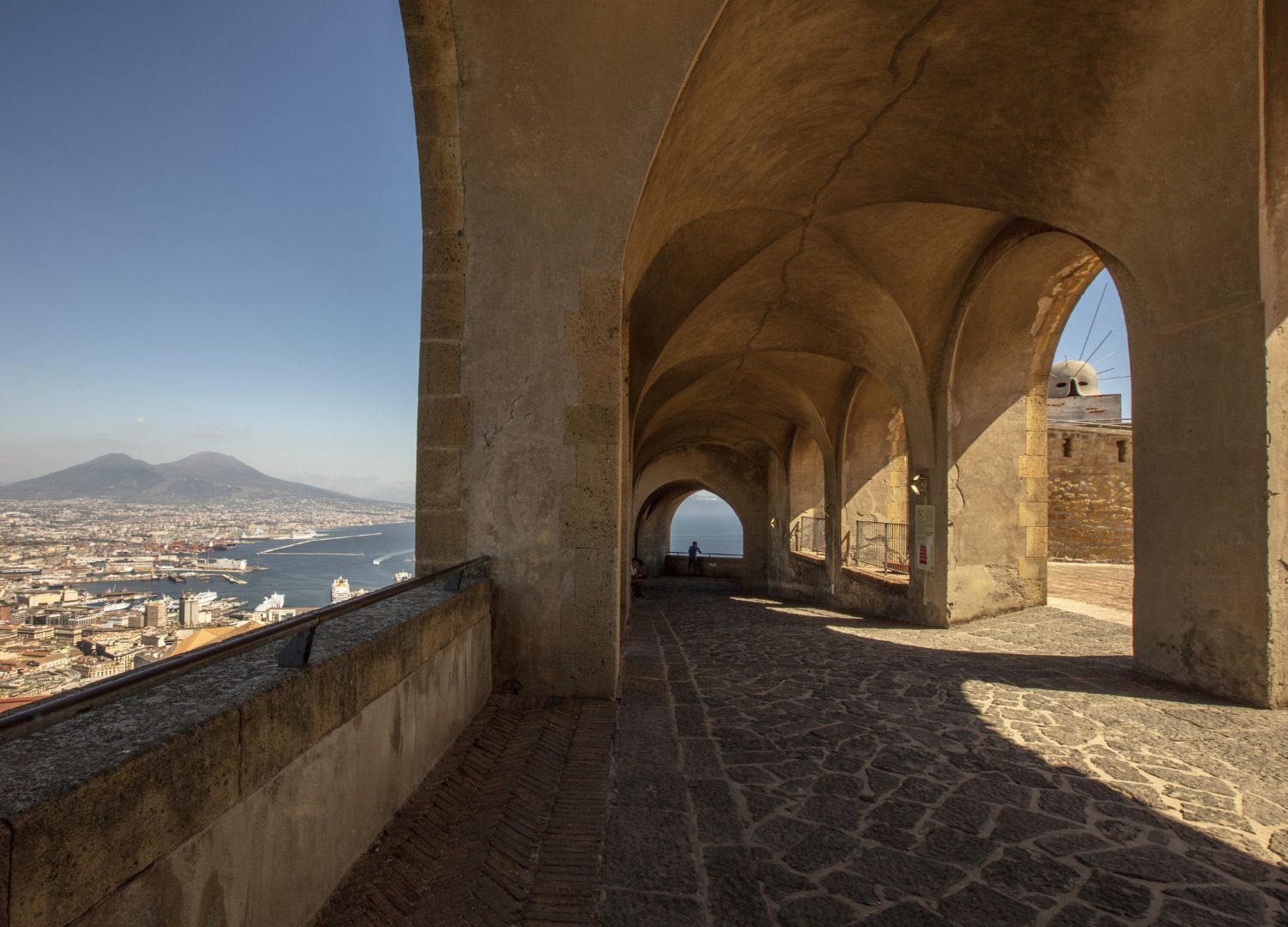
At Castel Sant’Elmo, the city unfolds from above – a breathtaking view framed by the fortress’s star-shaped geometry, both protective and theatrical. Inside, contemporary installations are staged against centuries-old stone, creating contrasts that feel both tense and strangely natural. Just below, the Certosa di San Martino opens onto a different kind of time. A baroque complex of cloisters, chapels, and terraces, it hosts the National Museum of San Martino, a place where Naples’ collective memory is preserved not through nostalgia, but through layers of painting, sculpture, and urban fragments that trace the city’s shifting identity. Then there’s Villa Floridiana, tucked inside one of Vomero’s quietest parks – more hidden, almost suspended. Home to the National Museum of Ceramics Duca di Martina, the villa holds a vast and unexpected collection, bridging East and West, utility and ornament. The surrounding garden, part botanical curiosity, part theatrical promenade, adds another layer of eclecticism to the encounter.

“We want the EDIT community to explore and experience the historic sites that led to Naples being recognized as a UNESCO World Heritage Site from new vantage points” says Emilia Petruccelli, founder and general manager of EDIT Napoli. “This year is particularly significant: the city celebrates 2,500 years of history, a historic fourth Scudetto, and prepares to host the America’s Cup in 2027, an event expected to attract over 1.5 million visitors and boost demand in the hospitality and retail sectors“.
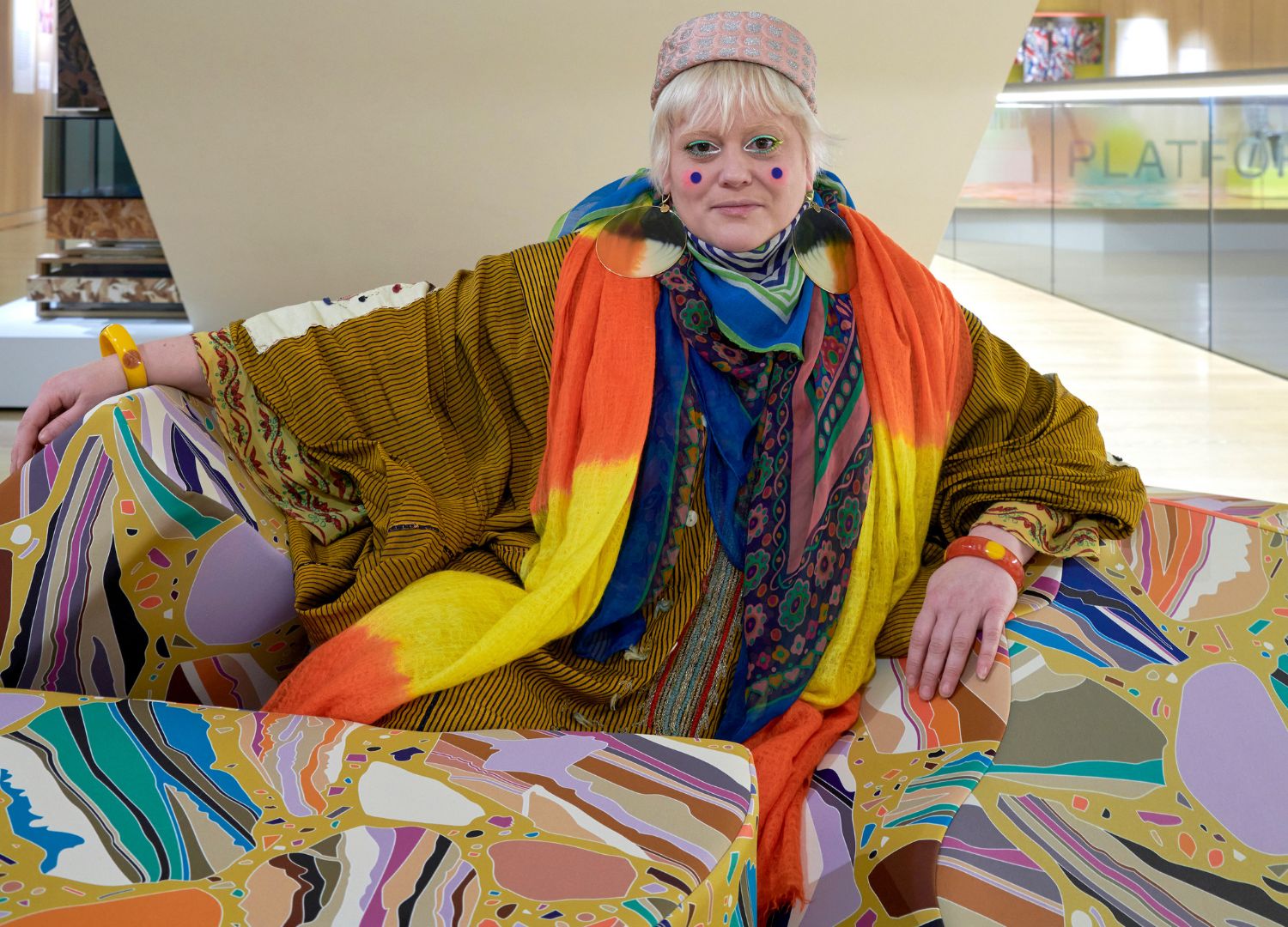
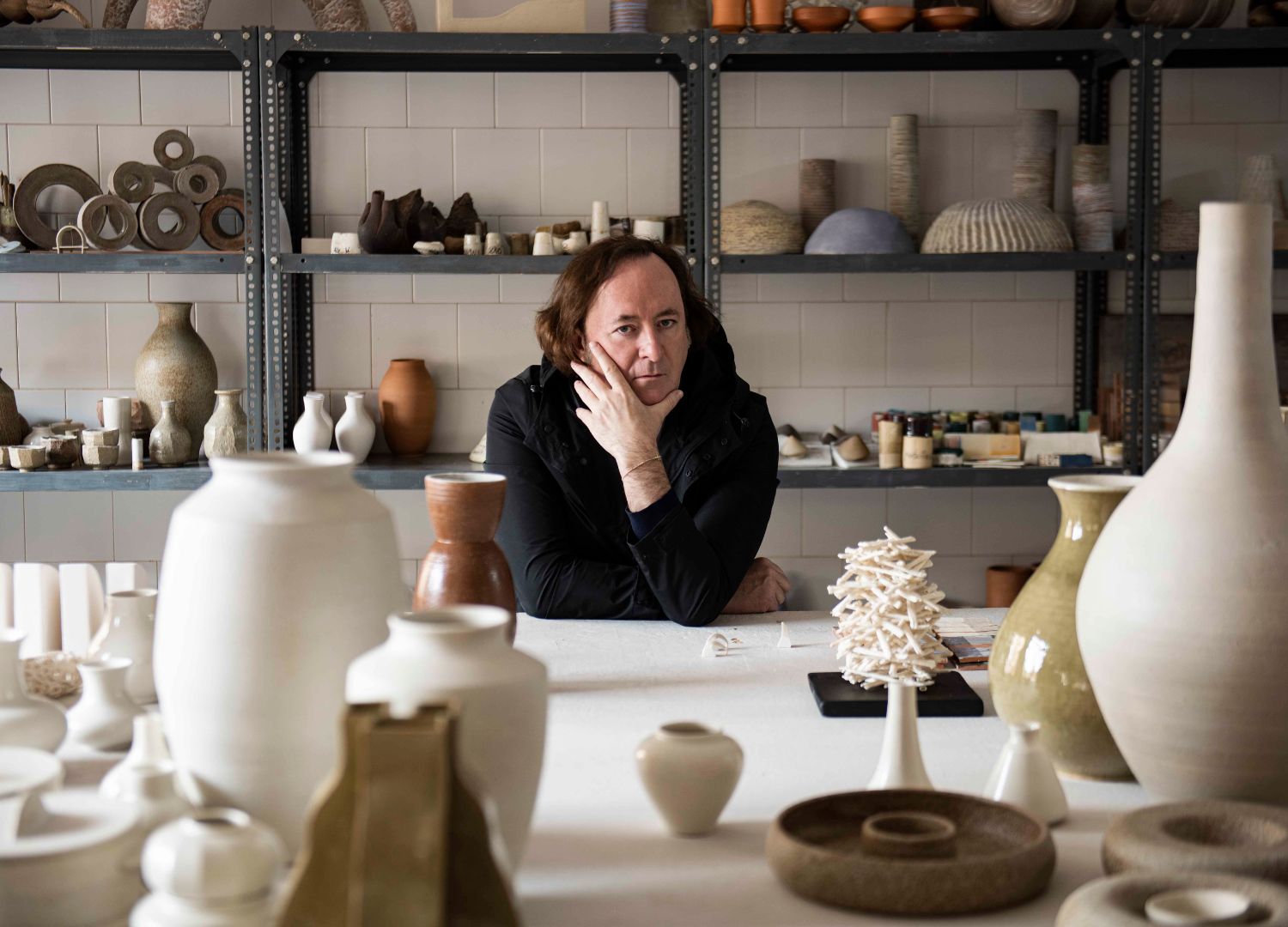
The 2025 edition shapes up as a dialogue between past and future, where memory and experimentation meet in unexpected ways. It’s more a conversation between generations, materials, and methods than a showcase of names and practices. Alvaro Catalán de Ocón is at the center of a retrospective that traces his poetry and his explorations of craft and context. At the opposite end of the spectrum, Azucena – the historic Milanese brand founded in 1947 and now part of the Flos B&B Italia Group – presents a contemporary, unconventional intervention that suggests the label still has more to say. And Bethan Laura Wood brings her maximalist, hyper-colorful energy to Poltronova, another Italian icon long suspended between utopia and pop-culture.
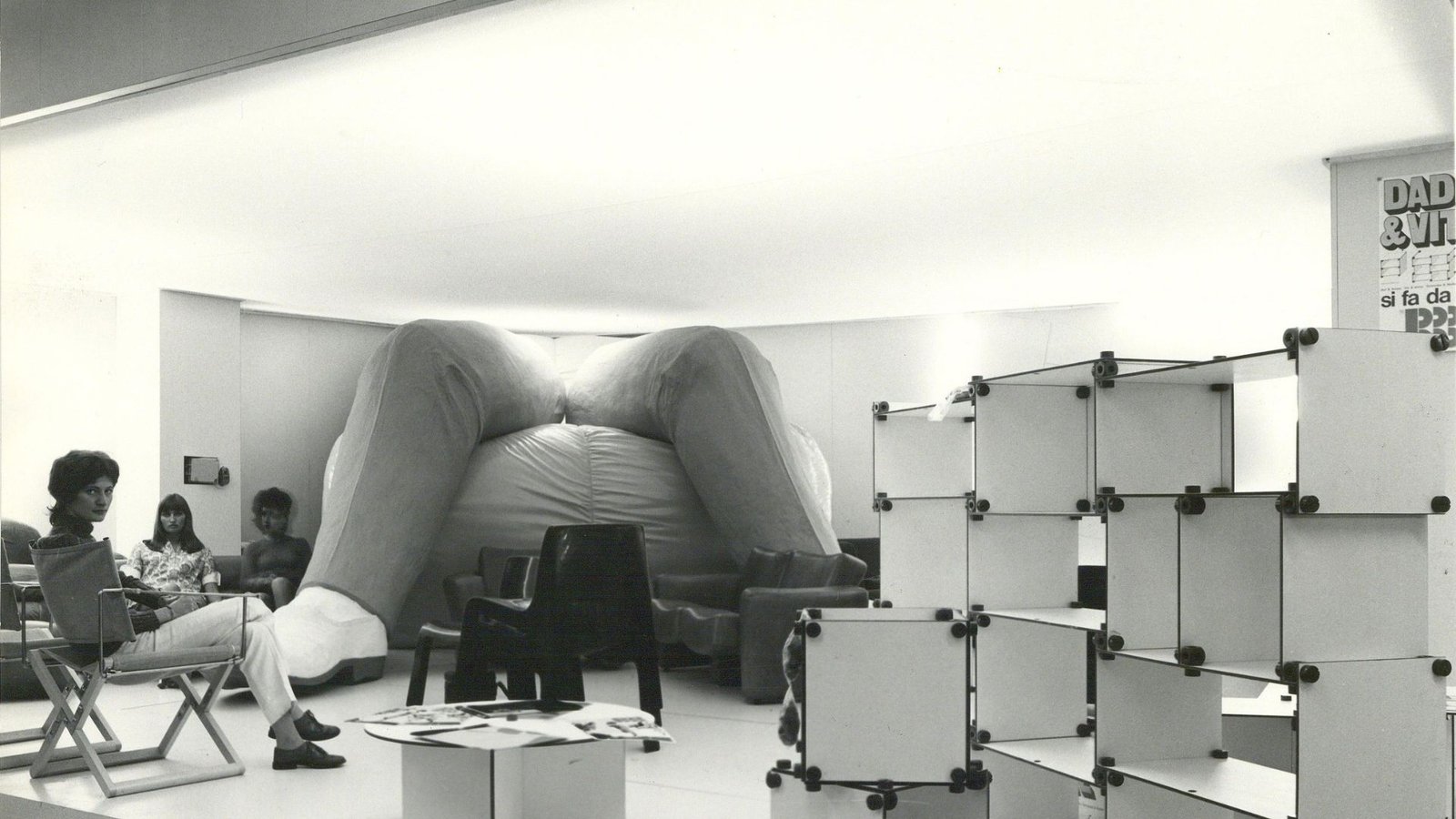
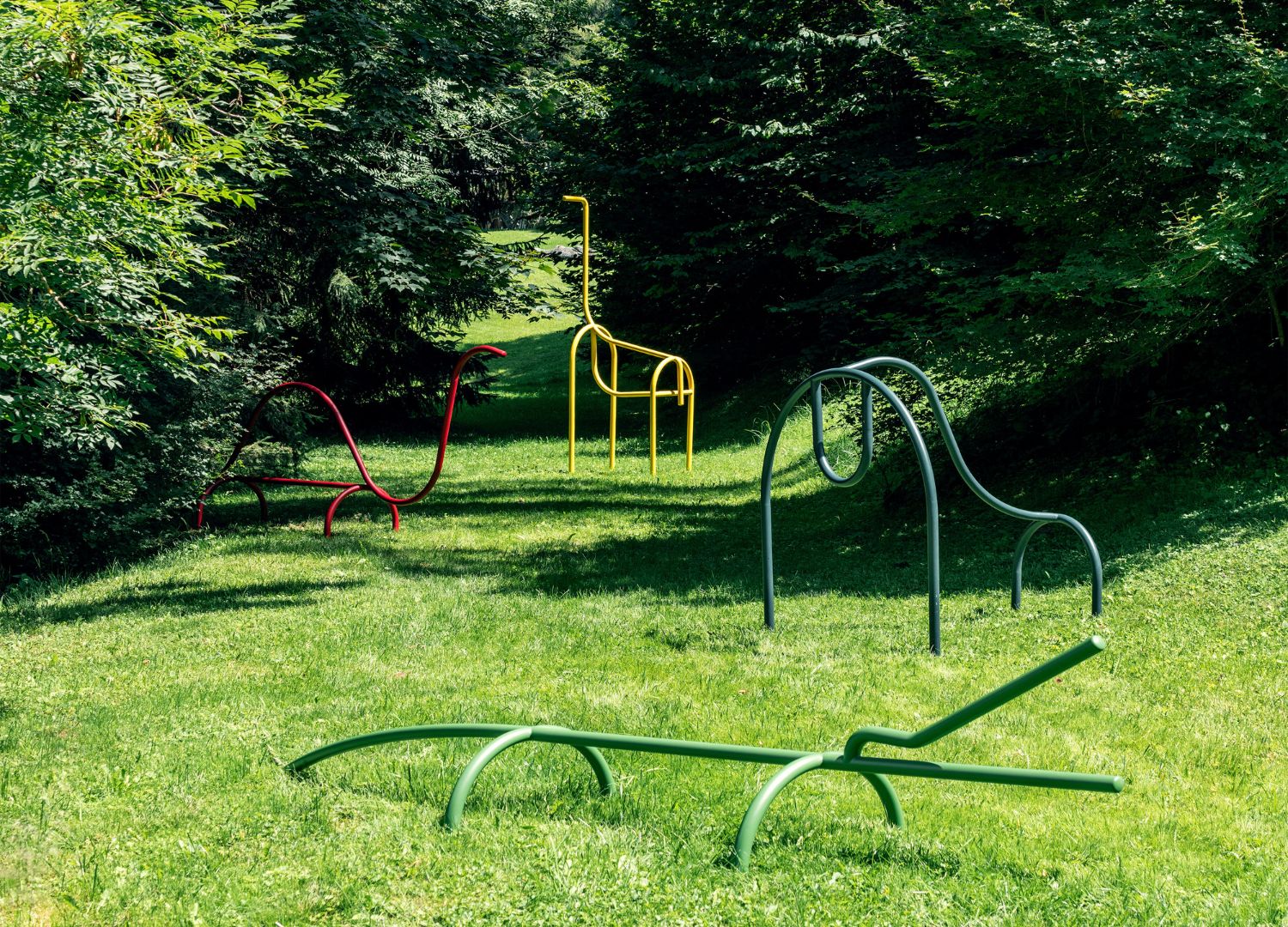
Emerging narratives take shape too. Luca Boscardin’s surreal creatures – produced by Magis – that feel like urban totems from an imaginary future will populate the venues, while Marta Sala Éditions will continue her refined research into typologies, staging a dialogue between classical proportions and contemporary volume. The idea of modularity will reappear in Elena Salmistraro’s reworking of Paolo Scoglio’s living unit for Officine Tamborrino.
In a cross-cultural gesture, Mexican architect Diego Rivero Borrell (Tanat Studio) will collaborate with Ranieri – the Campanian company known for turning volcanic rock into architectural detail – merging ancestral material with his radical geometry. Spanish designer Tomàs Alía will also enter the frame with a project yet to be unveiled, expected to push his signature interplay of craft and exuberance even further.
New names join the fair this year, including Fornace Brioni, Made of Matter, and Studio Bojola, alongside a selection of Spanish designers and studios invited through the third edition of España Diseño Mediterráneo, the open call launched in collaboration with the Instituto Cervantes of Naples. Among the first confirmed participants: Atelier Nuanda and Bianco67 with Parasite, winners of last year’s edition, as well as returning projects like ARTIERI 1895, BLOK Design by Carina x Panguaneta, Eleit.it, and Incalmi.
This edition, as always, doesn’t follow a single aesthetic direction, which is a true peculiarity of EDIT Napoli – and that’s the point. It celebrates friction, collision, and dialogue, where design becomes a form of storytelling more than a fixed language. And the CULT program is more than an exposition of great names and their approach to the design discipline: it’s an event able to draw an emotional map of the city, where each venue offers its own rhythm, light, and atmosphere. EDIT Napoli offers us not a postcard of Naples, but a complex, shifting, alive, layered perspective of the city.
Applications are still open – here’s how to apply.
About the author

Ludovica Proietti, journalist, design historian and curator, teaches in universities and curates events, always exploring projects with fresh, unconventional perspectives.
Instagram