IKEA brings its Democratic Design to the table at Milan Design Week 2026
From everyday rituals to shared moments, food becomes a lens to interpret domestic life. At Milan Design Week 2026, IKEA explores how we cook, eat, and connect through Food for Thought, while offering a first glimpse of the tenth IKEA PS collection.
“No one buys furniture on an empty stomach”: this was one of Ingvar Kamprad’s guiding mantras, the visionary founder of IKEA. Decades later, that intuition takes center stage once again. From April 21 to 26, 2026, the Swedish brand returns to Milan Design Week with Food for Thought, a space where design and food meet in an unexpected and playful way. After four successful years in the Tortona district, IKEA opens a new chapter in Porta Venezia, one of Milan’s most creative neighborhoods. The installation – set up at Spazio Maiocchi, Via Achille Maiocchi 7 – unfolds across five immersive environments that explore how evolving food and social rituals shape domestic spaces across different cultures.
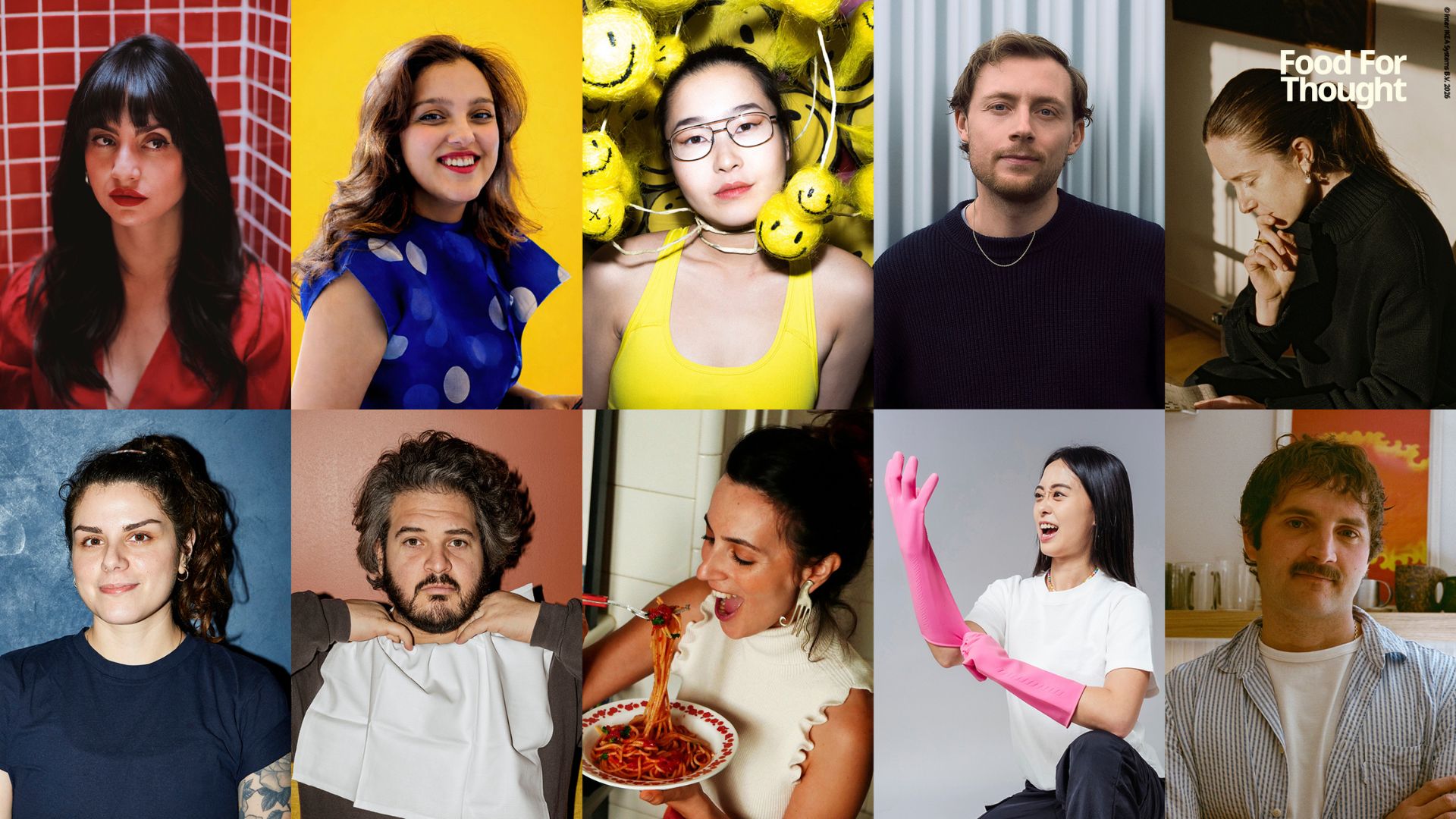
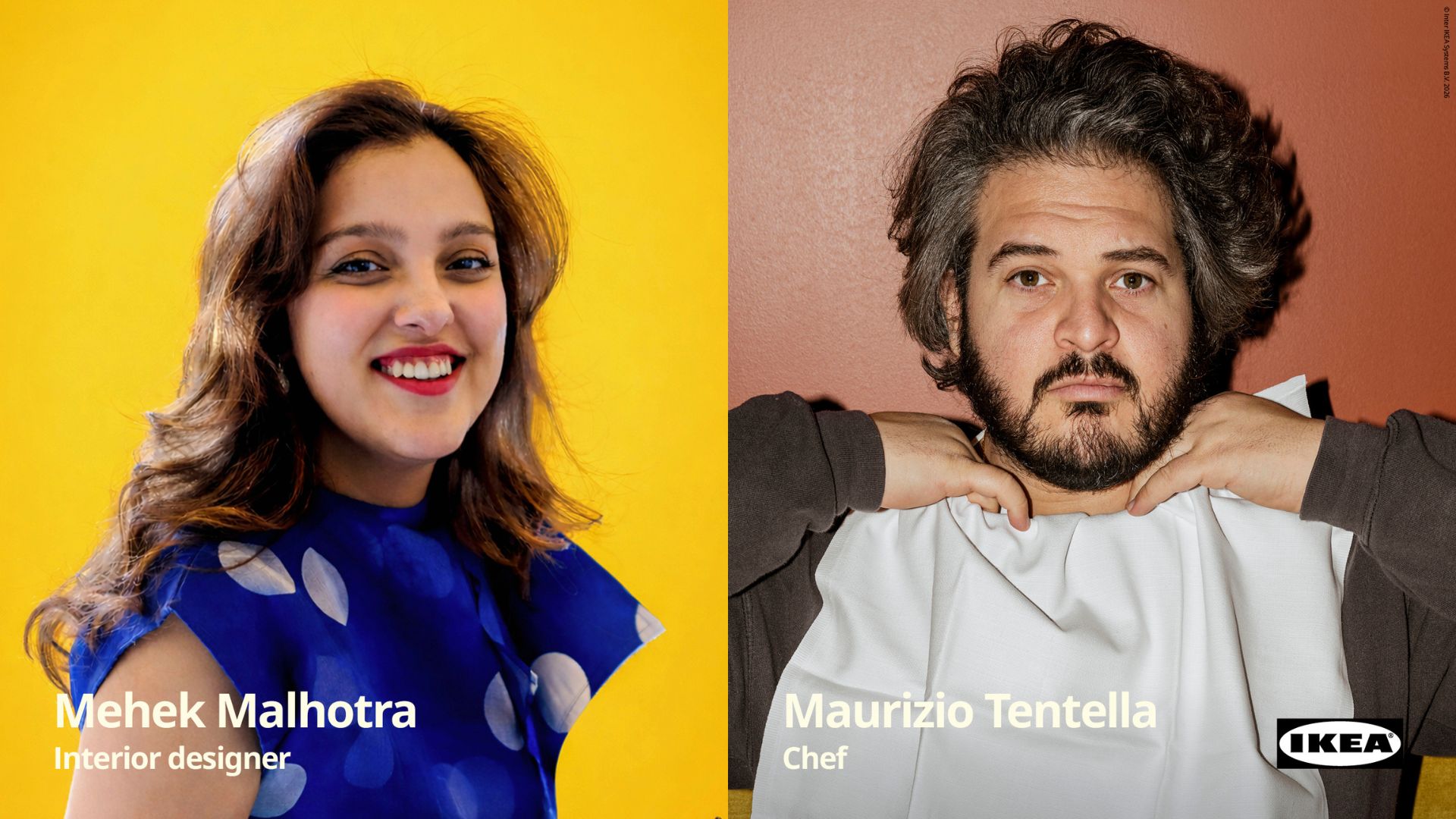
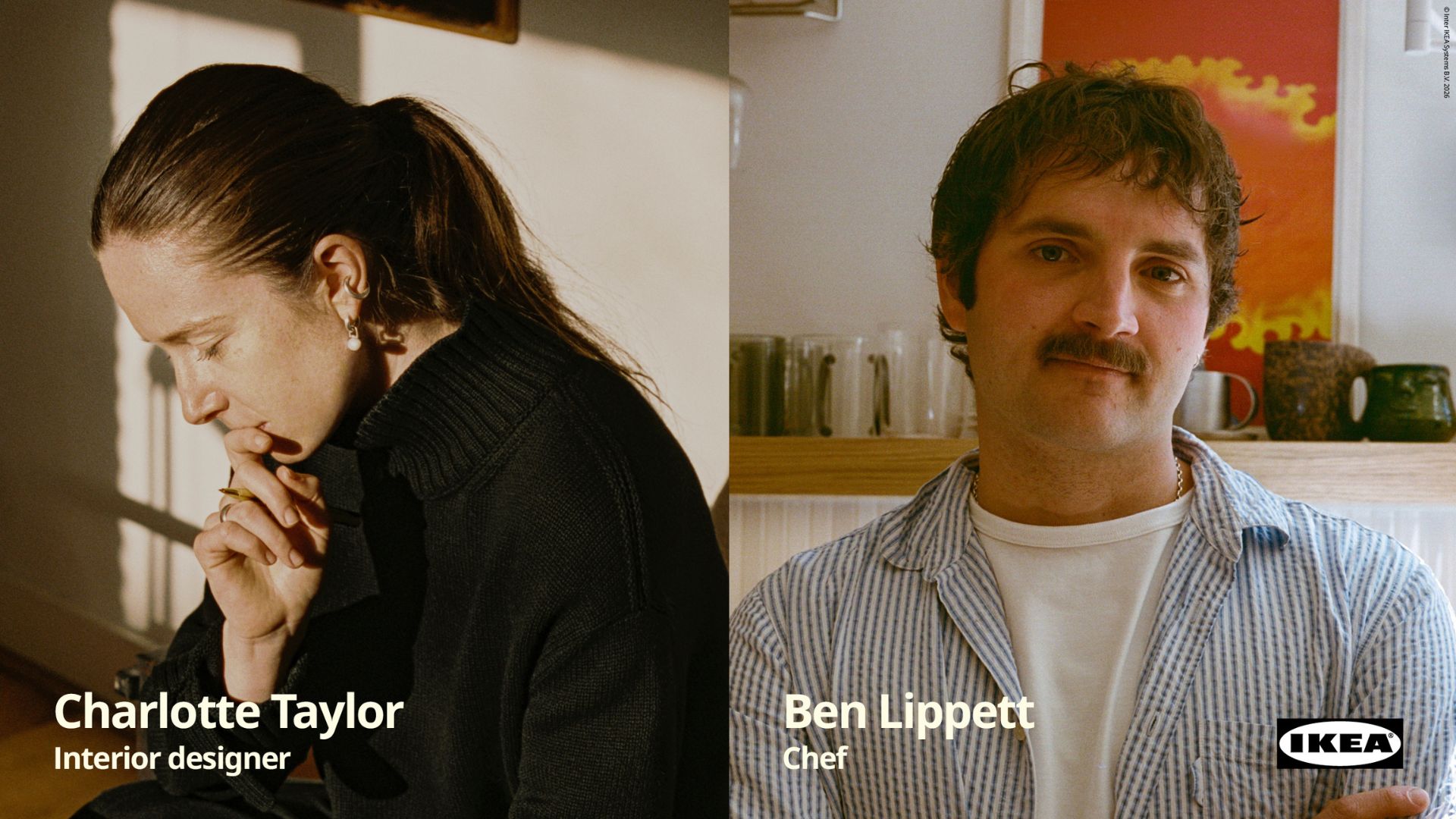
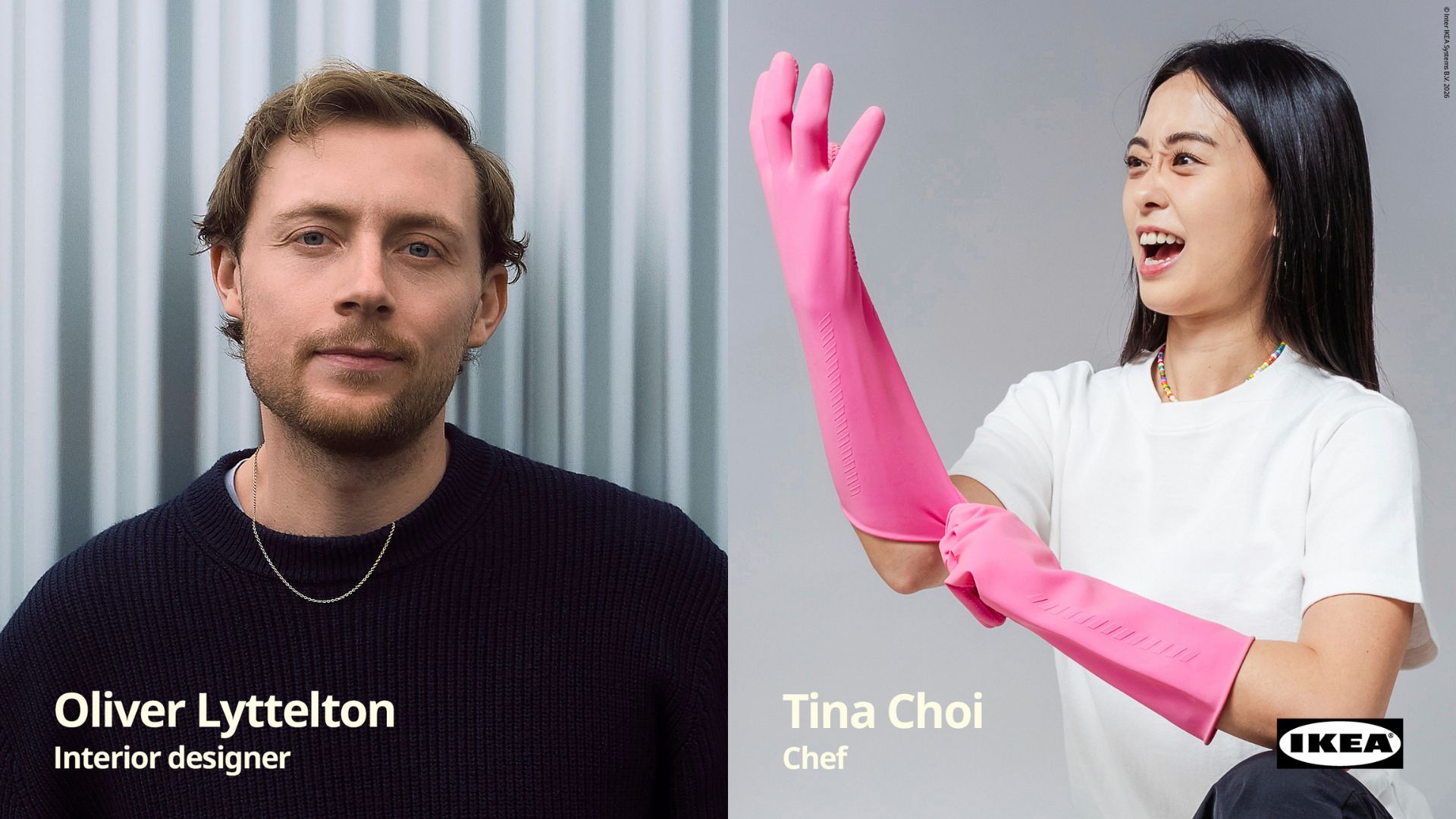
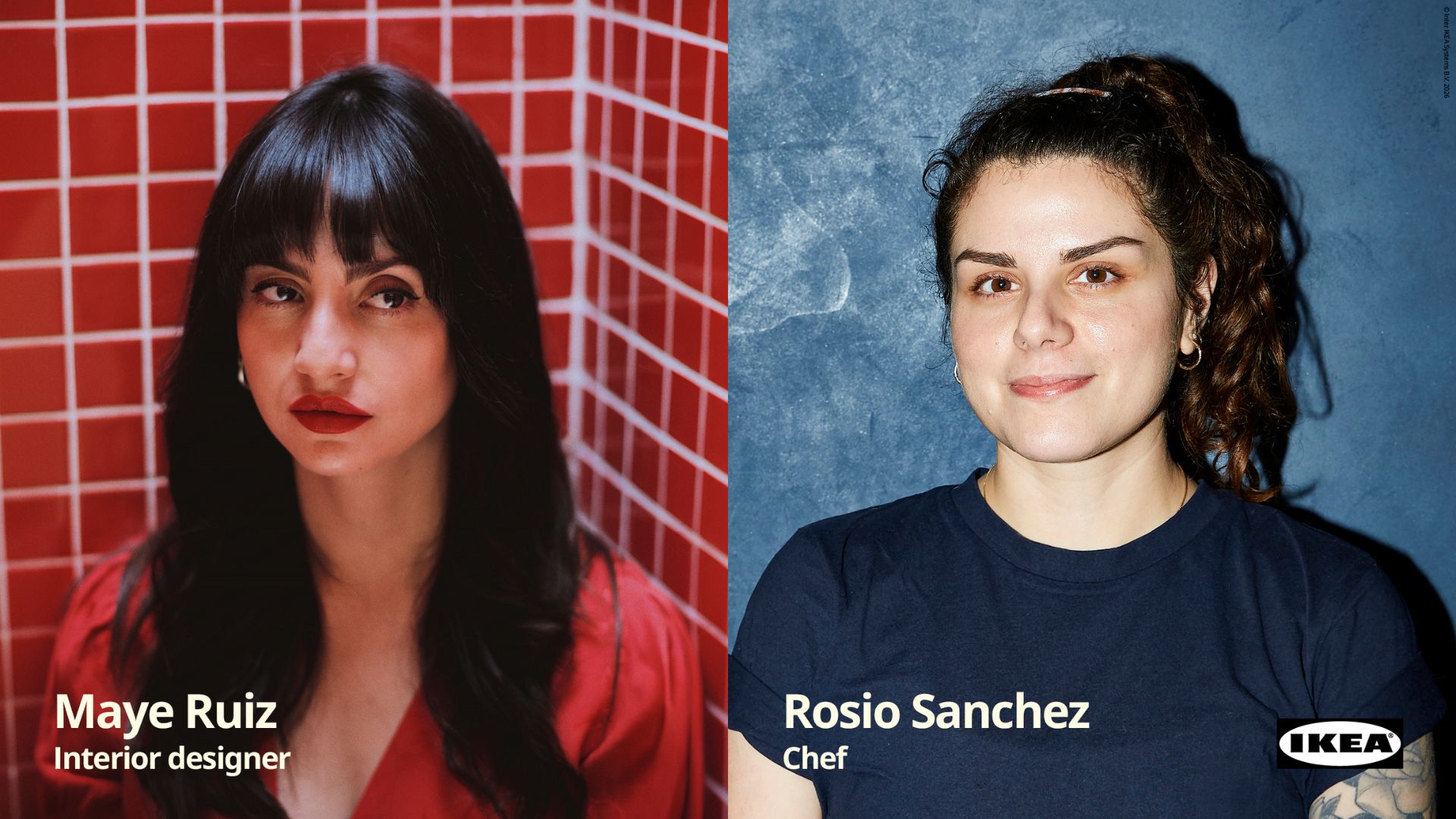
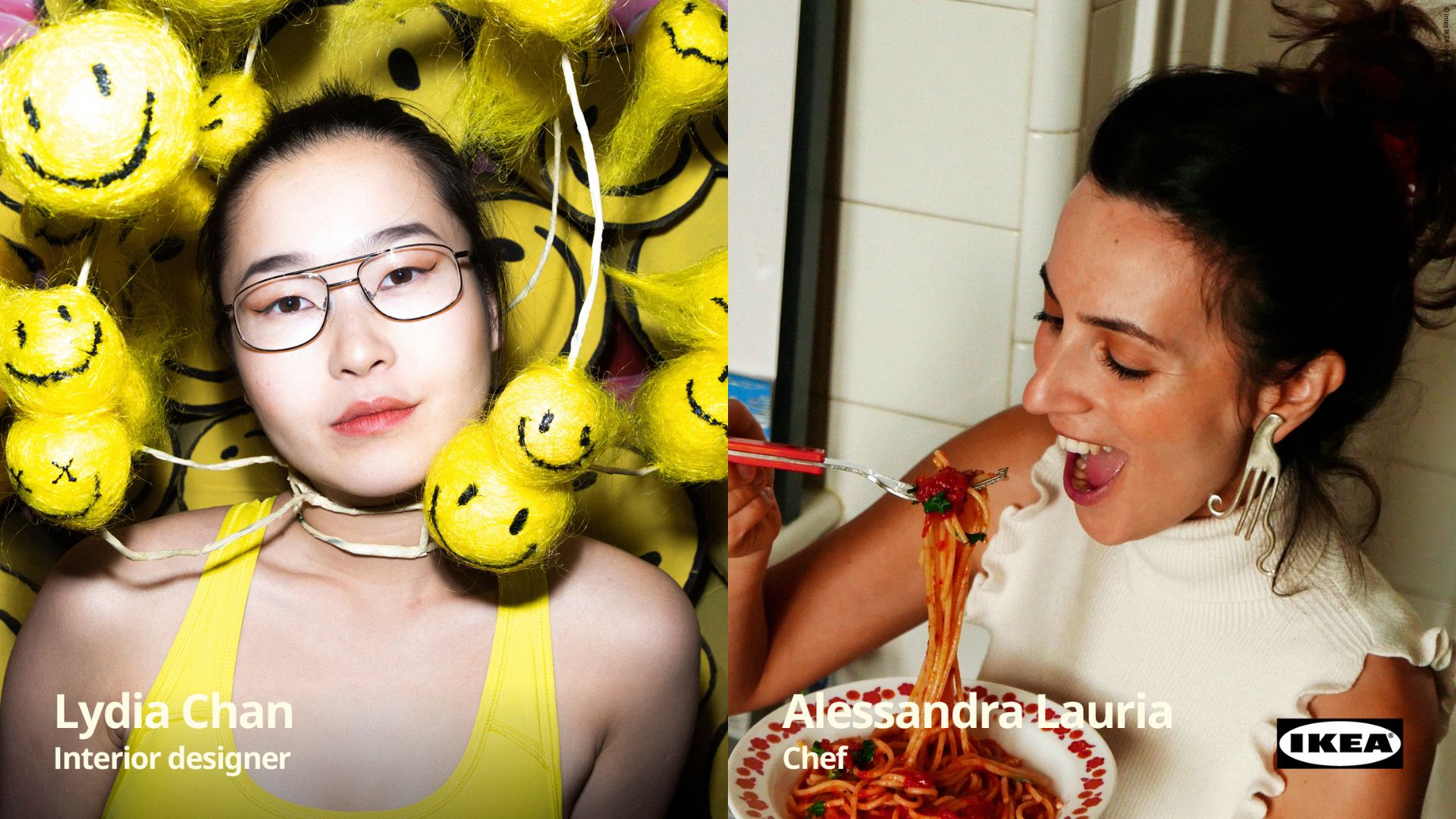
At the core of the exhibition are five creative pairings – each composed of a designer and a chef selected from across the world – who have joined forces to bring both a room and a menu to life, each inspired by a distinct moment of everyday domestic life. Among the collaborators: designer and architect Charlotte Taylor with chef Ben Lippett; interior designer Maye Ruiz with chef Rosio Sanchez; art director Mehek Malhotra with Maurizio Tentella; artist Lydia Chan with chef Alessandra Lauria; and interior designer Oliver Lyttelton with content creator Tina Choi (Doobydobap).
Gallery
Open full width
Open full width
Food as a language of design
The relationship between IKEA and food is not a recent development, but a strategic choice rooted in the company’s origins. Kamprad understood that offering customers a warm meal would make them happier – and more inclined to buy, a vision he put into practice as early as 1960 with the opening of the first in-store restaurant in Älmhult. What began as a simple gesture of hospitality has since grown into something far larger: today, IKEA is considered one of the world’s biggest restaurant chains, serving more than 700 million customers annually in over 400 stores worldwide.
Spending an afternoon at IKEA soon became a shared experience, almost a family ritual: spacious parking areas, affordable restaurants, and carefully designed pathways turned a simple visit into a moment of leisure. From this vision came the iconic köttbullar – Swedish meatballs that quickly became the brand’s signature dish. In 1985, Kamprad invited chef Severin Sjöstedt to develop a recipe that could be replicated globally. After ten months of testing, the formula that is still served today was officially born.
Democratic Design at the table
This very idea of accessibility – bringing quality to products, from furniture to food, at affordable prices – is the common thread running through IKEA’s history and the concept behind Food for Thought. The participatory exhibition, conceived by architect Midori Hasuike and spatial design studio Emerzon – longtime collaborators of the brand – connects the principles of Democratic Design with the sensory world of gastronomy. Democratic Design is the framework that guides every IKEA product, built on five pillars: form, function, quality, sustainability, and low price. The idea is that all five principles must coexist for a design to be truly purposeful, but also durable, responsible, and within everyone’s reach.
Extending that same spirit beyond objects and into experiences, the decision to build Food for Thought around designer-chef partnerships is not incidental: it reflects a broader commitment to collaboration with external creative voices, bringing together disciplines that rarely meet to explore what a domestic space can look and feel like when both aesthetics and nourishment are considered together.
Here is how each of those collaborations has translated that dialogue into a room – and a menu – of its own.
Five rooms, five stories
- Living room. Party at your place – Maye Ruiz and Rosio Sanchez explore the dual nature of the living room: a refuge for quiet evenings and a stage for spontaneous gatherings. How can design accommodate both needs within the same space?
- Bedroom. Room self-service – Charlotte Taylor and Ben Lippett ask: what if breakfast in bed, lunch among pillows, and dinner with a tray on your lap became everyday habits? Can design truly make this ritual possible?
- Kitchen. Do play with your food – Lydia Chan and Alessandra Lauria rethink mealtime rules by involving children in cooking. Preparing food together builds skills, strengthens bonds, and introduces small daily revolutions in the kitchen.
- Studio living. The not so lonely dinner – Oliver Lyttelton and Tina Choi transform solitary meals into moments of self-care. Eating alone is not necessarily a compromise – it can become an opportunity to reconnect with one’s senses and create a personal dining experience.
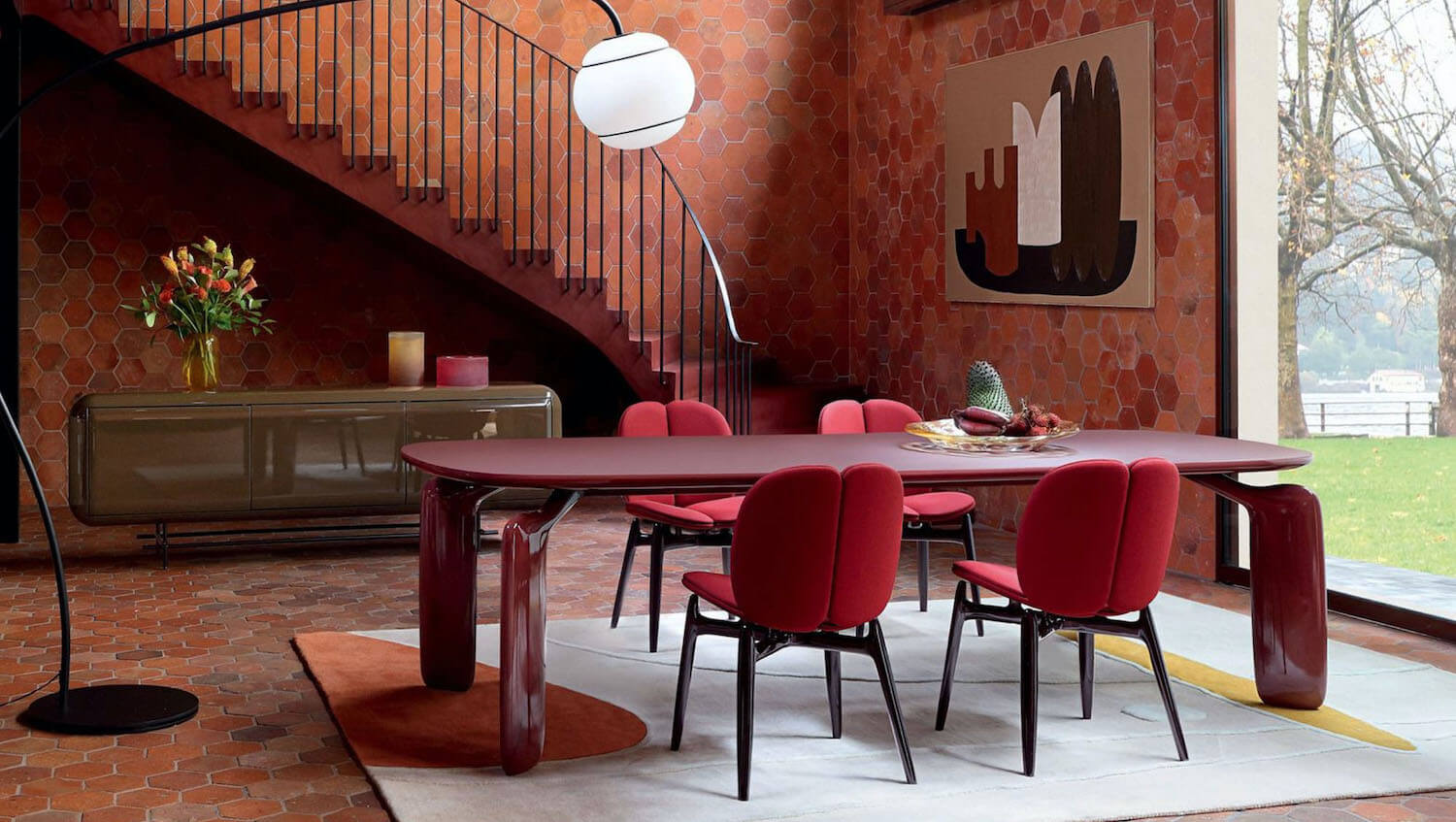
- Dining room. Eat with your mouth open – Mehek Malhotra and Maurizio Tentella explore shared meals as one of the most meaningful social rituals. Here, design helps dinner unfold naturally, lightly, and enjoyably, shaping the right atmosphere every time.
An experience open to all
Each day, one of the creative pairs will host live cooking sessions, turning the kitchen into a stage for stories, traditions, and flavors. In the evening, the space transforms into an aperitivo bar, celebrating one of Milan’s most iconic social rituals. In the courtyard, a market inspired by the Swedish saluhall – a traditional covered food market – will feature local producers alongside IKEA Food specialties. Inside, the BILLY Café will host a curated selection of cookbooks published by Phaidon, in a setting that combines a bookstore atmosphere with live music. The much-loved Hotdog Extravaganza will also return, with new exclusive toppings created by the project’s chefs. Admission is free and open to everyone.
The latest product launches by IKEA
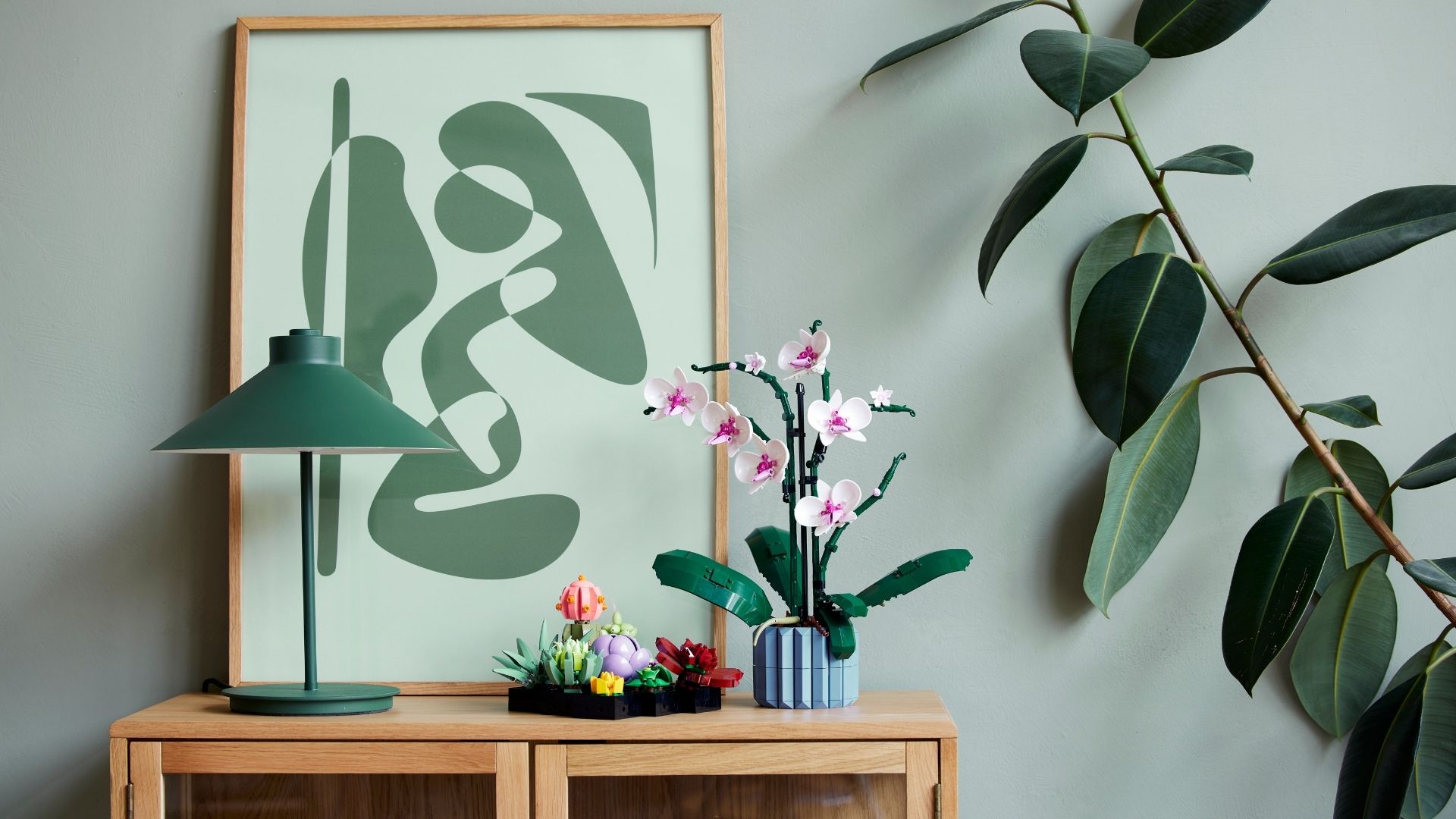
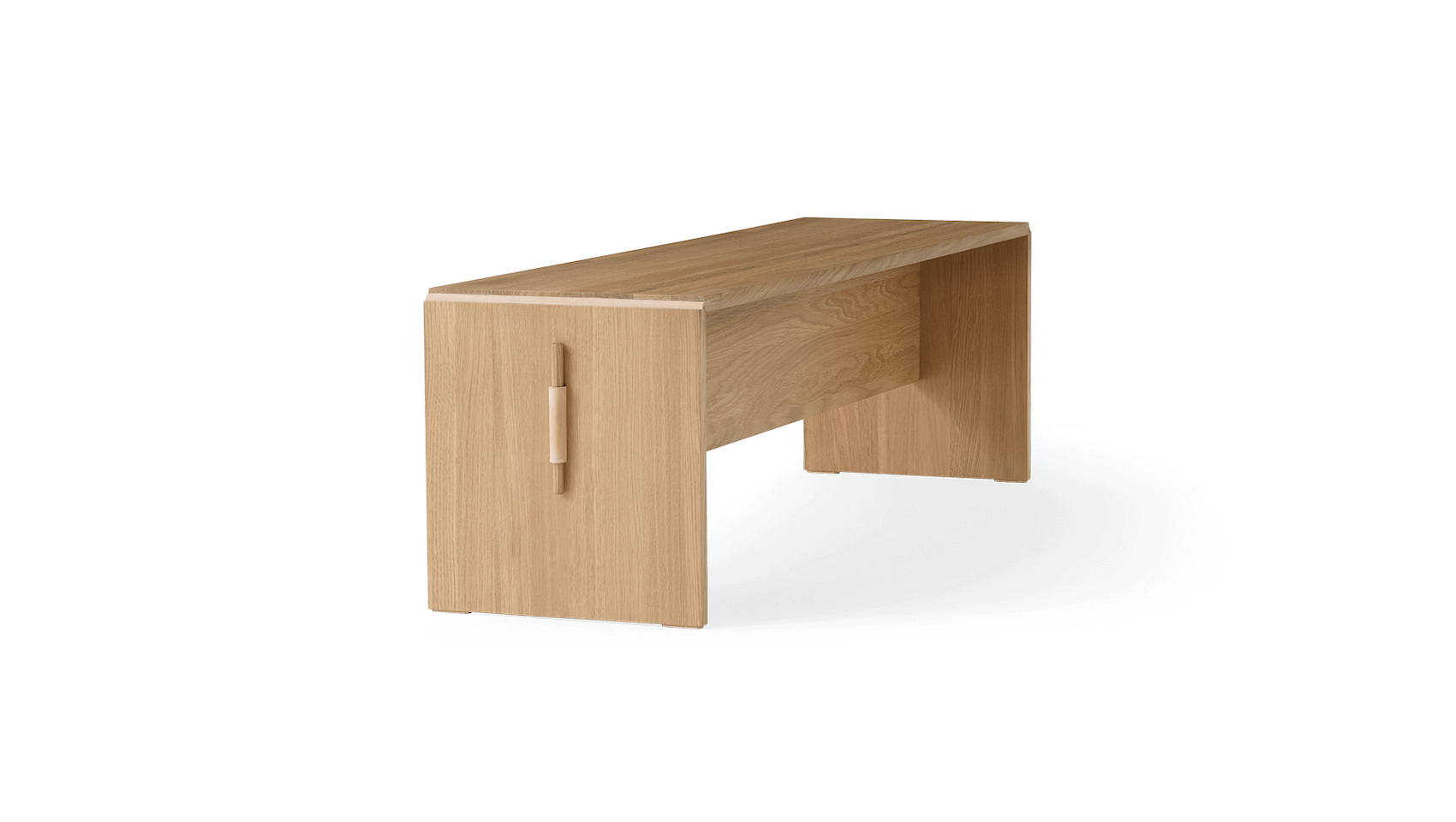
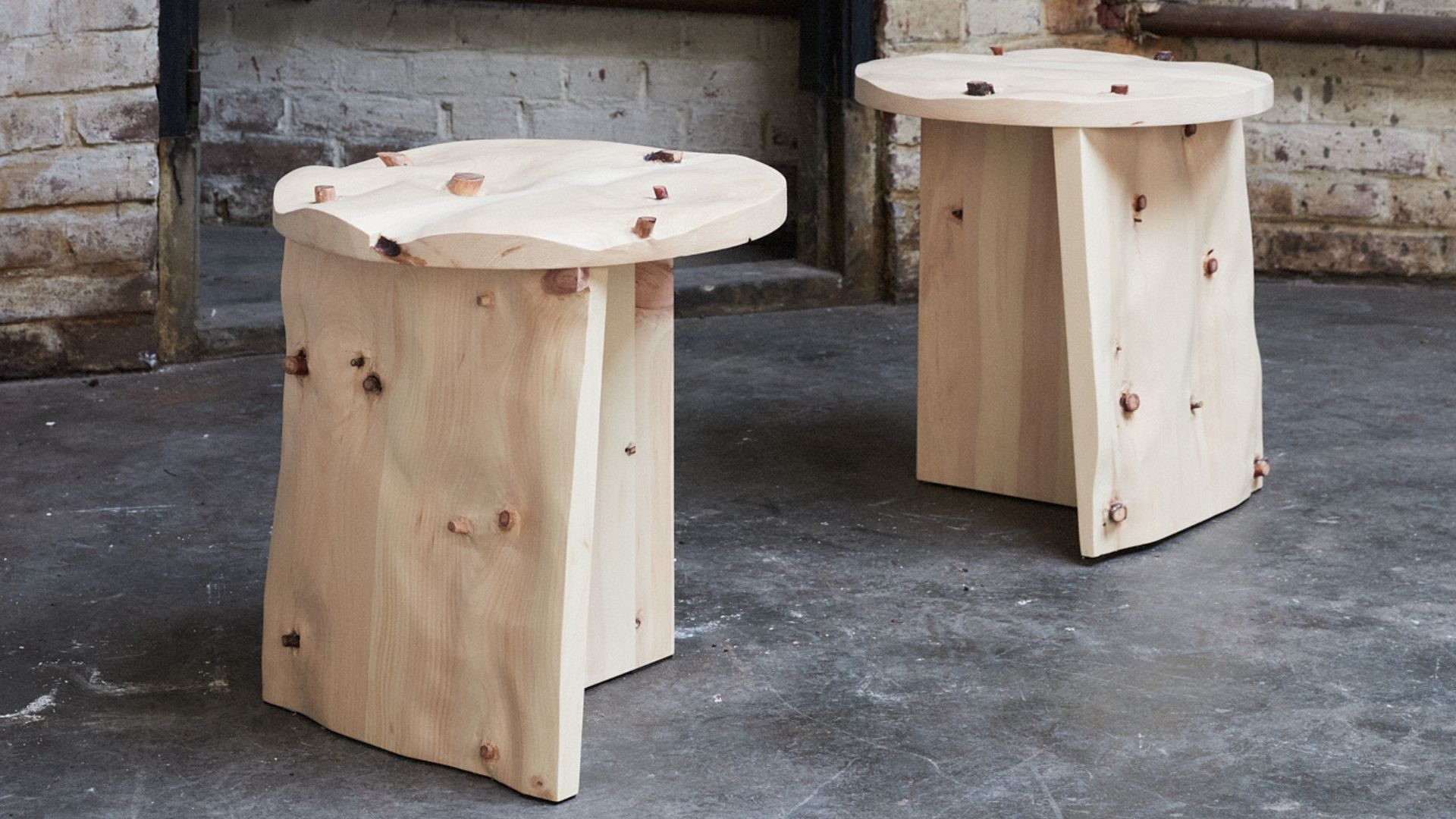
Food for Thought will also serve as a platform for two major previews. The first is the unveiling of three products from the new IKEA PS collection, now in its tenth edition. Originally launched in the early 1990s as a way for the brand to reconnect with its roots and reaffirm the aesthetics of Scandinavian simplicity, IKEA PS debuted at the 1995 Salone del Mobile in Milan with eighteen young designers and a clear manifesto: Democratic Design, the idea that good design, functionality, and affordability can – and should – coexist.
Even the name, conceived as a postscript to the standard range, reflects a distinctly Scandinavian sense of irony. Since then, the collection has returned periodically, each time with new designers and fresh perspectives. The tenth edition marks another chapter in a story spanning over thirty years.
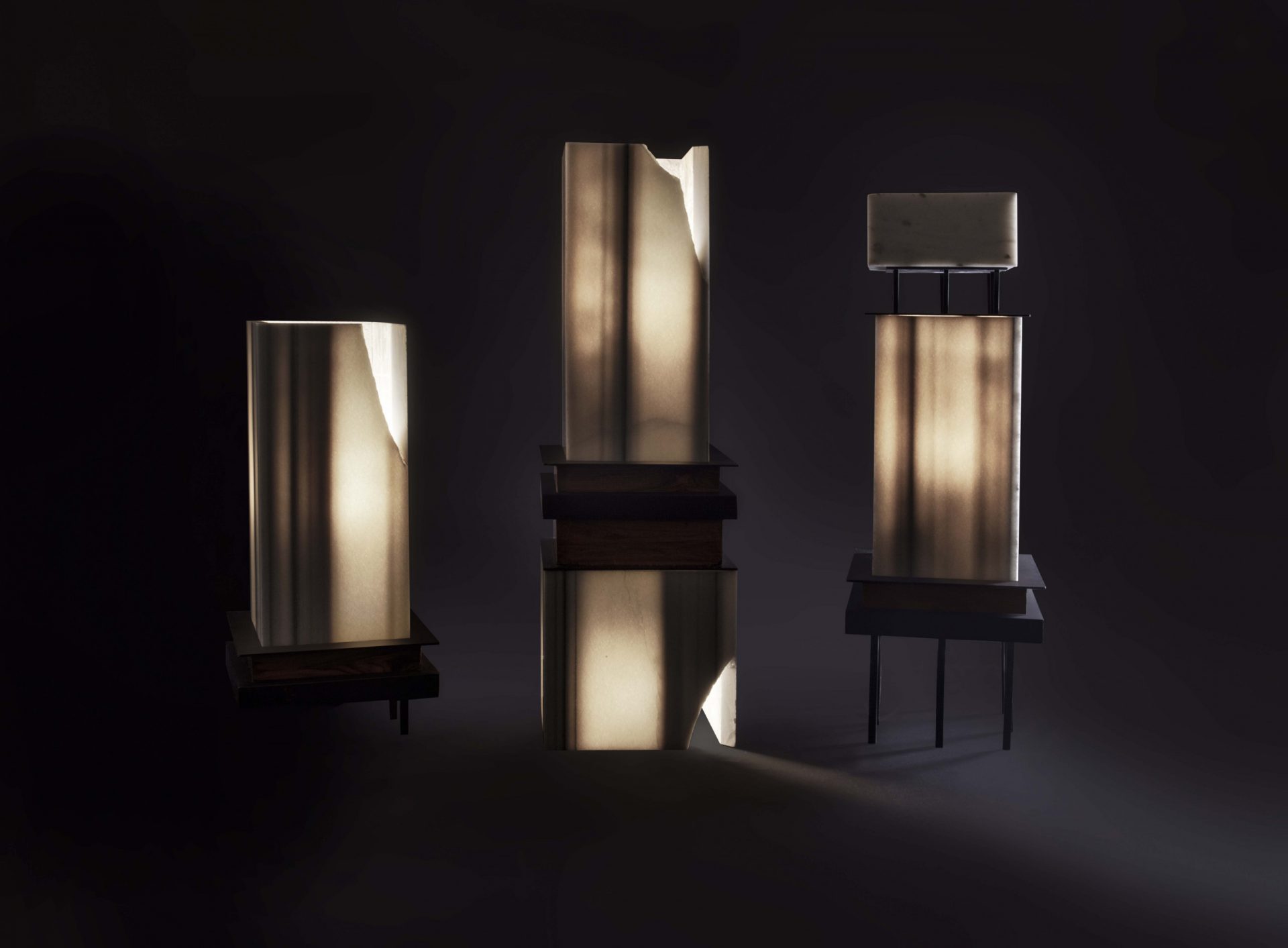
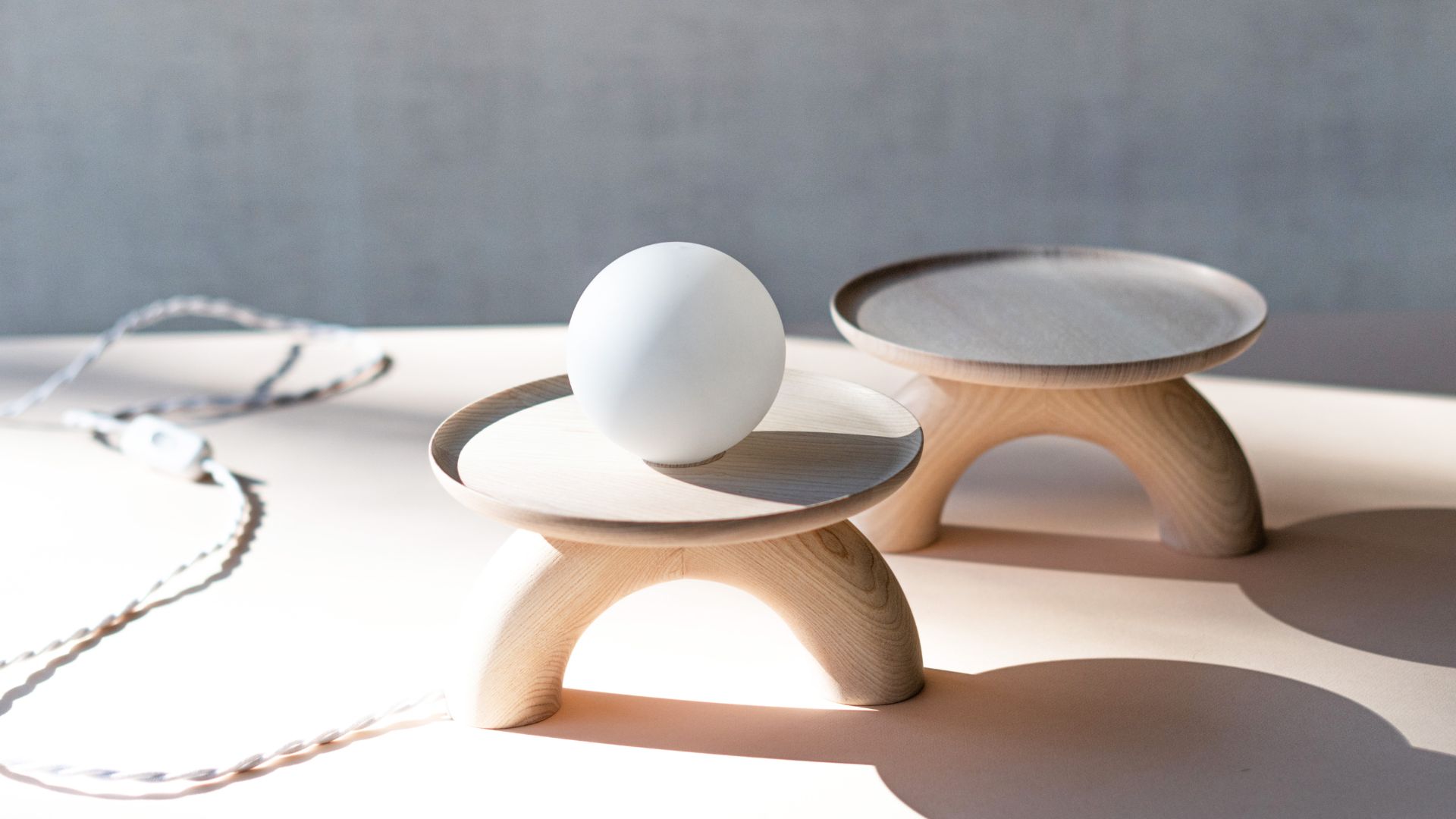
The second preview introduces two new lamps by Milan-based architect and designer Raffaella Mangiarotti, a researcher at the Politecnico di Milano, known for an approach grounded in essentials – function, aesthetics, and ergonomics – rather than pure decoration. A method deeply influenced by 20th-century design pioneers such as Eileen Gray and Charlotte Perriand, resulting here in pieces that combine refined materials and elegant design with accessibility – perfectly aligned with IKEA’s values, as also reflected in a Compasso d’Oro nomination.
Discover Food for Thought by IKEA at Spazio Maiocchi, Milan, from April 21–26, 2026—open Tuesday to Saturday 10:00–21:00 and Sunday 10:00–18:00, with free admission and a complimentary IKEA shuttle connecting key points across the city center.