John Tree and the discipline of reduction
From Sony to Jasper Morrison and into his independent studio, John Tree has developed a design theory built on production, proportion, and human-scale precision.
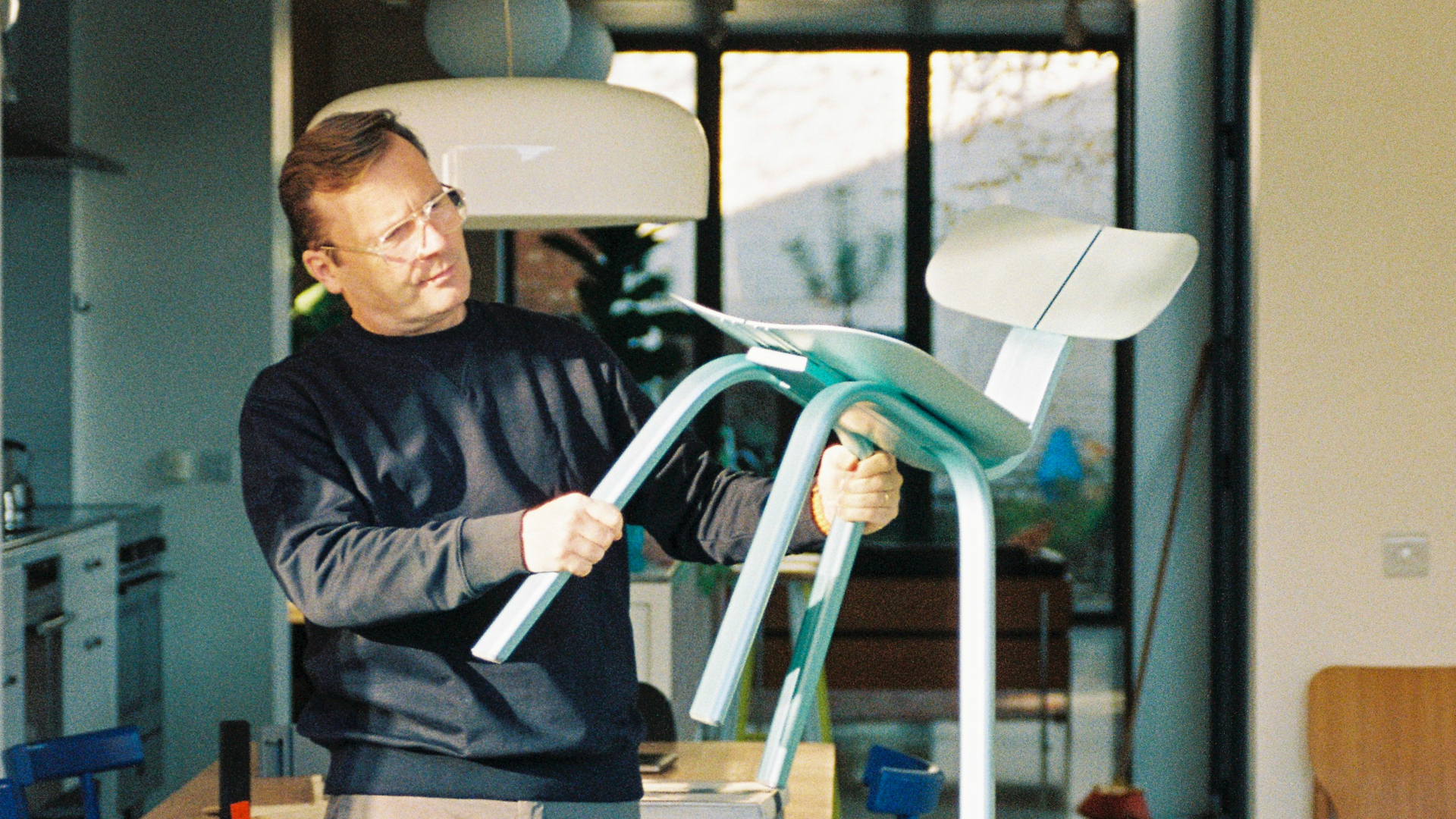
There are designers whose personality explodes through their objects. And there are designers whose personality fuses with them. John Tree belongs to the second category.
If you watch interviews or public talks, he comes across as articulate, open, even expansive. Yet his objects are extremely restrained. Quiet. Reduced to the essential. That contrast is what makes his work particularly compelling. The more you look at it, the more you realize that nothing is accidental.
To understand John Tree’s design theory, you have to trace it back to its roots.
Gallery
Open full width
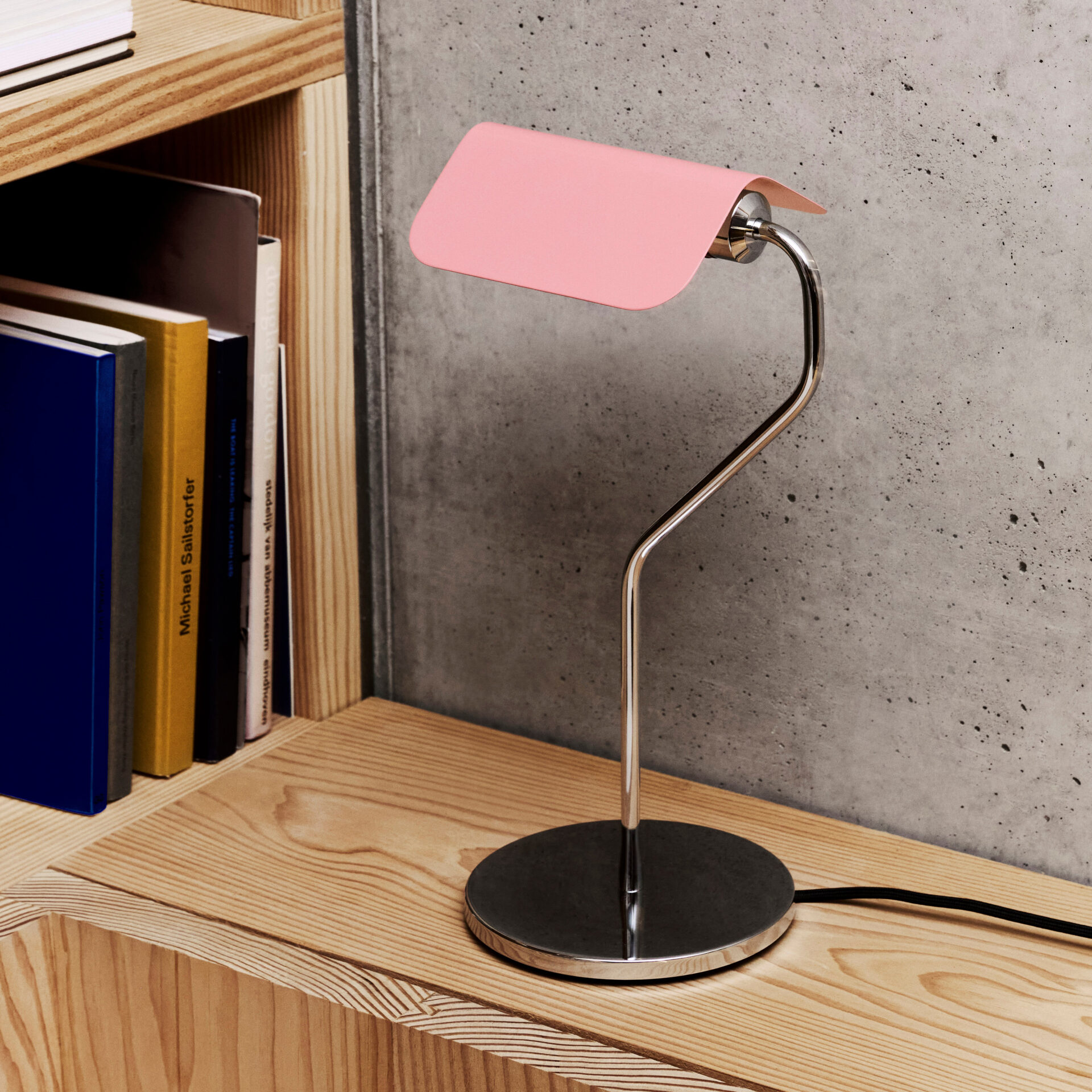

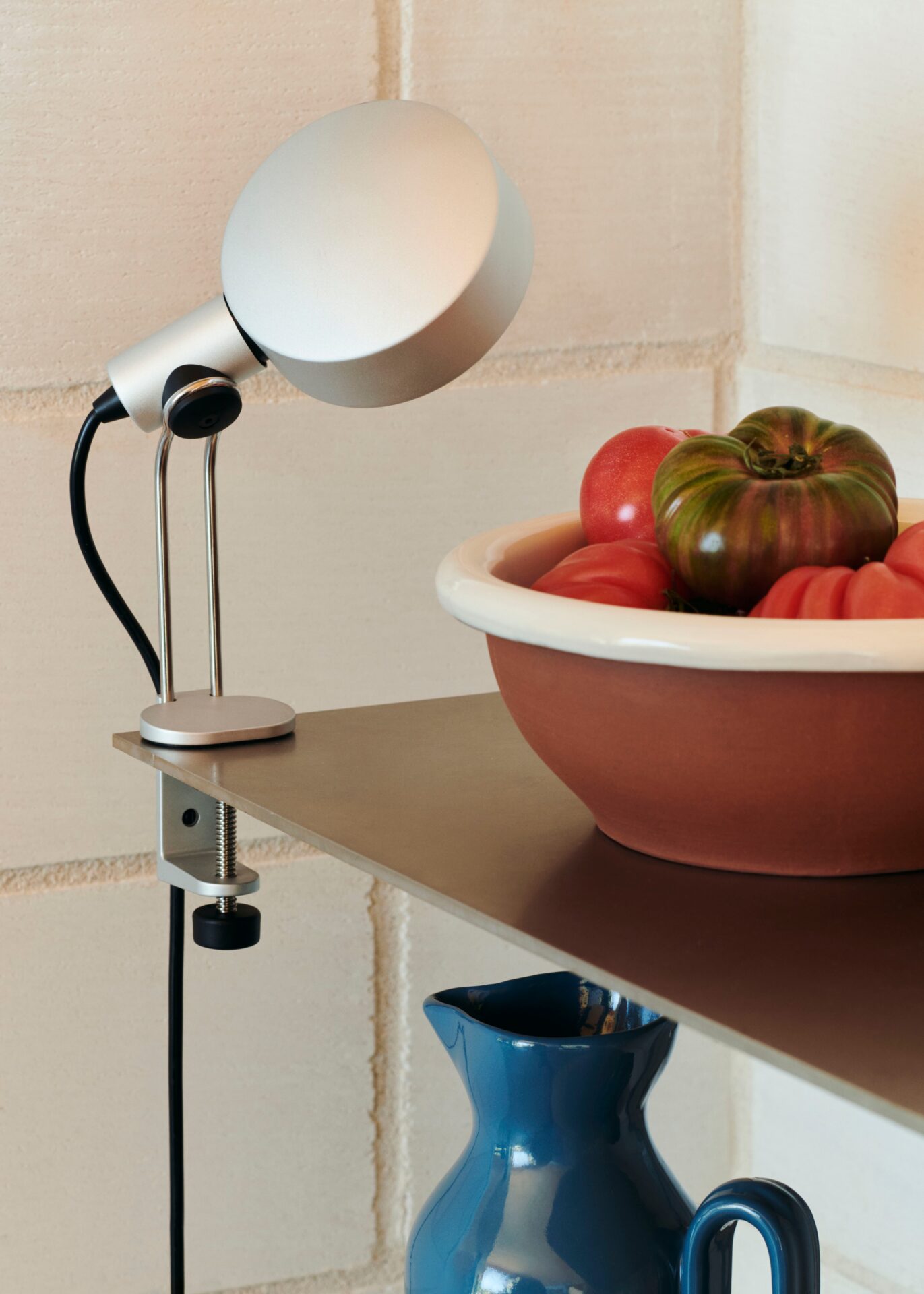
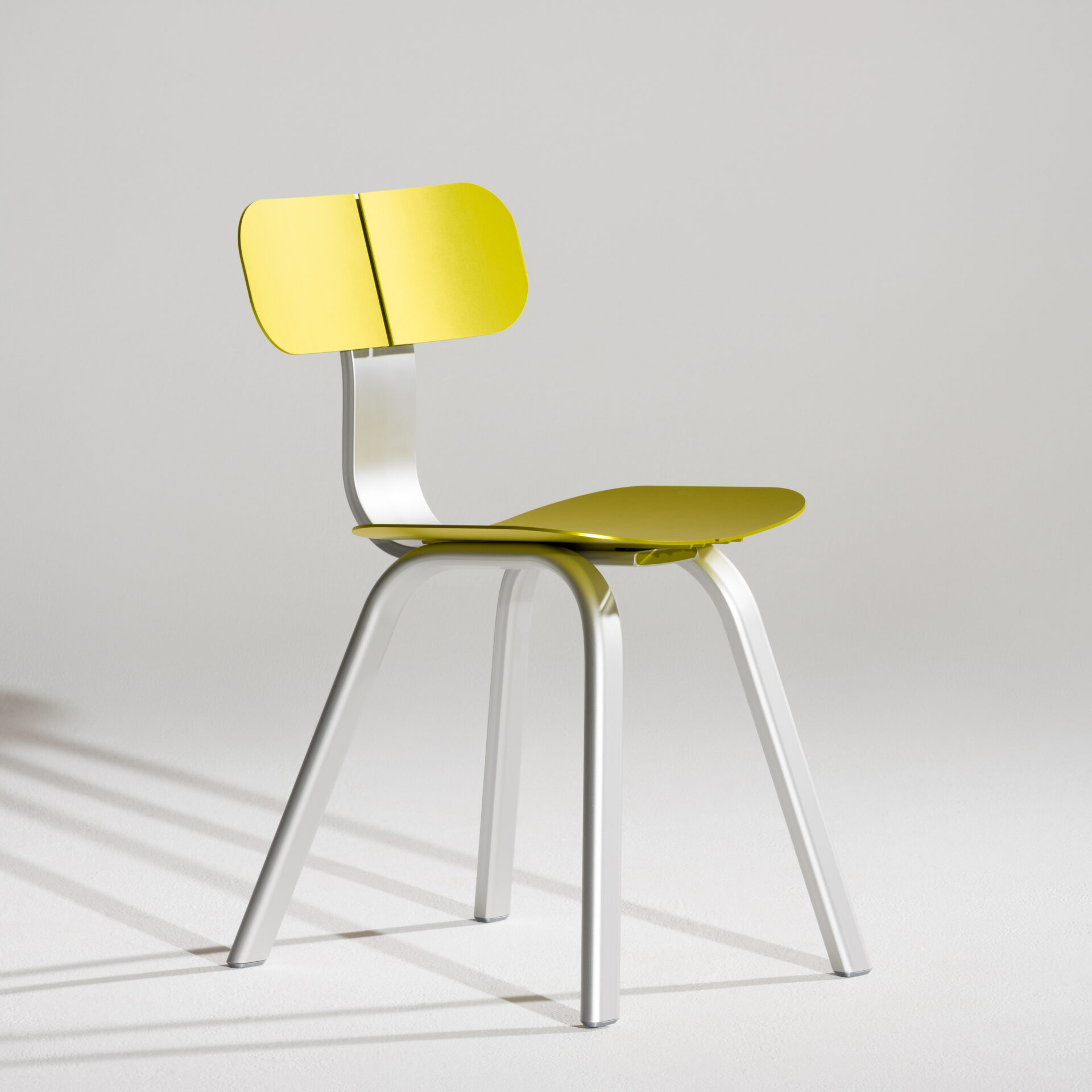
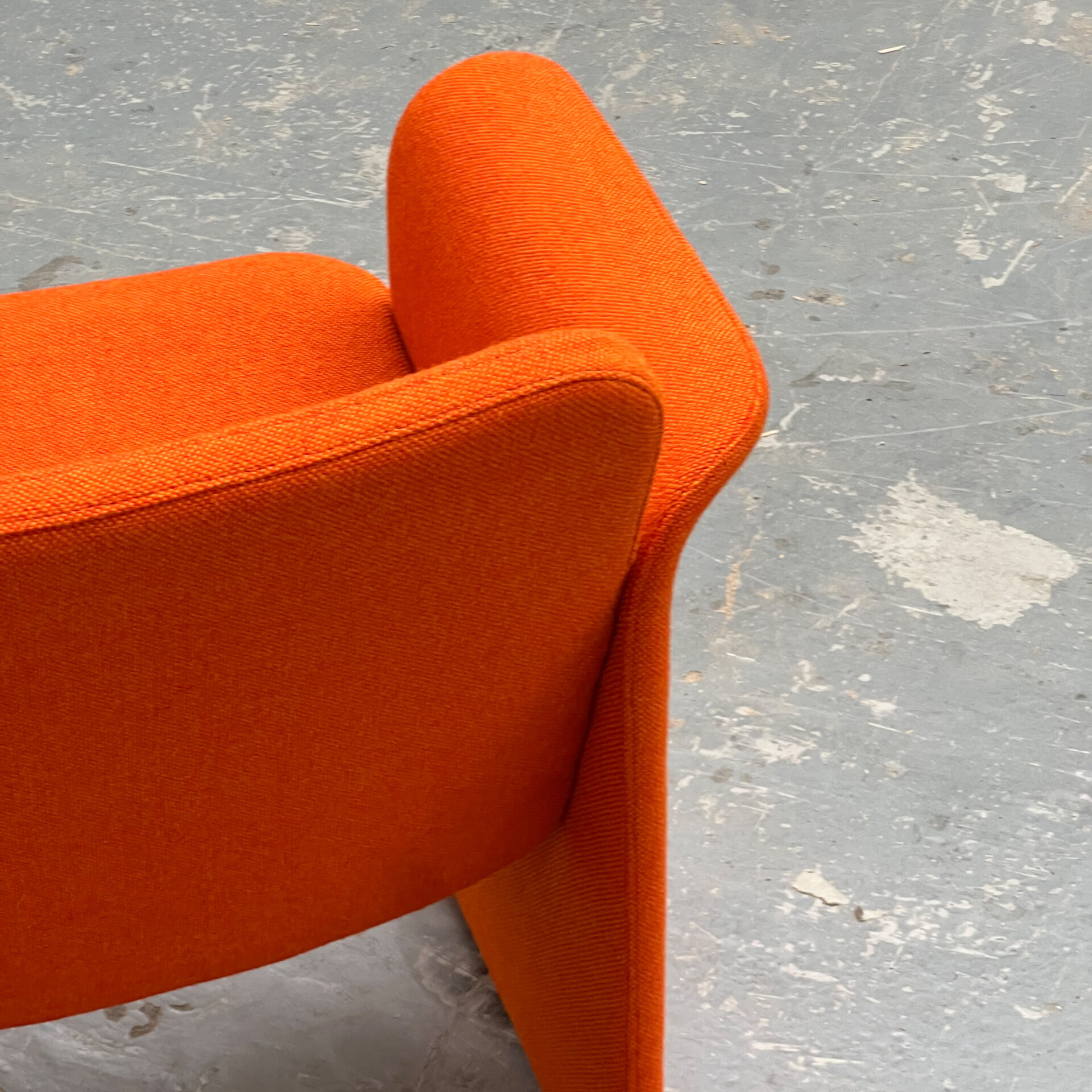

Open full width
John Tree – Highlights:
The Sony days
Before establishing his independent studio, John Tree spent several years working inside Sony’s European design office. At the time, Sony still developed products in Europe for the European market, operating within a highly structured industrial system.
It was during this period that Sony began collaborating with Jasper Morrison to create a collection, one with a coherent design language. Something new for them, until then, objects were a bit more disconnected, independent and this was a new approach to create proper product families. John Tree worked closely with Morrison on this initiative. That collaboration was decisive for the years to come.
From Morrison to independence
When Jasper Morrison’s studio began expanding into broader product categories beyond furniture and lighting (in part thanks to the publicity the objects made with Sony had), Jasper Morrison needed someone with strong industrial expertise and John Tree was the natural choice. He joined the studio, contributing to product development and working across a range of projects.
Gradually, alongside his work within the studio, John Tree began cultivating his own independent voice. What started as parallel exploration slowly became central. Eventually, he felt the need to dedicate himself fully to his own practice after years in Morrison’s studio.
The apparent simplicity
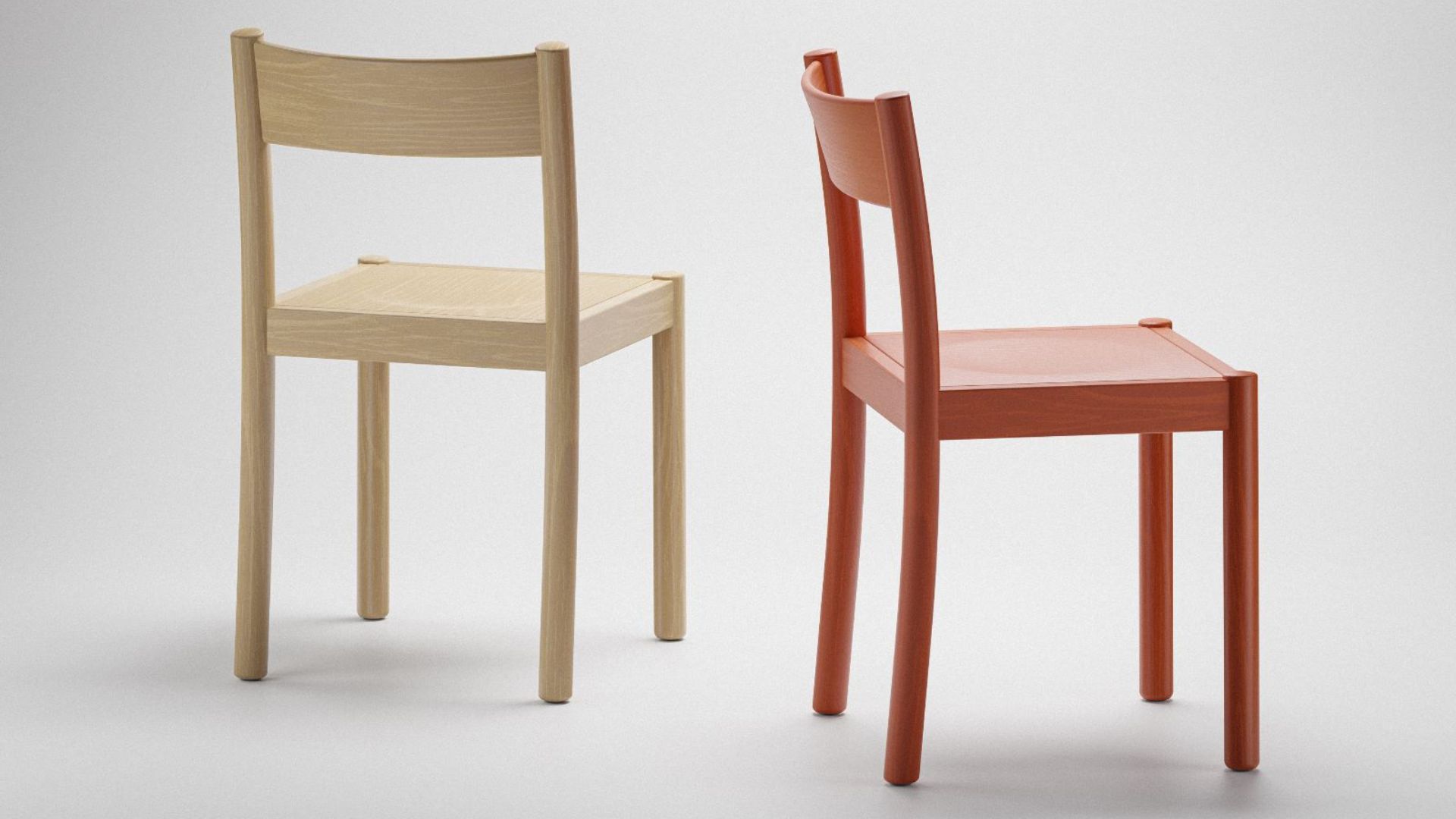
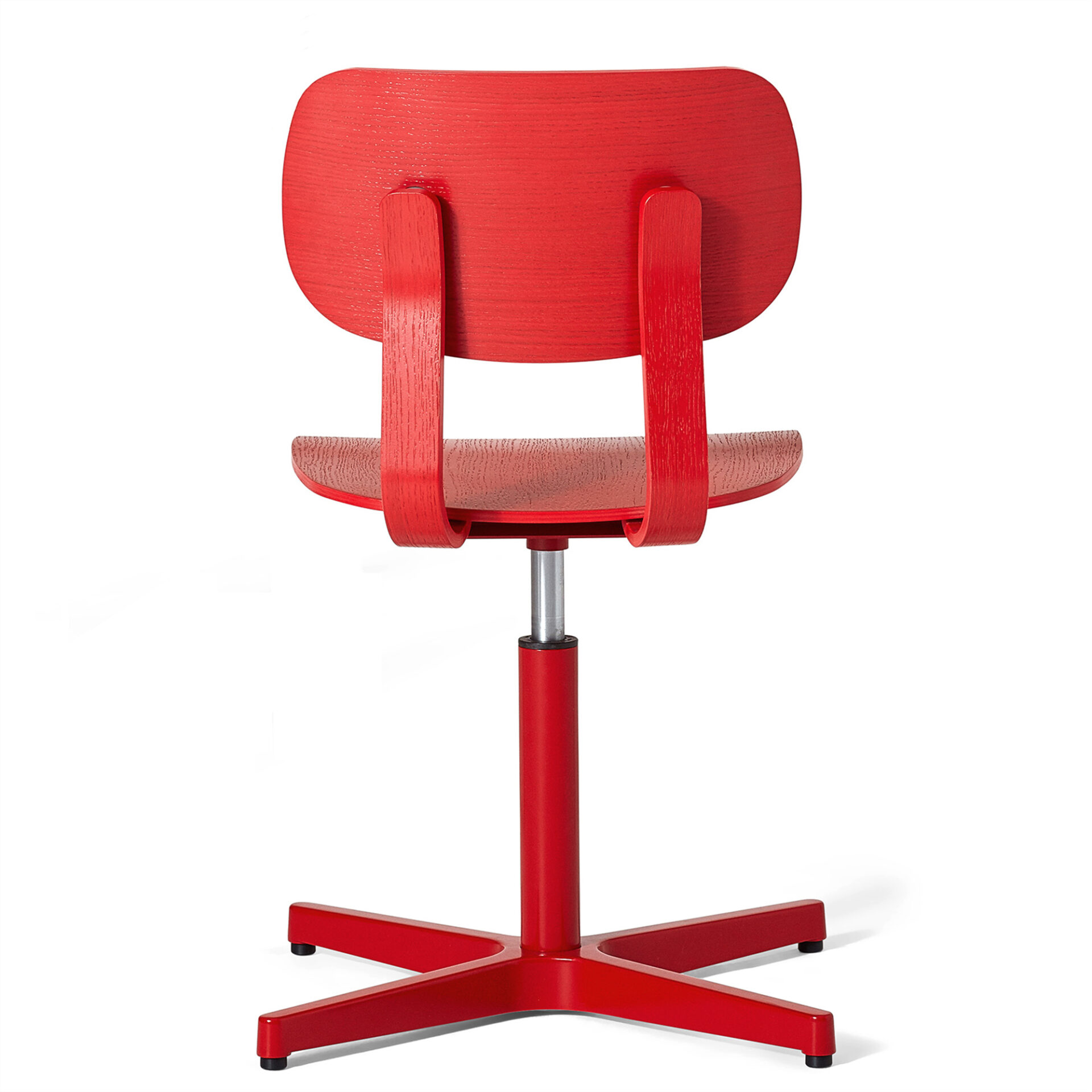
Looking at John Tree’s independent work, from the Annex table (production Hay) to the seats for Very Good & Proper, what strikes you first is the simplicity. The forms are quiet. Nothing screams. Nothing tries too hard, and yet they feel complete. There is everything that needs to be there. Nothing more. Nothing less. That balance is not intuitive improvisation. It is the result of a rigorous process built around the interpretation of technology and production.
John Tree does not begin with a desire to create a beautiful shape. He begins by asking what a technology can do, how to shape a material and production logic. He listens to the process.
The responsibility of reduction
Reduction has its responsibility. Nothing to mention that everyone in the design world says that unnecessary removal is the real challenge.
When you remove decorative layers, when you eliminate expressive gestures, every remaining line carries responsibility. A slight change in proportion can put overall harmony in difficulty. A small variation can shift the entire perception of the object.
This is where John Tree’s process becomes demanding. Because if you decide to use as few forms as possible, those few lines are loaded with responsibility. Proportions must be balanced, and the transitions between elements must be handled with care. This heed is not visible to the final user in a conscious way; it works implicitly.
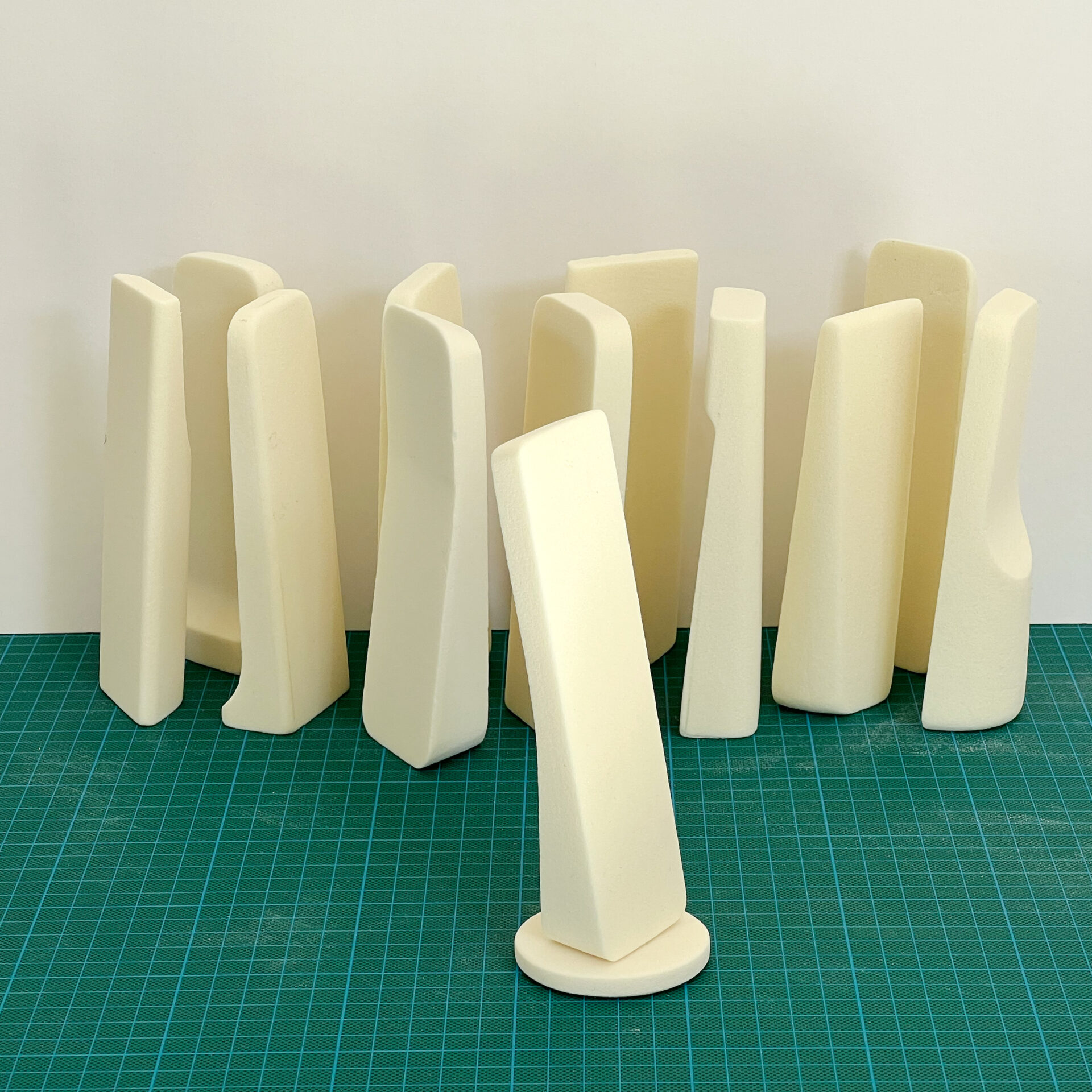
In online documentation and studio materials, you can see how John Tree develops dozens of models just to refine a single detail – for example, the curvature of a product like his Motorola DOT phone. That level of iteration is not about aesthetic obsession. A necessary passage for validation.
Creating multiple versions allows him to place all possibilities in front of his eyes. By adjusting even a simple radius, he can understand how perception changes. The process is comparative, analytical, visual.
Technology interpreted, not decorated
He works to understand how a manufacturing process can generate function and form. Once he understands it, he removes everything that does not serve that logic.
This approach is visible in projects like his Apex table lamp for Hay. The lamp contains only what is necessary. Structural components are minimized. Also the cable runs inside its metal stem. By lowering structural complexity, he can dedicate more attention to the essential components, refining their proportions, their transitions, their presence.
The result obviously doesn’t aim for spectacularity, but for precision. And that precision allows the object to communicate clearly how it is made, how it functions, what it is. He wants the user to read the object immediately. Not through explanation, but through clarity.
Measurement and humanity
One of the most interesting aspects that emerged in the conversation I had with John Tree concerns measurement. We often think of dimensions as neutral, but it’s more interesting than it looks.
John Tree is aware that imperial units – inches, feet – are historically tied to the human body. An inch is not a clean decimal like ten millimeters. It’s human. Even if the final length of an object is universal, the path to reaching that dimension matters. Choosing how to measure, how to approach scale, subtly reflects a mindset.
Behind what might appear as purely technical precision, there is a human sensibility. His forms are not abstract geometries detached from the body. They are calibrated to feel natural in use. This attention to proportion, even at the level of units, reveals that his theory is not cold industrial logic. It is a human-centered discipline. Despite the minimalistic outcome.
Is it worth all this care in invisible details?
The question inevitably arises: is this level of detail truly appreciated? The answer is yes, but not always explicitly. John Tree does not necessarily show every iteration to the final user. He does not need to. The process exists to validate the idea. It ensures that the final decision is the best possible one.
With companies, he shares the necessary steps to explain the reasoning. But much of the refinement happens internally, as part of his own demand for clarity. This internal validation is likely one of the reasons why John Tree is so valued by brands. He eliminates what is unnecessary, less noise, and it reduces risks by reducing excess. What remains feels inevitable; nothing better can be done.
The design landscape often rewards spectacle and visual impact, but here we have a different operation. There is a quiet authority in objects that contain only what is needed. And perhaps when nothing is unnecessary, everything becomes meaningful.
If you liked this article, we’ve been exploring design theories from the best designers in the world. Have a look at our articles about Daniel Rybakken or Michel Charlot.
About the author

Mario Alessiani, founder and creative director of the Italian namesake design studio, specializes in product, lighting, and furniture design. His clients include companies such as Umbra, Fabbian, and Axolight. Mario also teaches at the University of Camerino, IED Rome and Sichuan Normal University in China. His work has been exhibited at prestigious events like the ADI Design Museum in Milan, Eindhoven Design Week, and Milan Design Week, earning him awards like the IF Design Award and Archiproducts Design Award.
WebsiteInstagramLinkedin