Jorge Penadés expands Uprooted into the language of wool with V02
With V02, the Spanish designer widens his decade-long inquiry to include a reversible wool rug made with deadstock fibre, in collaboration with cc-tapis.
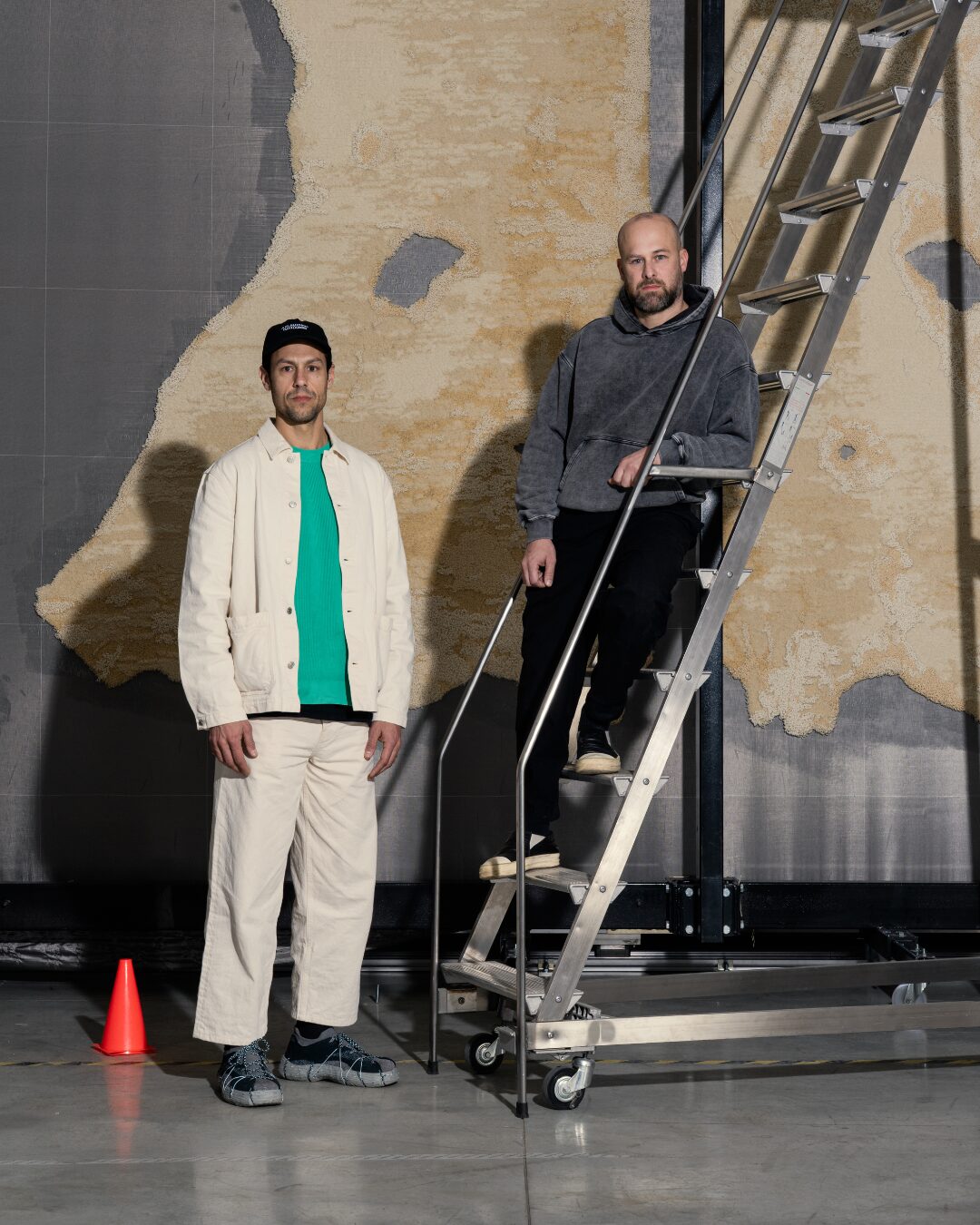
Jorge Penadés is a native of Andalucía, the world’s largest olive oil producing region, responsible for over 20% of global output and 80% of Spain’s own. At home, he started asking questions about the industry, and then spent more than ten years trying to answer them.
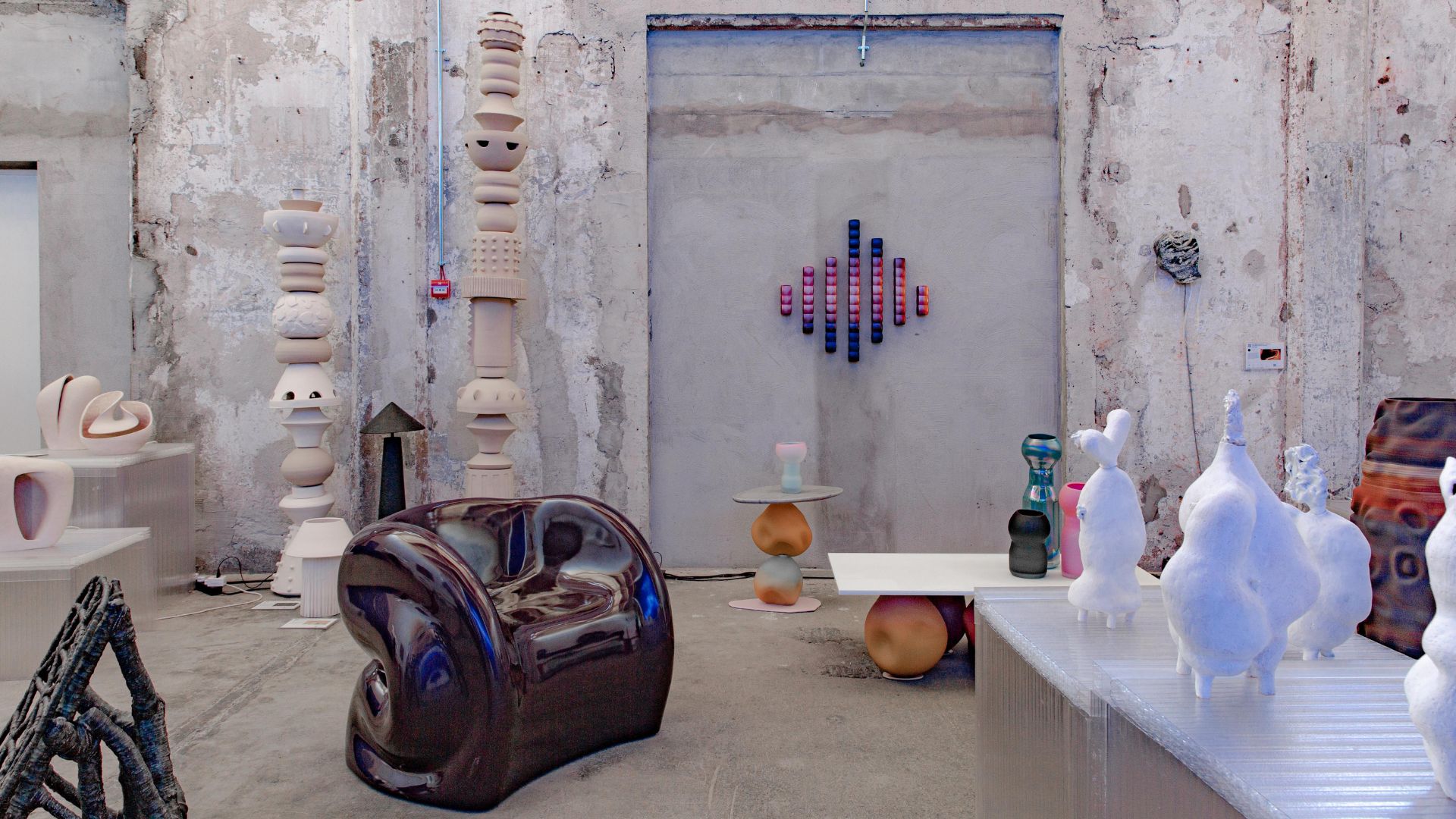
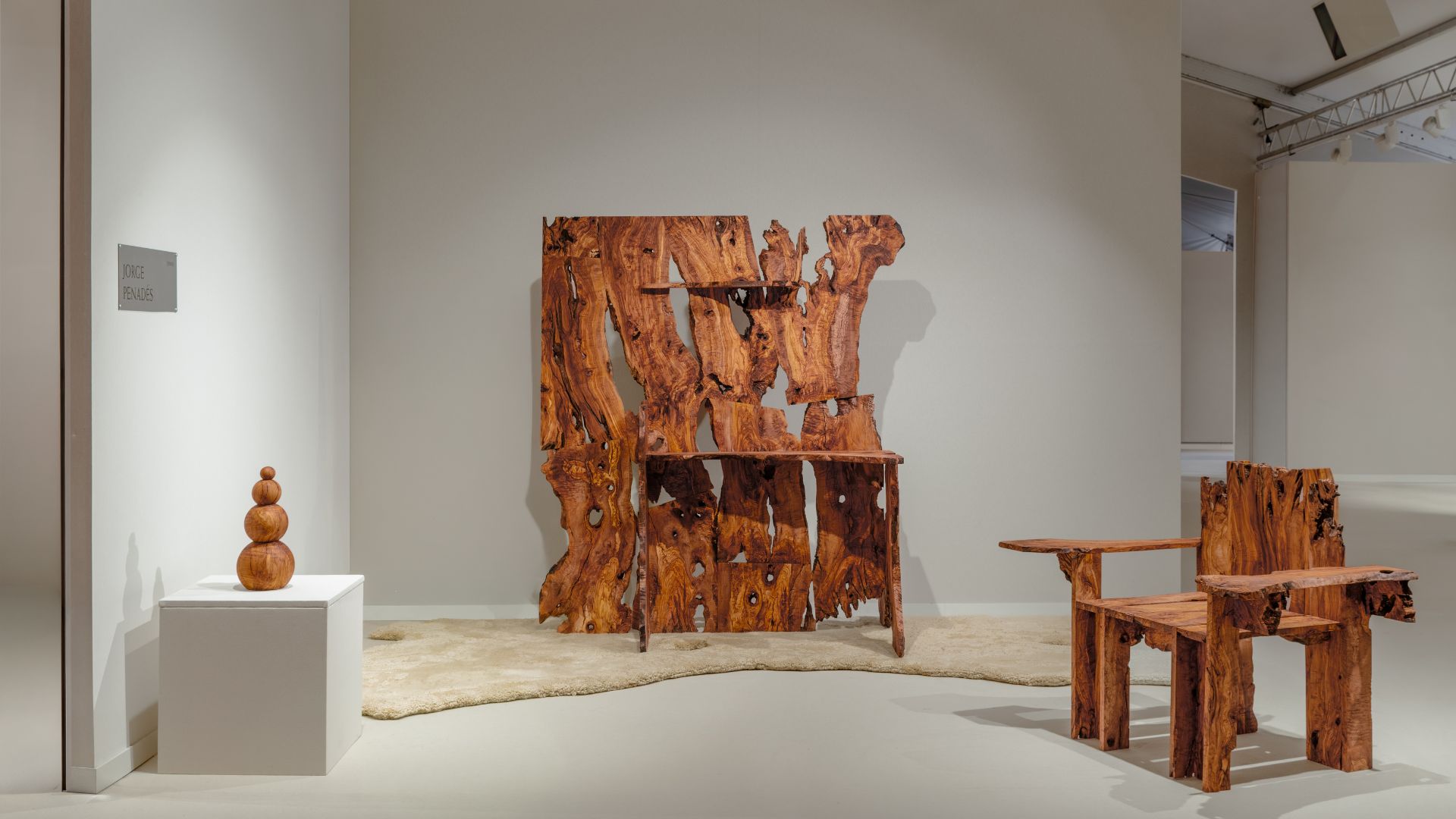
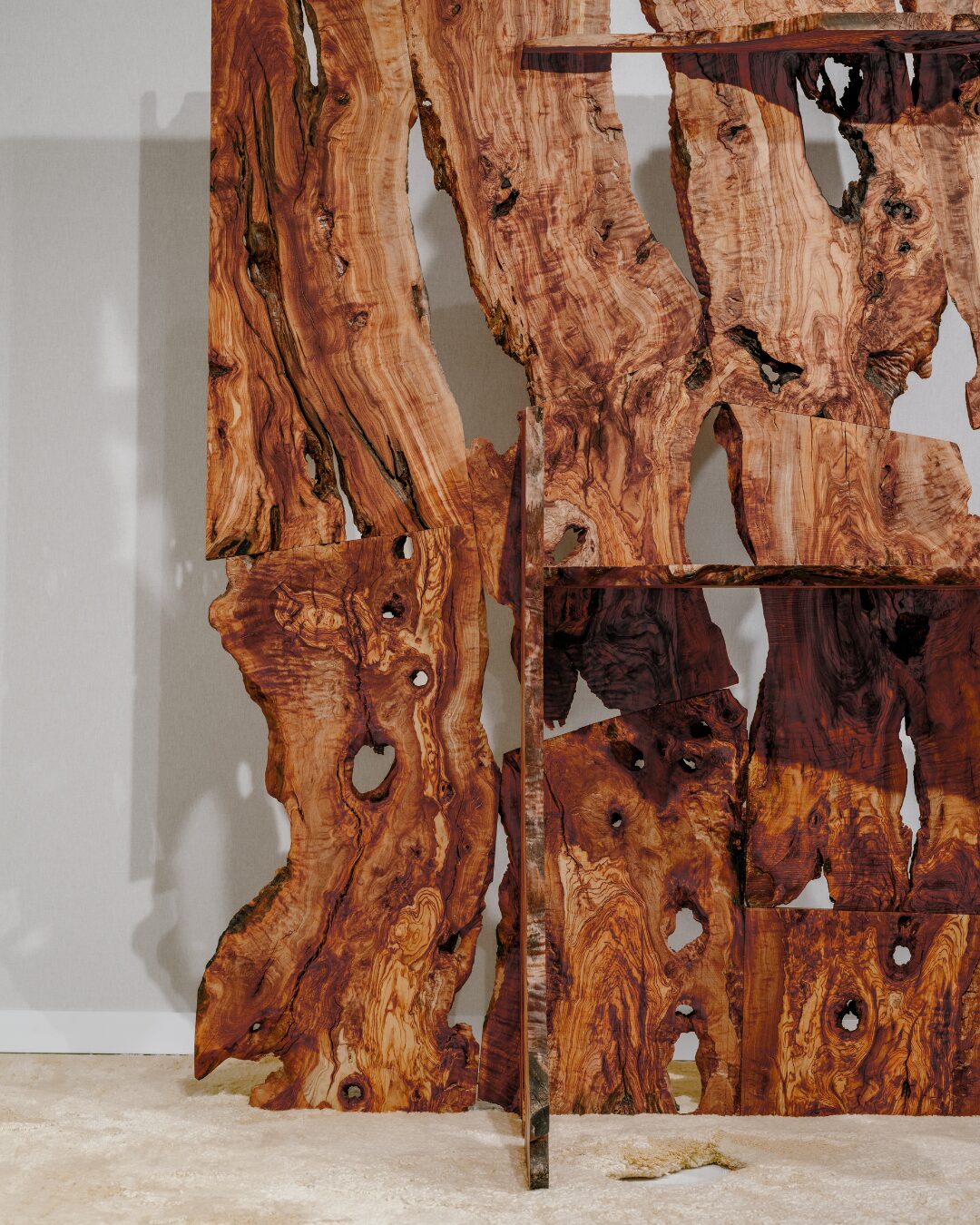
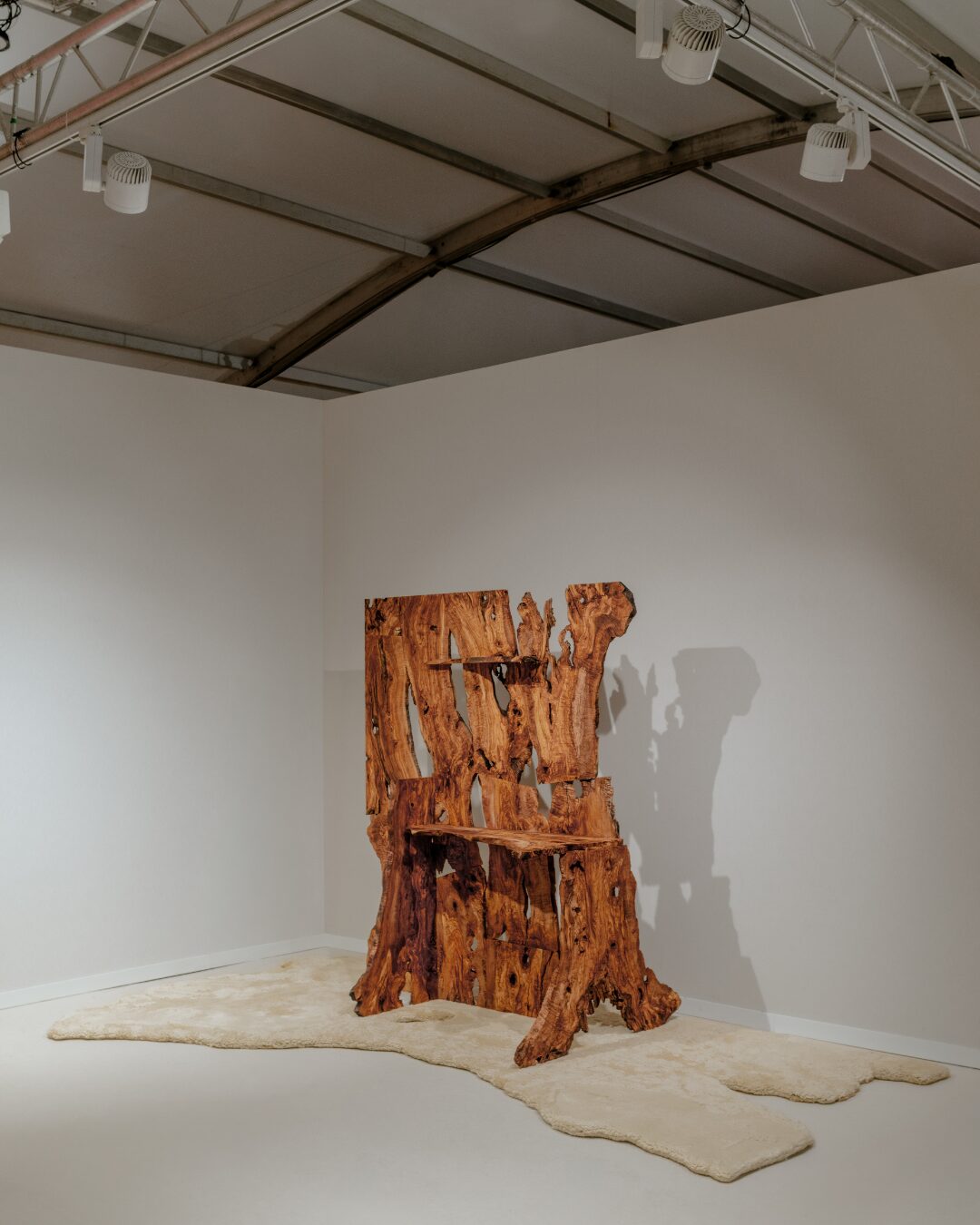
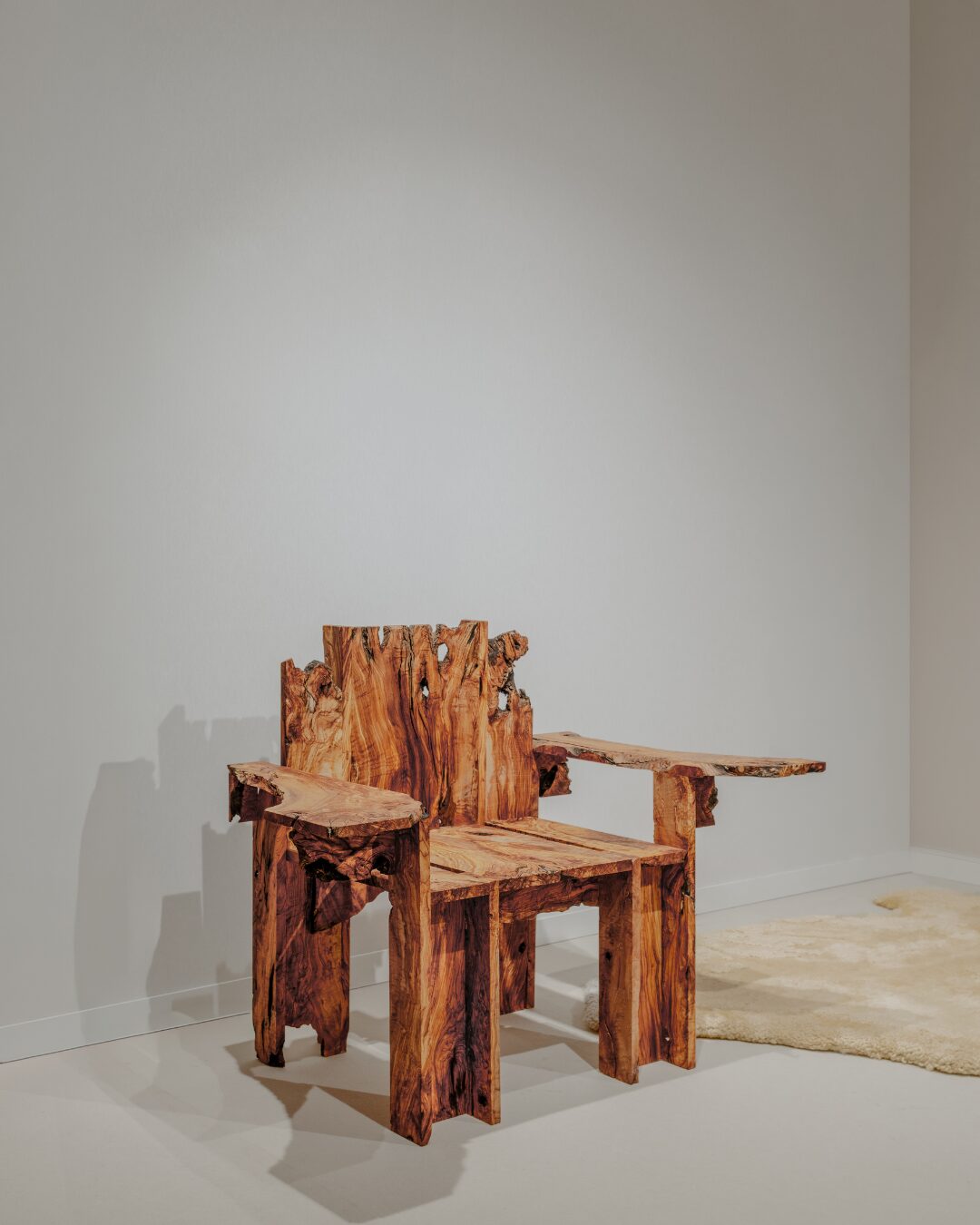
The result of that inquiry is Uprooted V01, an exhibition developed with Seetal Solanki, staged at Espacio Gaviota that combined furniture, material experiments, and immersive installations. The work centred on a key issue: the industrialisation of olive farming in Andalucía had created a vast surplus of waste material made of centenary root systems, strange and beautiful and unusable by the timber industry. With Uprooted, Penadés worked on documenting this waste and developing a methodology to work with it.
Gallery
Open full width
Open full width
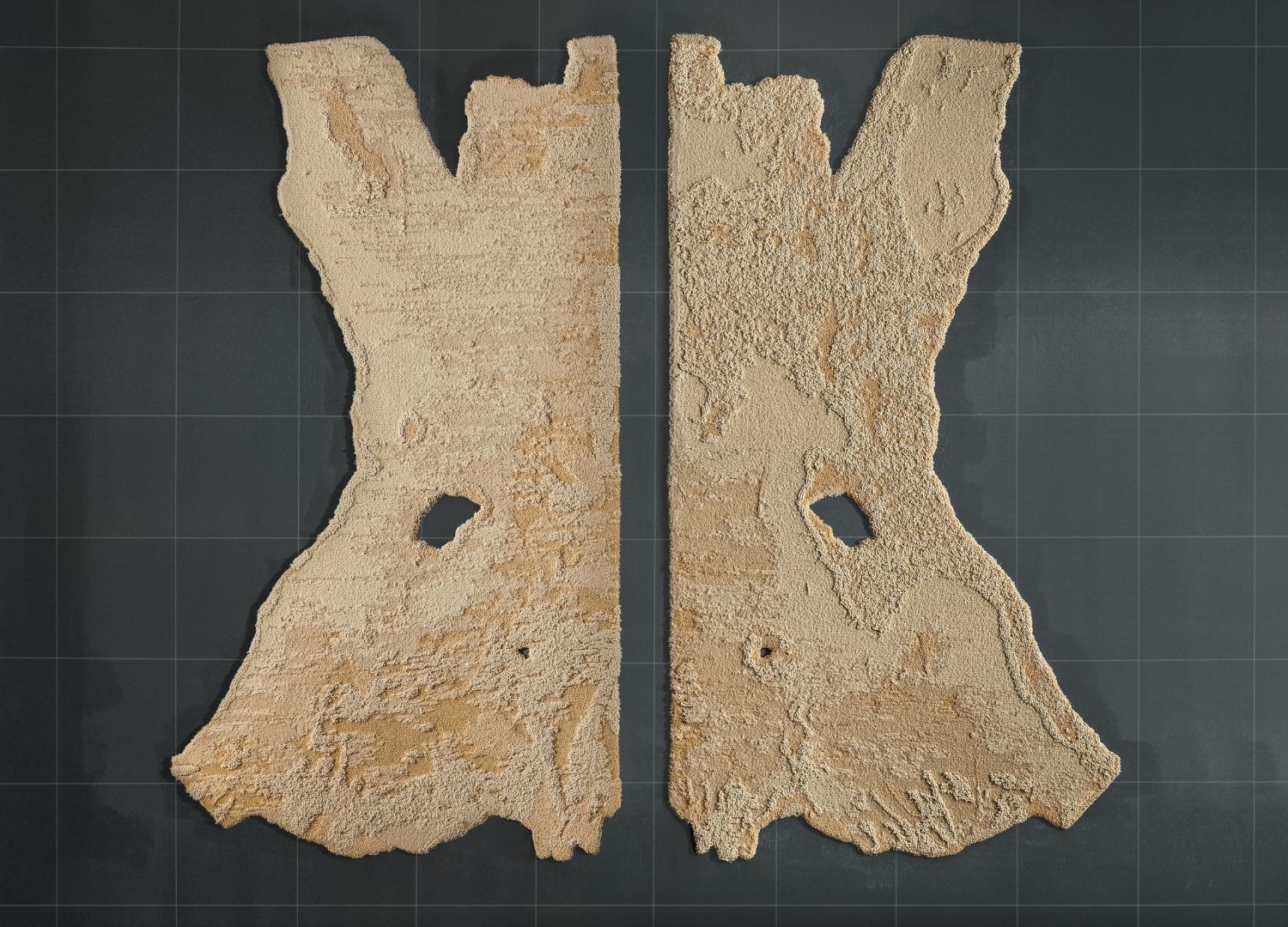
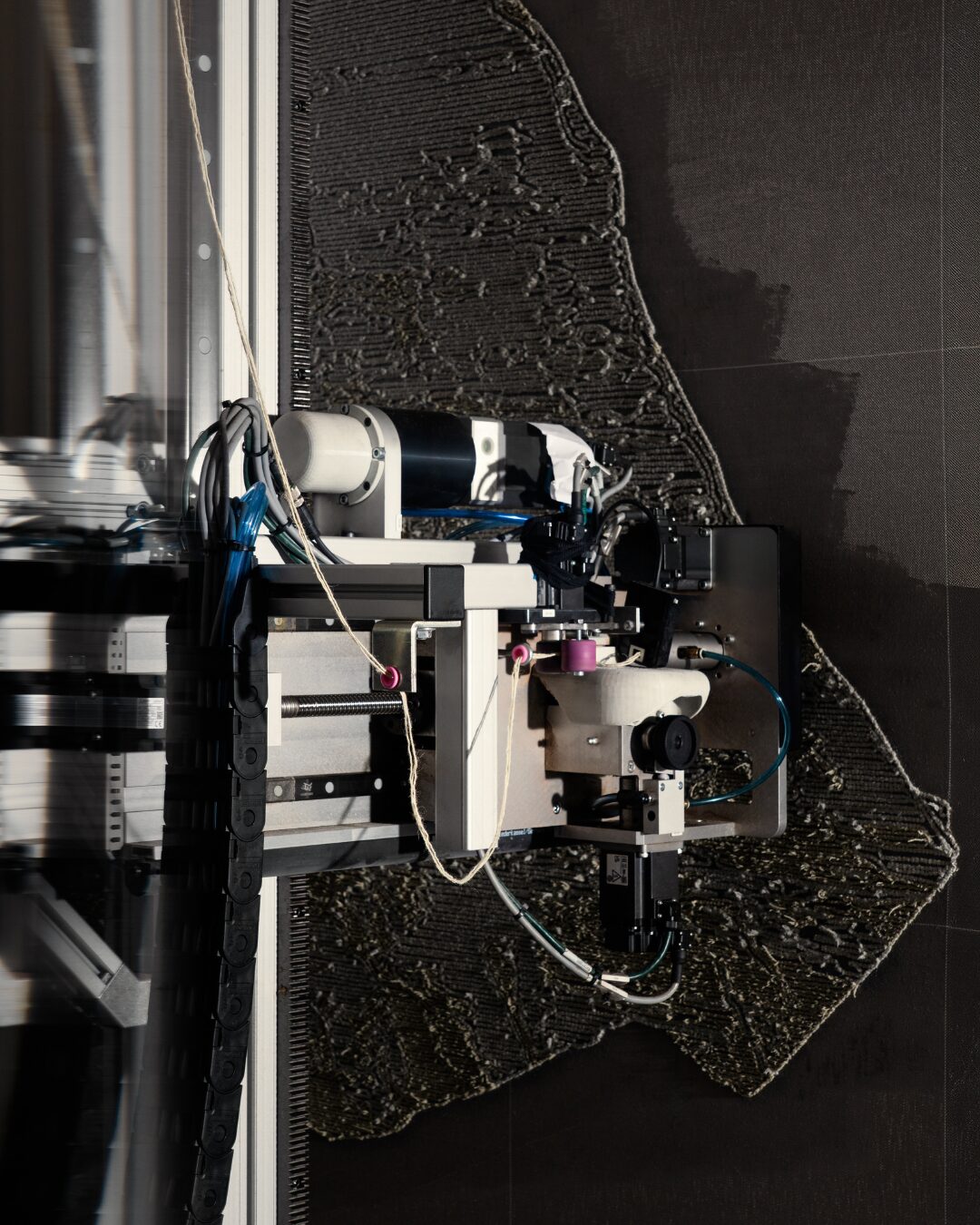
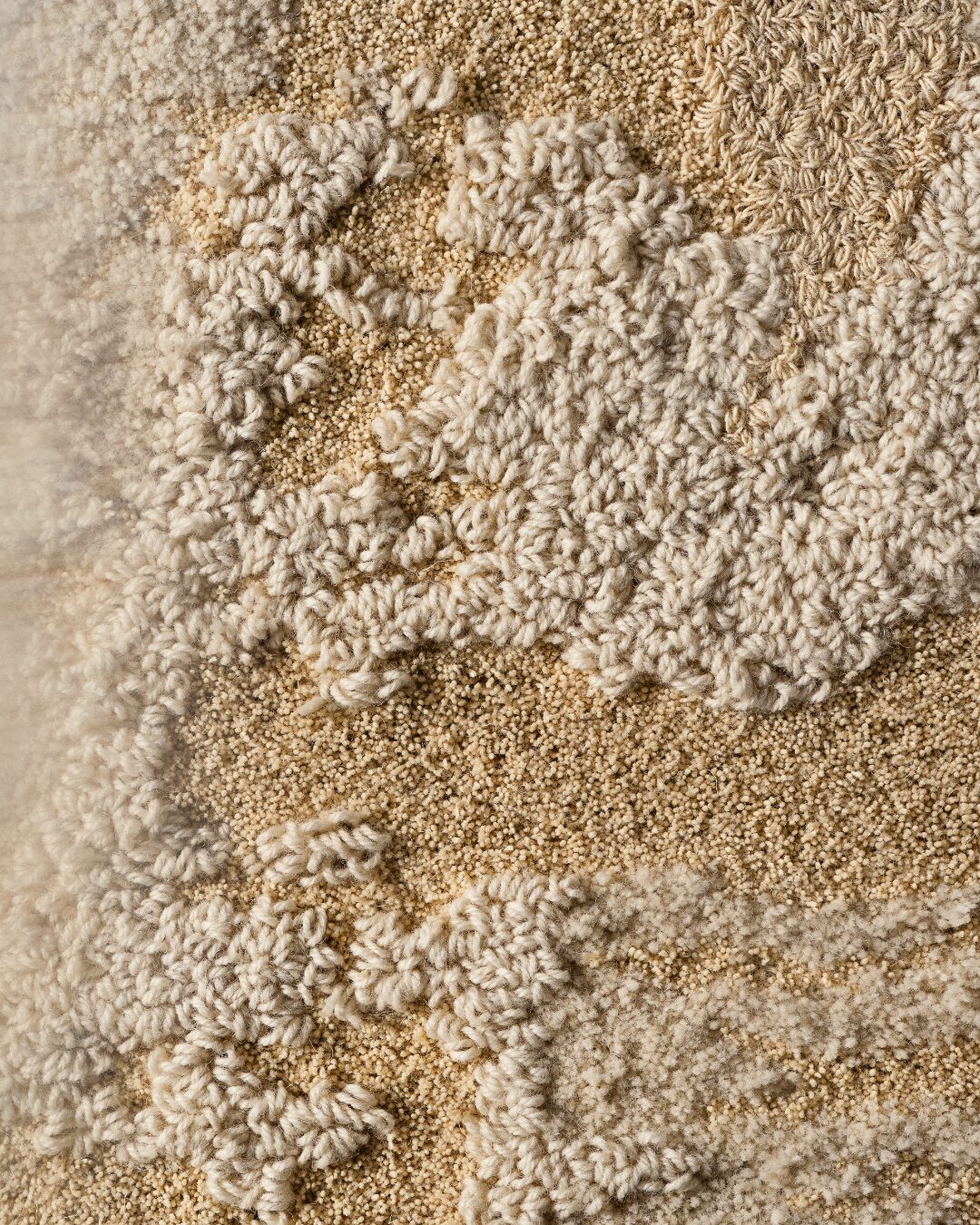
Now, with Uprooted V02, the designer has chosen to explore another major Spanish industry: wool. Spain is the largest wool producer in the EU, however, it is sadly sinking worldwide due to the rise in demand for cheaper synthetic fibres. To bring attention to the material, Penadés has developed a rug in cc-tapis’ Milanese laboratory, recently presented at Matter and Shape in Paris in March 2026.
For the rug, the team worked with deadstock wool, fibres that had already been produced but had no existing market destination. The rug is reversible, combining three undyed wools, various pile heights, and calibrated yarn thicknesses, in an attempt to render what olive roots look like: their grain, density, and shapes. The project creates a dialogue between wood and wool, two materials deeply embedded within the Mediterranean landscape. We had a brief chat with the designer about the Uprooted project and his future plans for it.
When you decided to extend Uprooted into wool, was that always part of the project’s original architecture, or did it emerge from somewhere unexpected?
Jorge Penadés:
“The extension of Uprooted into wool was not part of the initial idea. The first phase of the project focused on an isolated element within a productive system: the olive tree. In this second phase, the project expands to consider the ecosystem more holistically, looking at other interconnected elements, one of which is sheep. This shift allows the research to develop a wider material palette and move towards a more systemic understanding of value within rural production landscapes.“
You have been working with waste materials for a long time, for example using leftover leather scraps in Structural Skin, more than ten years ago. Is Uprooted a continuation of that logic, or has your relationship to waste and value changed in the past decade?
Jorge Penadés:
“I think a significant part of my work revolves around the idea of re-signifying. Earlier projects, like Structural Skin, engaged with waste materials primarily through reuse, finding new ways to work with what was already there. Uprooted continues this line of inquiry, but the approach has slightly shifted. I’m now less interested in waste as a physical condition and more in how it is culturally and economically constructed. In that sense, Uprooted moves from reuse towards re-signification, questioning the frameworks that define value and proposing alternative readings of what already exists.“
What would you like to explore next with the Uprooted series?
Jorge Penadés:
“I see Uprooted evolving as an open framework rather than a closed series. Moving forward, I’m interested in expanding the research across different territories, engaging with local industries connected to the olive oil sector, one of the cornerstones of our Mediterranean culture.“