Light at the Joint: MOVE+ and wearable medical tech
Through a portable, laser-equipped device puts clinical-grade red light therapy on your joints at home, Kineon is proposing a better life for people with chronic joint pain.
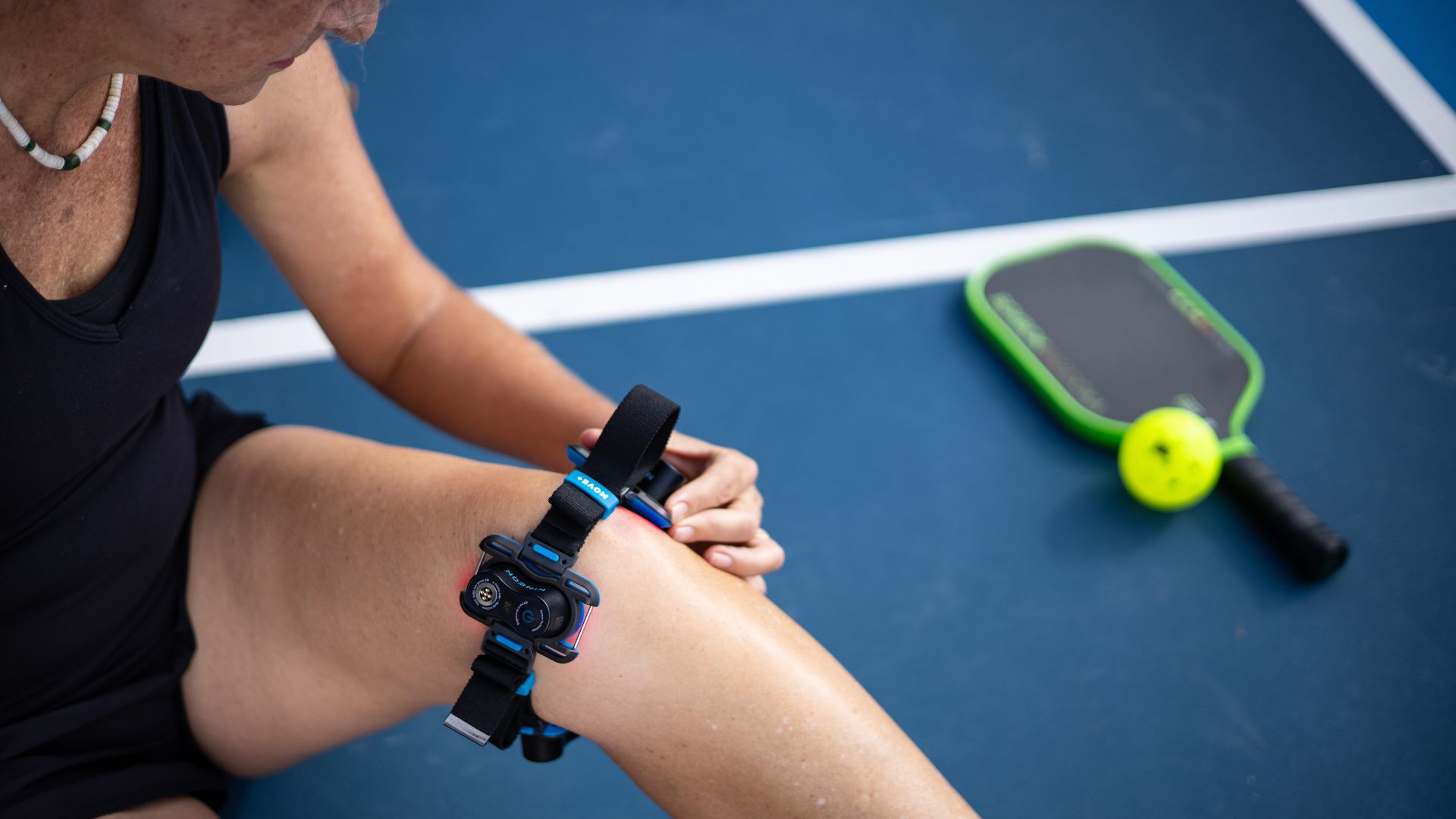
What if there were a version of pain management that didn’t involve pills or needles? Kineon’s MOVE+ Pro is a wearable red light therapy device designed specifically for joint pain, built around a technology called photobiomodulation. It is compact and wireless, a consumer wellness product built on genuine, and still evolving, science.
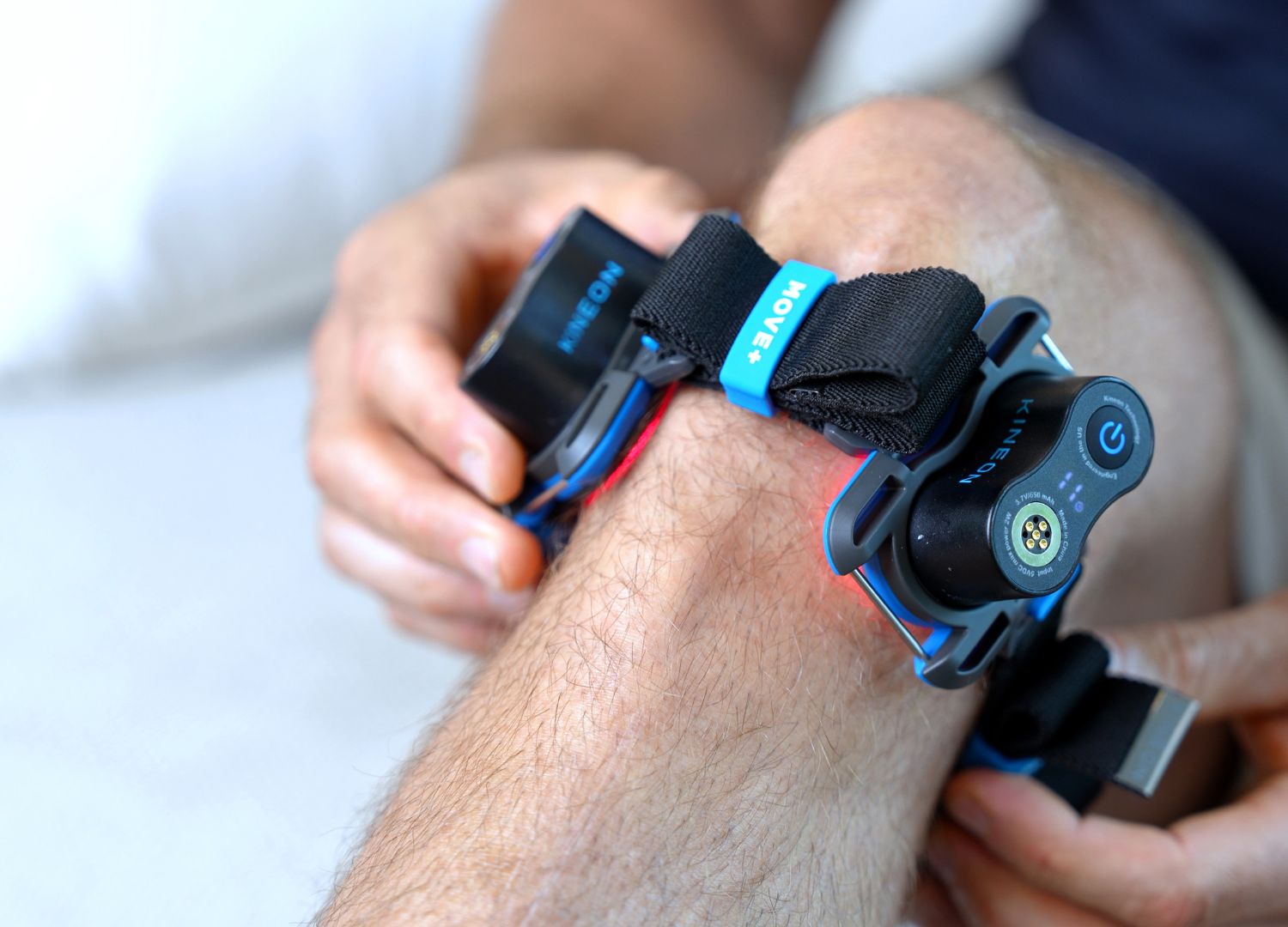
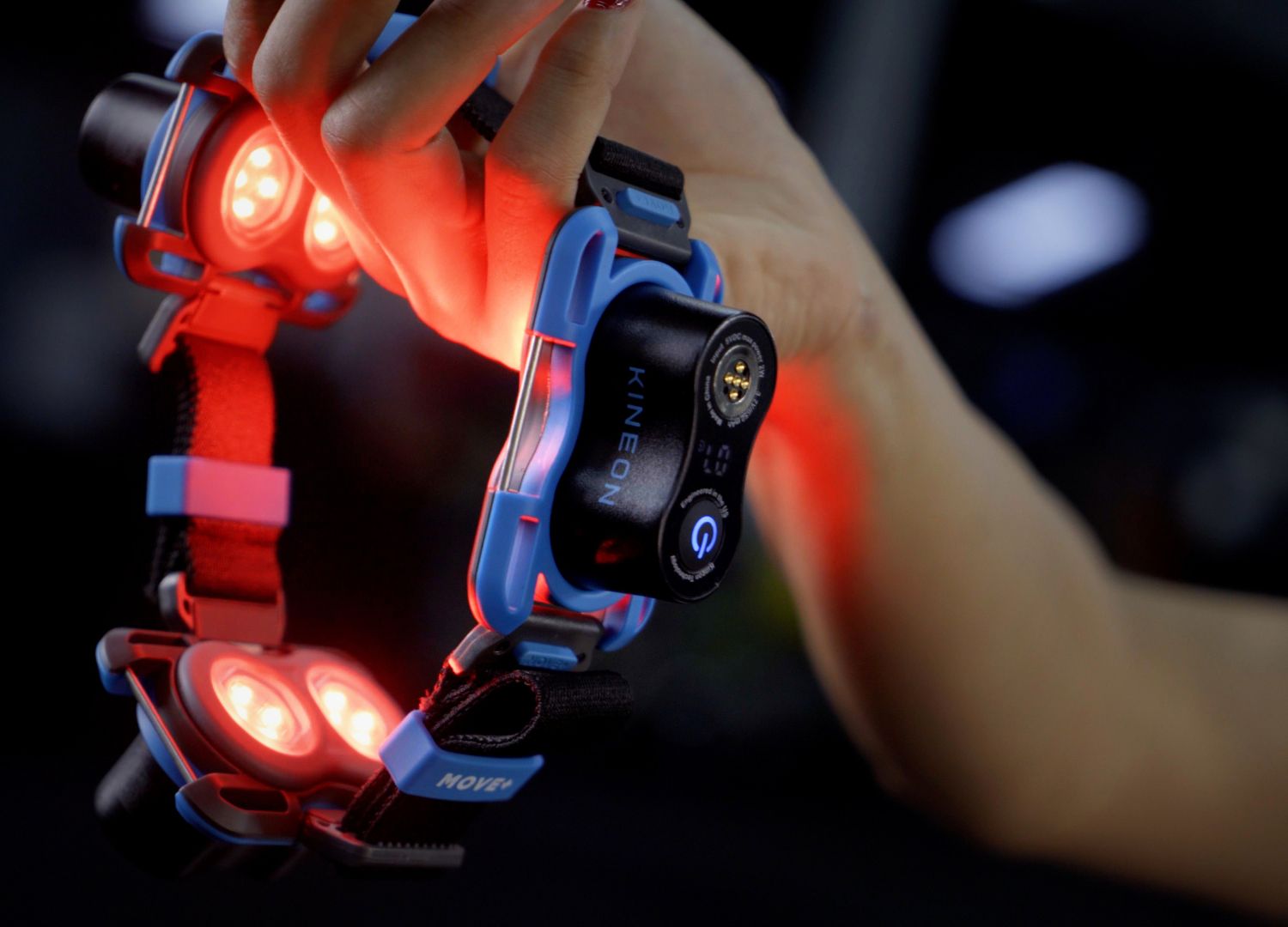
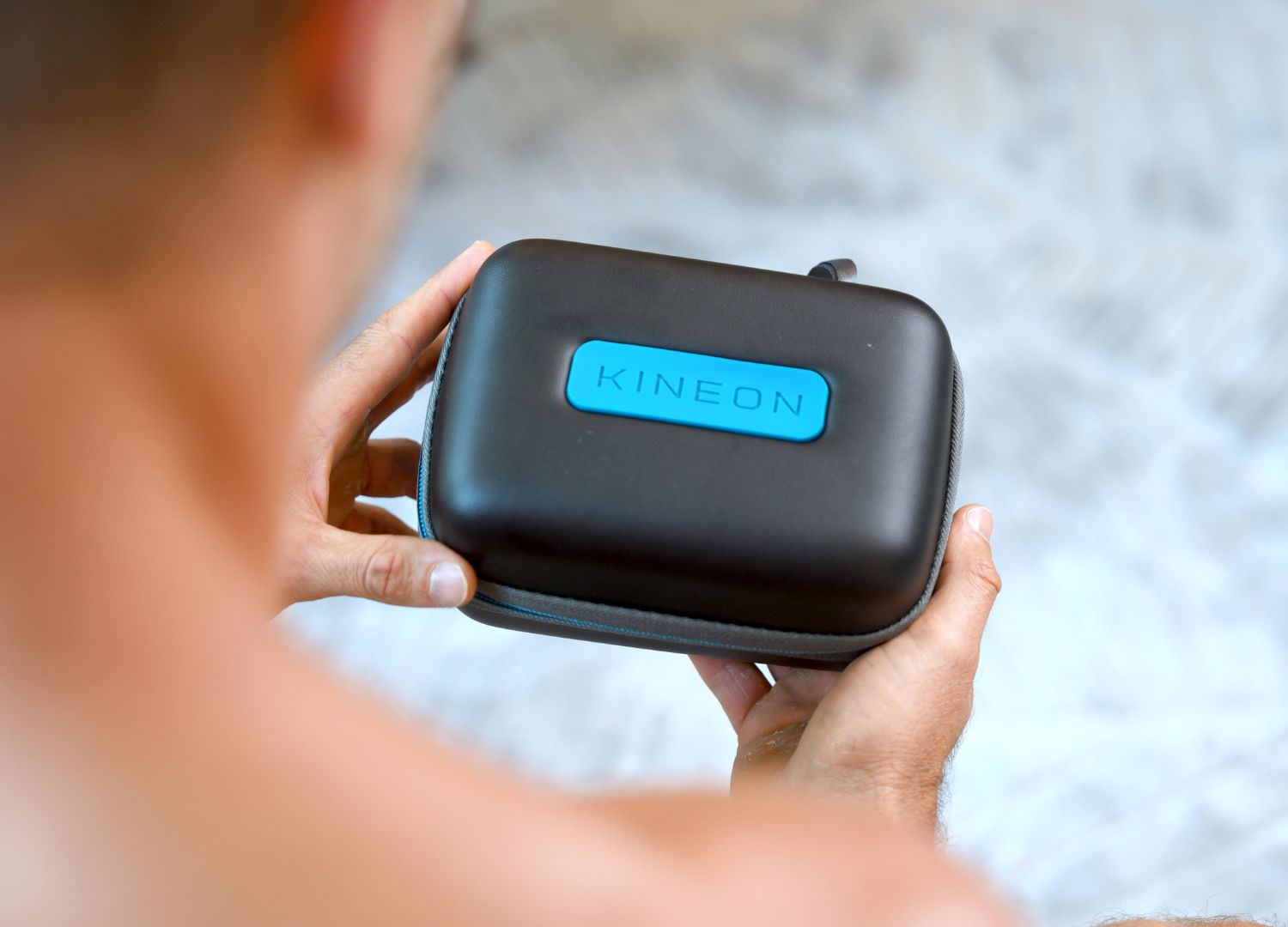
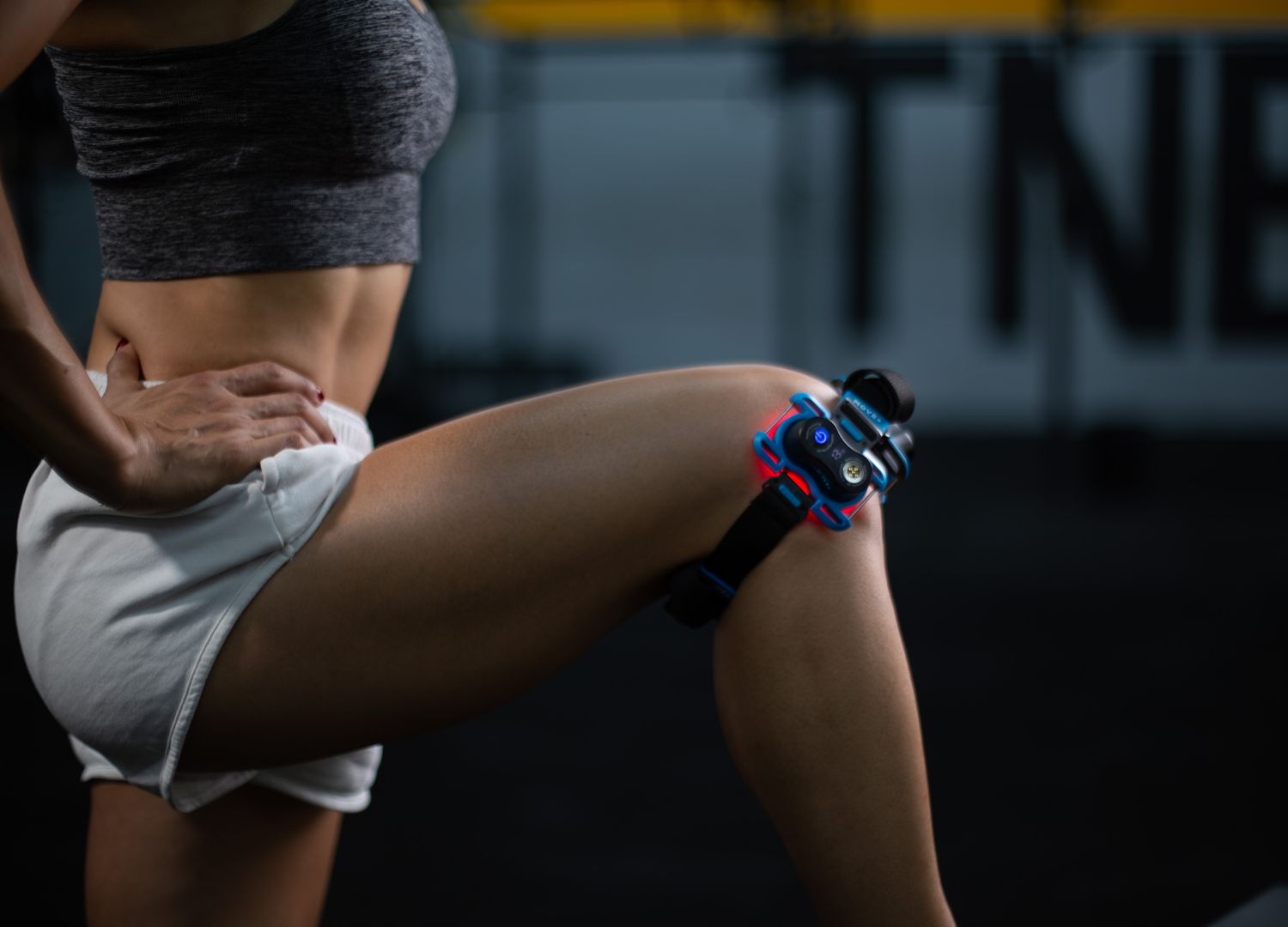
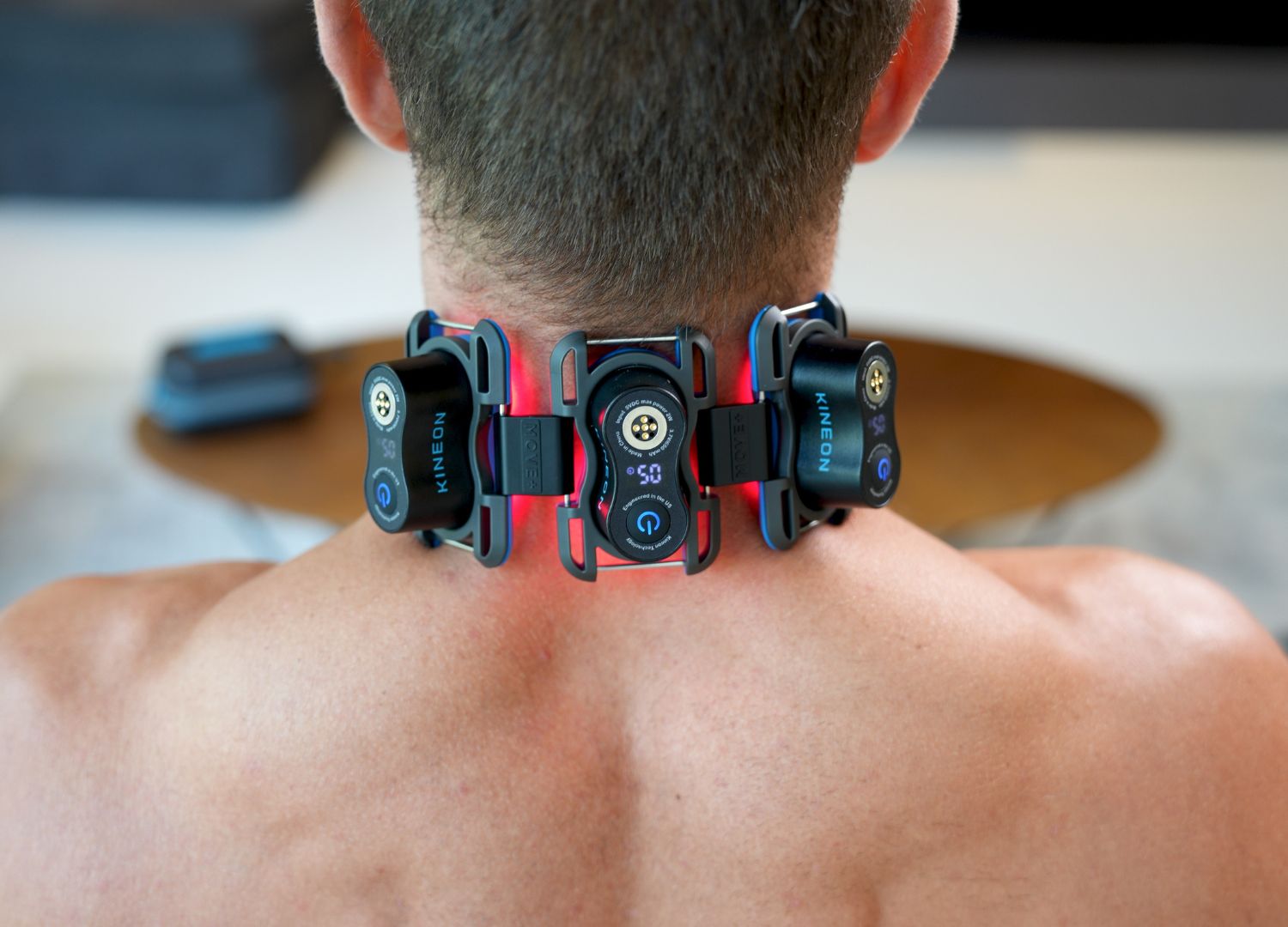
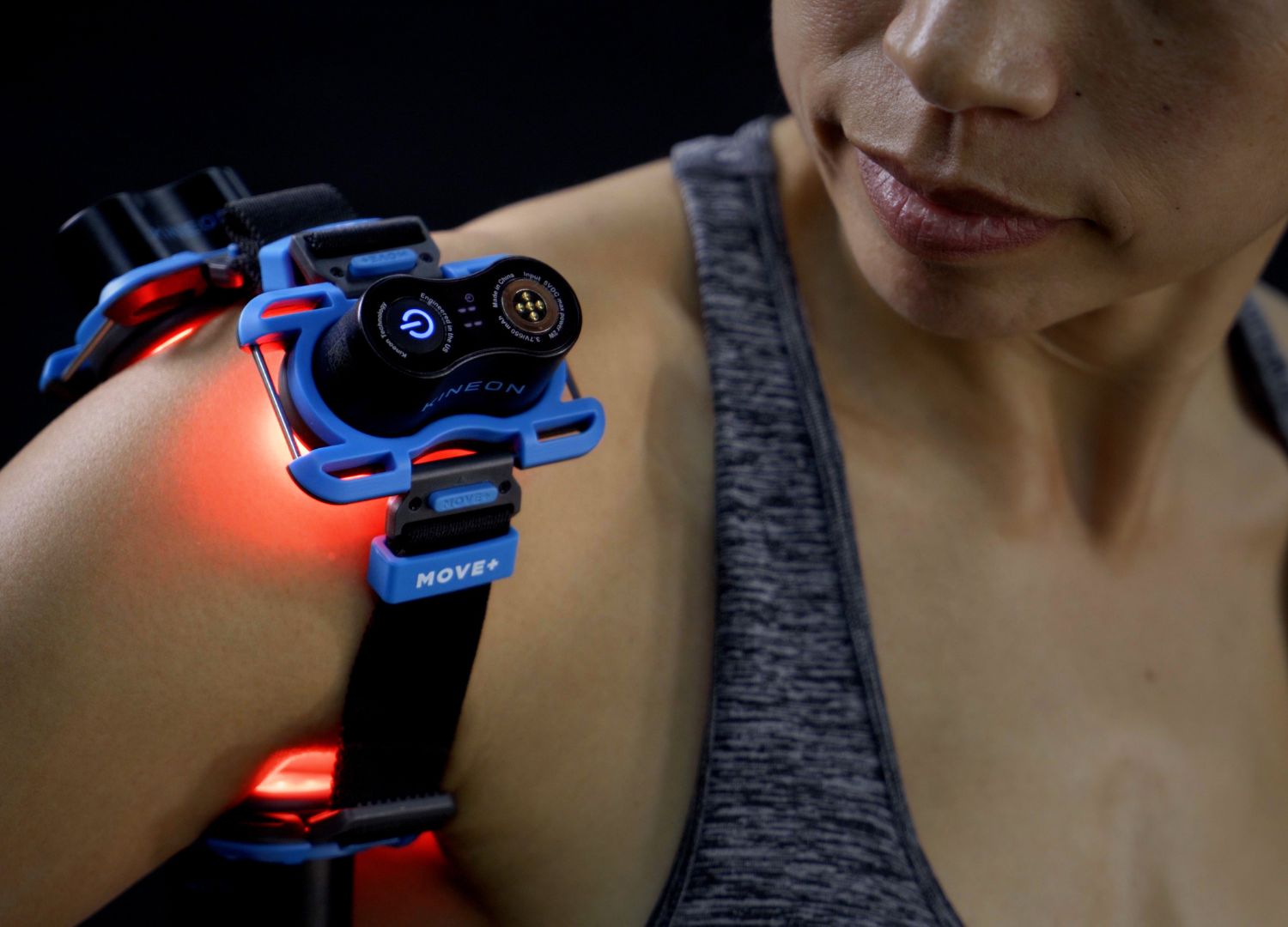
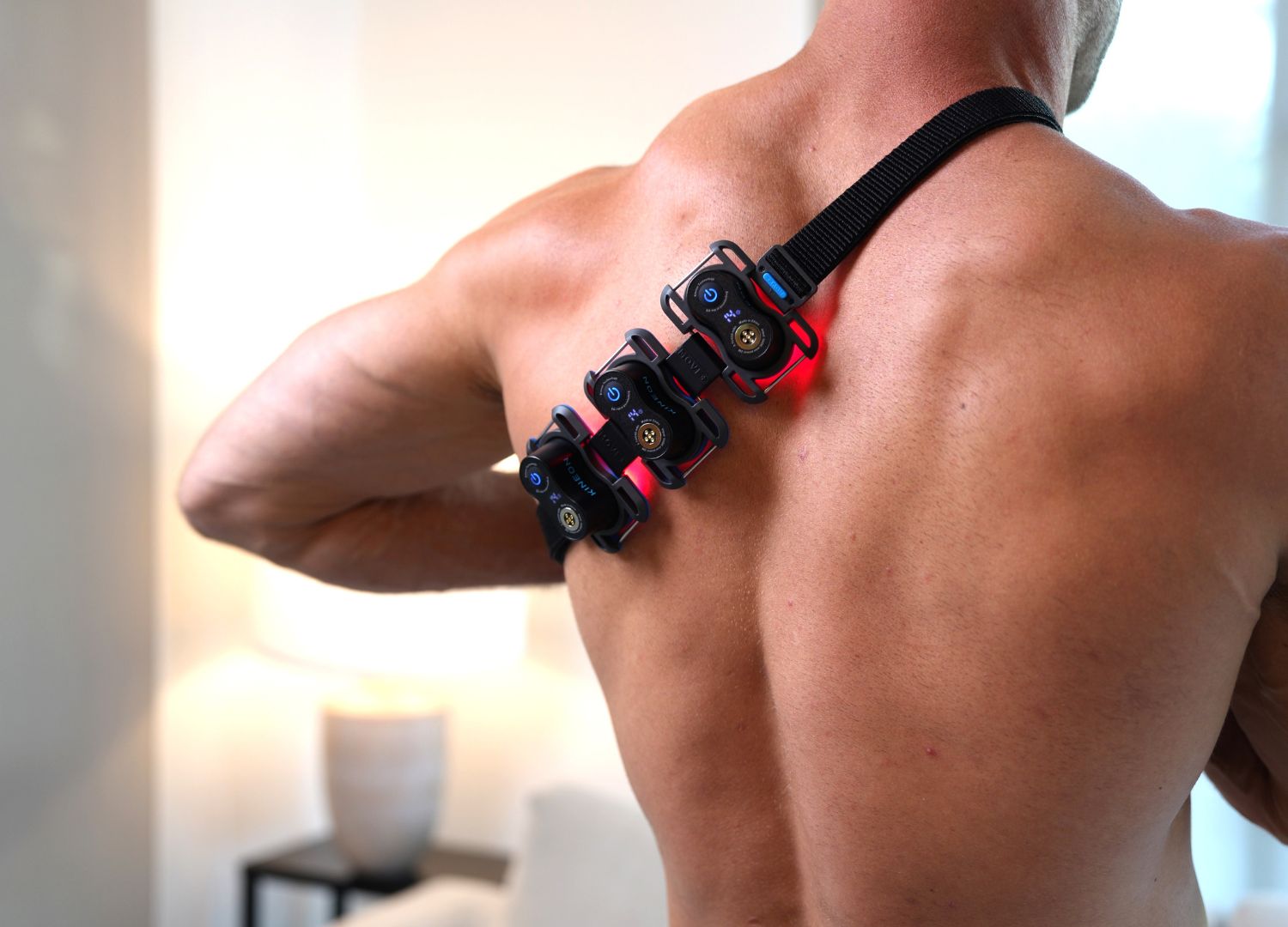
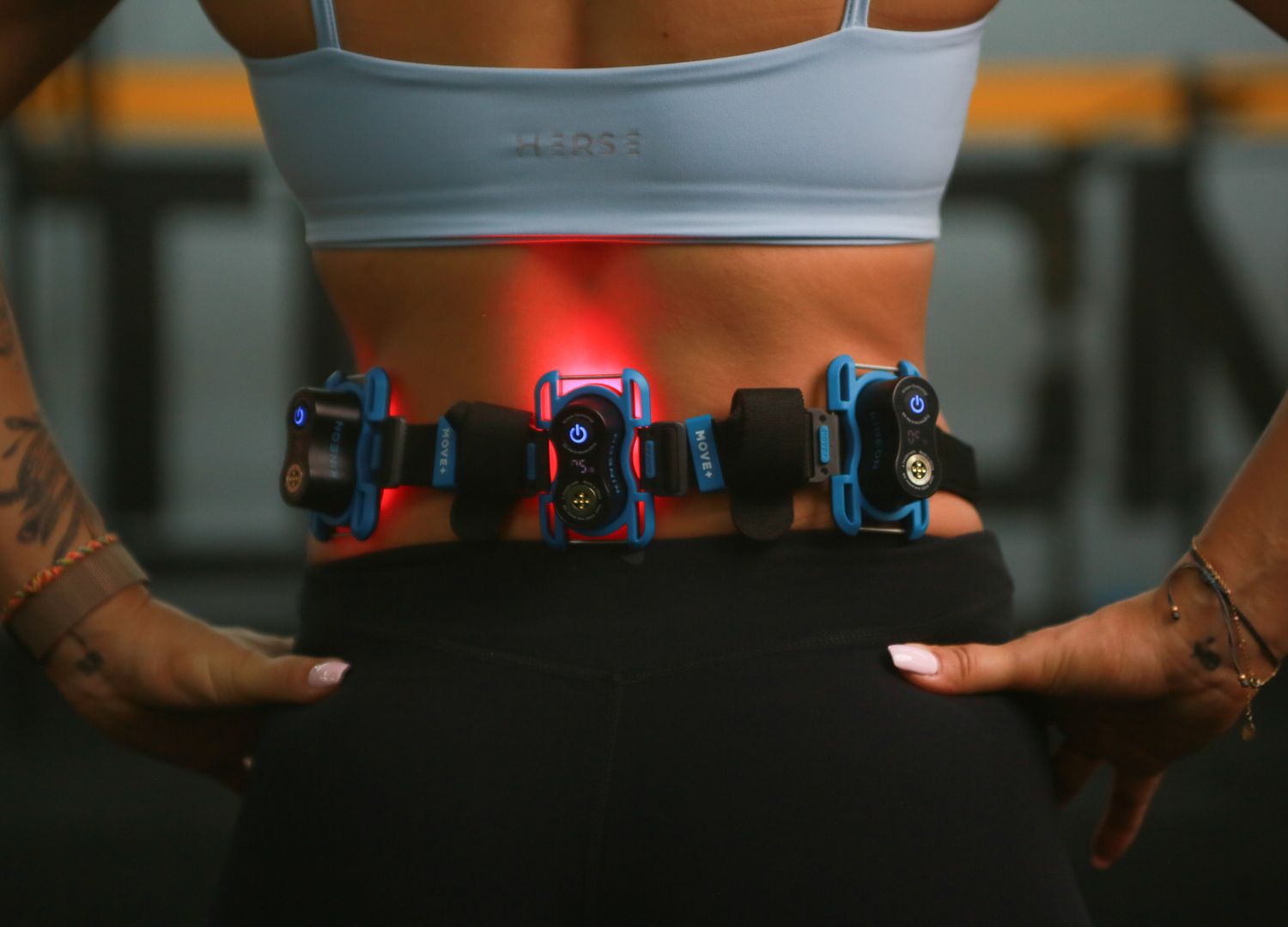
The MOVE+ Pro consists of three light therapy units, called modules, housed in an adjustable elastic strap. Each module is removable and rechargeable, and the kit comes with a carry case, charging dock, and cable. The modules each contain 8 deep red LEDs at 650 nanometres, and 10 infrared laser diodes at 808 nanometres. They are connected via Bluetooth, so that activating one powers all three simultaneously.
Gallery
Open full width
Open full width
The combination of LEDs and laser diodes is what distinguishes MOVE+ from most consumer red light devices, which typically rely on LEDs alone. The infrared lasers can penetrate deeper into the tissue, allowing the device to act on where joint inflammation and chronic pain are rooted.
The mechanism which allows the device to work is photobiomodulation (PBM), a term for the use of non-thermal red and near-infrared light to stimulate biological processes. PBM works though mitochondrial light absorption, which activates the respiratory electron transport chain and increases ATP production, meaning that it gives more energy to our cells, to put it simply. This extra energy is used to support inflammation reduction, tissue repair, and pain relief.
A review of randomised clinical trials found that PBM significantly reduced pain intensity with moderate certainty of evidence, while it has been concluded that PBM reduces pain in patients with knee osteoarthritis and may improve disability.
The device’s setup is intuitive, as each module clicks into holsters across the band, and they remain in place thanks to a snug fit. The straps allow MOVE+ to be placed in various areas, such as knees, elbows, ankles, or neck. The three modules can be charged through USB-C in their custom travel case, allowing for ease of use anywhere. When placed in the strap, one button activates all of them simultaneously, and the same button allows the user to decide the length of treatment between 5, 10, or 15 minutes. The recommended protocol involves quick daily sessions; the company emphasises consistency over duration, as short daily sessions outperform longer sporadic ones.
For someone dealing with chronic joint pain, like a runner whose knees have been limiting their performance, or an older adult who finds mornings increasingly stiff, a product like MOVE+ Pro can really have an impact on quality of life. People who respond well to PBM report a gradual reduction in background pain, allowing them to live fuller lives by lowering the constant noise that had been shaping their decisions in small ways.
Bringing this level of therapy out of the clinical setting and into the home is a key part of the MOVE+ Pro story, as was reaching a relatively accessible price point at $499. As our lives become more hectic, it is becoming harder for people to properly take care of their health, often due to a lack of time or resources. By creating a product that people can easily use at home, Kineon is expanding accessibility to healthcare and pain management, which is especially relevant in countries with privatised healthcare such as the United States.