IKEA adds (affordable) collectible design to its catalogue with KONSTRUNDA
7 designers, 7 different visions, one idea: bringing functional art into everyday homes. With KONSTRUNDA, IKEA explores how far popular design can go.
2026 has, so far, been the year in which collectible design seems to have moved a little further away from the idea of an exclusive territory. Art is becoming increasingly present in places where we live, work and shop, while the idea of what can be considered beautiful, desirable or collectible continues to expand. Think of Raritas, this year part of the Salone del Mobile in Milan, or the growing relevance of fairs such as Lake Como Design Festival and exhibitions such as Vestigia across Europe, with an interesting Italian twist.
It is within this changing landscape that IKEA is introducing KONSTRUNDA, a limited-edition collection of functional art objects developed with seven designers and artists, some working within the brand and others coming from outside it, with different ages, backgrounds and practices. The collection gives them room to interpret IKEA through their own language, starting from a simple question: what happens when an object does not have to be designed around its function?
Gallery
Open full width



Open full width
Table of Contents
IKEA, but make it collectible
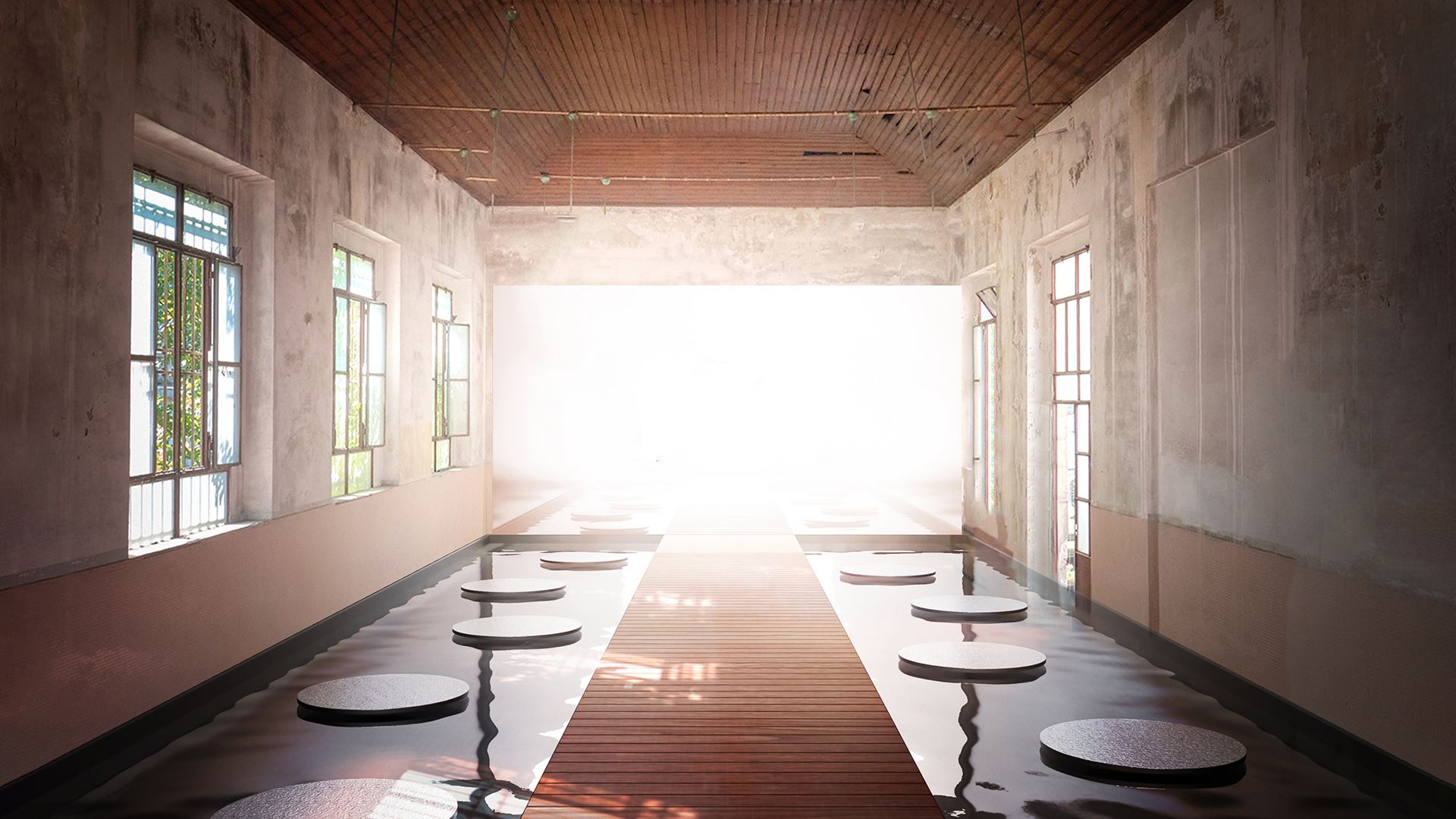
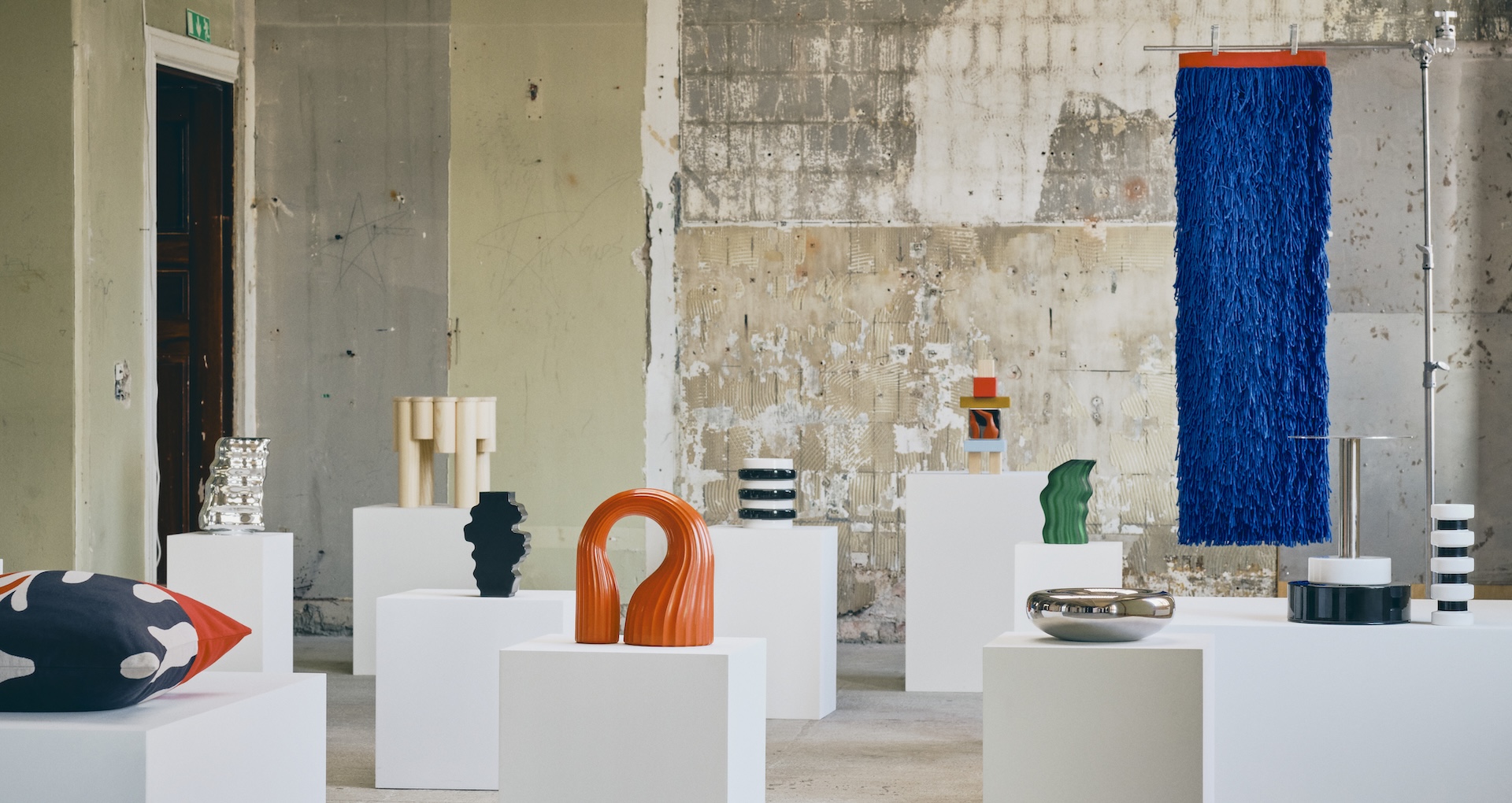
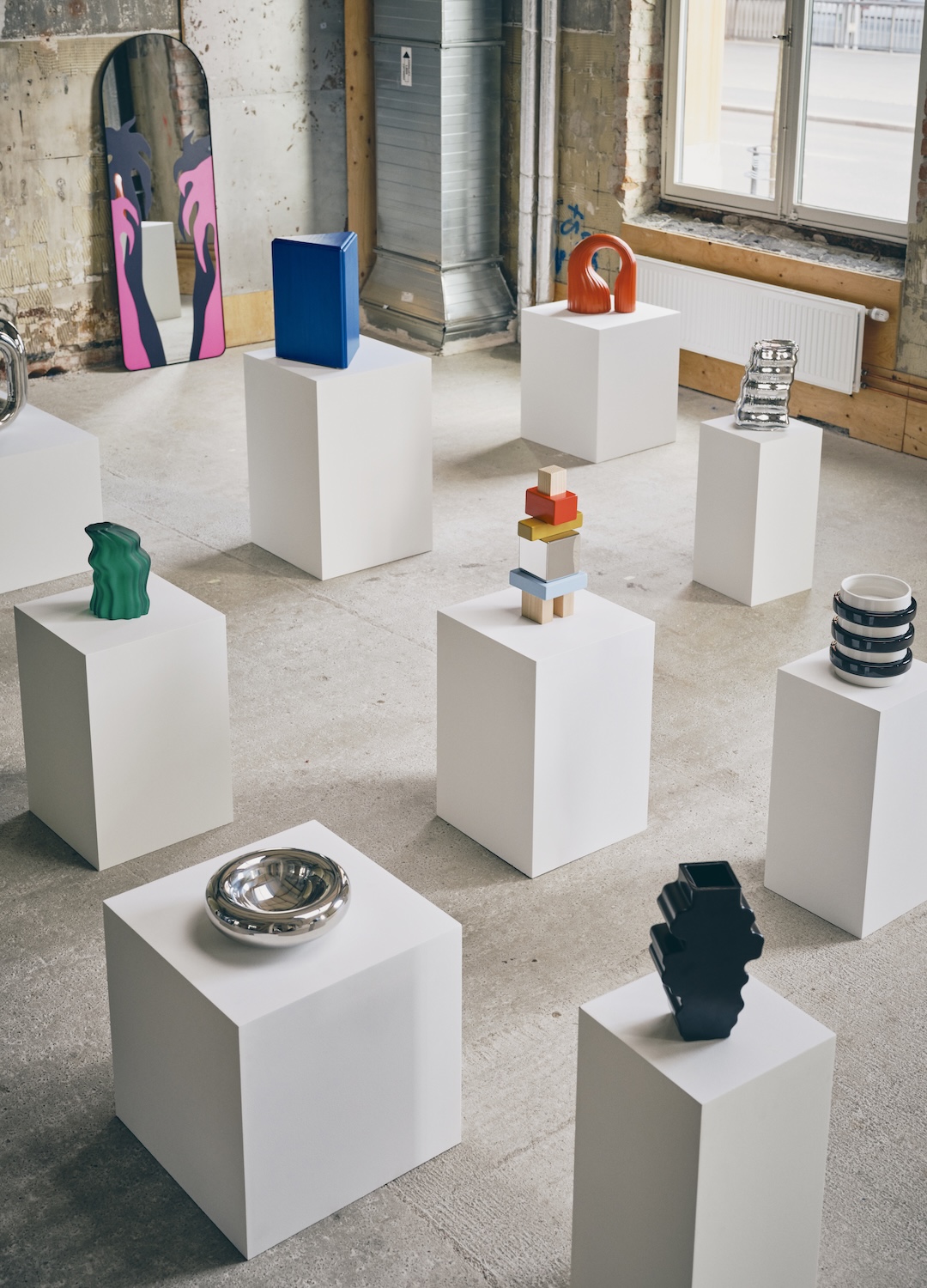
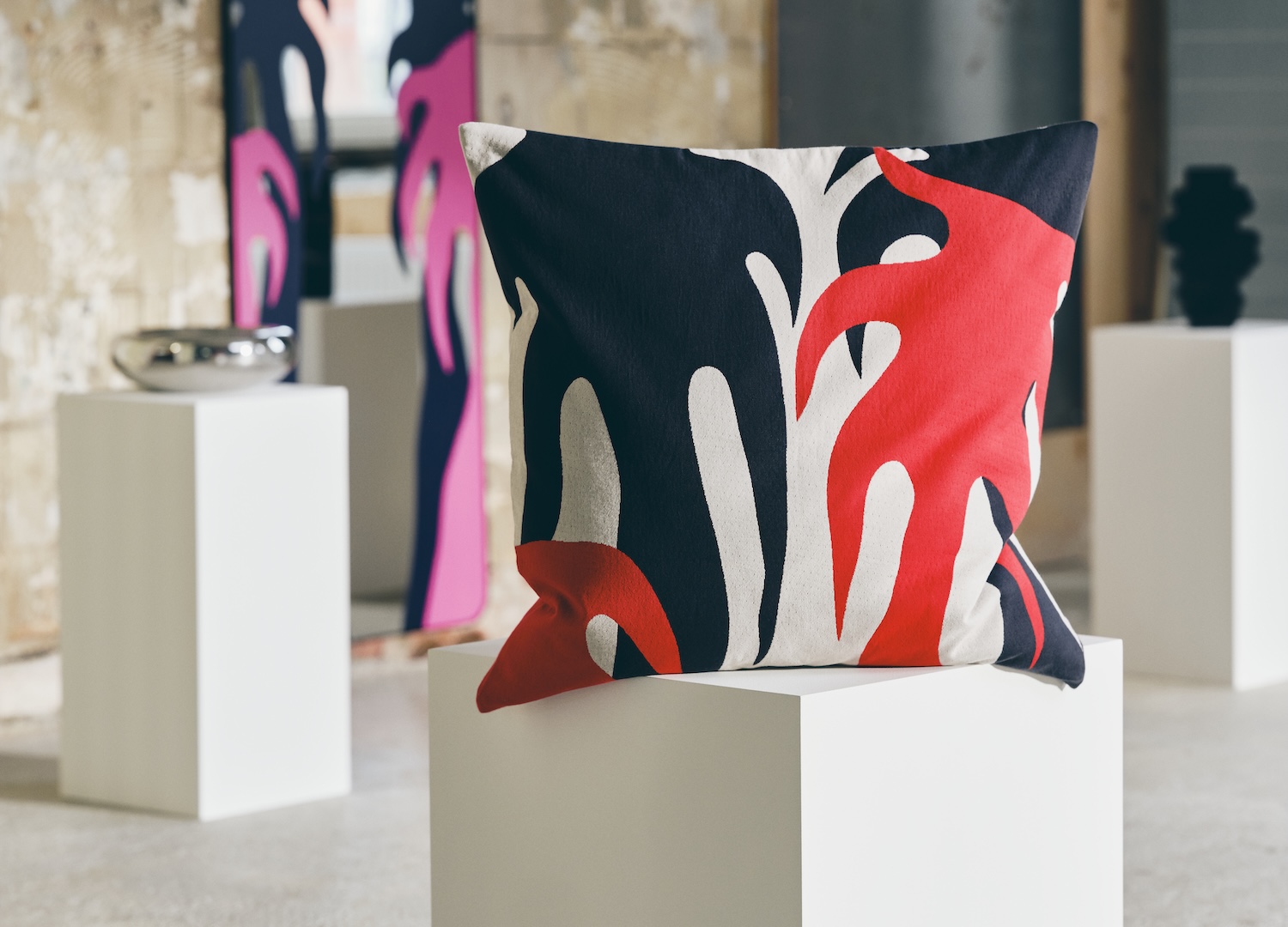
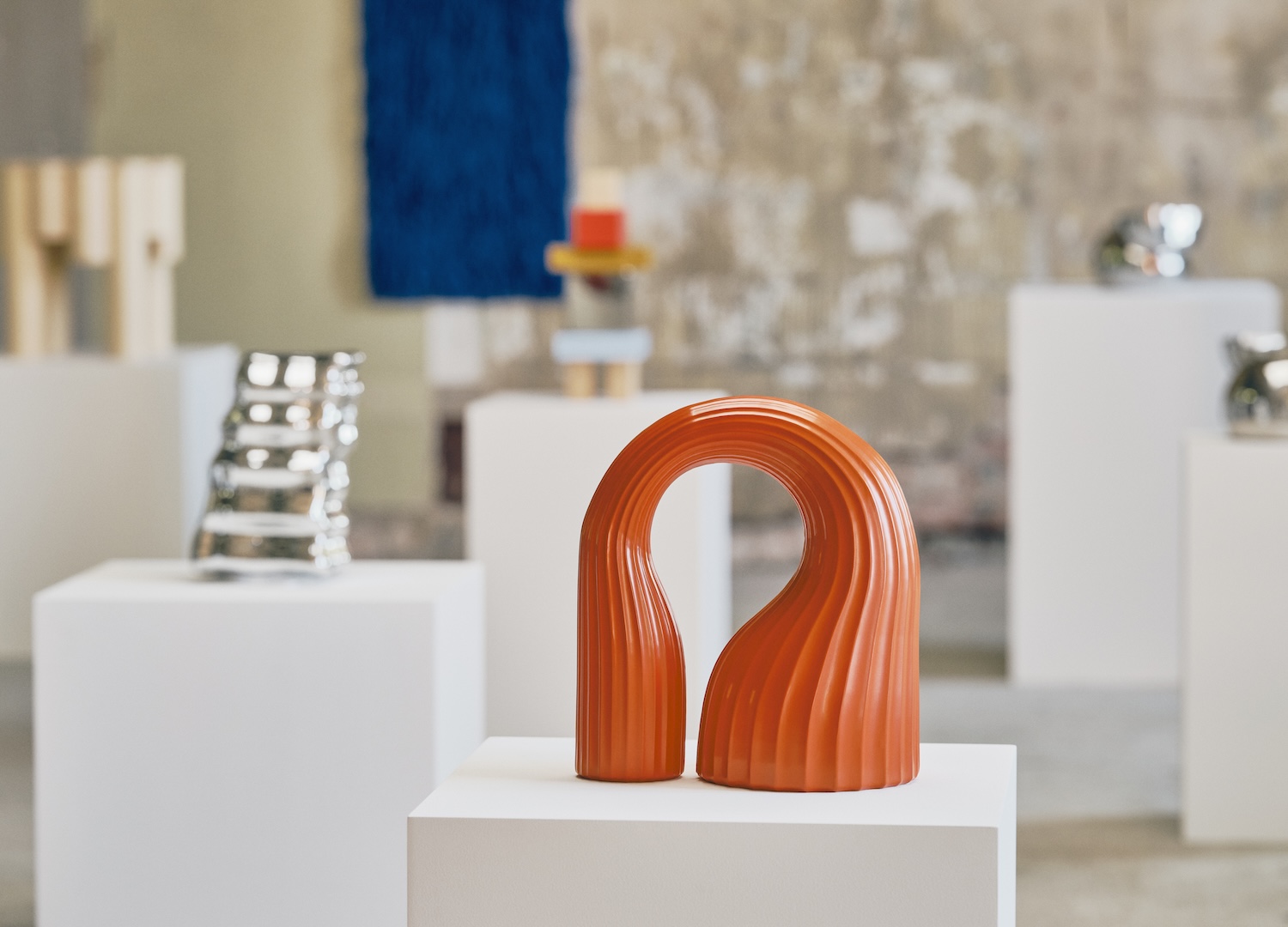
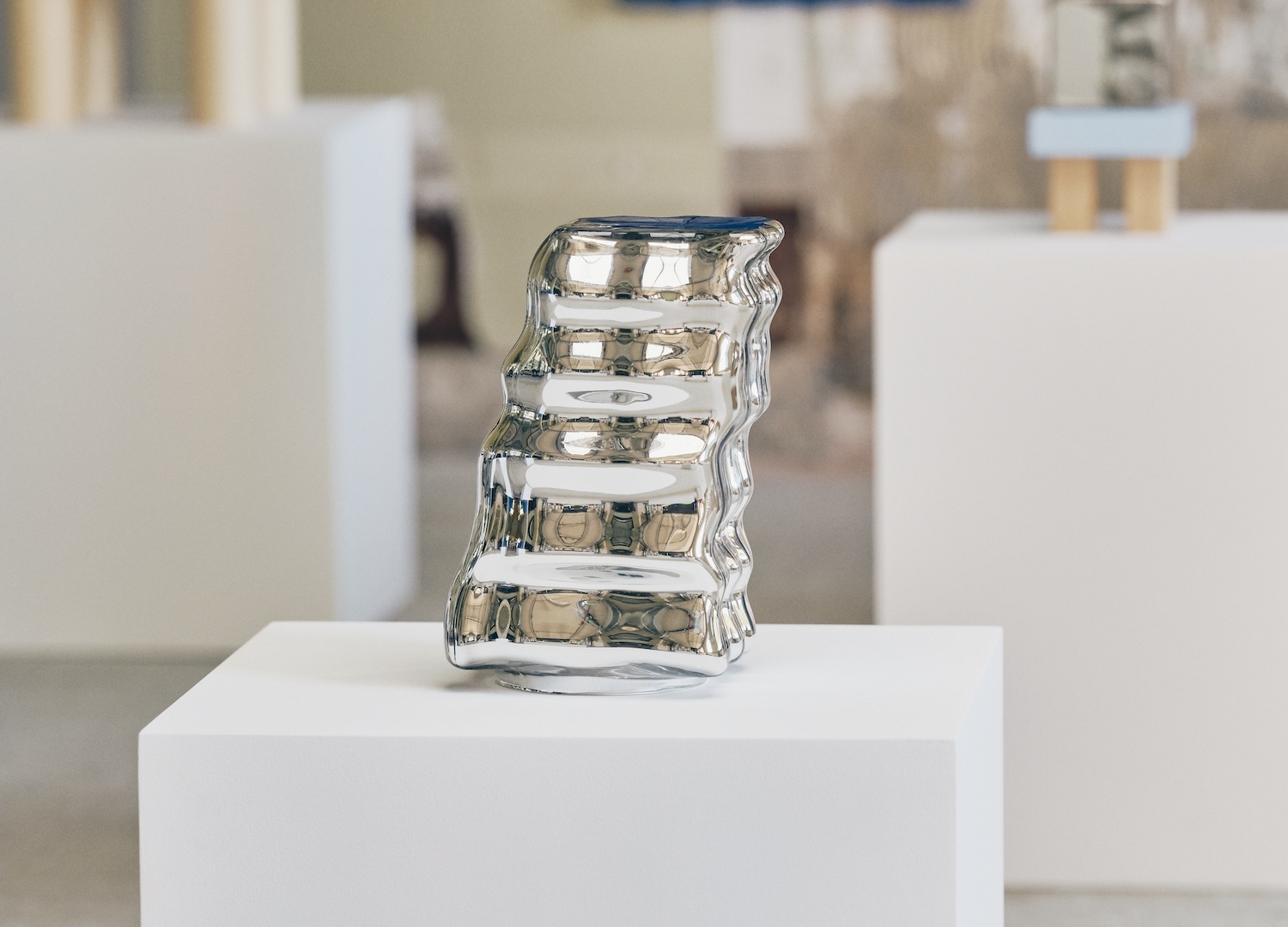
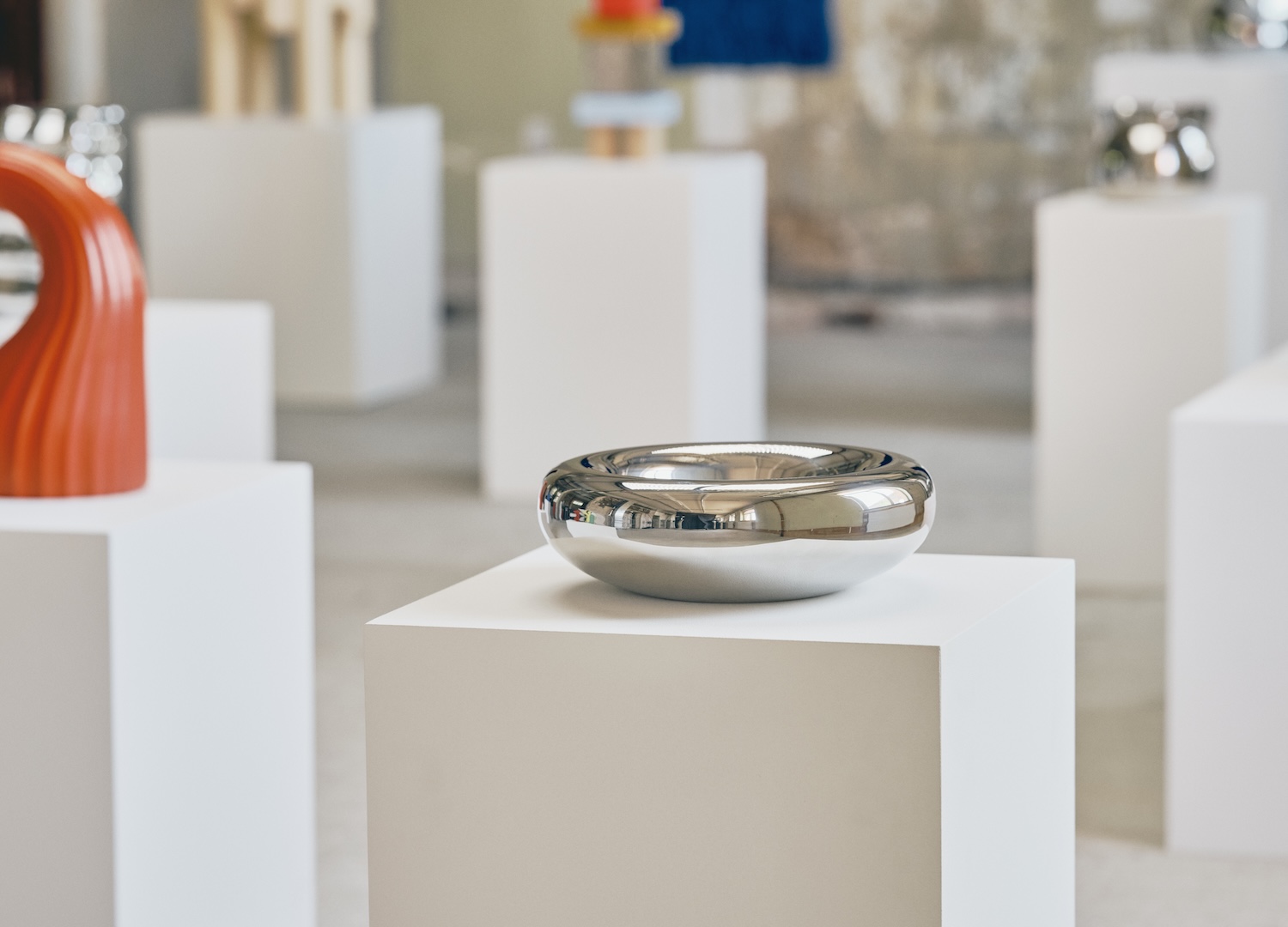
The idea also came through in the way KONSTRUNDA was presented. The objects stood on individual pillars, each one separated from the others and given its own space, in a setting that recalled the way collectible design is usually displayed in galleries and fairs. Removed from the domestic environment and from any immediate idea of use, they could be looked at for what they were: shapes, materials, colors and ideas, with the same attention normally given to a piece of art.
At the same time, there was something slightly unusual about seeing this kind of display as part of the IKEA promotional launch – the Swedish colossus is a brand more commonly associated with rooms, functions and everyday life. The “exhibition mood” plays with this contrast without making it feel too serious, bringing the objects closer to the language of collectible design while keeping the atmosphere open and familiar. In a way, the presentation followed the same line as the collection itself, taking something that usually belongs to a more specialized design world and placing it in a context where anyone could simply walk in, look around and decide what they thought of it.
7 designers for 7 visions
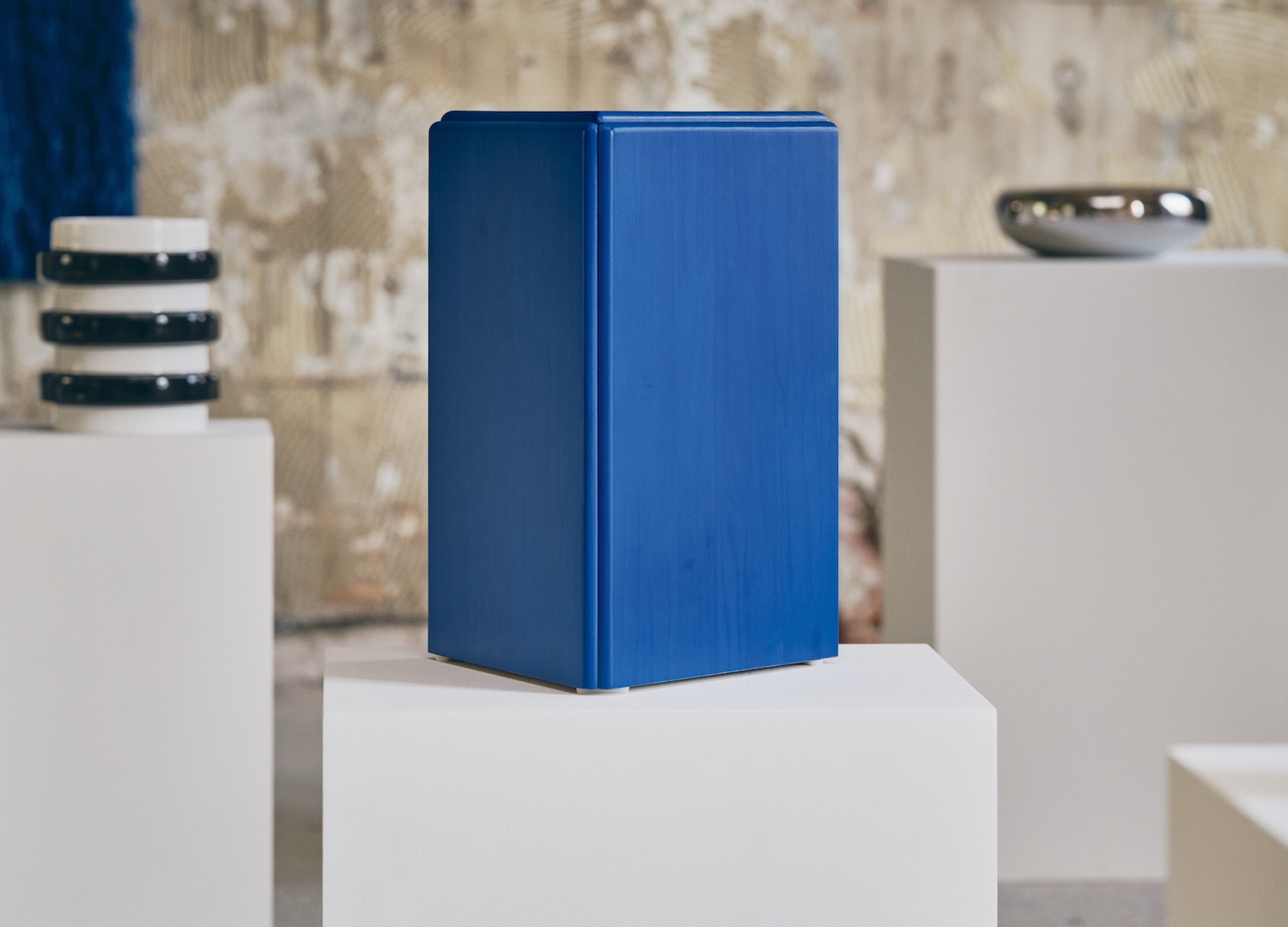
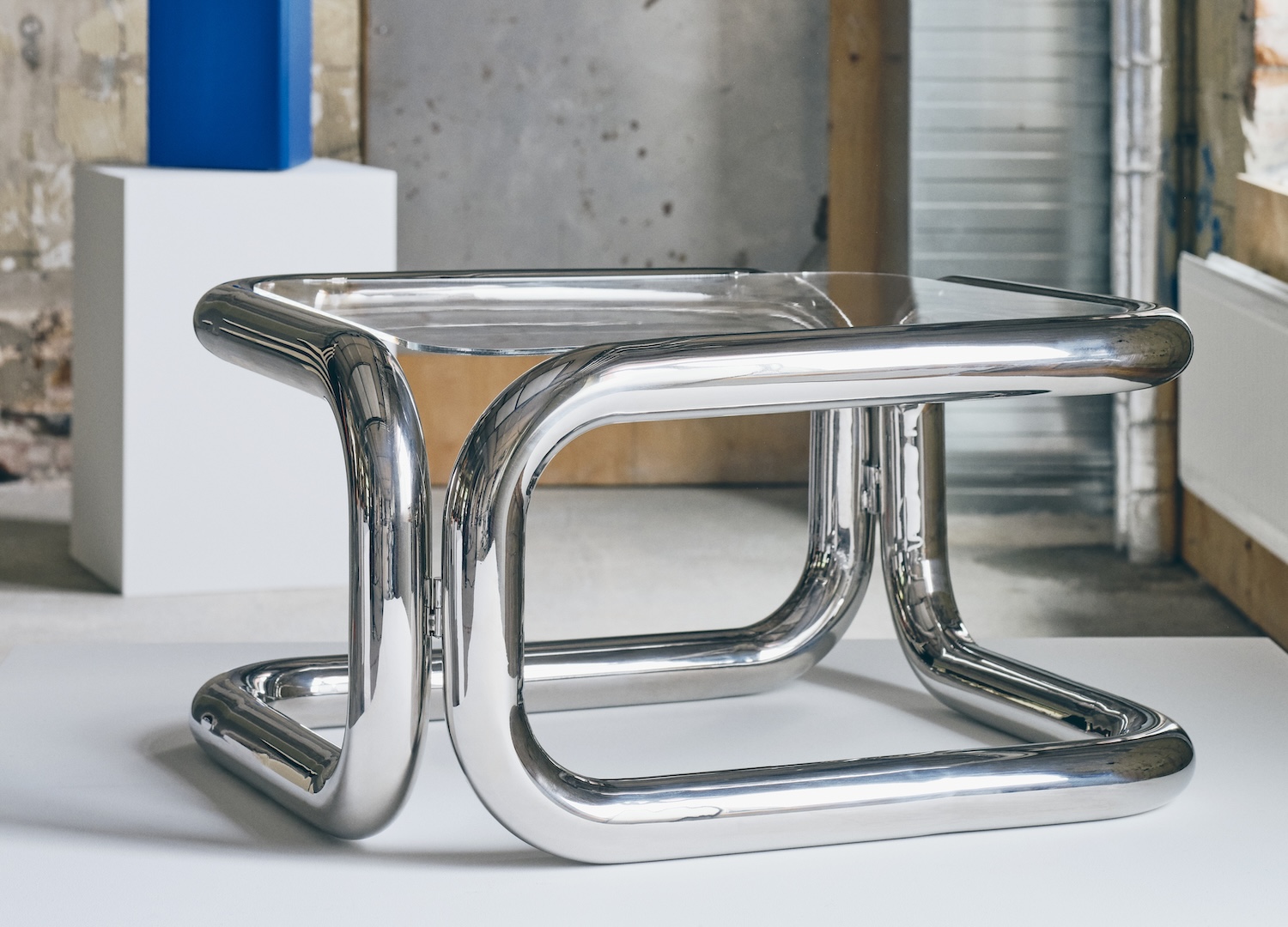
Andu Masebo approaches the question through furniture and product design, with a glass table enclosed by a substantial welded chrome structure and two sculptural wooden blocks, one in raw pine and the other finished in a vivid blue. They can be used as stools or side tables, but they also have the presence of objects that can simply occupy a space, without needing a practical reason to be there.
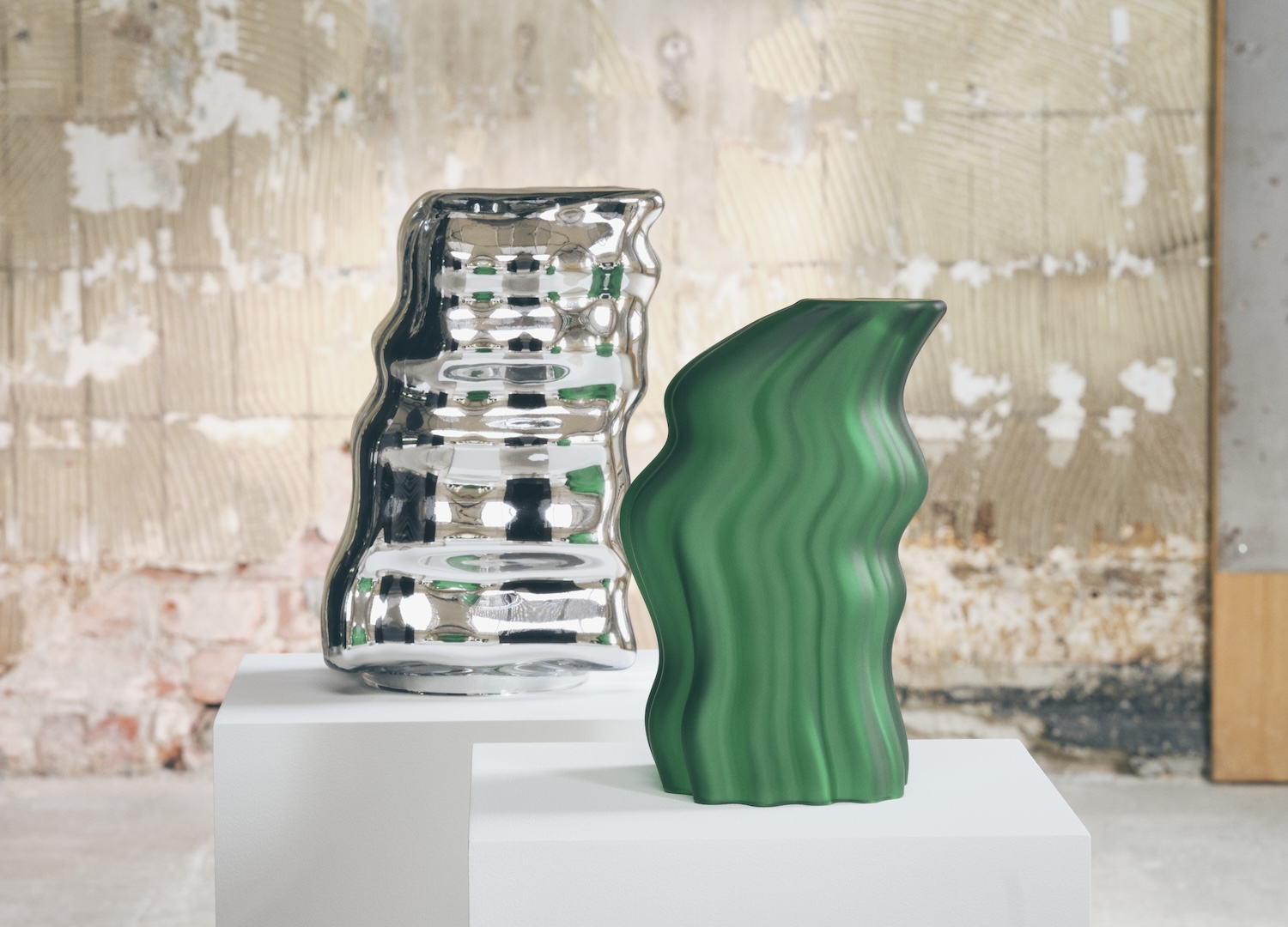
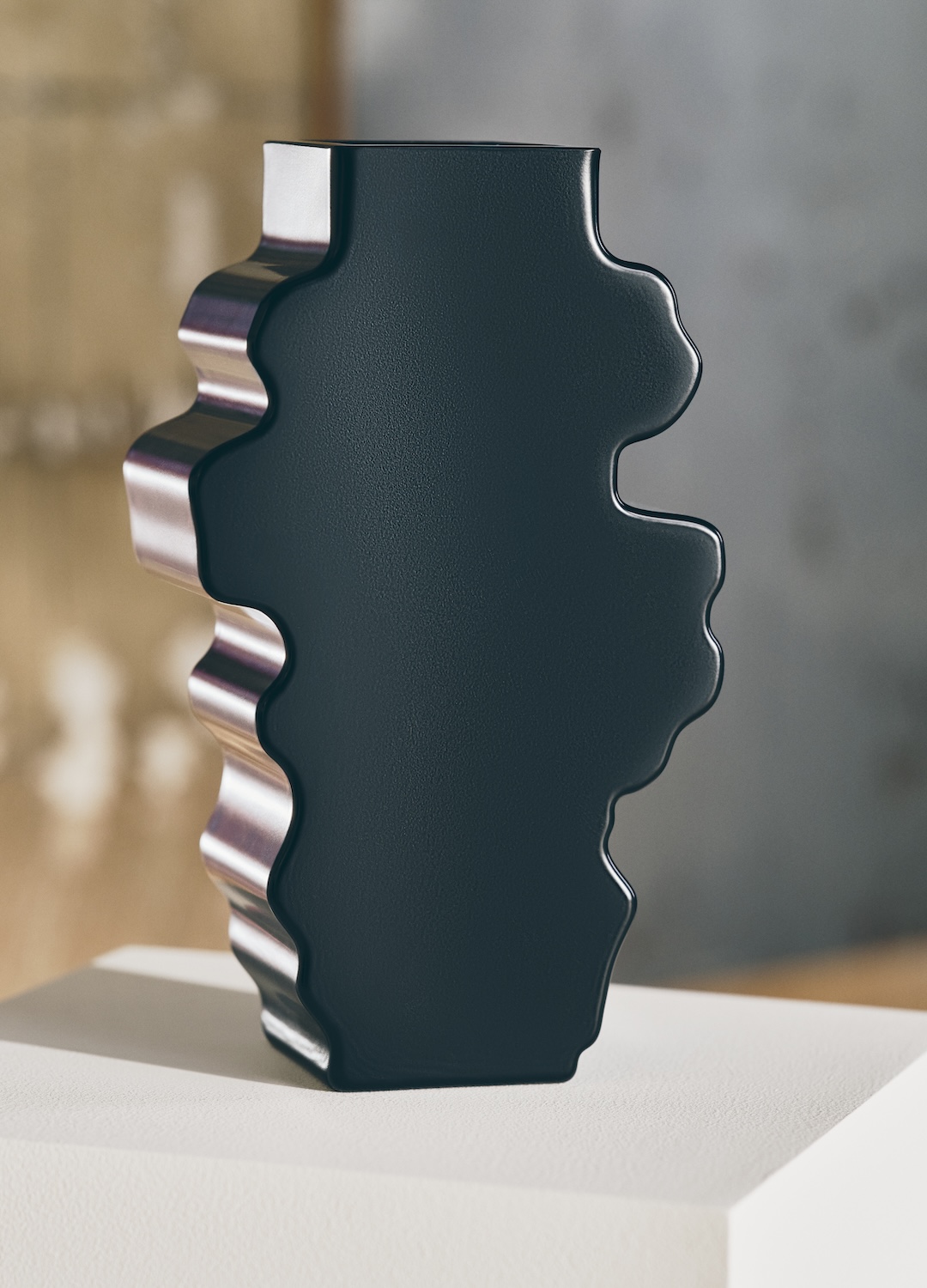
Lisa Reiser works with glass, ceramics and metal, and for KONSTRUNDA chose blown glass to create pieces with deliberately expressive shapes and surfaces. One is a green sculpture that recalls a gummy candy, another a black lacquered vessel whose rounded shape becomes even more visible through light and shadow. The objects sit somewhere between sculpture and domestic accessory, leaving their exact role open.

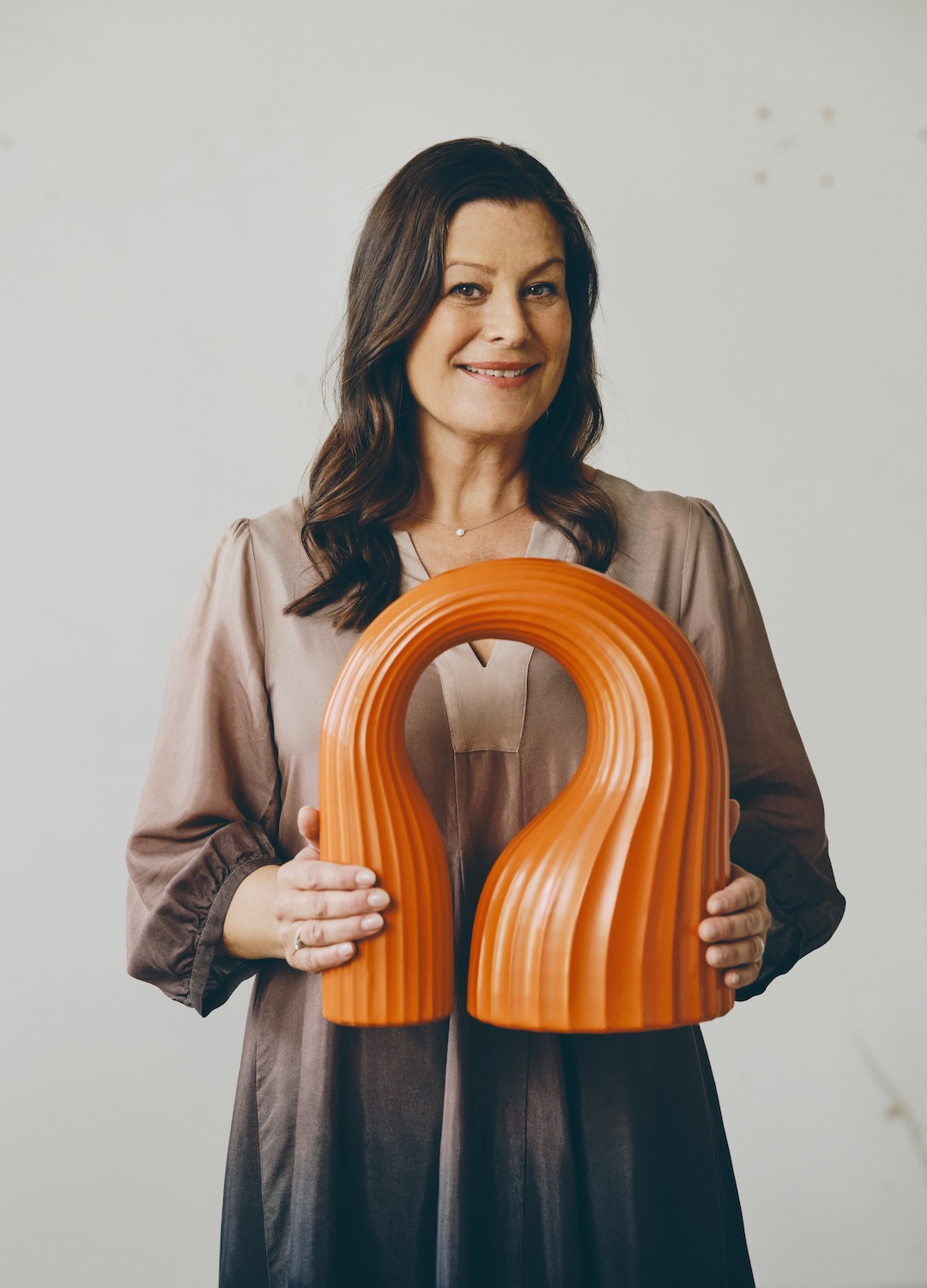
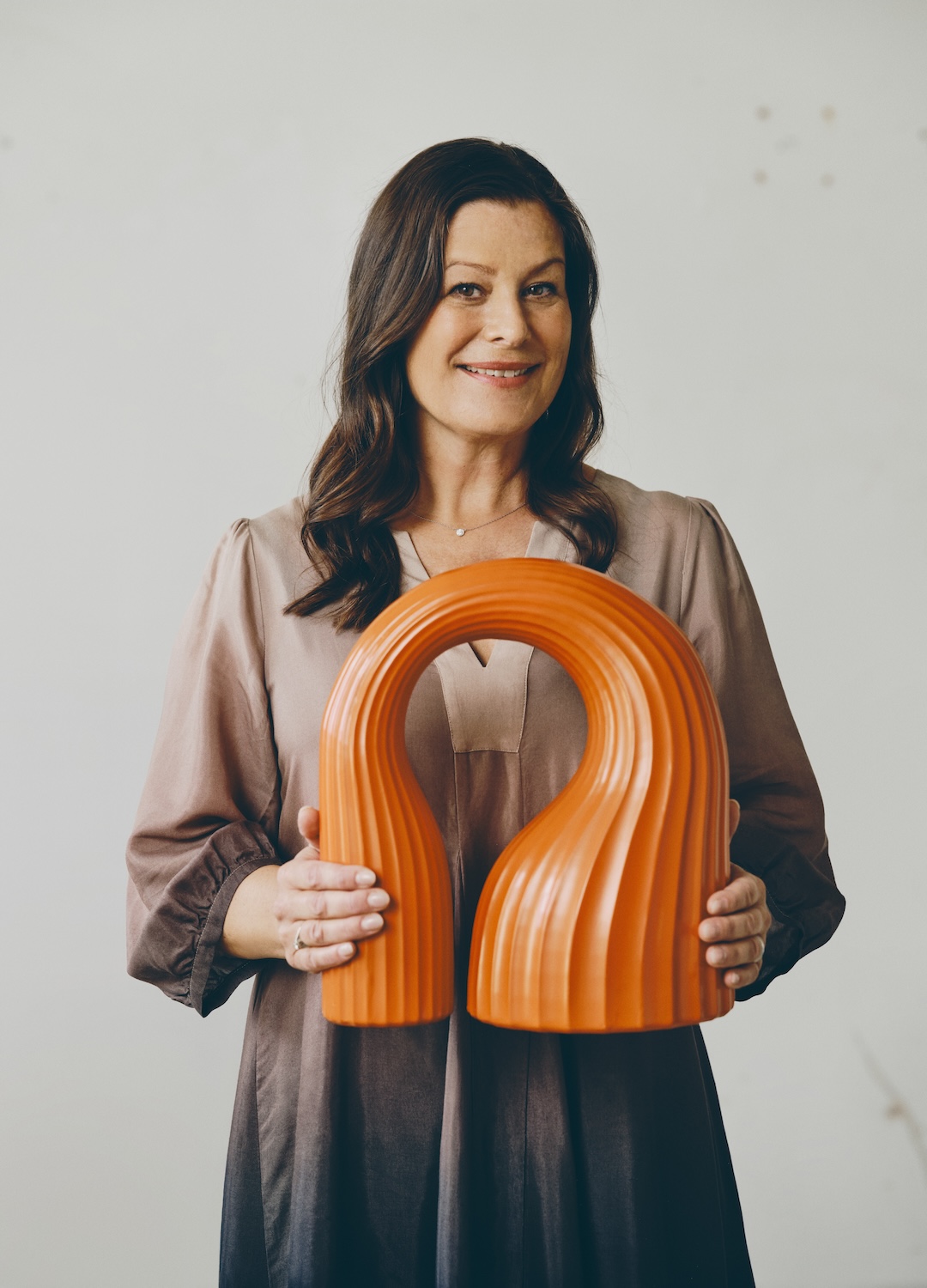
Lisa Hilland, a Swedish designer, starts instead from the idea of making art more accessible, working with pine, one of IKEA’s most recognisable materials, for a carefully shaped stool. Her other contribution is an orange ceramic sculpture built around a pronounced arch, where the empty space is not simply what remains around the object but becomes part of its visual identity.
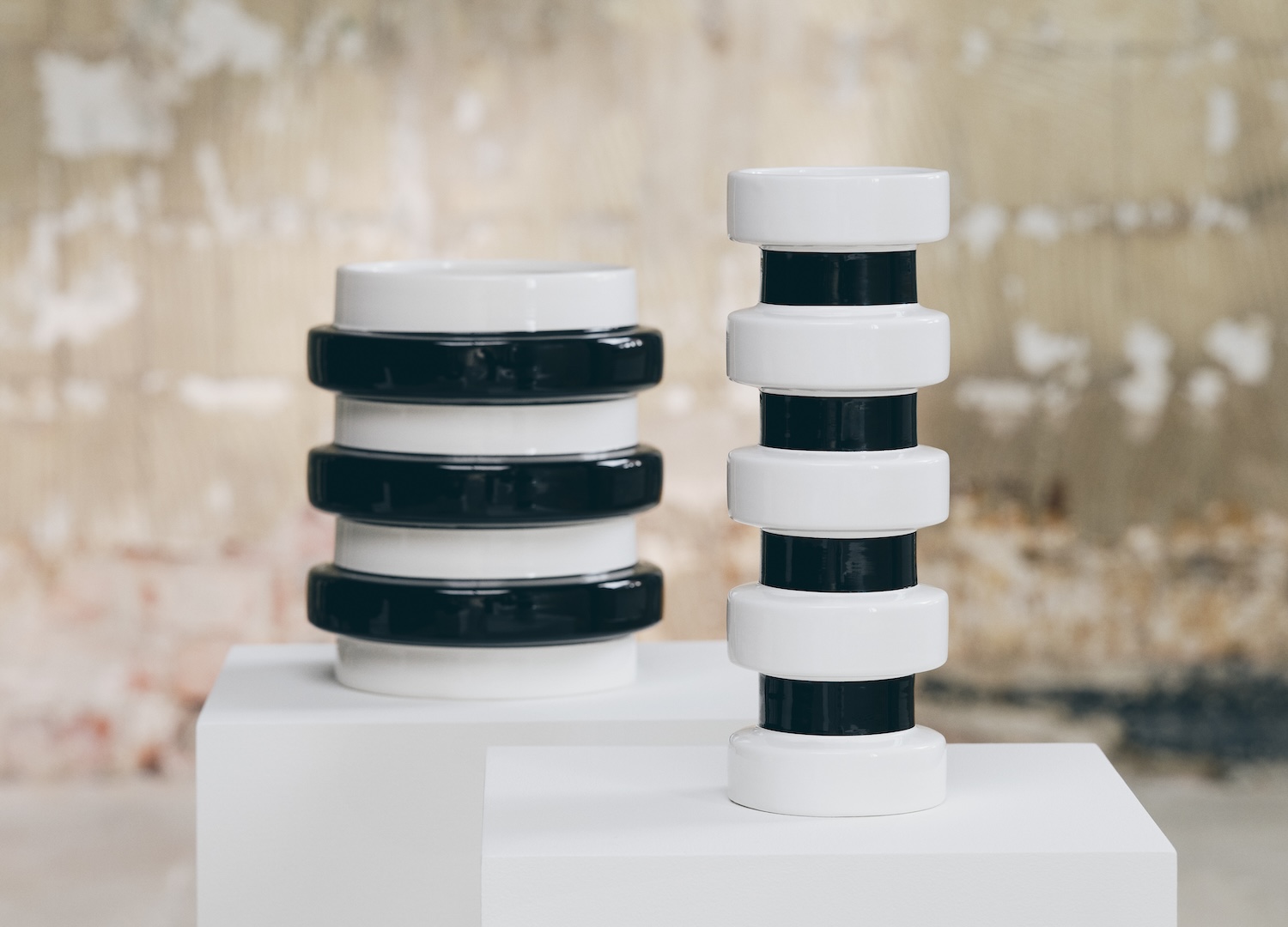
For Emanuele Stamuli, the Italian designer based in Sweden whose work includes interiors for fashion and luxury retail, the collection takes a more graphic direction. His black-and-white pieces use simple geometric patterns across a rug and two matching vases, with small irregularities that keep their surfaces from becoming too perfect. “This collection gives you the freedom to buy objects based on how they look or the feelings they evoke, without the pressure of having to find a specific purpose or function for them,” he says.
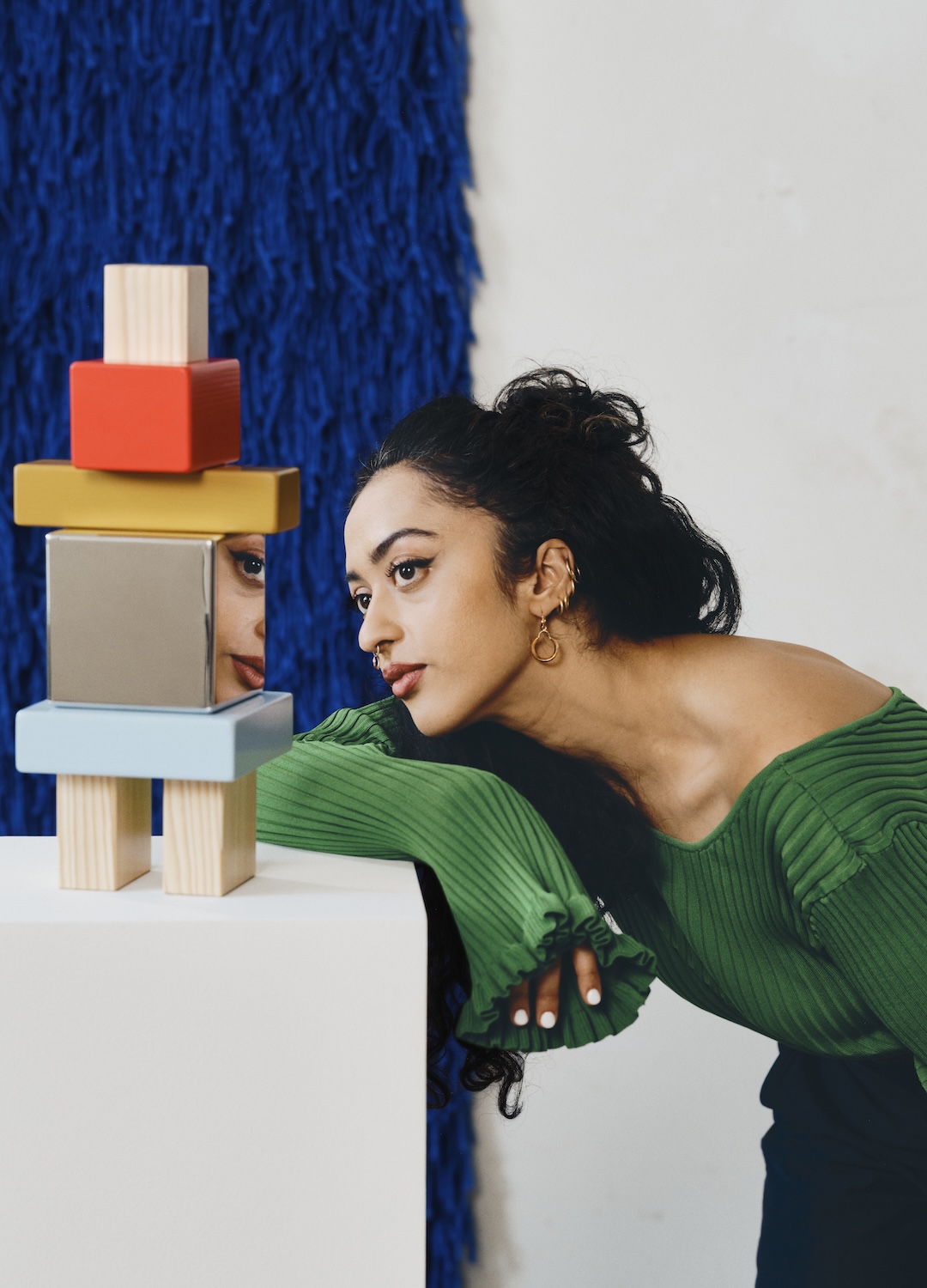
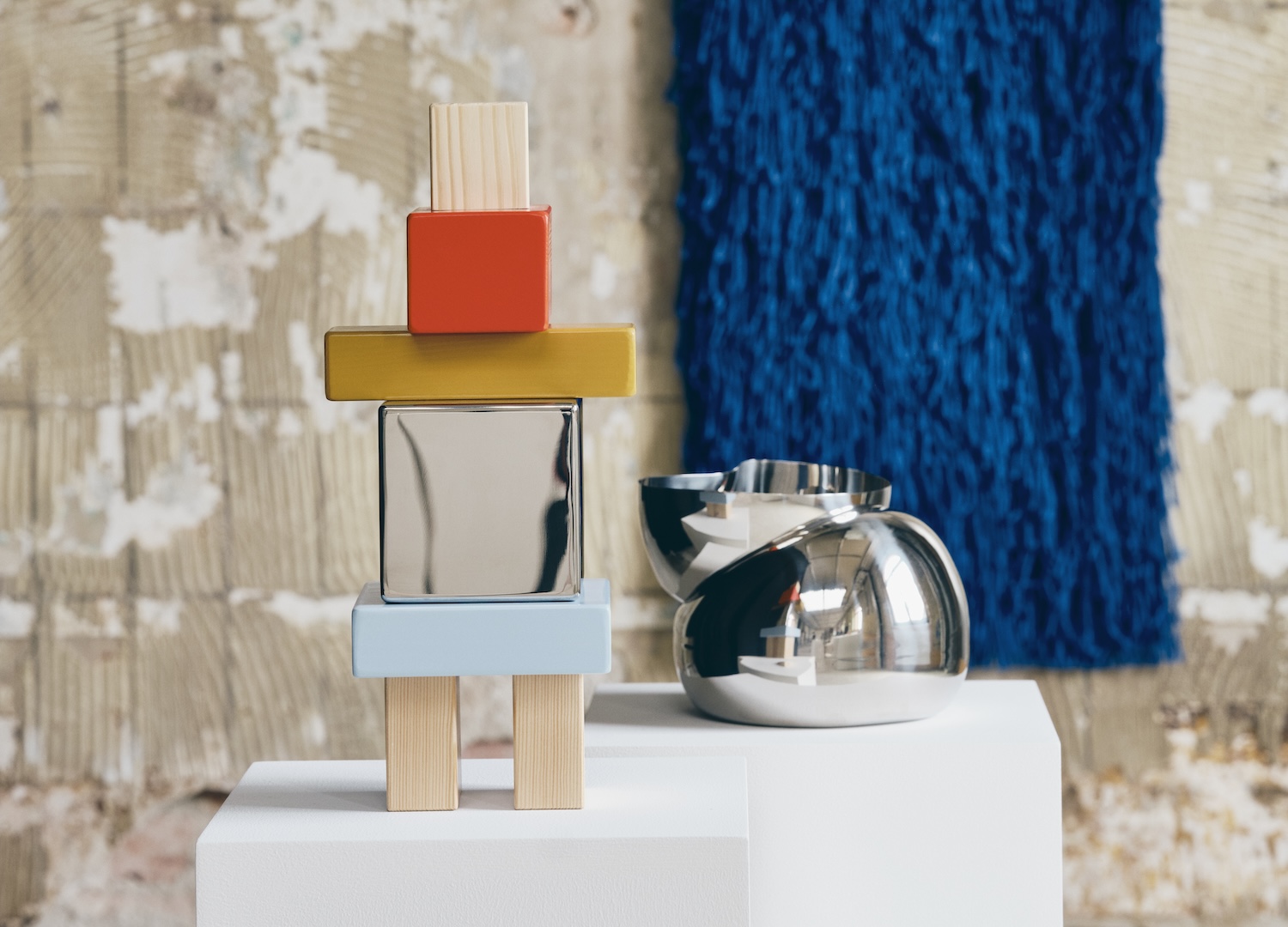
Akanksha Deo, one of IKEA’s designers, takes the possibility of moving away from function in a more playful direction. Her starting point was a world of imperfect characters, imagined as small presences capable of bringing personality, familiarity and a sense of connection into the home. A mirror-polished stainless steel bowl looks as if it has been lightly pressed, while a group of geometric wooden blocks, inspired by the toys of her childhood in India, forms a figure that recalls a guardian.
A mirrored cube sits at its centre, reflecting the person looking at it. “The guardian, the keeper of things, is actually you,” she explains. A textile wall hanging, in vivid blue and finished with long fringes, adds another strong graphic element to the collection.
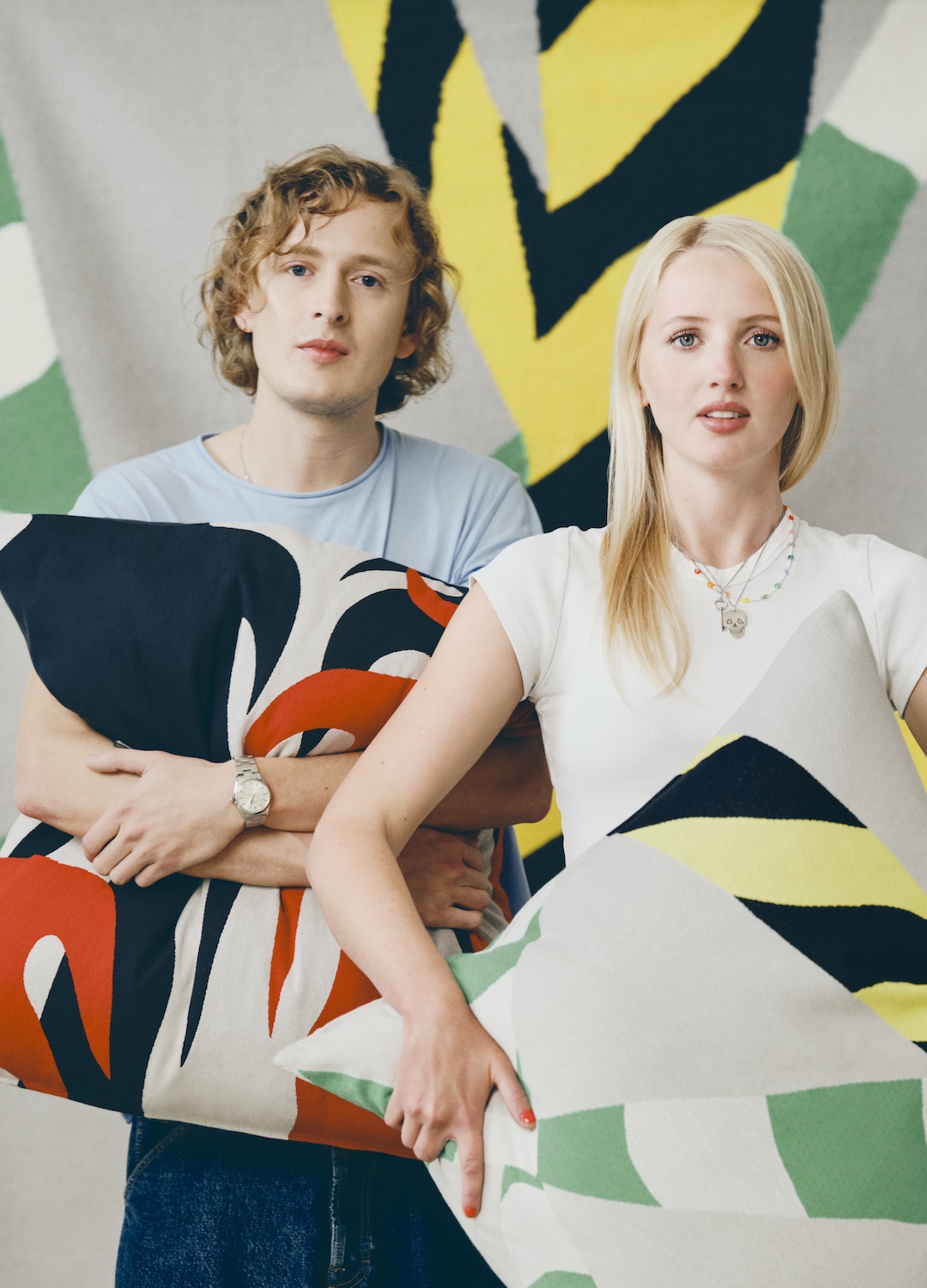
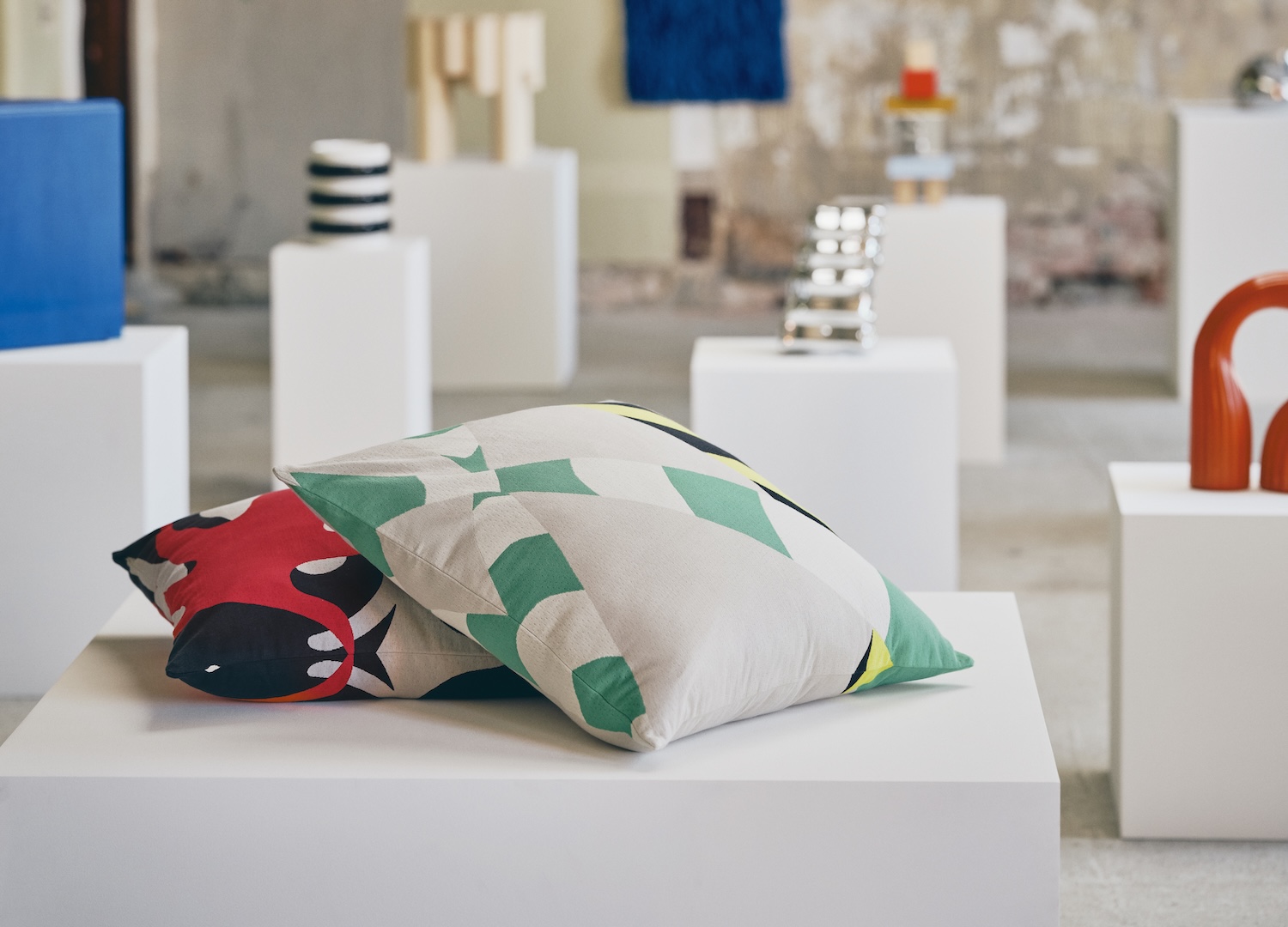
The youngest designers, Ingrid Leander and Igor Holtermann, look at the relationship between art and interiors through the visual details of everyday life. Their references come from what they see outside the window: pedestrian crossings, warning signs and other fragments of the city that usually disappear into the background because we see them every day. They translate these observations into graphic patterns for textiles, cushions and oversized floor cushions, as well as a full-length mirror illustrated with palm trees.
Make space for art
“Without trying to define or explain it, we believe our role at IKEA is to make space for art,” says Karin Gustavsson. “We have extensive experience in designing and developing products, as well as a deep understanding of materials, proportions, colours and durability. We know how to bring ideas to life. With KONSTRUNDA, we are giving artists a platform to create, and people the opportunity to collect affordable works of art that can reflect their personality at home.”
Together, the seven contributions make KONSTRUNDA an interesting test of how far the idea of collectible design can travel when it enters the territory of mass-market design. The work of IKEA, in this moment, in general, is crystal clear: not simply turning everyday products into collectible objects, but bringing into the domestic landscape a different relationship with things, and in this case, a vision in which authorship, visual expression and personal attachment can exist alongside use.
This functional art collection can live on a table, against a wall or on the floor, and it does not necessarily need to choose between being useful and simply being there.
About the author

Ludovica Proietti, journalist, design historian and curator, teaches in universities and curates events, always exploring projects with fresh, unconventional perspectives.
Instagram