Salone Raritas and the ambivalent promise of collectible design
With twenty-five galleries from across the world, Salone Raritas’ first edition put a question at the center of the conversation: can collectible design reconcile democratization with refined craft? The balance, as ever, proved harder to strike than to invoke.
When William Morris published his lecture The lesser arts of life in 1877, he asked a question that his audience was not entirely prepared to take seriously: why should the objects that surround us every day – the chair, the table, the cup – be treated as lesser than the painting hanging above them?
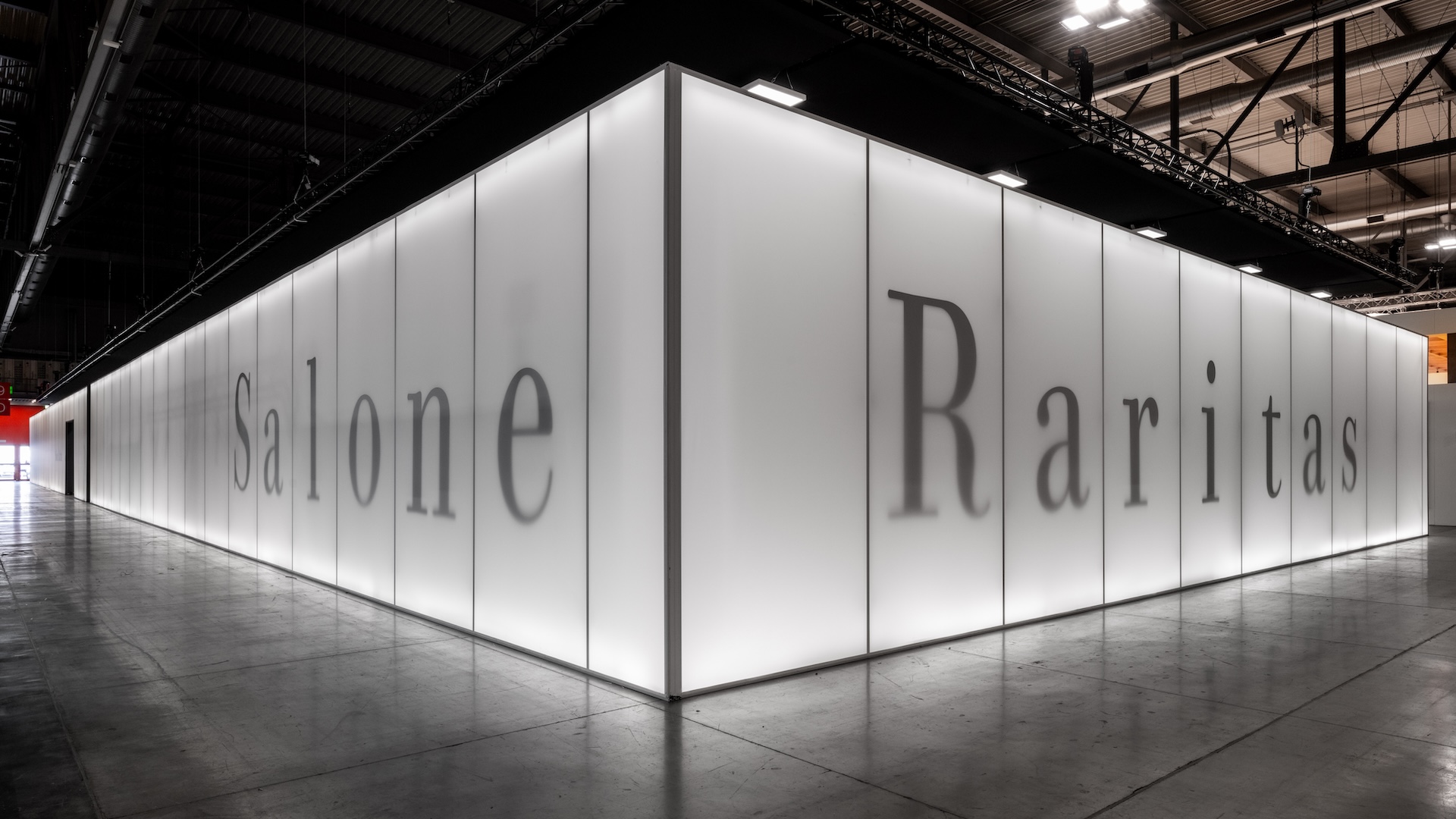
The lecture did not resolve the question so much as detonate it, and the reverberations had been running through design discourse ever since – surfacing again, with a particular kind of institutional confidence, in the growing circuit of collectible design fairs that had come to occupy a conspicuous position in the contemporary design world. Which brought us to pavilions 9 through 11 of the Fiera Milano fairground in Rho, where Salone Raritas – the new section of Salone del Mobile dedicated to limited-edition design, antiques, and high craft – held its inaugural edition past April.
Gallery
Open full width
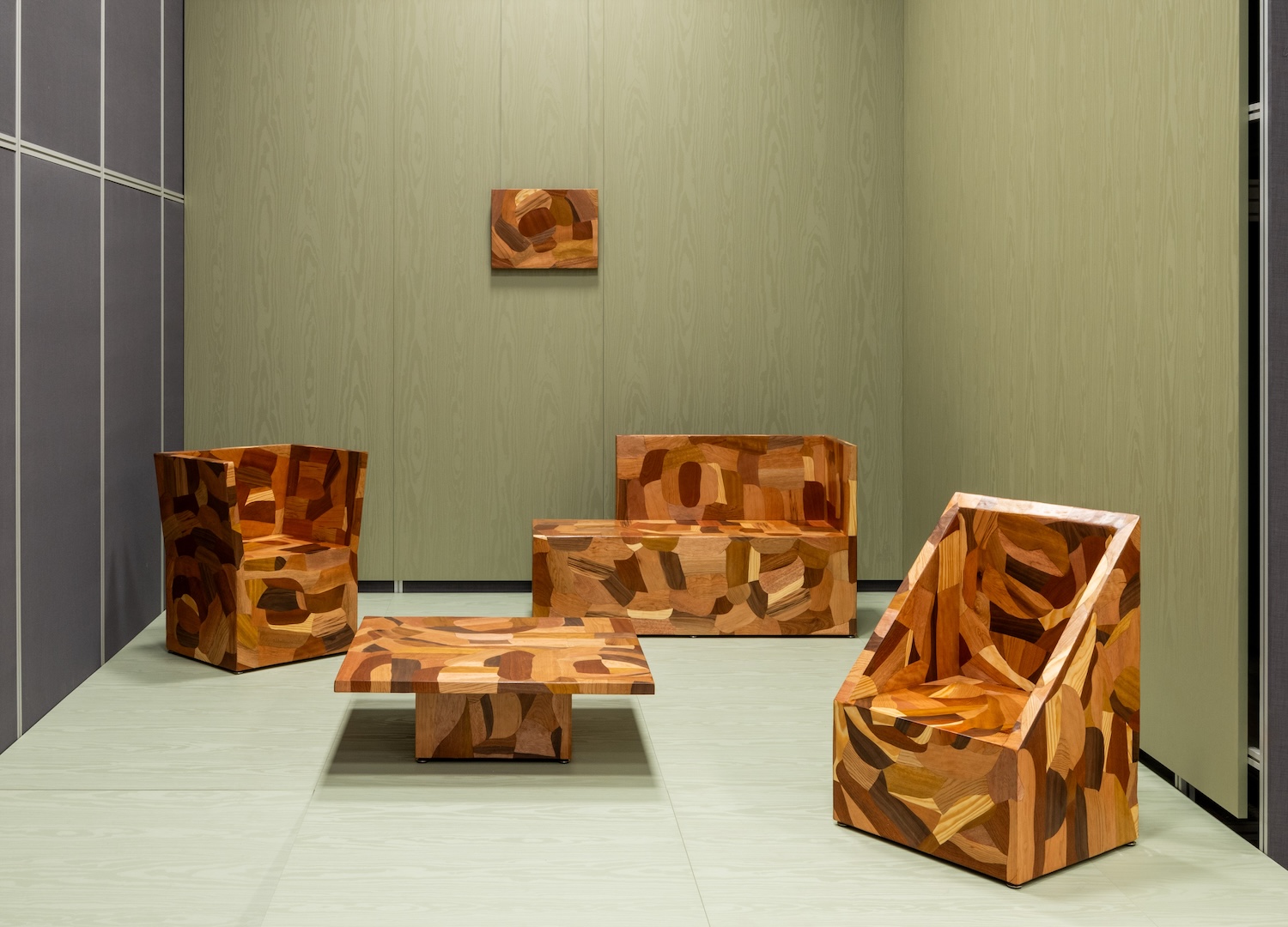
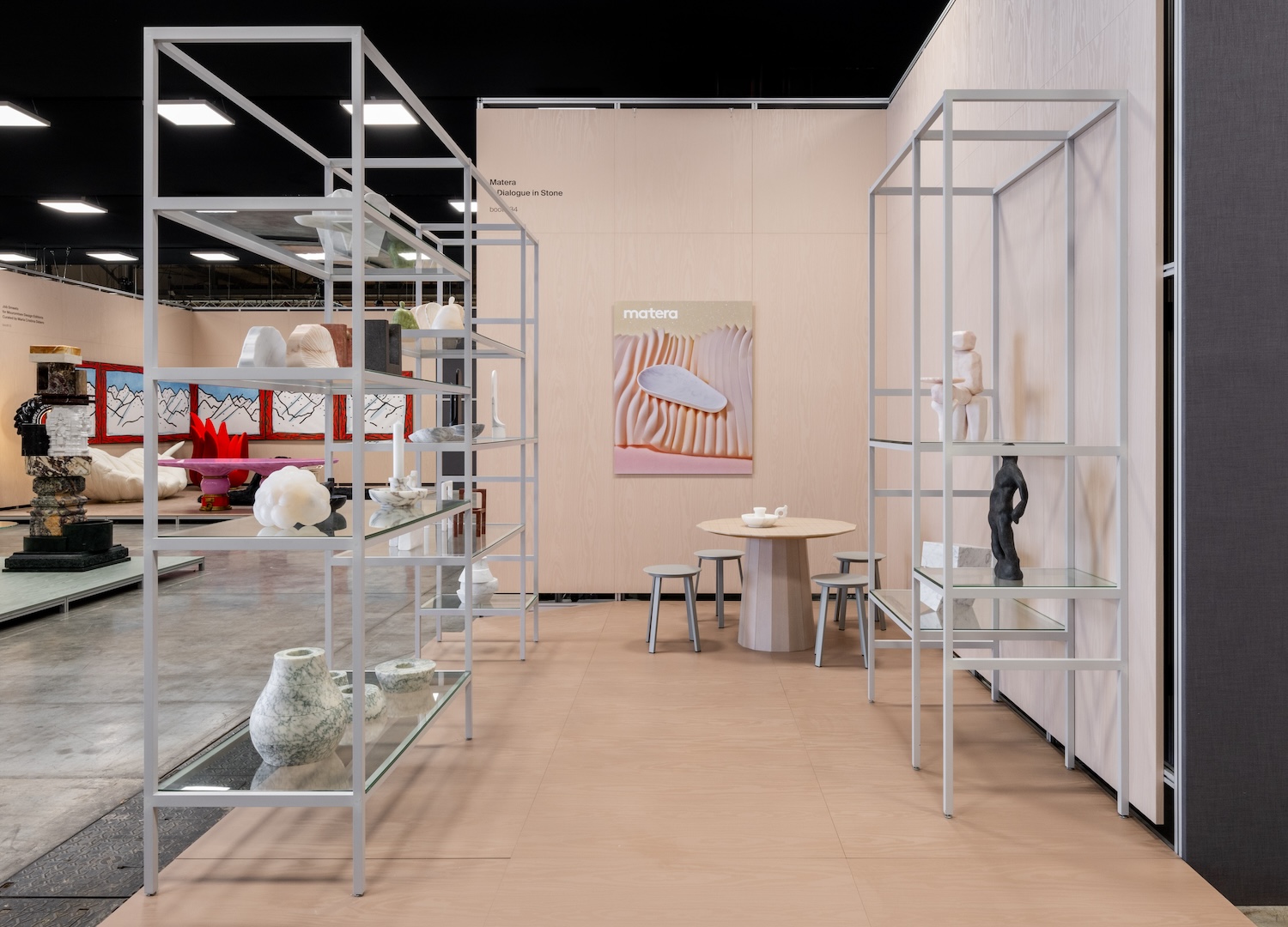
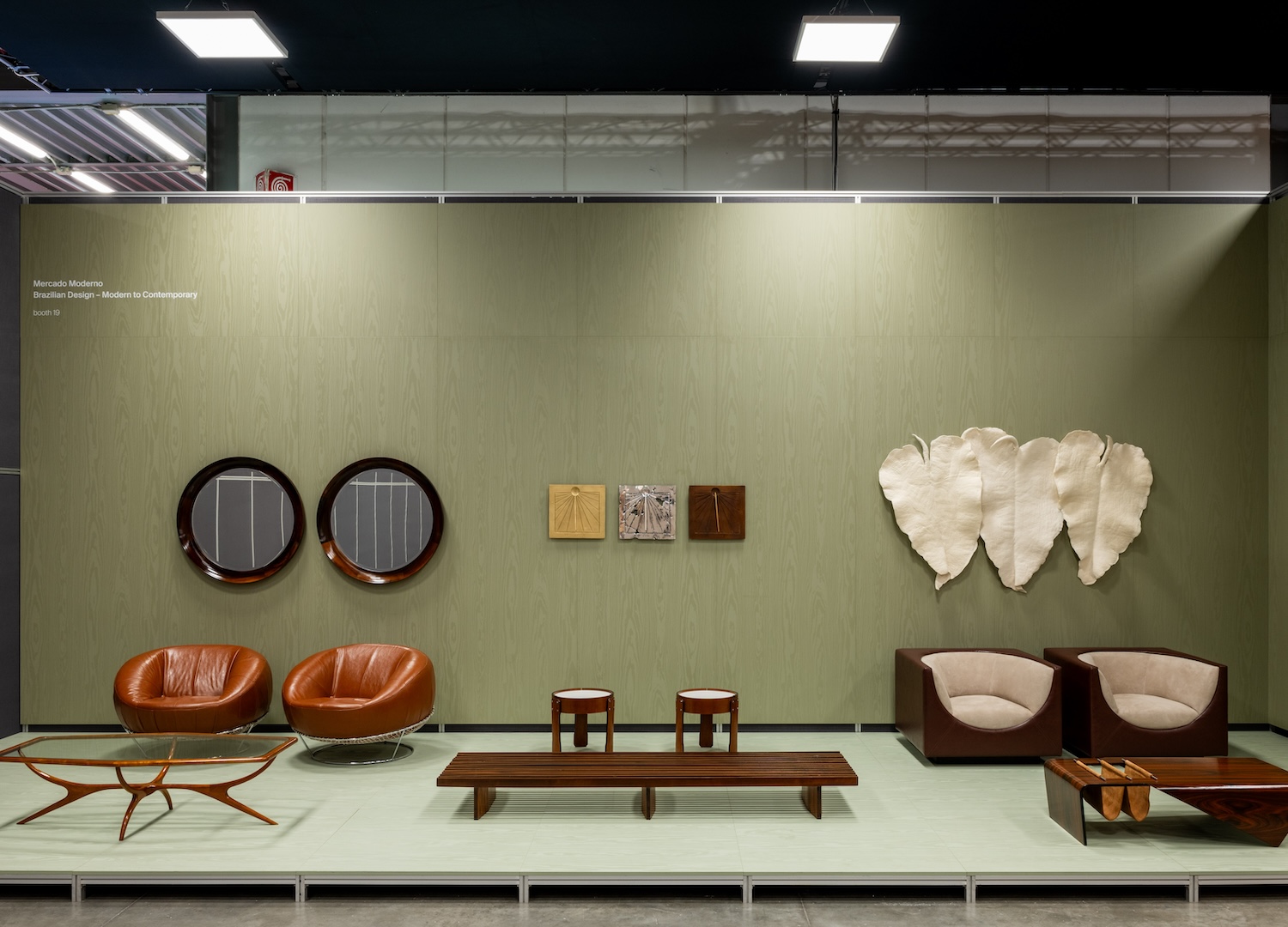
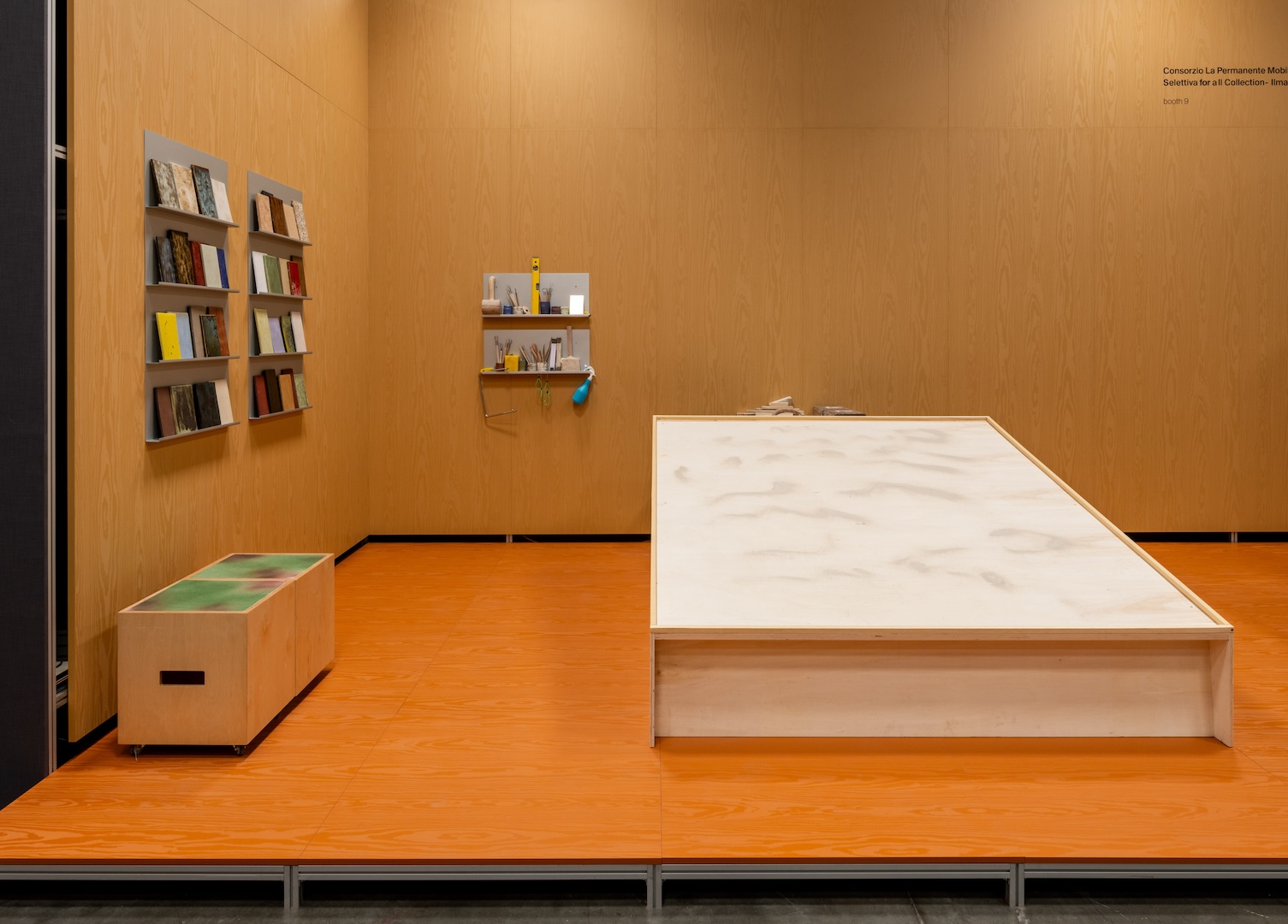
Open full width
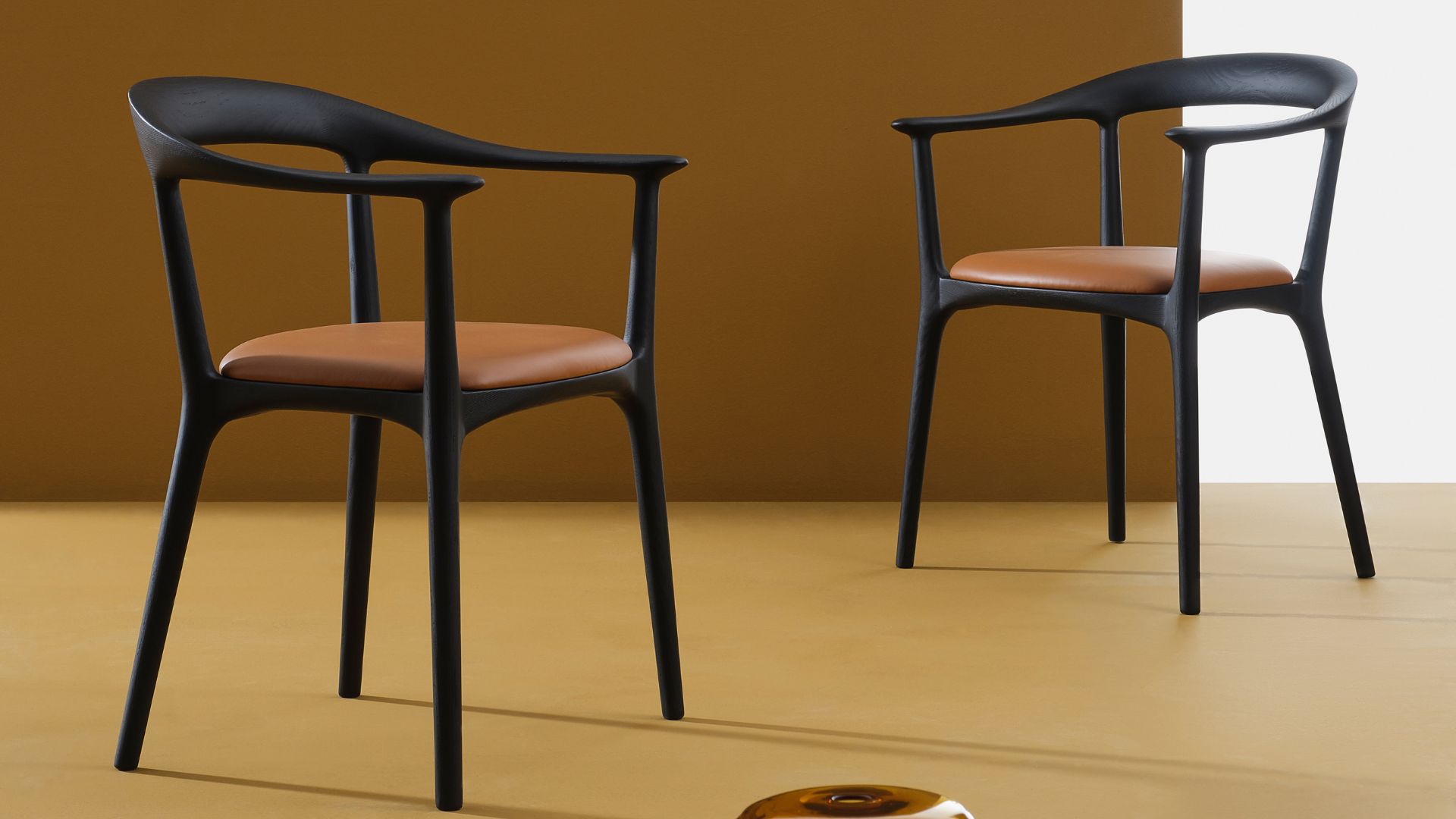
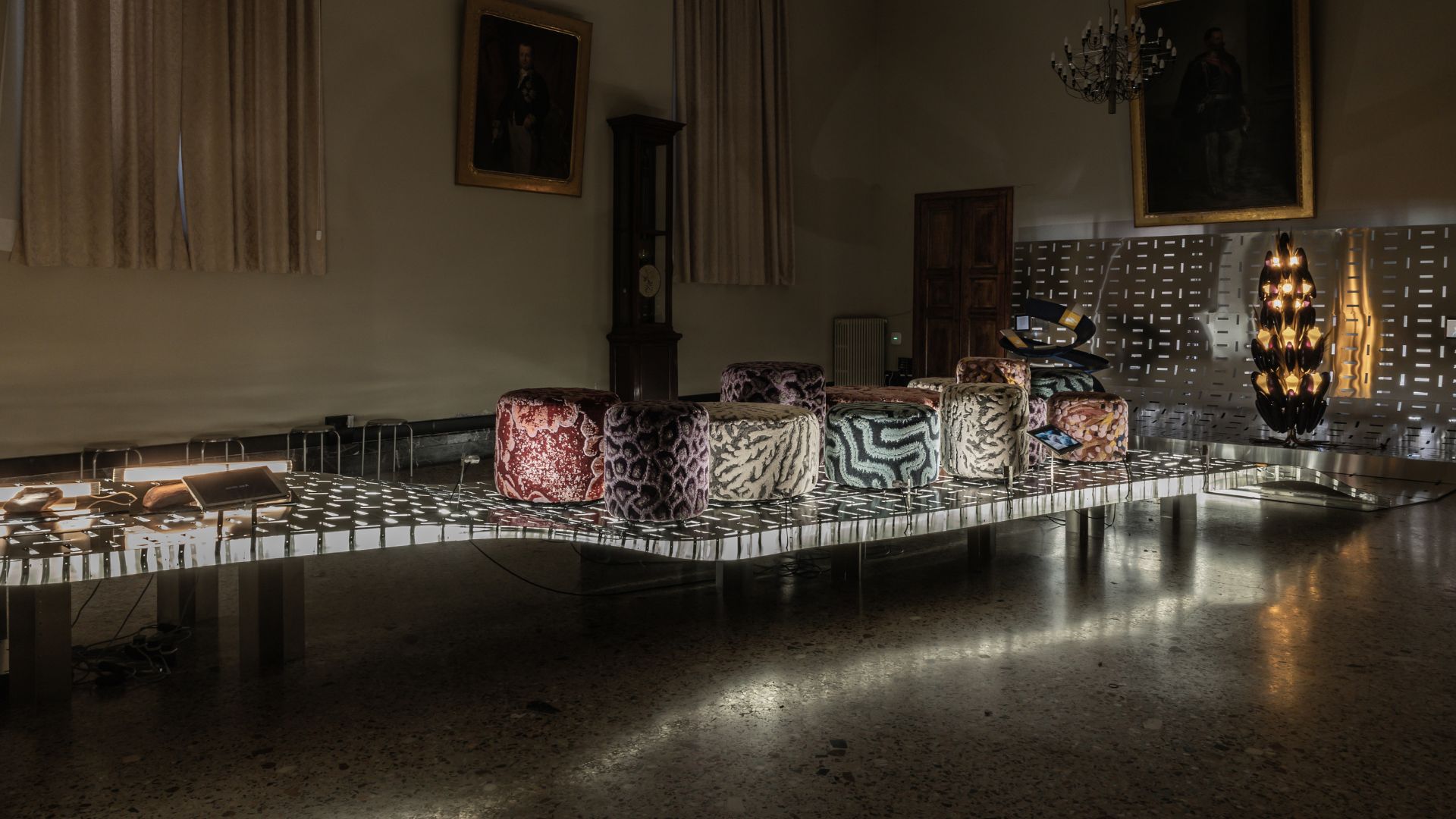
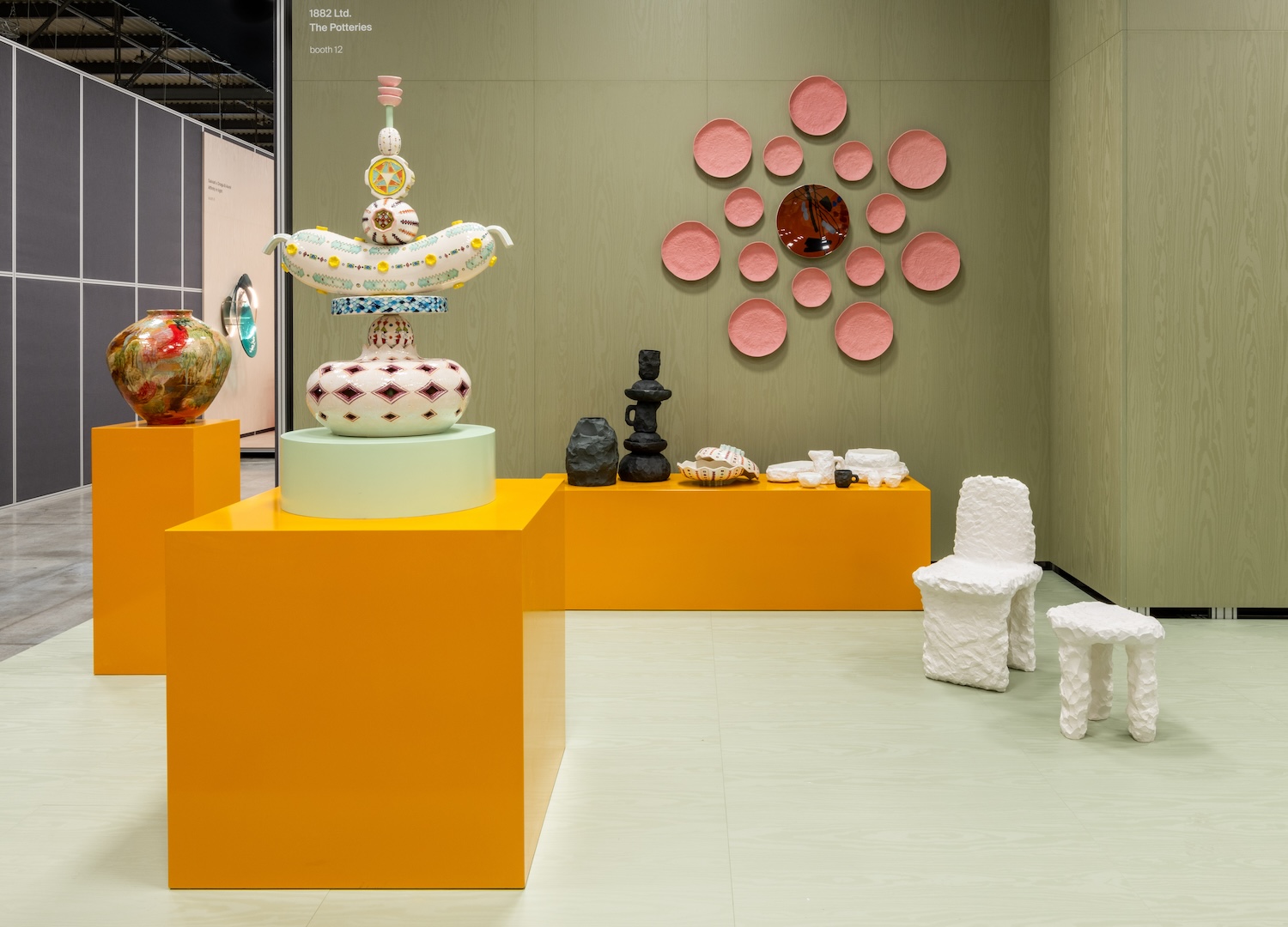
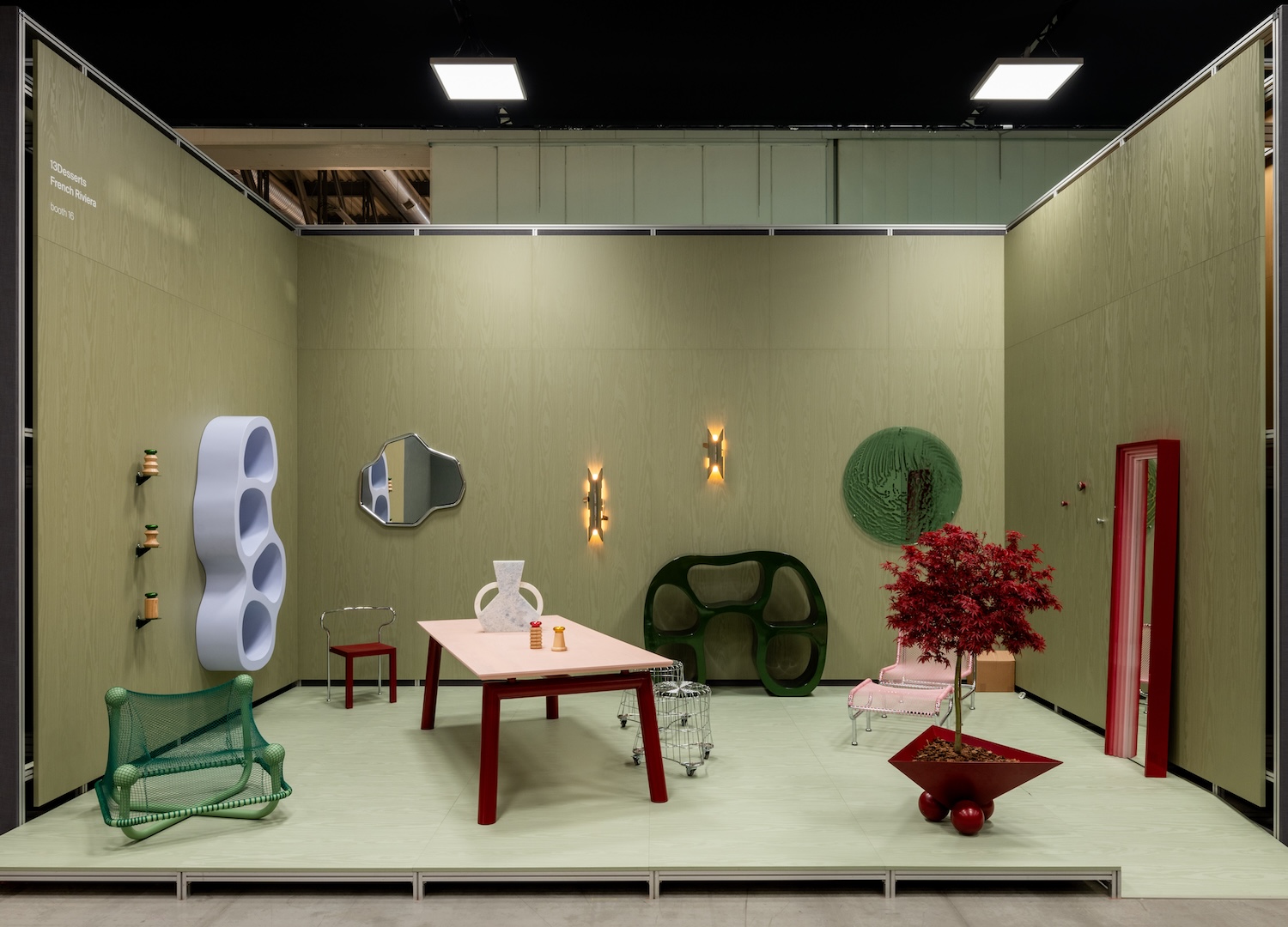
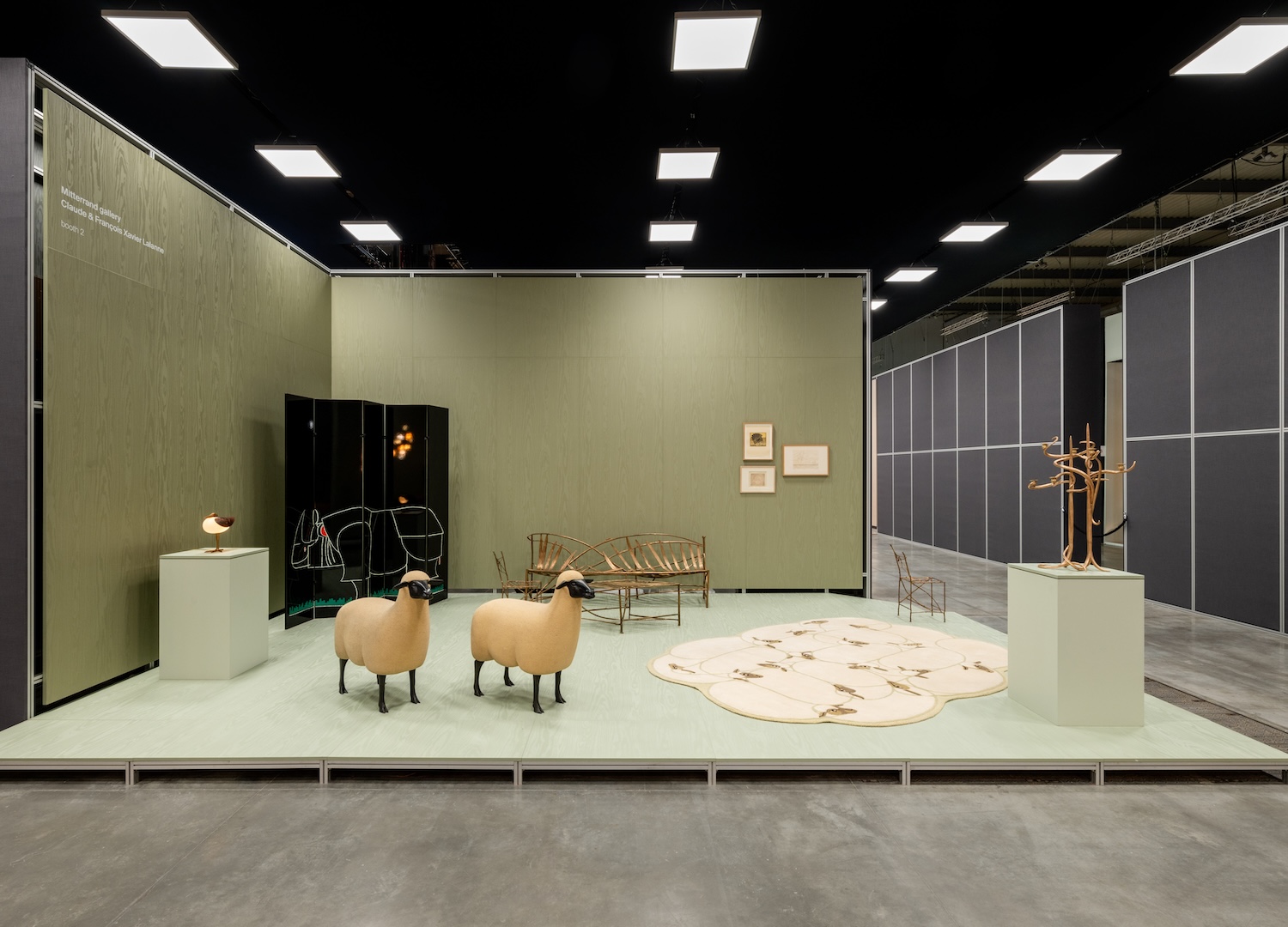
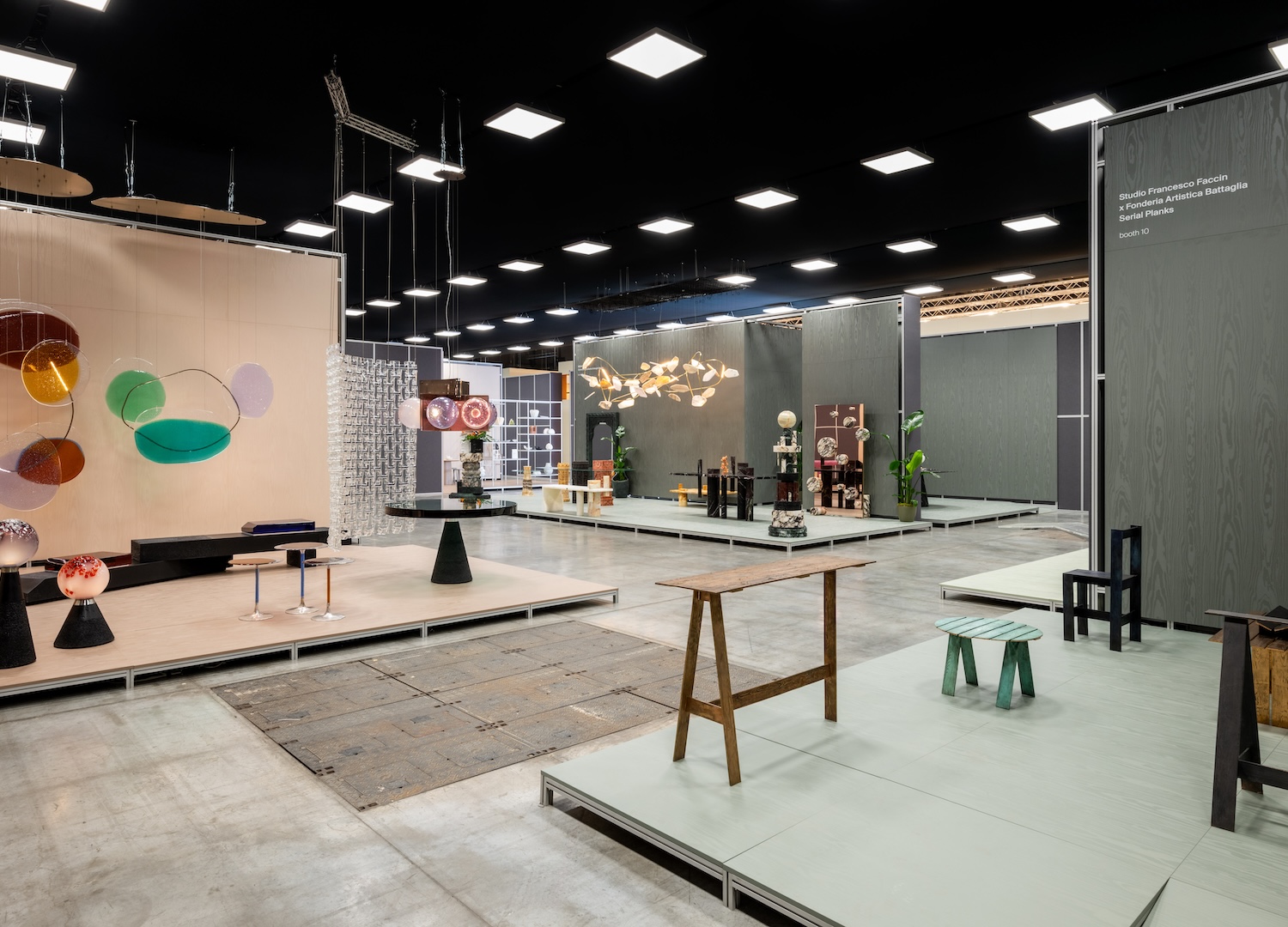
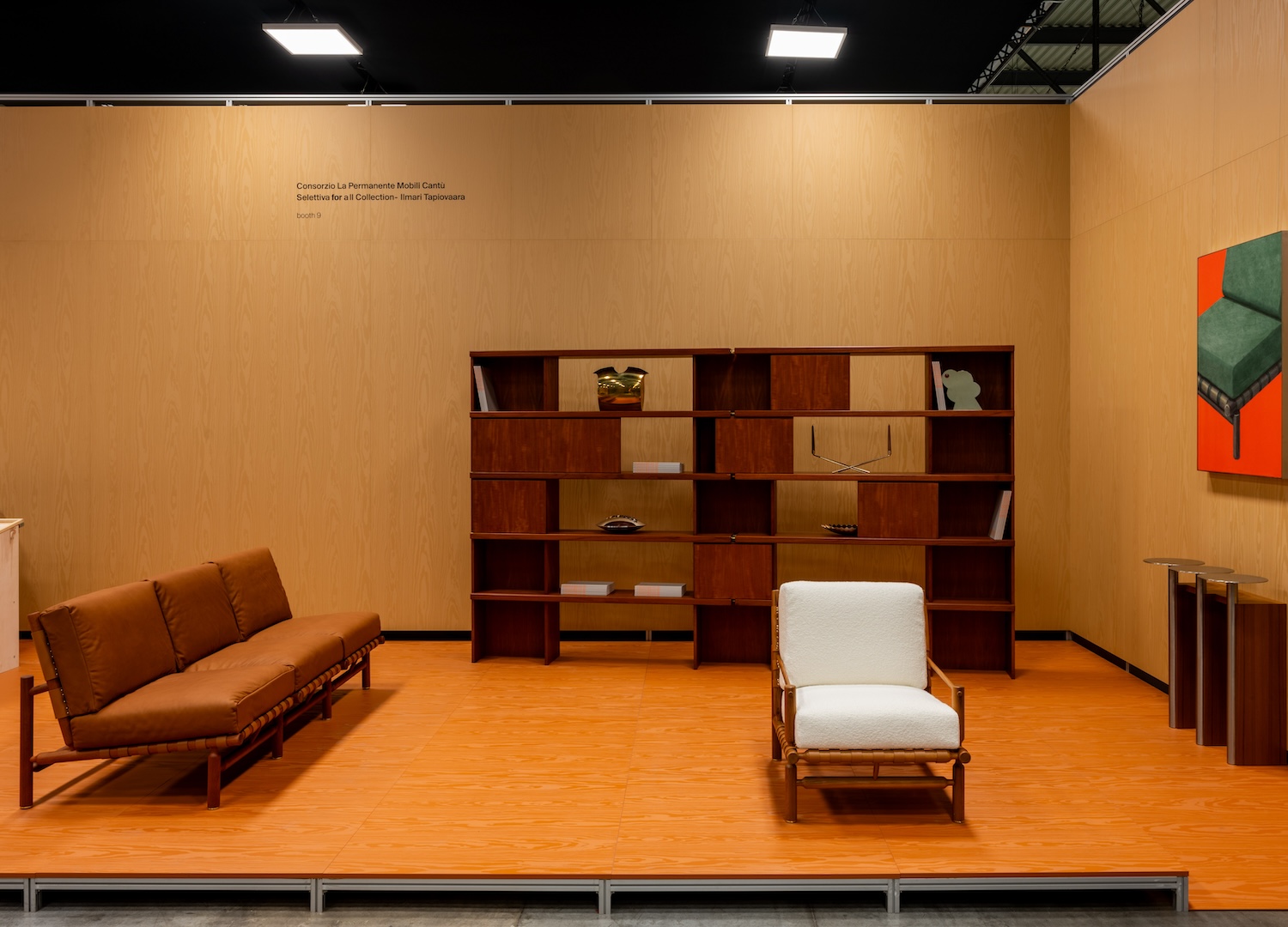
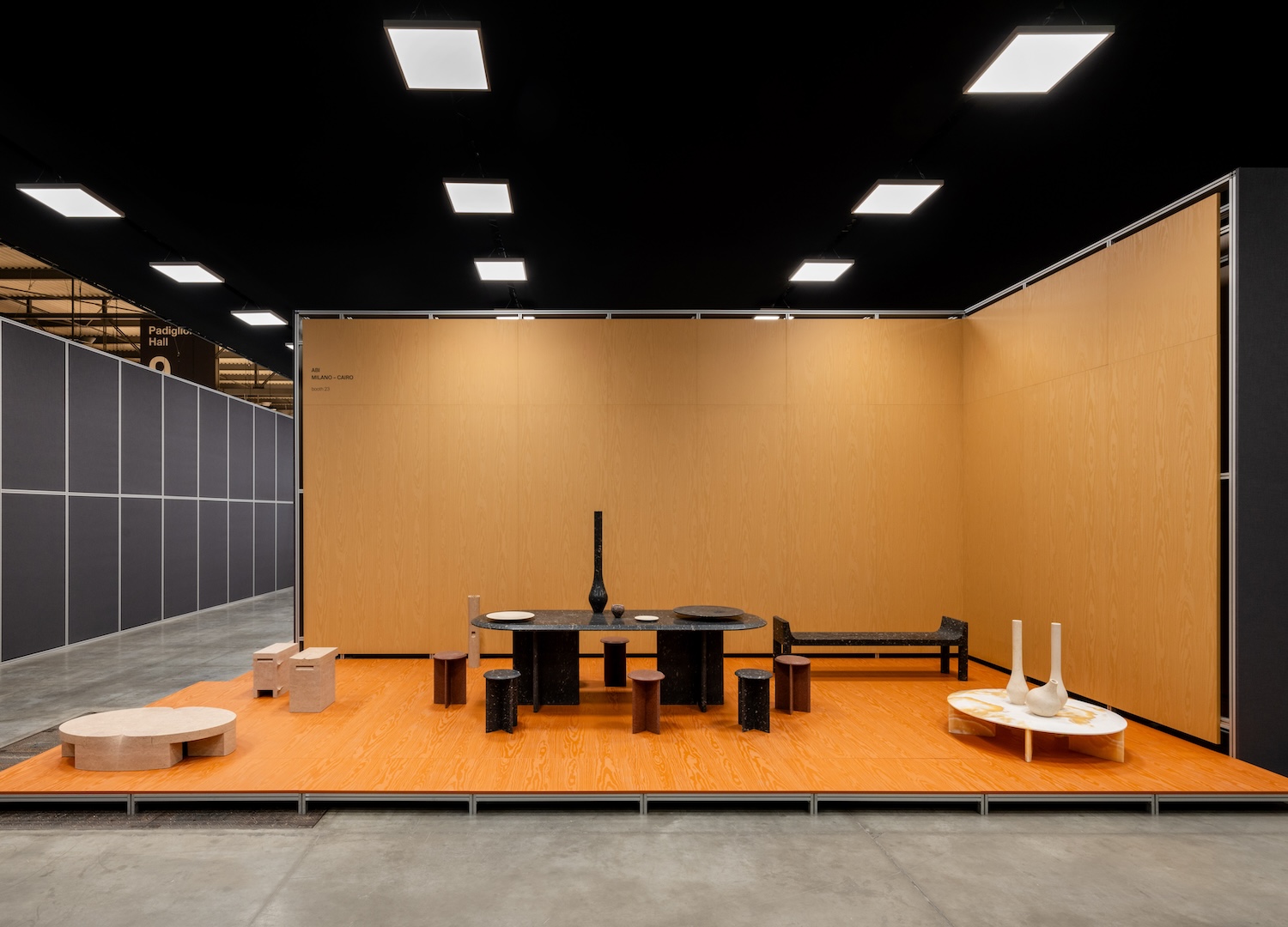
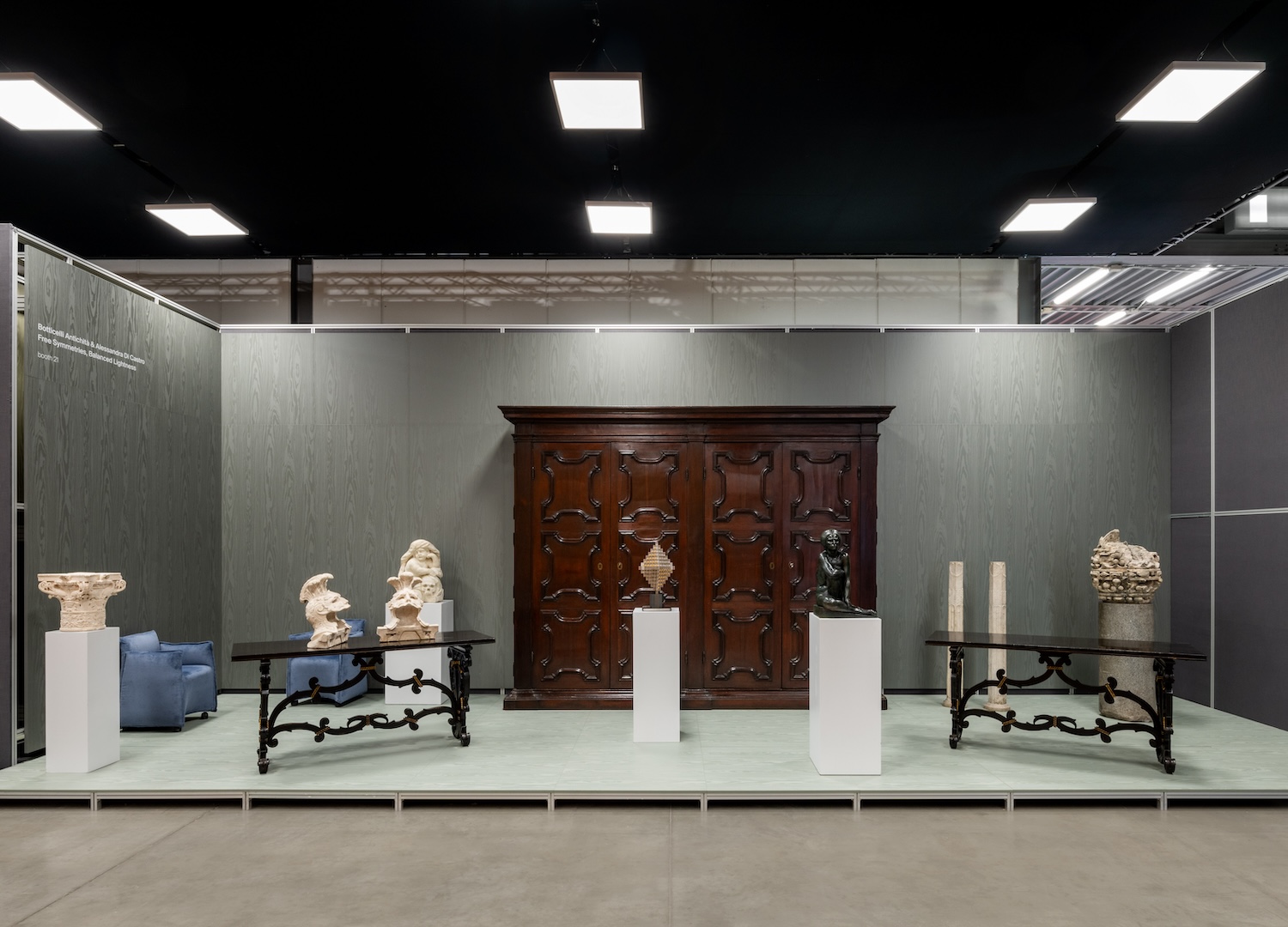
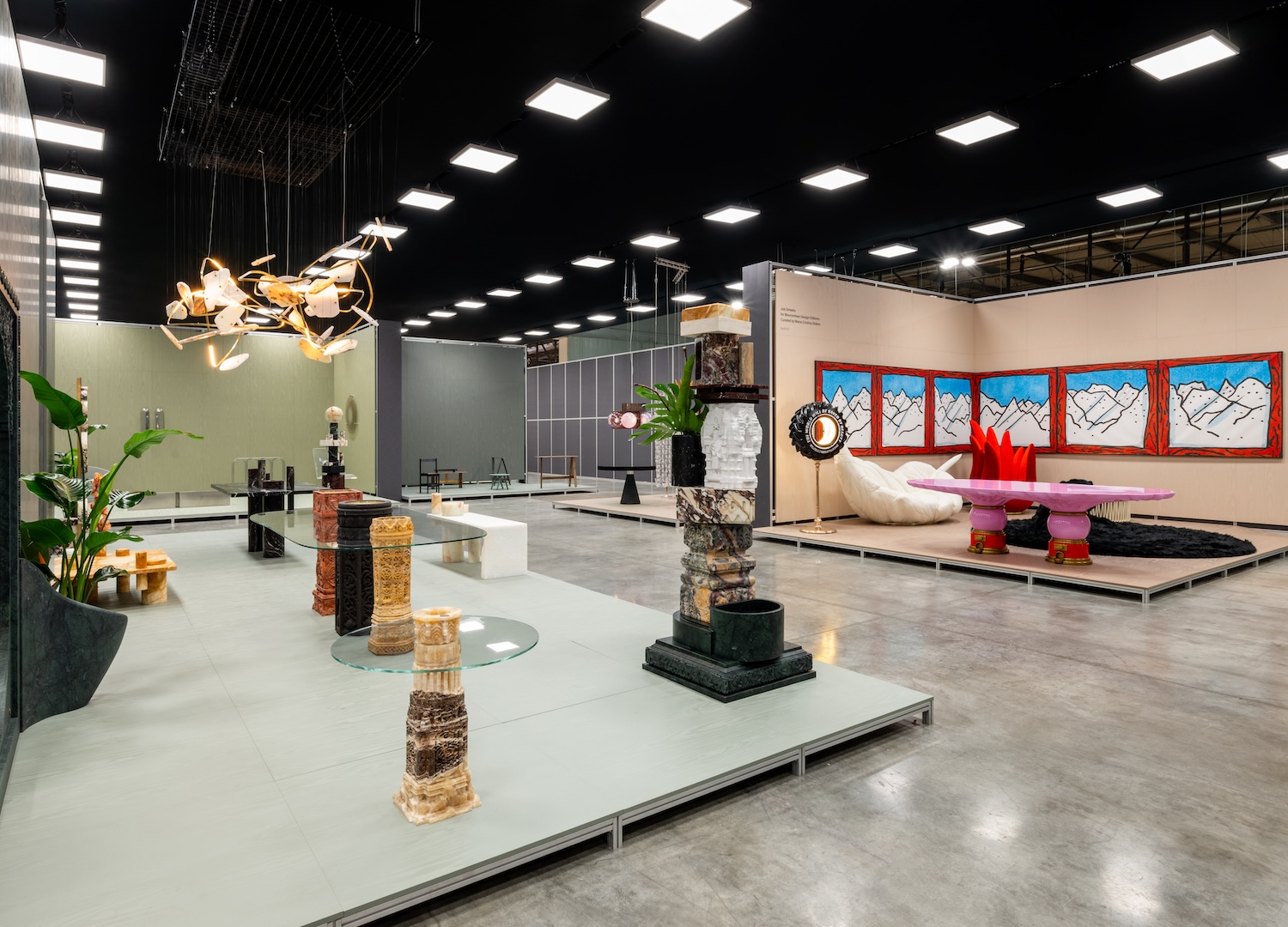
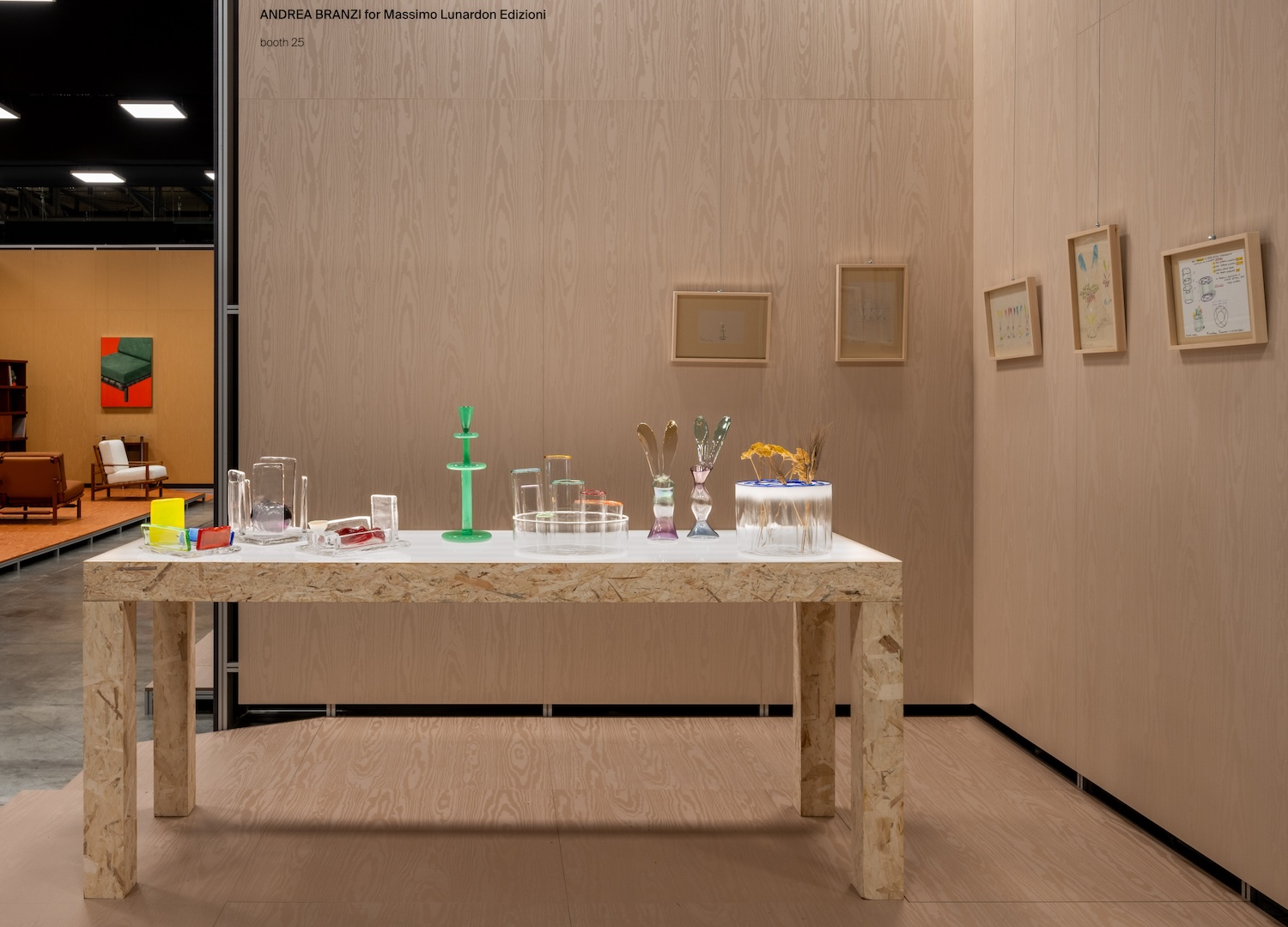
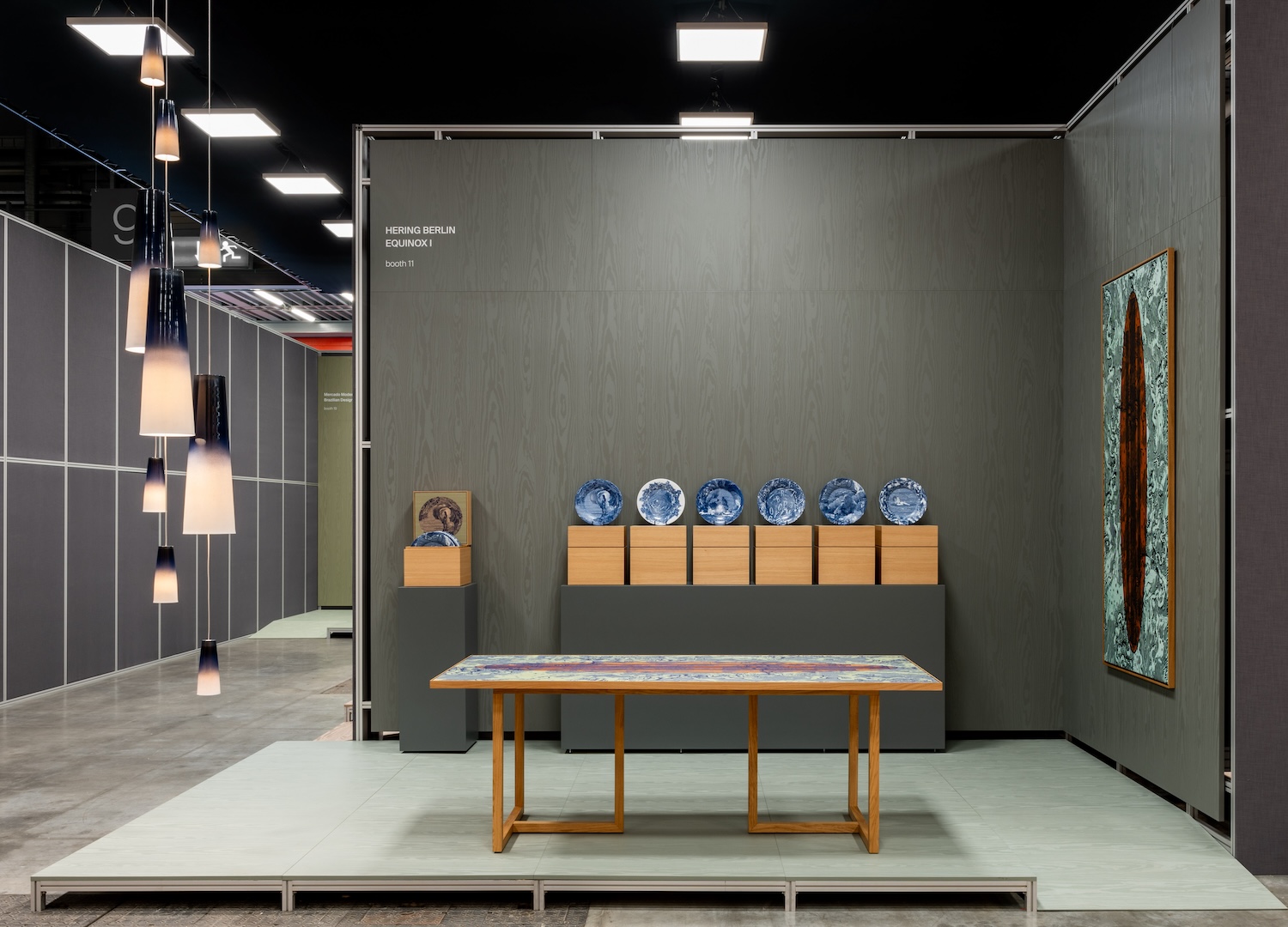
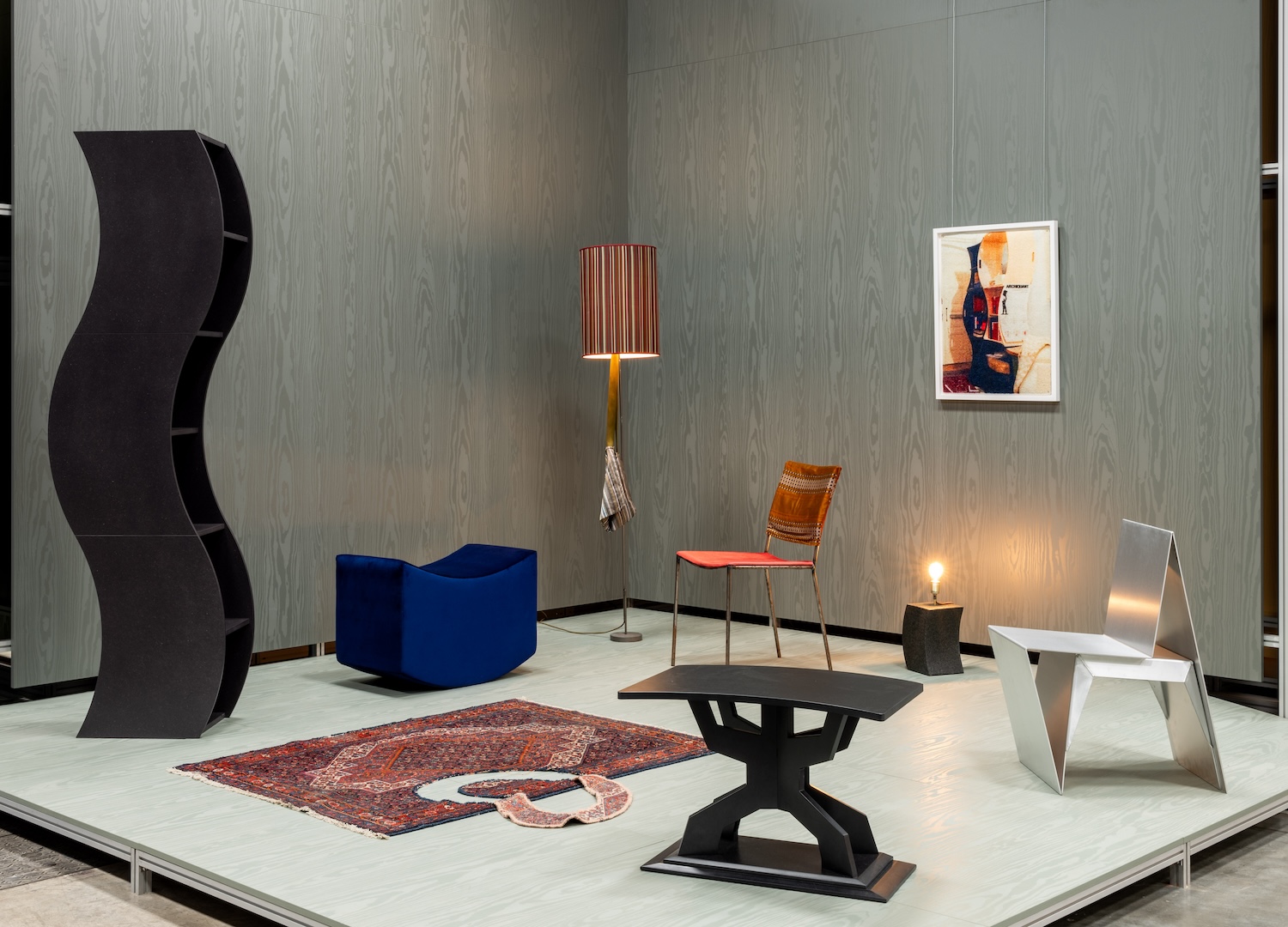
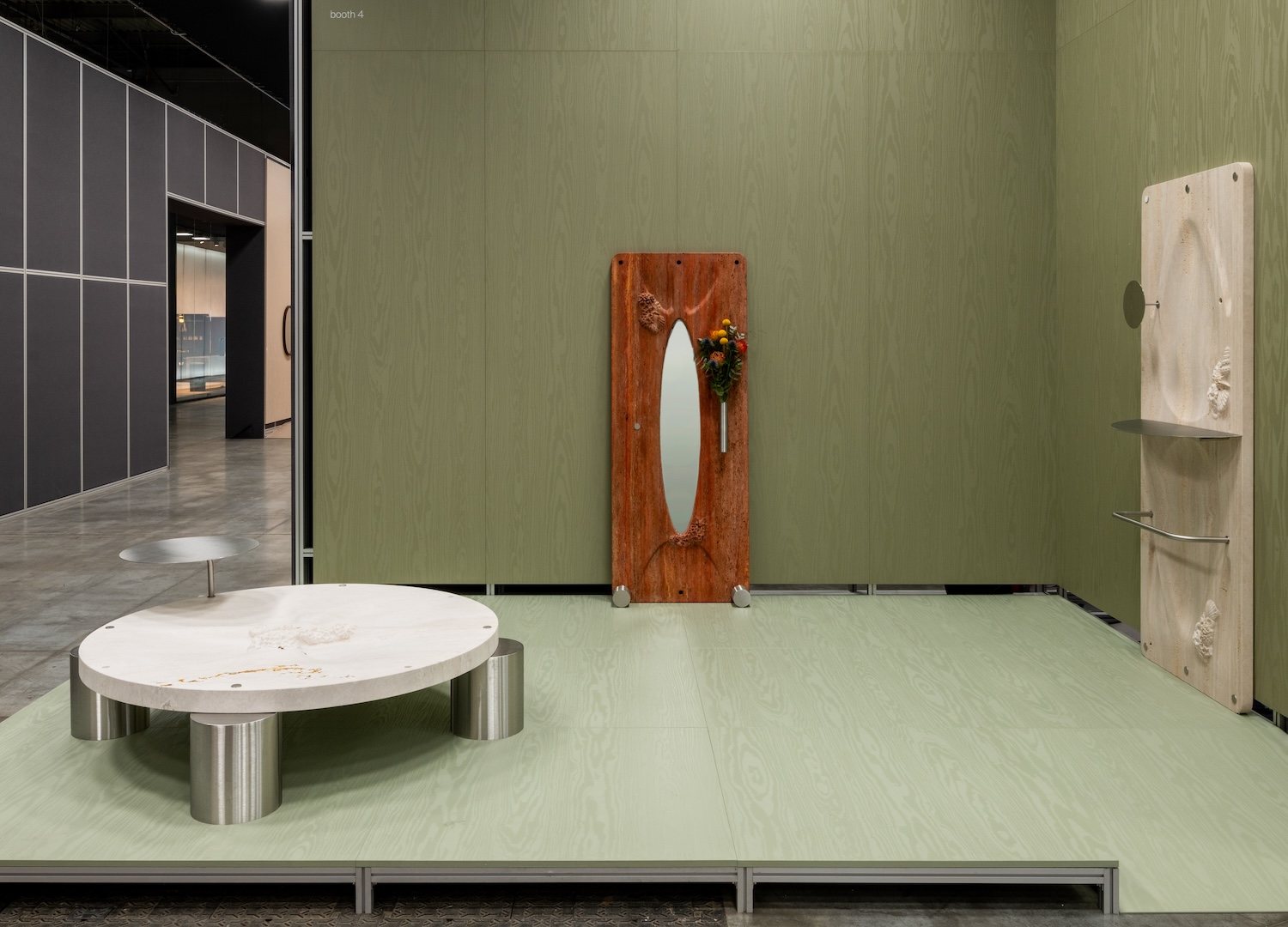
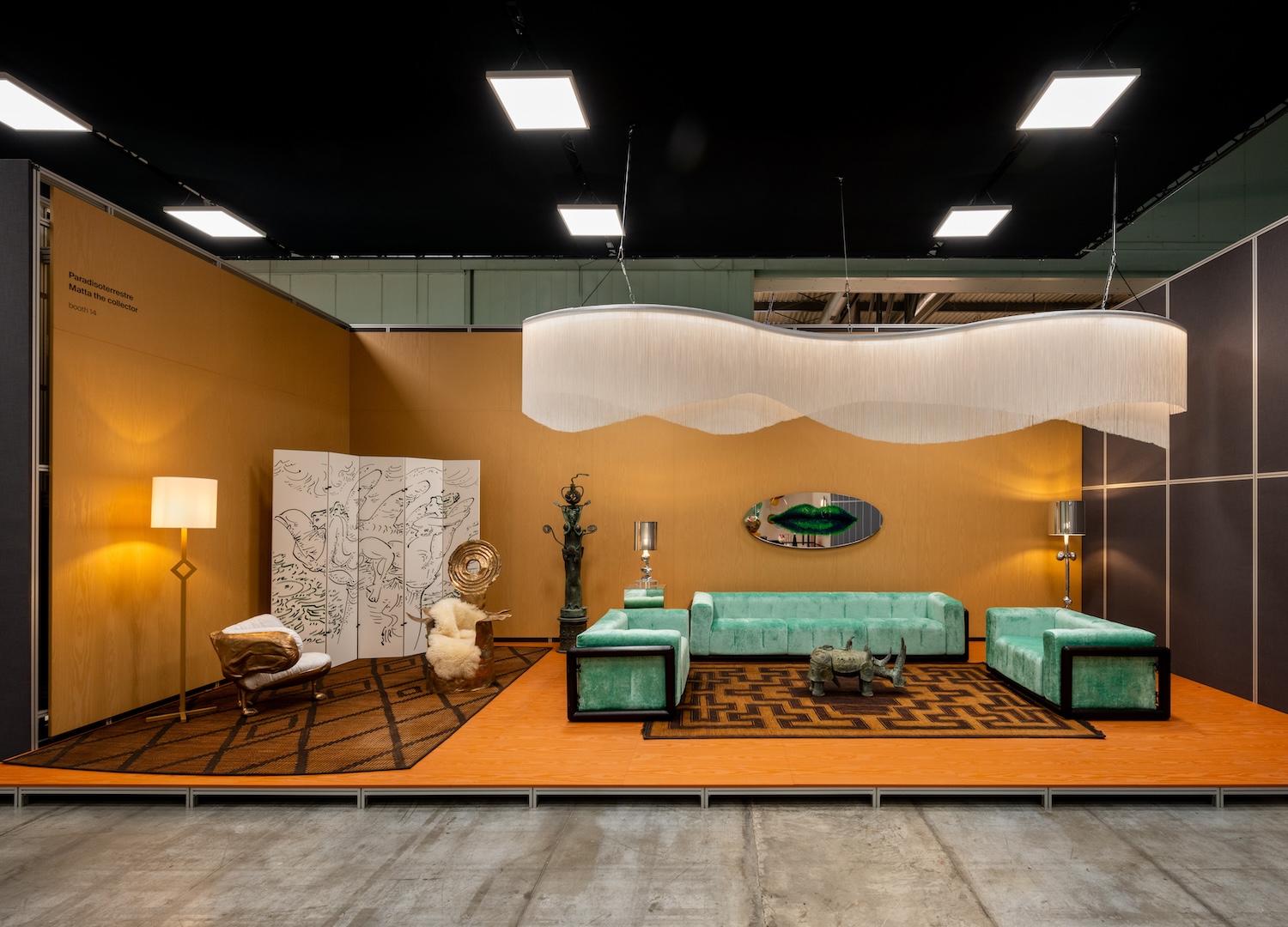
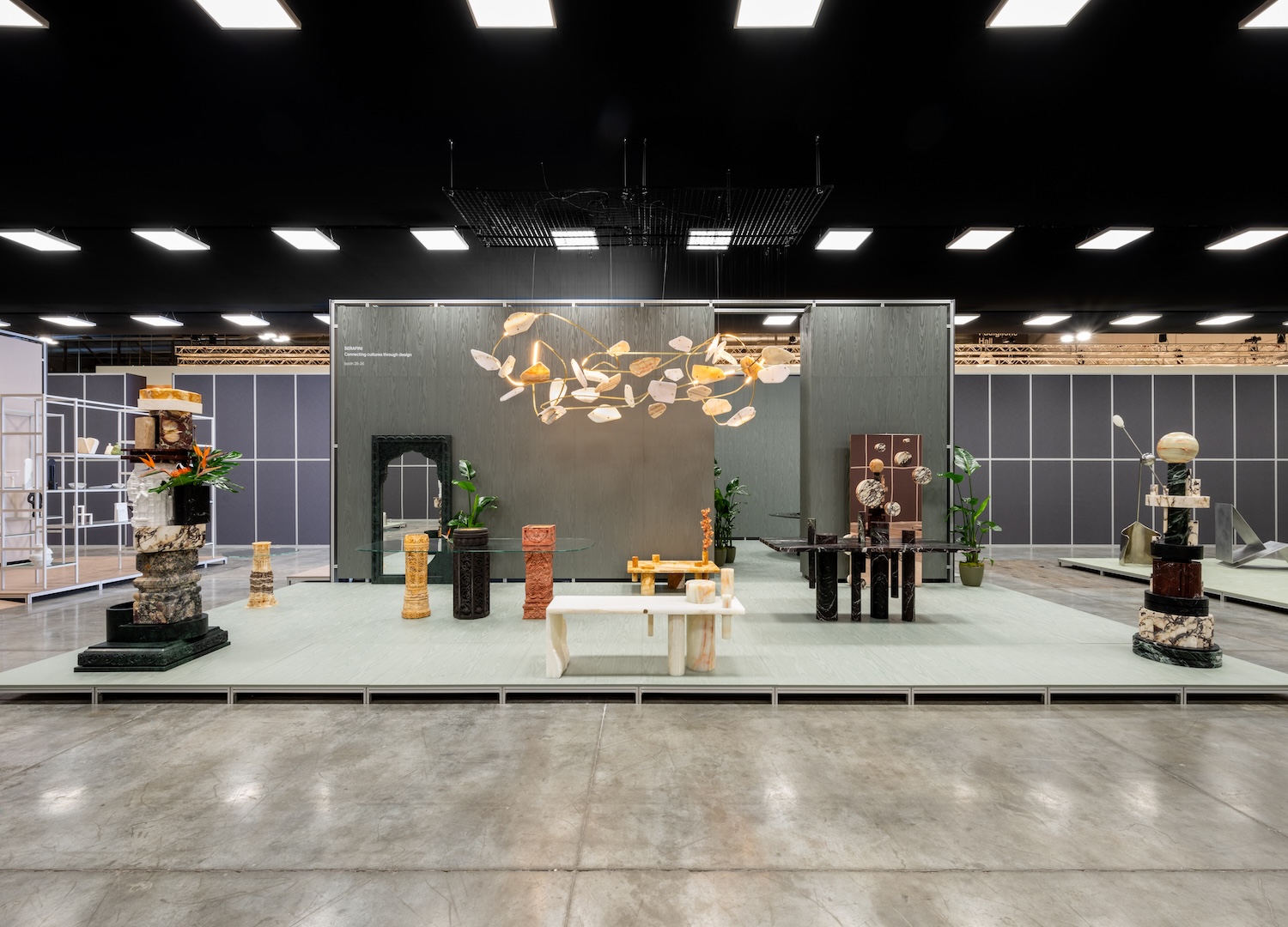
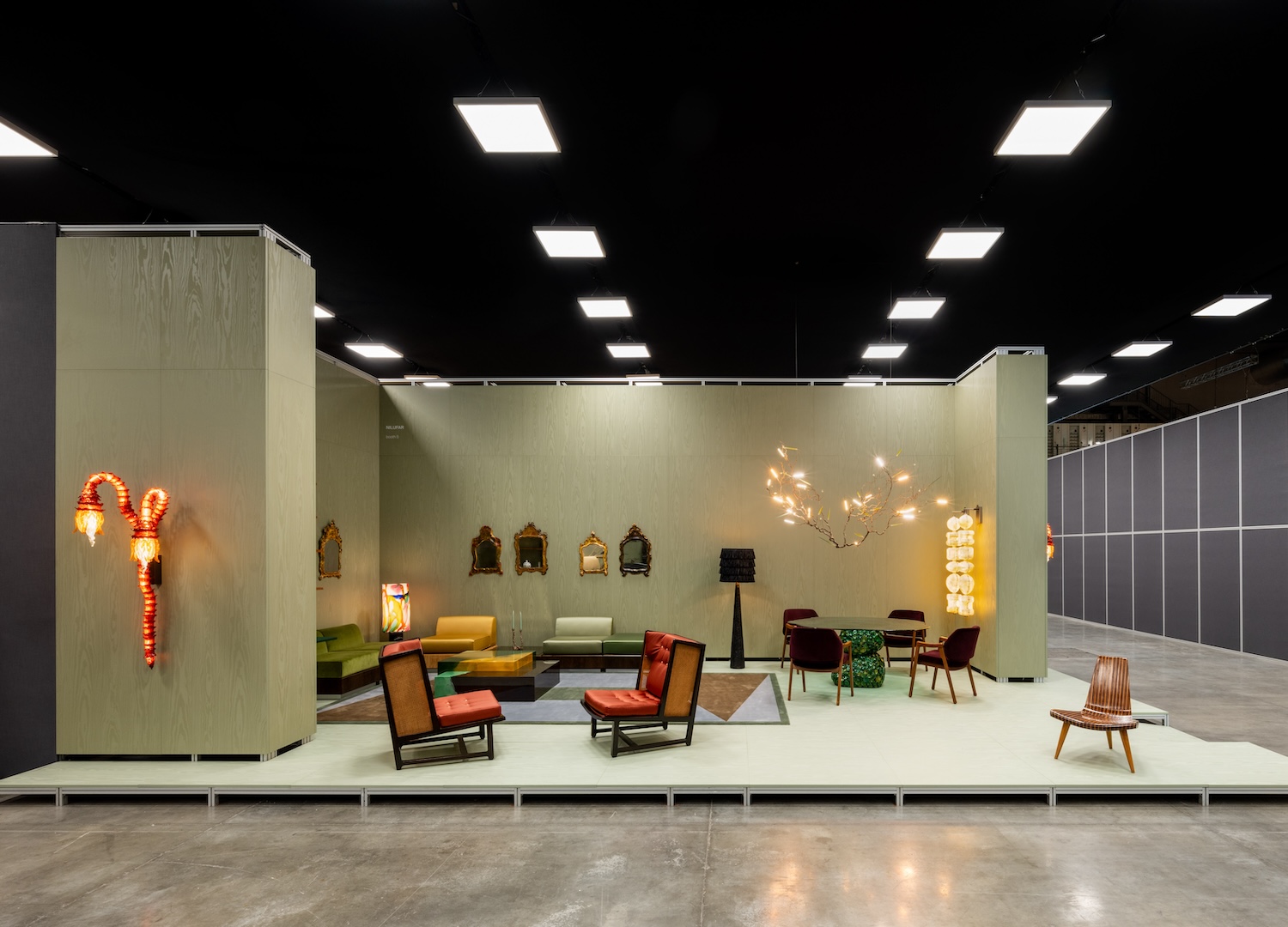
Curated by Annalisa Rosso and fitted out by Formafantasma, the new section gathered a selection of international galleries in a space designed to give each one its own voice while maintaining a coherent curatorial score. The ambition was genuine, the execution reportedly considered, and the intent – to bring collectible design into direct contact with the professional market of architects, interior designers, developers, and hospitality operators – was both commercially legible and culturally plausible.
What was harder to ignore was the degree to which this part of the fair arrived carrying a great deal of expectation: the announcement positioned it simultaneously as a response to market evolution, a platform for cultural legitimacy, a bridge between the unique and the serial, and a dedicated space for an industry segment in visible transformation – ambitions that, taken together, placed considerable pressure on any built environment to deliver. That Formafantasma‘s design for the space – a porous, rhythmic architectural landscape conceived to let each gallery maintain its own identity within a unified curatorial frame – met that pressure as well as it did, and was, by most accounts, a genuine achievement.
One thing the section did establish immediately, though, was the seriousness of its geographic and typological ambition. The twenty-five galleries assembled for the inaugural edition came from genuinely different design cultures, and the range was not merely decorative.
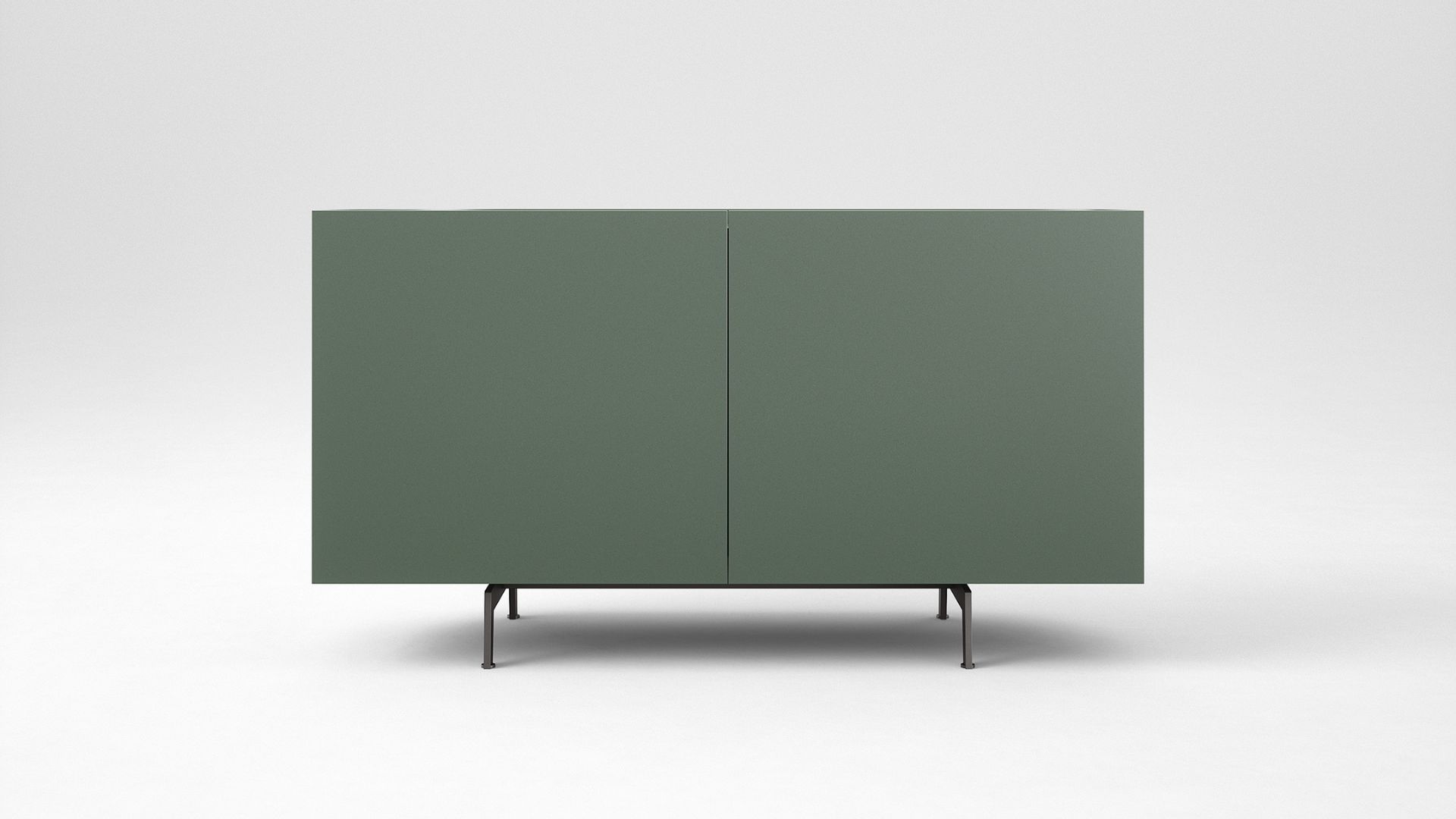
Italian galleries – Nilufar, Botticelli Antichità & Alessandra Di Castro, Paradisoterrestre, SERAFINI, Studio Francesco Faccin with Fonderia Artistica Battaglia, PARASITE 2.0 X BIANCO67 – were joined by a European contingent attentive to formal research and authorial practice: Side Gallery, Mitterrand Gallery, Galerie Zippenfenig, Max Radford Gallery, 1882 Ltd. Further out, Mercado Moderno brought Brazilian modernism into the conversation; ABI and Zaza Maizon by A1Architects introduced perspectives from culturally emergent contexts; Herzog & de Meuron x Marta Sala Éditions and ZAHA HADID ARCHITECTS x NEUTRA translated architectural thinking into collectible objects.
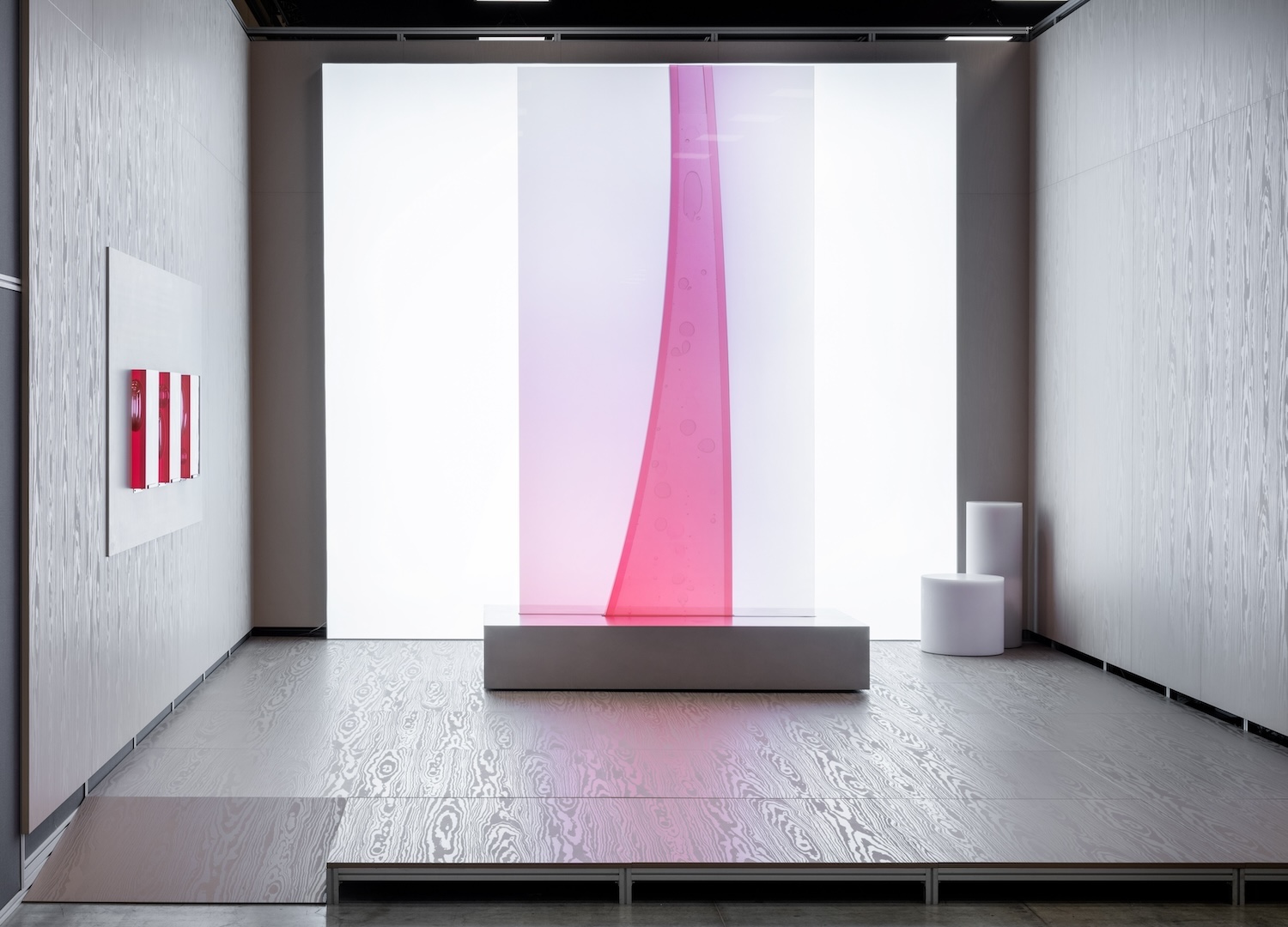
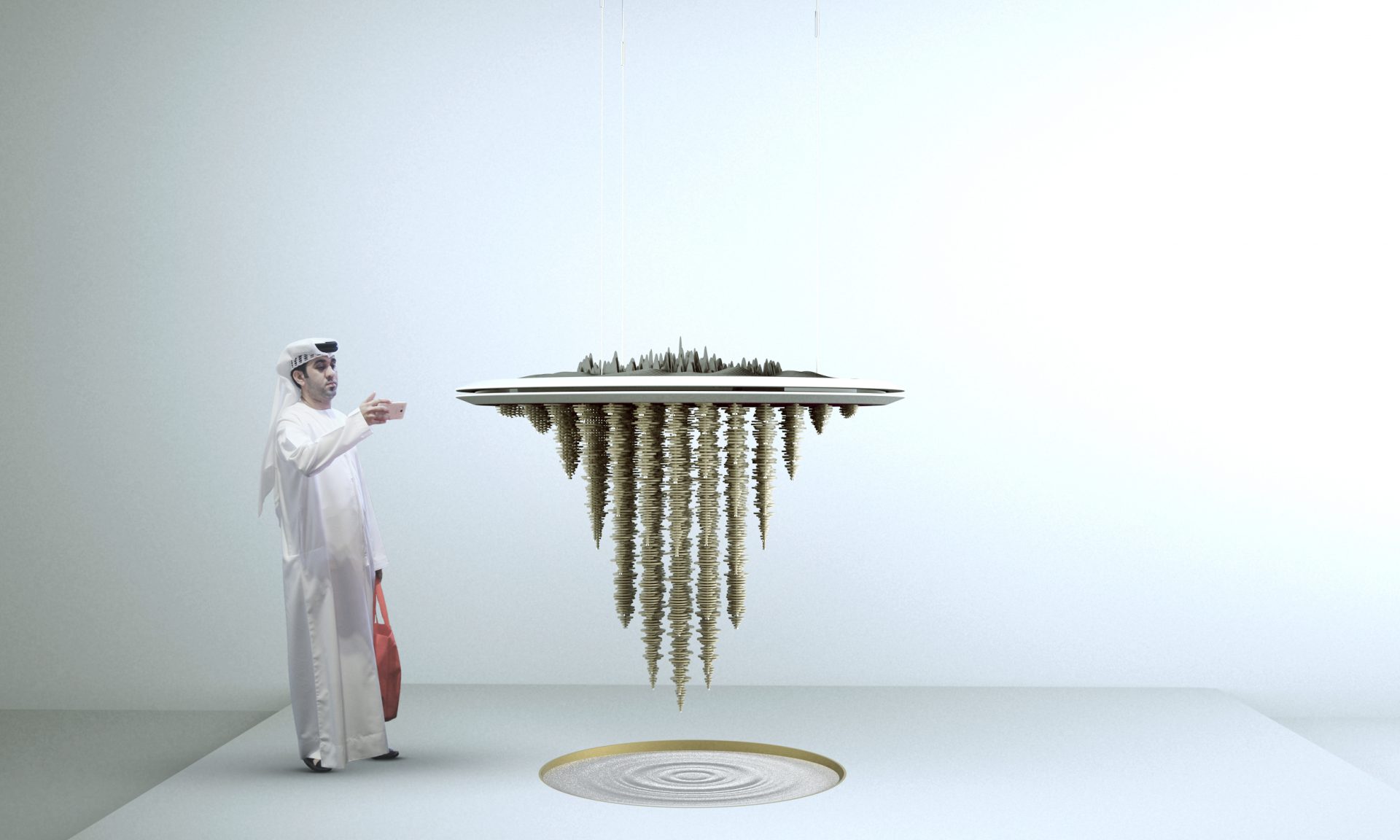
Site-specific work by Studio Sabine Marcelis, Xavier Lust, Job Smeets for Mouromtsev Design Editions, alongside HERING BERLIN and 13Desserts, extended the field further still. Taken together, the roster made a quiet argument that a context traditionally associated with industrial production could hold this kind of complexity – and that the professional audience of the Salone, architects, developers, and hospitality operators with real commissioning power, was precisely the audience capable of activating it.
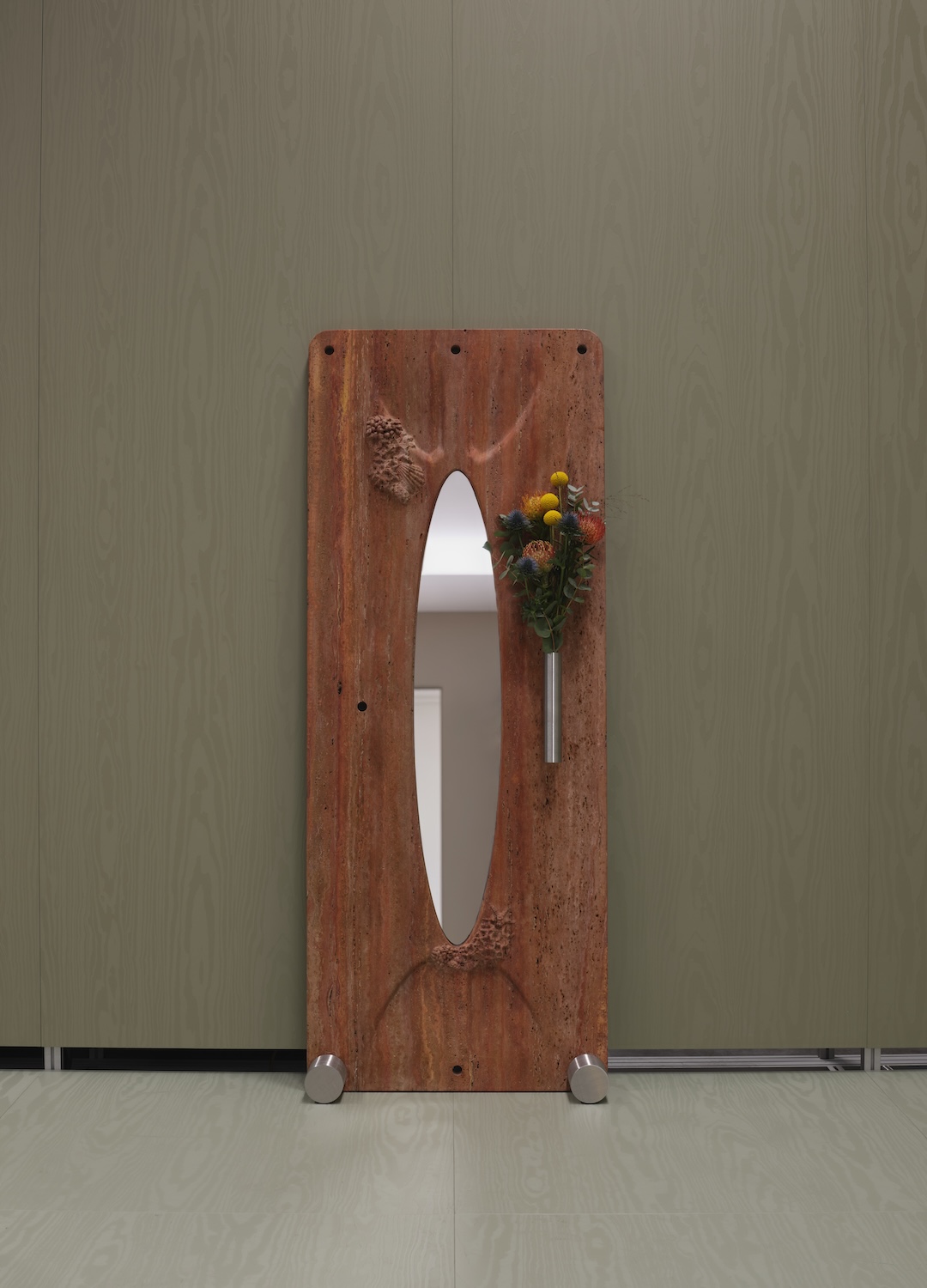
The Salone’s president, Maria Porro, had spoken of a post-disciplinary creative culture and invoked William Morris as a precedent for the coexistence of industrial and one-off production, and the historical analogy was not wrong, in the sense that it identified a recurring tension in design’s self-understanding.
What it necessarily glossed over was the difference in context, if not in stakes. Morris had been building an argument against the dehumanising logic of industrial manufacture, and that argument carried a genuine social ambition beneath its aesthetic surface – the applied arts as a form of insistence on the value of the made thing and the person who made it.
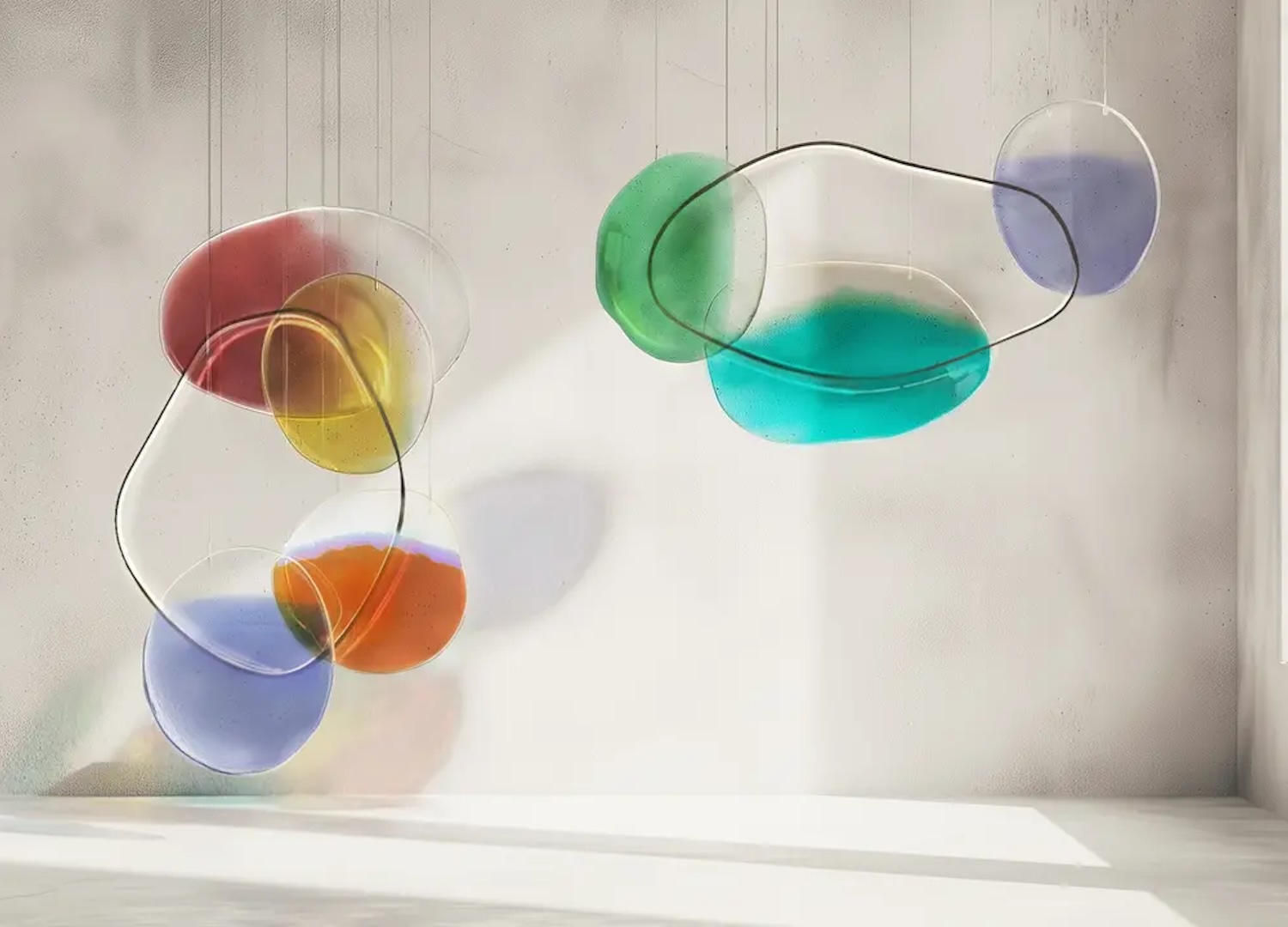
The collectible design circuit that Salone Raritas sought to institutionalize operated in a rather different register: galleries are not alternatives to the market but highly refined expressions of it, and scarcity functioned here less as an ethical position than as a structural condition of production. That is not, in itself, a criticism – there is a legitimate conversation about objects made with extreme attention in very small numbers, and some of the most rigorous practitioners in this territory are doing exactly that.
There was, in fact, a continuity between what Morris and his circle had been reaching for and what the more considered practitioners in the collectible space are attempting, that consisted in the recovery of formal rigour in objects of use, the insistence that beauty and function need not be mutually exclusive, the reassertion of craft knowledge as a legitimate form of intelligence.
Where the analogy is strained is in the question of direction – the applied arts tradition oriented toward the democratization of quality, the collectible market moving, structurally, the other way, as edition sizes shrank and objects migrated from use toward acquisition. Holding both realities at once, without losing the balance between them, is perhaps the more interesting intellectual position. Did we reach that balance, though?
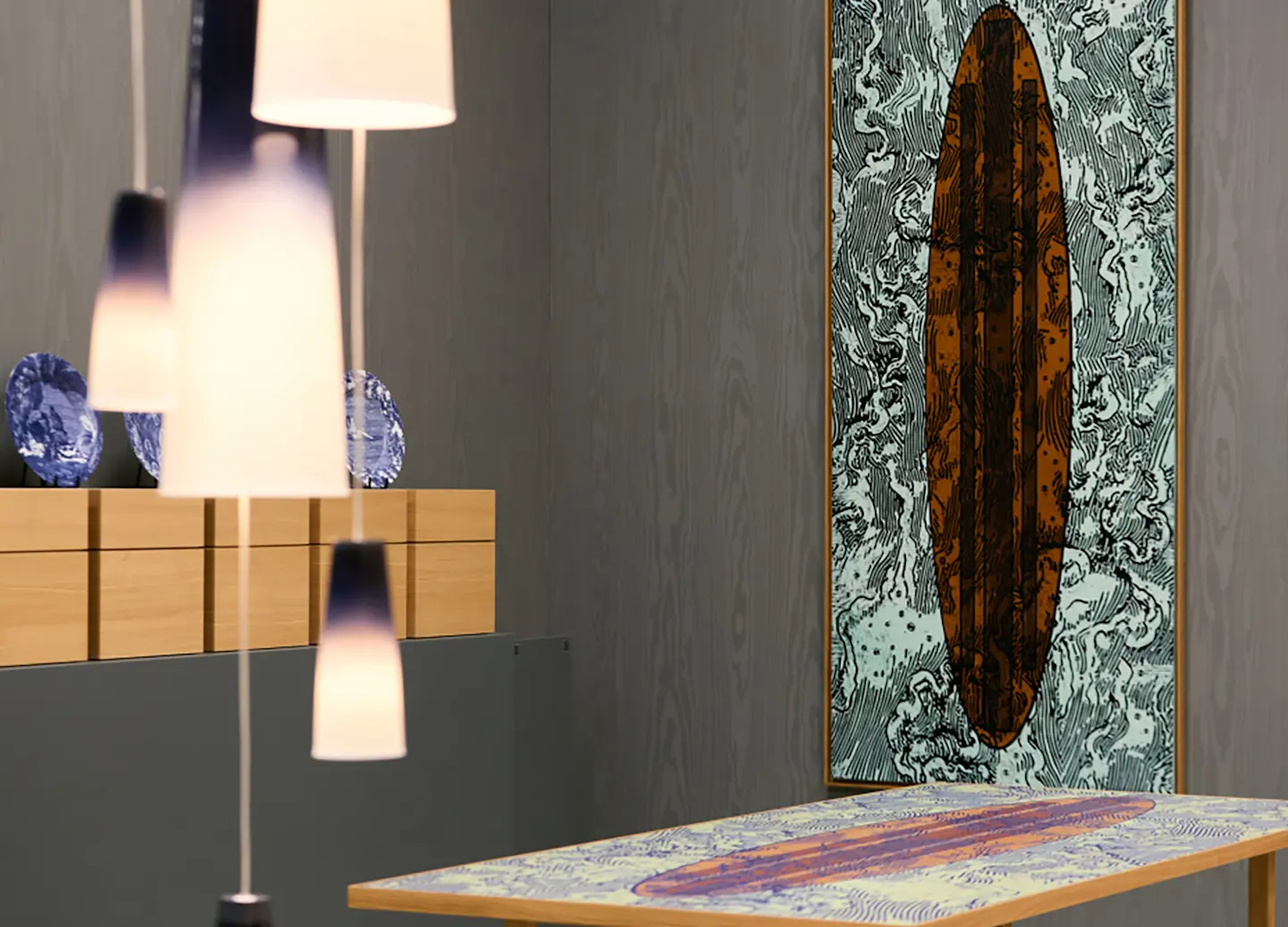
The Salone team had indicated that Raritas is here to stay, and there was real value in that continuity – it is harder to have a serious conversation the first time than the third or fourth, and the accumulated presence of the section within the fair’s calendar could, over time, produce the kind of depth that a single inaugural edition could not.
What remained to be seen was how that continuity might be used: whether to consolidate an existing market logic, or to gradually open a more reflective space – one where the conditions that frame collectible design might themselves become part of the conversation, and where the distance between the workshop and the trade fair could be acknowledged rather than quietly folded into the rhetoric of cultural ambition.
About the author

Ludovica Proietti, journalist, design historian and curator, teaches in universities and curates events, always exploring projects with fresh, unconventional perspectives.
Instagram