The architecture of a door: how Lualdi is rewriting its international presence
With new flagships in New York and London, the Italian door manufacturer is completing a strategic shift in becoming an embedded partner in the world’s most demanding design markets.
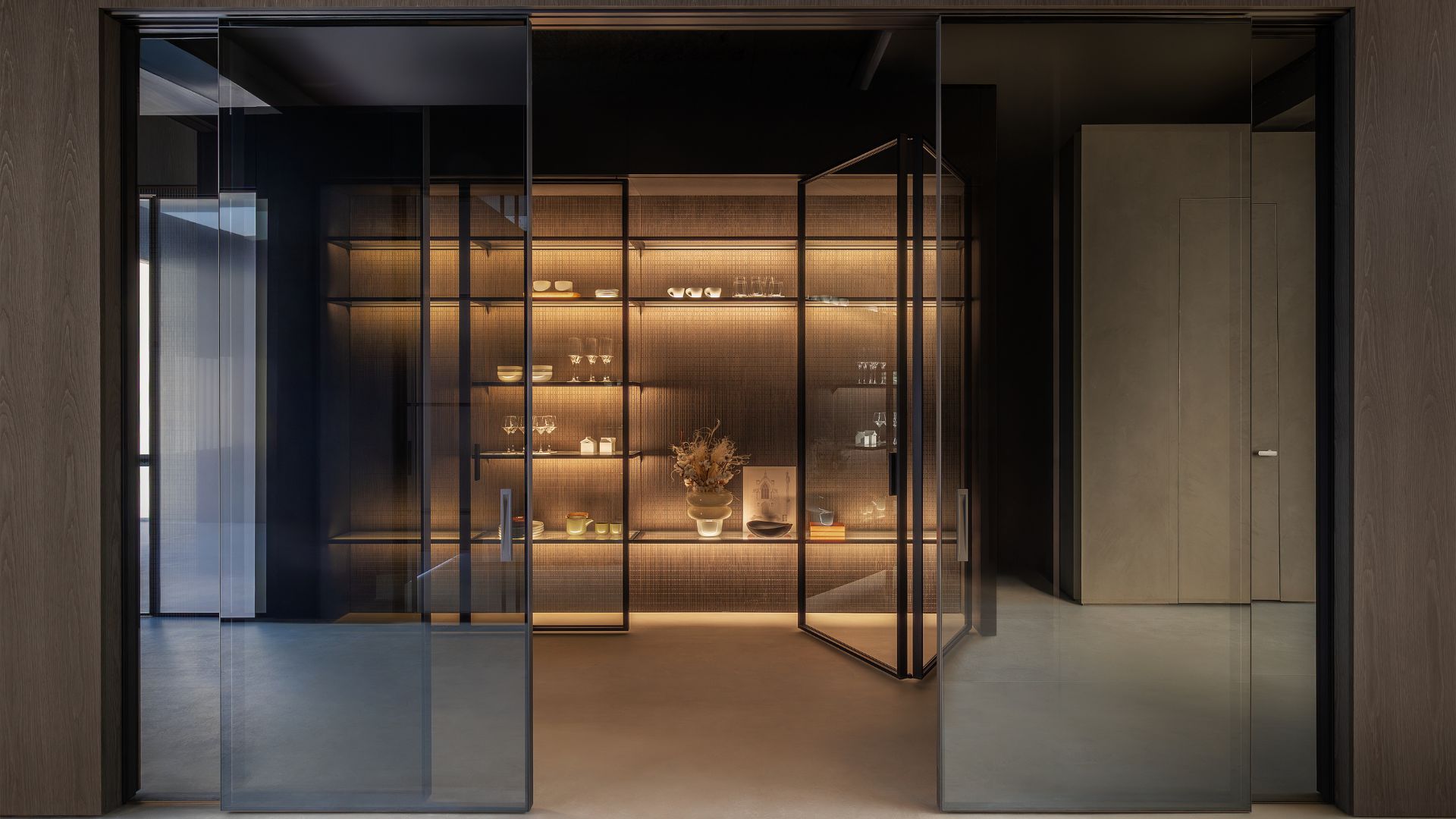
Lualdi is an Italian brand that manufactures top-quality, made-to-measure design doors for interiors, but it has built its reputation on something beyond the object itself, on the idea that the threshold is an architectural proposition, more than a fitting. Their approach was developed across more than a century of collaborations with some of the most rigorous minds in Italian design, and it now drives an international expansion strategy.
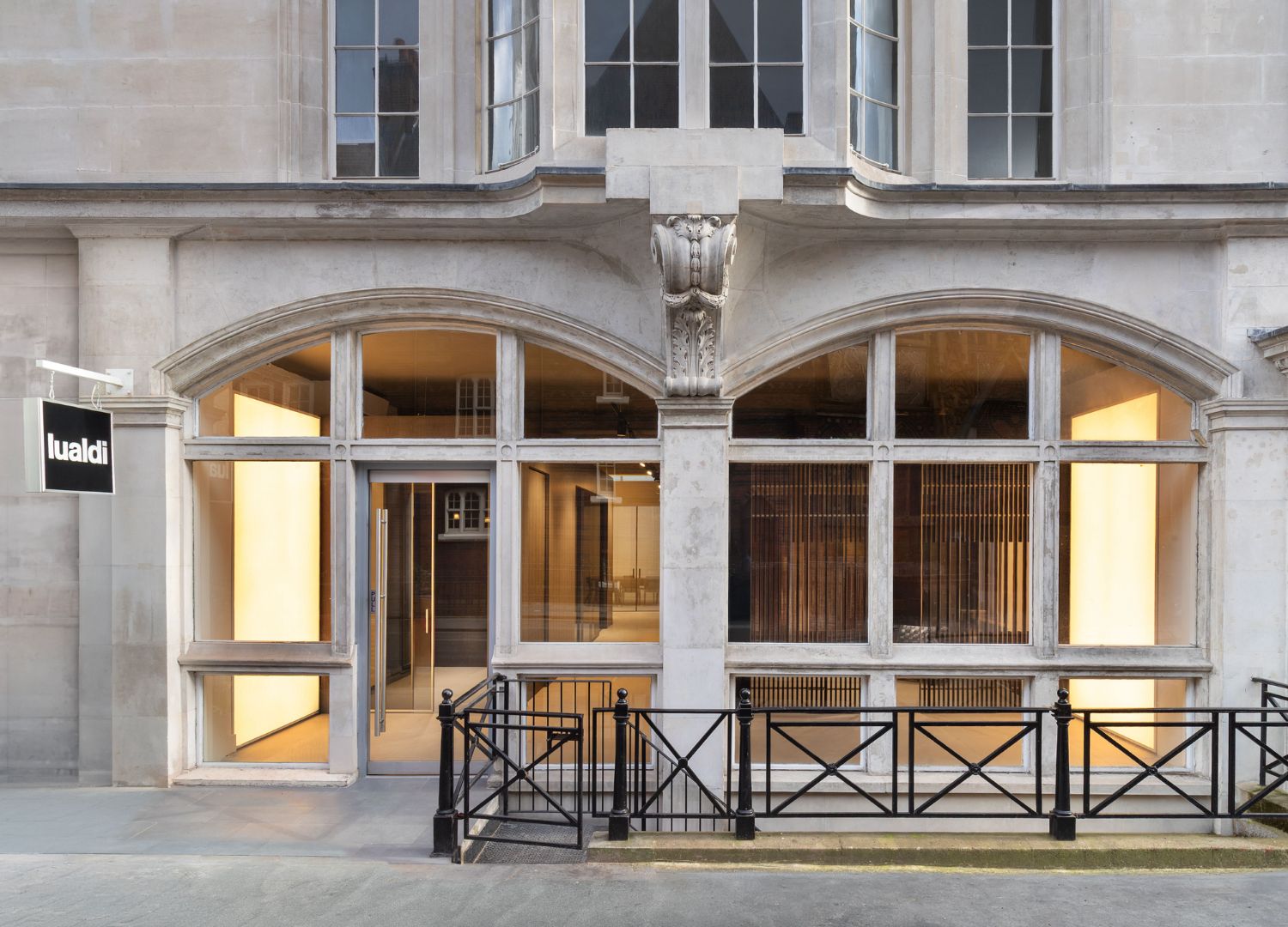
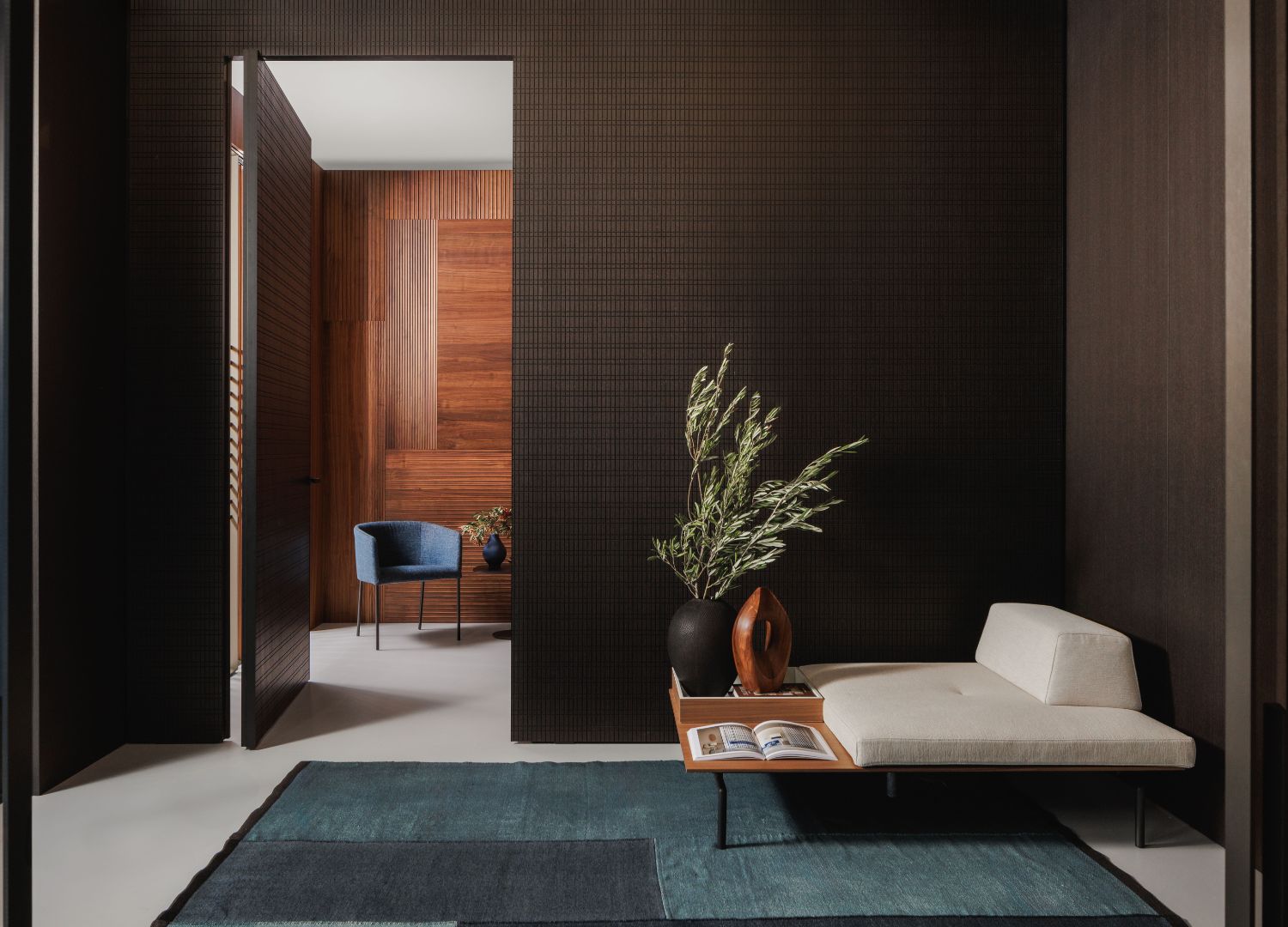
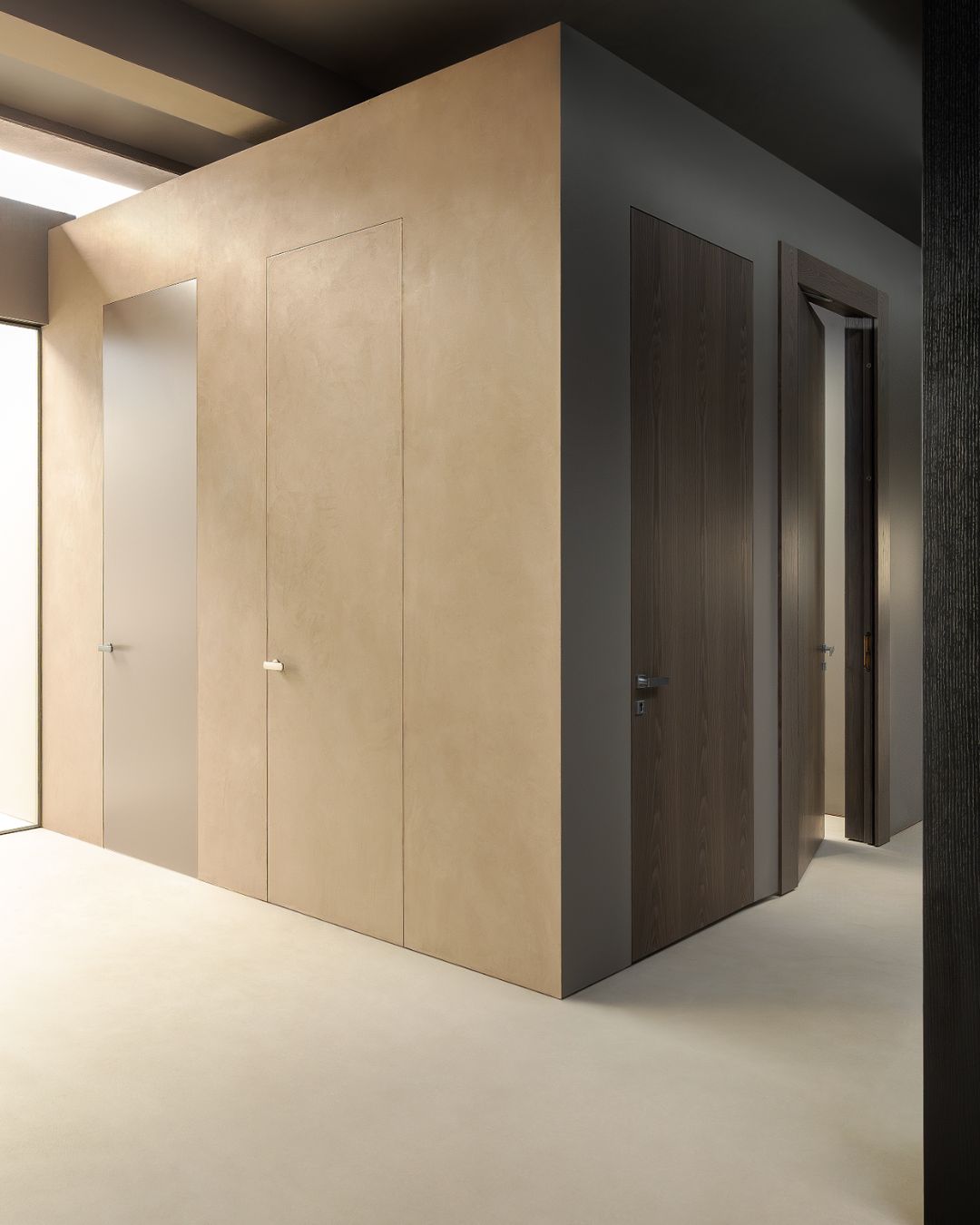
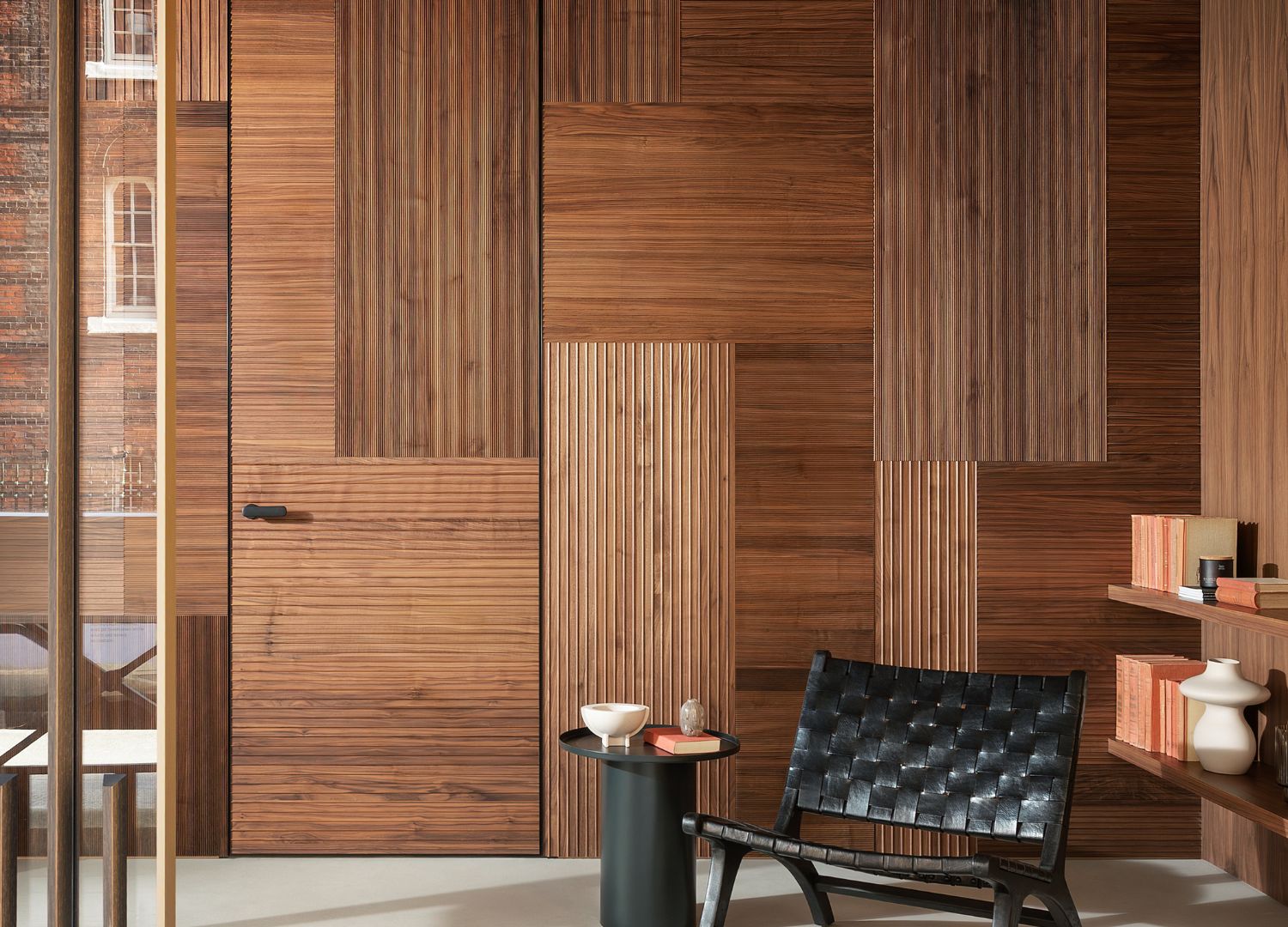
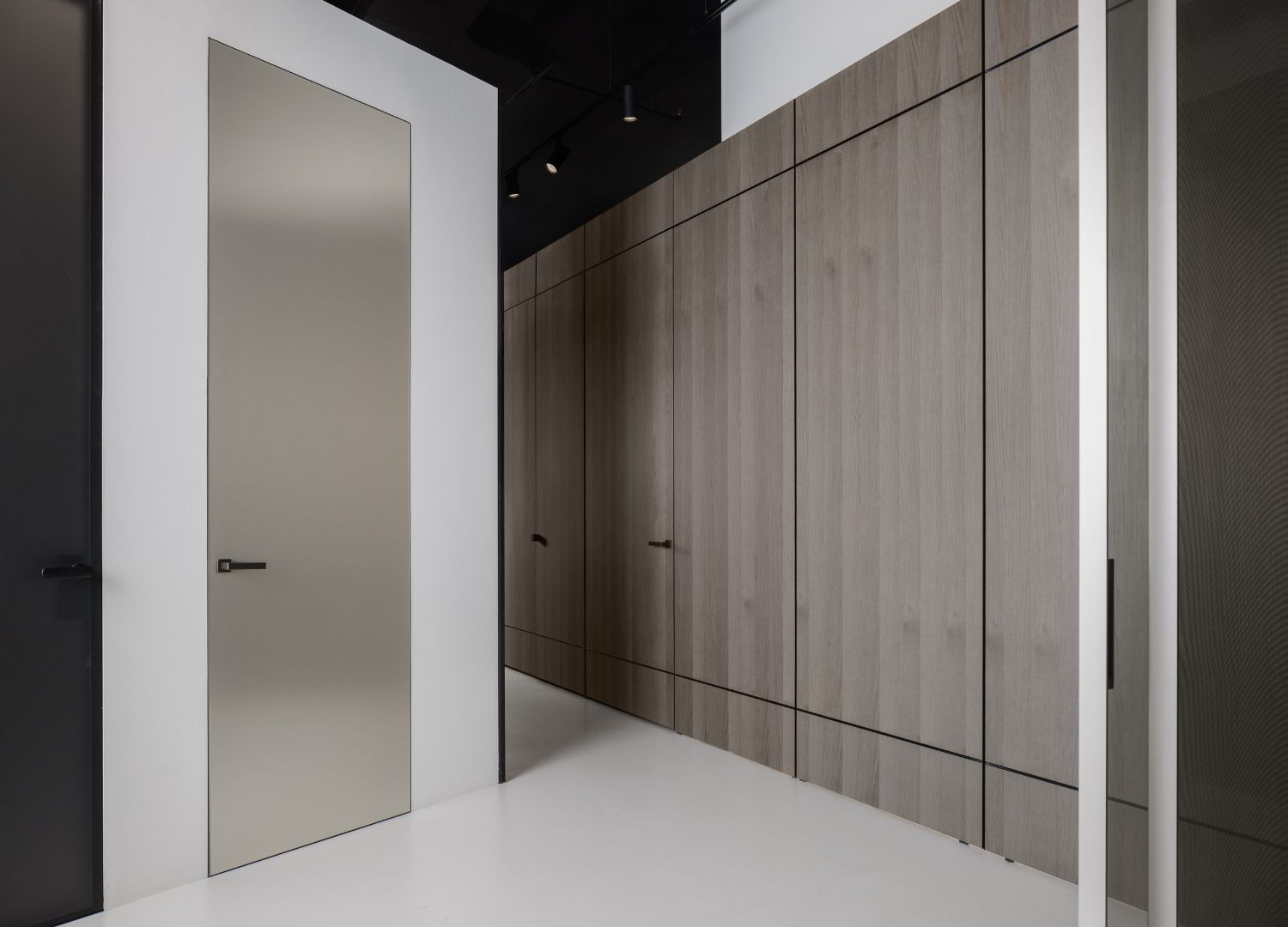
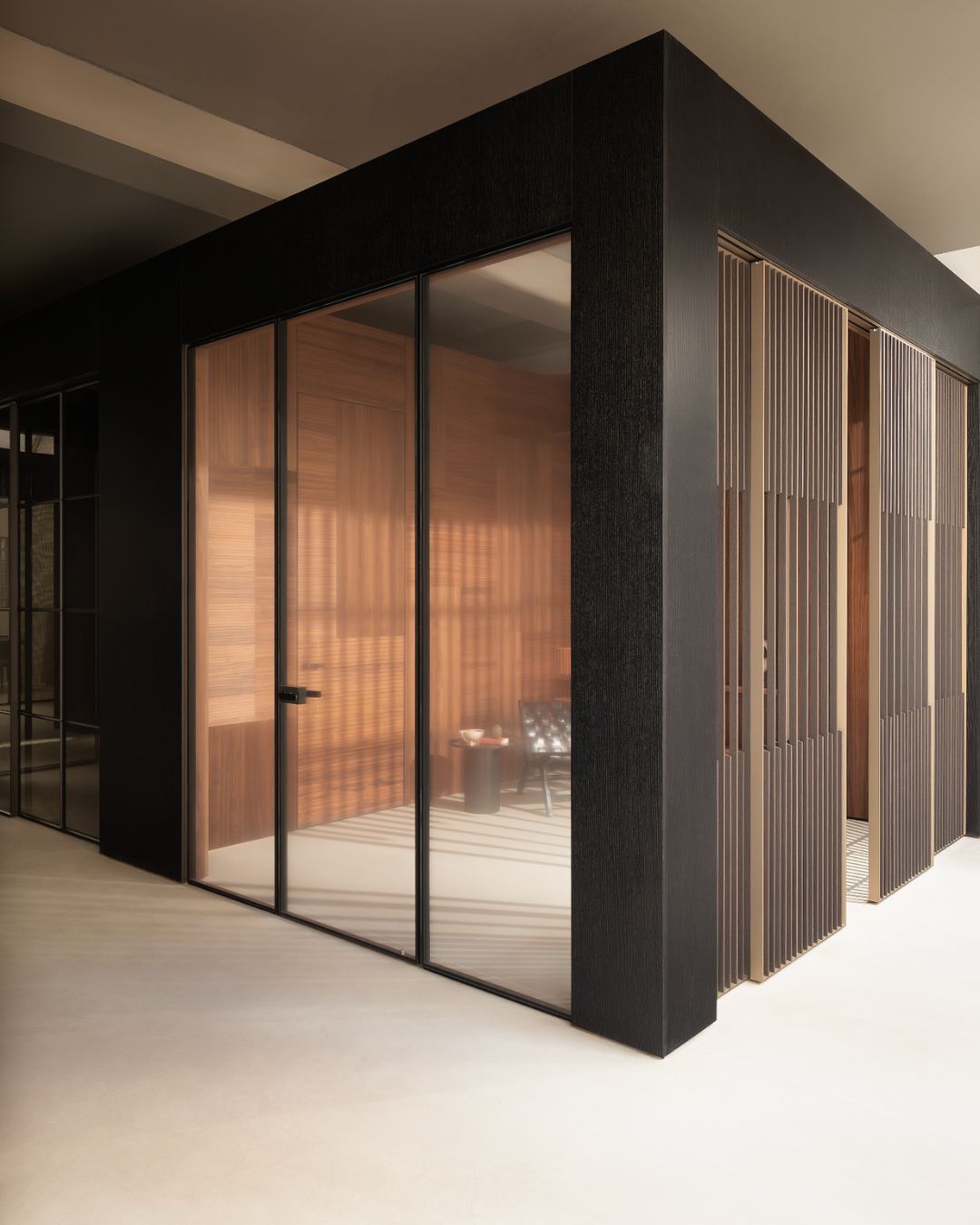
The brand’s latest chapters are a showroom on Madison Avenue in New York City, inaugurated in September 2025, and a new London flagship on Margaret Street, opened in early May 2026. The two openings represent the conclusion of a long process, where the showroom itself is considered a tool for architecture rather than a venue for sales.
Gallery
Open full width
Open full width
Lualdi’s international presence
From carpentry shop to design laboratory
Lualdi’s story began in 1860, when Carlo Lualdi founded a carpentry shop in Magenta, specialising in the creation of high-quality bespoke designs. For over a century, it was a craft operation, disciplined and local. In the postwar years, a transformation came through a relationship with Milan’s architectural vanguard; figures like Vico Magistretti, Anna Castelli Ferrieri, Marco Zanuso, and Luigi Caccia Dominioni began working with the company.
The collaboration with Caccia Dominioni was the one that proved decisive, paving the way for Lualdi’s business breakthrough thanks to the LCD door, which brought industrial design into the production of doors for the first time in the world. No longer a craftsman, Lualdi was now a design company capable of industrialising a new idea of the interior.
London: the technical and the global
The London flagship on Margaret Street, recently inaugurated on 7 May 2026, focuses on precision and systemicity. The showroom was designed by Piero Lissoni, who has been the art director of the brand since 2010, guiding the company’s style and designing products, showrooms, fair stands, and communication tools.
Under his direction, the brand has moved its design language away from the door as an isolated object and toward the idea of the door as a system: something that organises space, defines transition, and participates in the overall architecture of a room. Lissoni has described his work on the showrooms as a “physical catalogue”, a series of products illustrated by a labyrinthine succession of spaces, doors leading to other rooms, each door a gateway to a small world.
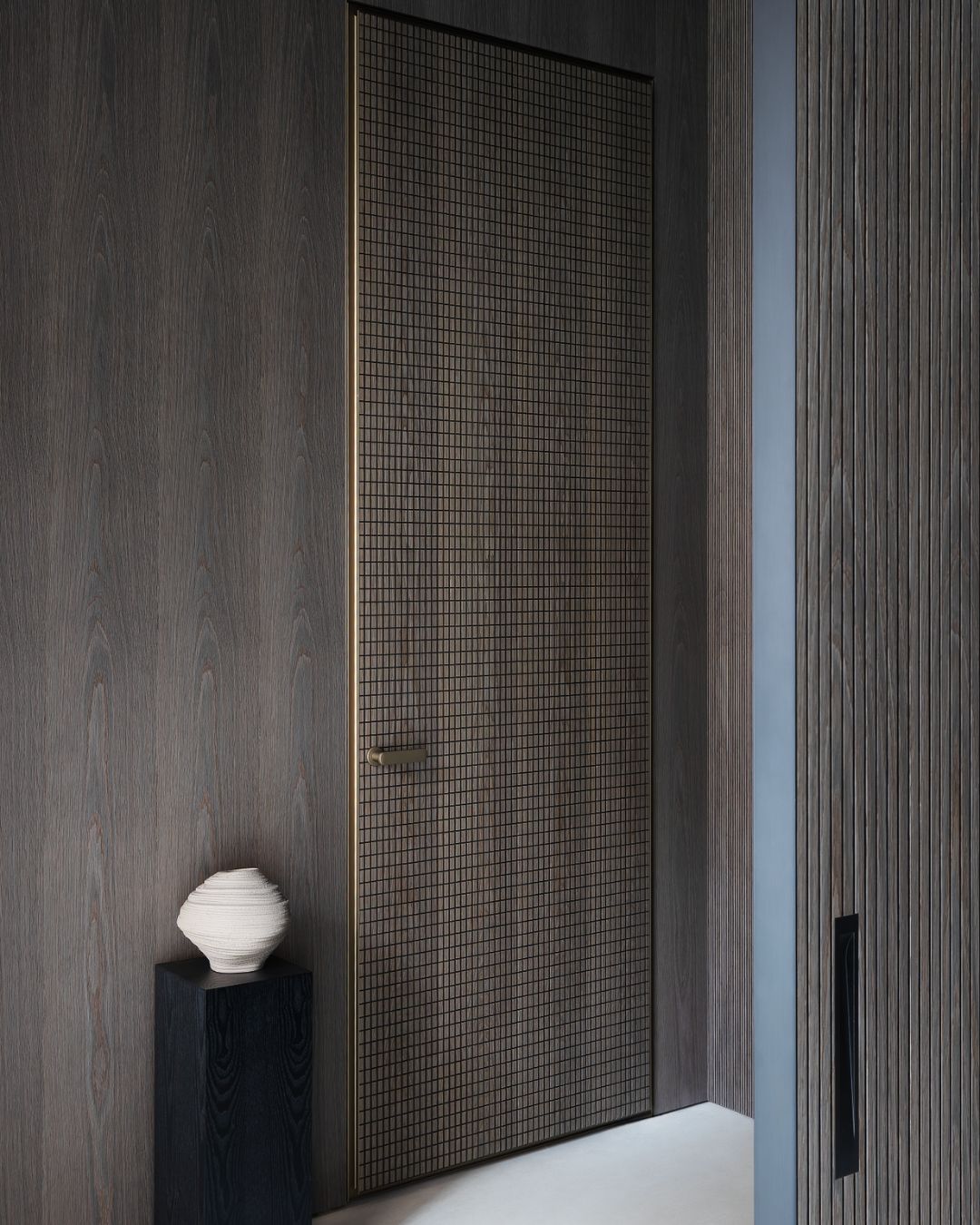
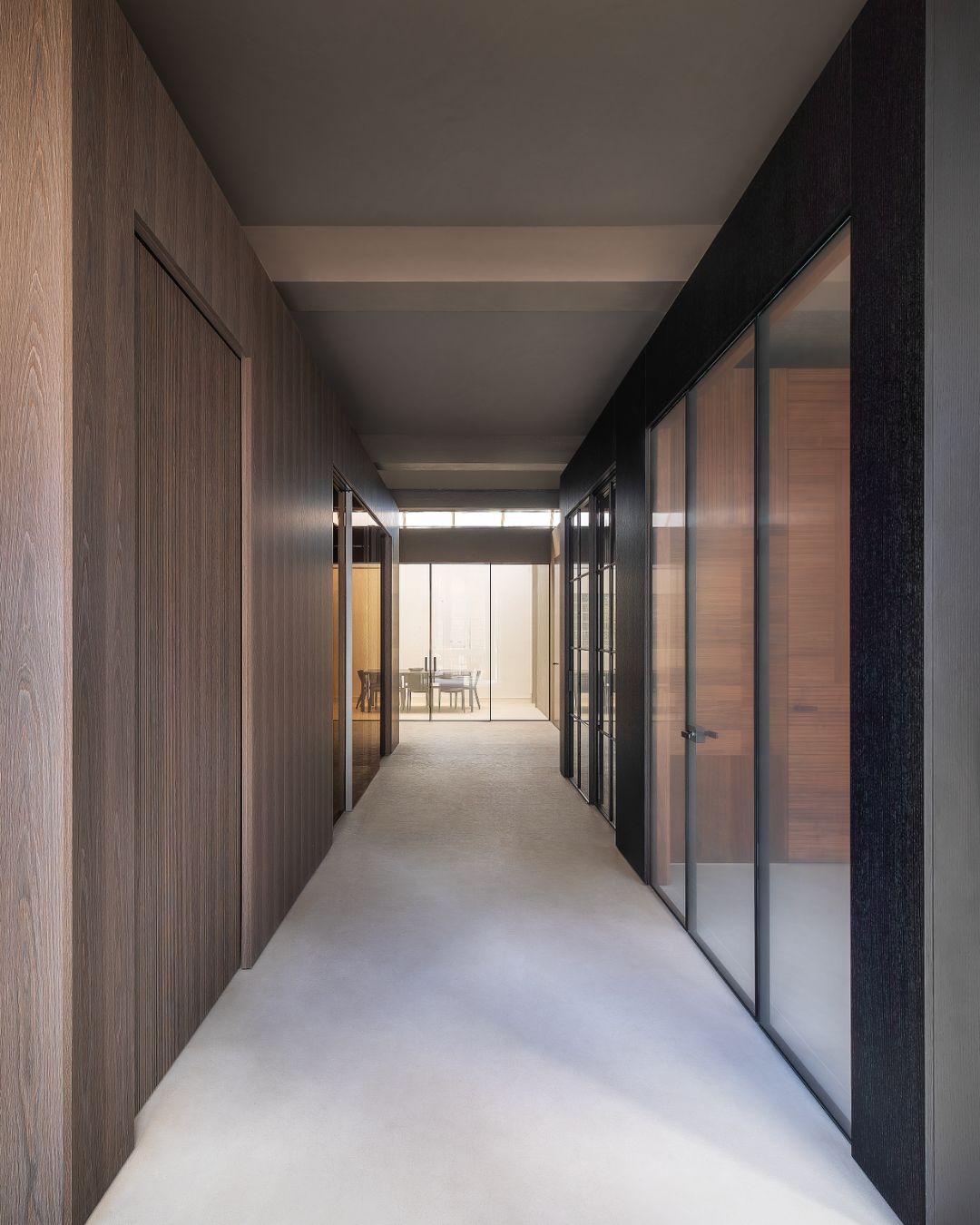
The London space explicitly resists the usual domestic staging found in showrooms, there are no room sets or narratives. Instead, Lissoni has organised the space as a sequence of technical encounters, each product is presented in direct relationship to the next, with a focus on materials, construction logic, and the mechanics of how one system connects to another. The compact footprint is a deliberate choice, as less space means less room for distraction.
This layout communicates a particular idea of what a Lualdi door actually does. Rather than marking a boundary between two rooms, the products on show propose the threshold as something active and organisational, a device that shapes how space is used and experienced, not just where one room ends and another begins.
Operating in the UK since the 1990s, the company’s decision to open a dedicated space in London is part of a broader strategy to provide architecture and interior design firms with direct services. The city functions as a global hub for large architectural practices that run projects across multiple continents and need suppliers capable of matching an international reach with local responsiveness and technical depth.
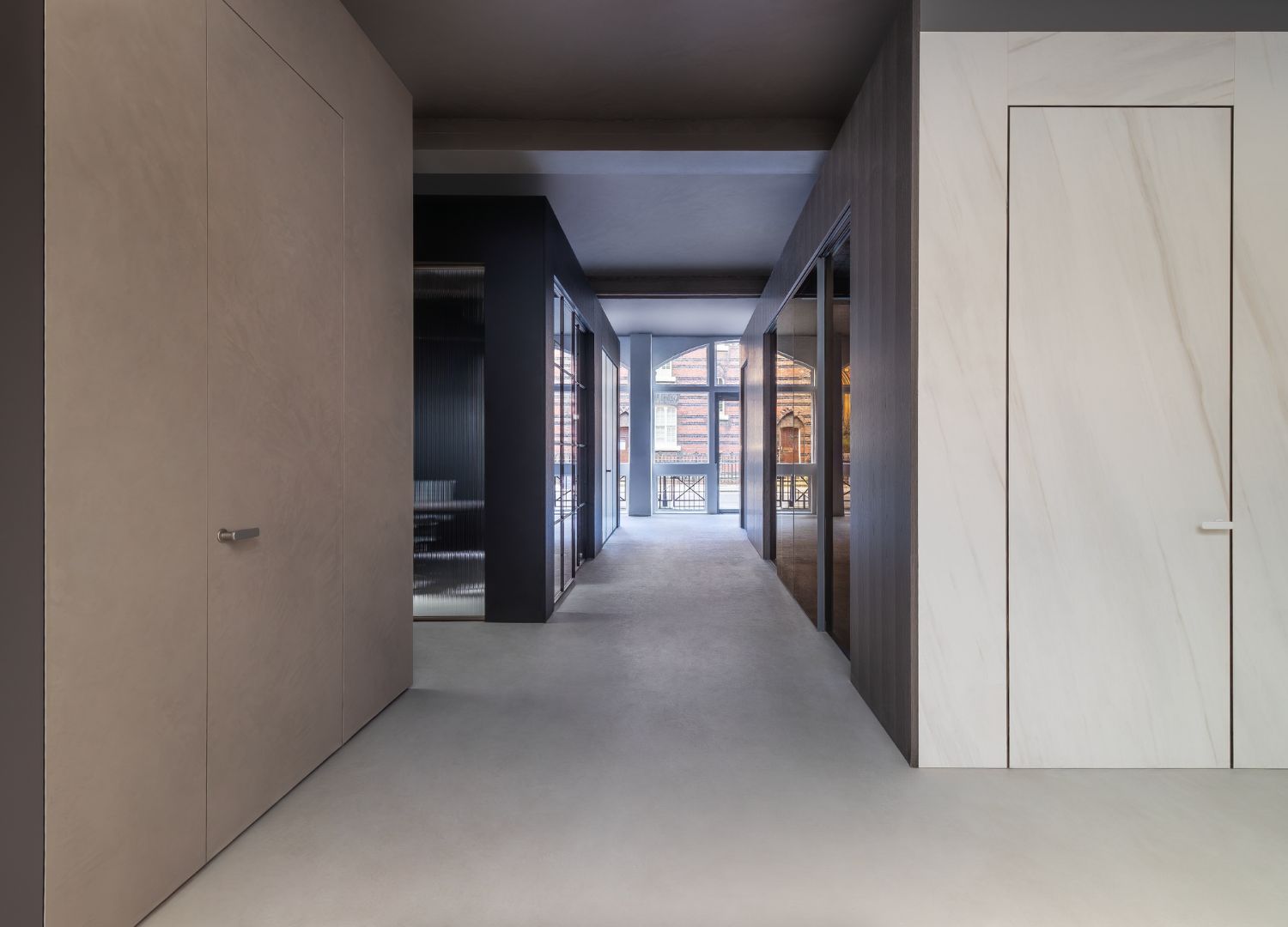
Fitzrovia was chosen in particular for its vibrant artistic and cultural scene, a neighbourhood that reflects Lualdi’s innovative character: constantly evolving, cosmopolitan, and inspirational. A directly operated space, rather than a distributor, means the company can now manage complex, long-cycle projects from within the city rather than from a distance, which, for a product as specification-dependent as a bespoke door system, is the difference between being a supplier and being a partner.
New York: Architecture at Scale
In September 2025, Lualdi inaugurated its new showroom at 180 Madison Avenue, in the heart of Manhattan’s unofficial “made in Italy” district. The 200 square-metre space was fully renovated and expanded, conceived as a hub dedicated to design culture where architecture, materials, and technology interact. In New York, the highest level of customisation is expected as projects require a highly tailored approach, and Lualdi has moved beyond its traditional role as a manufacturer to act as a partner in shaping complex spaces.
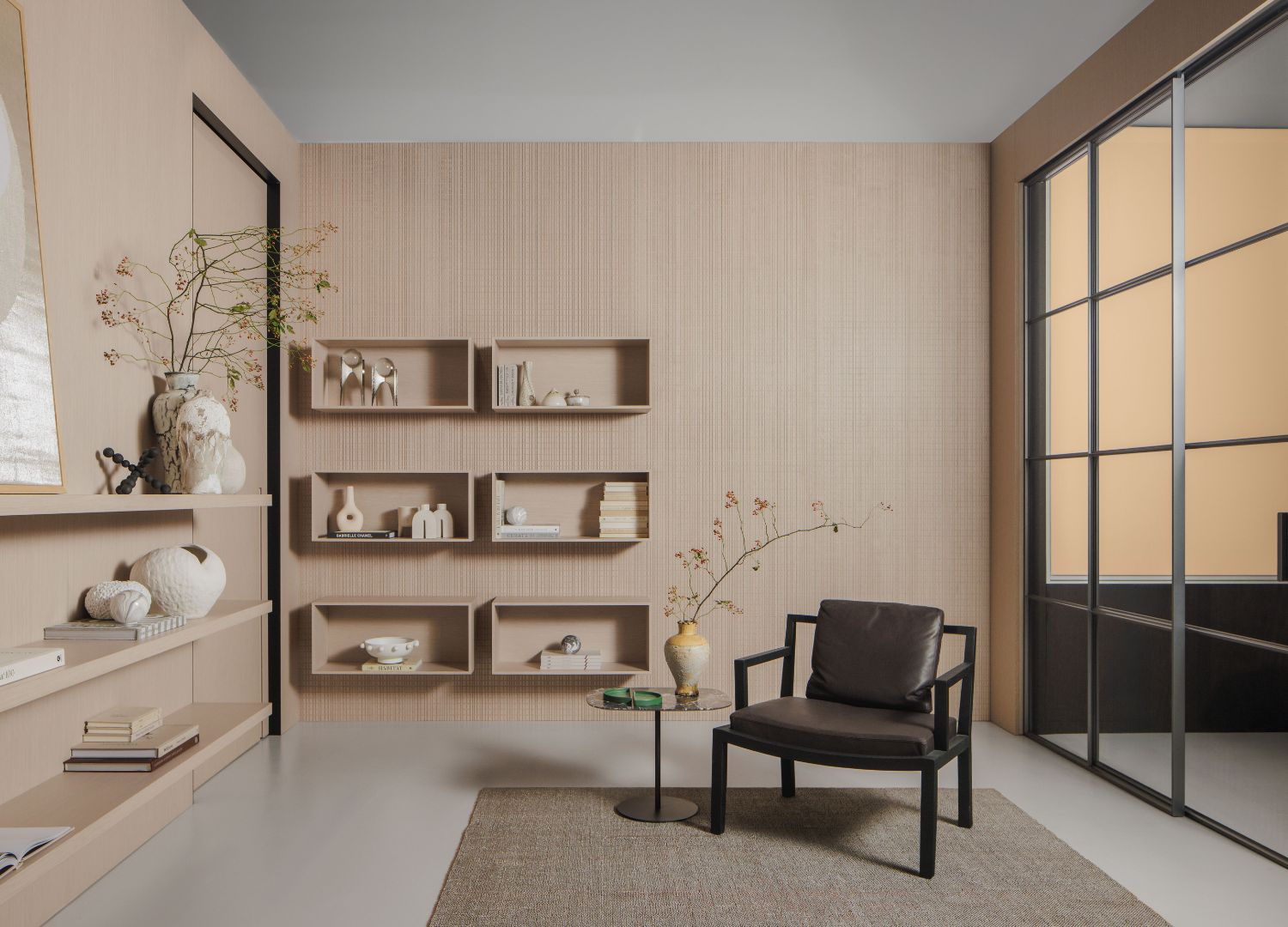
The Big Apple space stages this ambition physically: complete settings in which sliding systems, boiserie, movable partitions, and integrated furnishings define fluid, reconfigurable environments. You are not simply being shown a product, but what a whole project could feel like.
The brand’s relationship with the United States comes from a decades-long accumulation of projects. The company’s entry into America began through a connection with Carl Magnusson, a designer working directly with Knoll, and its first commission was the doors for the City Bank Tower in New York. Lualdi has two other locations in the US, in Miami and Los Angeles, covering both coasts.
From export to presence
The logic of connecting London and New York reflects a structural shift in how Italian design companies are choosing to operate internationally. For decades, the model was essentially one of export: manufacture in Italy, distribute through local agents, and rely on the brand’s prestige to do the selling. However, when the product is a custom system, it is not something a distributor can sell from a catalogue; it requires someone on the ground who can understand the local culture as well as they can understand the brand’s essence.
The showrooms are more than marketing instruments; they become an operational infrastructure to change how the company handles its projects. The geography of Italian design is being redrawn, and Lualdi, a company that started making furniture in a small workshop more than a century and a half ago, is helping to draw the new map.