Can a pepper be a mould? Inside Marco Campardo’s process-based design practice
From cardboard casts to dissolvable shop displays, the London-based designer has built a practice around refusing to separate an object from its making.
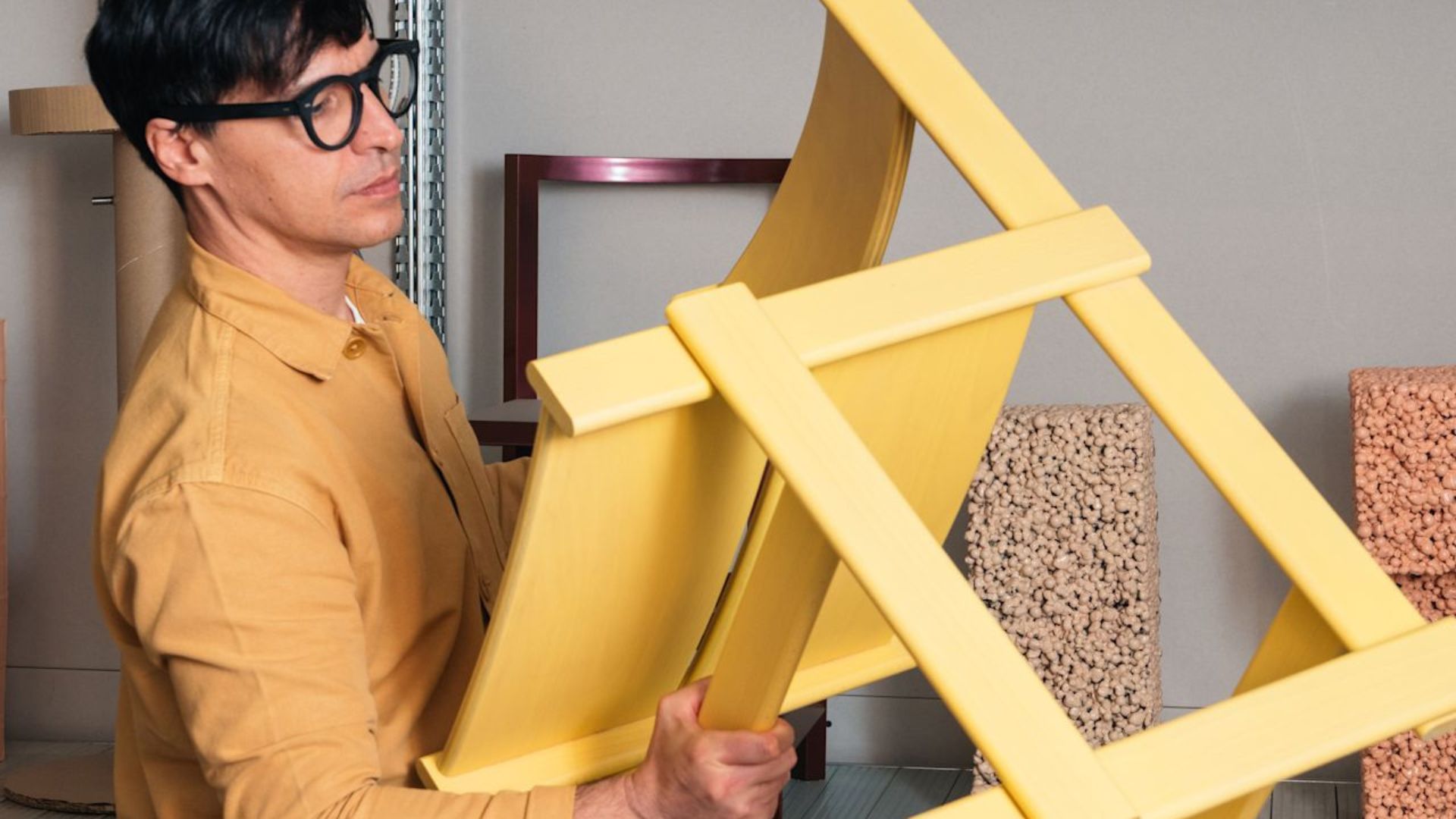
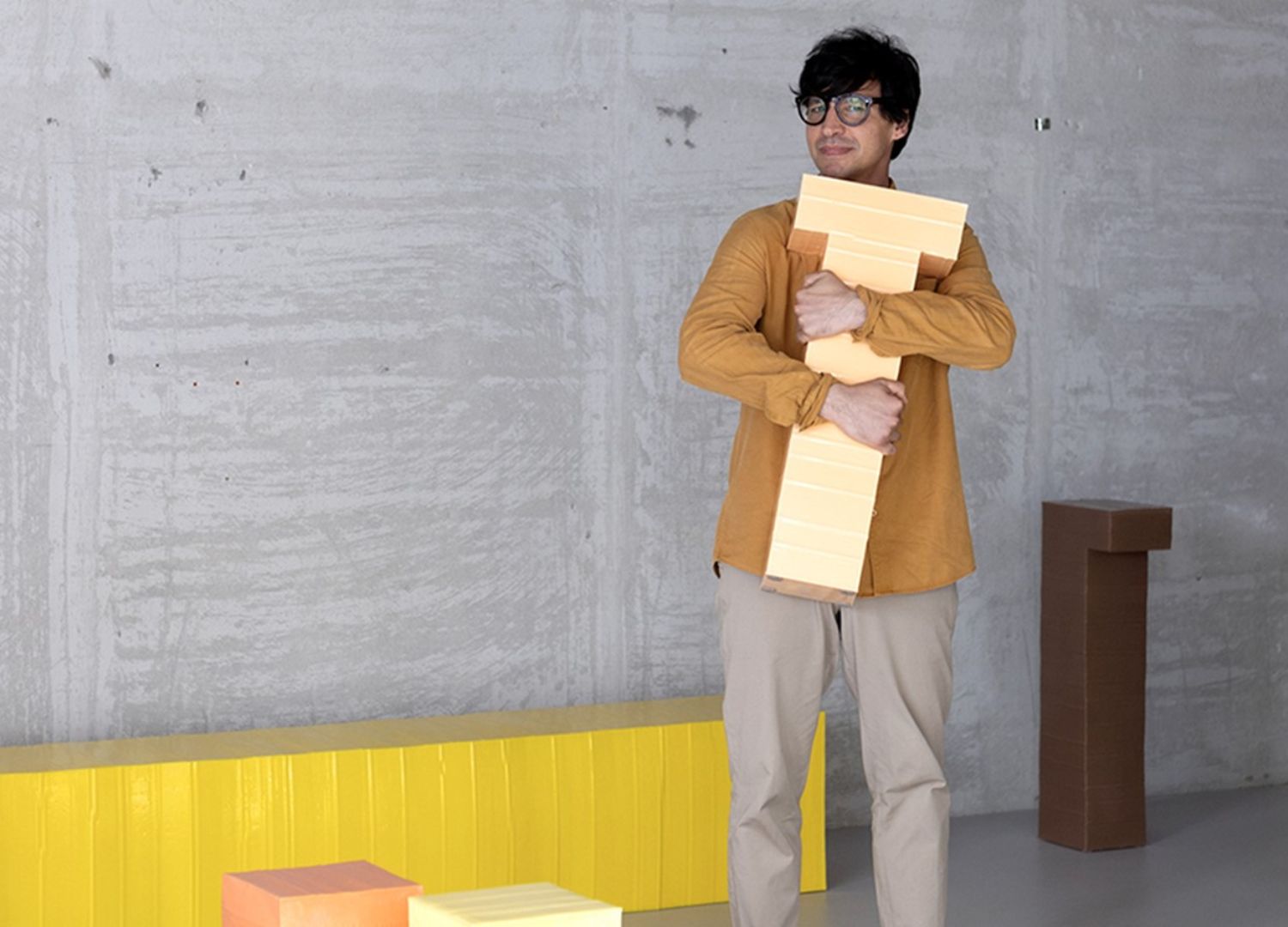
Many designers will start their work on paper, creating an object’s final form through sketching, and then finding out how to actually make it. Marco Campardo is a designer who has decided to do the opposite. What he thinks about is process, the tools, constraints, physical behaviours of materials and shapes, and he has built an entire practice on the conviction that if you get the process right, the form will look after itself.
Industrial design, as a discipline, is built around a linear process that is usually distinctly separated between an initial creative sprint, followed by a technical phase, where a mould or die is engineered to reproduce the initial idea with as little deviation as possible. When those processes get mixed up to the point of being no longer distinguishable from each other, new possibilities open up that could have never been thought of before.
Gallery
Open full width
Open full width
Marco Campardo’s process-based design practice:
Jello Collection
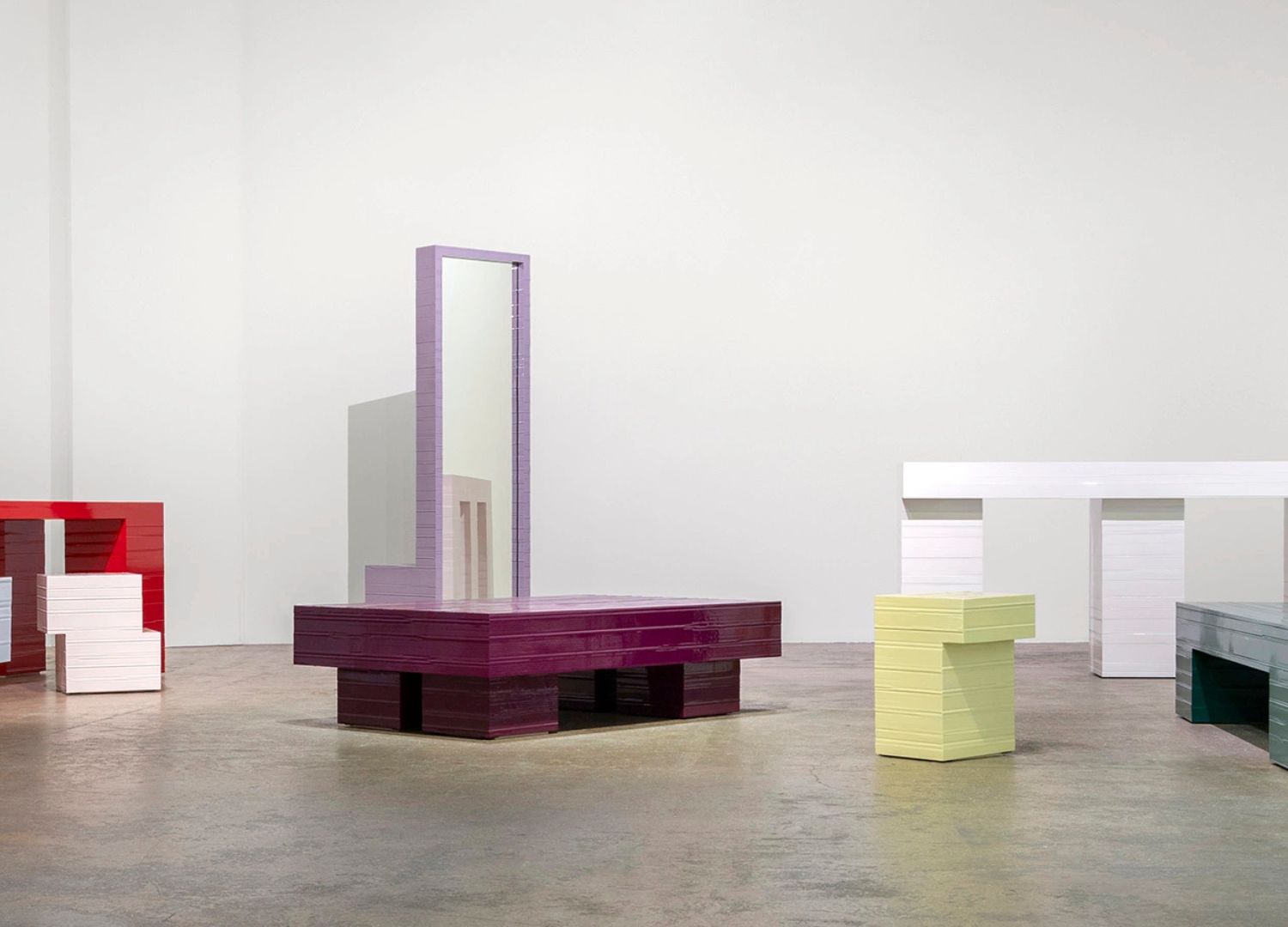
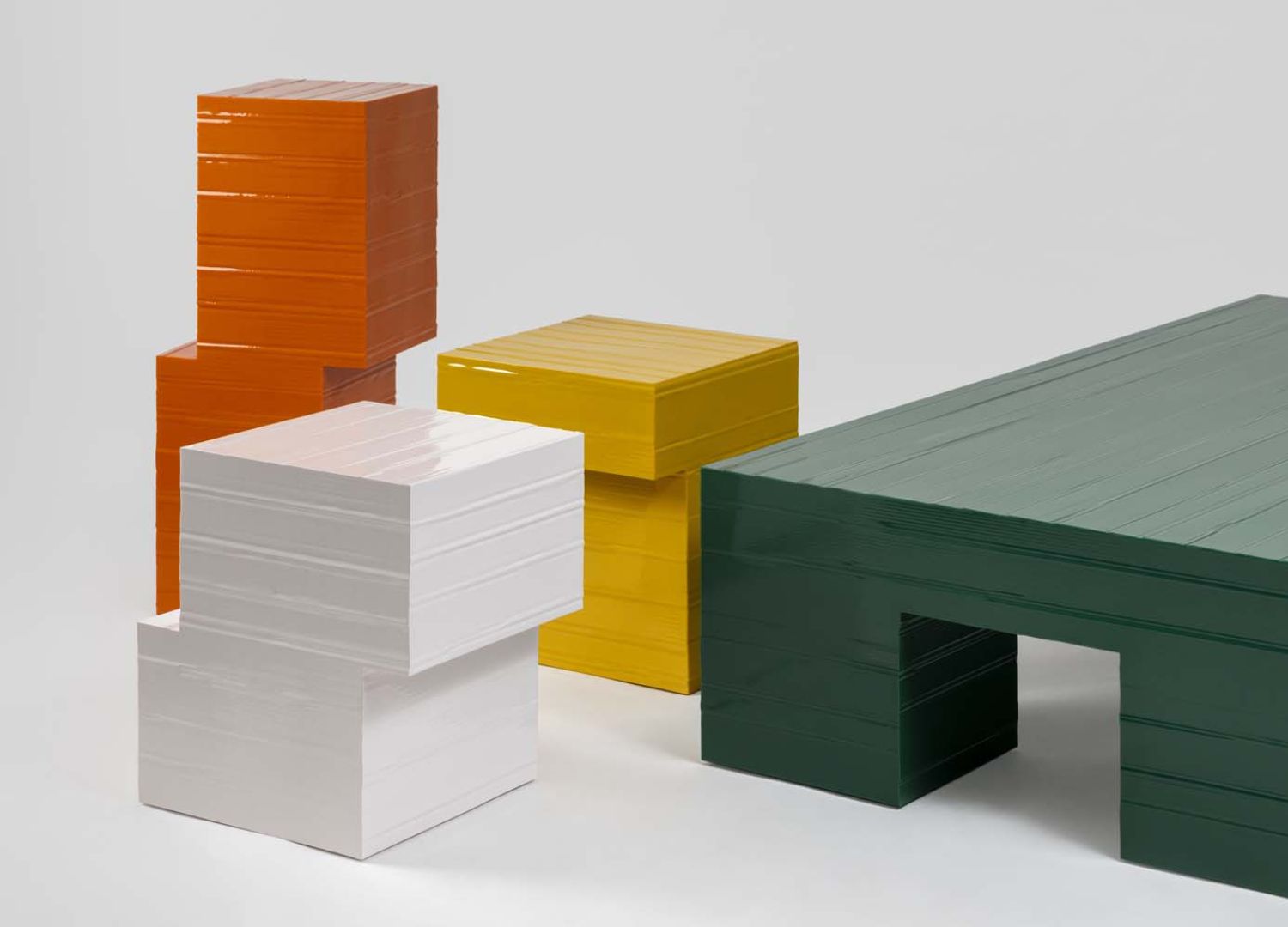
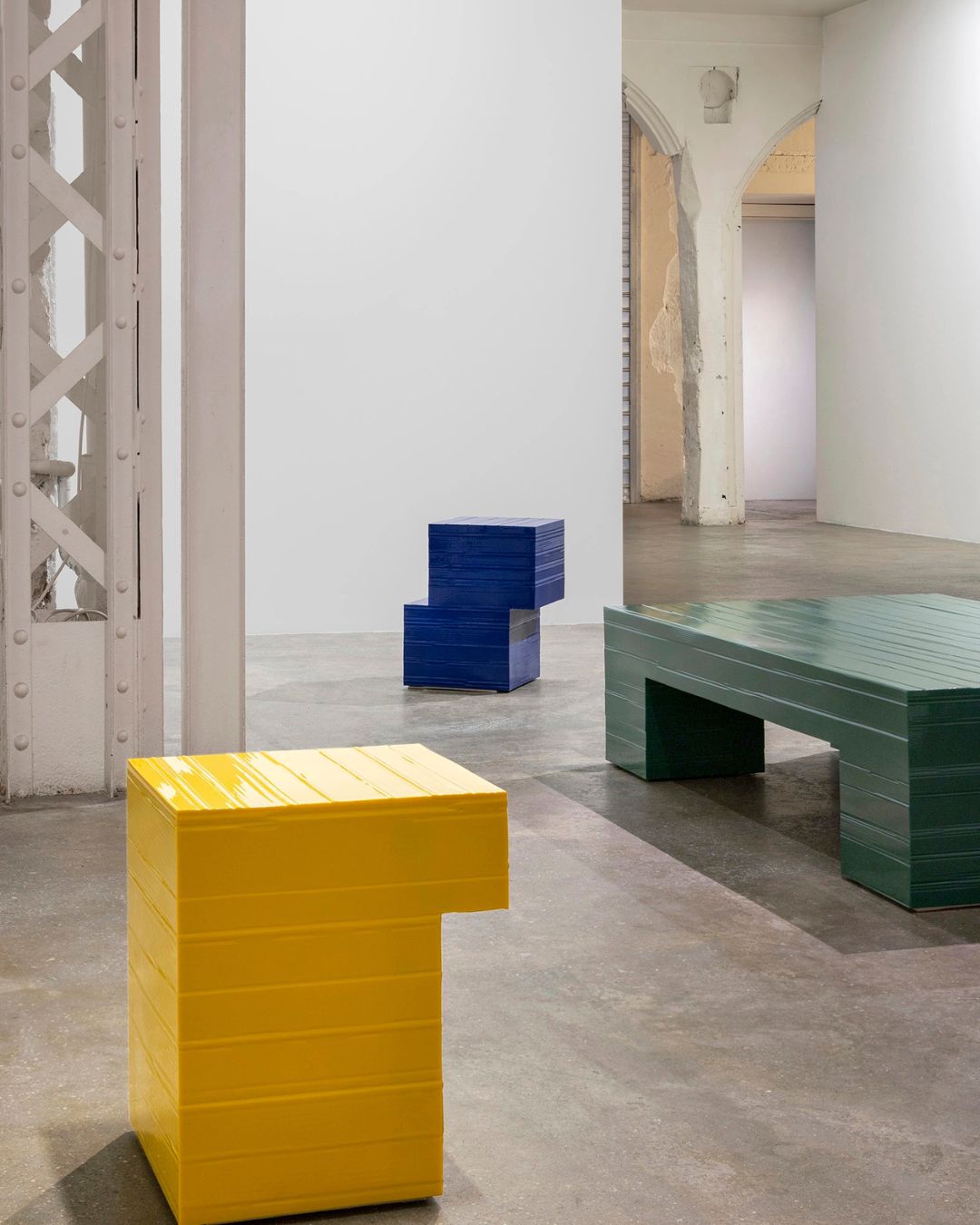
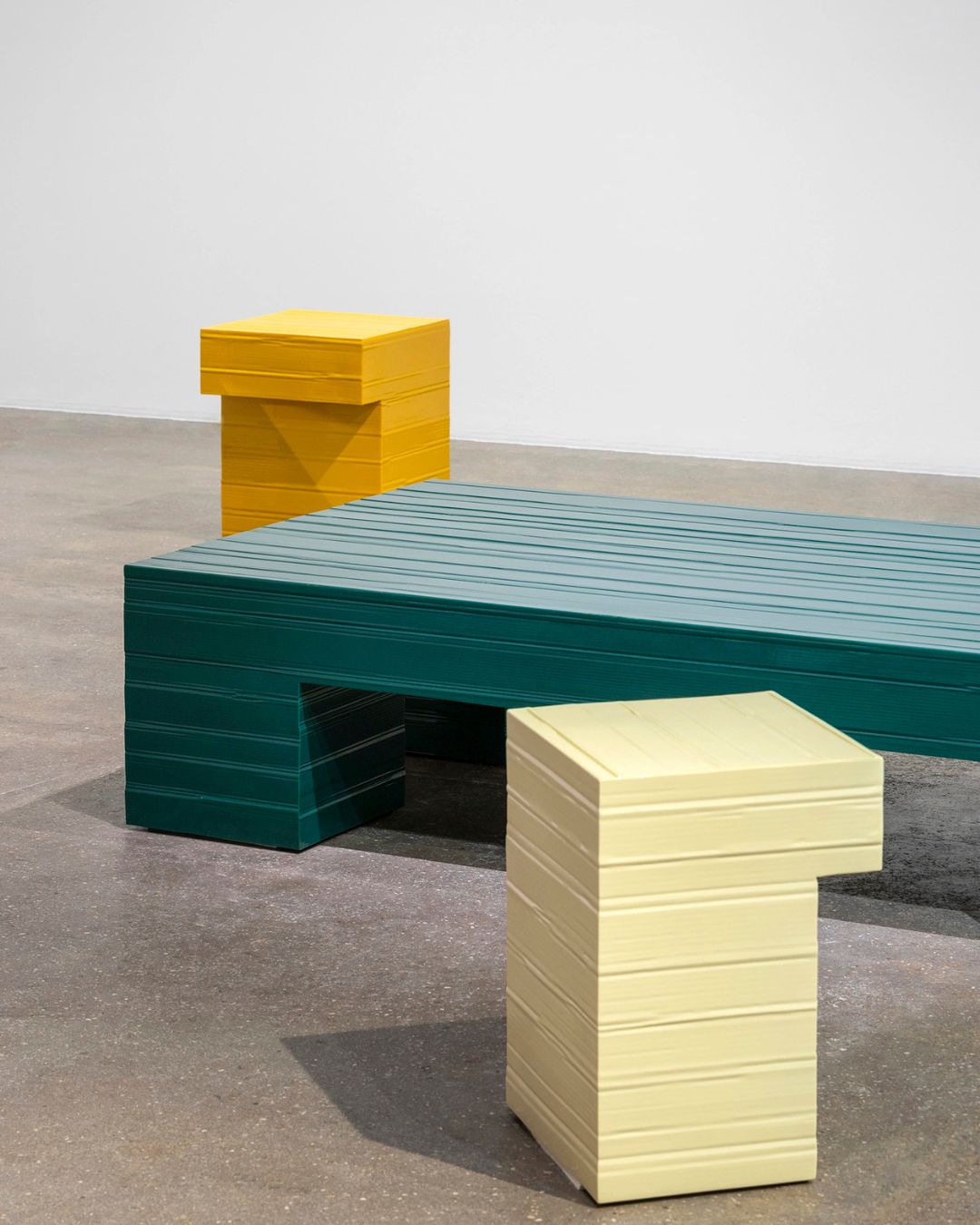
A clear example of Campardo’s practice is the Jello collection. Commissioned by Rome’s Macro Museum to produce 30 stools on a tiny budget and in five days, Campardo did not have the time or economic possibilities to build them with a proper mould. So, he made the stools out of cardboard scraps instead, covered with packing tape, and poured in polyurethane. What began as an obstacle became the project’s opportunity and generated an aesthetic that did not resemble other products on the market. Today, the collection is produced in collaboration with Galerie Kreo in Paris, expanded from stools to dining tables, consoles, benches, and more.
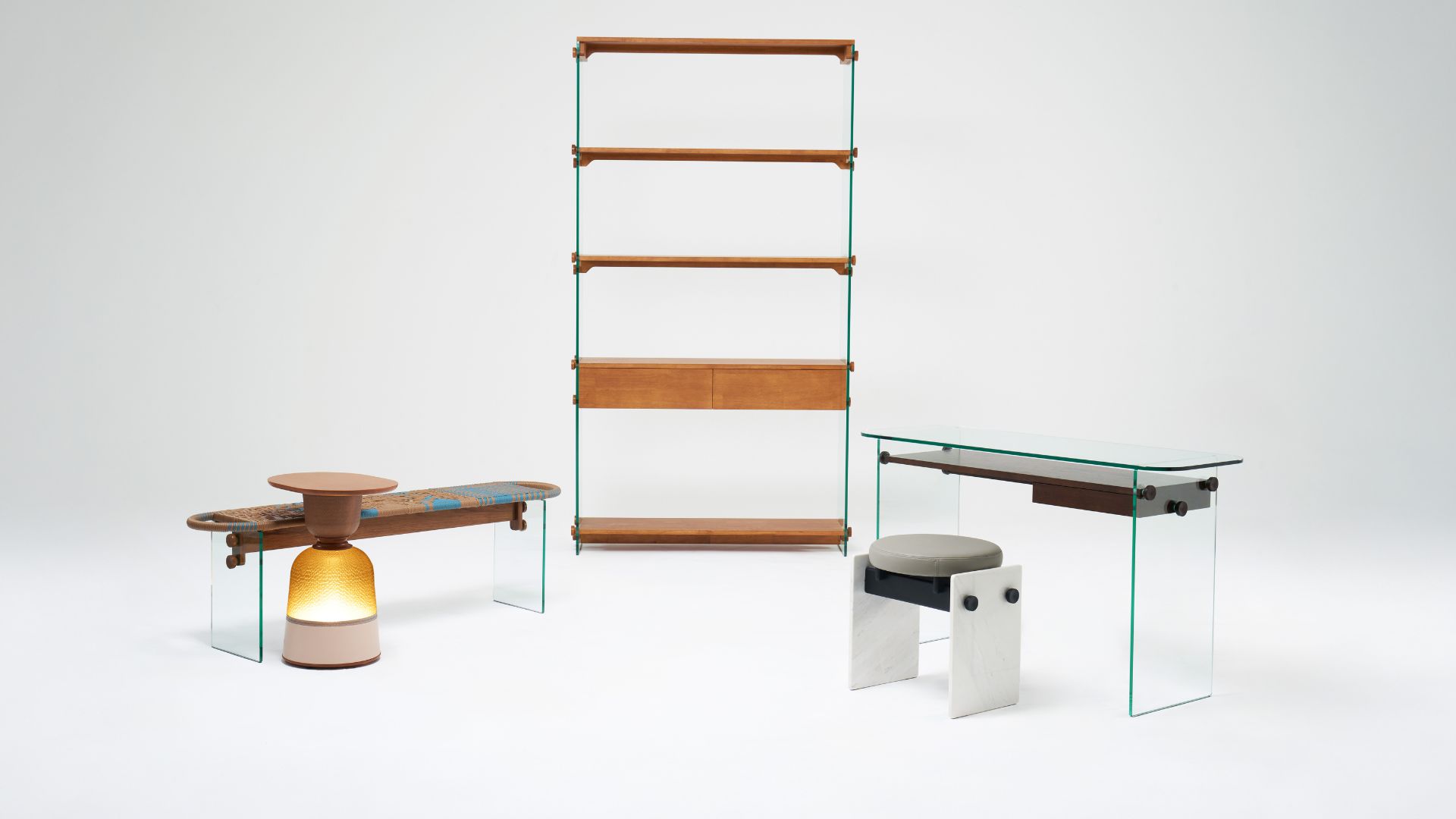
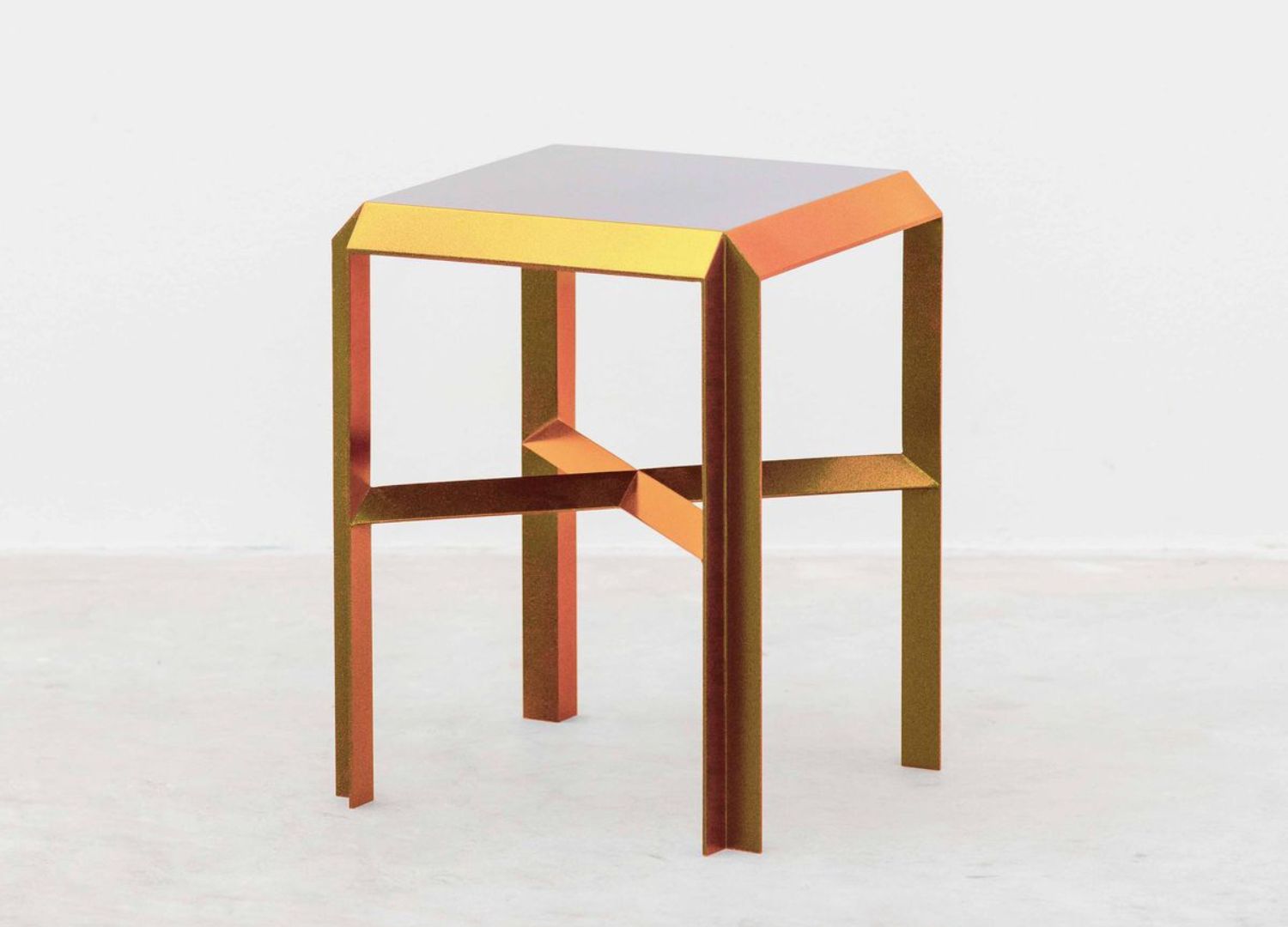
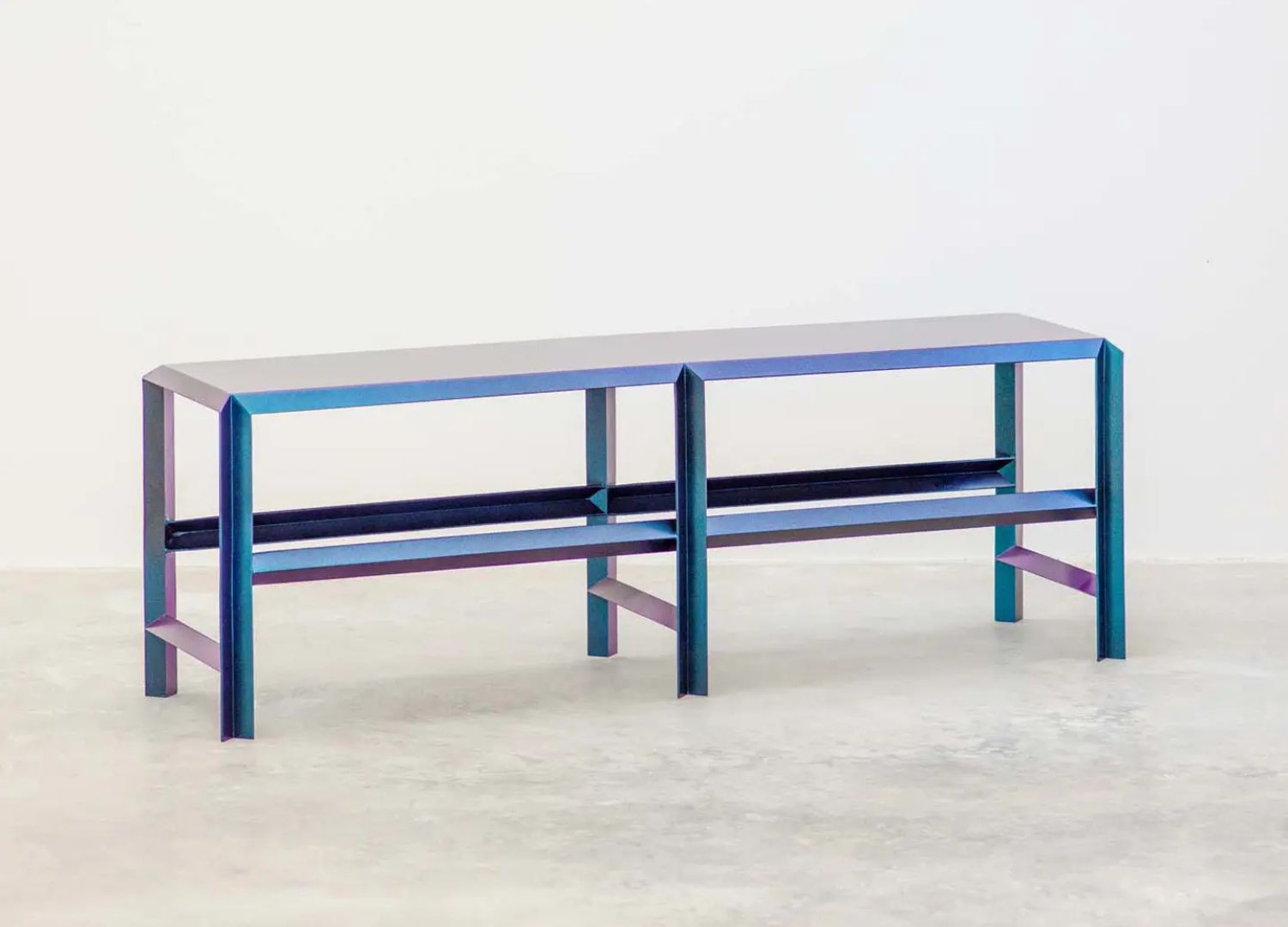
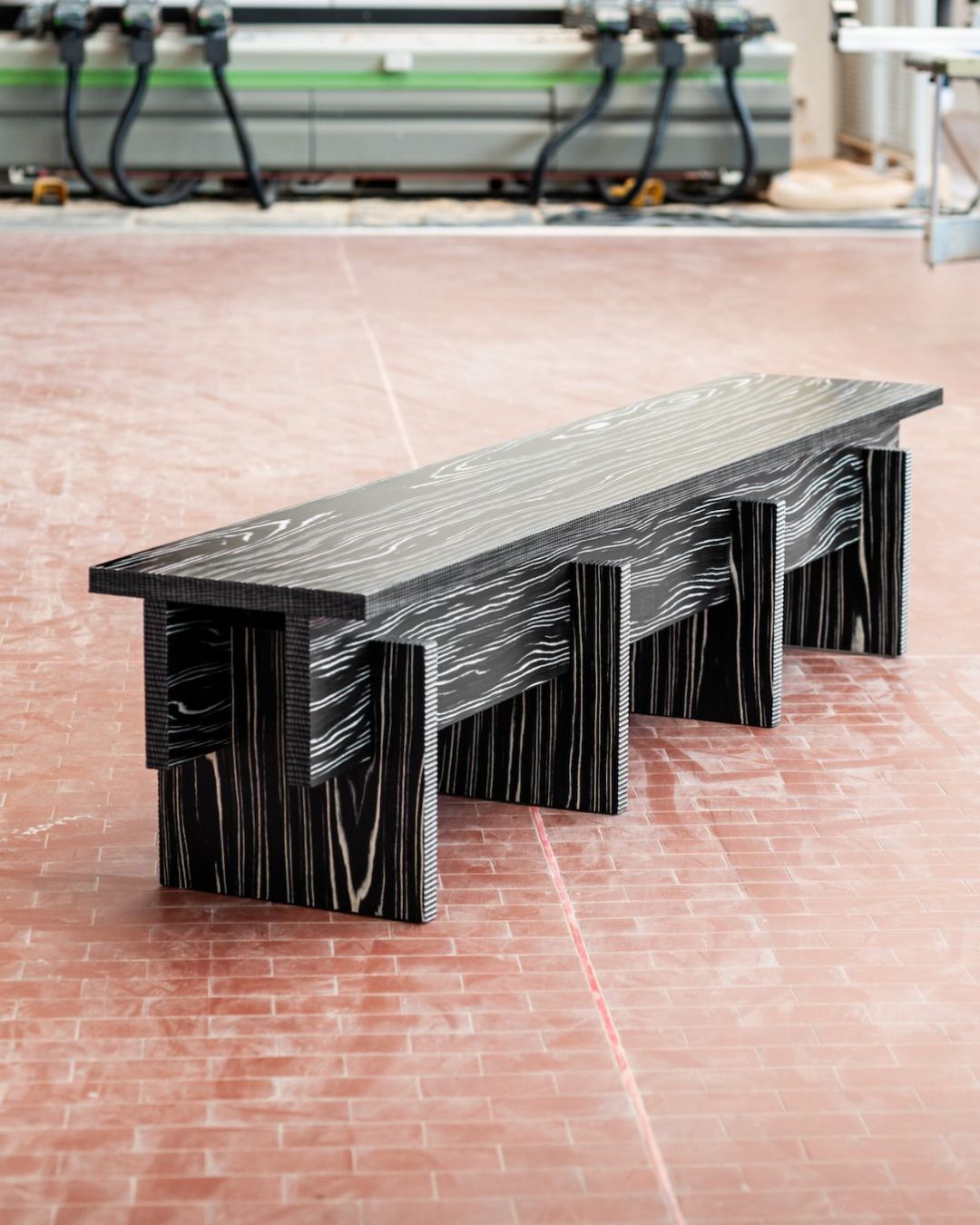
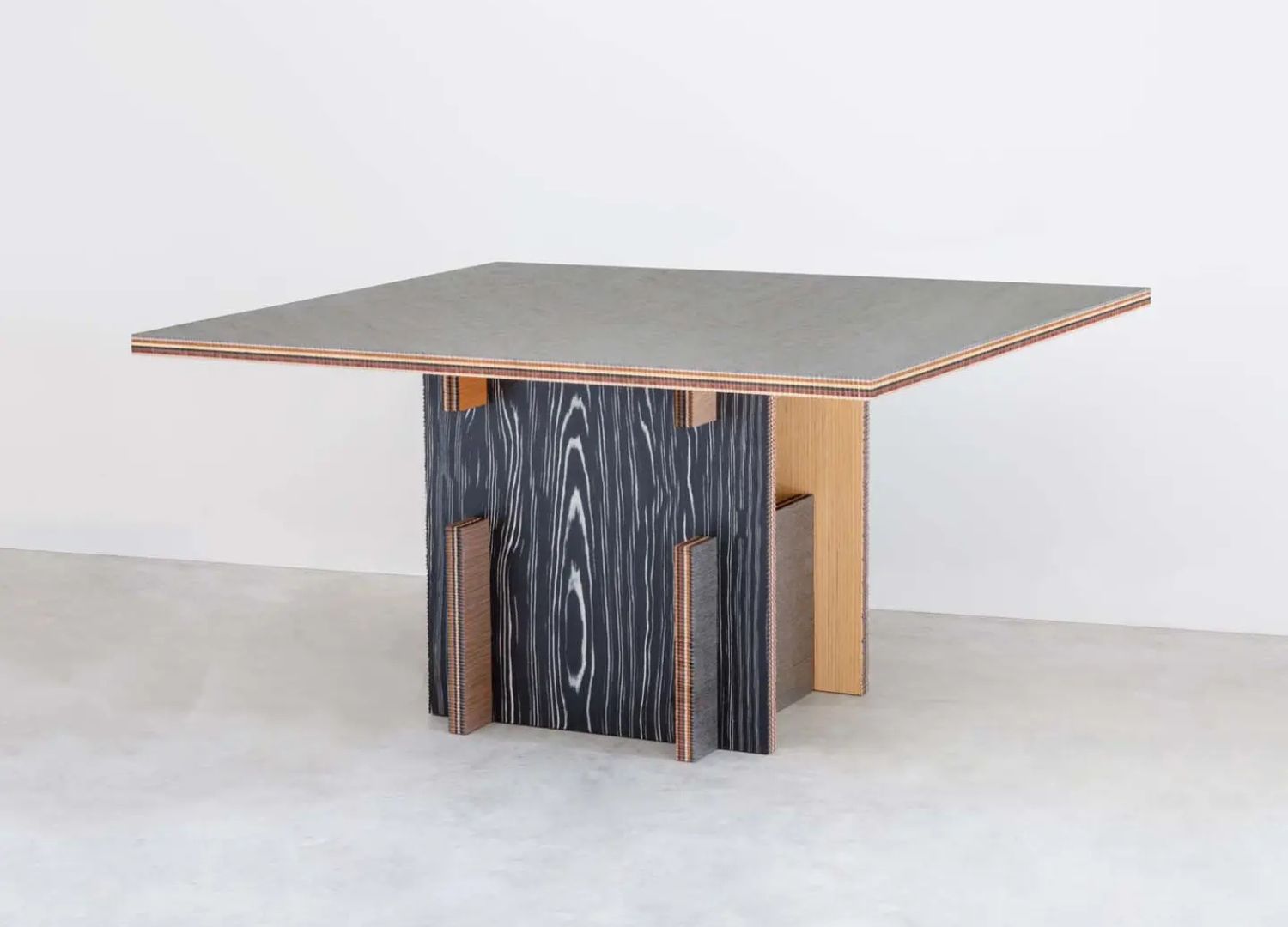
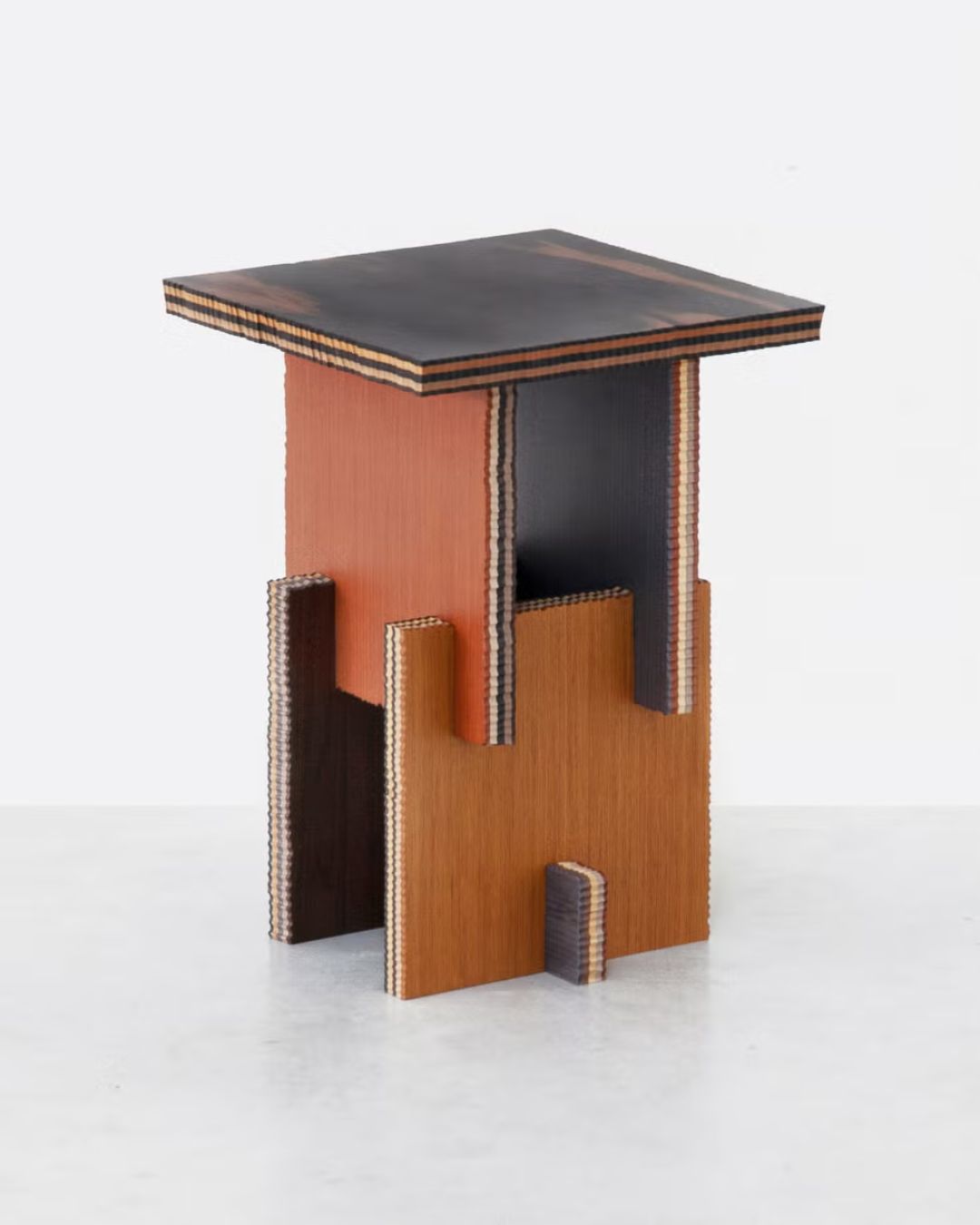
Unlike many other designers, Campardo is not tied to one material, but the philosophy found in Jello is the throughline of his body of work. From brass L-profiles welded into furniture for the Elle collection, reclaimed Alpi veneer offcuts stacked and chiselled for the George tables, to expanded clay bound with sugar for a Selfridges display that was designed to dissolve after use, the works are not united by a visual signature but by a love for experimentation, interrogation, and research.
The Praxis-Theory Framework
This approach, proposed by Campardo, is called the “praxis-theory framework,” a cyclical model which emphasises that theory and practice are mutually dependent. In the designer’s own words, “the praxis–theory framework that informs my work is cyclical rather than linear. Practical experiments generate questions which are then explored through research and critical inquiry. In turn, theoretical reflections are brought back into the workshop and tested through prototypes, materials and processes. This constant exchange allows projects to evolve organically with outcomes emerging from the process itself rather than from a predetermined formal intention.”
The effect is that neither concept nor execution is allowed to dominate: hands-on making is not just illustrating a theory decided in advance, and theory is not a detached commentary applied after the object is done. It also explains why Campardo lacks a specific personal style or look: if outcomes are meant to evolve organically from this exchange, fixing on a particular look or material in advance would short-circuit the cycle before it has a chance to work.
Peperoni
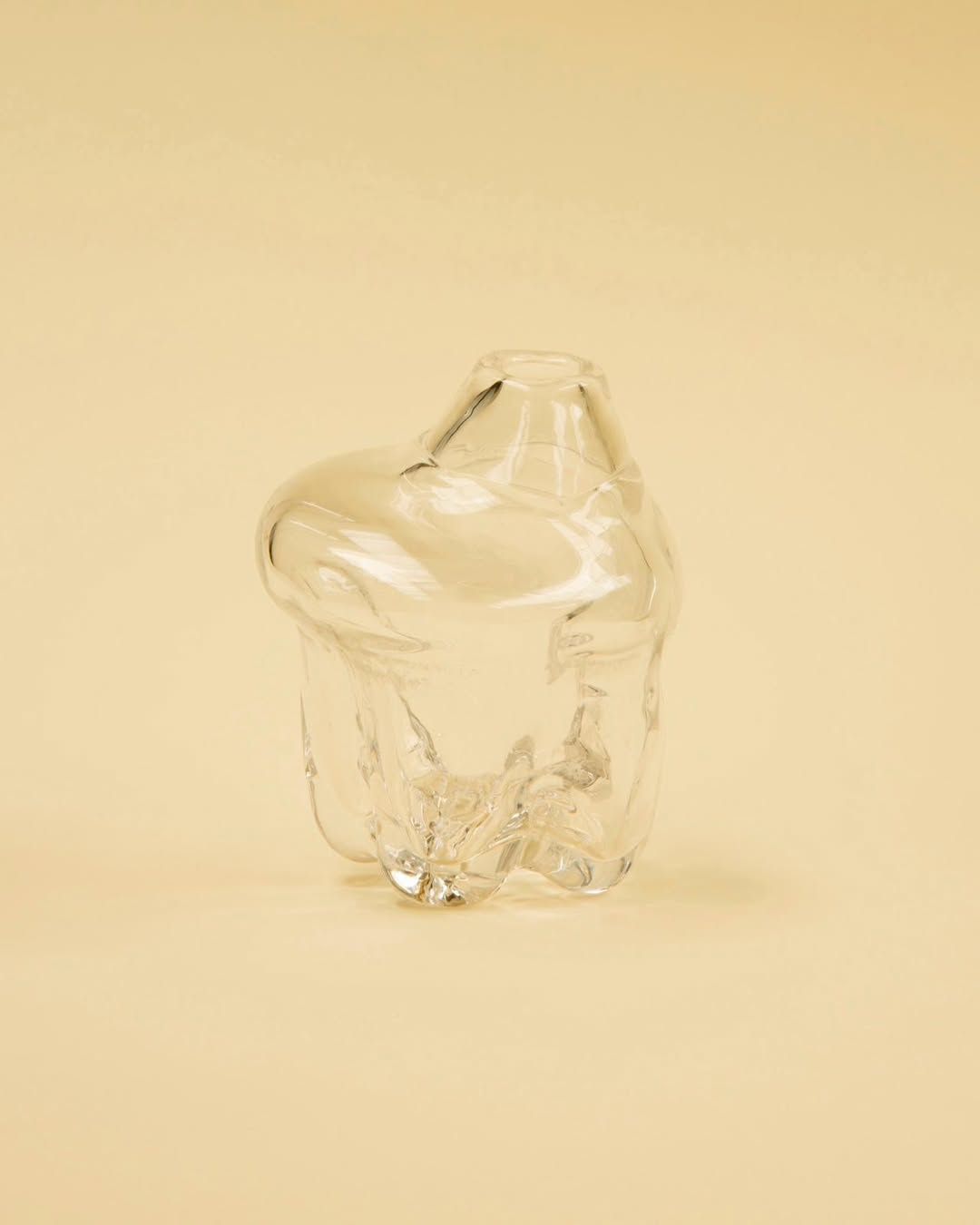
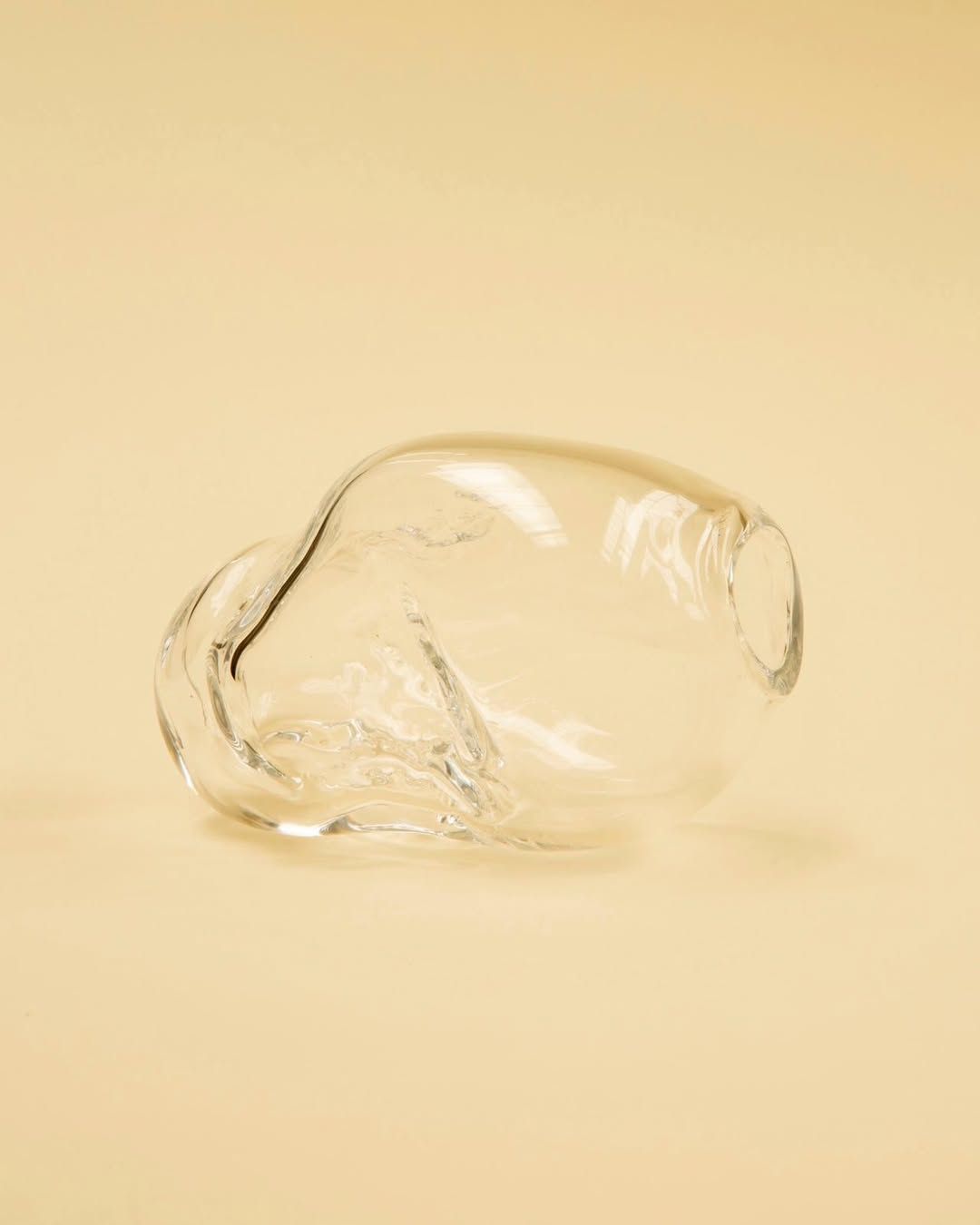
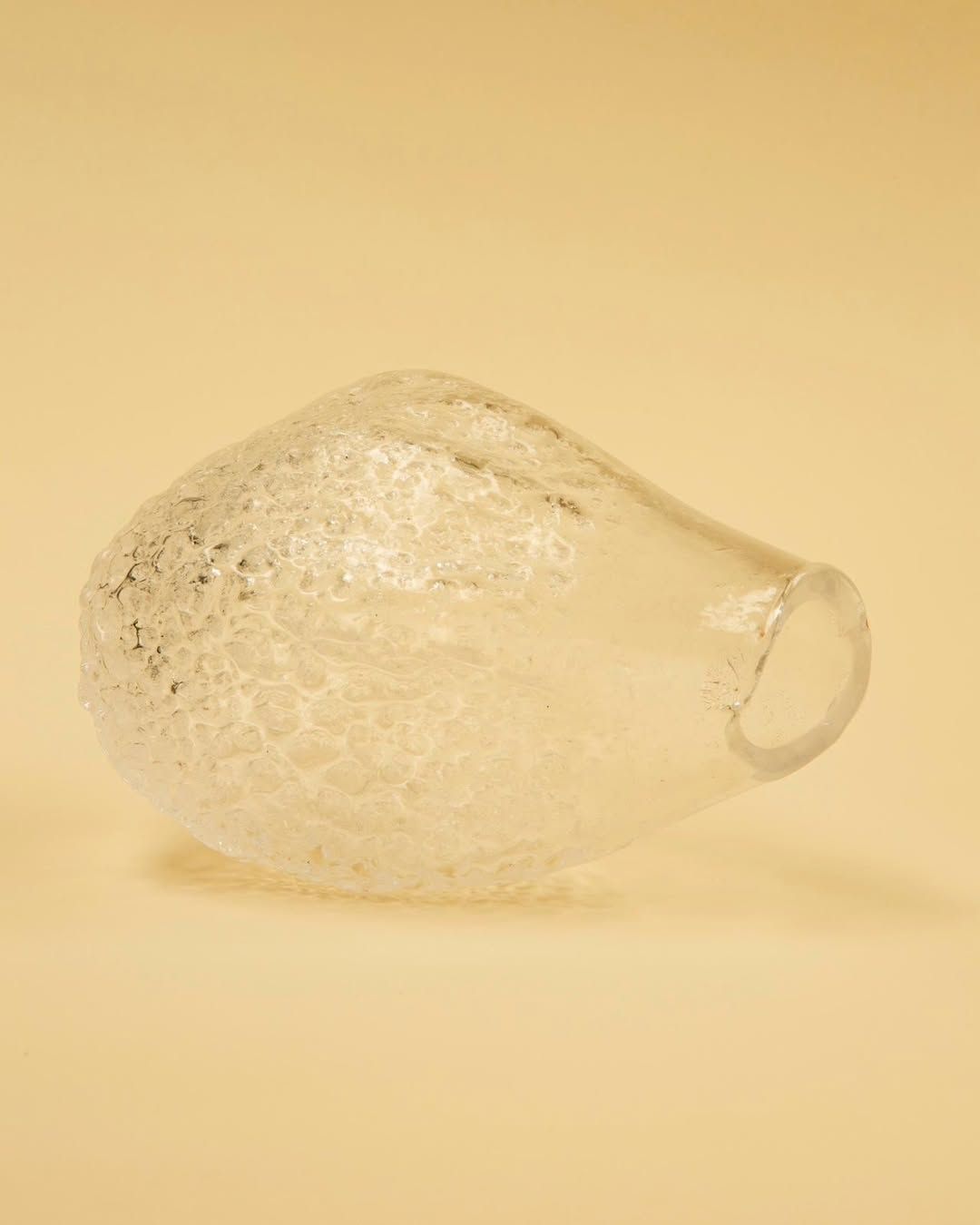
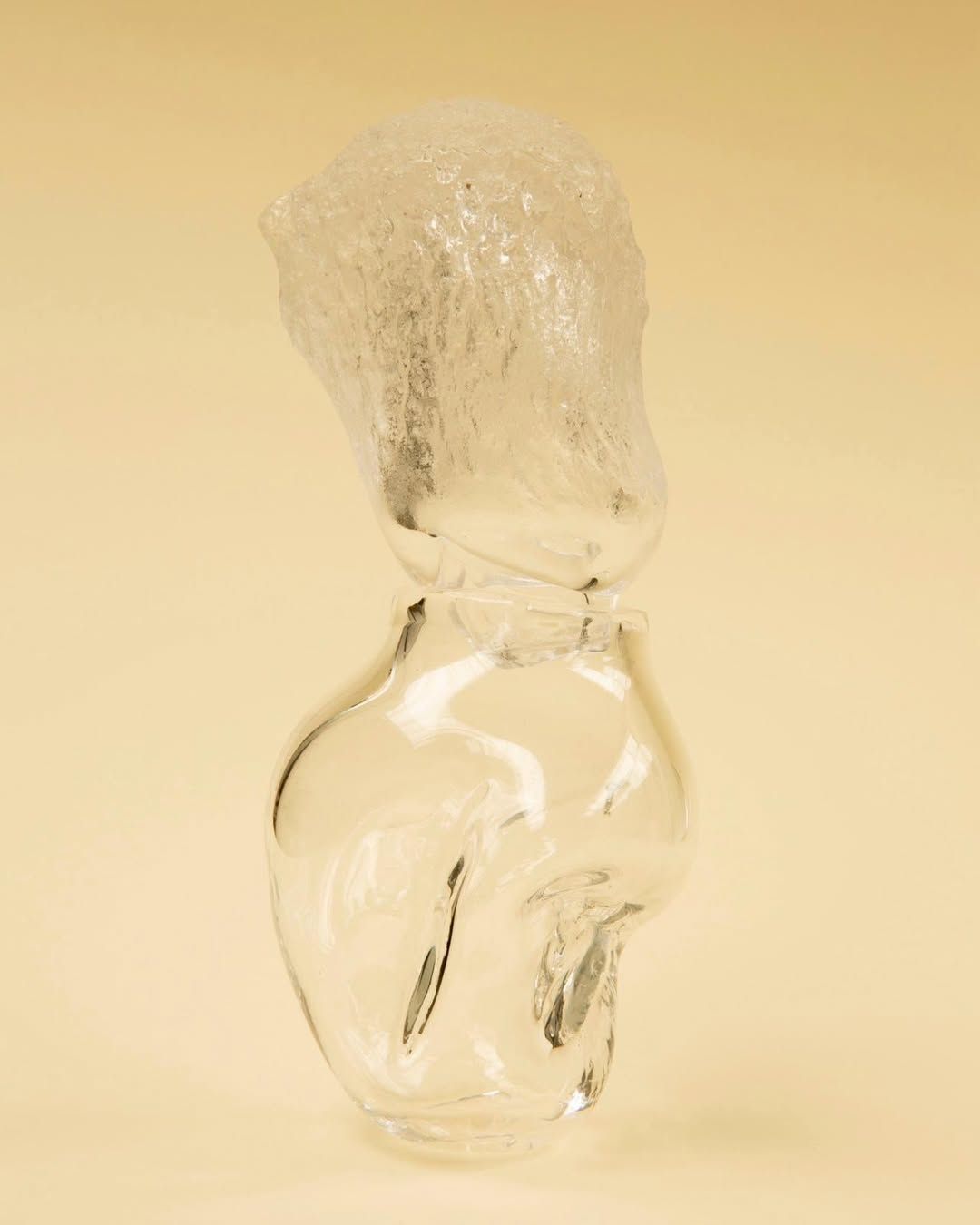
His most recent project, Peperoni, takes this logic even further: using an actual pepper as a mould for molten glass. Born as part of his educational workshops at Grymsdyke Farm, the project teaches his students how making can be a form of research in itself, exploring how objects can acquire meaning through it.
“Peperoni originated from a desire to investigate the role of the mould through a series of simple questions: Is it possible to find a ready-made mould in nature? Is there a material that can be shaped with basic tools such as a knife or a spoon while still withstanding molten glass at temperatures of around 1000°C? How would this change the way we conceive of a mould? Can a mould be made with minimal investment using something as ordinary as discarded food?”
As he frames it, the ambition is pedagogical and economic at once: “by using peppers as an accessible and unexpected mould-making material, the project allows students to explore and understand the concept of a mould through direct experience without the need for costly industrial tooling. Working with a material that is familiar, inexpensive, and ephemeral encourages participants to question conventional assumptions about manufacturing value and production.”
Making as a design process
What Peperoni and the rest of Campardo’s work argue is that the artefact is not really the point, or rather, not the only point. To evolve the discipline of design is not only to produce better final products but also to advance and expand the processes that make these products in new and unexpected ways that simply cannot appear if you follow a traditional design route.
Industrial design has historically organised itself around the idea of reproducibility and standardised processes. This logic has produced enormous gains in efficiency and consistency, but it has also trained generations of designers to treat the mechanics of making as a service to be used rather than part of the creative process in itself. By treating fabrication as a generative act rather than just a translation, Campardo reopens questions that mass production tends to close. A pepper surviving molten glass’s high temperatures is an almost comic provocation, but it questions what the definition of proper tooling really is, and who set those terms.
As manufacturing becomes more centralised and capital-intensive, and visualising concepts also becomes easier with AI and other digital tools, the issue of current designers being too detached from the practical processes of making is becoming problematic. Few young designers can afford to test an idea before committing to it industrially, and many are satisfied with high-quality digital renderings of their work. Campardo’s pedagogical approach models a way of keeping experimentation cheap as well as keeping its horizons more open, building designers less dependent on inherited assumptions and in full charge of their creative practice.