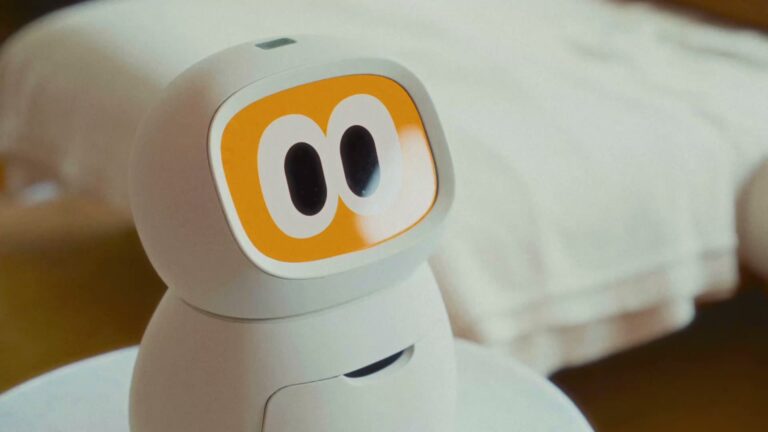
Most phones pull their users into a feed; Freckle is built to point the other way. The phone for children aged seven and up runs ClayOS, a custom operating system that starts minimal and grows with the child, while a parent app keeps the pace of that growth in the parents’ hands. The aim is a phone that gives kids more tools to explore the real world, rather than more reasons to look at a screen.

Freckle – Highlights:
A phone, not a feed
Freckle has no open app store and no unrestricted web browser. Children can only call, message and video chat with contacts a parent has approved, and their number is not publicly listed — a deliberate attempt to keep spam and unwanted contact out of the experience. The starting point is that a phone should offer more ways to explore the world, not fewer, and the feeds designed to pull kids away from it are the thing to leave out. The emphasis throughout is on the world outside the screen — the adventures the phone is meant to support, not replace.
The result is a device that offers the essentials of a phone — calling, messaging, location — without the feed that most smartphones place at their centre. There is no social timeline, no algorithm, no endless scroll; the phone’s default is quiet. It is an independence built in stages, rather than opened all at once. The phone becomes a way to stay in touch, to be found, and little else — until a parent decides otherwise.
ClayOS, growing in steps
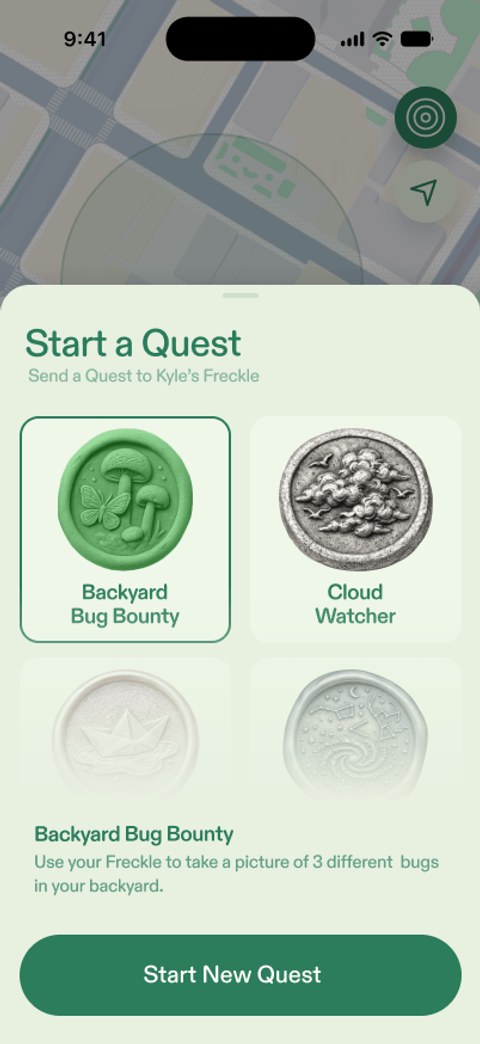
At the heart of the device is ClayOS, an operating system the company describes as one that ‘molds itself to each kid’s needs.’ Parents set the pace: they approve contacts, manage which tools are available, and can send quests that invite new adventures. The software side spans quests, safety controls, tools and payment features, each switched on when a parent decides the time is right.
Features unlock over time, so a seven-year-old’s phone is a simpler device than a twelve-year-old’s. A child’s phone, in other words, is not a finished product but a starting point that changes shape as they mature. The parent app is the window into it all — location, activity and access — with the option to review and delete data, or erase it entirely. The company says it collects only the data needed to make the experience work.
Hardware built for small hands
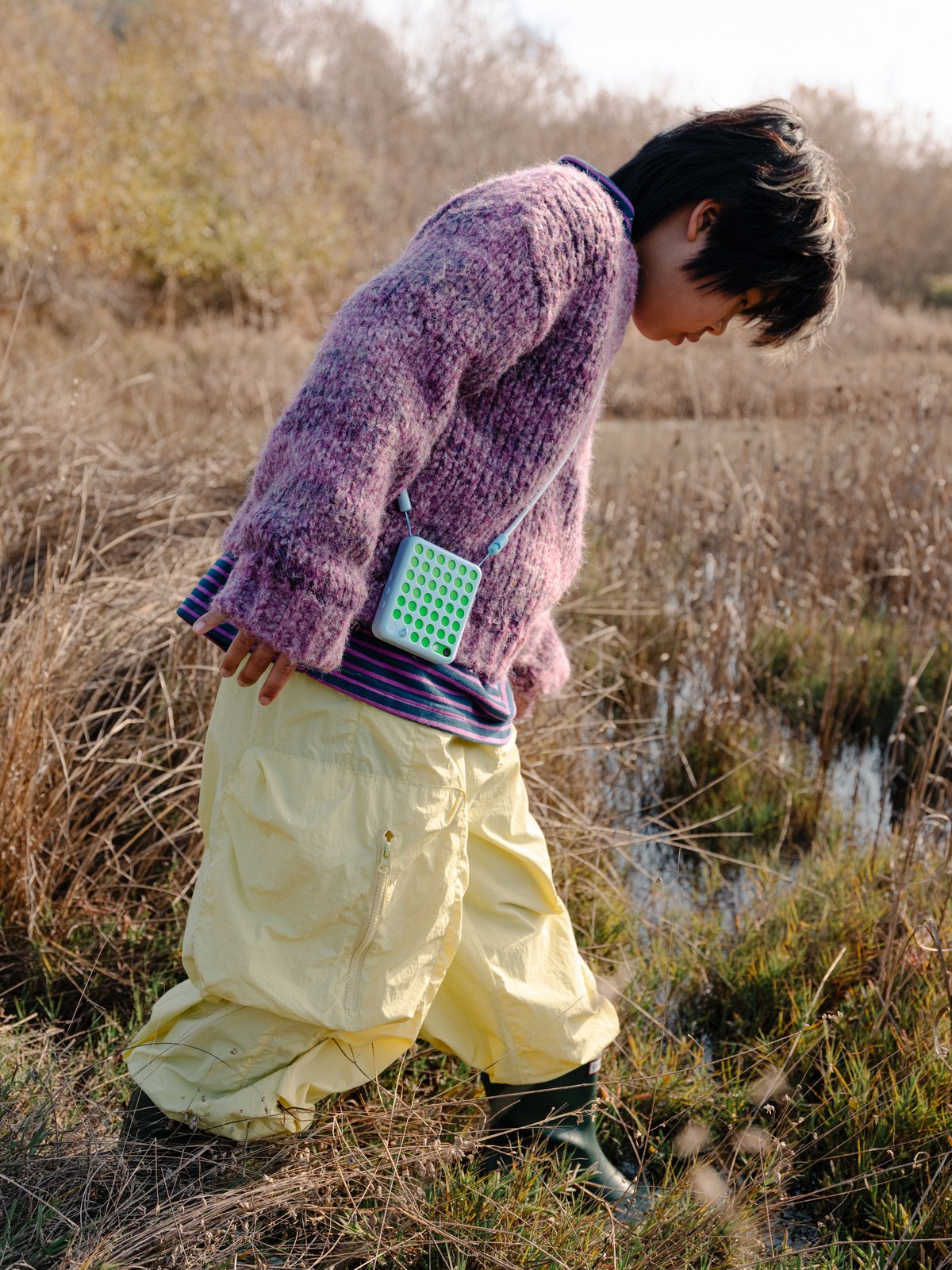
The first model is custom-built for children: sized for smaller hands and engineered to survive drops and everyday rough-and-tumble. It carries its own cellular connection, so it works as a standalone phone rather than a tethered accessory. Each box includes a protective case and four Dot accessories for personalisation.

The device is now open for preorder, a step the company frames as independence in stages — a phone for families learning how to give kids more room to explore, one unlocked door at a time. The bet is that a phone can be a tool for adventure rather than a gateway to distraction.

Editorial Team
Do you have a story to share? Feel free to reach us out and submit your design and inspiration, we are always looking for interesting design ideas!