A 30-second check-in in front of Rhemy’s camera is enough to read heart rate, blood oxygen, blood pressure and breathing rate, which the companion turns into a running picture of sleep, stress and energy.
Those readings feed a voice-first assistant that lives in the home, handling reminders, calls, shopping lists and the other small tasks of a daily routine.
Rhemy – Highlights:
A 30-second health check-in
Built by Rhem, the device reads its signals through a brief daily camera check-in. A single 30-second session captures heart rate, blood oxygen, blood pressure, breathing rate and heart-rate variability, then folds them into a set of 120 data points that also covers sleep quality, stress, concentration and facial expression. The 120 data points are grouped across cardiac, heart rhythm, blood pressure, oxygen, wellness and behavioural categories.
Rhem is careful to frame these as wellness estimates rather than medical readings. Blood pressure and blood oxygen are calculated rather than measured directly, and the company states that Rhemy is not a medical device and cannot replace professional equipment or a diagnosis. The health features were developed with input from clinicians.
Health data stays on-device
Much of the appeal is where the data lives. Rhem says the device runs its artificial intelligence on-device, so health readings are not sent to the cloud, and a fully offline mode is available. The camera stays off by default, switching on only for a check-in, a video call or a photo. Inside, an edge processor rated at 72 TOPS drives the 7-inch touchscreen, with Wi-Fi and Bluetooth for connectivity.

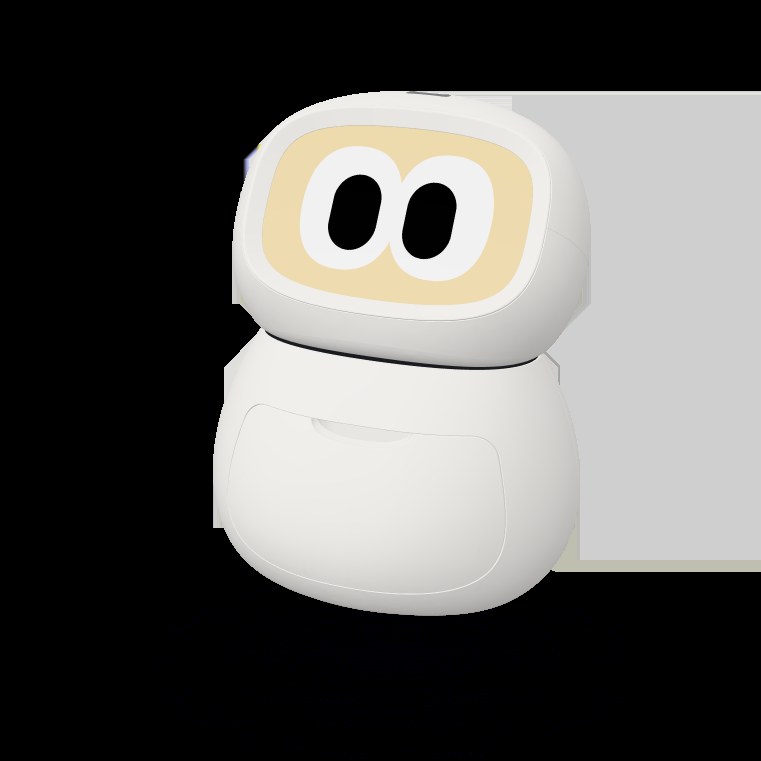
The same restraint shapes the hardware. Rhemy is a rounded white companion with a screen-and-face display, sized to sit on a counter or a table rather than roam the house, and the check-in is the only moment it asks for attention. Rhem also commits to no advertising on the device.
A voice-first helper for daily routines
Beyond the readings, Rhemy is a voice assistant with an eye on the to-do list. It can set reminders for appointments and medication, order groceries, book and reschedule appointments, make phone calls, plan meals and fill out online forms, among a longer list of everyday errands. When a task needs a detail, Rhemy texts the owner or asks when they are nearby.

That makes it as much a companion for independence as for fitness. Rhem positions Rhemy for older adults and their caregivers alongside busy households and people managing chronic conditions, with daily check-ins, family calls and grocery orders folded into one place.
Fall detection with Halo
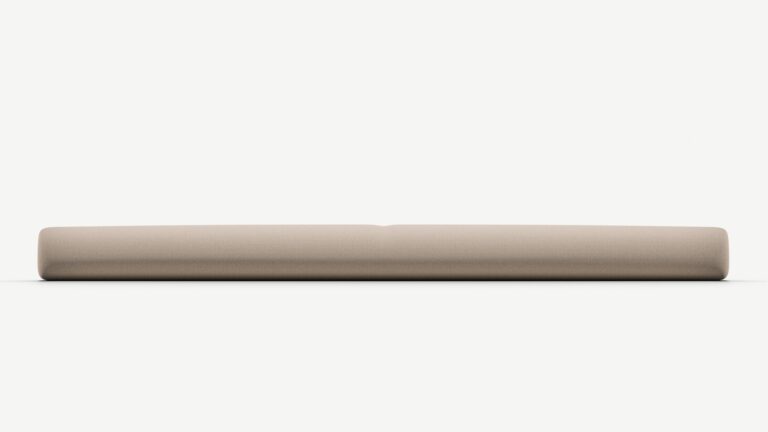
For safety, Rhem pairs Rhemy with Halo, a separate radar companion that sits in a room and watches for falls and long periods of stillness. Halo has no camera or microphone, connects over 2.4 GHz Wi-Fi, and can alert chosen contacts through the family app when it detects an incident.
Rhem is explicit about the limits: the alerts do not call emergency services, can be missed, and can produce false alarms. The radar covers only the space where Halo is set up, so Rhem frames it as one layer of reassurance rather than a substitute for other ways of getting help.

Before the device reaches the home, households can set up their Wi-Fi in advance or record a welcome message for a gift, and a one-on-one phone walkthrough is included. Rhem prepares and personalizes each unit ahead of shipping.

Editorial Team
Do you have a story to share? Feel free to reach us out and submit your design and inspiration, we are always looking for interesting design ideas!