The Beams collection finds beauty in utilitarian elements
Marquel Williams’ first furniture collection revisits banal architectural elements into something new, presenting a charming and contemporary furniture collection.
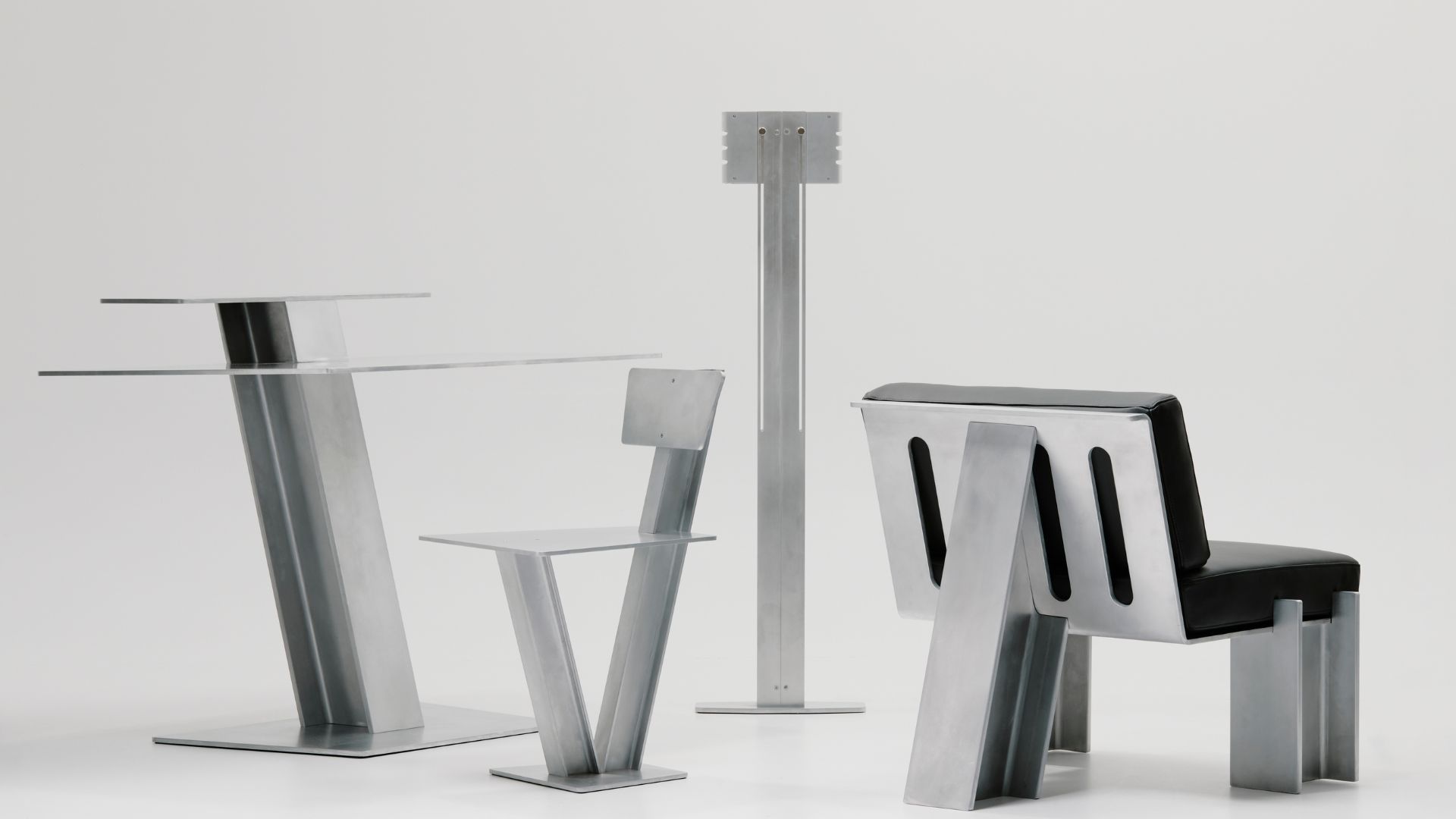
When Marquel Williams revealed his first furniture collection in 2024, he didn’t reach for the outlandish or the precious. Instead, he turned to one of architecture’s most common structural elements: the I-beam. Beams is a furniture series that transforms an industrial component into furniture of surprising elegance, while exploring the hidden value found in common objects.
Marquel Williams’ path is transversal across creativity; he is the co-founder of archival fashion and design store Archived, for which he created a hanger, a tray, and an ashtray, and also works as a model. His creative process, as he describes it, is both technical and experimental, combining a functional approach to home objects with a sculptural attitude towards collectable design.
Gallery
Open full width
Open full width
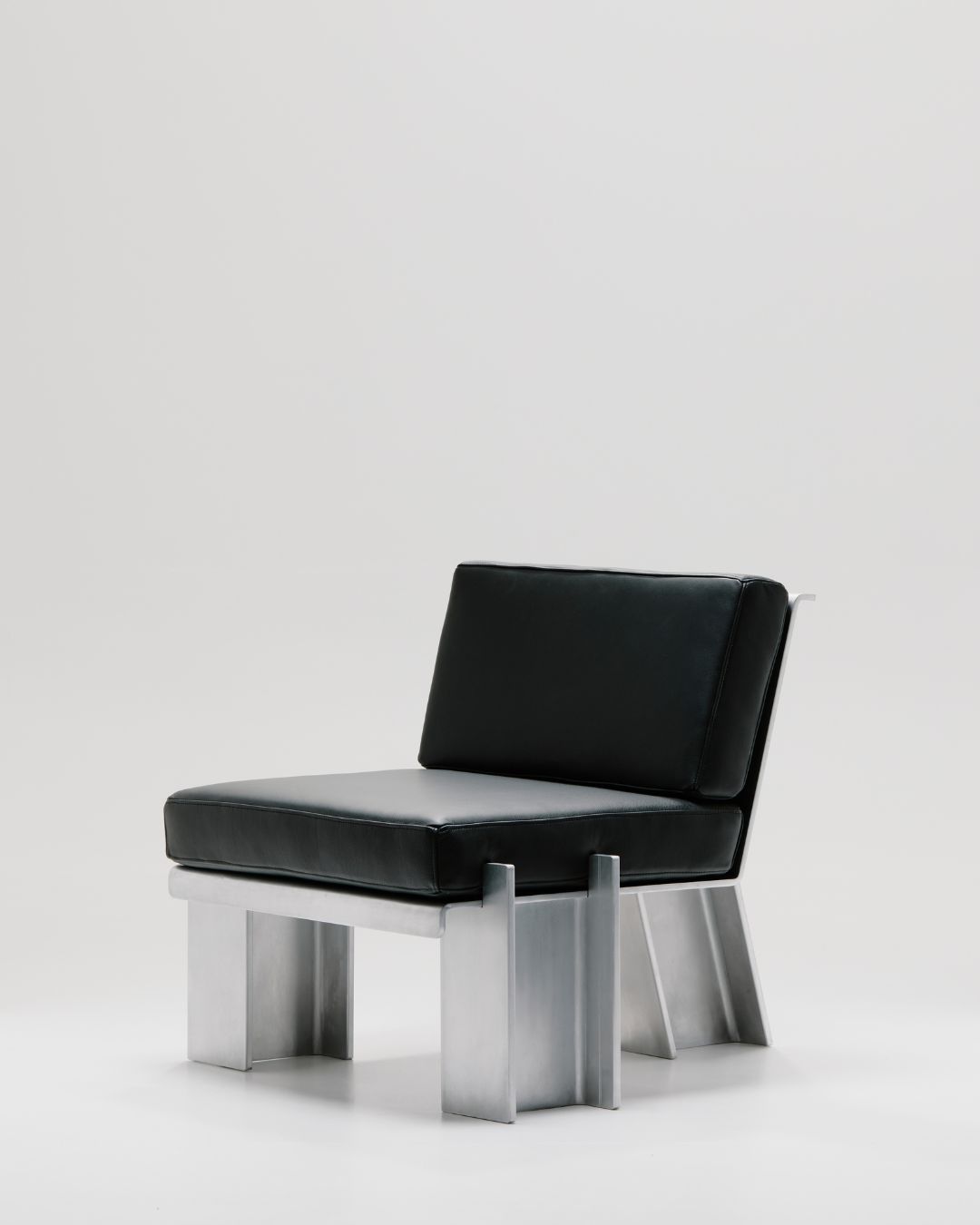
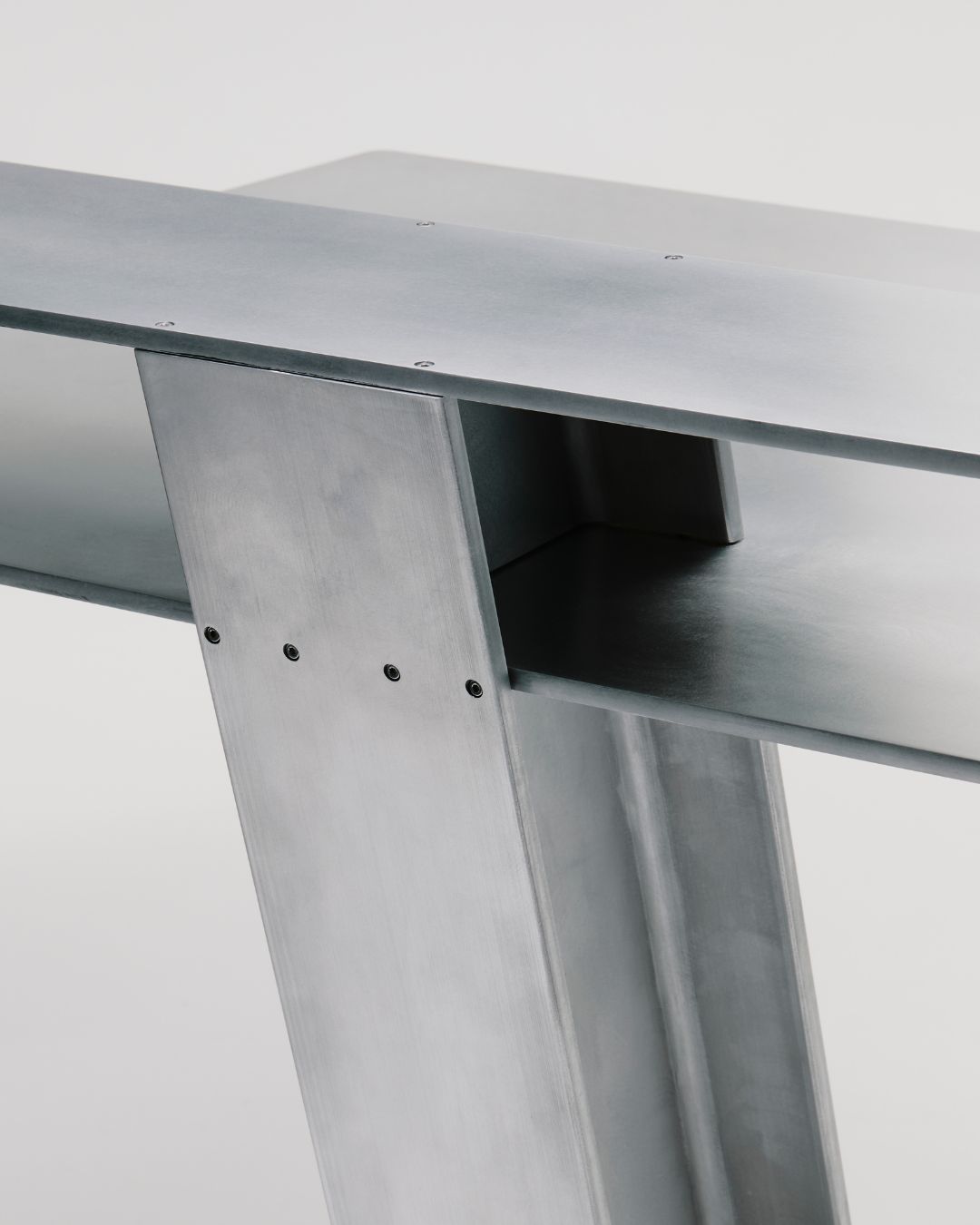
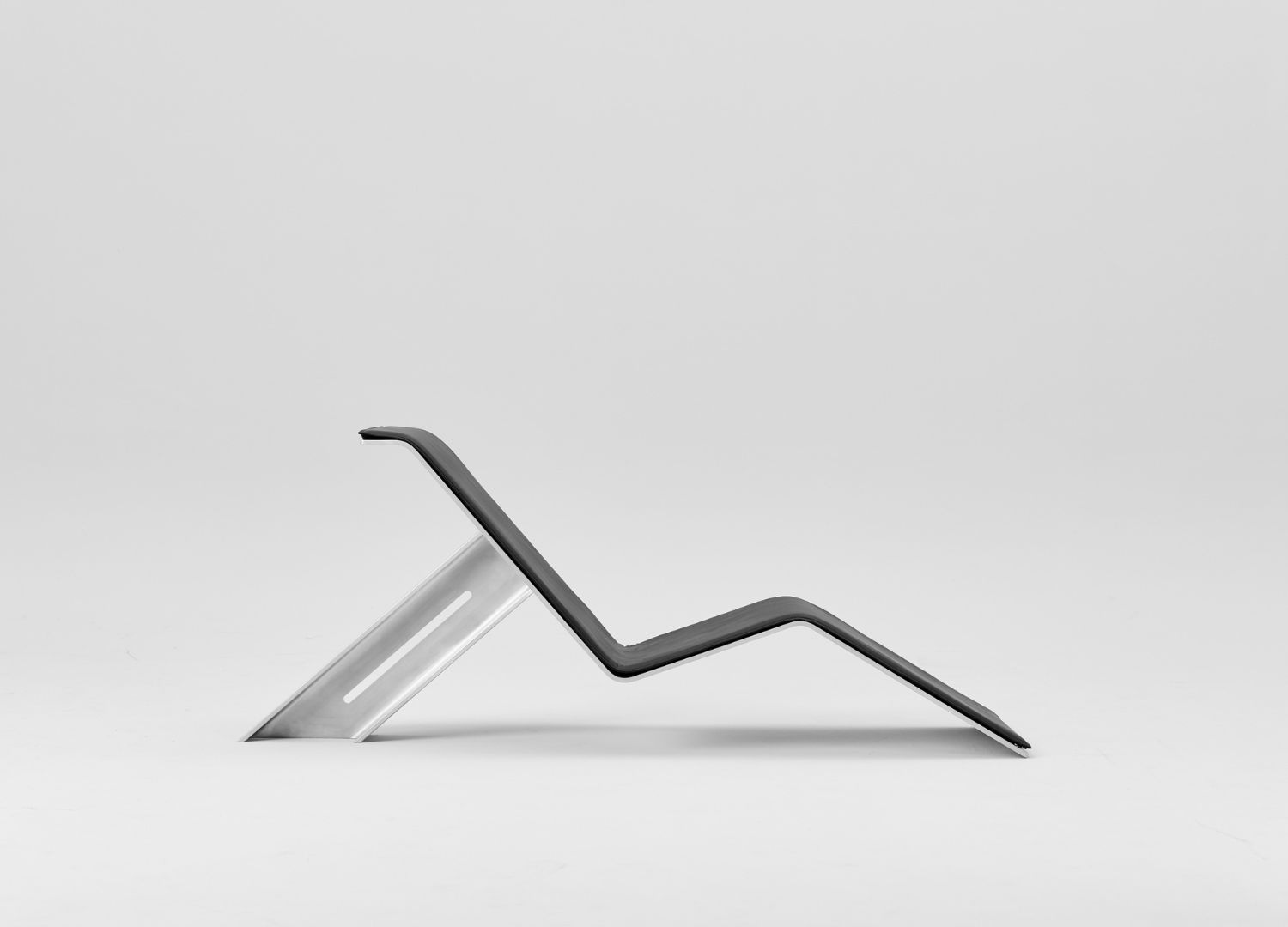
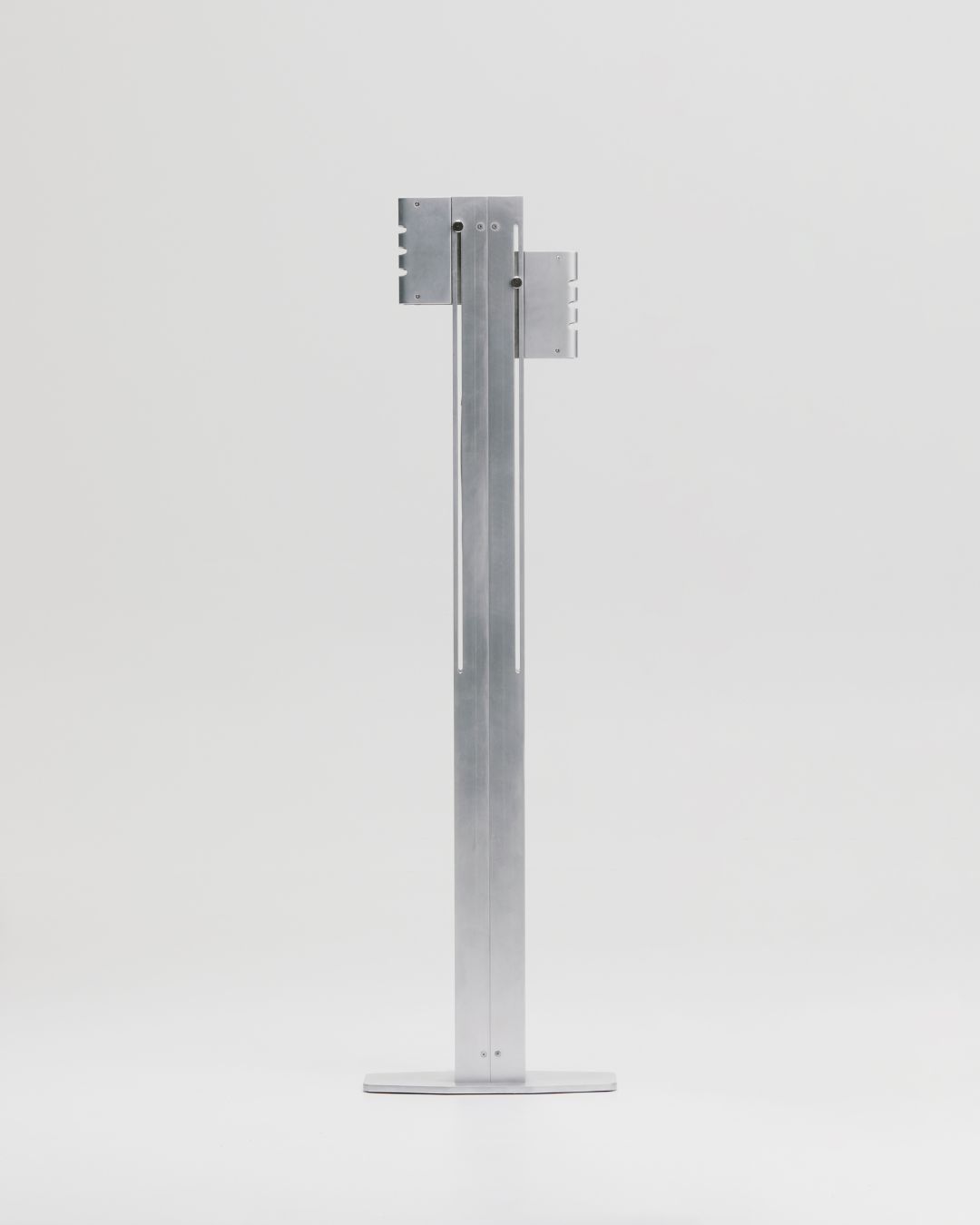
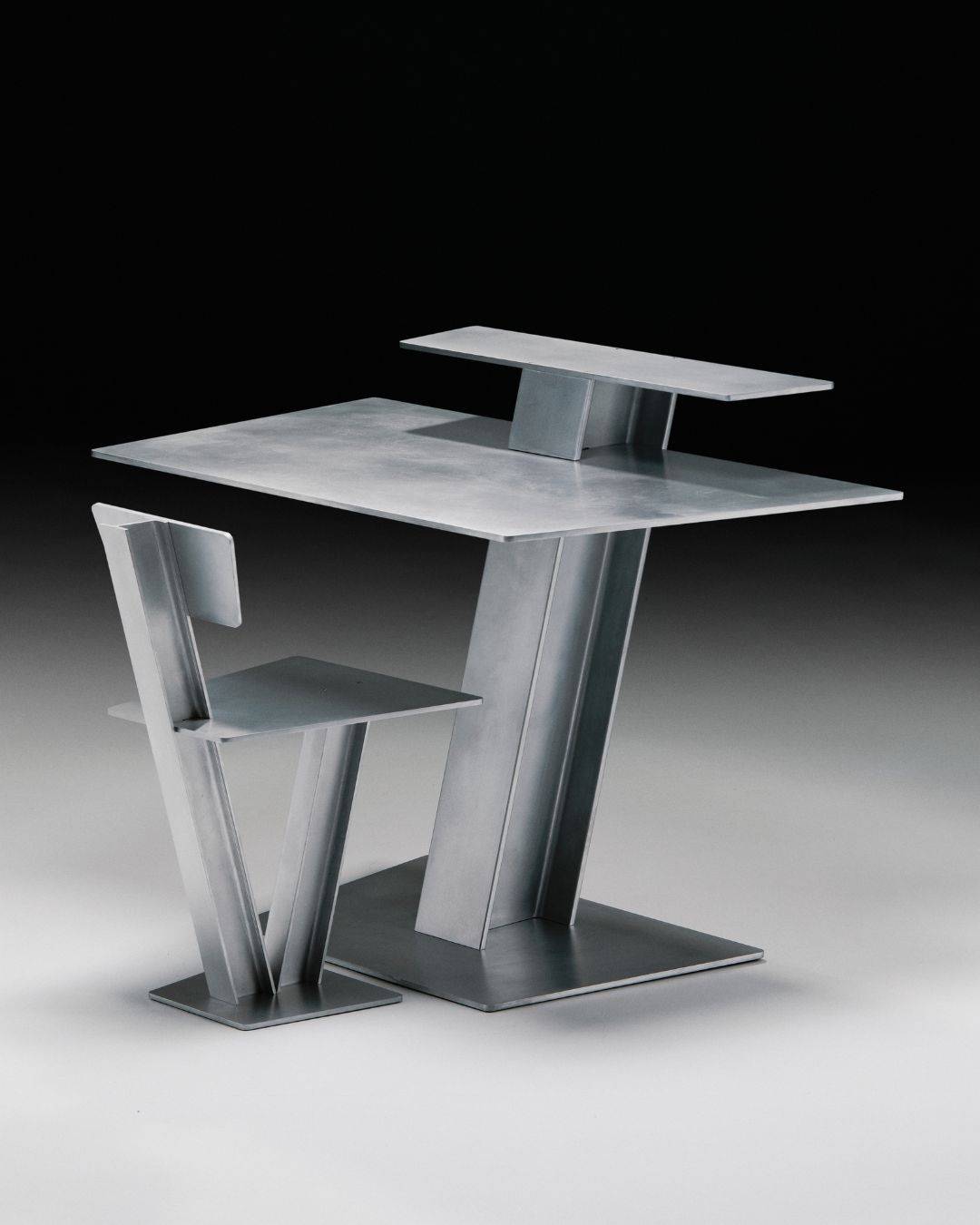
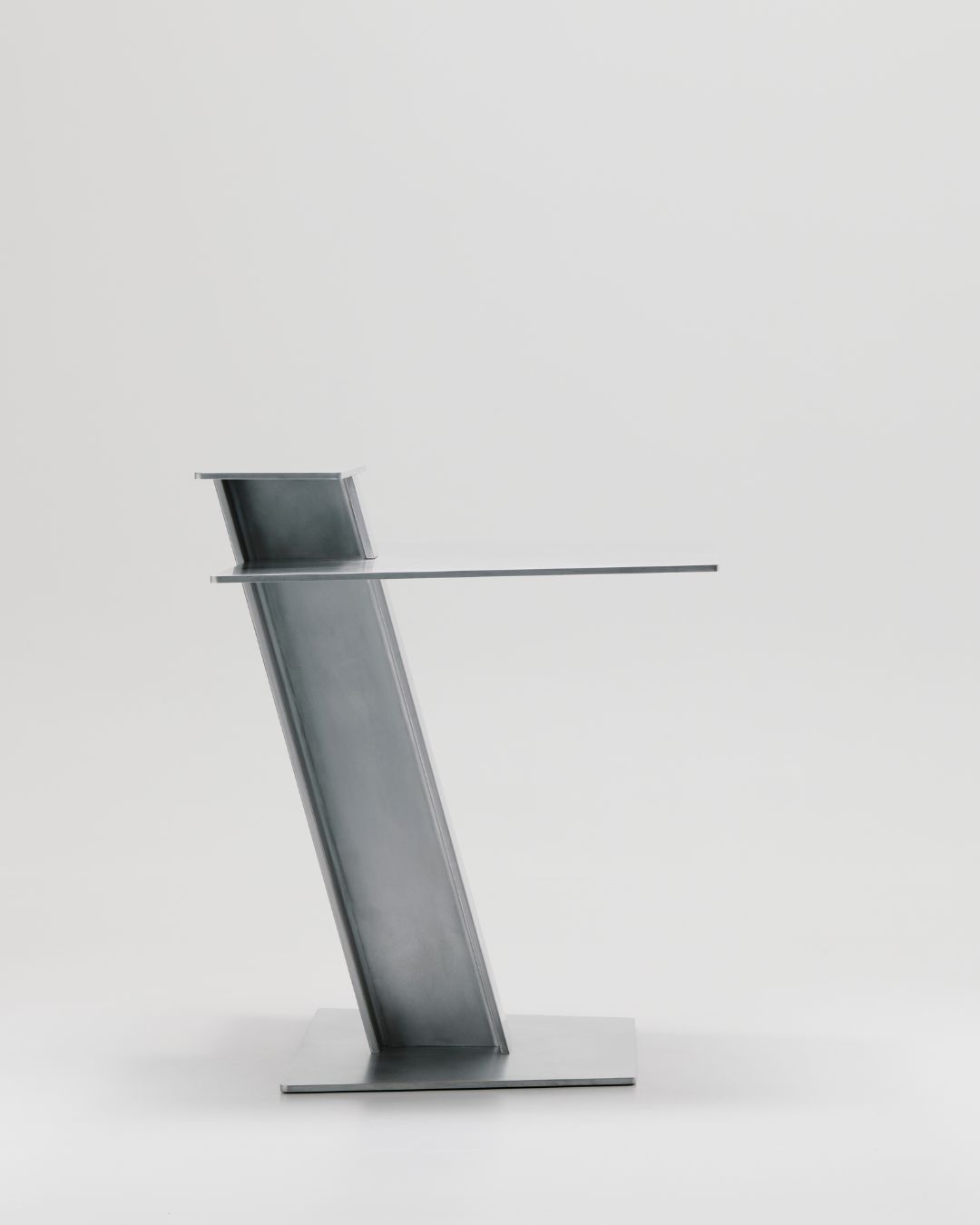
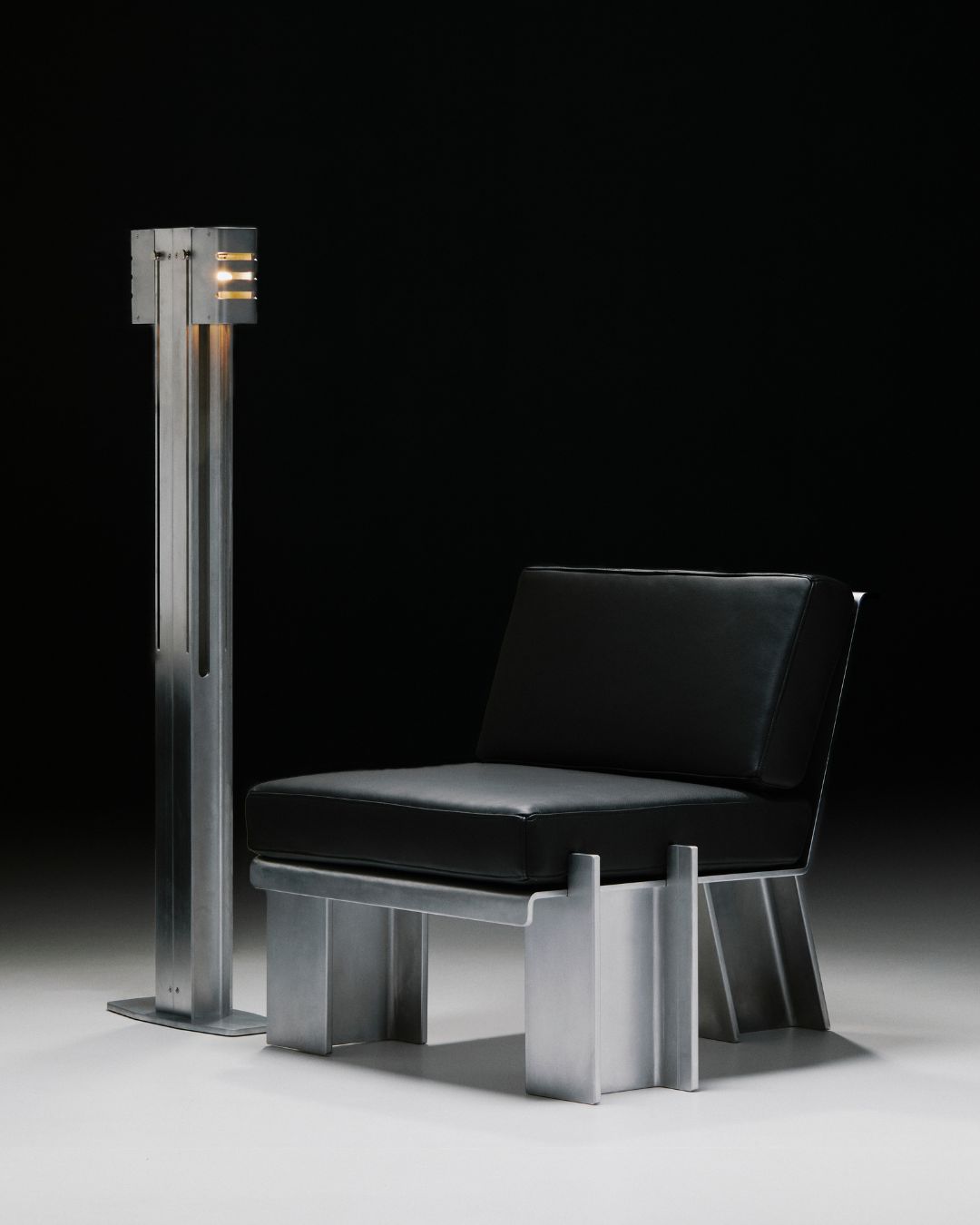
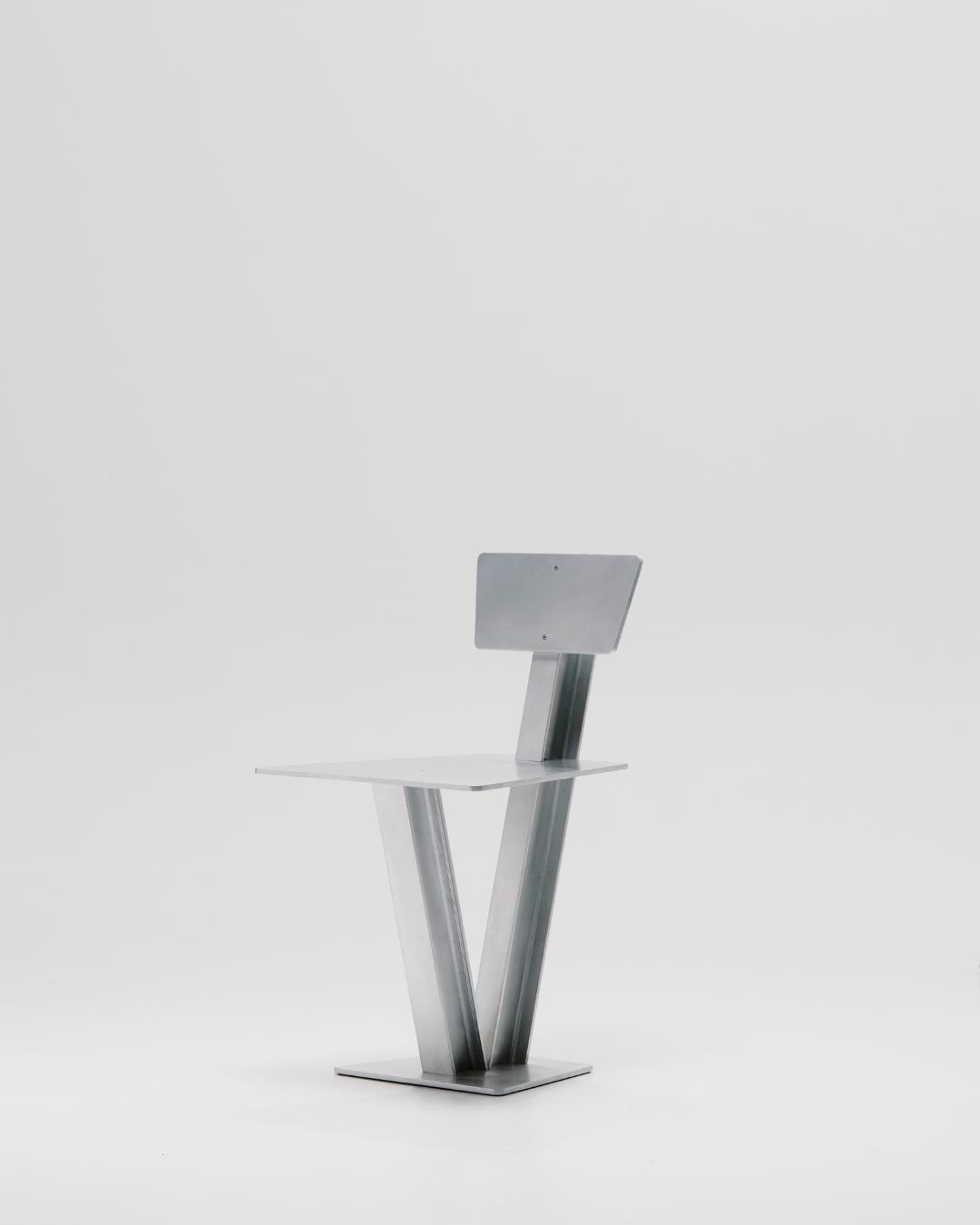
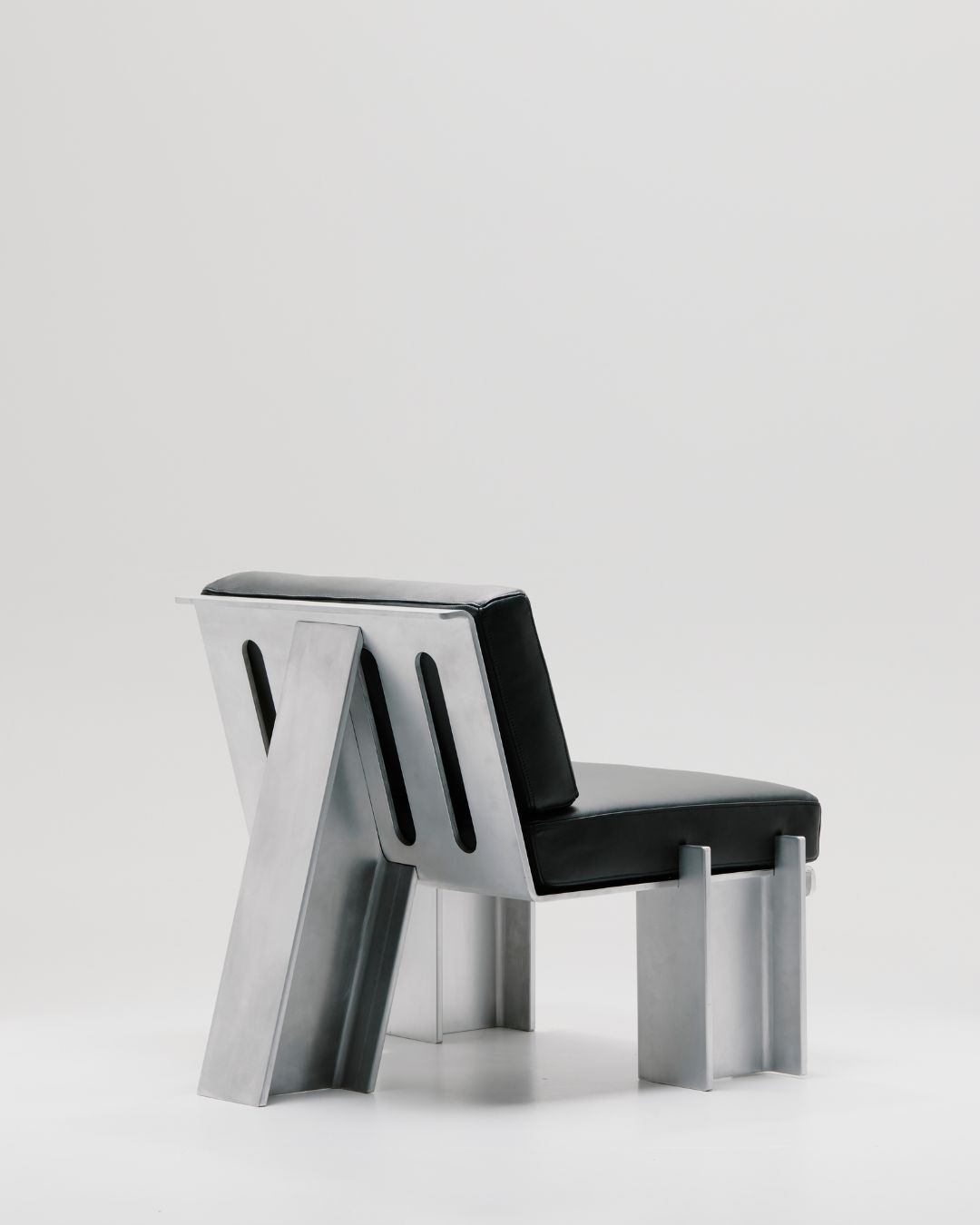
The Beam collection comprises five furniture pieces: a chair, a chaise longue, a desk, a floor lamp, and a lounge chair, all unified by the use of the I-beam in their structures. The beams are used together with metal sheets for the surface elements, and black leather upholstery for the seating. The floor lamp integrates adjustable height shades with a cantilever system, with the electrical cord framed inside the beam as a visible design detail. The products are handcrafted by Caliper in Spain and are produced in a limited edition.
At the heart of Williams’ collection is a design philosophy rooted in standardisation, using a single industrial component as the foundation for an entire furniture system. The I-beam was patented in 1849 by Alphonse Halbou, refined over nearly two centuries of industrial production, and it represents the apex of standardised structural efficiency. Williams’ work subverts its usual use, transforming it instead into a means for creativity and self-expression.
This exploration finds a significant precedent in Enzo Mari’s Putrella, designed in 1958 for the company Danese. The designer took a simple I-beam, called “putrella” in Italian, and applied to it a minimal intervention, bending its extremities slightly upwards, to create a bowl or tray for the dinner table, as a centrepiece. The object comes from Mari’s research into semi-finished products, where he wanted to highlight the formal worth of these industrial components, transforming them into contemporary design icons.
What is compelling about the Beams collection is how diverse the products can be, departing from a single standard part. The Beam Chair shows restraint, being made monomaterically from metal alone, it achieves a sharp geometrical form that looks almost uncomfortable in its rigidity. The Chaise Longue shows a more relaxed posture, in a delicate and light equilibrium, softened by the leather upholstery. The Floor Lamp is maybe the most inventive product, with detailed mechanisms and precise technicalities.
Marquel Williams describes Beams as “inspired by the use of structural supports in architectural buildings, further contextualised within the structures they inhabit.” The furniture doesn’t just reference architecture, it brings its logic into the domestic space, creating a dialogue between the scale and purpose of a building and the intimacy of furniture. When I-beams are scaled down, they acquire a new meaning, as the structural element that holds up roofs becomes an element that holds up the human body.
This work shows how standardisation can become a generative design principle rather than a limitation. By playing around with this structural element, the designer creates a diverse but coherent furniture system, balancing the artistry of collectable design with industrial pragmatism. The most innovative design sometimes comes not from inventing new forms but from seeing familiar elements with fresh eyes, finding the beauty in the utilitarian elements of our everyday lives.