Microsoft Surface: redefining hardware through industrial design
2019 is been an exciting year for Microsoft. The software and tech company became the third US company to pass a market cap of $1 Trillion Dollars, after Apple and Amazon.
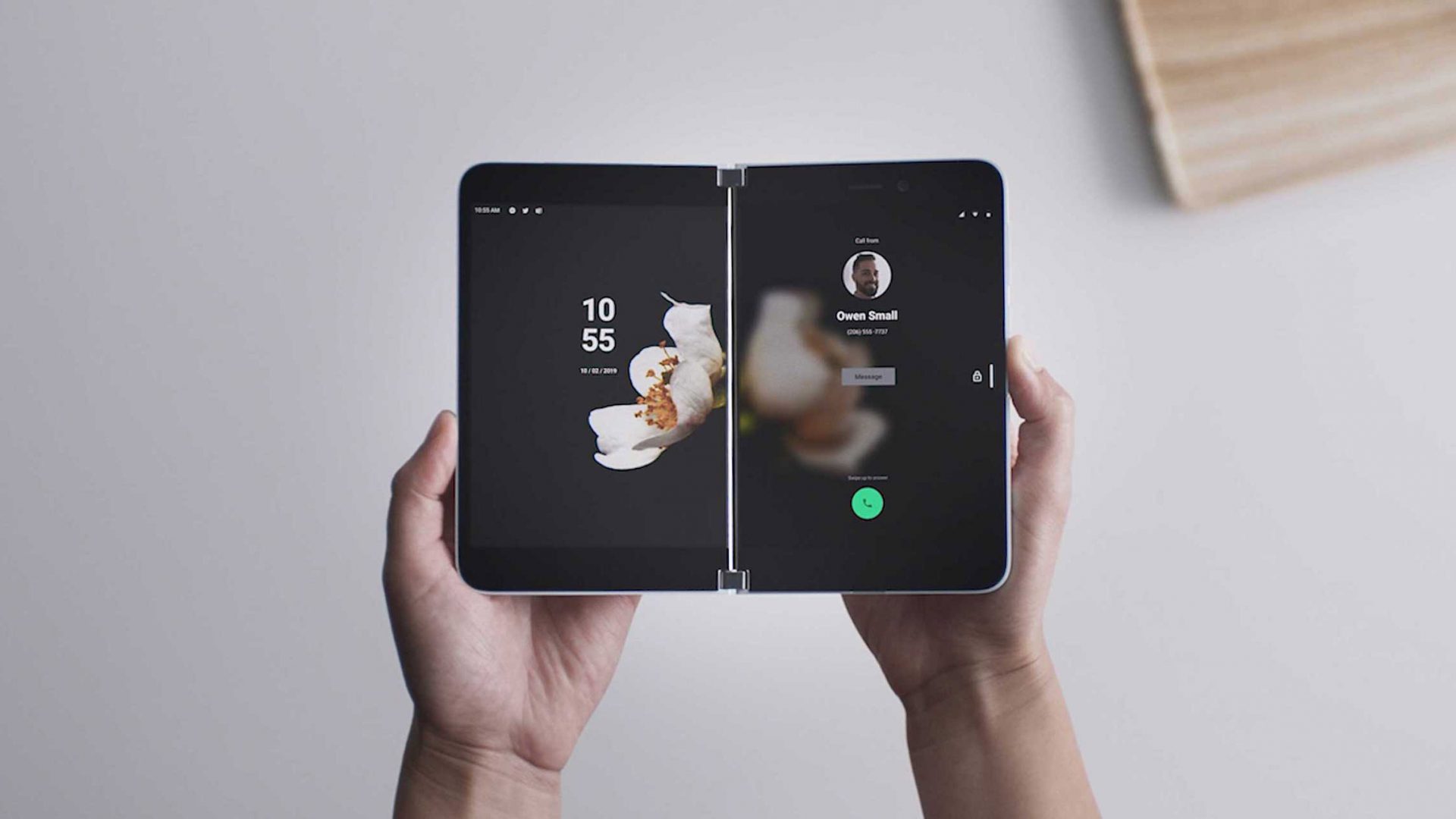
Microsoft Surface represents more than a line of devices — it embodies Microsoft’s strategic and cultural shift toward hardware as a design-driven discipline. Introduced as a way to showcase the full potential of Windows within a purpose-built ecosystem, Surface quickly evolved into a case study in how industrial design can shape the future of personal computing.
From its earliest iterations, the Surface project challenged conventional laptop and tablet typologies. Rather than simply producing another portable device, Microsoft set out to rethink interaction, adaptability, and material expression. The result is a family of products defined by clean geometries, precise detailing, and a restrained visual language that feels architectural in its clarity. A defining characteristic of the Surface lineup is its mechanical intelligence.
Gallery
Open full width

Open full width
The now-iconic integrated kickstand of the Surface Pro transformed the 2-in-1 category by allowing fluid transitions between tablet, studio, and laptop modes without visual clutter. Similarly, the articulated hinge of the Surface Studio introduced a new ergonomic paradigm for creative professionals, enabling the screen to shift seamlessly from upright display to drafting surface. These are not ornamental gestures; they are structural design decisions that directly shape user behavior.
Material research plays a central role in the Surface identity. Magnesium alloy bodies provide strength and lightness while maintaining a refined matte finish. In selected models, the introduction of Alcantara surfaces softens the tactile experience, subtly bringing a textile dimension into the traditionally cold landscape of consumer electronics. This balance between technical precision and human warmth positions Surface at the intersection of digital functionality and contemporary lifestyle aesthetics. Equally important is the integration of hardware and software.
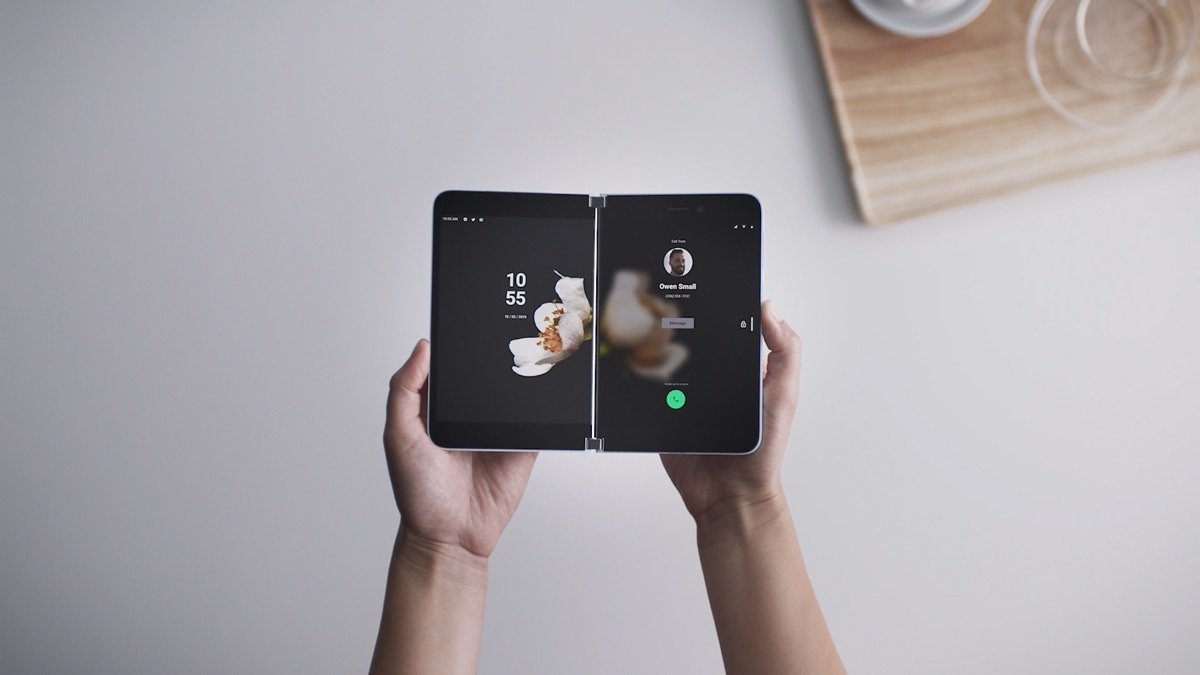
By designing devices in parallel with Windows, Microsoft is able to optimize proportions, responsiveness, and input systems — from multi-touch PixelSense displays to pen-based workflows. The Surface Pen, in particular, reinforces the idea of computing as a creative and intuitive act, blurring boundaries between sketching, writing, and digital navigation. Over time, the Surface portfolio has expanded to address diverse contexts — from ultraportable laptops and hybrid tablets to collaborative large-scale displays — yet the core philosophy remains consistent: clarity, adaptability, and thoughtful engineering.
In a market often driven by incremental updates, Microsoft Surface continues to stand out as a deliberate exploration of how industrial design can elevate everyday digital tools into objects of intention. More than hardware, Surface represents a broader reflection on contemporary work and creativity — a vision in which devices are not merely functional instruments, but carefully designed companions within evolving professional and domestic environments.