Malaysian International Furniture Fair 2026: a platform, not just a fair
This March, Kuala Lumpur will become a temporary capital of furniture, where design becomes a medium through which Malaysia speaks to the world.
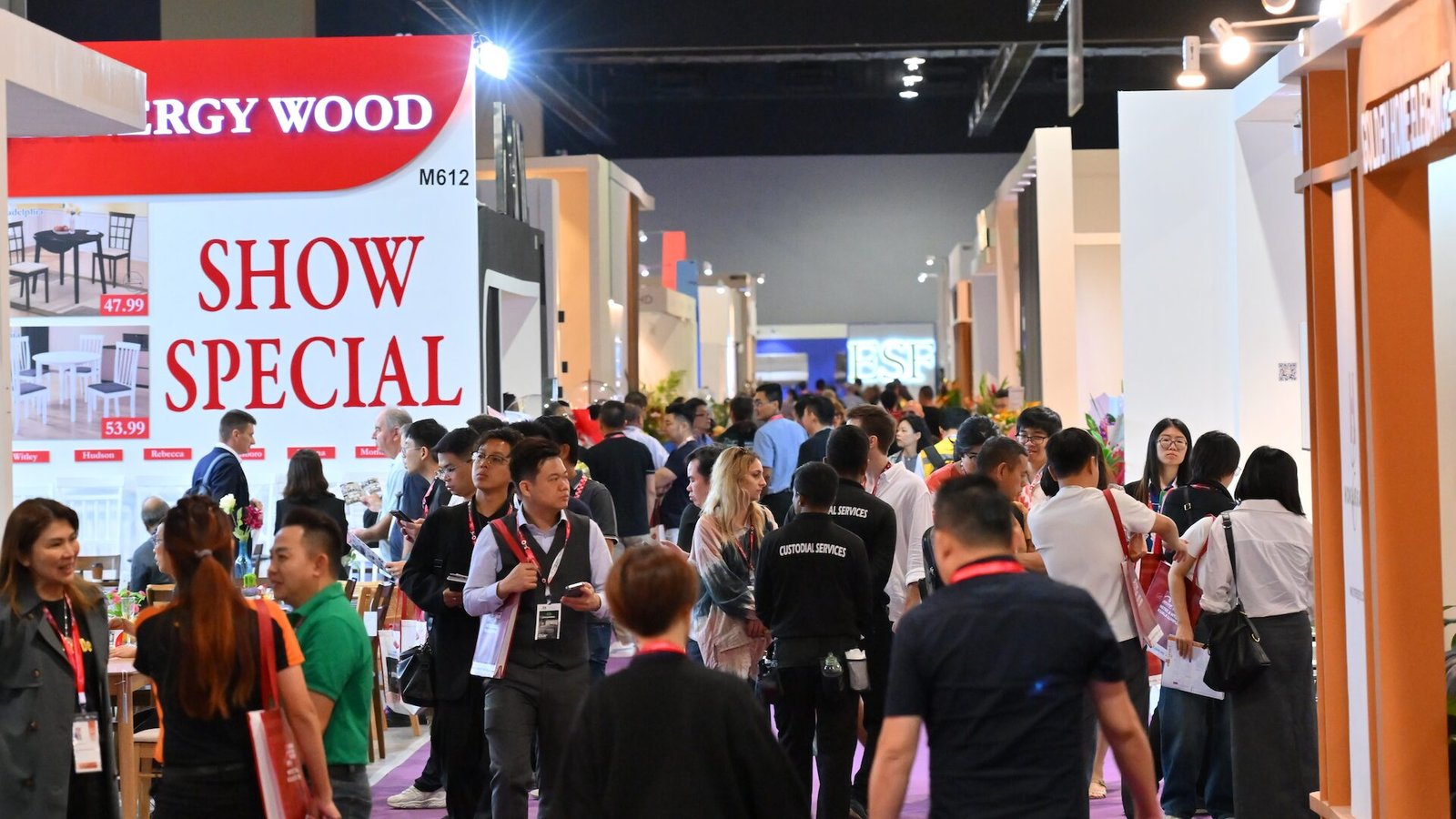
The thirty-second edition of the Malaysian International Furniture Fair (MIFF 2026) unfolds from 4 to 7 March across MITEC – the Malaysia International Trade and Exhibition Centre – and the World Trade Centre Kuala Lumpur, occupying 17 halls and almost one hundred thousand square metres. The numbers matter, but only up to a point. What is more relevant is how MIFF has evolved: from trade fair to strategic platform, from marketplace to cultural and industrial observatory.
This year marks a decisive shift. MIFF formalises its partnership with the Malaysia External Trade Development Corporation (MATRADE), the country’s national trade agency, reframing the event as an export engine embedded in a broader geopolitical context. In a landscape shaped by economic pressure and social transformation, furniture becomes a lens through which to read wider structural change.
Gallery
Open full width
Open full width
MIFF has long been recognised as Southeast Asia’s largest export-oriented furniture fair, yet focusing solely on orders would be reductive. The real story lies in how Malaysian furniture positions itself today. The Asian manufacturing landscape is no longer perceived merely as a low-cost alternative; it increasingly presents itself as a synthesis of craftsmanship, design intelligence and industrial reliability.
At the World Trade Centre Kuala Lumpur, MIFF 2026 introduces FurniFusion, structured around three pillars: Live, Work, Play. The framework is simple, but it reveals how the industry interprets contemporary life.
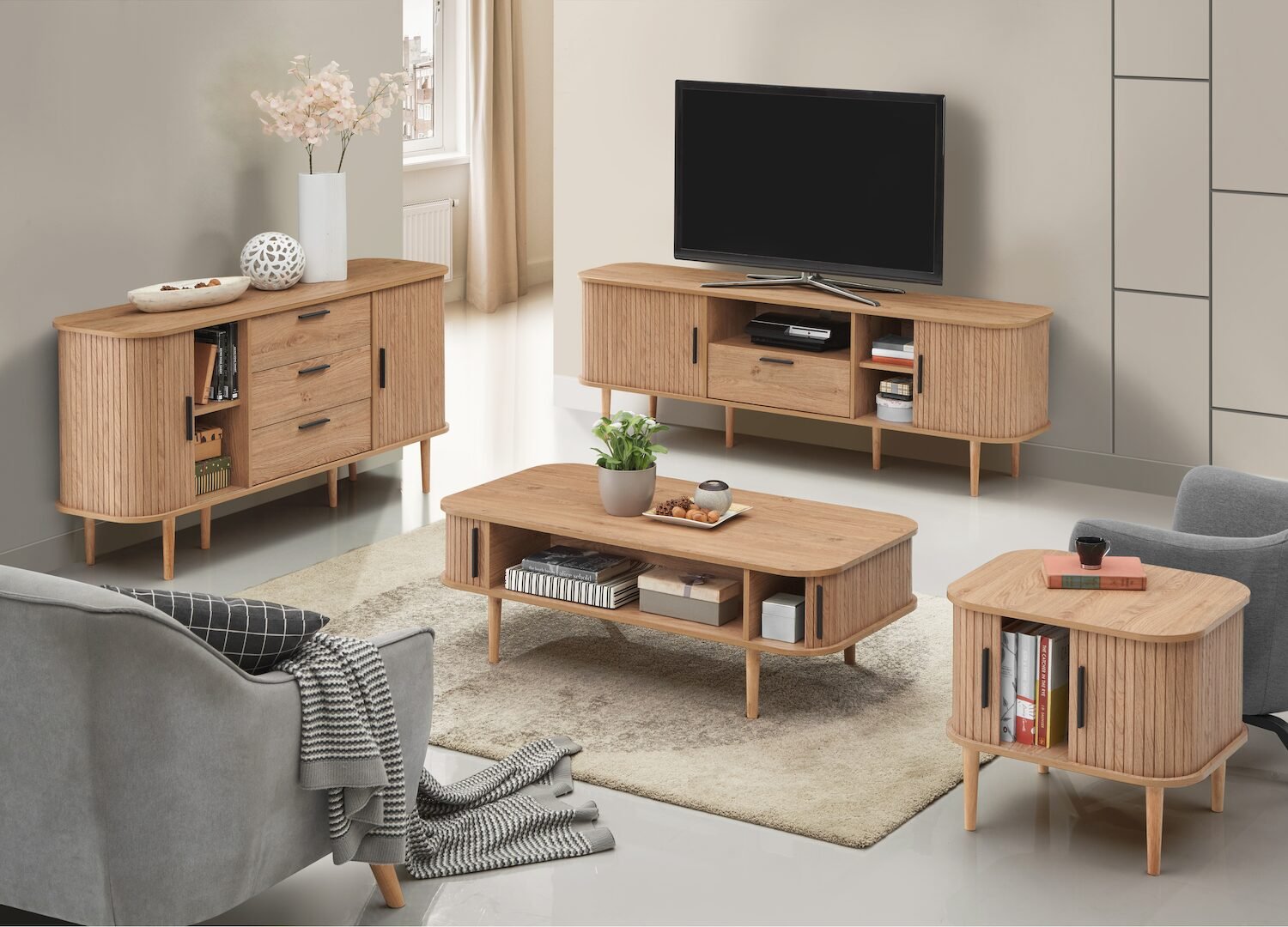
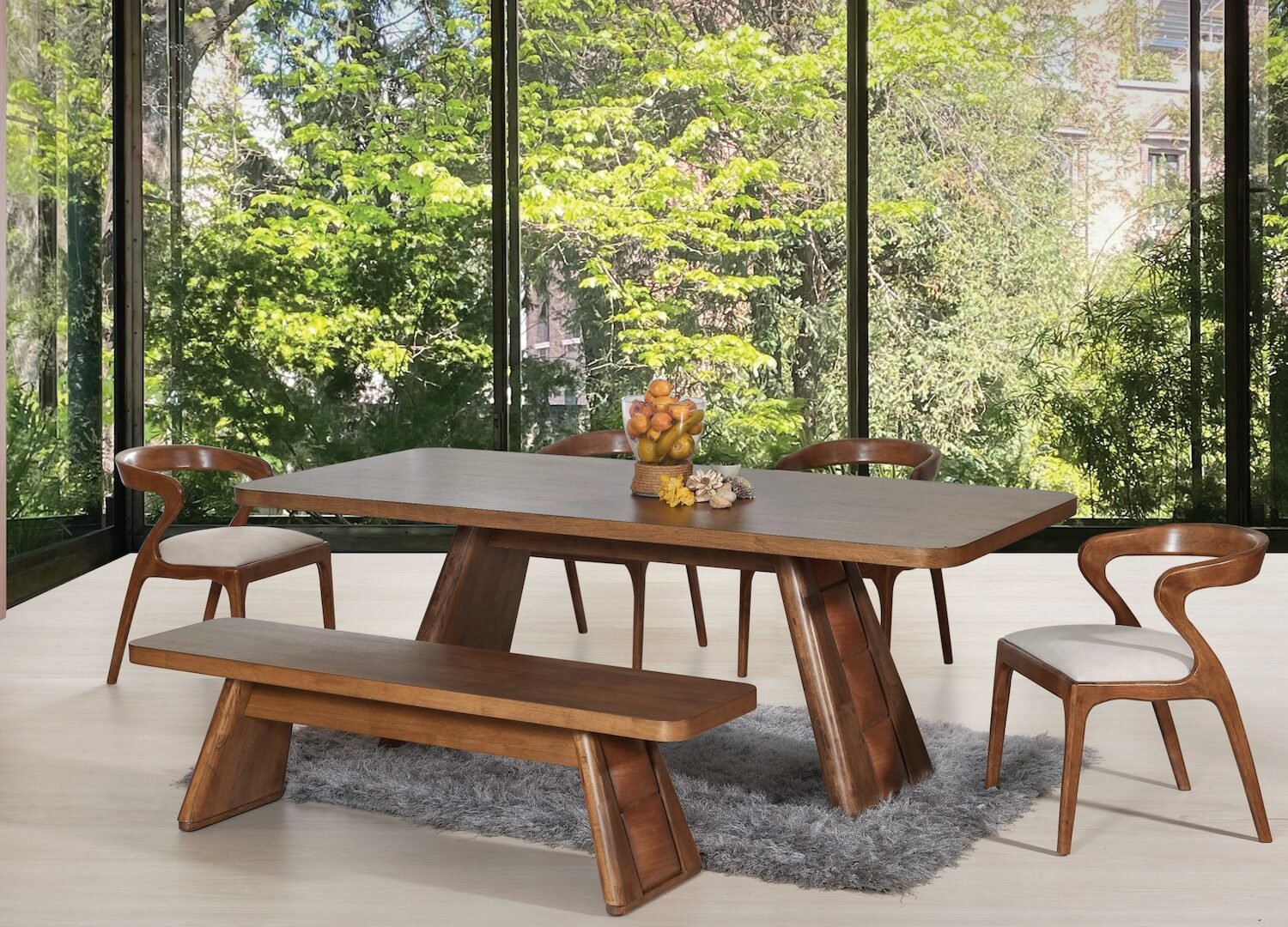
Live centers on the Made-in-Malaysia Hall, where traditional woodworking techniques coexist with streamlined contemporary forms. There is no nostalgic rhetoric. Heritage is treated as material intelligence – knowledge embedded in joinery, proportion and timber selection – reinterpreted through a global design vocabulary. Craft becomes competitive leverage rather than decorative reference.
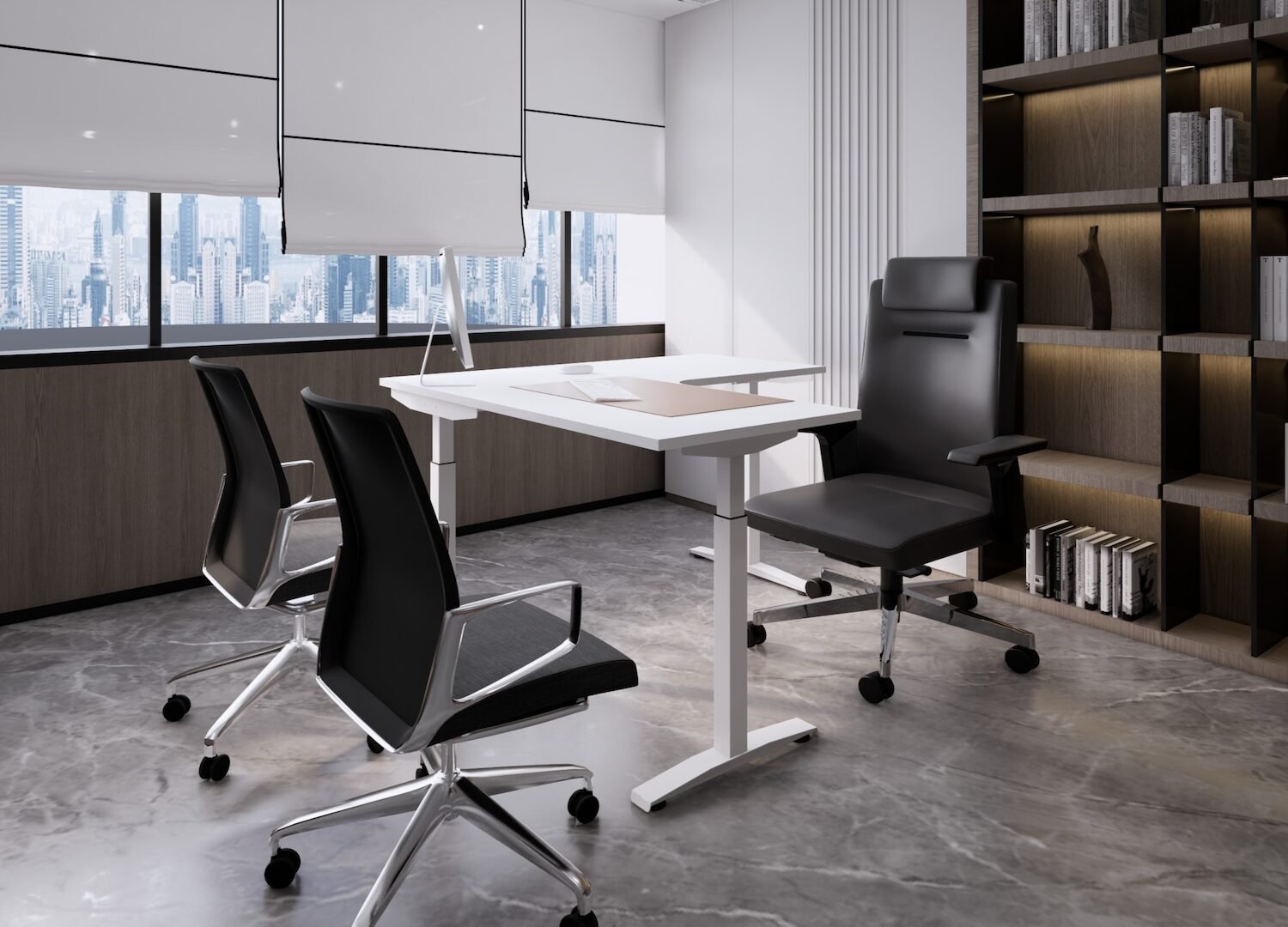
Work takes shape through MIFF Office, described as Southeast Asia’s largest office furniture showcase. The exhibition floor reads as a survey of adaptation. Modular systems, ergonomic refinements and hybrid spatial solutions demonstrate that the workplace is no longer static infrastructure but an evolving typology responding to digitalisation and flexible routines.
Play introduces The Muse, a segment dedicated to lifestyle and décor. Here, furniture appears within scenographic settings, complete living concepts rather than isolated products. The shift is subtle but clear: from object to narrative, from display to atmosphere. The domestic sphere becomes a constructed storyline.
Design research forms another axis along which MIFF asserts relevance. The 16th edition of the MIFF Furniture Design Competition (FDC) centres on the theme Playful. Practical. Purposeful: Furniture for Generation Alpha, inviting designers to rethink bedroom furniture for children aged five to nine. The brief may appear specific, yet it is conceptually revealing. It addresses emerging behavioural patterns, hybrid learning environments and the blurred boundaries between play and function. Children’s furniture becomes a testing ground for adaptability.
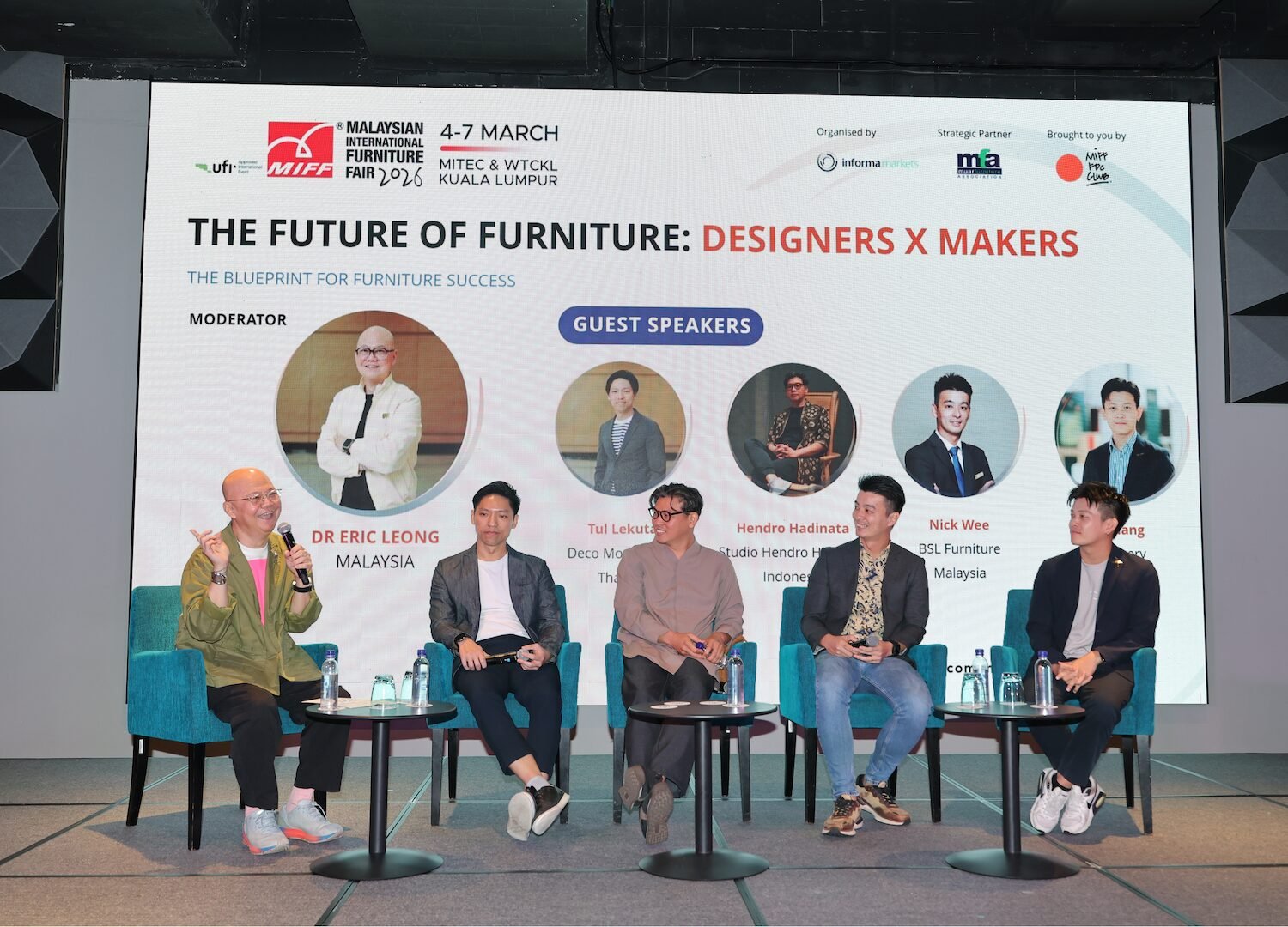
More structural is the launch of the MIFF FDC CLUB, conceived as a long-term platform linking designers and manufacturers. The intention is to reduce the distance between concept and production, embedding experimentation directly into industrial processes. In a sector often described as conservative, this move signals an understanding that competitiveness increasingly depends on intellectual input.
Parallel to this, the xOrdinary Design Showcase – themed Happiness this year – offers space for independent and unconventional voices. First introduced in 2022, it frames furniture as an emotional mediator rather than a purely utilitarian object. The installations prioritize possibility over mass production, expanding the fair’s narrative beyond export metrics.
Sustainability is addressed through tangible initiatives, including the continuation of the Sabah Tree Planting Campaign, launched in 2024. While many trade shows speak of environmental responsibility in abstract terms, MIFF attempts to connect discourse with action. Digital integration, through the MIFF Furniverse App, adds another layer: intelligent navigation, lead retrieval systems and interactive tools reflect how physical fairs now operate within hybrid infrastructures.
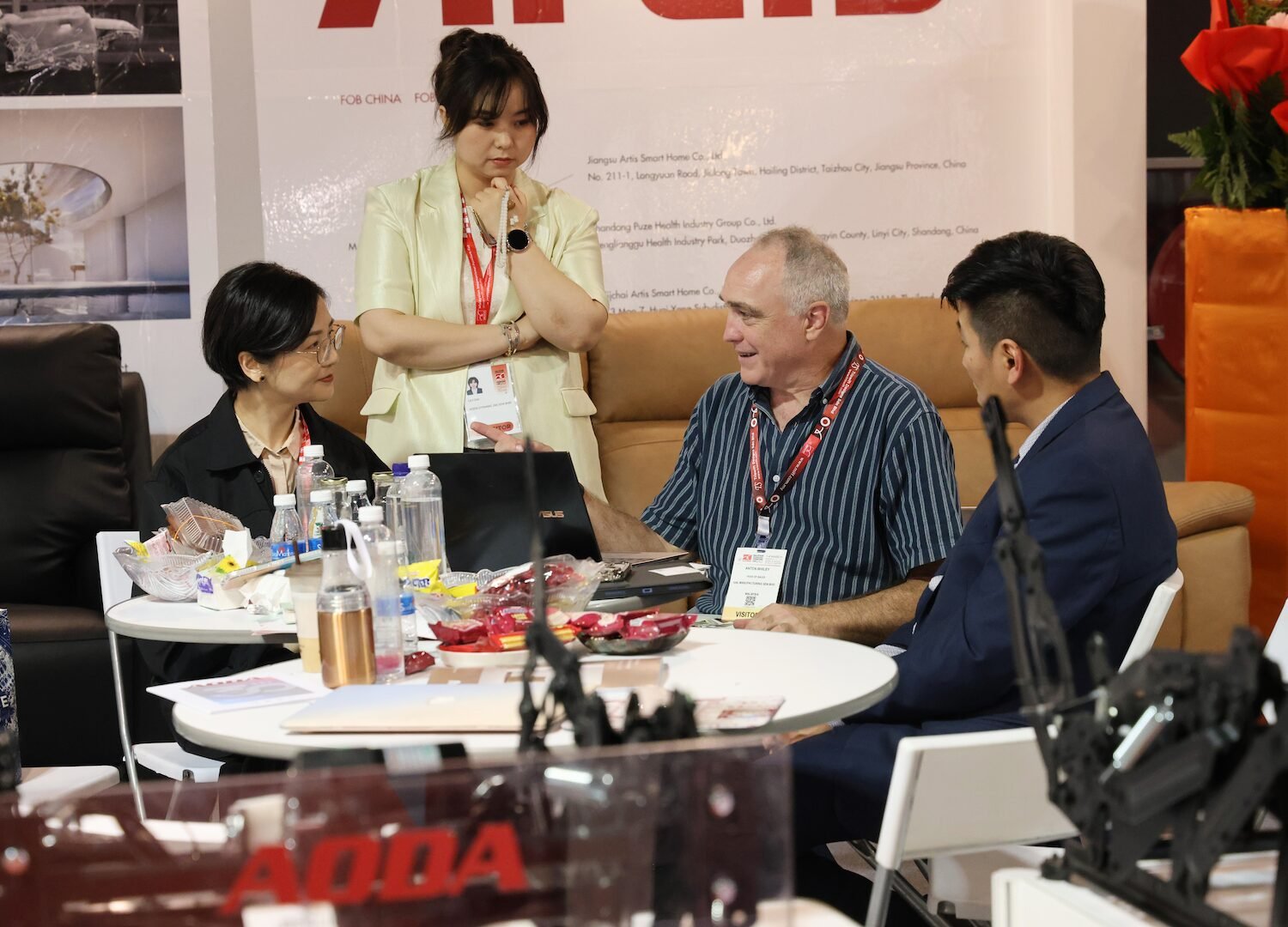
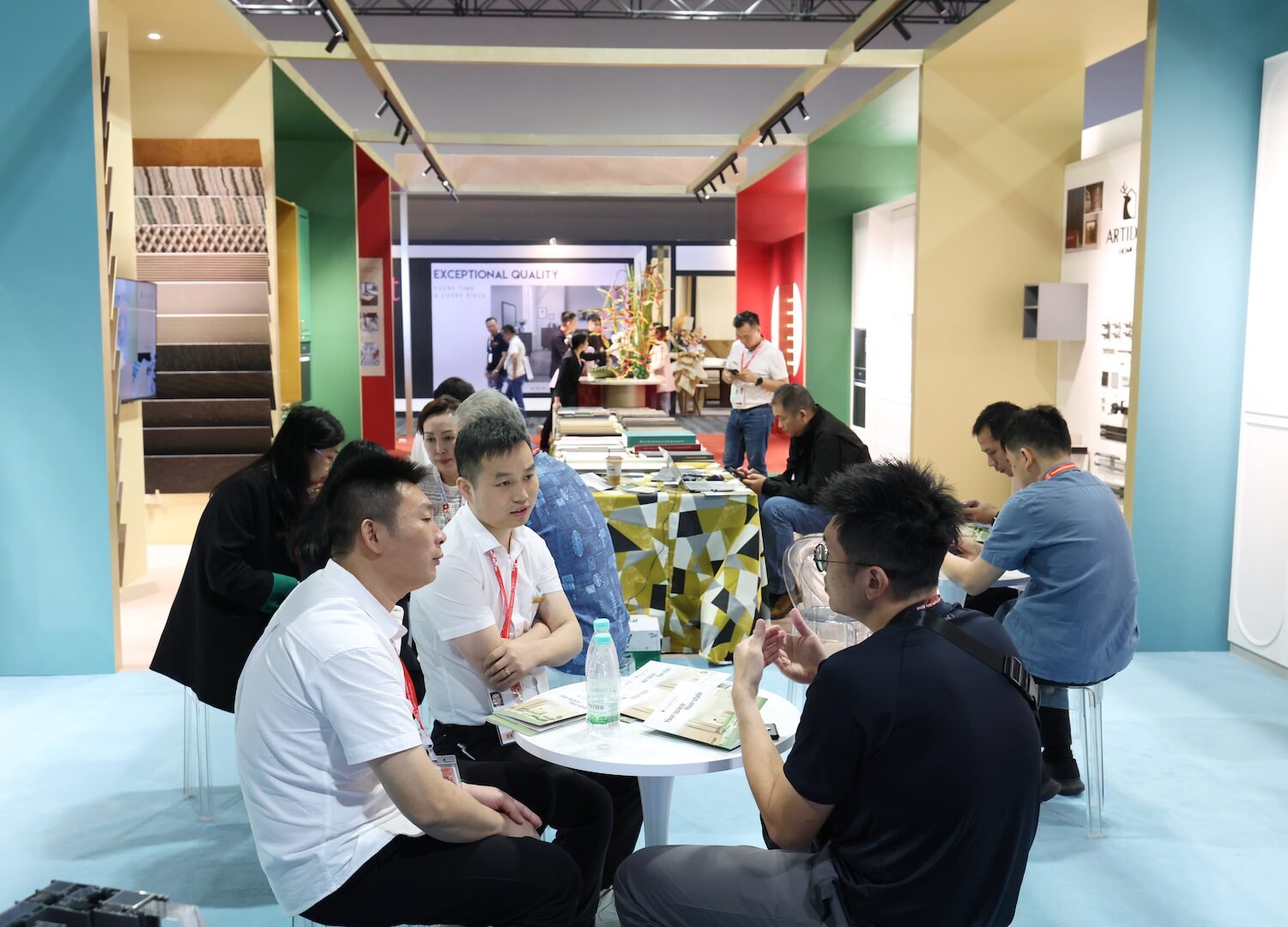
International presence remains central. Over twenty thousand buyers from around one hundred and forty countries are expected, reinforcing MIFF’s position as a transnational sourcing hub. Delegations from Japan, Canada, the United States, Türkiye, Africa, Europe and the Middle East underline a deliberate diversification beyond traditional markets. This awareness is concrete, and it shapes the way Malaysian manufacturers present themselves today – agile, outward-looking and prepared to move across markets with confidence.
MIFF 2026 articulates a coherent proposition, and Made in Malaysia is framed less as a label and more as a coordinated ecosystem in which skilled labour, export infrastructure, multicultural business fluency and design ambition converge. The partnership with MATRADE reinforces this systemic vision, positioning the fair as an interface between national policy and private enterprise.
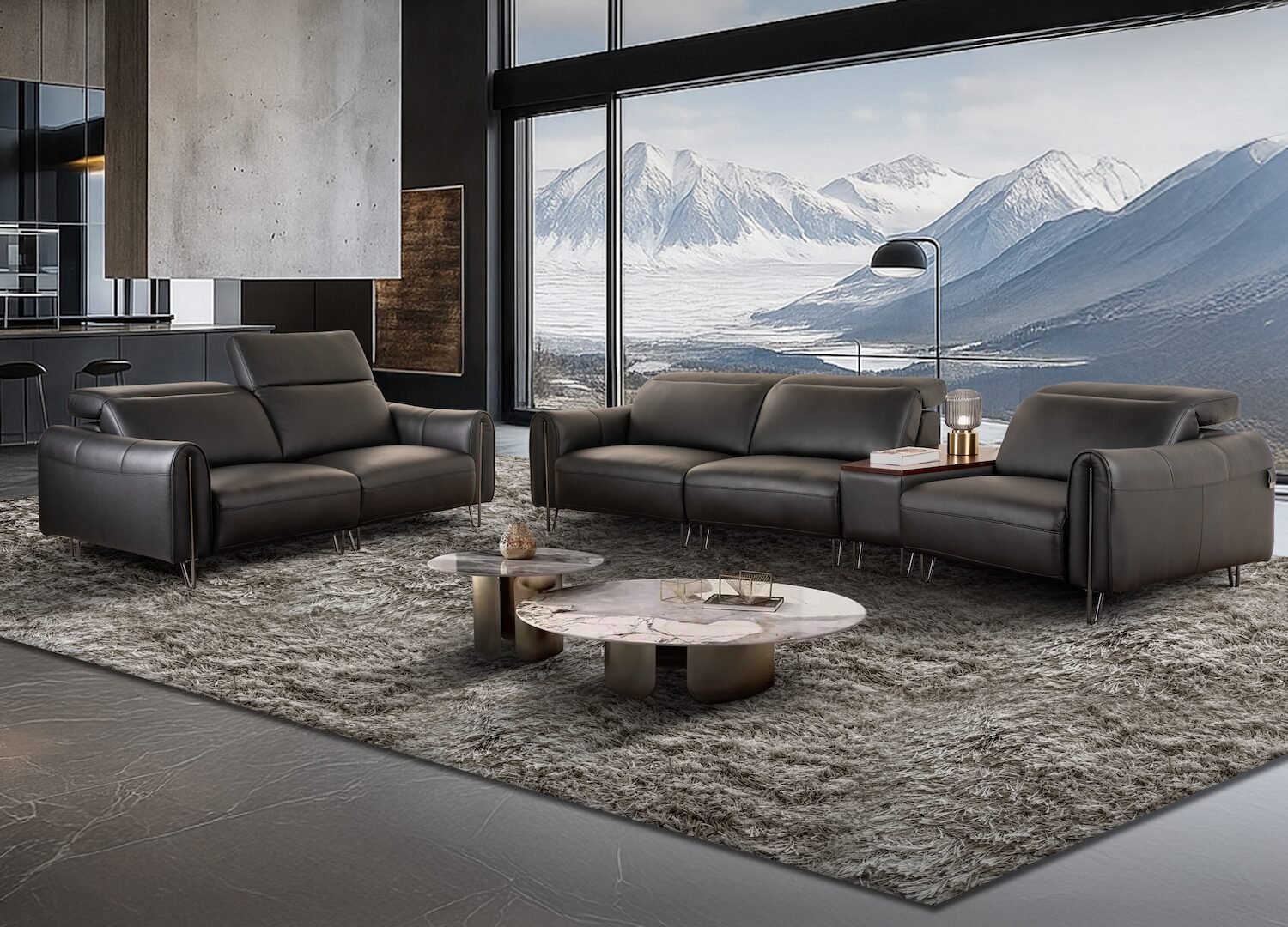
“MIFF solidifies our long-term vision to further bolster Malaysia’s status on the global platform as a key player in the quality furniture industry,” said Ms. Kelie Lim. “On a larger scale, it looks to elevate the global furniture industry, and this aim is further boosted by MIFF’s reputation as Southeast Asia’s largest export-oriented furniture trade show.”
What distinguishes MIFF is understanding its role within a shifting global order, and furniture here is both product and proxy – for economic resilience, for cultural identity, for industrial strategy and for improving of the social system. Instead of romanticizing craft, the exhibition negotiates a balance between heritage and adaptability, economy-driven but with a push into culture. For those attentive to how design intersects with trade, MIFF 2026 offers more than aisles of chairs and tables. It presents a case study in how a mid-sized manufacturing nation recalibrates its narrative – using culture as leverage and design as a subtle instrument of international positioning.
About the author

Ludovica Proietti, journalist, design historian and curator, teaches in universities and curates events, always exploring projects with fresh, unconventional perspectives.
Instagram