MIT is turning its entire campus into a five-day experiment in what comes next
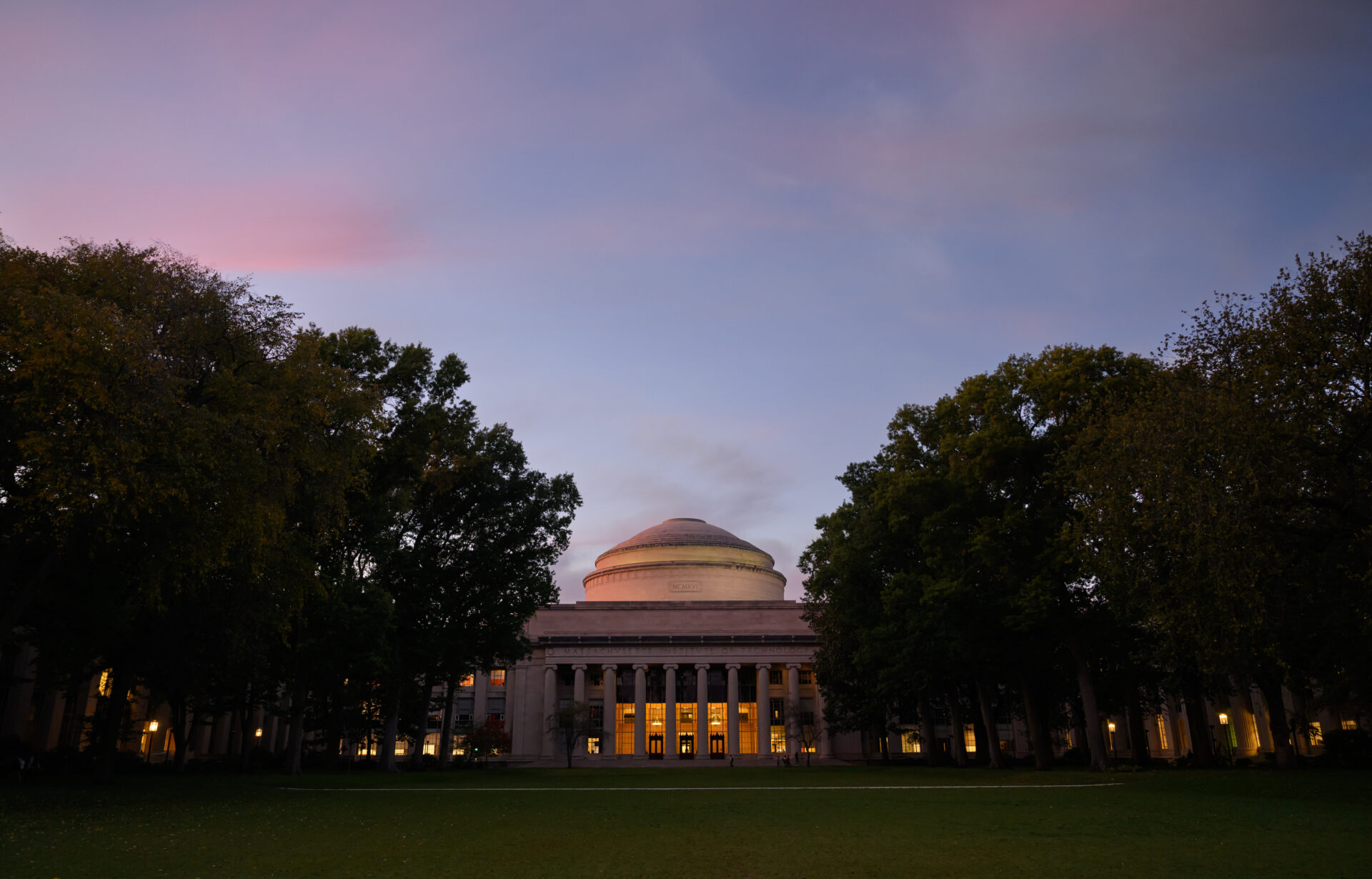
MIT Future Fest, a new annual festival from the MIT Museum, will take over the MIT campus in Cambridge, Massachusetts, opening labs, studios, and public spaces to explore the convergence of art, design, science, and technology.
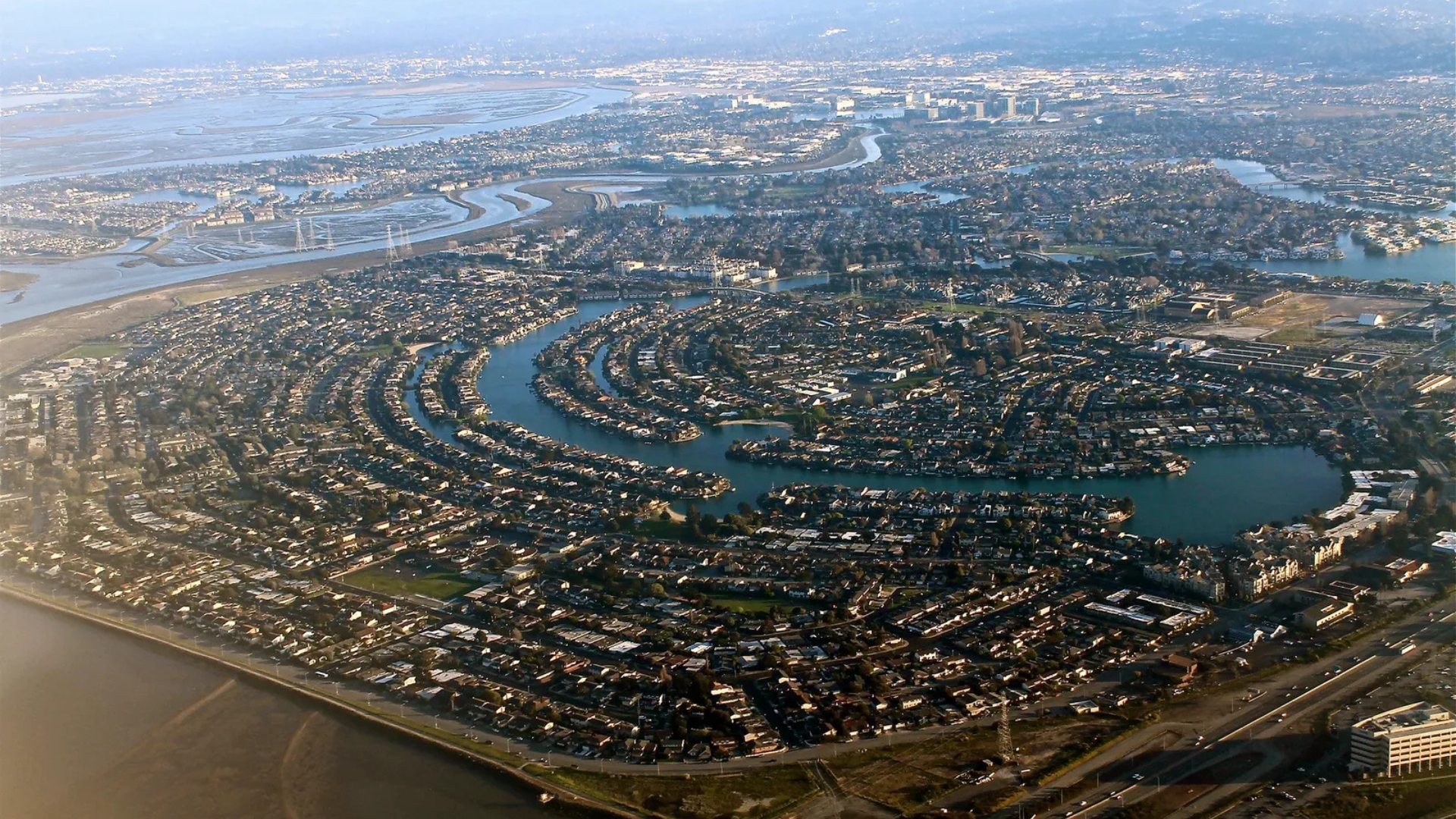
There’s no shortage of design and innovation events on the calendar, but MIT Future Fest is doing something genuinely different: instead of building a trade show around MIT, it’s opening the university itself to the public. For five days, the labs, workshops, and theaters that normally exist behind institutional walls become part of a single, campus-wide experience, with over 100 participants moving between conversations, installations, tours, and performances.
For DesignWanted readers, that’s the real hook. This isn’t a festival about MIT’s research — it’s a chance to walk through the physical and intellectual spaces where design, science, and technology actually get made, alongside some of the most interesting names working at that intersection right now.
Gallery
Open full width

Open full width
MIT Future Fest – Highlights:
A festival built on convergence, not categories
MIT Future Fest is led by the MIT Museum in partnership with MIT Technology Review and the MIT Morningside Academy for Design (MAD), with backing from an advisory panel that spans architecture, biology, AI, and media. That mix is intentional: the festival’s premise is that the world’s most pressing problems — climate, health, AI, quantum computing — demand the kind of convergent, interdisciplinary work that design has always been good at facilitating.
The lineup reflects that ambition. Confirmed voices include architect Carlo Ratti, designer and computer scientist Skylar Tibbits, interdisciplinary artist and designer Behnaz Farahi, MoMA Senior Curator of Architecture & Design Paola Antonelli, and bionicist Hugh Herr, alongside MIT President Sally Kornbluth and Massachusetts Governor Maura Healey, who will open the festival together with a panel on Massachusetts innovation and talent.
A new design hub steps into the light
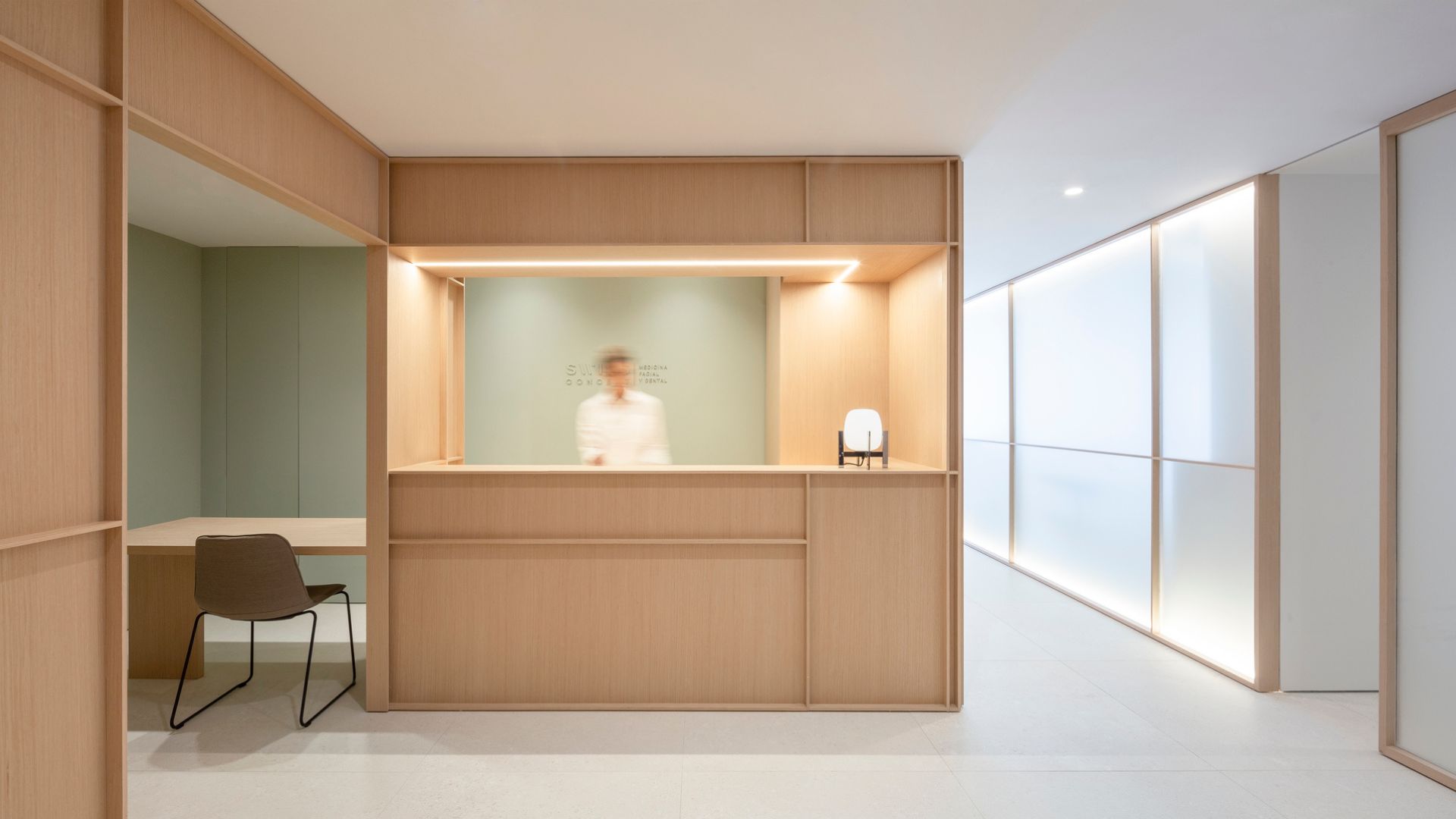
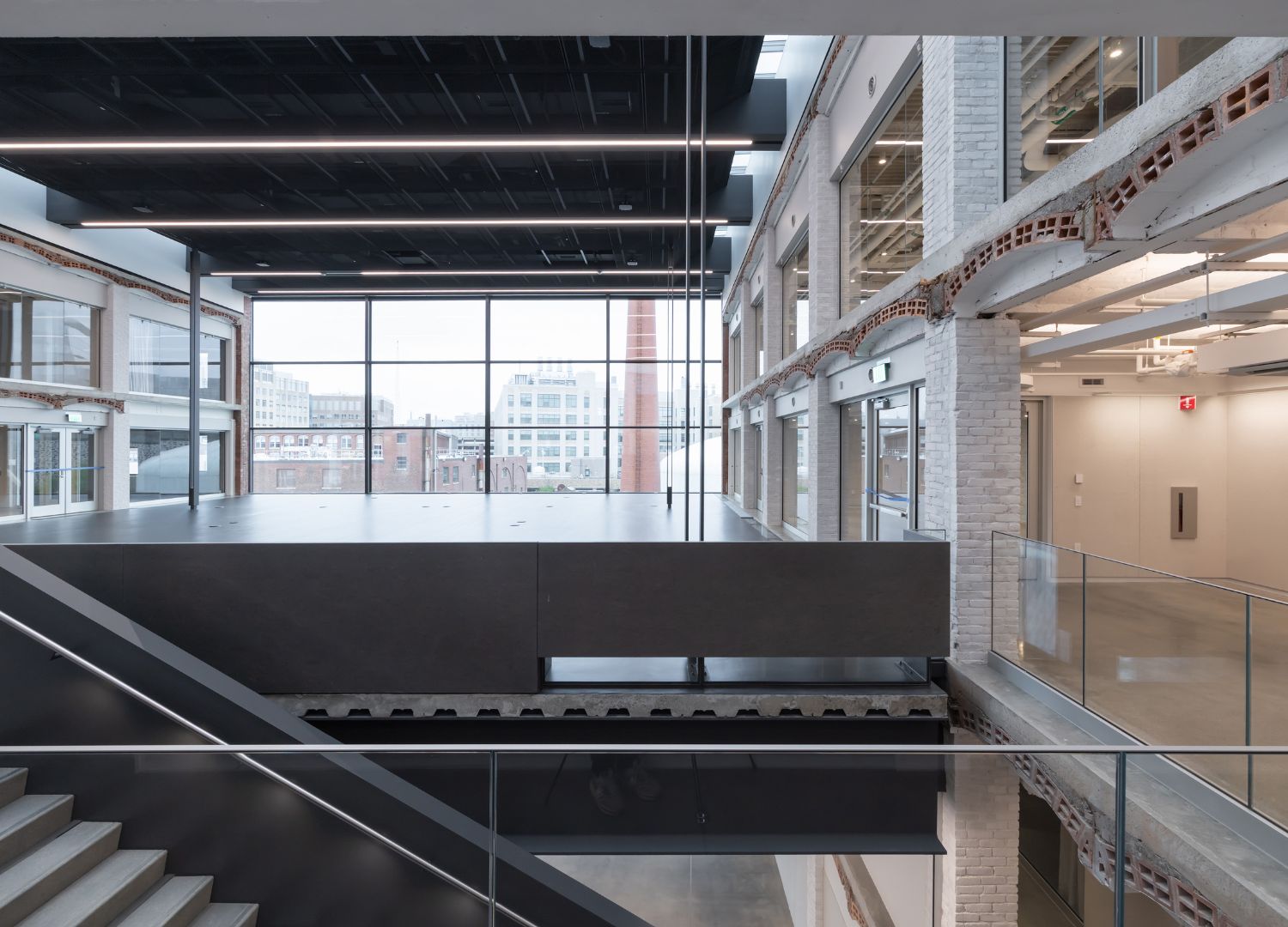
One of the festival’s most design-relevant moments is the public unveiling of the MET Warehouse, the new home of MIT’s School of Architecture and Planning, designed by Diller Scofidio + Renfro. After years of anticipation, the building opens its doors to the full community — from local neighbors to global visitors — as a shared space for design and imagination, and its debut during MIT Future Fest positions it as a symbol of what the festival is trying to do more broadly: turn institutional infrastructure into public experience.
The festival will also debut Adaptive Archipelago, a temporary floating installation near the MIT Sailing Pavilion exploring how design, engineering, and ecological thinking can come together, designed by Daniel Sundlin of Bjarke Ingels Group in collaboration with Skylar Tibbits and MIT students — a piece that says a lot about where experimental design practice is heading right now.
Where design meets the ocean
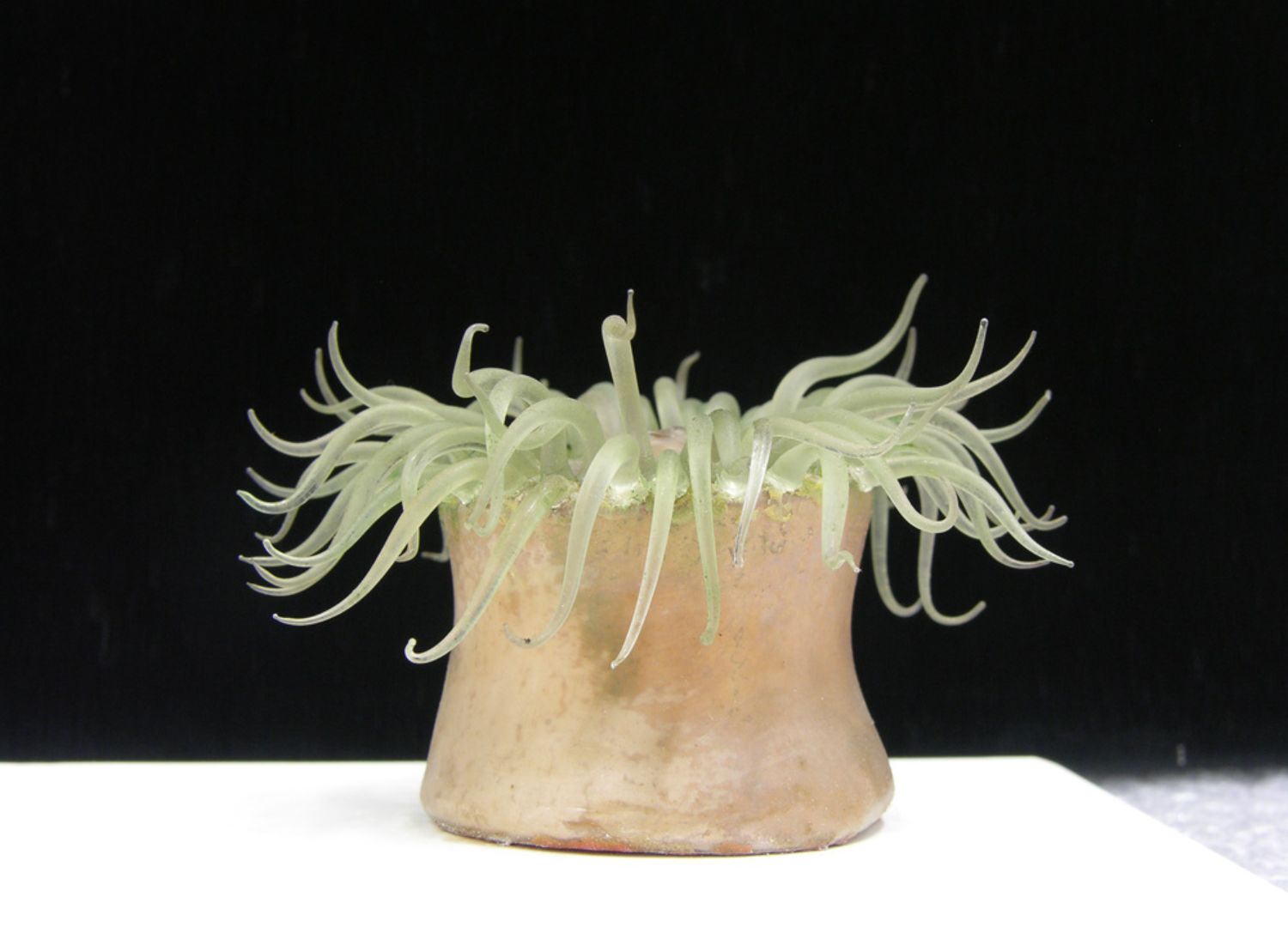
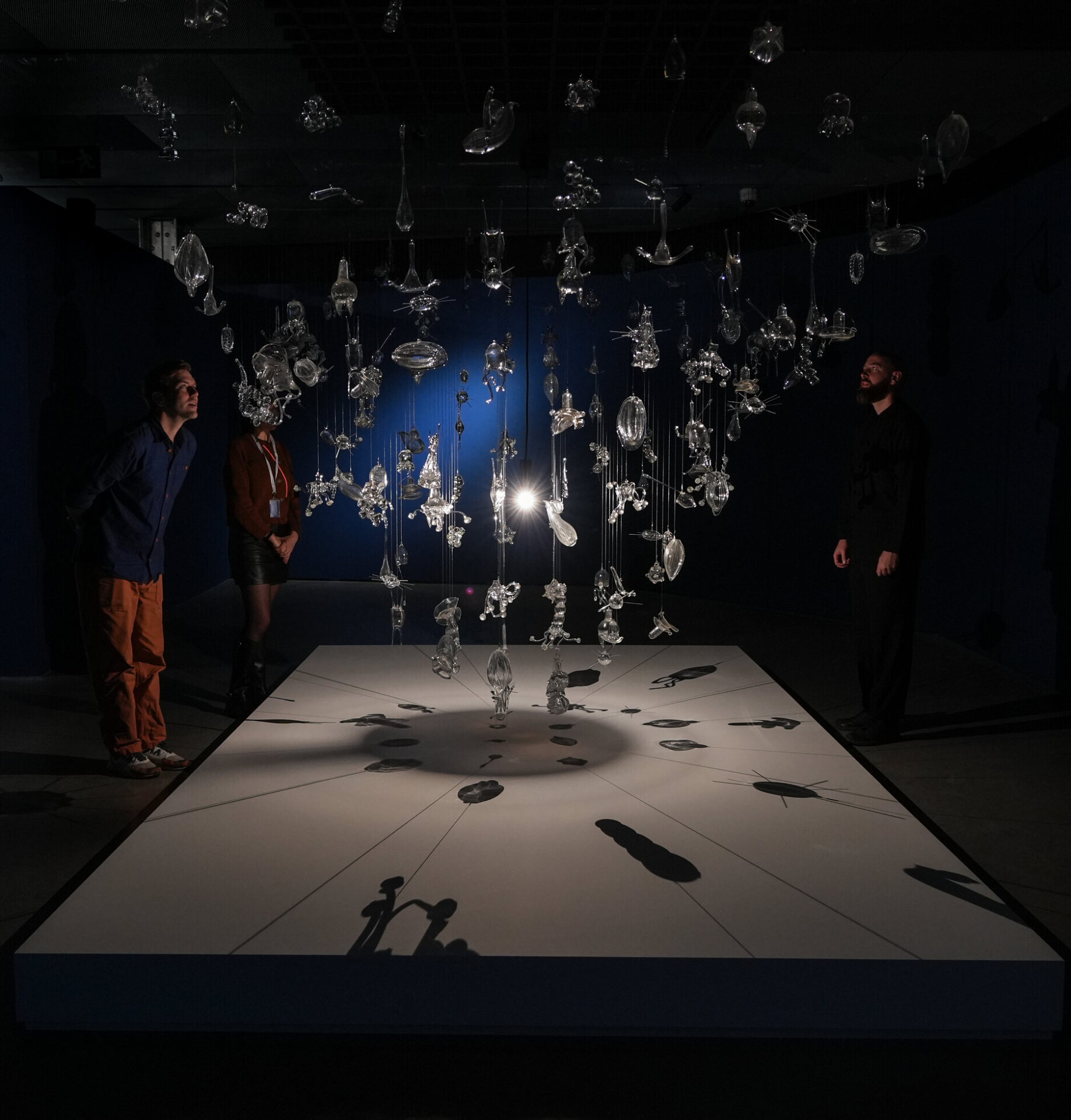
MIT Future Fest’s launch also marks the opening of the MIT Museum’s new thematic season, OCEANS, a six-month program running through March 2027 that connects art, architecture, design, science, and technology around one of the planet’s least understood spaces. Global oceans cover 71% of the Earth’s surface, yet remain more of a mystery than the surface of Mars — a gap the season is built to explore.
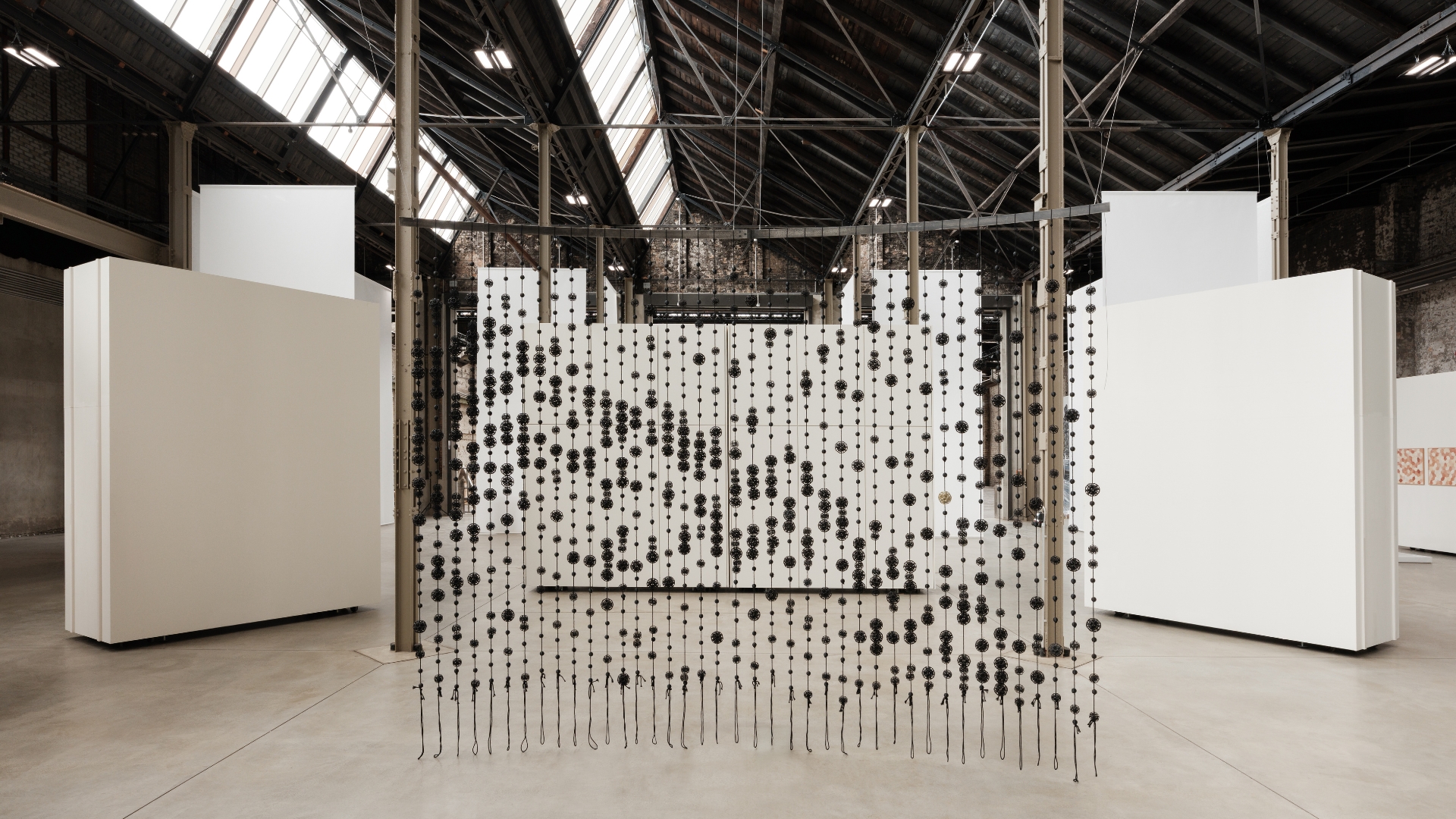
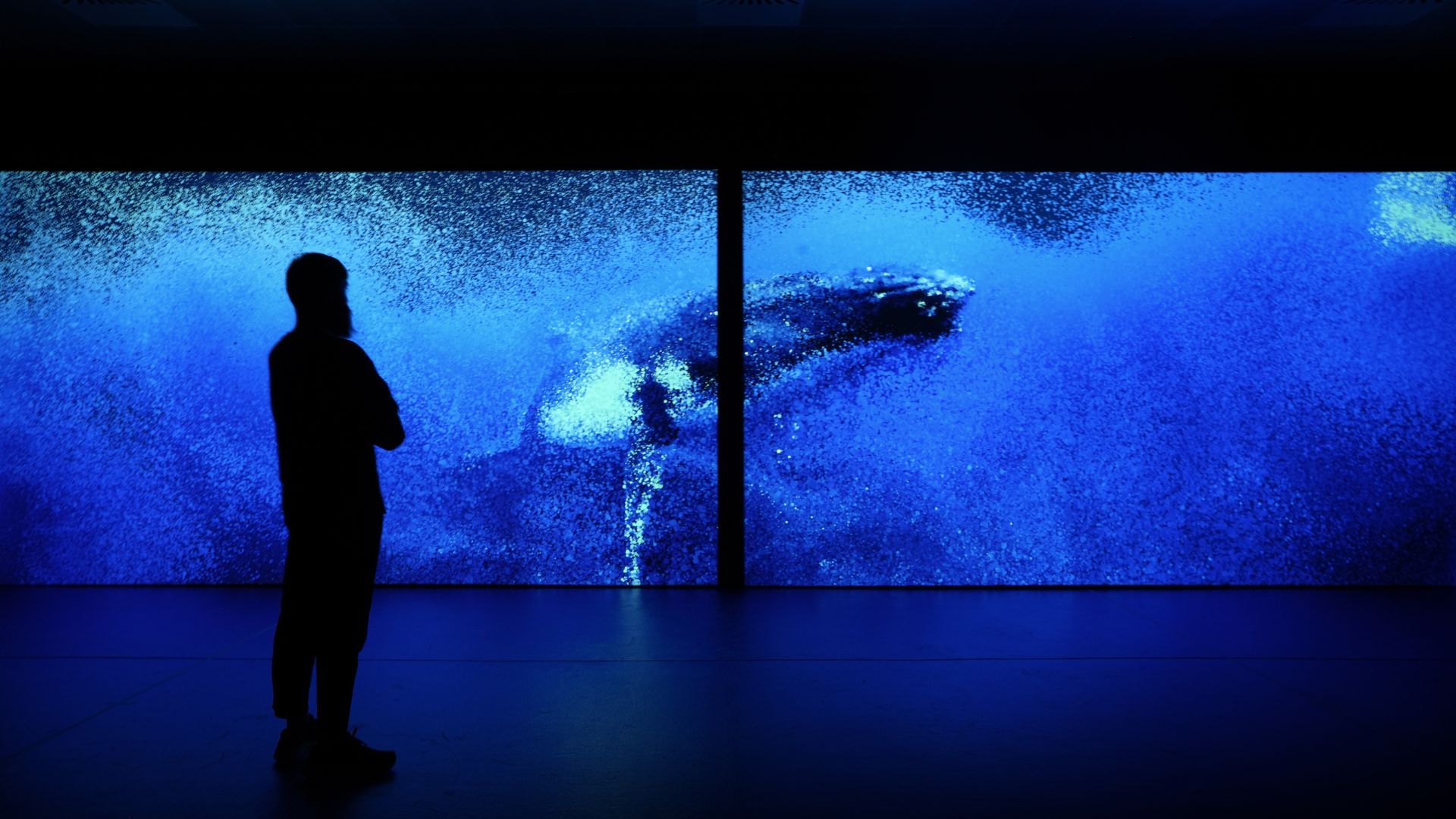
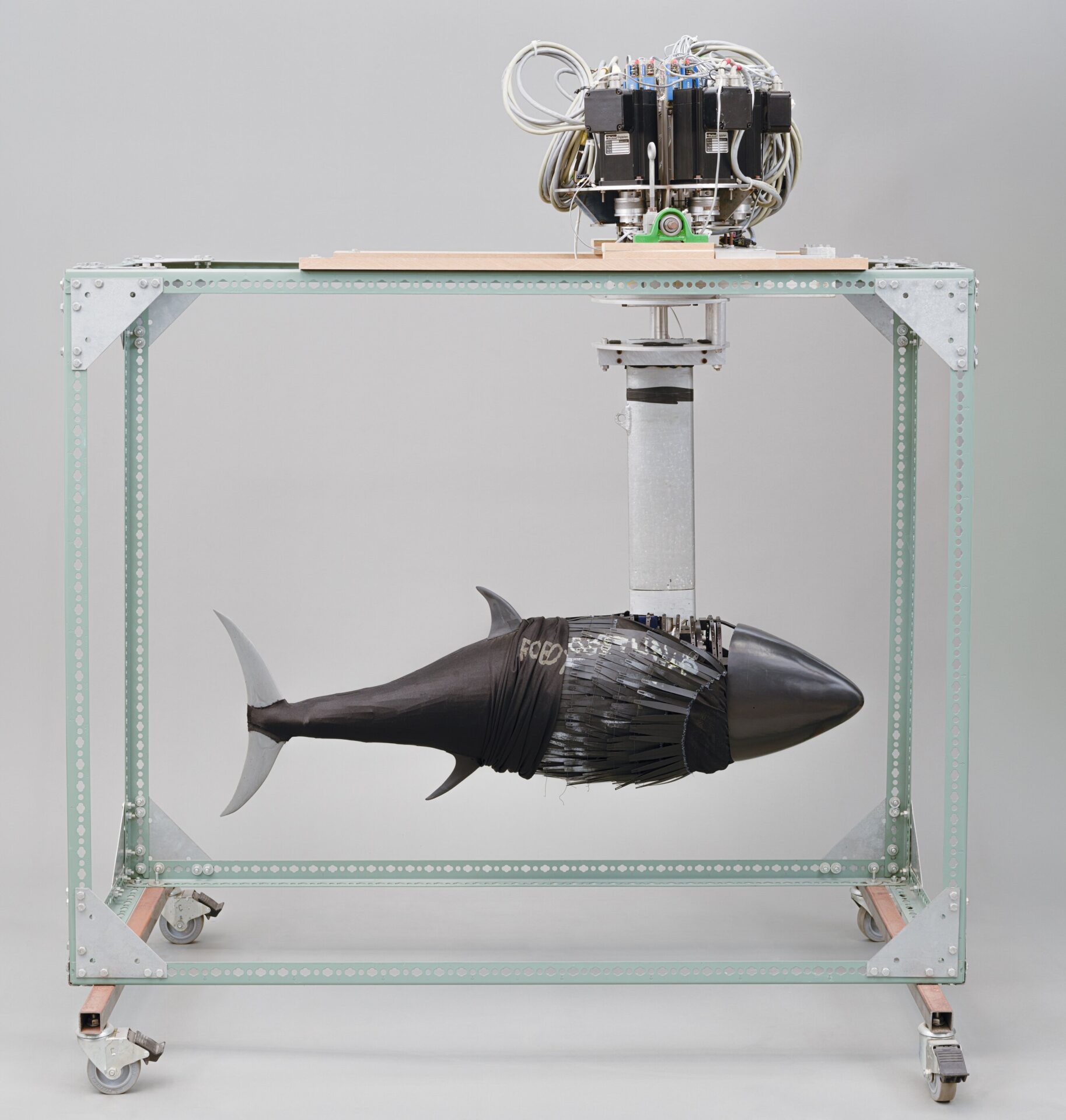
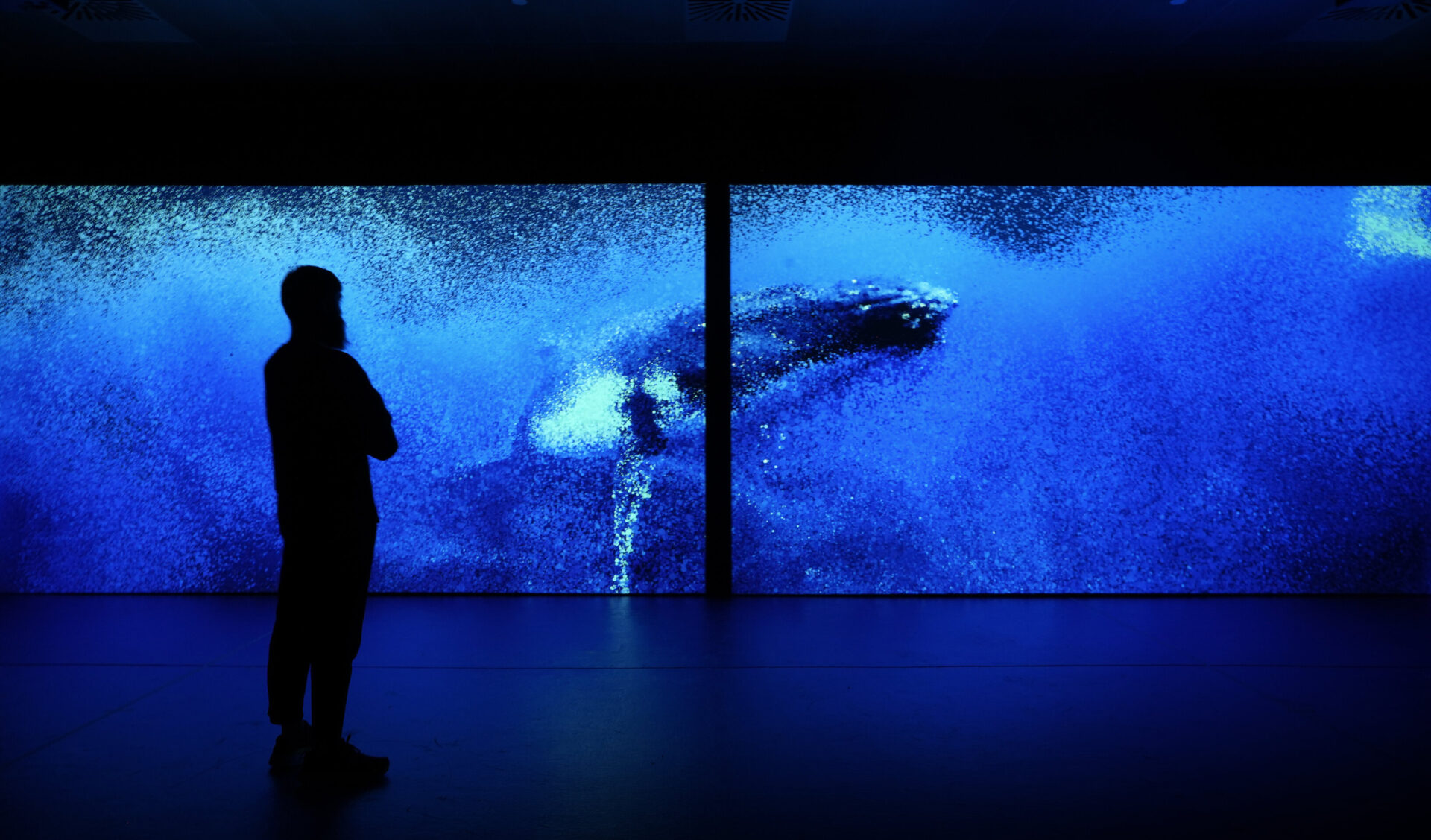
The centerpiece is Sensing Oceans, opening as part of the festival and featuring the US premiere of Seeing Echoes in the Mind of the Whale by London-based collective Marshmallow Laser Feast, alongside underwater sensing equipment, animal-inspired robots, and immersive artworks that reframe how we perceive an environment we can’t directly access. Running alongside it, Crochet Coral Reef — a hand-crocheted, community-sourced exploration of marine geometry led by artists Margaret and Christine Wertheim — turns applied mathematics into a striking, tactile response to climate change.
A university as a public stage
What makes MIT Future Fest stand out isn’t any single talk or installation, it’s the format itself: a research university temporarily rebuilding itself as a public stage, where the line between lab and gallery, prototype and artwork, mostly disappears. For anyone working at the edges of design, that kind of access doesn’t come around often. MIT Future Fest runs September 30 – October 4, 2026 across the MIT campus in Cambridge, Massachusetts. Admission to the MIT Museum is free throughout the festival, with complimentary MIT Future Fest tickets available for Cambridge residents and members of the MIT community.