Packaging as a design product: Pininfarina’s industrial vision
From large-scale productions to limited editions, the studio’s contribution to this type of project is the creation of solutions that respect the needs of the industry without compromising the wow effect for the end customer.
One of the design sectors in which Pininfarina operates is packaging design, a fundamental part of the product, especially in mass-produced solutions, where every single detail of the process matters, from logistics to shelf impact.
Over the years, the studio has collaborated on large-scale projects involving millions of units and has distinguished itself by finding the right balance between constraints and impact. The ergonomics of the form, the aesthetic and graphic aspects, as well as the amount of material used, have a direct influence on the entire assembly line, and every aspect can determine the success or failure of a product.
Gallery
Open full width




Open full width
All technical elements matter: a form with well-defined dimensions can speed up production and reduce the amount of material used for the final packaging, as well as the space required during transport and storage. The quantity of resources can also make a difference – just a few grams of plastic or paper, multiplied by 100 million units, significantly affect production costs and project feasibility.
Not only form, but also aesthetics: since these are shelf products, at the moment of purchase, an innovative package with perfect geometry fades into the background, while graphics become the main element that captures the attention of the end customer. The first impact is visual, however, during the design phase, ergonomics and graphics are developed in parallel.

Thanks to its know-how, the value Pininfarina brings to these solutions lies precisely in its ability to combine marketing, functionality, R&D, and feasibility into a harmonious synthesis. For the studio, one of the key factors of a successful product is the ability to optimize molding through forms compatible with production, especially for plastic packaging, ensuring a minimal number of components without compromising the user experience. Even a simple object like a bottle can hide a high level of complexity: thicknesses, structural strength, grip points, and draft angles are just some of the variables that must be taken into account.
The studio’s approach is the ability to navigate among these technical, economic, and production constraints, transferring part of its philosophy into the object: a coherent and recognizable language aligned with the client’s brand identity, capable of generating an immediate wow effect on the shelf.

Waste reduction, production process reliability, validation across different markets and targets, and flexibility of use for multiple product lines or brands all contribute to the success of industrial packaging. In some cases, a single, well-designed container can become a true platform, adaptable to different product ranges simply through colors and graphics, with a direct impact on costs and efficiency.
The testing and prototyping phase plays a central role because, before reaching the market, every solution is verified through numerous designs, ergonomic tests, and usage simulations, often conducted in very different geographic contexts to account for cultural and physical differences among users. This process reduces the risk of error and makes it possible to develop products designed to last over time, justifying significant investments such as those required for industrial molds.

The topic of materials and sustainability represents an additional layer of complexity: the spread of new organic-based or recycled solutions can add value, both in terms of surface aesthetics and the cultural impact of packaging, encouraging the use of recovered resources with different material qualities.
For packaging intended for the mass economy, however, the determining factor remains the number of units produced. The higher cost of these new resources compared to standard solutions limits their use from a financial and feasibility standpoint. If the final product has a low price, the packaging must cost even less to allow the use of recyclable materials, and to this day, there are still no adequate solutions.

Industrial packaging becomes a successful product for both the client and the end consumer when it becomes a symbol of brand identity. A concrete example of this approach is the bottle designed for Lauretana more than 15 years ago. The project introduced a form factor that did not previously exist: with a more compact shape and a refined line, the bottle allowed Lauretana to position its product in Michelin-starred restaurants and high-end hotels.
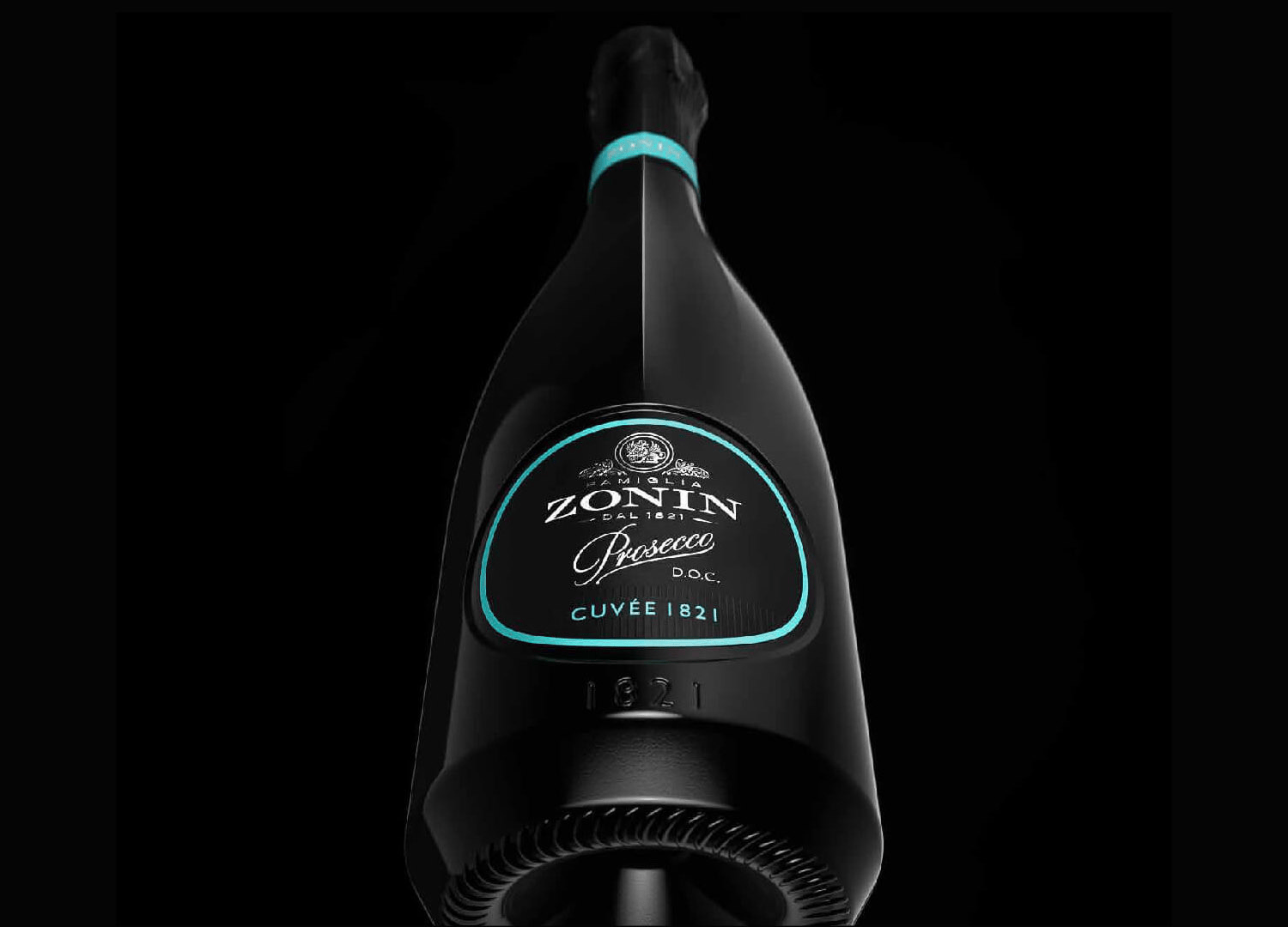
A similar project is the collaboration between Pininfarina and Zonin for the new look of Prosecco Cuvée 1821. The redesigned bottle expresses, through a clean and recognizable vertical line, the expertise and historical journey of the brand, with a strong reference to its identity and to the precision of gestures that characterize the world of wine. A packaging concept so innovative that it received the Good Design Award 2020.

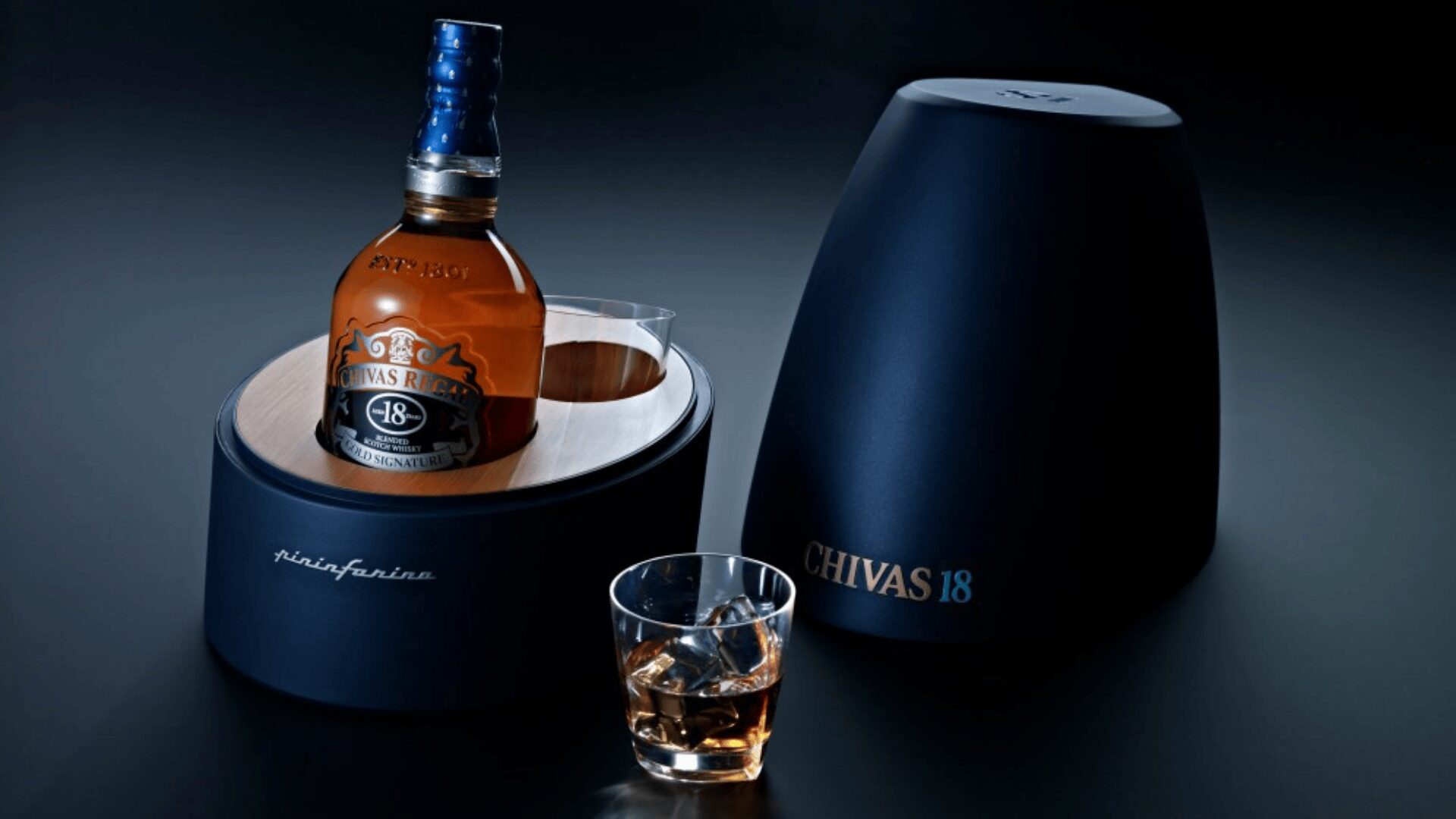
Another case study is the collaboration with Chivas Regal for the special edition of Chivas 18 Year Old, where packaging is an integral part of the product experience. In this case, Limited Edition 1 was developed with an aerodynamic, teardrop-shaped case designed to evoke movement and dynamism, while Limited Edition 2 includes, in addition to the bottle, coordinated accessories such as glasses, ice molds, and tongs, all consistent with the formal concept of the packaging. Here, packaging does not follow economies-of-scale logic, but becomes an expression of style, proportion, and harmony of lines, reinforcing the product’s premium positioning and the link between design and brand identity.

A further recent limited edition is the one created for Lancôme‘s 90th anniversary, Les Exceptionnel, which transforms the packaging into a true objet d’art. The project involved the reinterpretation of three iconic products from the brand – Absolue Longevity The Soft Cream, Absolu Rouge, and La Vie Est Belle Eau de Parfum – reimagined through a new series made with three main materials, gold, ceramic, and crystal, masterfully crafted by three renowned French maisons: Lalique, sculptor of light, Bernardaud, porcelain of royals and Ateliers Godard, the gilders of the Palace of Versailles. In this case, each piece was redesigned to be refillable and durable, using precious materials and combining the elegance of French luxury with Pininfarina’s design vision. The result is a project that elevates packaging into a collectible object, where design, craftsmanship, and symbolic value merge.

For Pininfarina, industrial packaging is an exercise in continuous balance, the ability to absorb different points of view and translate them into a simple and efficient object for mass production, in which the value of the brand is amplified.