In Korea, your next home could be built with eggshells
Re:Shell is a design project that repurposes food waste as an alternative to conventional construction materials.

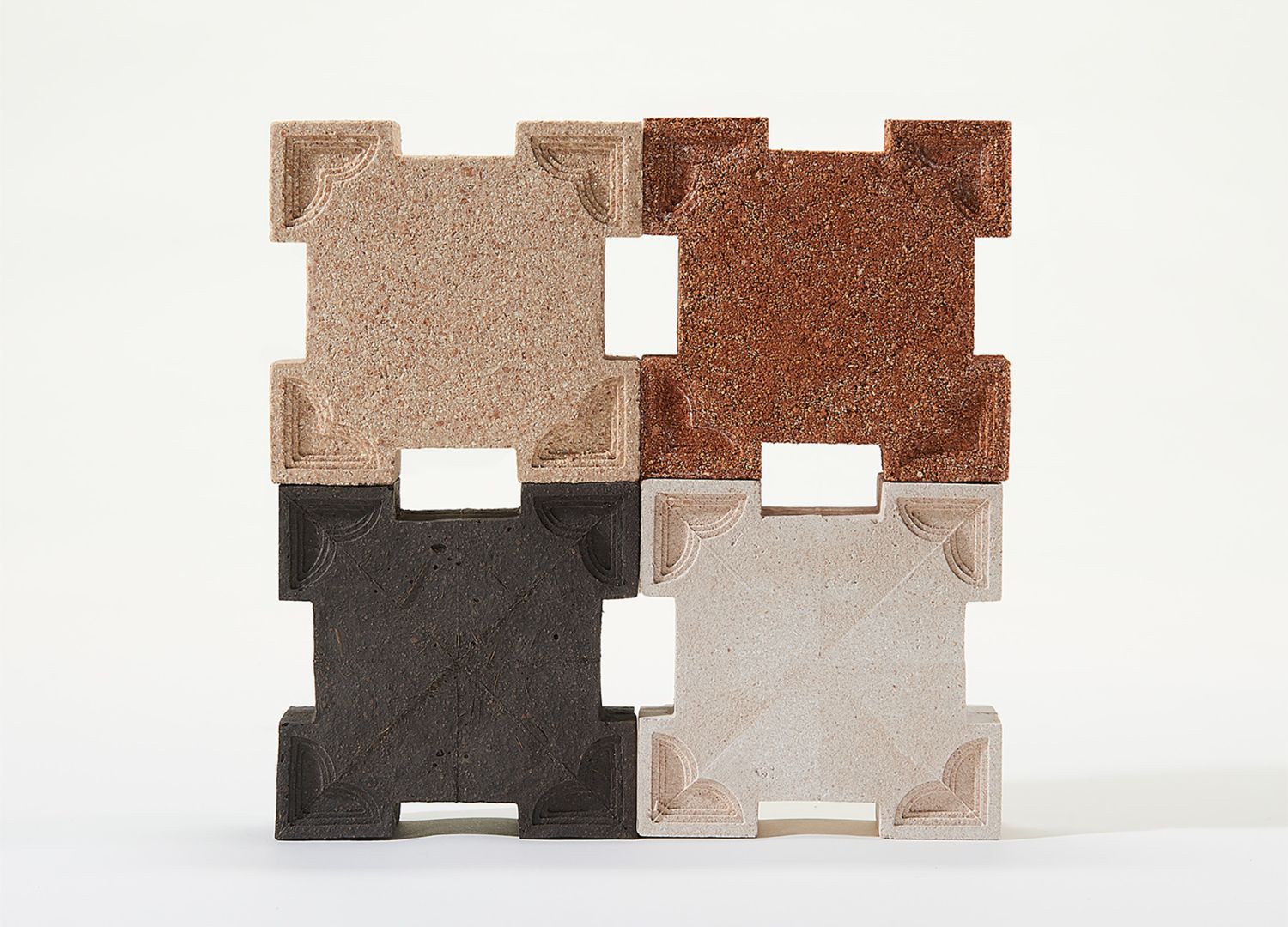
Food waste is a tricky topic, often hidden in our daily actions. As eggs are one of the most consumed products globally, each year 78 million metric tons of them are consumed, leaving approximately 9 million metric tons of eggshell waste to deal with. The Re:Shell project, led by SungYun Jang, SuYang Choi, Hwi Song, SeongHa Lim, and YoungYun Cho, combines eggshell waste with red clay, wheat bran, and straw to repurpose it into modular building elements.
The work also addresses specific challenges in South Korea’s construction industry, as buildings that were constructed rapidly in the 1970s urbanisation are now reaching the end of their lifespan. They now require redevelopment or demolition, which contributes significantly to the country’s debris problem, accounting for 45% of South Korea’s total waste.
Gallery
Open full width
Open full width
As a base material, eggshells were selected for several practical reasons. The country’s growing egg consumption provides a steady supply of waste shells, easily collected from kitchens or food processing facilities. An eggshell’s main component is calcium carbonate, a compound that is also found in stones and cement, providing natural material strength and durability.
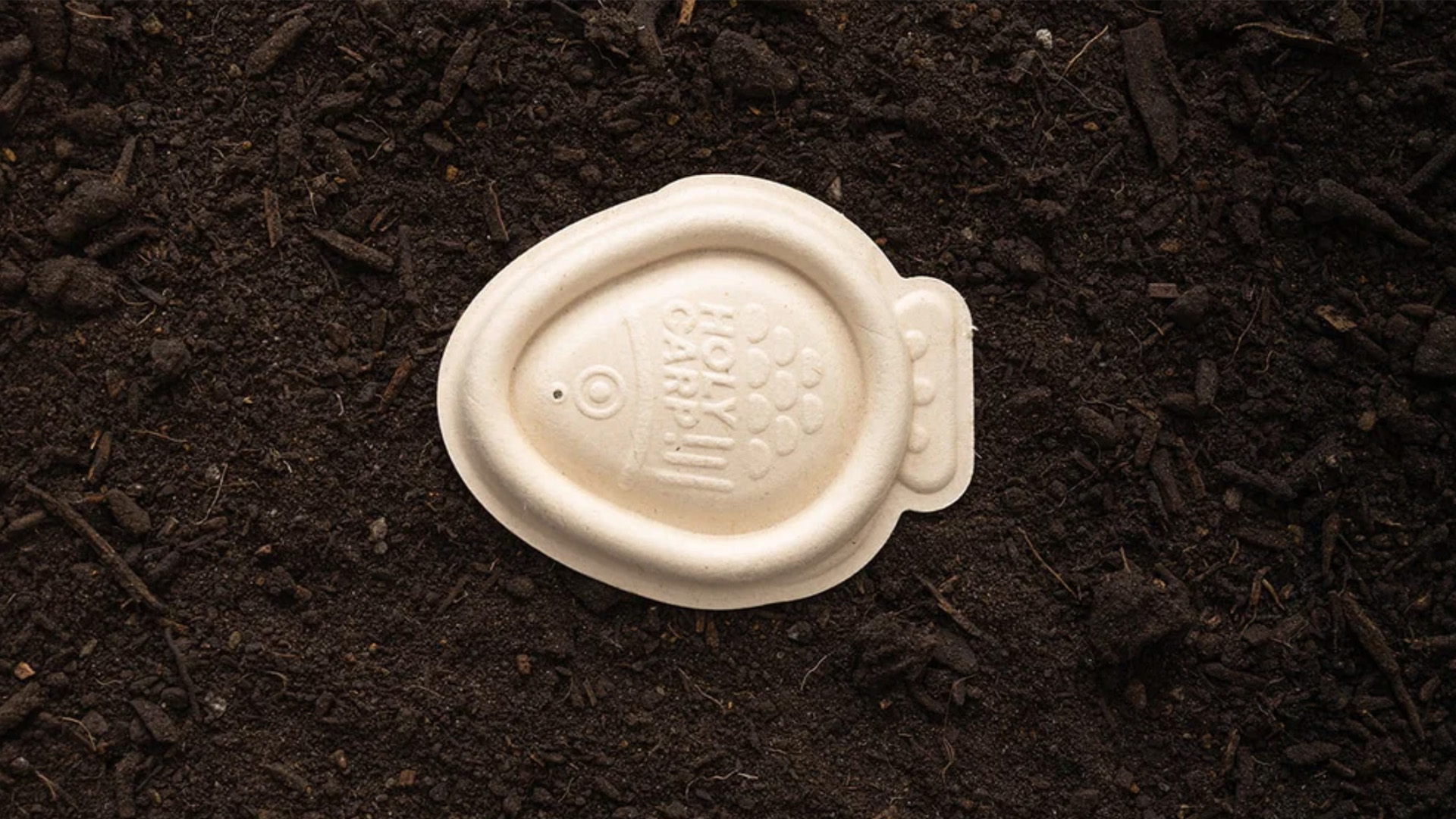
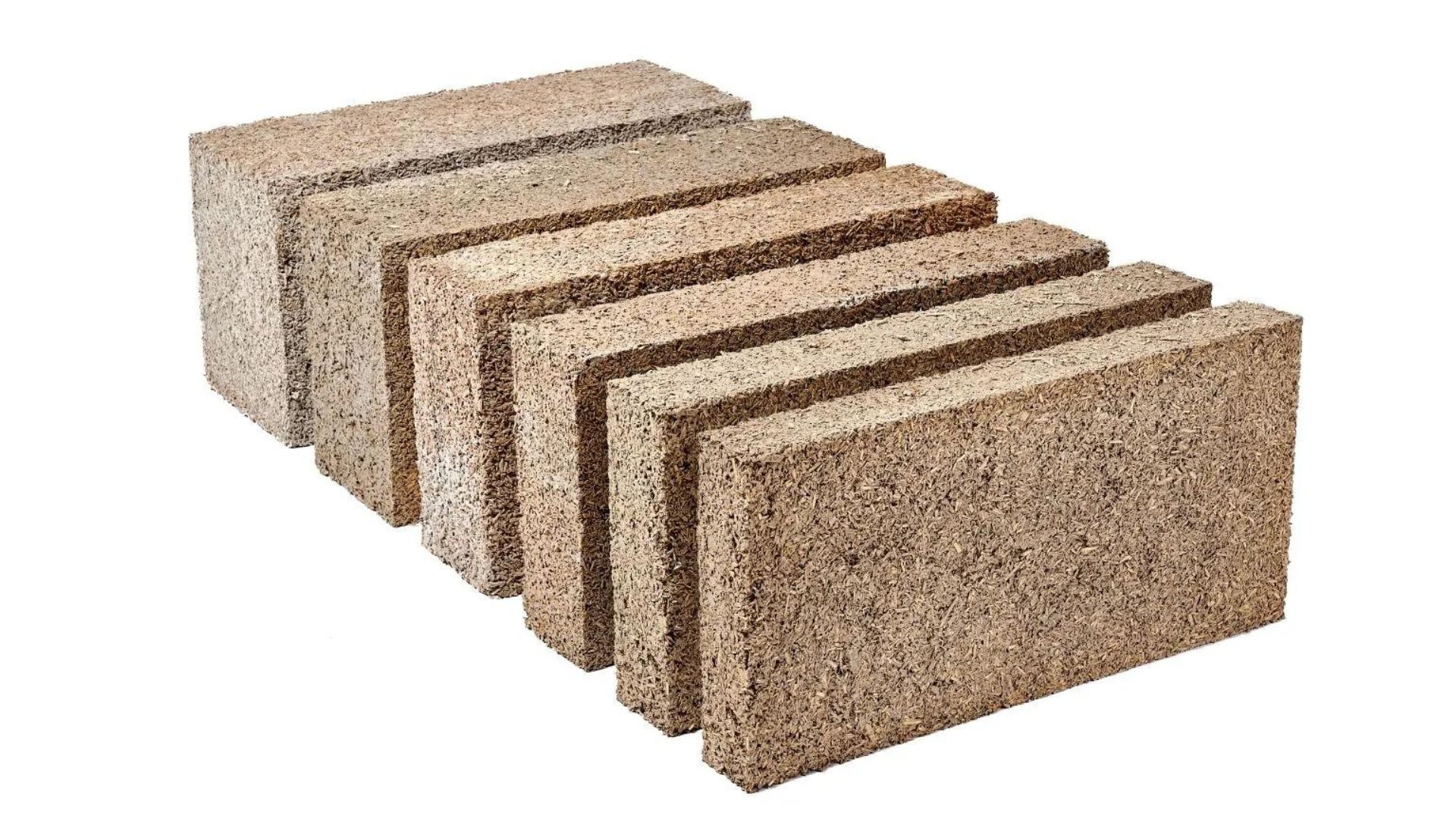
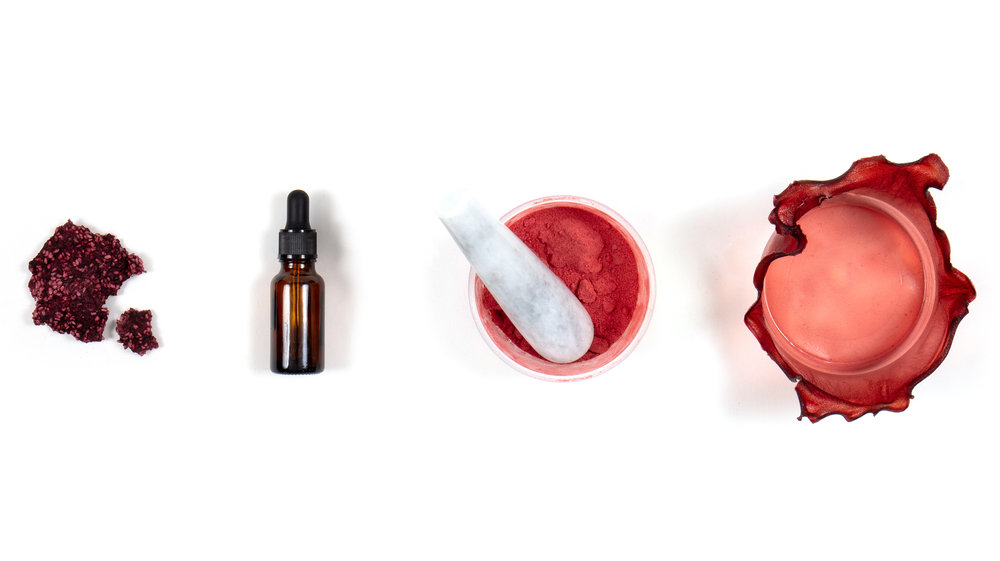
The material’s manufacturing process involves washing, drying, and grinding the collected waste into a fine powder. The powder is then combined with other materials to enhance its properties, such as red clay for durability and breathability, wheat bran for texture and workability, and straw to reduce weight. The team has conducted strength tests showing adequate hardness for the intended application, and biodegradation tests to prove that the material will break down naturally in soil.
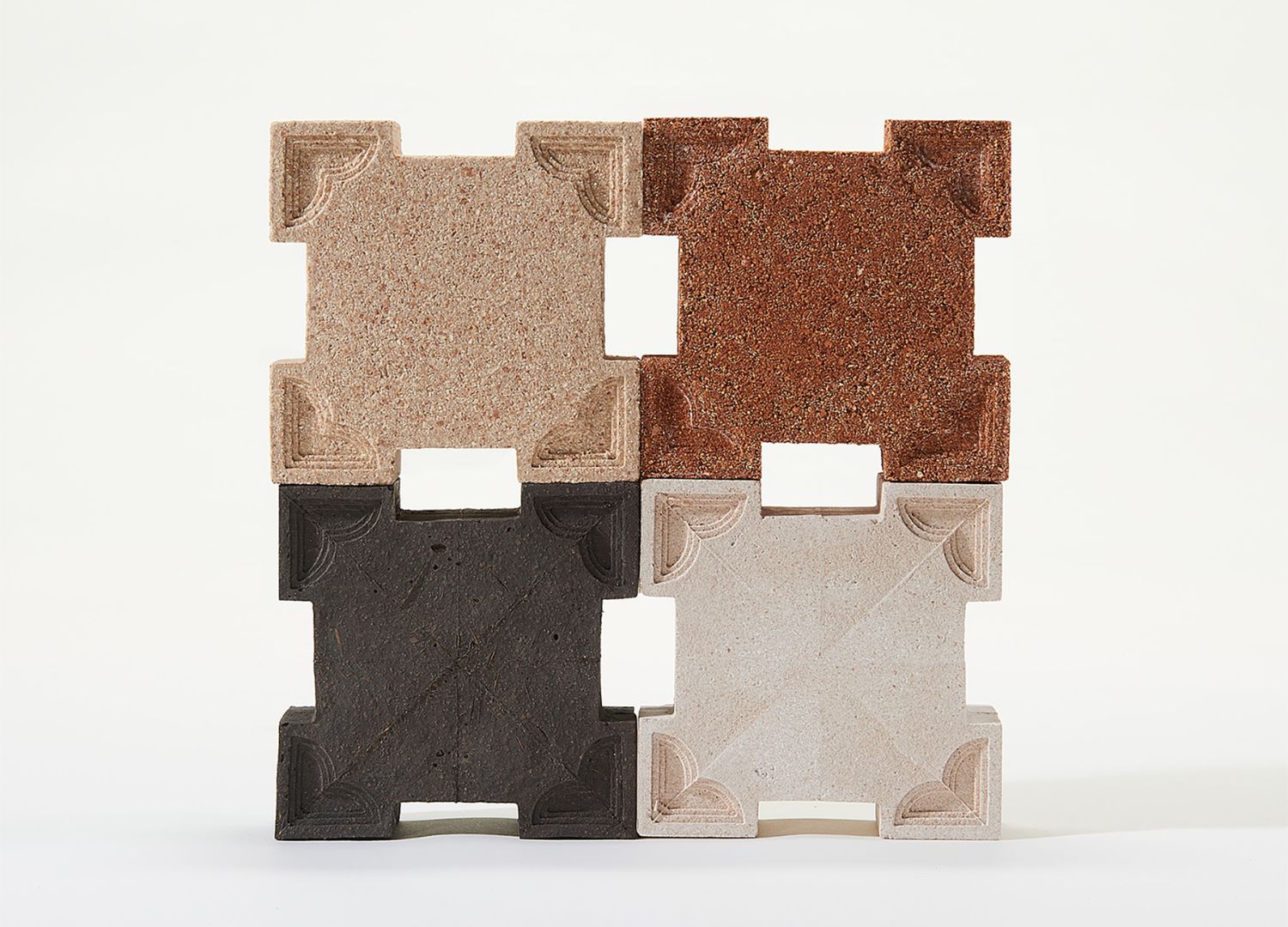
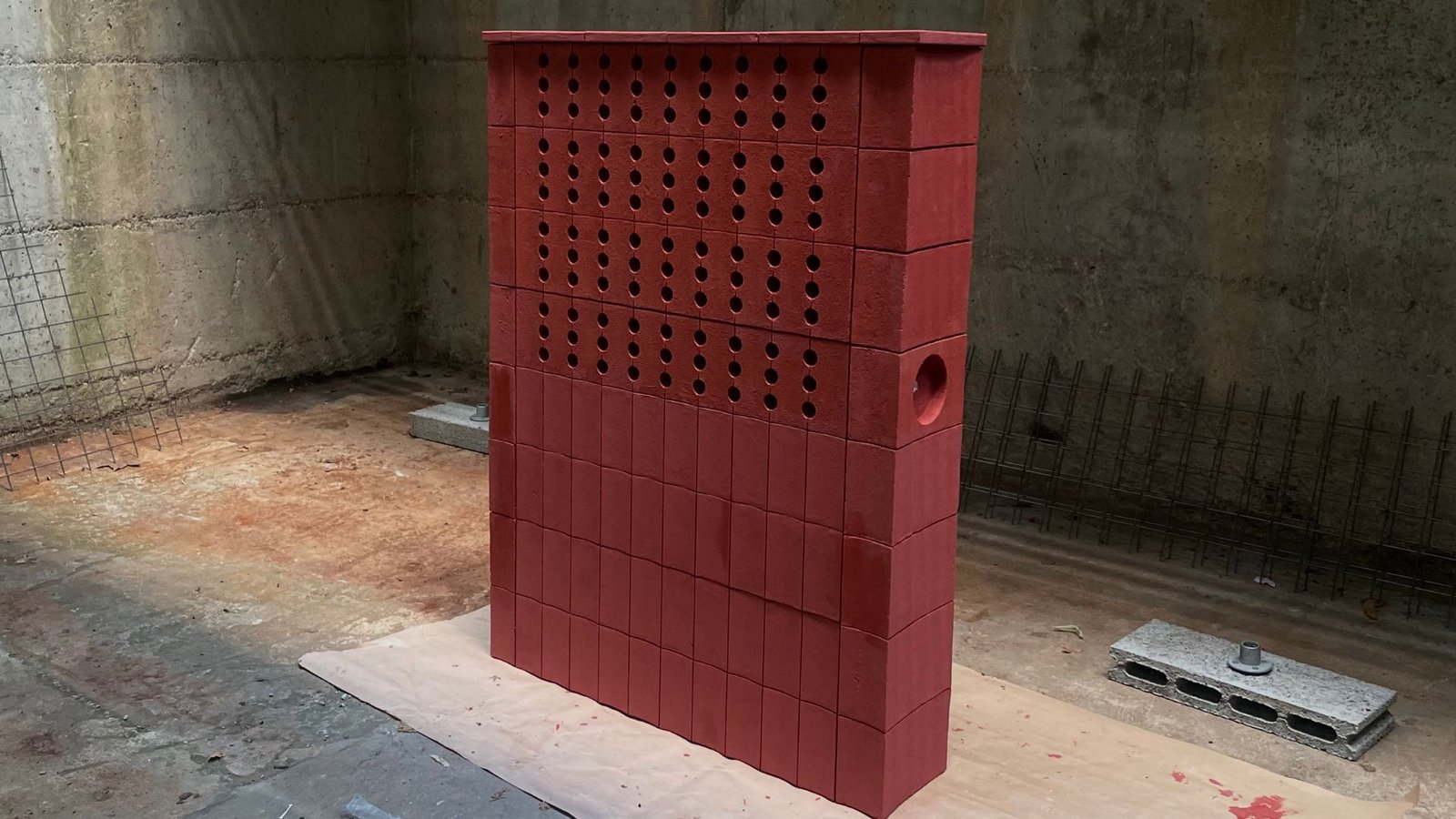
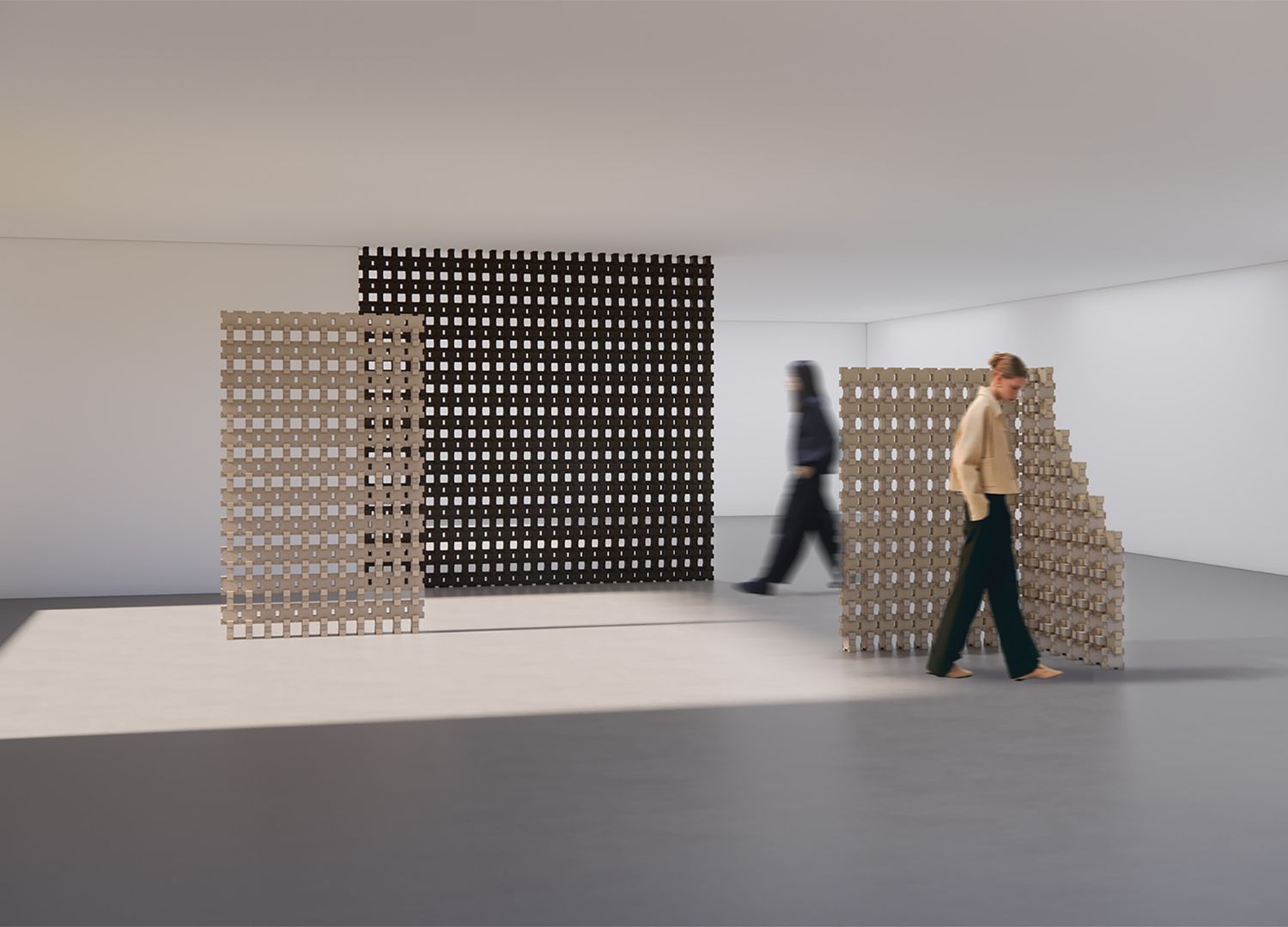
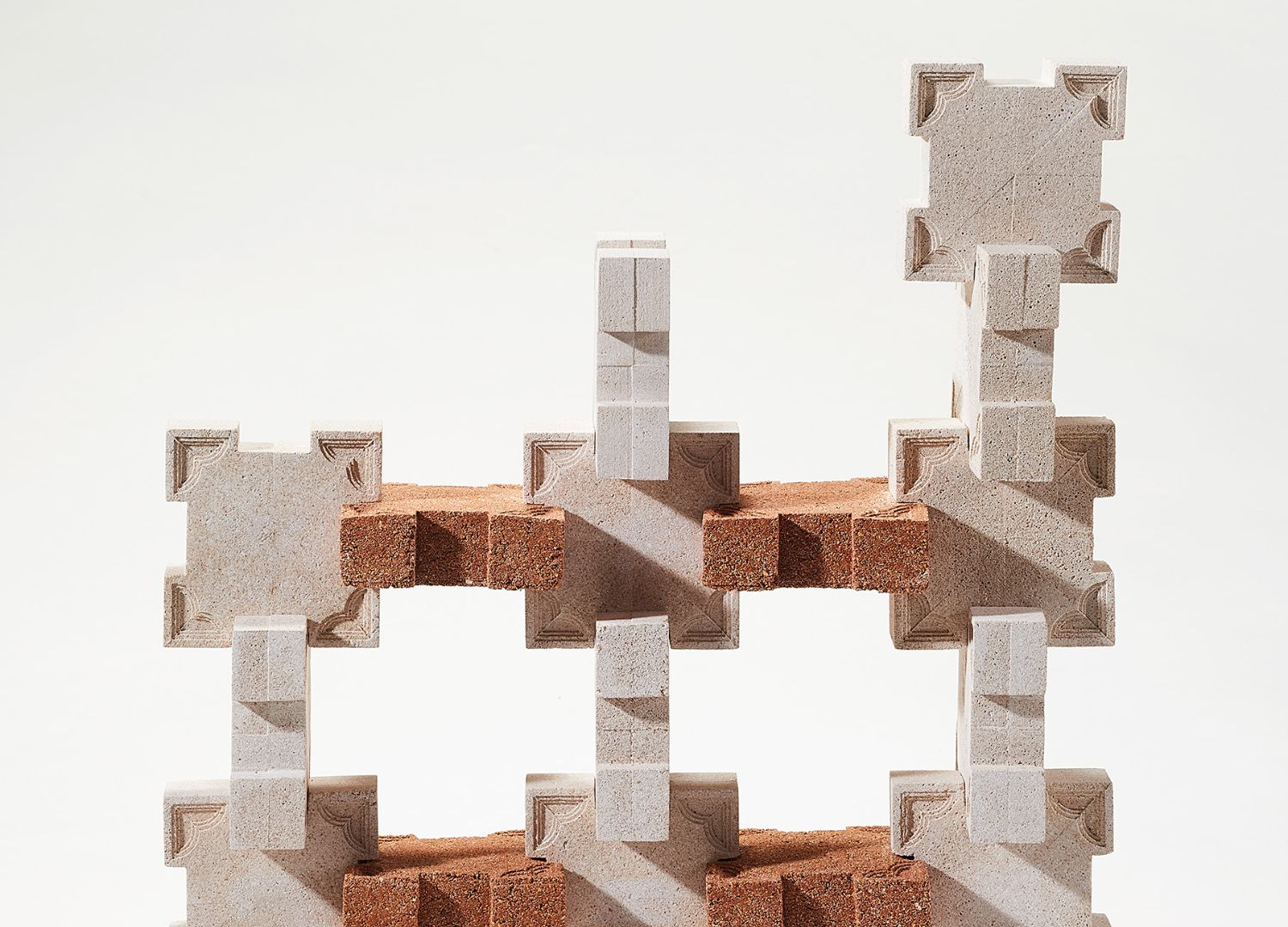
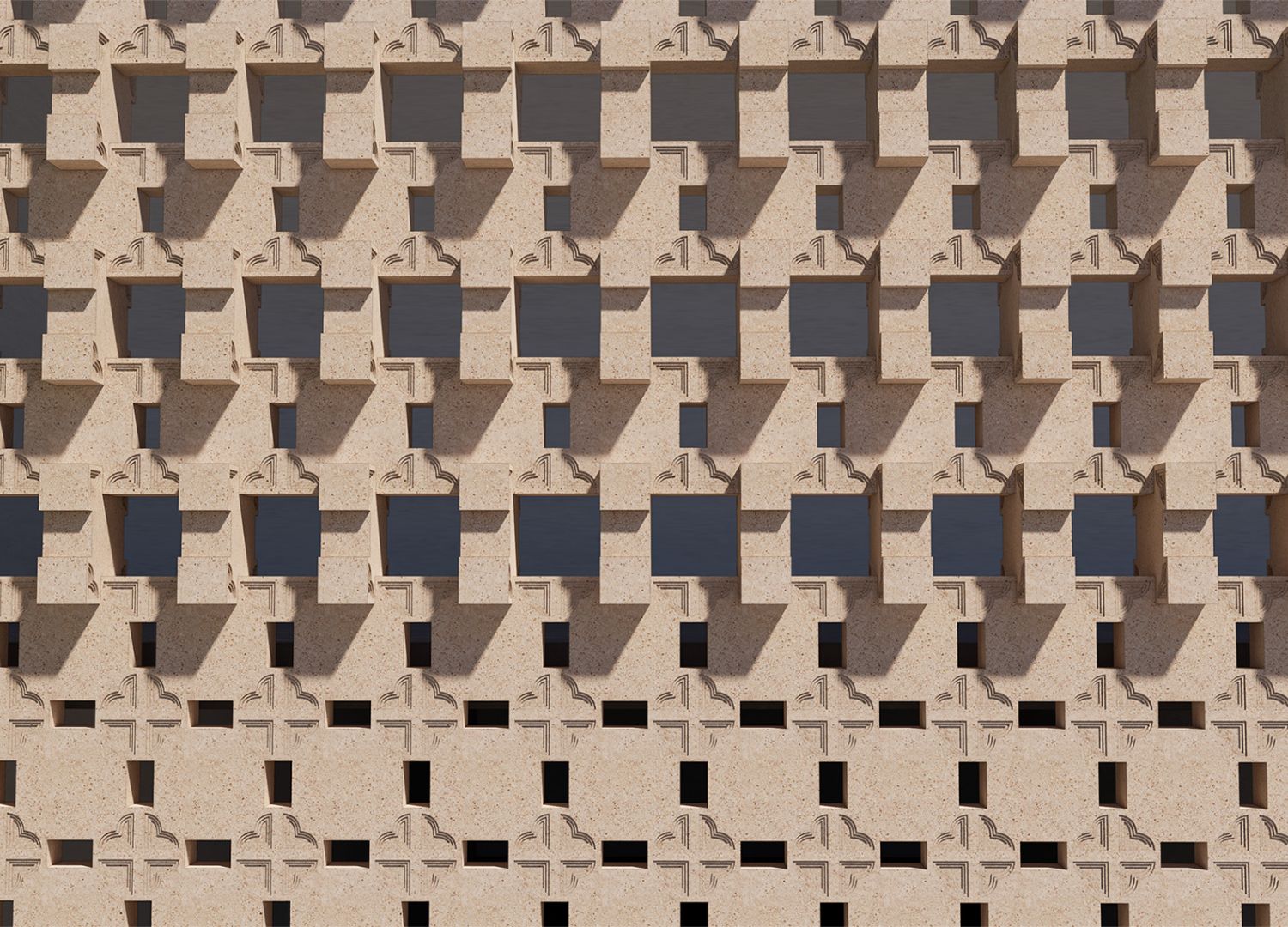
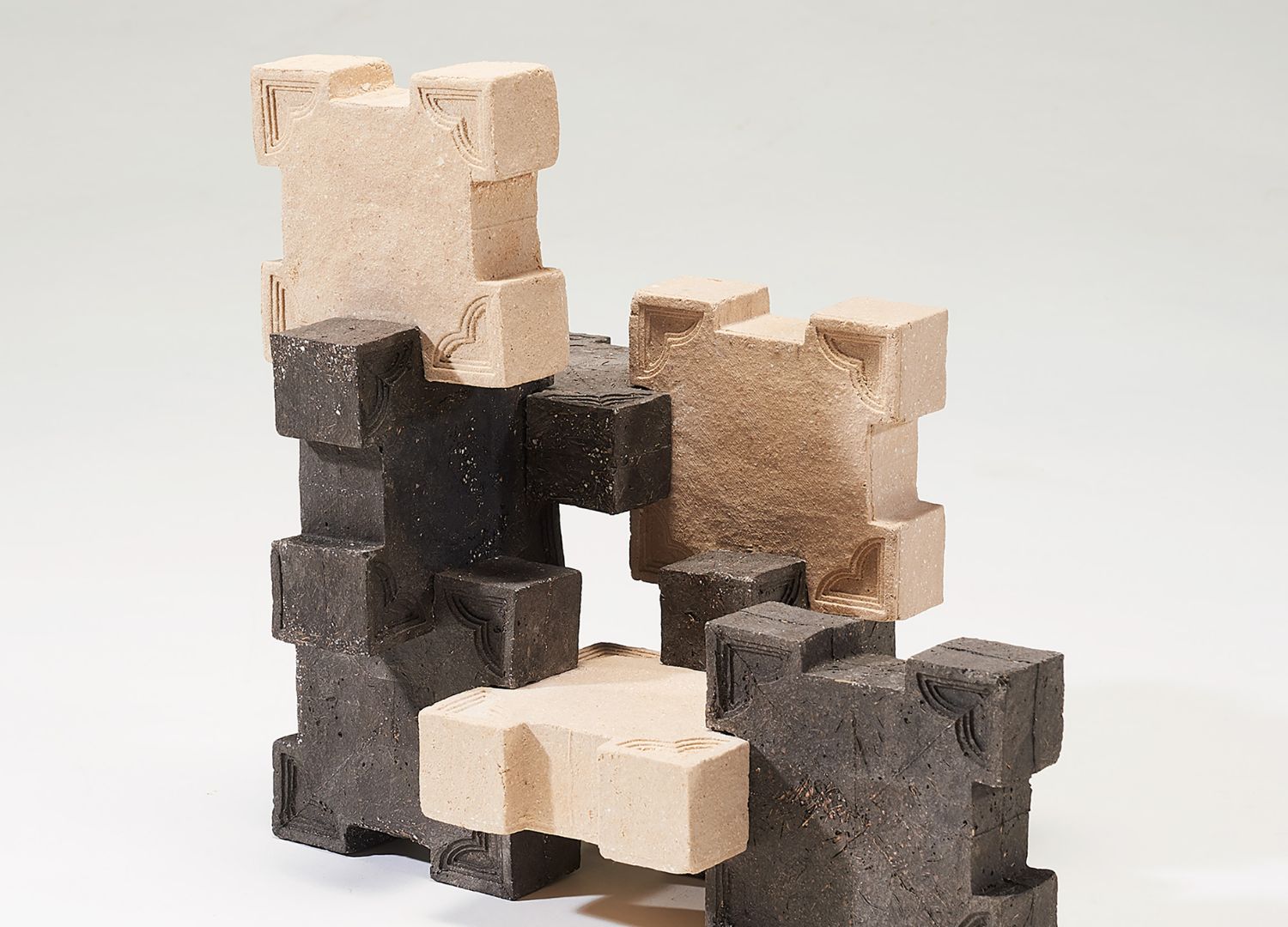
The Re:Shell material is then integrated into a design made of modular bricks, which incorporates elements of traditional Korean architecture, with an emphasis on harmony with nature and flexible design. These modules interlock without requiring adhesives, similarly to traditional joinery methods. The team developed prototypes as use-case examples, including tables, partitions, and wall panels, and each piece can be disassembled and reconfigured as needed.

Eggshell biomaterials are actually not such a novelty; many proposals and experiments have been done in the past due to the natural strength of this material. However, Re:Shell’s design solutions add concrete practicality to this biomaterial, proving its efficacy in a real life scenario. The work envisions a truly circular relationship between humans, architecture, and the environment that is very clear to its audience, and we hope that this approach can maybe increase the sustainable practices that have an actual impact.
Embodying a fundamental shift in how we think of the built environment, Re:Shell thinks of a future where we are aware that our buildings will not last forever, and we have to think of their consequent impact. By designing materials that are biodegradable from the beginning, the project challenges the idea that durability requires permanence. Instead, our future could be made of buildings that can serve their purpose fully, then gracefully return to nature.