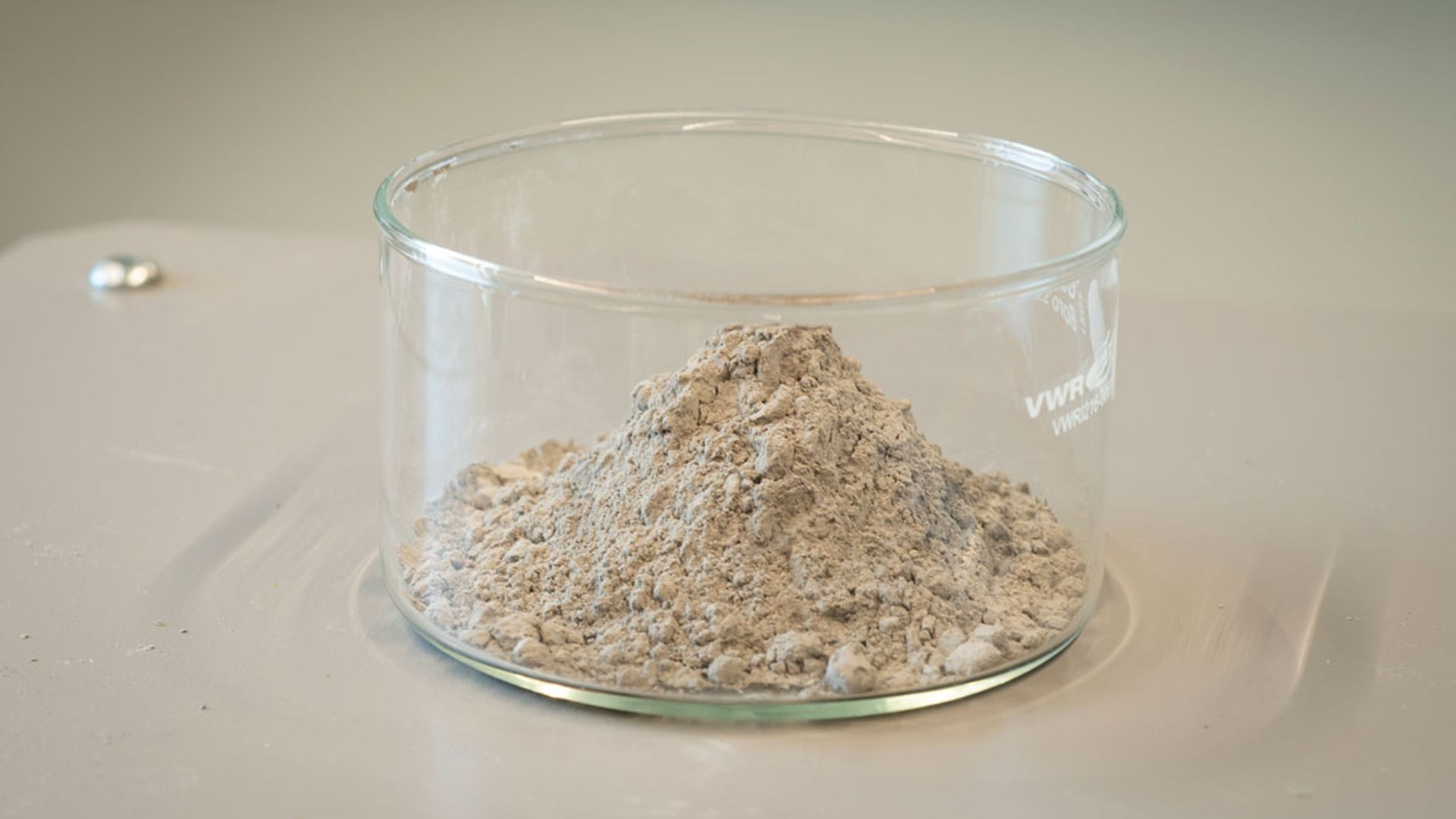
Reviving ancient heating systems might be a solution to our climate crisis
Celcius is a heating and cooling system by Salla Vallotton, based on a simple premise: if new technologies are damaging our ecosystem, old ones might save it.
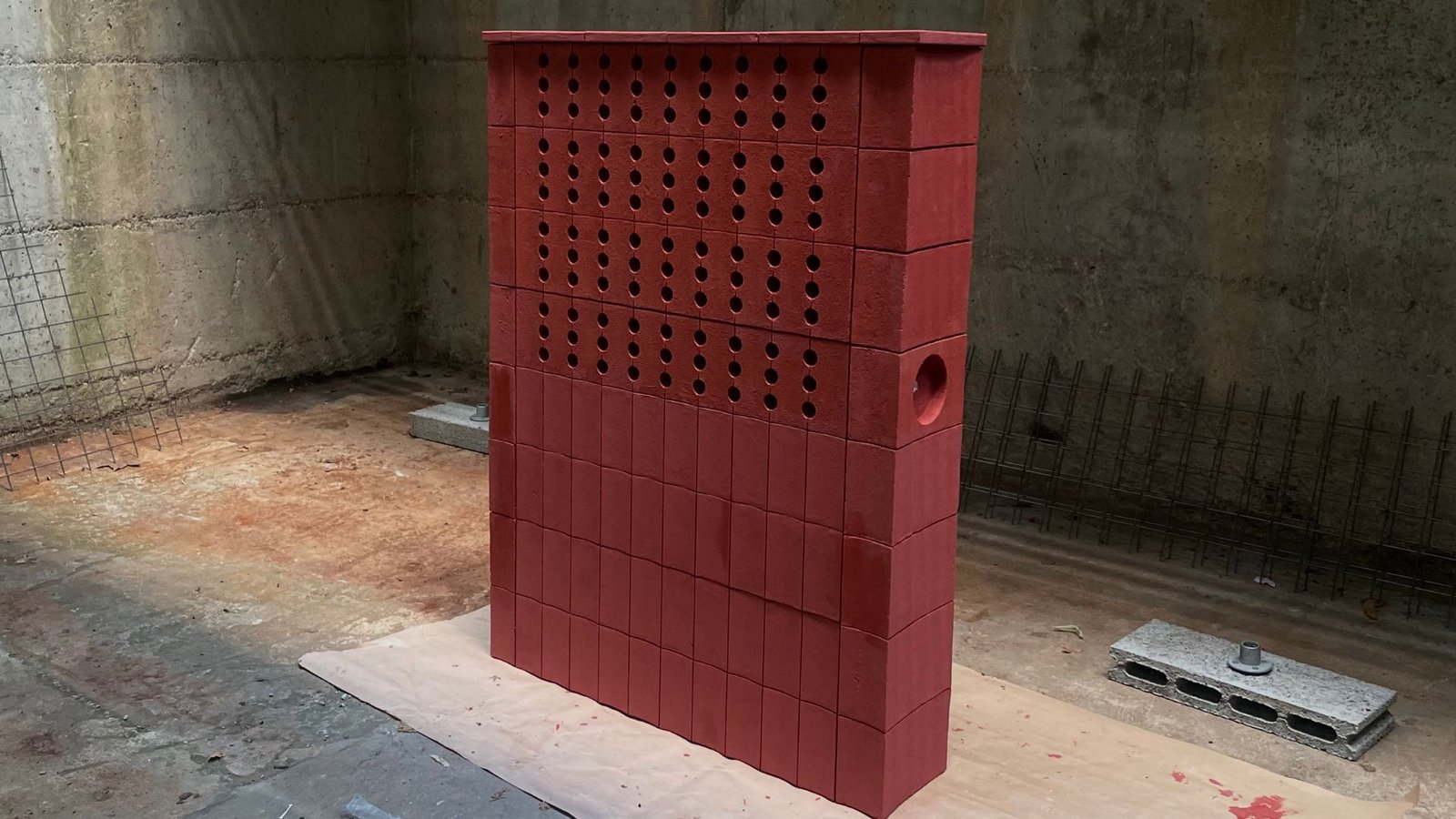
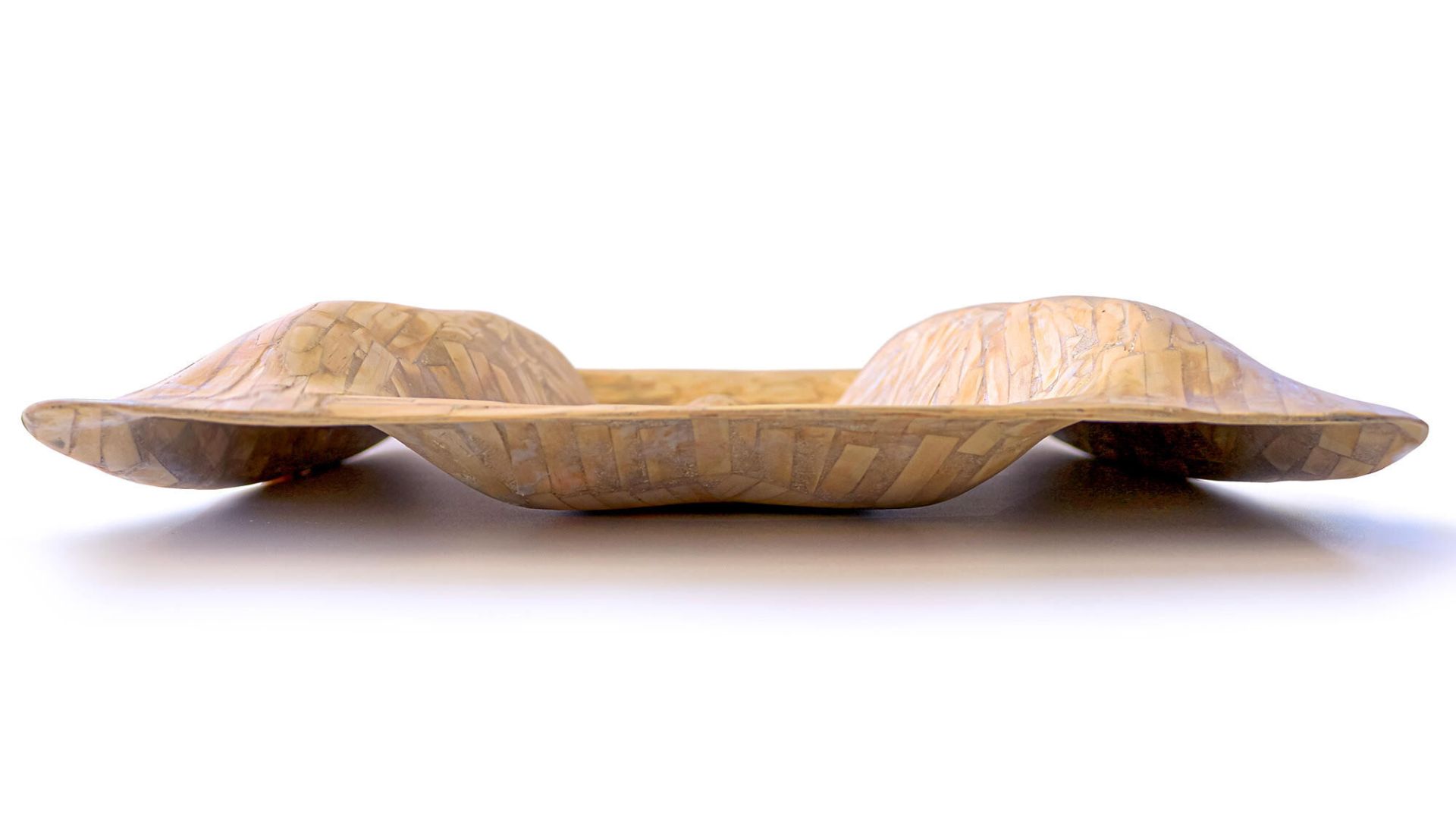
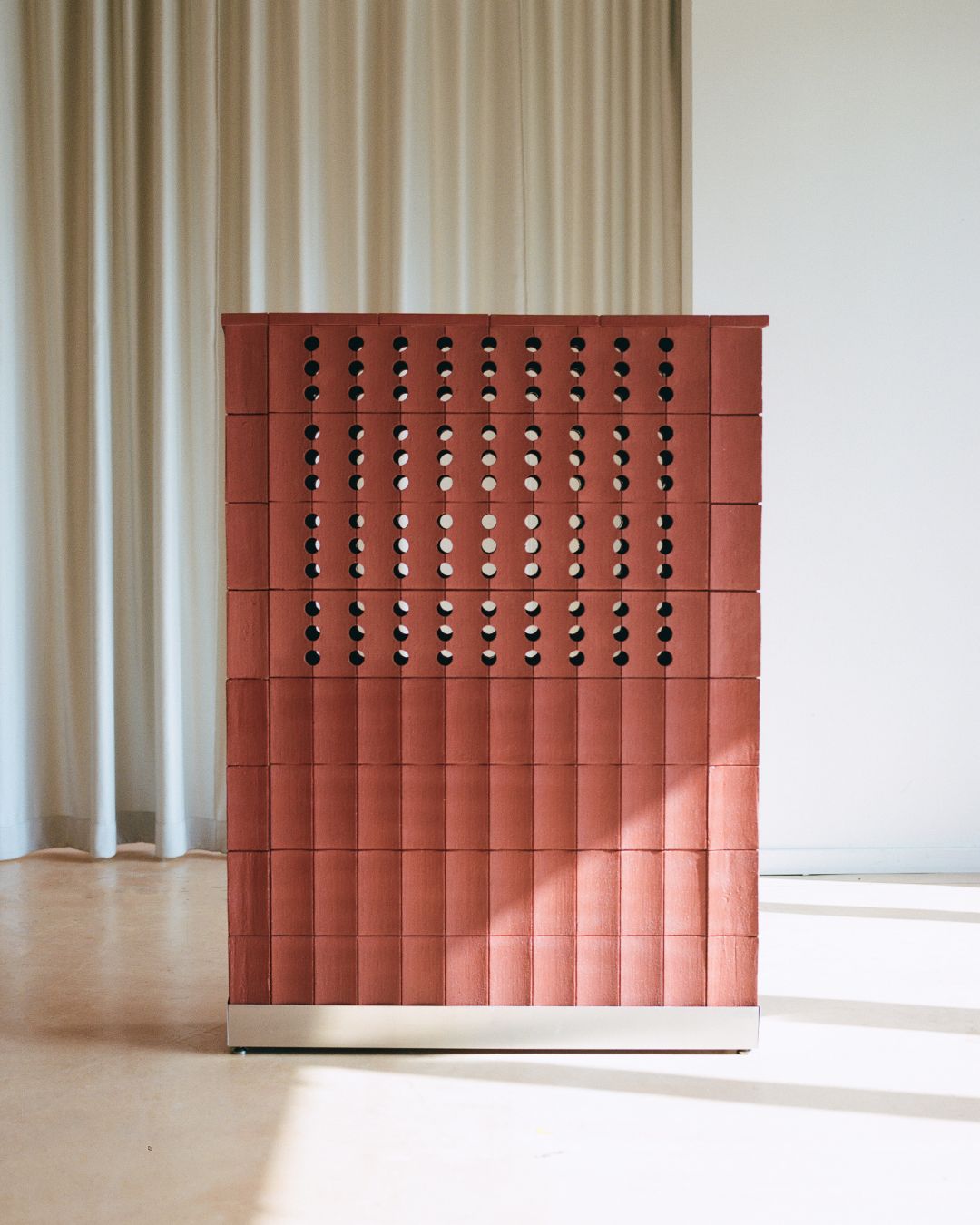
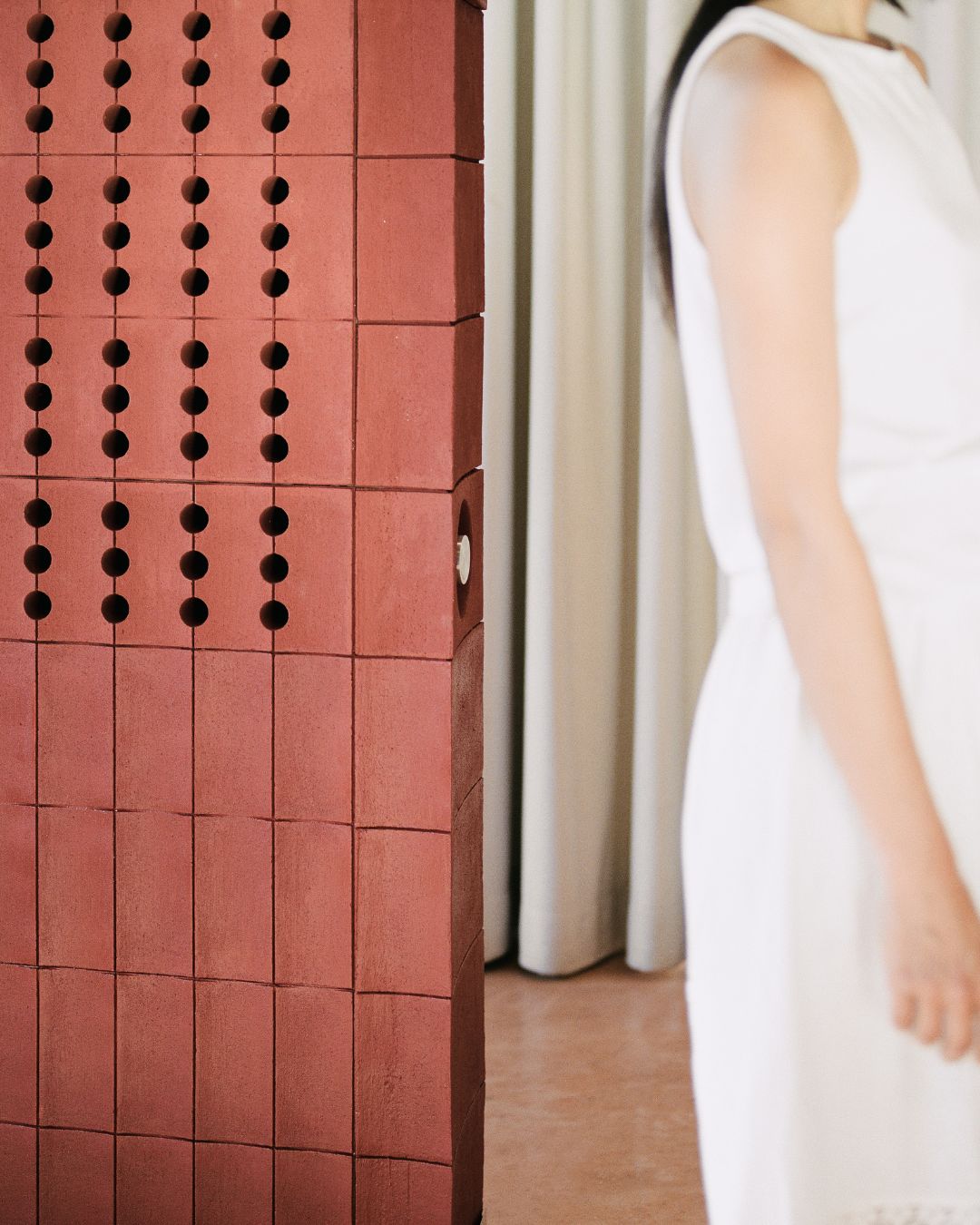
What if a heating system did not become dead weight every summer? Swiss designer Salla Vallotton asks this question through Celcius, a project developed at ÈCAL in Lausanne that reimagines terracotta as a year-round domestic companion: storing warmth in winter, shedding heat in summer, analogically.
Buildings account for nearly 40% of global energy consumption, and in cold climates like Switzerland, heating alone represents a disproportionate share of that load. Yet the heating and cooling systems we rely upon remain split, divided between mostly fossil fuel-based heating that turns off in June, and air conditioners that wake up in their place. Vallotton proposes a different logic, joining the two systems.
Gallery
Open full width
Open full width
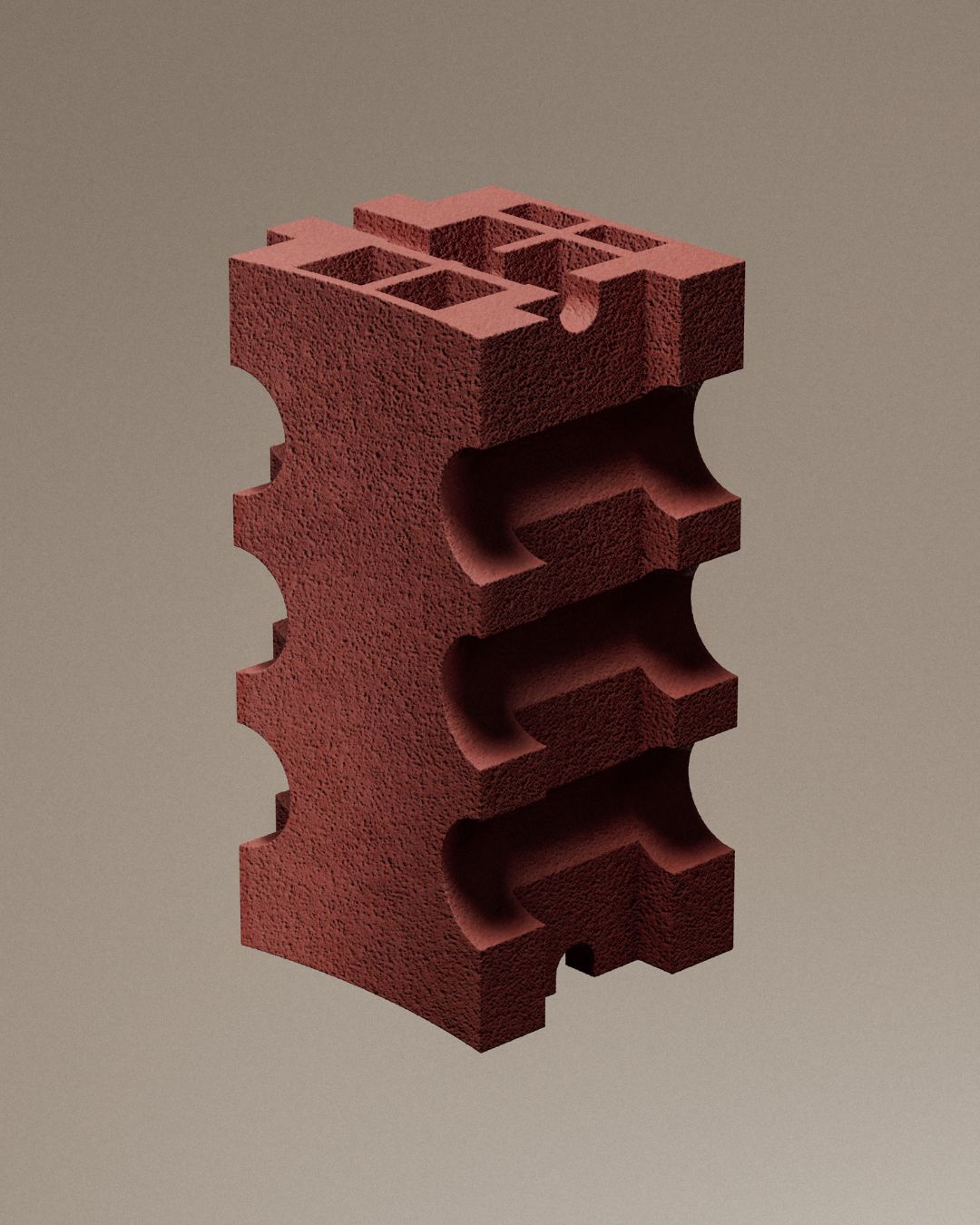
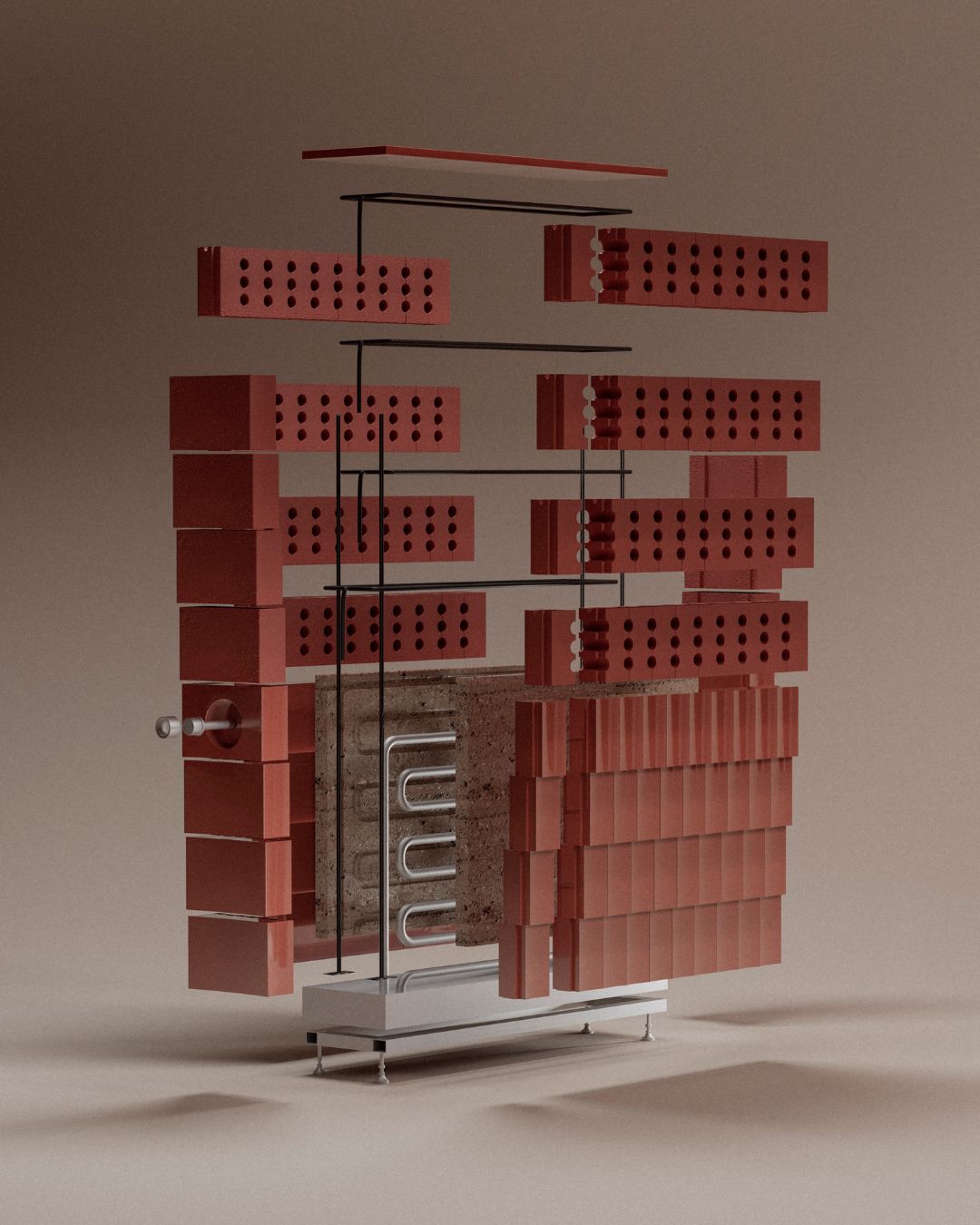
Terracotta has extremely useful thermal properties and has been historically used for regulating temperature, but has been forgotten in the last century. Its high thermal inertia means it absorbs heat slowly and releases it gradually, making it great for maintaining a stable ambient temperature. A well-charged terracotta mass will continue radiating warmth for hours after its heat source has been removed, unlike our modern systems, which produce uncomfortable spikes and drops. In winter, Celcius works on this principle, absorbing heat from a minimal source, whether solar energy or a small heating element, and releasing it steadily throughout the day.
In summer, what makes the material useful is its porosity. Terracotta is full of fine capillaries that draw in water, and when the moisture migrates to the surface and evaporates, it pulls heat from the surrounding air, the same physics that cause sweat to cool our skin. Through this characteristic, the same structure that stores heat in winter can be used to cool off during the warmer months.
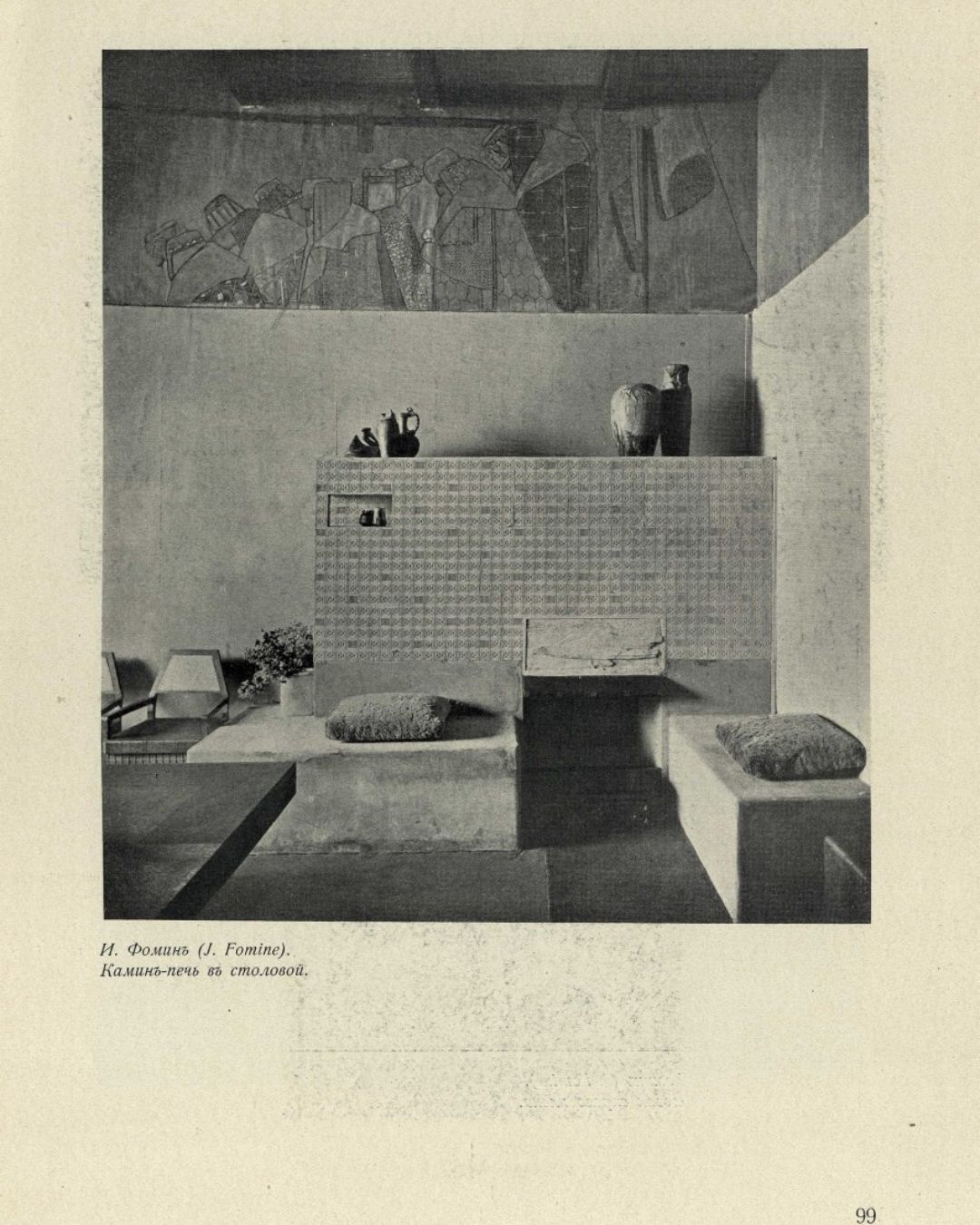
The designer‘s interest in the project is not just technical, but also cultural. She became drawn to the question of how pre-industrial societies managed their thermal regulation, without fossil fuels or special infrastructures. The masonry stoves typically used in the Alps, called Kachelofen, were not appliances hidden in walls, they occupied rooms, causing daily life to be structured around their cycles. The technology was legible: anyone living with a stove understood roughly how it worked, how to use it and how to fix it. This common knowledge has been lost with our current technologies, which are invisible, complex, and feel like they belong more to their mother company than their homeowner.
Celcius argues against this invisibility, placing the object in the room as a physical, present sculpture. The straightforwardness of the work is its strength, there is nothing particularly new or complicated about it. Vallotton asks whether heating can become architectural again, in the older sense of a building element that is simultaneously functional and meaningful. What would it mean if we were fully in control of our domestic infrastructure, not just in being able to use it but to truly understand it?
As Europeans summers grow hotter and the pressure to decarbonise heating intensifies, the case for alternative thermal systems is relevant and hard to dismiss. Celcius doesn’t solve the problem at scale, it’s a prototype, yet it manages to question our current domestic systems, possibly provoking others to do the same.