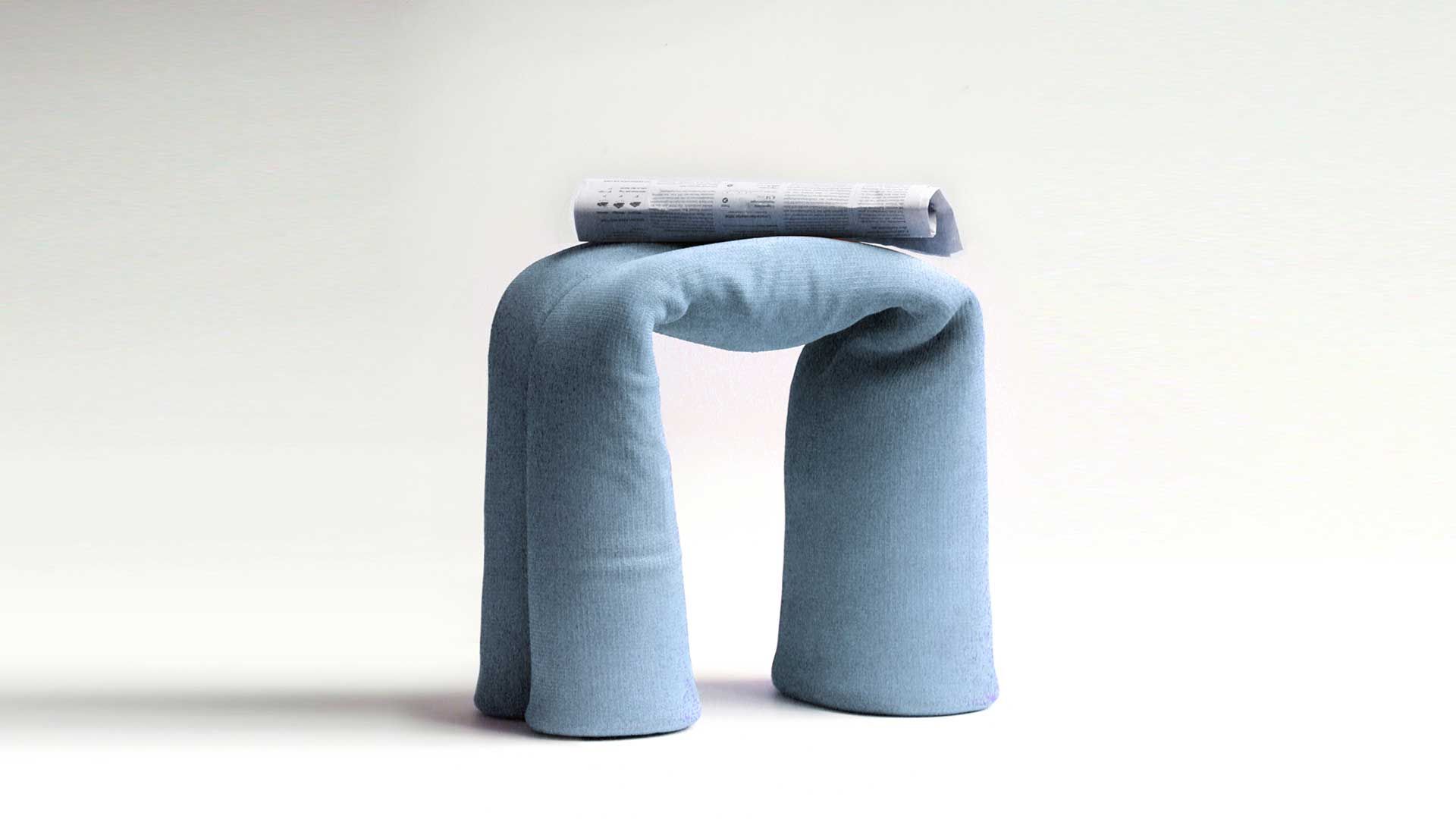
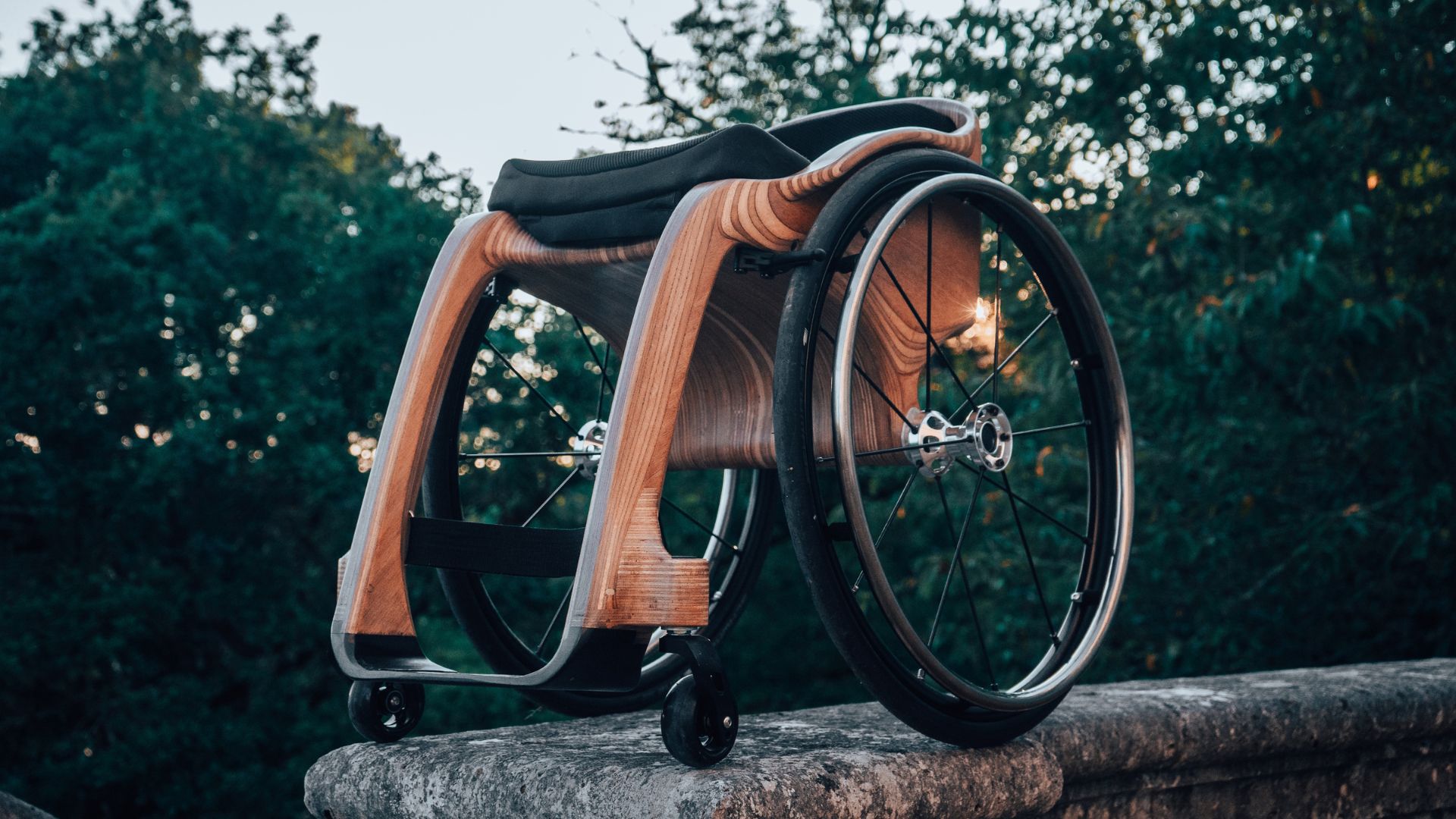
SaloneSatellite carries 27 years of discovery to Jakarta
A chat with Marva Griffin Wilshire ahead of the SaloneSatellite Permanent Collection touring internationally for the third time, proving that a good idea, once given a stage, keeps finding new ones.
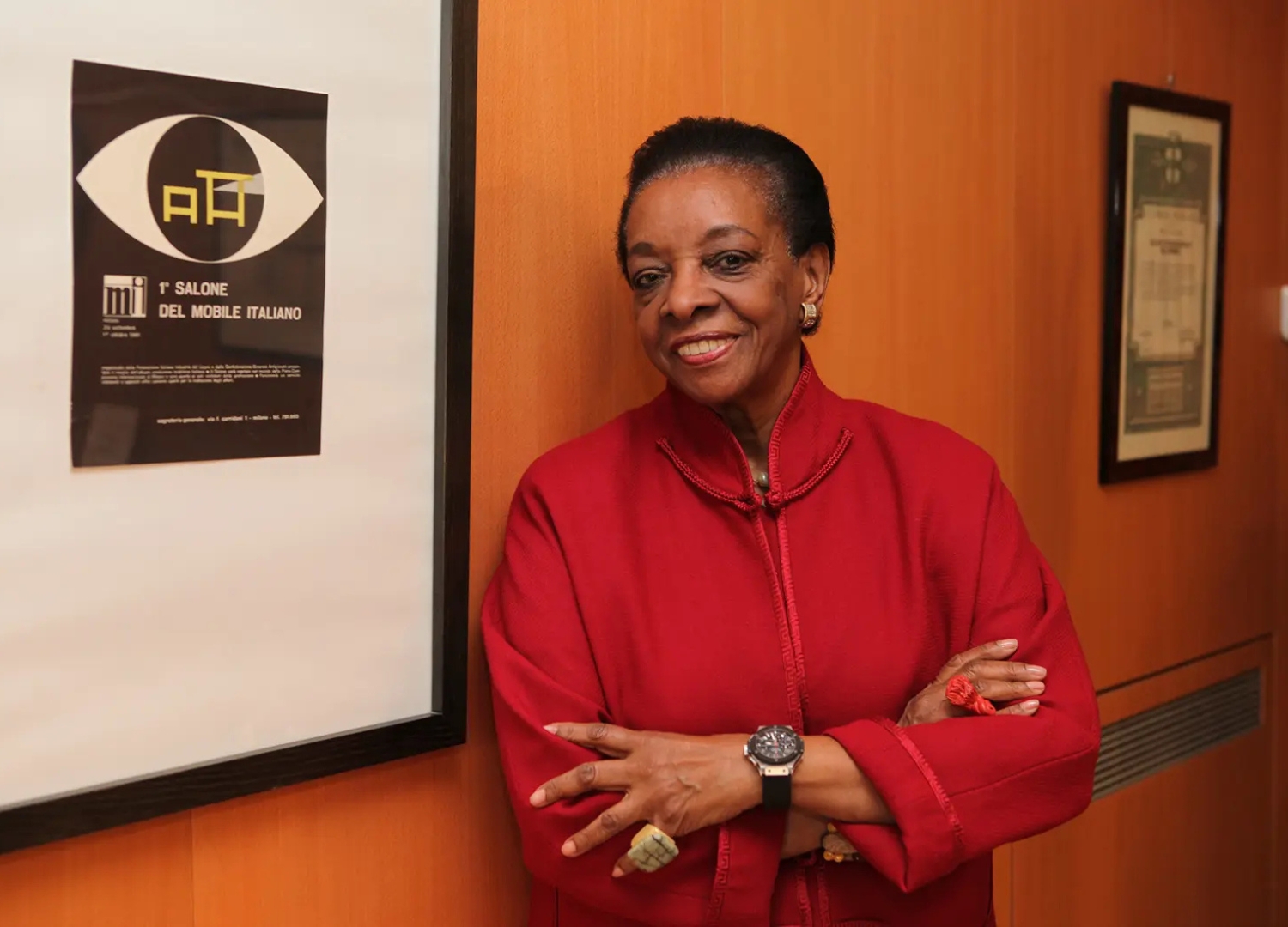
For nearly three decades, a corner of the Salone del Mobile.Milano has acted as a launchpad rather than a simple booth. SaloneSatellite, founded in 1998 by Marva Griffin Wilshire, was built on the premise of giving designers under 35 a real platform in front of the industry that could actually put their ideas into production. Some 16,000 young designers have passed through it since, making it one of the most impactful and important stages for emerging talents to participate in.
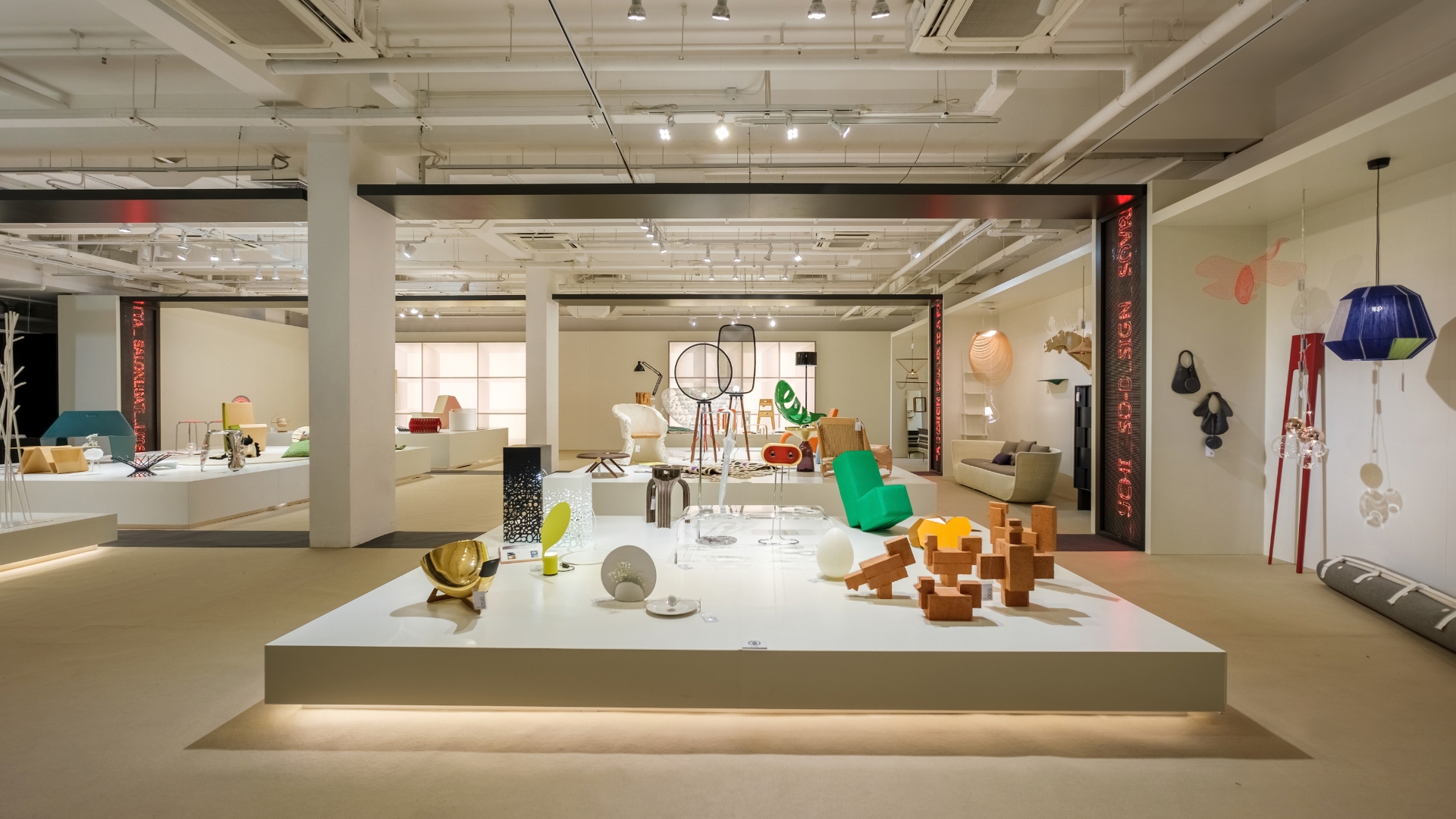
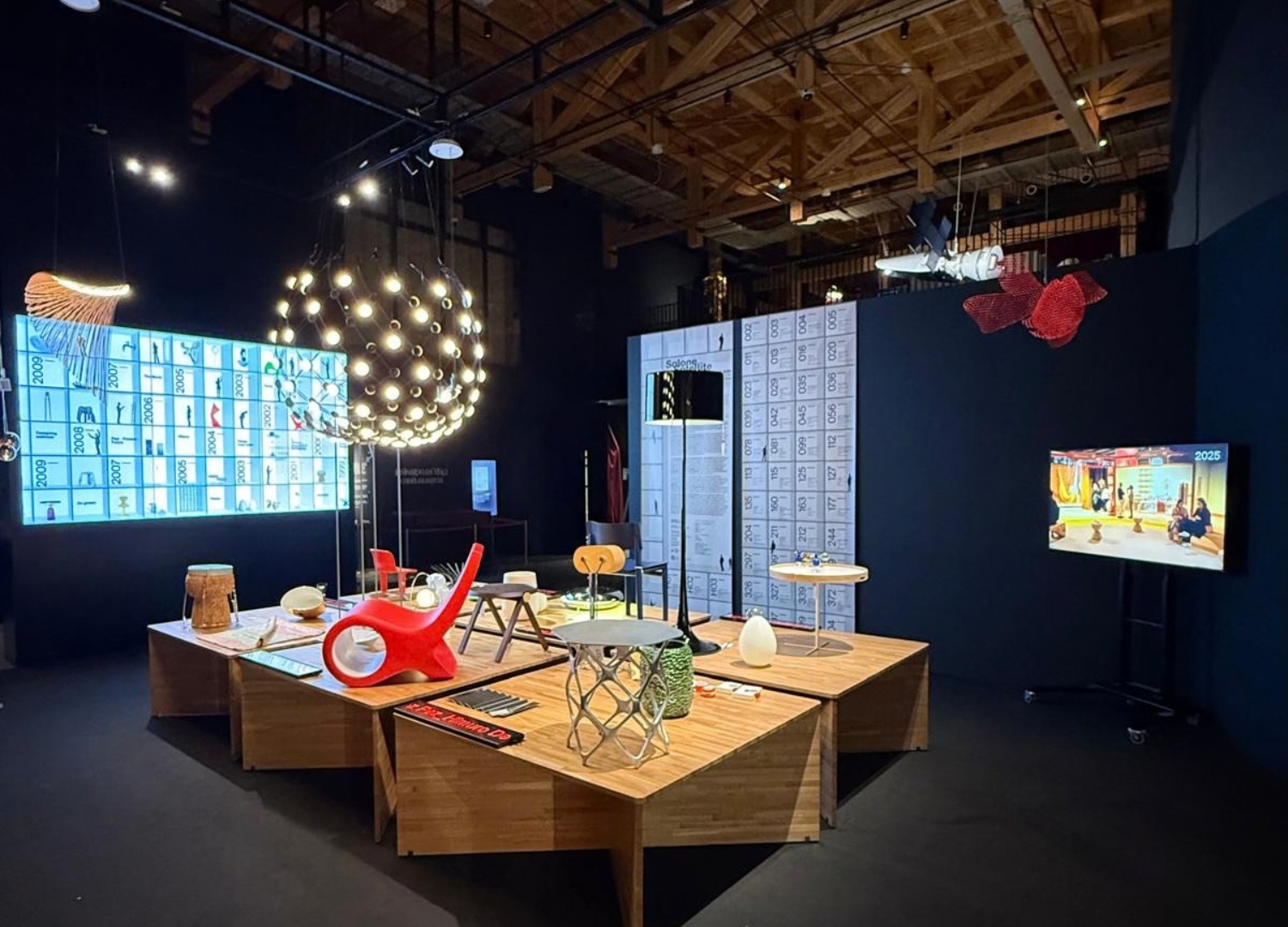
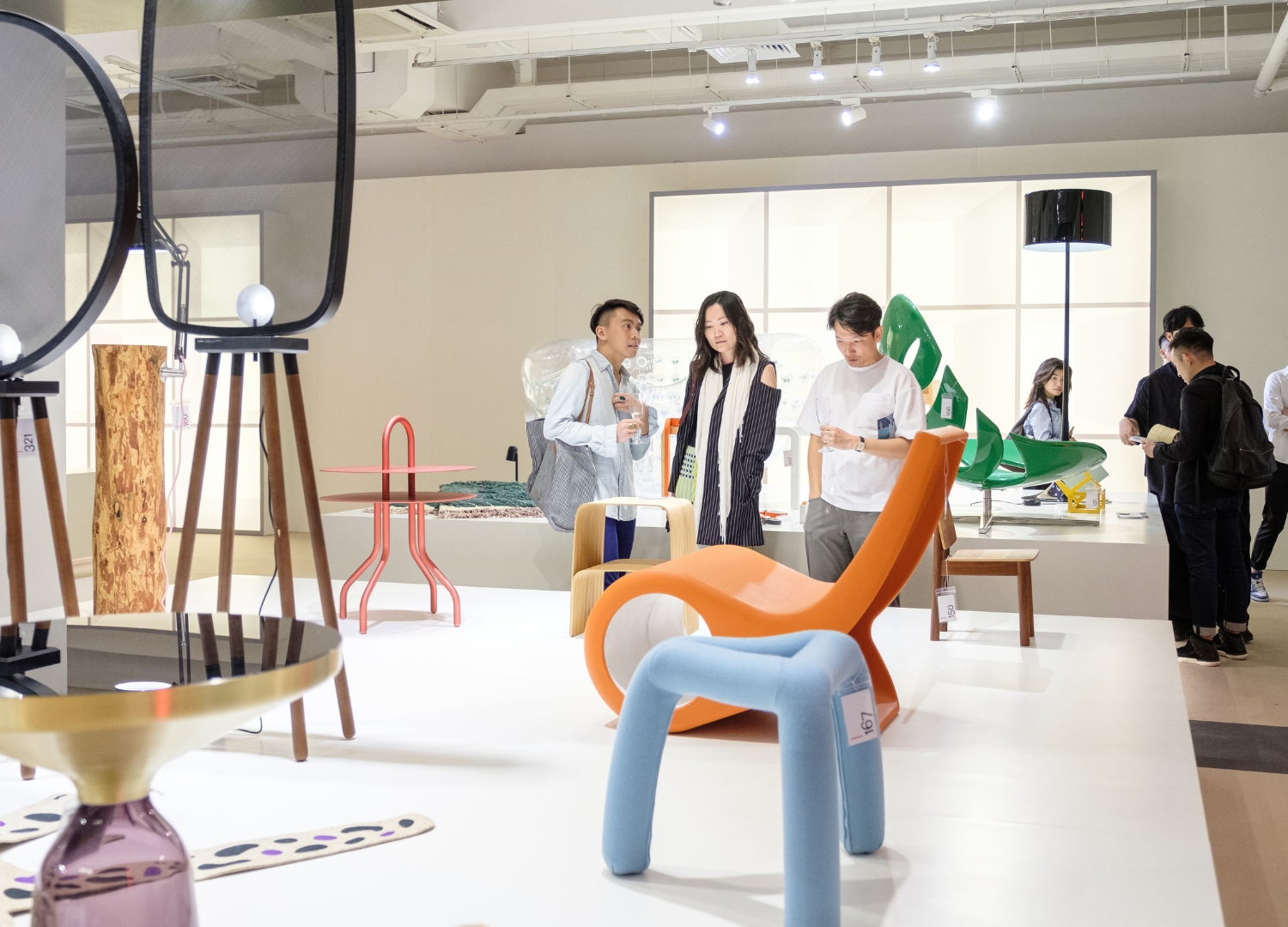
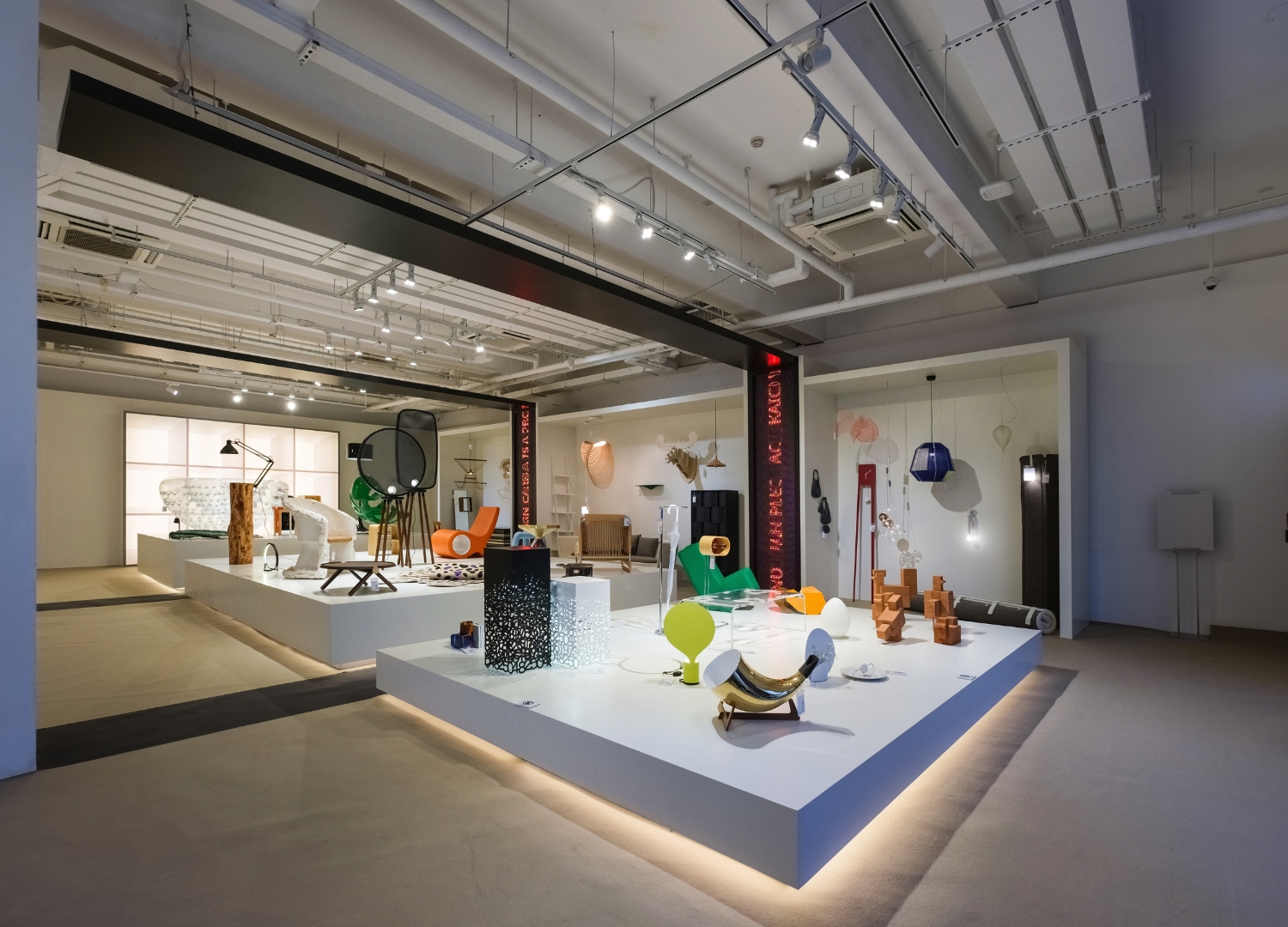
This September, that history left Milan again. From the 18th of September to the 18th of October, the Townhall at the Indonesia Design District in Jakarta is hosting the SaloneSatellite Permanent Collection Exhibition. It is the third stop on an international tour that began in Hong Kong in 2024 and Osaka in 2025. We had the chance to chat with Marva ahead of the exhibition, talking about the impact SaloneSatellite had on the recent generations of young designers, and where the showcase is heading in its future.
Gallery
Open full width
Open full width
SaloneSatellite Collection
The Permanent Collection
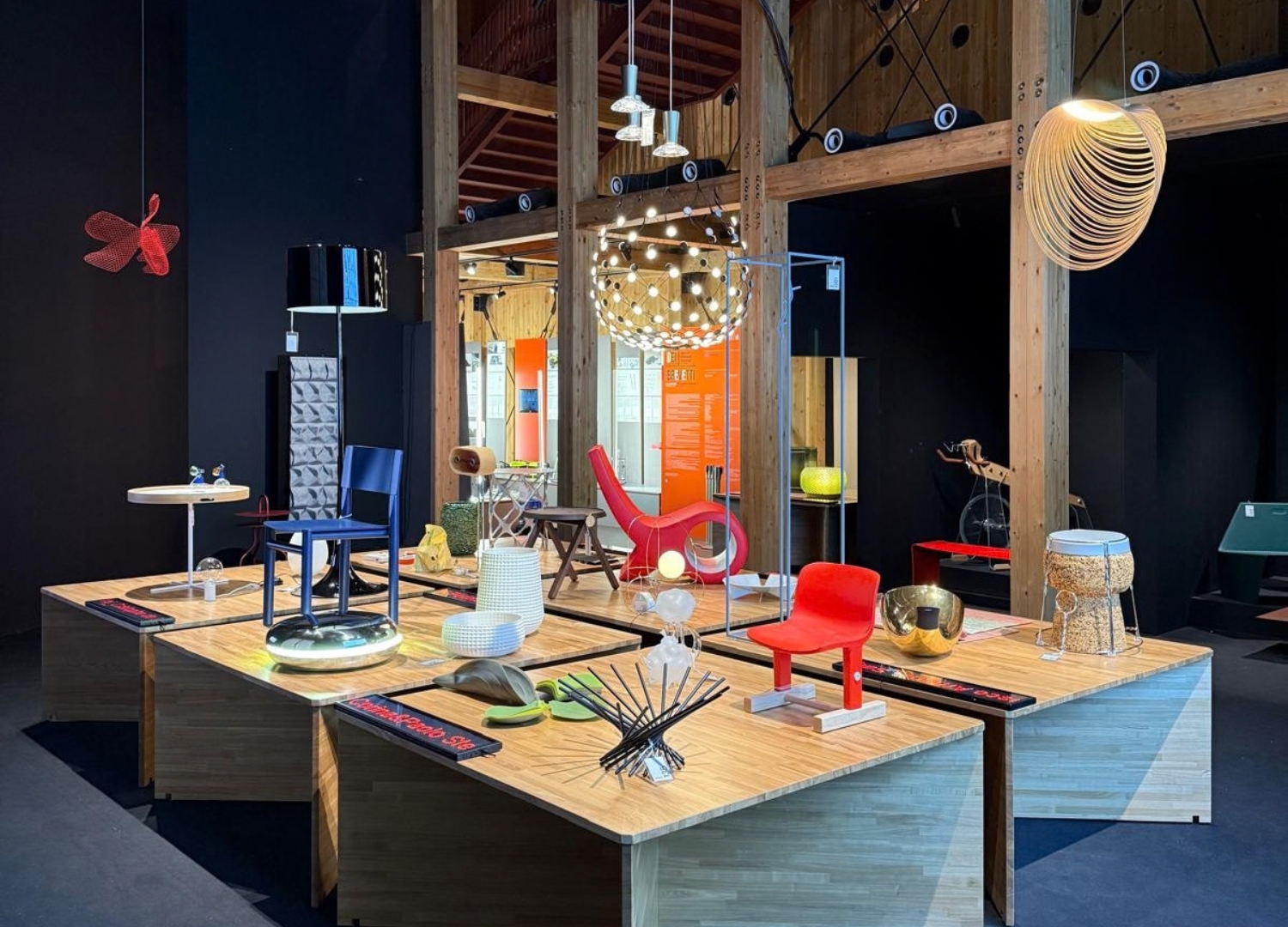
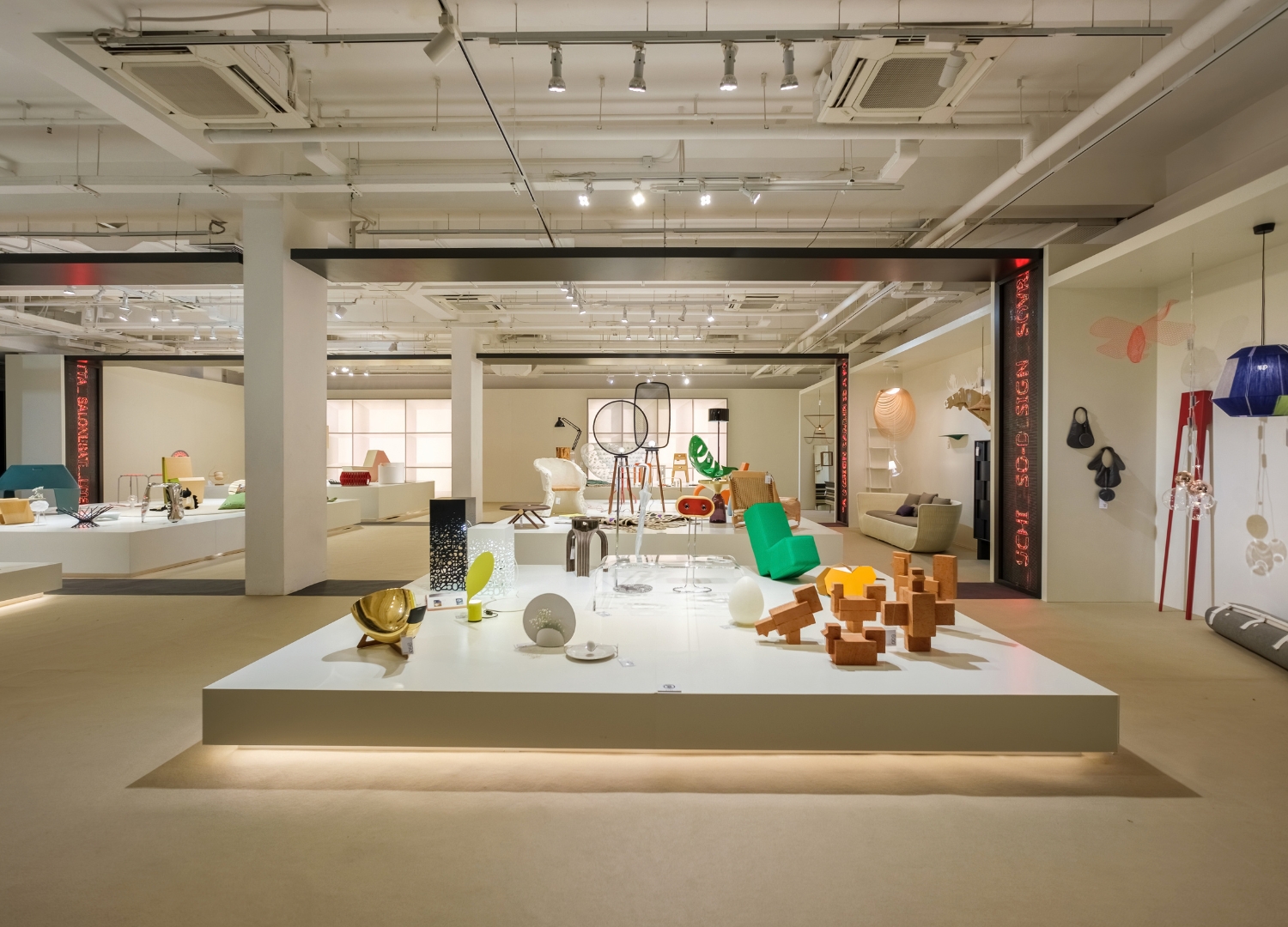
The Permanent Collection itself is a physical archive: 415 objects, created and marketed by companies over the years since the show’s first edition, which were catalogued in 2018 and housed in the Artwood Academy in northern Italy. Jakarta will see 55 of the 415 pieces, selected not as a retrospective but as “a galaxy of stories”; prototypes that became products, encounters that became design careers.
The collection’s origin, as Griffin Wilshire tells it, was never a planned archival project. “The SaloneSatellite Permanent Collection is the confirmation of young designers’ desire to participate in SaloneSatellite, showing their creativity to the exhibitors/producers of Salone del Mobile.Milano,” she explains. “Once their piece was produced, they started offering me the produced and marketed piece and so I started collecting them. This is the beginning of the SaloneSatellite Permanent Collection.”
SaloneSatellite’s beginnings
The instinct to support and give space to young designers runs all the way back to how the show first began. “In 1997 as a journalist for American House & Garden and French Maison et Jardin I was visiting to learn about the creativity of those who could afford to rent a small space in the city of Milan during the week of Salone del Mobile.Milano,” she recalls.
“While visiting, they all were thanking me, because they knew my connection with Salone del Mobile.Milano and requested, almost begging, to ask Salone del Mobile.Milano to have them participate in this event. After several discussions with the Managing Director of Cosmit, Manlio Armellini, we agreed to build something for these young people and he told me: ‘Marva, we have the space, see what you can do to bring young people into Salone del Mobile.'”
None of this would exist without Griffin Wilshire, who has often been called the “godmother of Italian design.” Born in Venezuela and raised in El Callao, she first visited Italy as a teenager in the 1960s, studied interior design in Caracas, and later moved to Perugia to study languages. She arrived in Milan and landed a job as an assistant to Piero Ambrogio Busnelli, the founder of what would become B&B Italia, gaining a design education that money couldn’t buy, working alongside figures like Mario Bellini, Marco Zanuso, Renzo Piano, and Tobia Scarpa.
What comes next
What SaloneSatellite has built over 27 years is easy to understate, mainly because of its consistency. Trade fairs are full of discovery platforms that burn bright for a cycle or two before the industry moves on, while SaloneSatellite has instead become closer to infrastructure, with a recurring and trusted mechanism.
As for what comes next, her ambition is about continuation rather than reinvention. “In these 27 years of SaloneSatellite, after the participation of more than 16,000 young designers from more than 60 countries, it continues to offer young designers the opportunity to participate in this event, so my hope is that SaloneSatellite continues its duty!” she says. “What else can I say?”
What the Jakarta show suggests is that SaloneSatellite’s organisers see the Permanent Collection not just as an archive but as the connective tissue for a global expansion, beginning in Asia but with more stops to come. For a project built on the idea that talent finds its context when someone puts it in the right room, sending the collection out to find new rooms is a fitting next chapter.