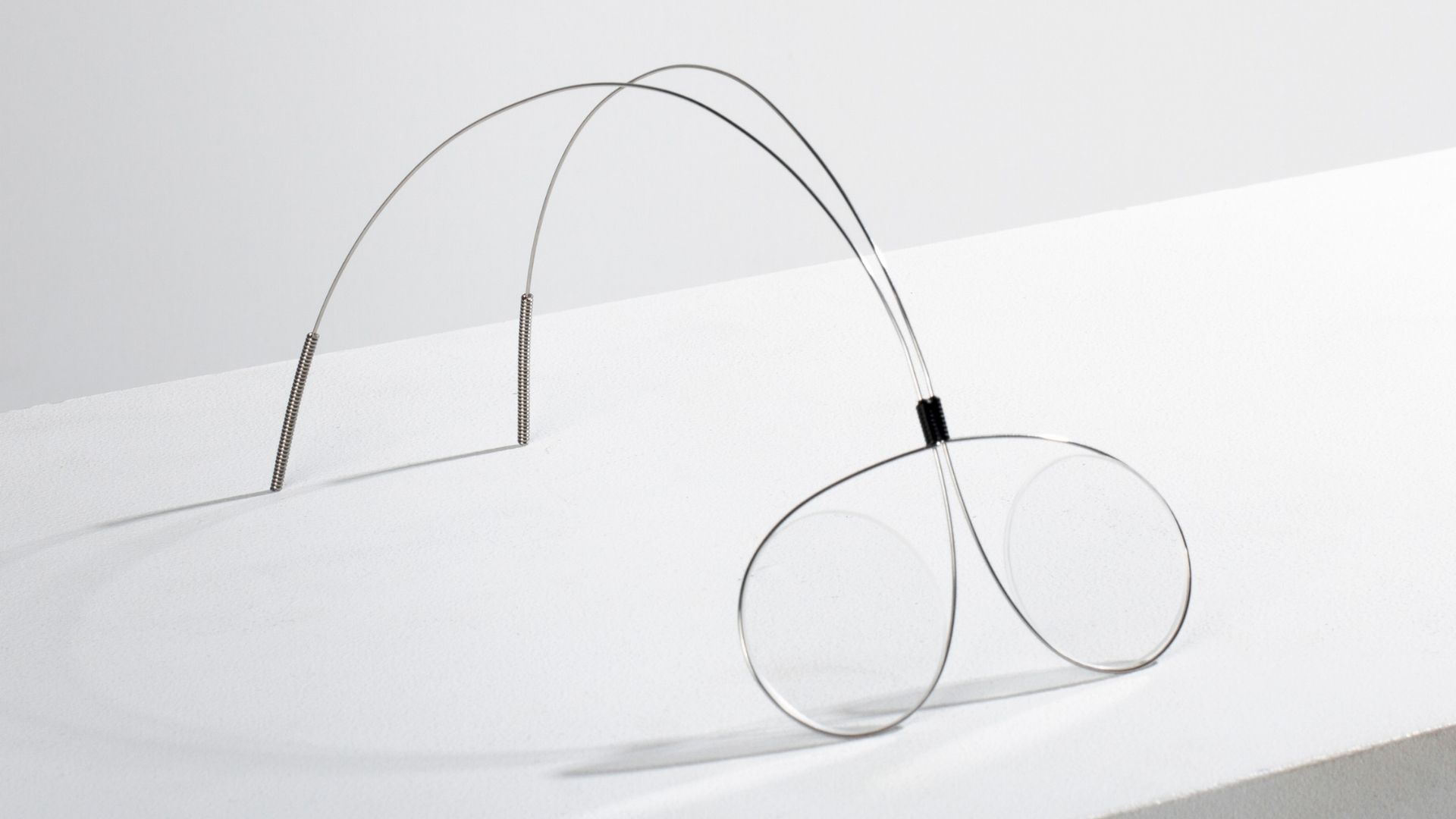
A vending machine became a storefront for independent design
The Sell Out Show used a converted vending machine to hand 26 designers a direct line to the public, profits and all, asking what happens when design skips the markup.
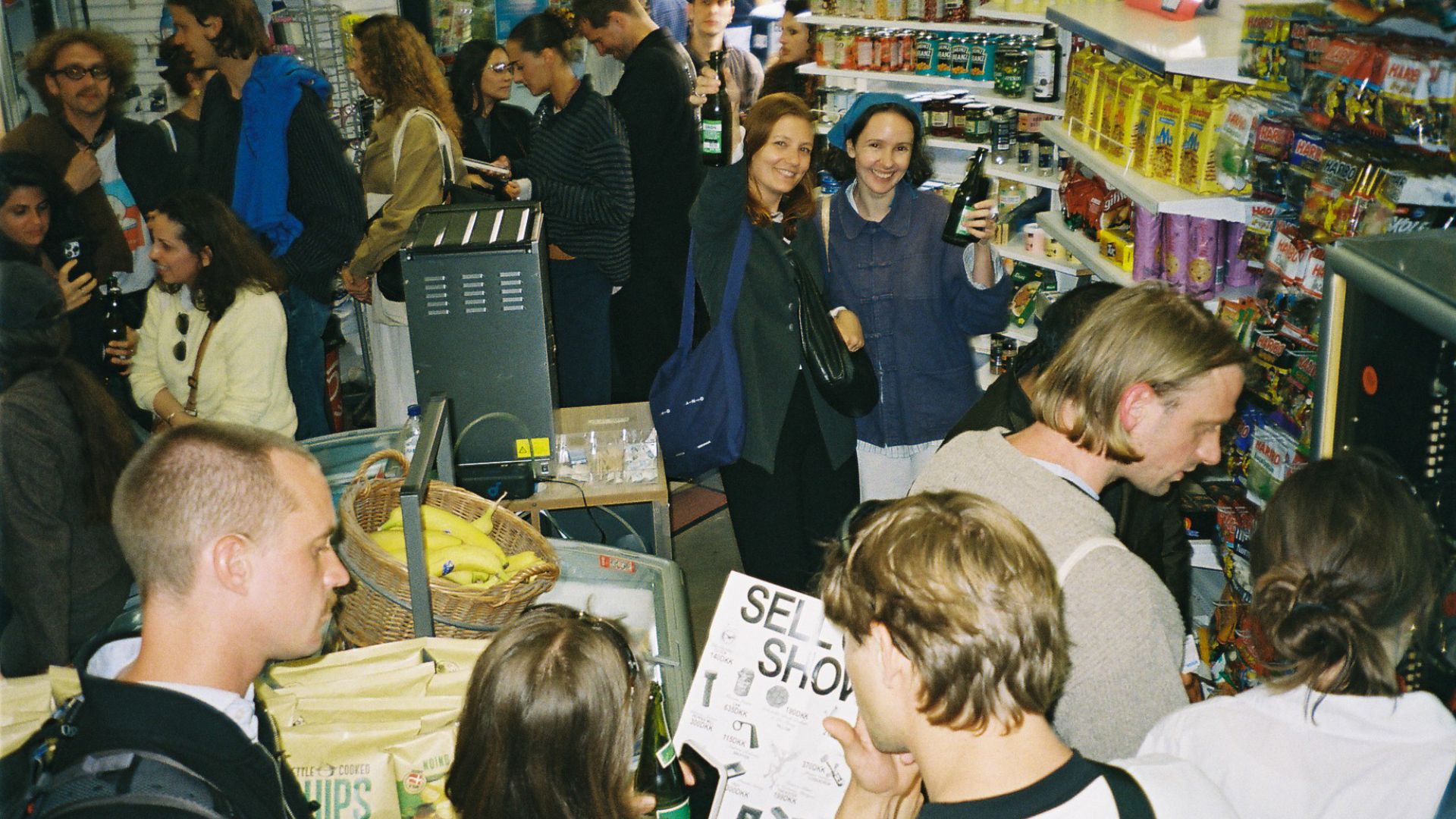
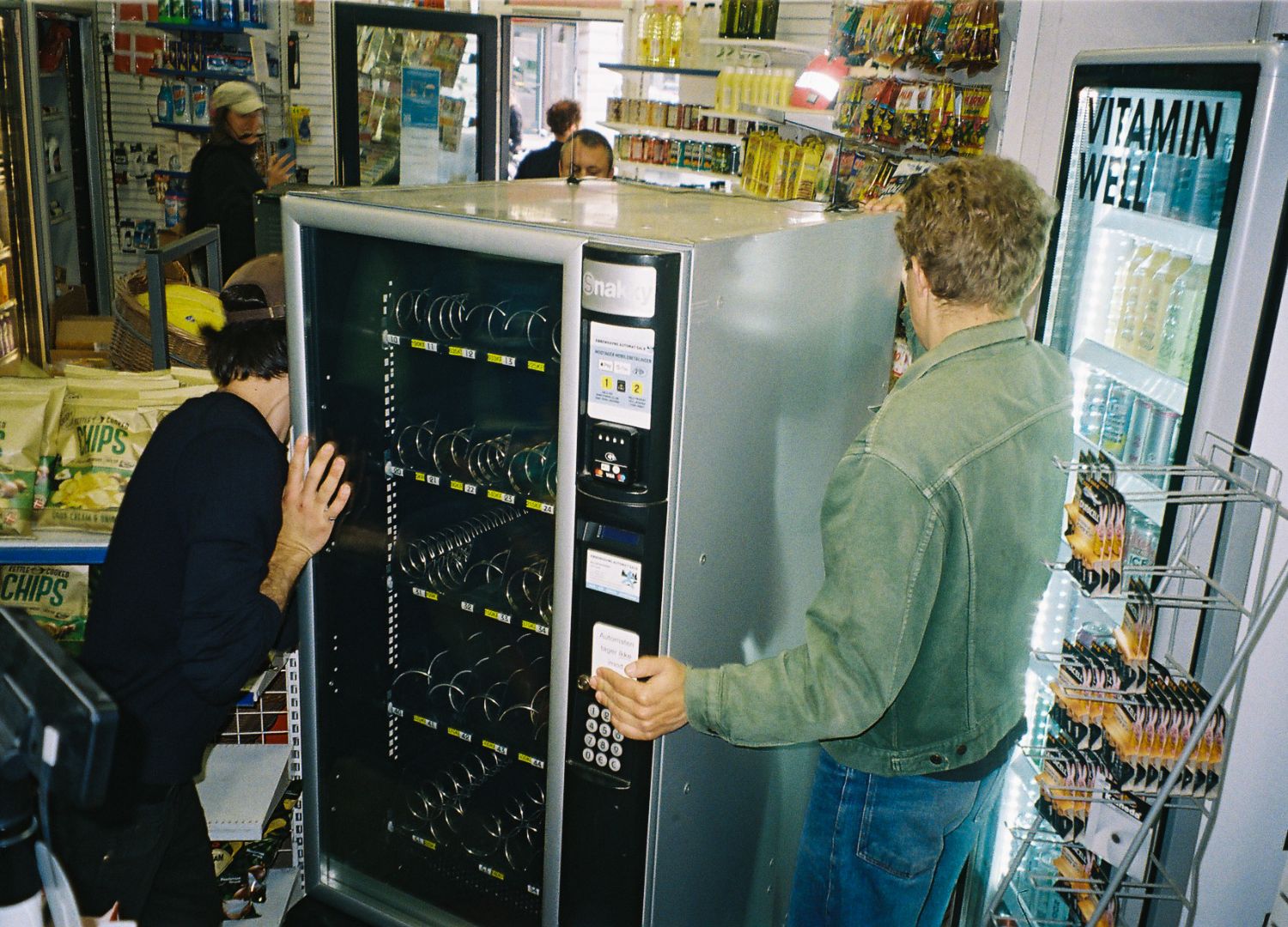
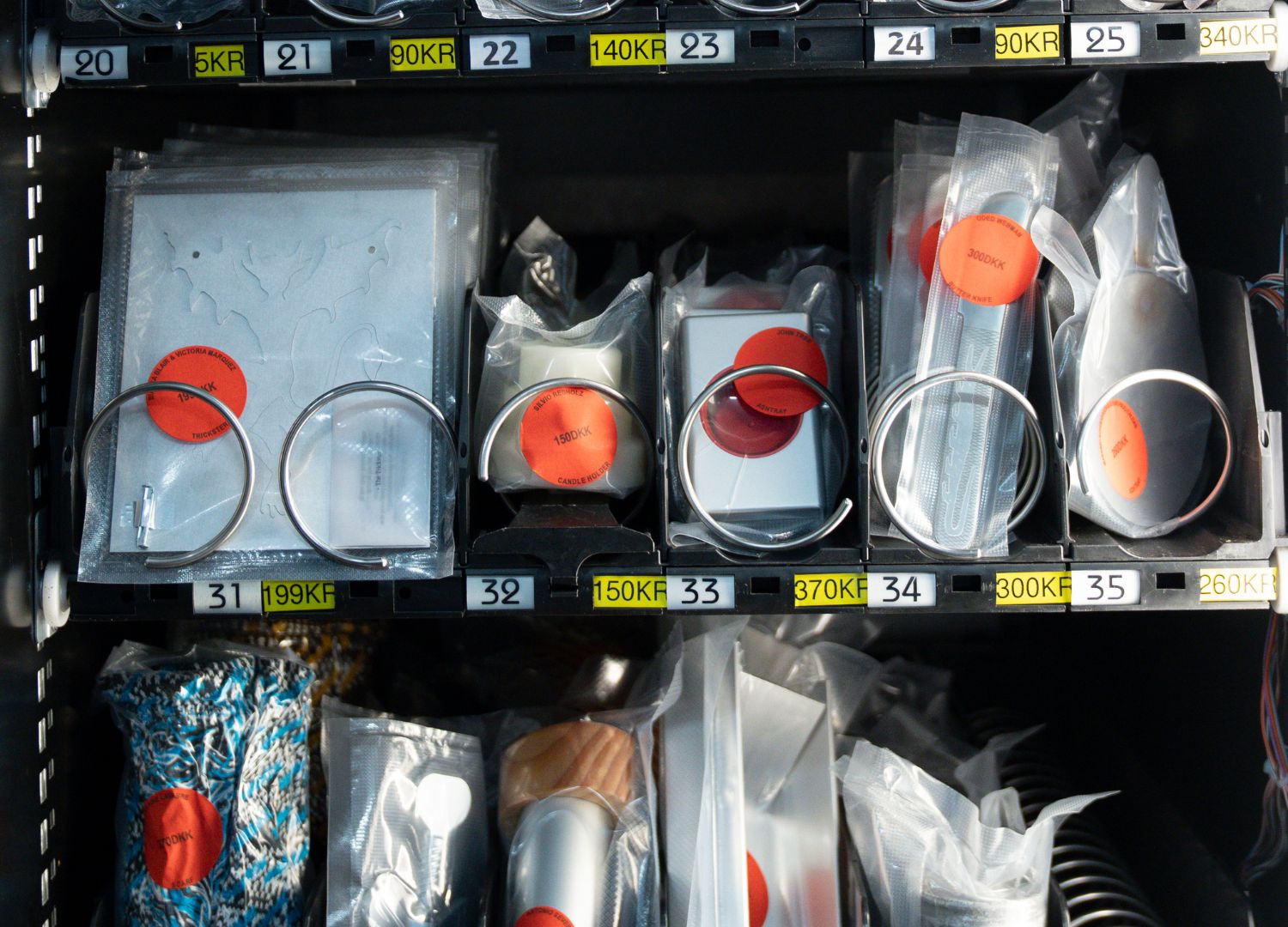
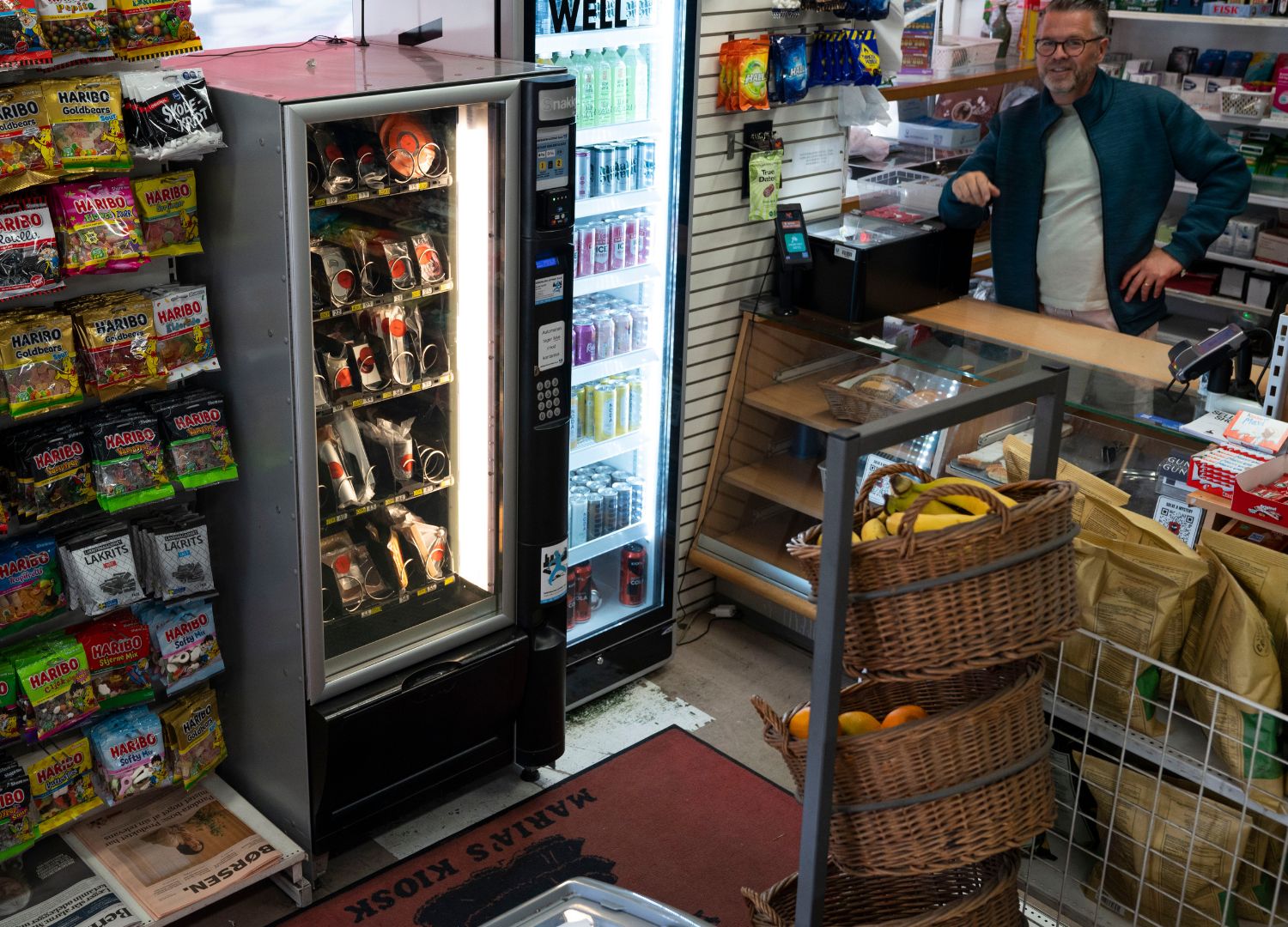
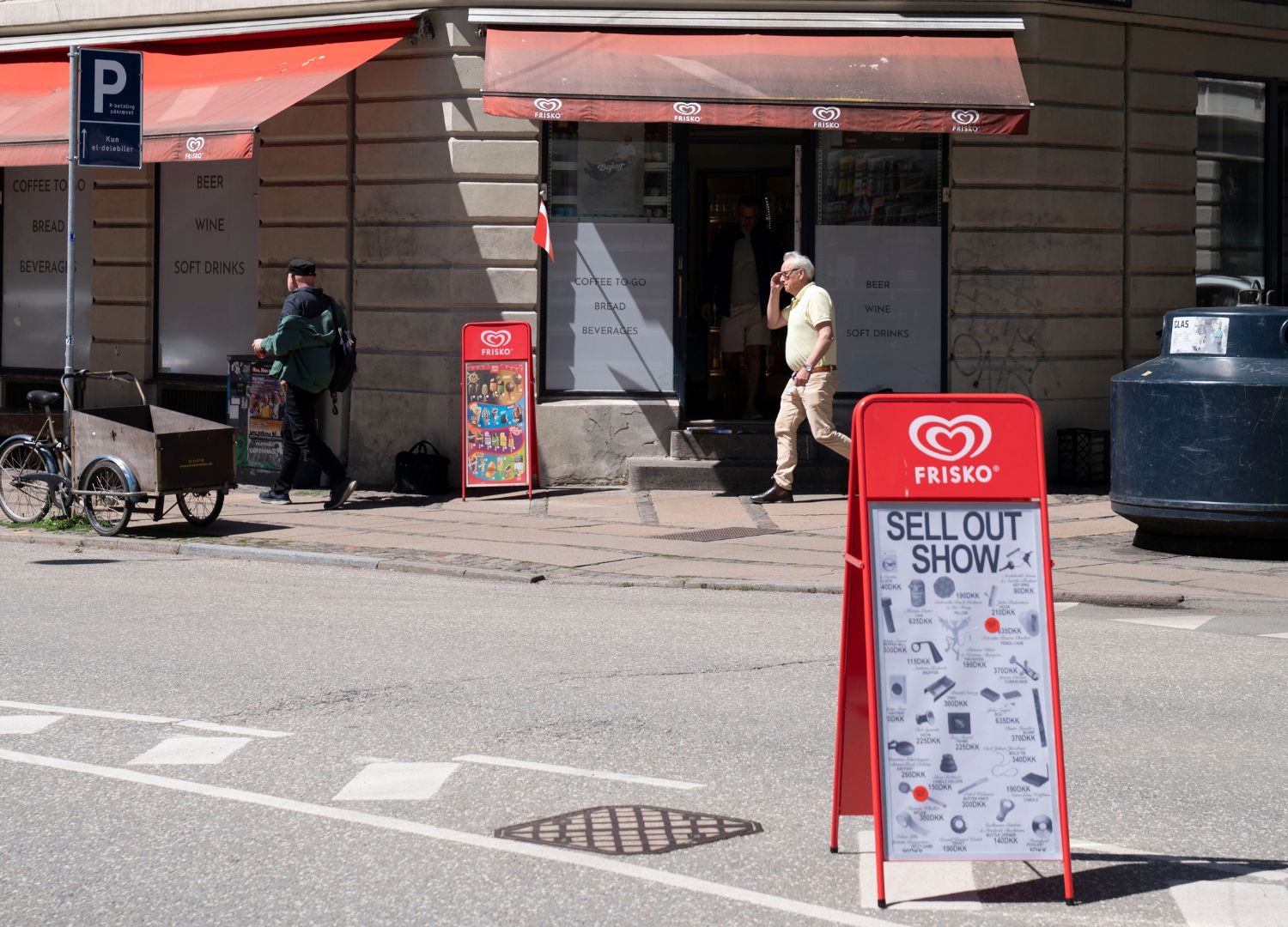
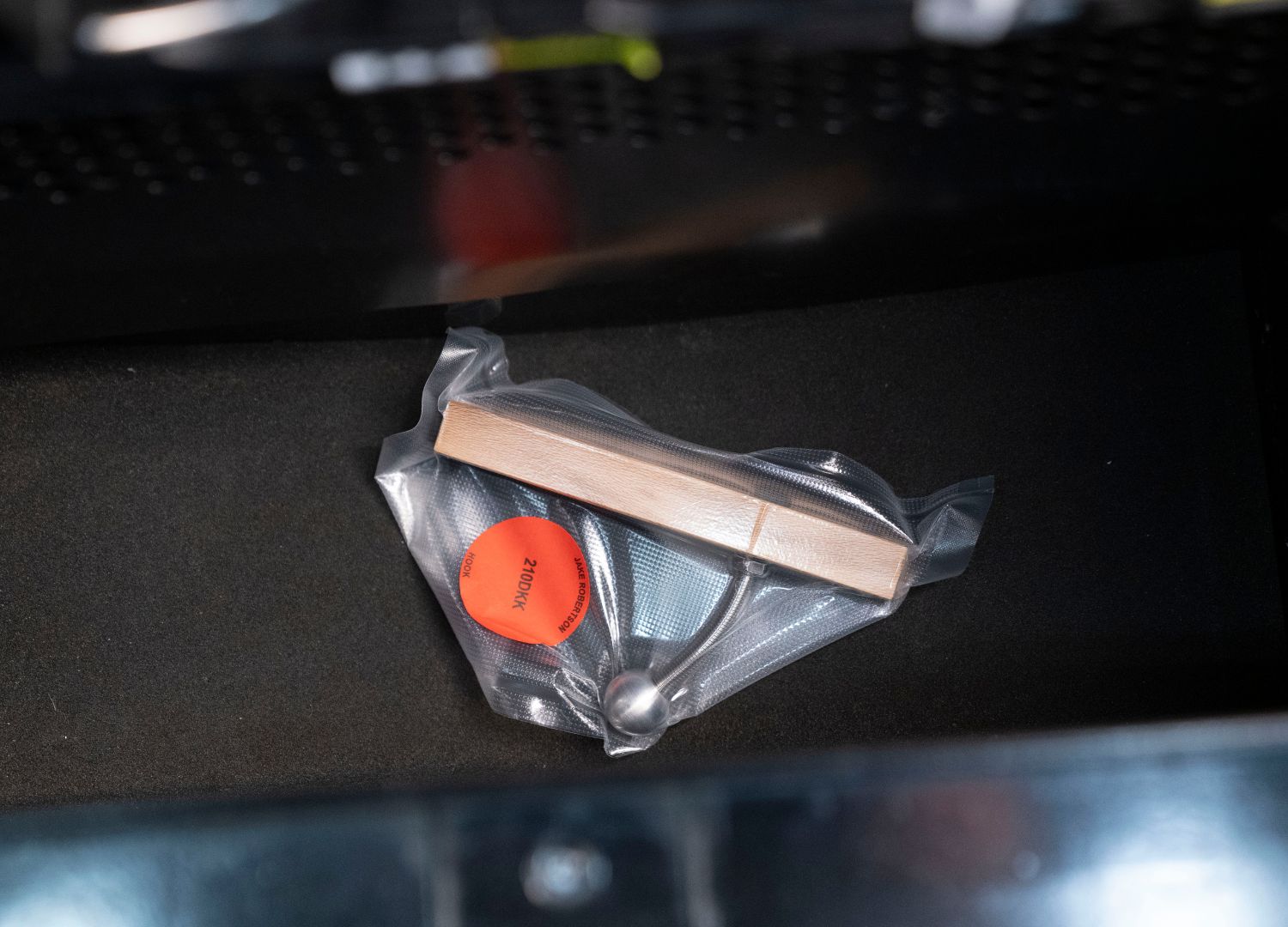
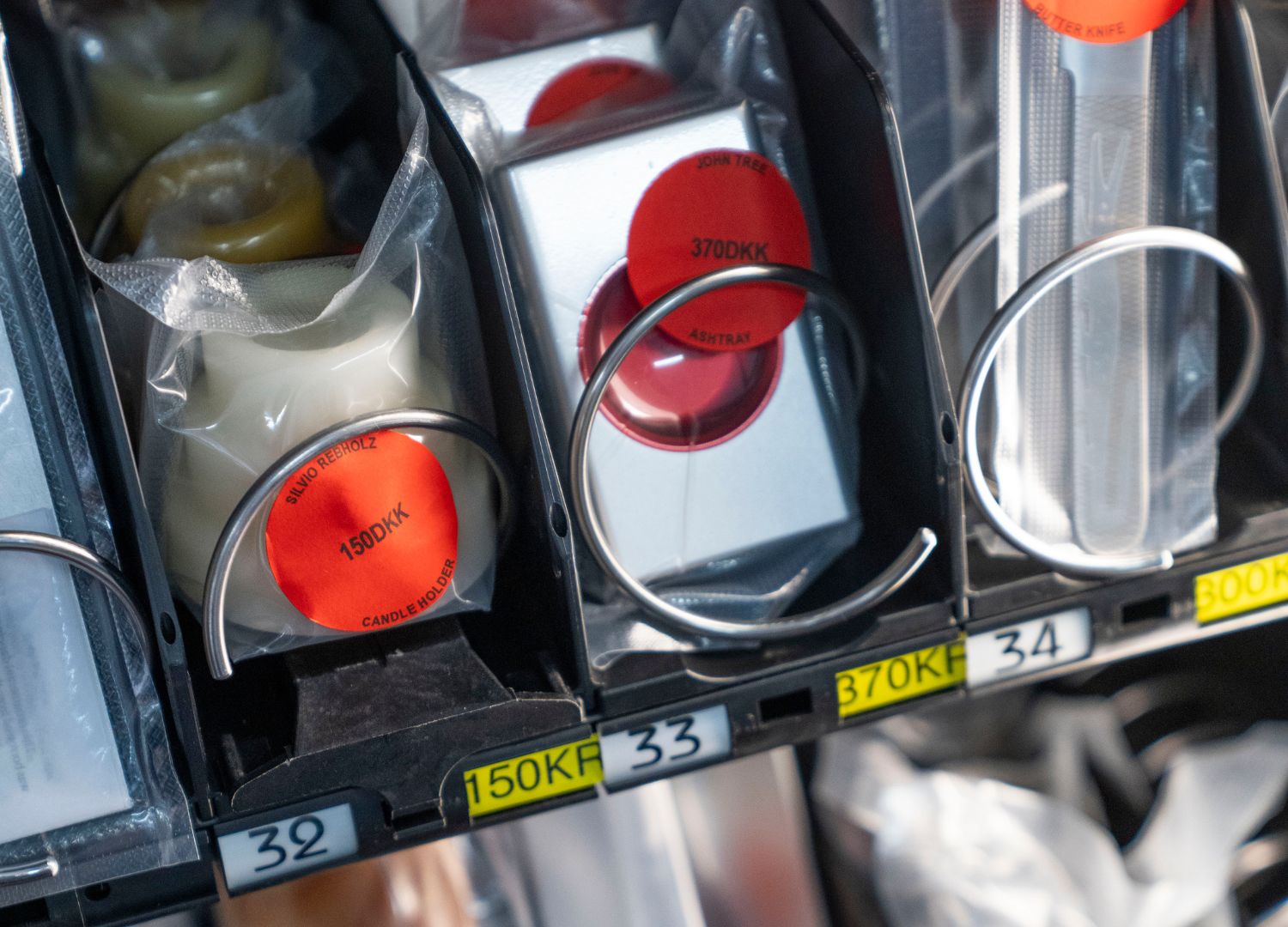
The conventional design market has many steps: galleries, companies, showrooms, retailers, which all add markups to products, leaving the designer with much less than what their object is being sold for. What would happen if one could skip all of these stages? In an exhibition called Sell Out Show, 26 designers sold their objects through a vending machine in a kiosk in Copenhagen, experimenting with new models of retail.
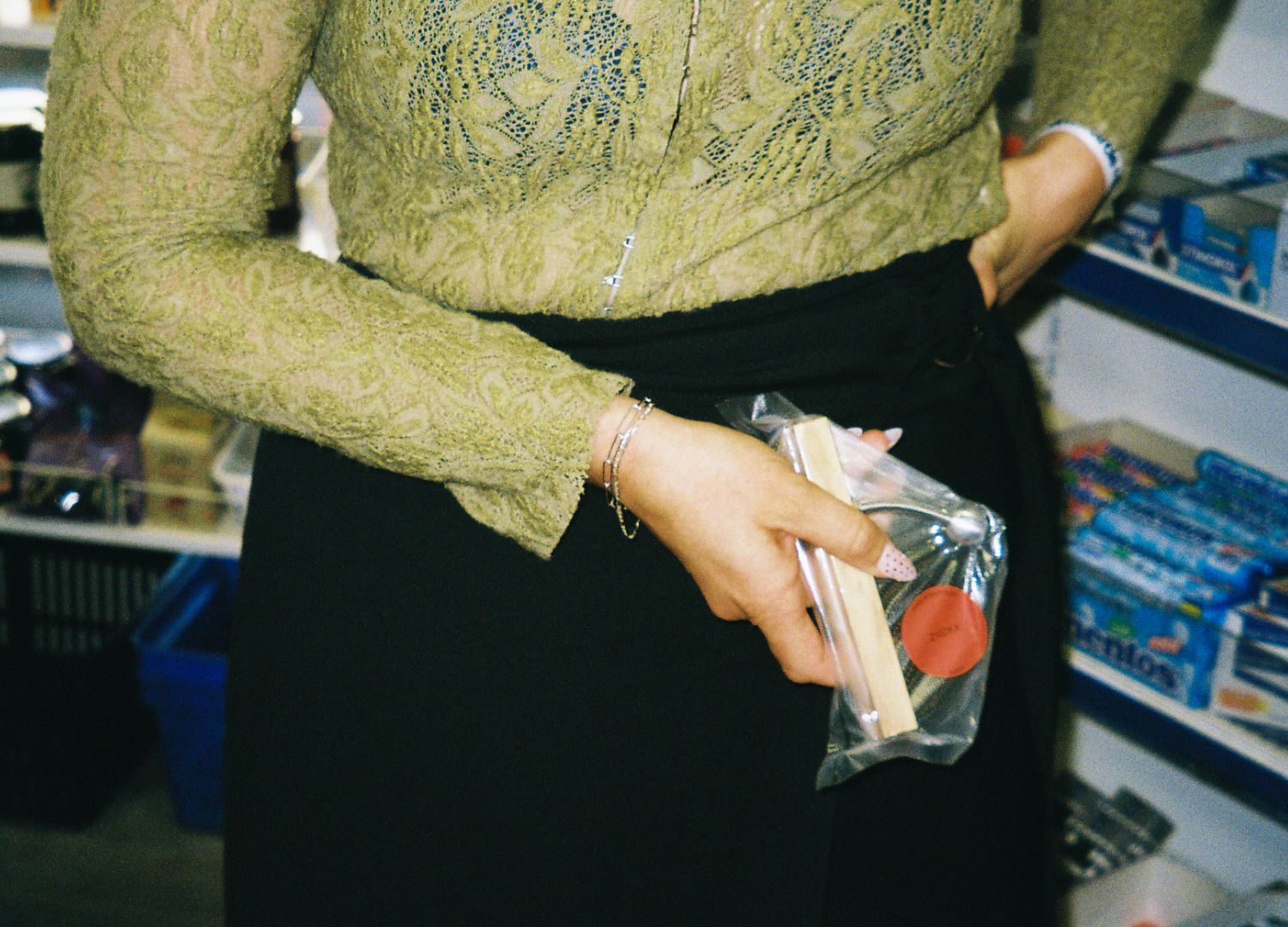
The show was supported by Pro Helvetia and ran during the city’s 3daysofdesign festival, and it is the second collaboration between four designers: Bruno Pauli Caldas, Frederik Buchmann, Guillaume Gindrat, and Massimo Scheidegger. The 26 objects produced for the exhibition were available for purchase on site, alongside the usual cigarettes and candy found in the kiosk.
Gallery
Open full width


Open full width
Sell Out Show
The team’s previous work
Gindrat, Buchmann, Scheidegger and Caldas met while studying at the Swiss design school ÉCAL, and their previous joint project, Smoking Diaries, acted as a precursor to Sell Out. It asked a group of mostly early-career designers to reimagine the ashtray, creating 17 objects which were then exhibited at a historic bodega in Copenhagen.
A particularity of the show was that participants could ash their cigarettes on the products. “It wasn’t an exhibition in the traditional sense; objects were being touched, used, and made dirty. We aimed to create a moment first, and the objects were in service of that moment, not the other way around,” said Buchmann. Sell Out picks up that same interest in everyday objects and social settings, exploring another way of reversing the logics of traditional design exhibitions.
The location and the show format
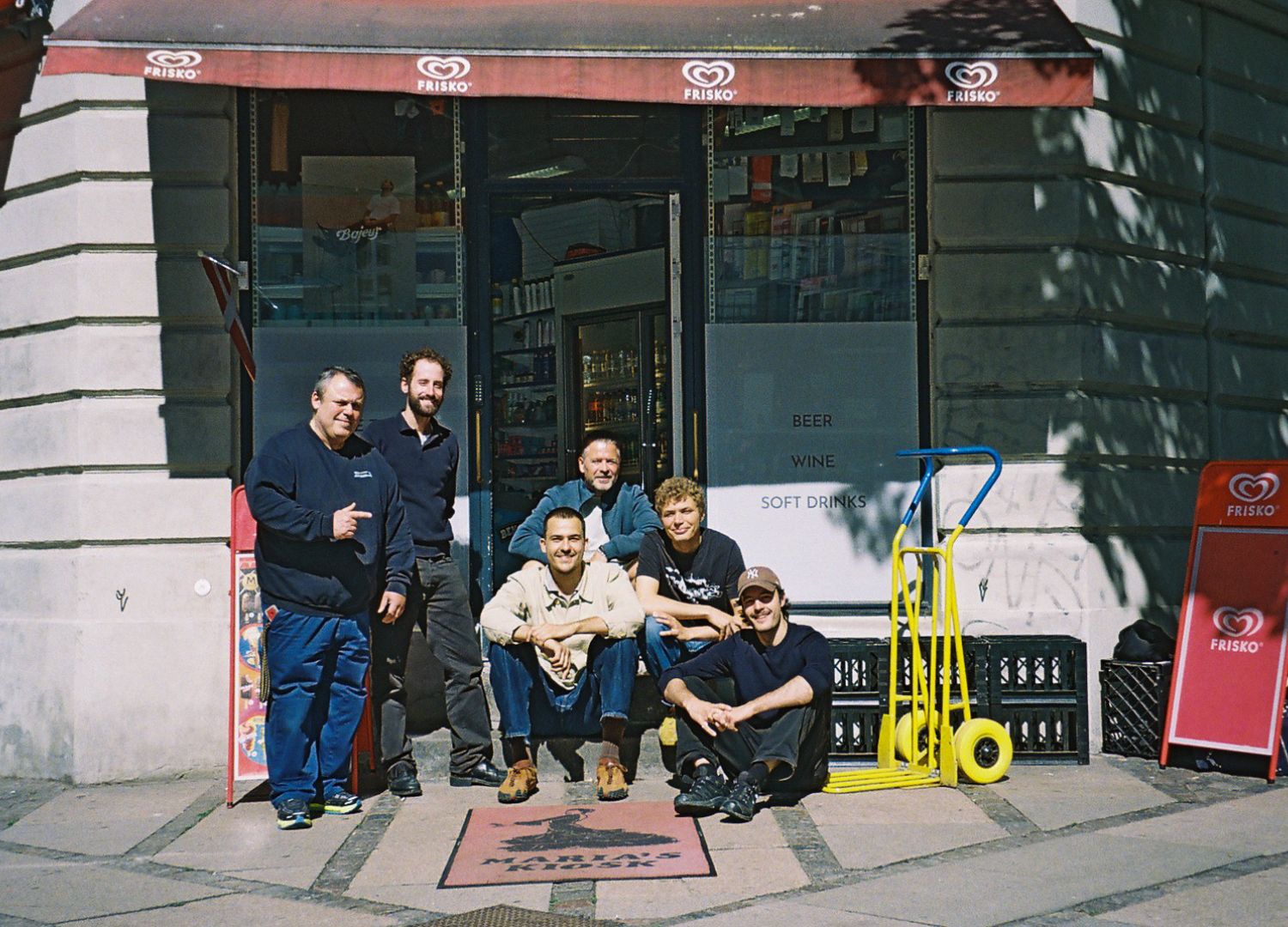
The show’s location was chosen with a similar logic. Maria’s Kiosk sits in the city centre and has been run by its owner for more than 30 years. The organisers wanted to choose a spot that would be seen by normal passersby other than the design fair’s visitors, a location that would cause design to be involved in everyday life rather than placed on a pedestal in a gallery, turning a stop for cigarettes into an unusual encounter.
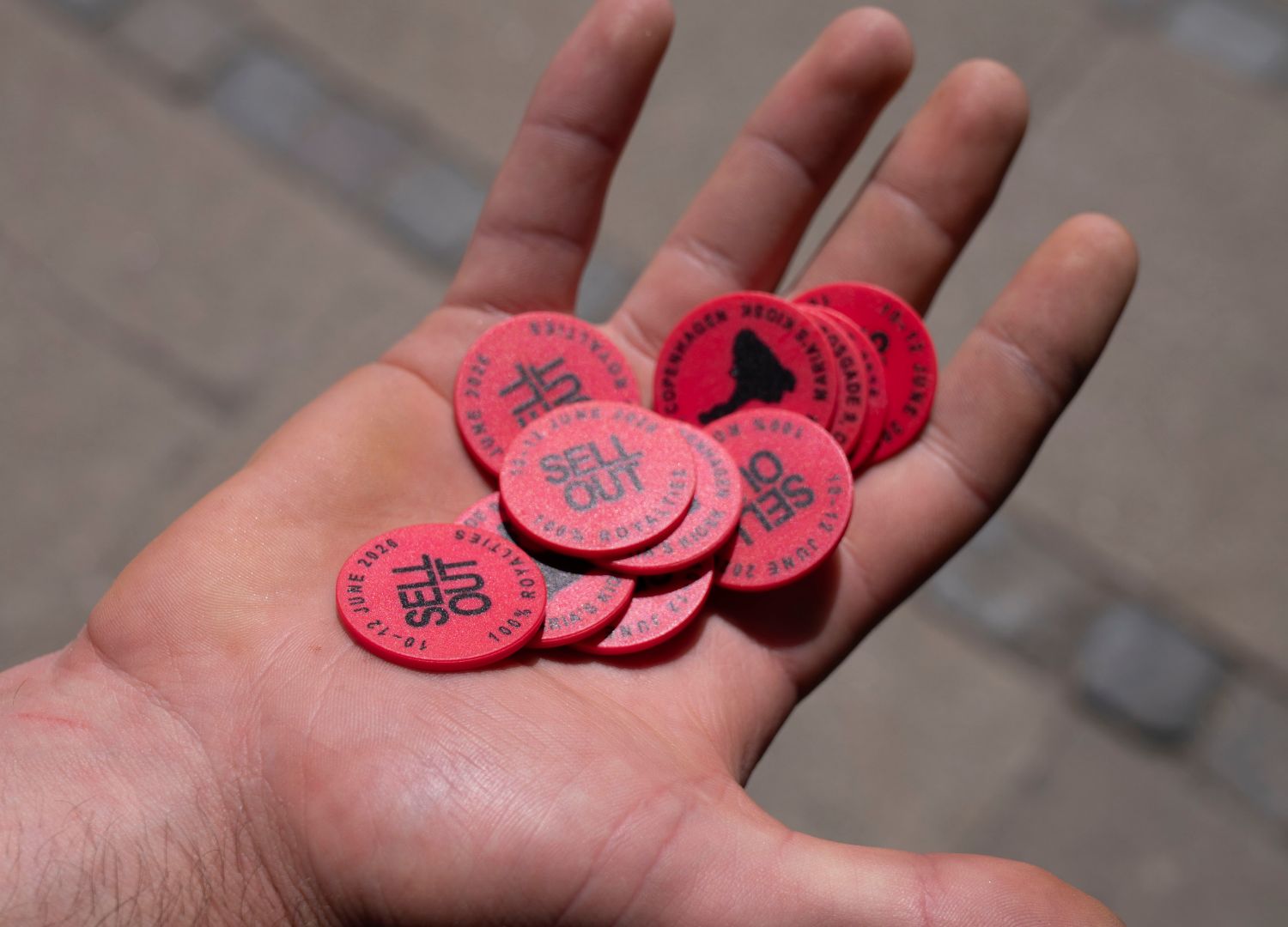
Bringing design closer to the public is a familiar ambition in the discipline’s discourse; many think about democratising access, removing barriers between makers and buyers, however, not many have given it such a literal form. The organisers took no commission from the designers, leaving them with 100% of the profit, and the vending machine format offers no space for negotiation.
The designers
The contributors mostly come from a cross-section of the European design school network that the organisers themselves emerged from: Ted Synott, Silvio Rebholz, David Searcy, John Tree, Julia Esque, Claire Lavabre, Andrew Roberts, and many others, alongside collaborative pairs like Bianca Blair and Victoria Marquez, or Oskar Lillo and Juliette Guéganton. Among the objects on offer were a metal bottle opener by Gindrat and Buchmann, an ashtray that clips onto the edge of a bistro table by Gindrat and Caldas, and a three-metre-long candle by German designer Anna Lena Wolfrum.

The range of products suggests that the brief was less about a unifying thought or typology and more about the act of circulation itself: each piece has to be small enough and not fragile to survive the vending machine transaction.
What Sell Out ultimately tests is a fairly direct economic proposition dressed up as a curatorial one. By guaranteeing designers their full proceeds and capping prices low enough, the project sidesteps the gallery system’s commissions and the weight that comes with designing for a brand, betting instead that good enough objects can sell themselves to strangers buying cigarettes.