From waste to resource: recovering plastics following a Circular Economy Model
How Stena Recycling transforms Waste Electrical and Electronic Equipment (WEEE) into high-quality recycled materials for low impact products.
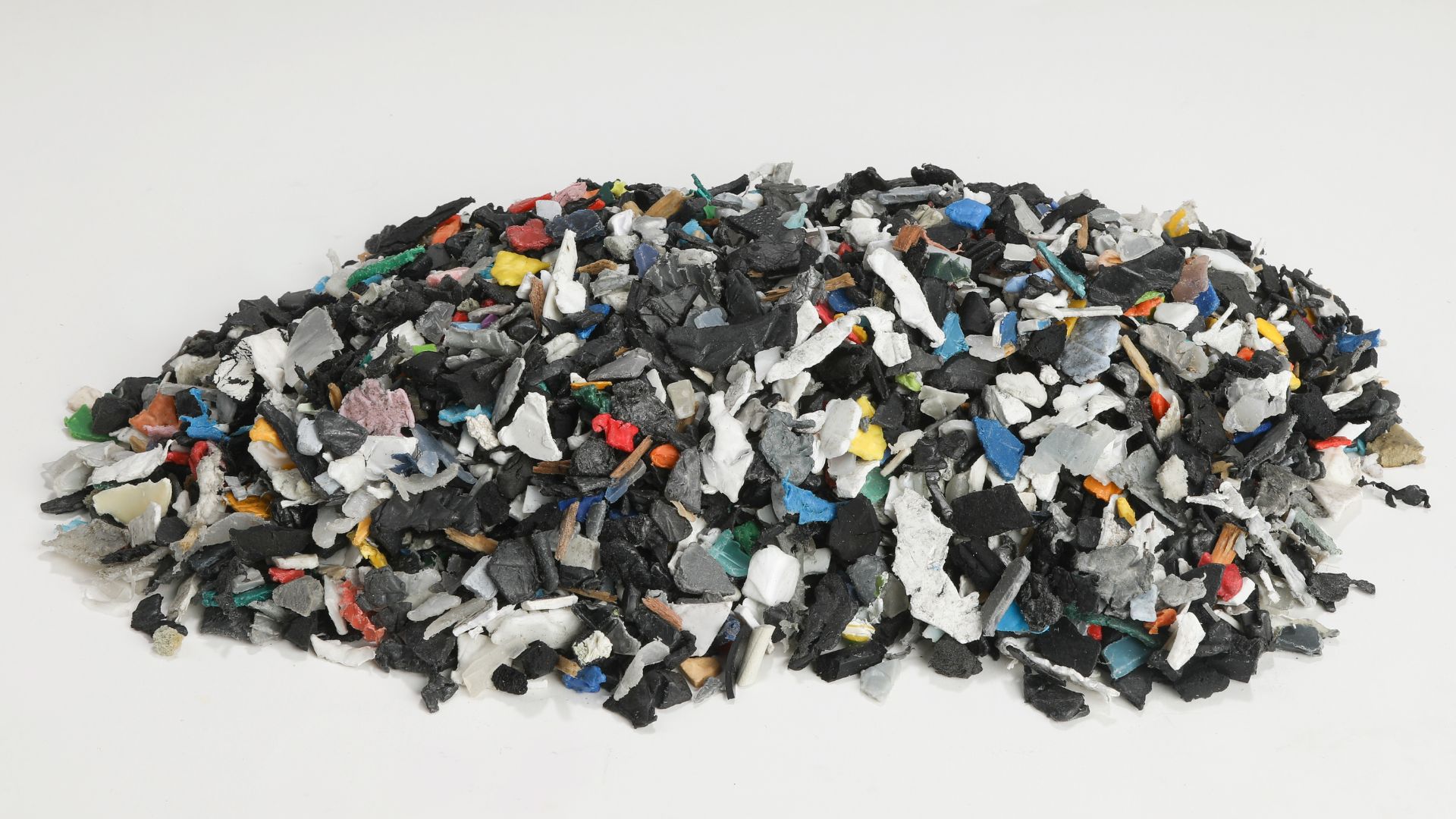
Although most of the raw materials used by industry today are not yet recycled, recovery—particularly of plastics—is growing steadily and becoming increasingly strategic in reducing dependence on virgin materials. In this context, the Swedish company Stena Recycling has succeeded through innovative recycling technologies, turning plastic waste into high-quality secondary raw material.
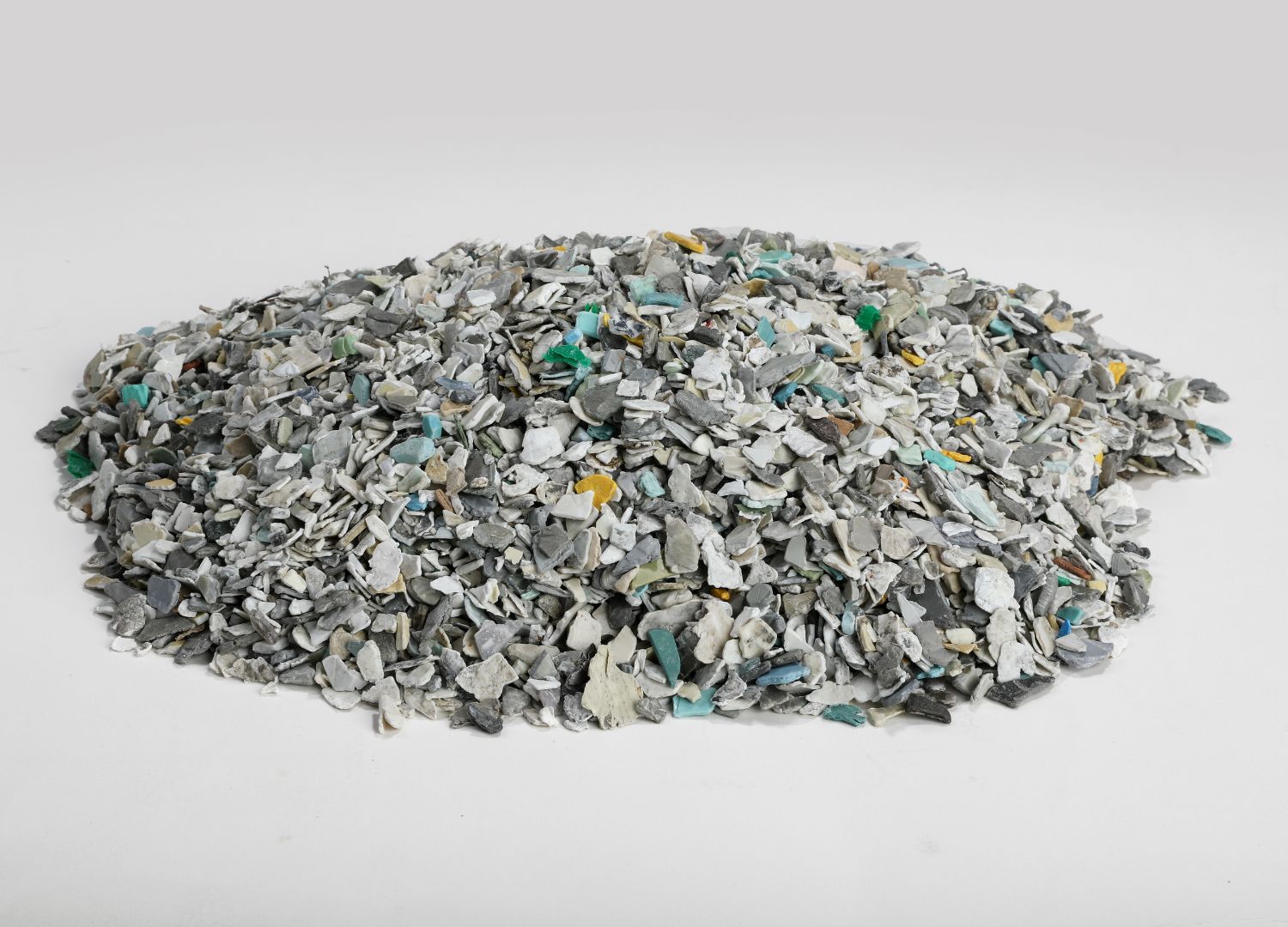
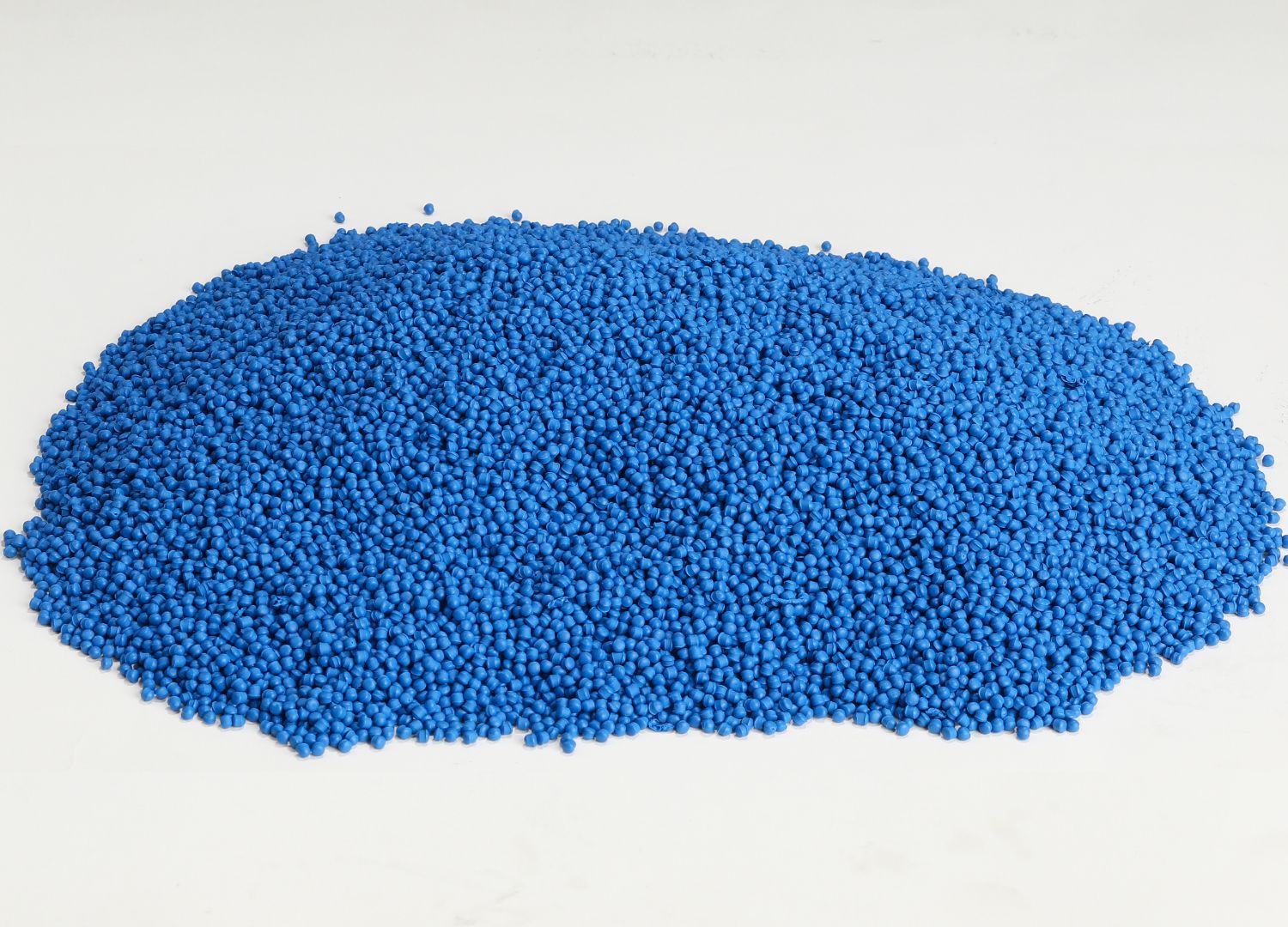
Today, Stena has become a key player in the circular economy, transforming industrial waste and scrap into post-consumer recycled materials for industrial applications. The company produces high-quality Post-Consumer Recycled Plastics (PCR) — PP-PE, PS, and ABS — from electronic devices and house appliances.
Gallery
Open full width



Open full width
The process begins with secure and fully traceable collection, after which the materials are transported to the plant, where only correctly identified and labeled fractions proceed to the subsequent stages of processing.
The second step is the size-reduction of multiple materials present in WEEE, making Stena technologies quite unique in the ability to mine precious matters from postconsumer goods. Metal fractions—iron, steel, copper, and aluminum—are sorted, processed, and sold to steel mills, foundries, and smelters for climate-friendly products.
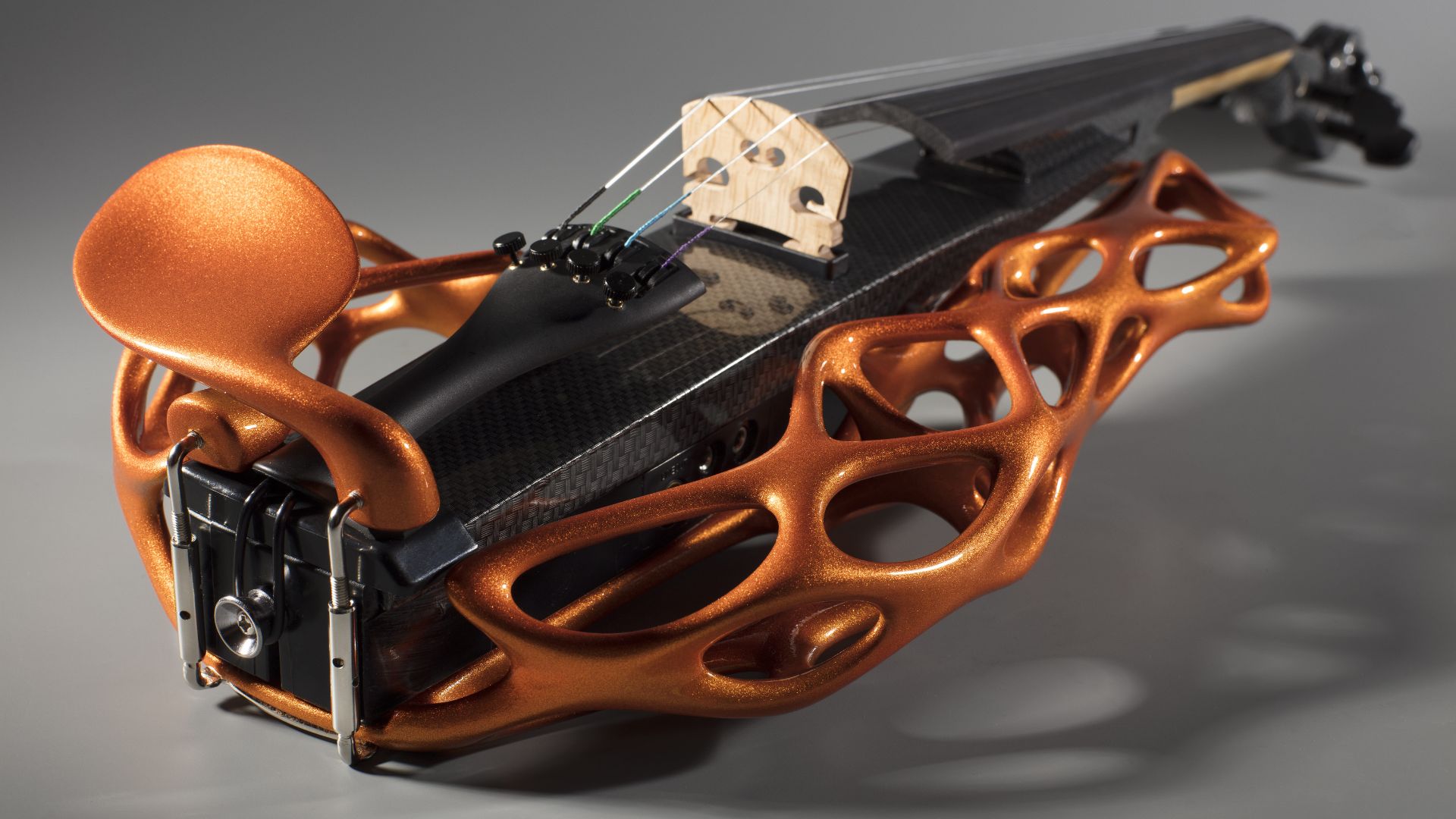
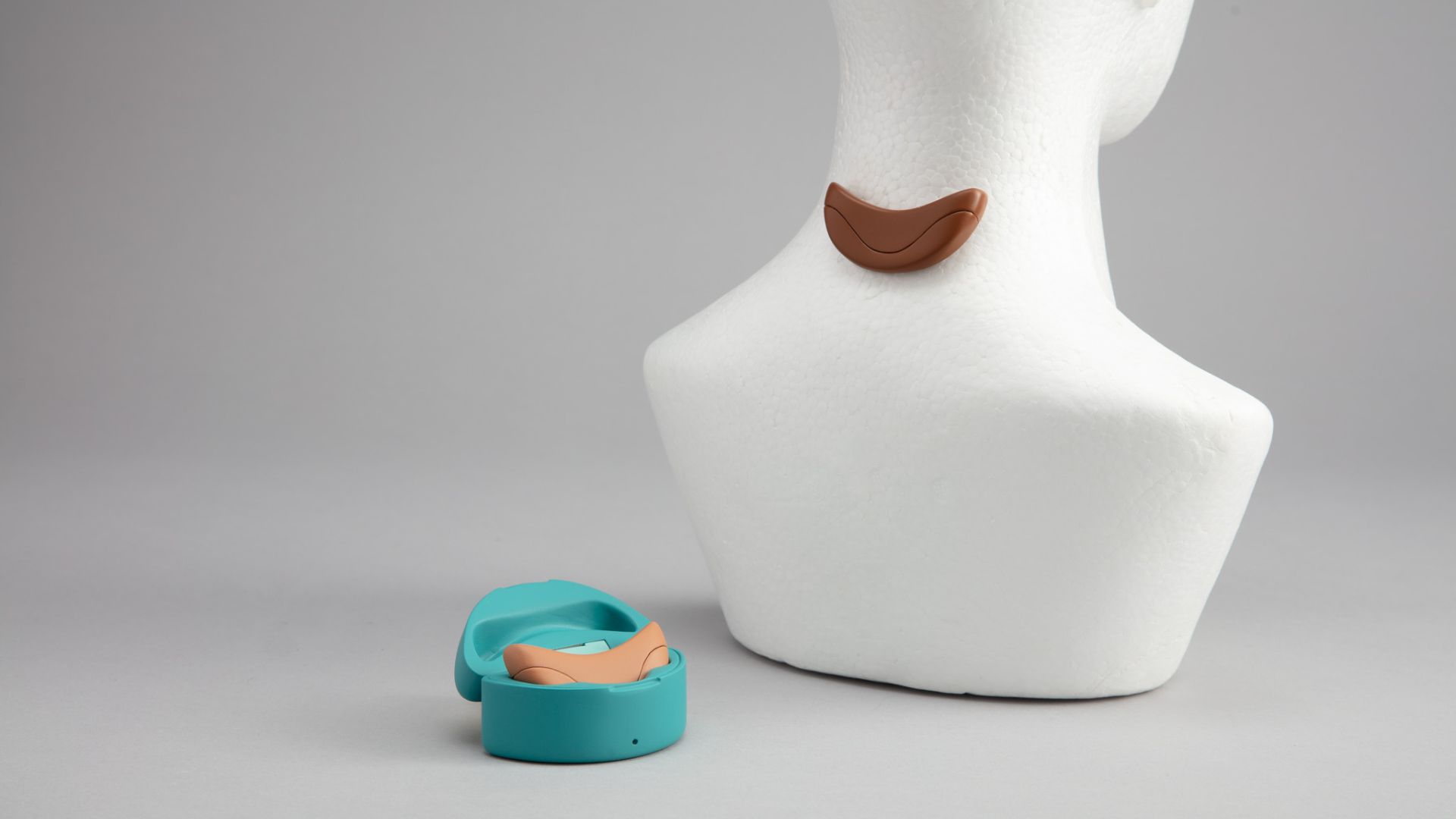
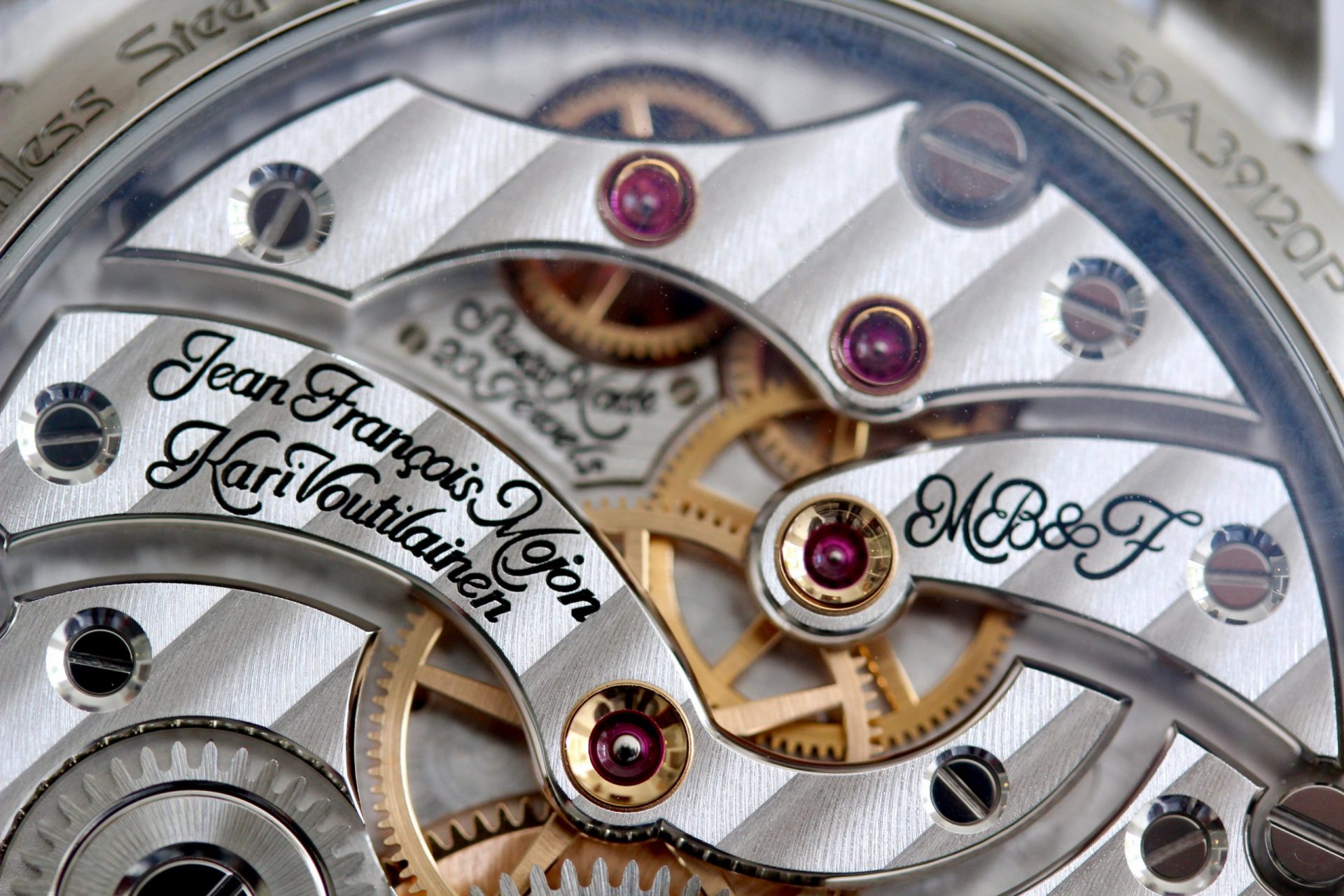
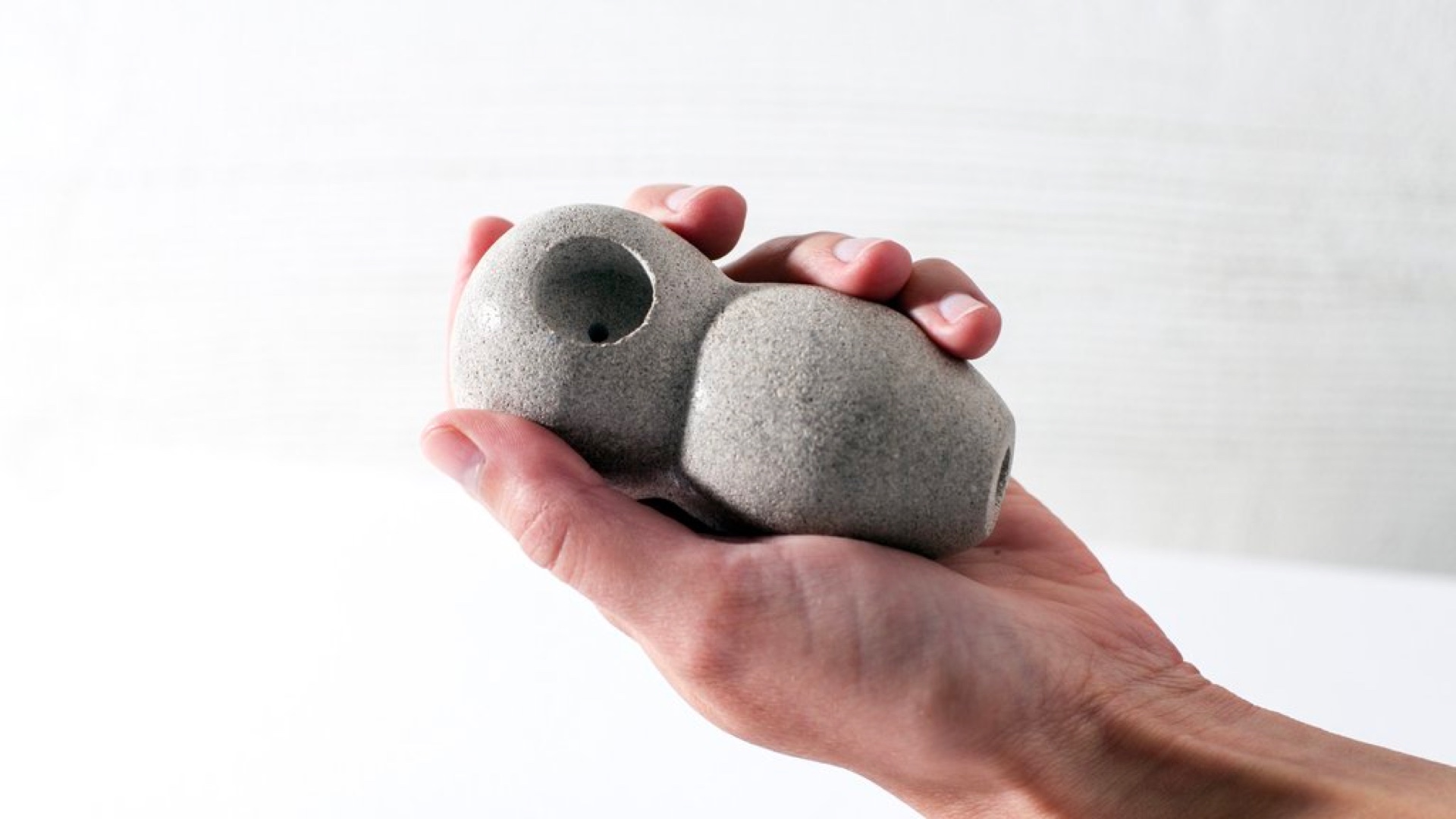
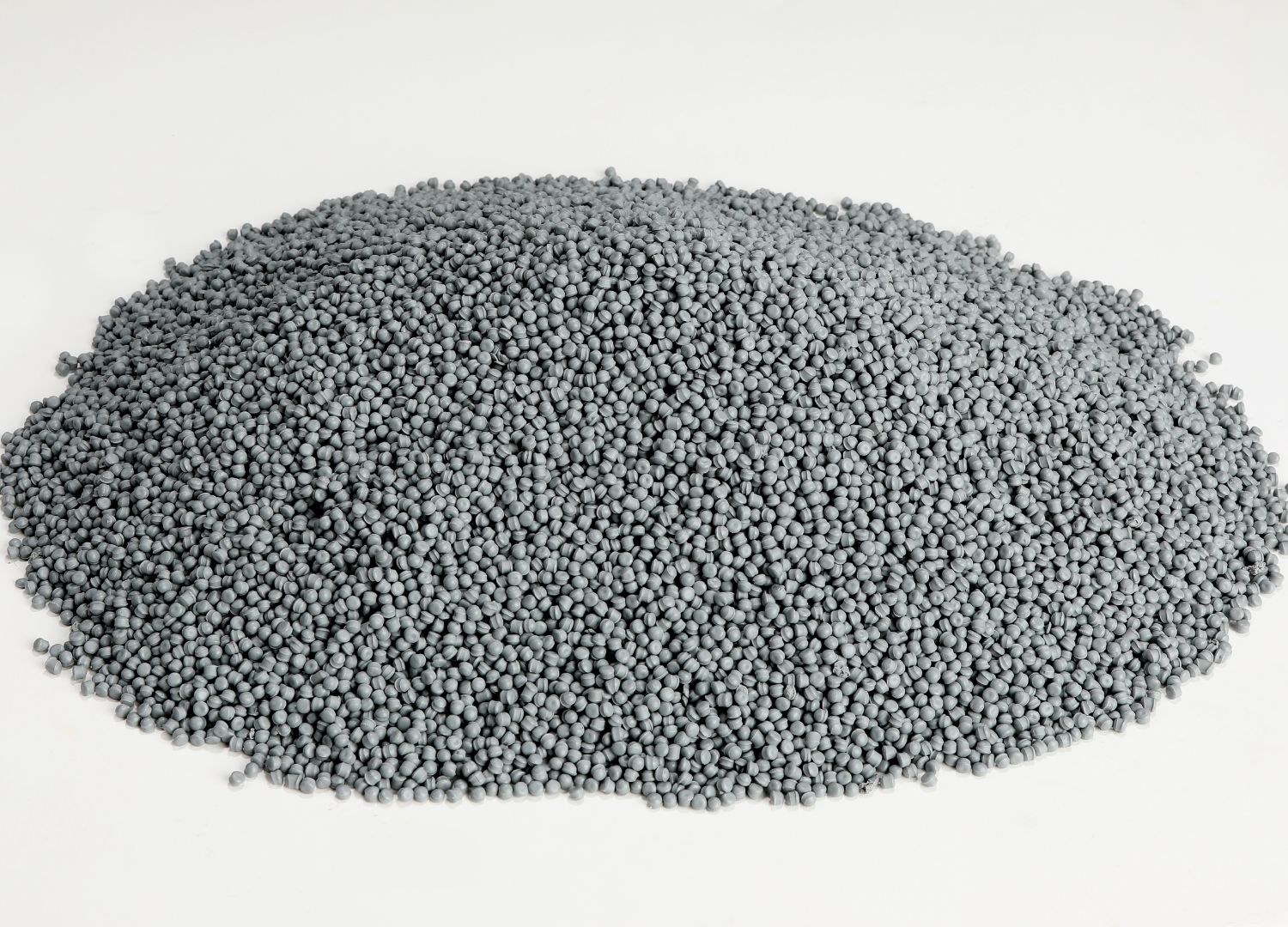
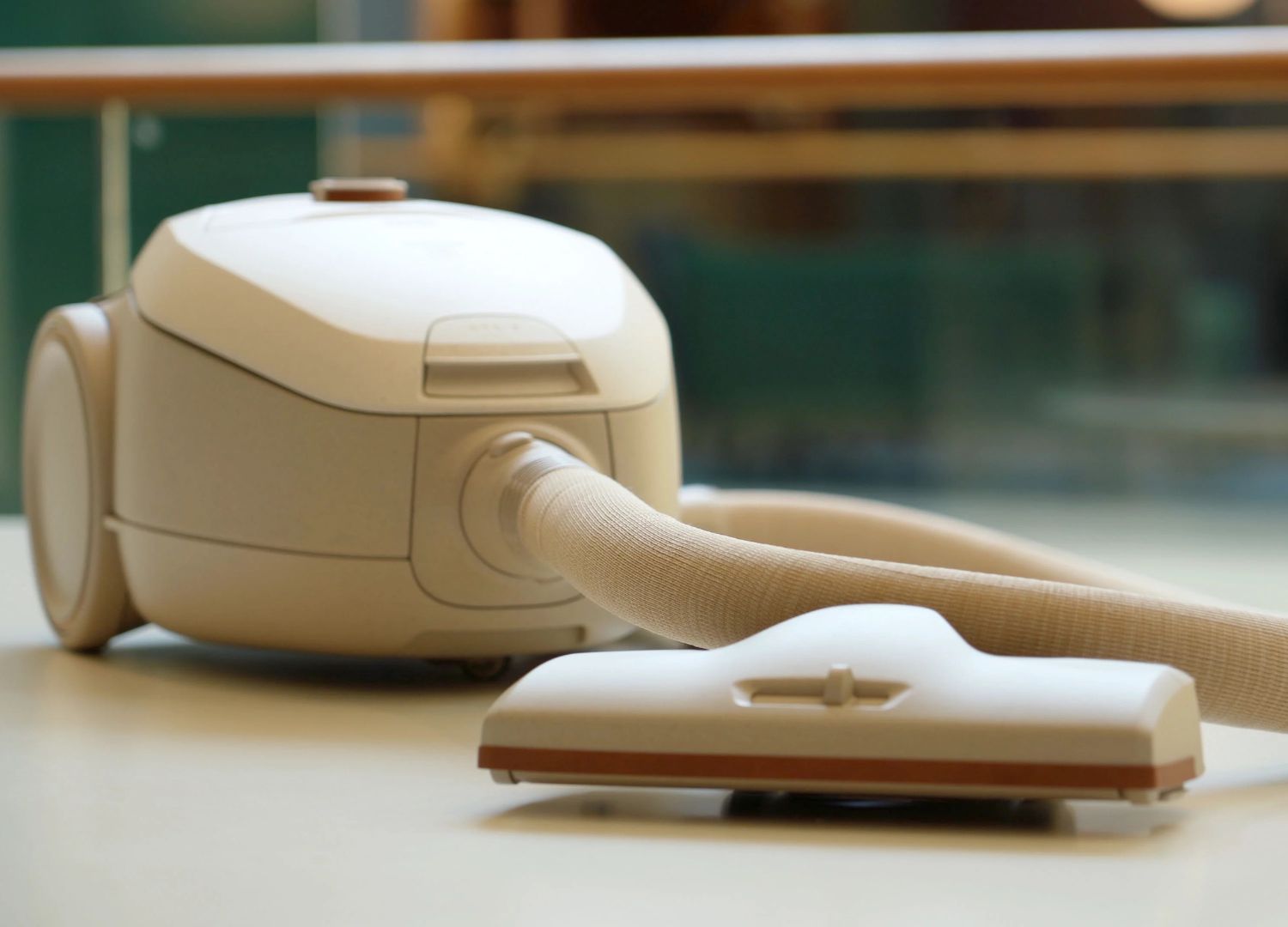
The main plastic fraction undergoes further sorting to produce high-quality recycled pellets (PP, PE, ABS, PS) or flakes (PS, ABS, PP), which are then sold to manufacturers as secondary raw materials for applications such as household appliances, fashion accessories, automotive components, and all those products where virgin materials can be substituted with secondary recycled plastics.
In December 2023, the company’s products were certified through third-party audits for their carbon footprint. The analysis covered the entire WEEE treatment cycle, starting with the transportation from collection centers, up to the final production of recycled pellets and flakes. A comparison between products manufactured with these recycled materials and those made of virgin raw materials, showed that Stena’s recycled polymers require up to six times less CO₂.
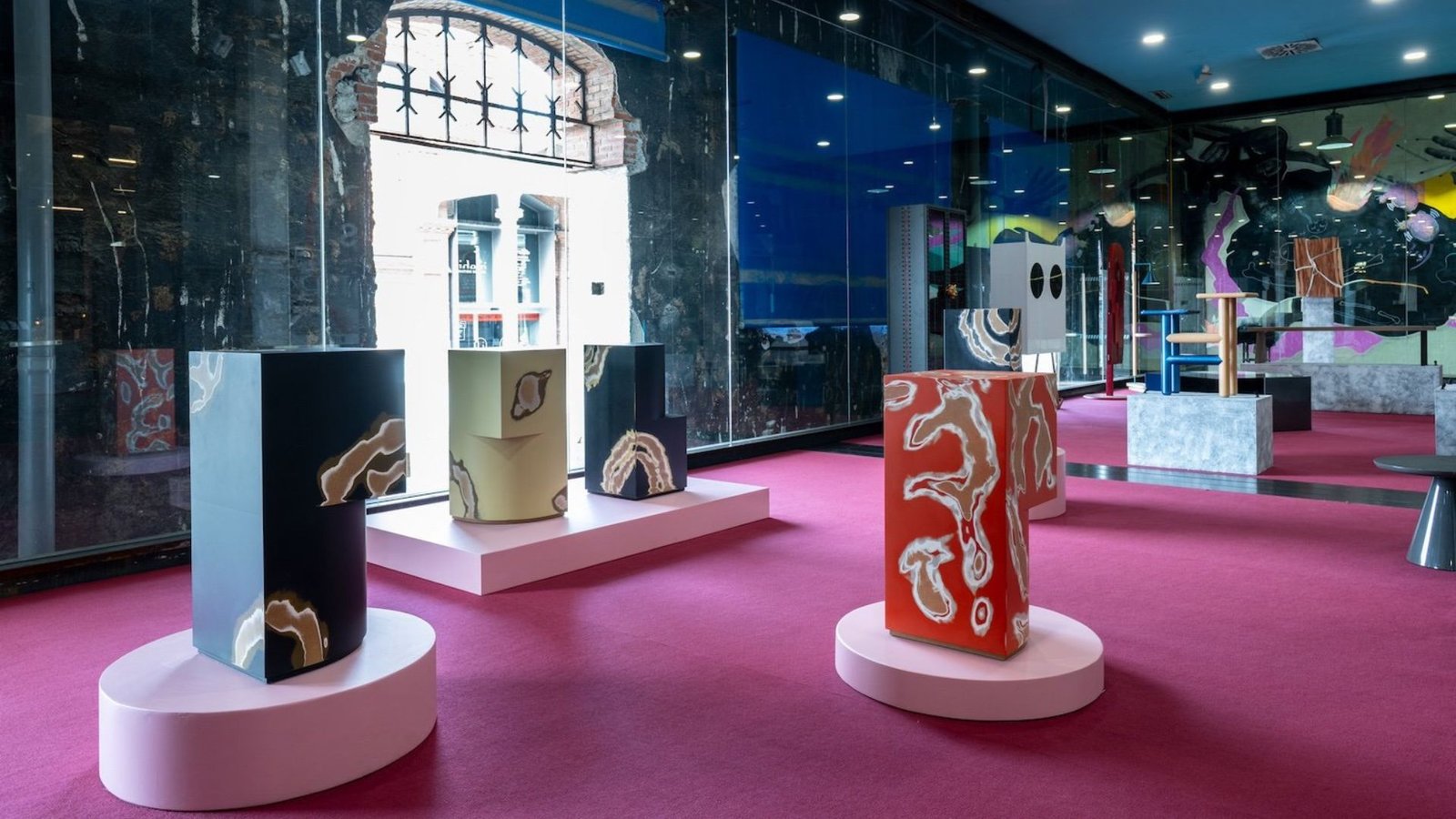
Furthermore, in collaboration with the Politecnico di Milano, the company evaluated the environmental impact of End-of-Waste products derived from WEEE plastics: in this project, called “La Plastica”, recycled polymers (ABS and PS) demonstrated an average reduction in Global Warming Potential (GWP) of over 50% compared to the equivalent virgin materials.
The treatment and recycling of WEEE help to preserve natural resources and reduce CO₂ emissions, with further potential improvements achievable through the recycling of residual waste and the use of renewable energy. Within the framework of the circular economy, Stena goes beyond recycling by also providing consulting on circular approaches, assisting companies in designing products that are easier to recycle (“design for recycling”).
About the author

Materially helps companies in the development and promotion of sustainable innovation starting from materials. We work with a focus on circular economy and materials innovation through a design thinking approach. Our team’s expertise and our network rely on 20+ years of international projects and experiences.
WebsiteInstagramLinkedin