Can bark surprise us? SUPER RAT shows the way
Light in structure, powerful in impact: the bark in the studio’s projects becomes a language that surprises, merging contemporary experimentation with the material’s primitive memory.
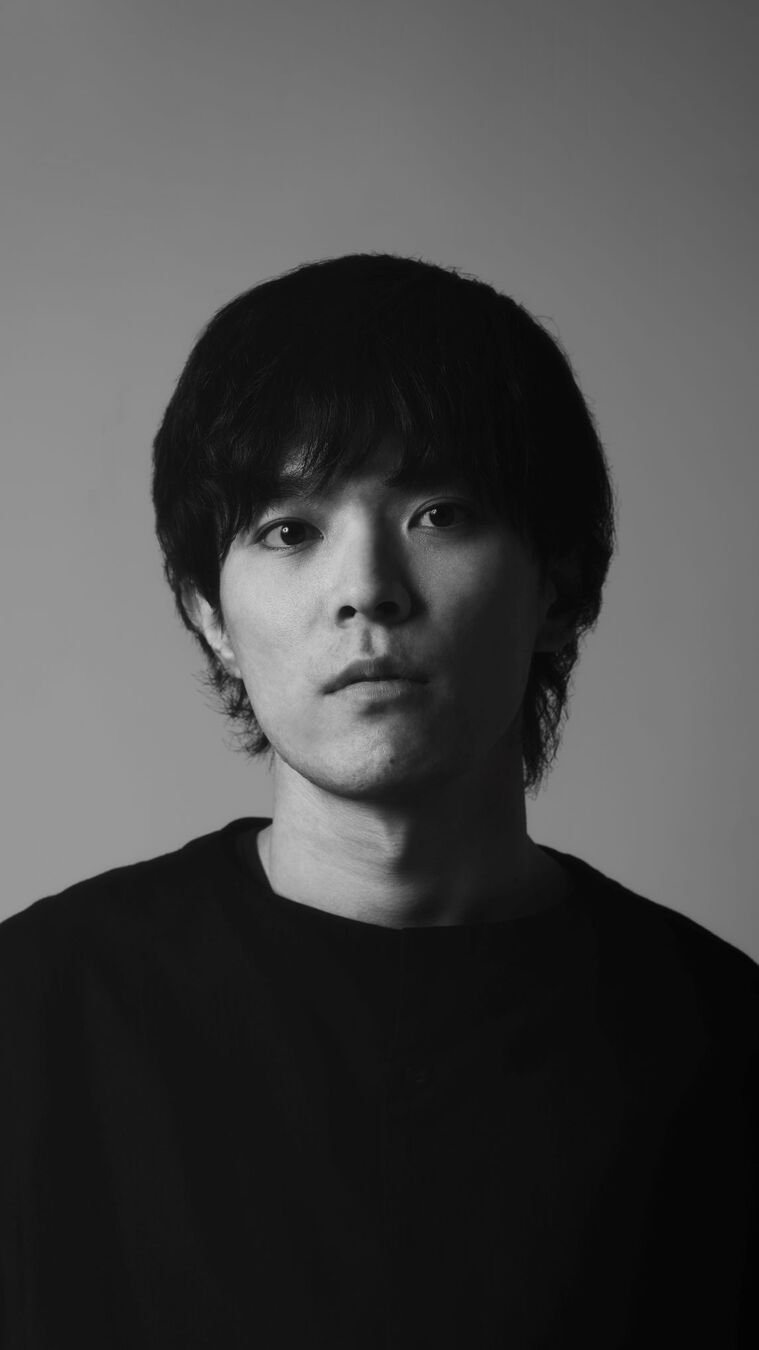
There’s something deeply primal in the way SUPER RAT works with natural materials: every surface seems to hold a memory that the studio’s design transforms into contemporary forms. Founded in 2024 by Kazuki Nagasawa and based in Tokyo, it develops a unique language suspended between past and present, telling stories of the land and the heritage embedded in each element.
Every piece is more than decoration—it emerges from a dialogue with the earth and local craft traditions. What sets the studio apart is how it engages with tradition: not merely replicated or adapted, but observed and reinterpreted, ultimately transformed into something new.
Gallery
Open full width
Open full width
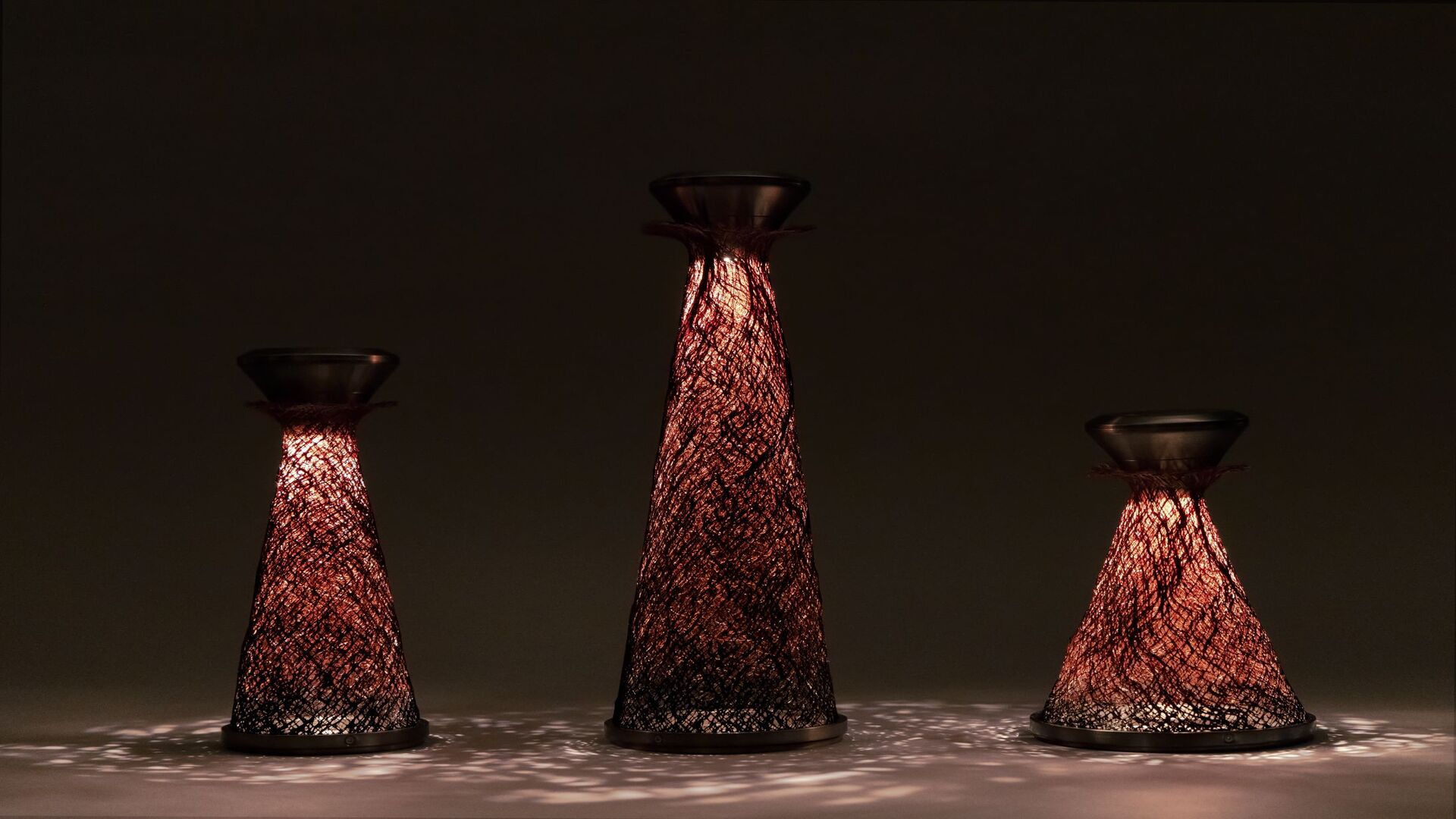
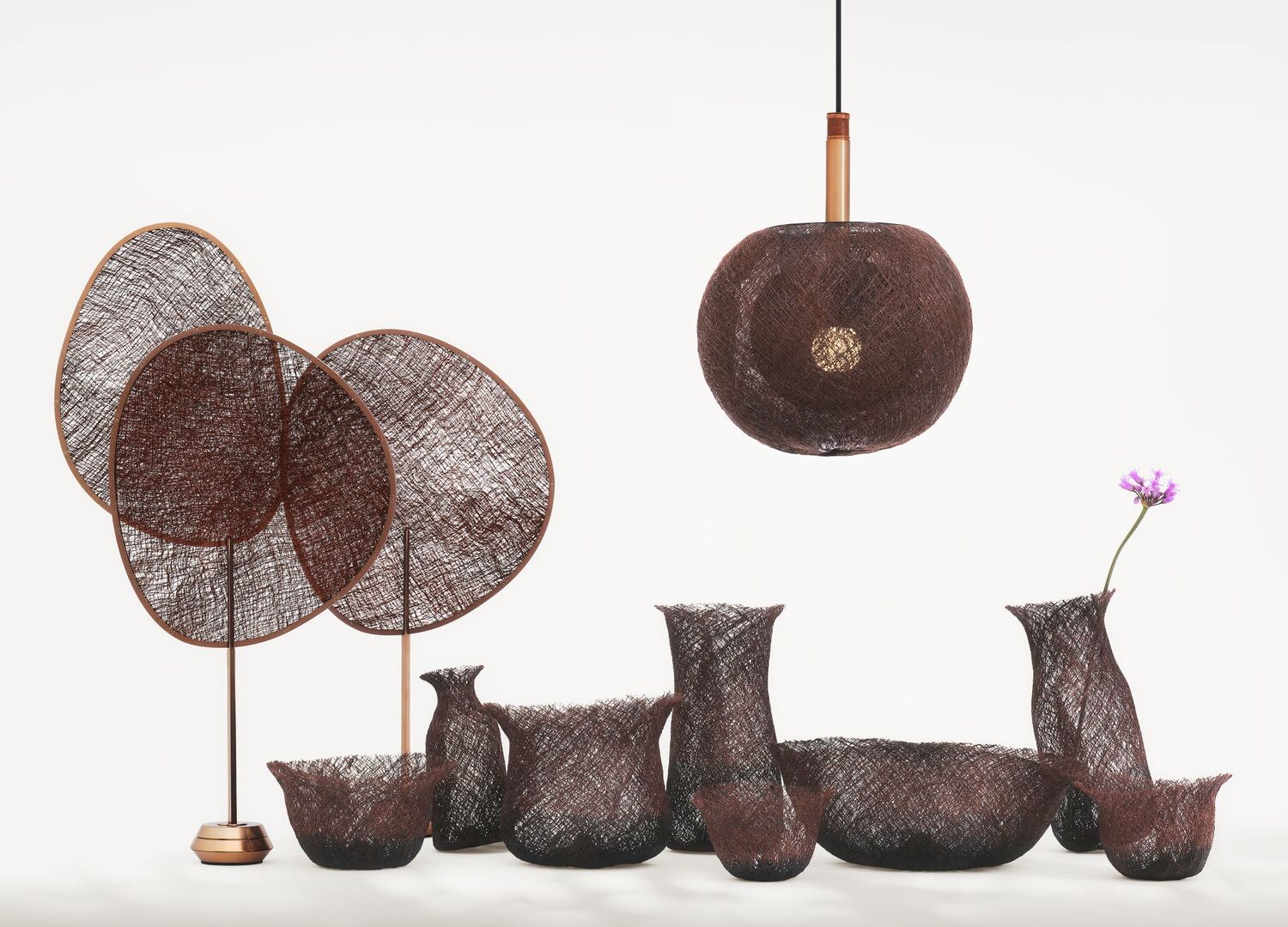
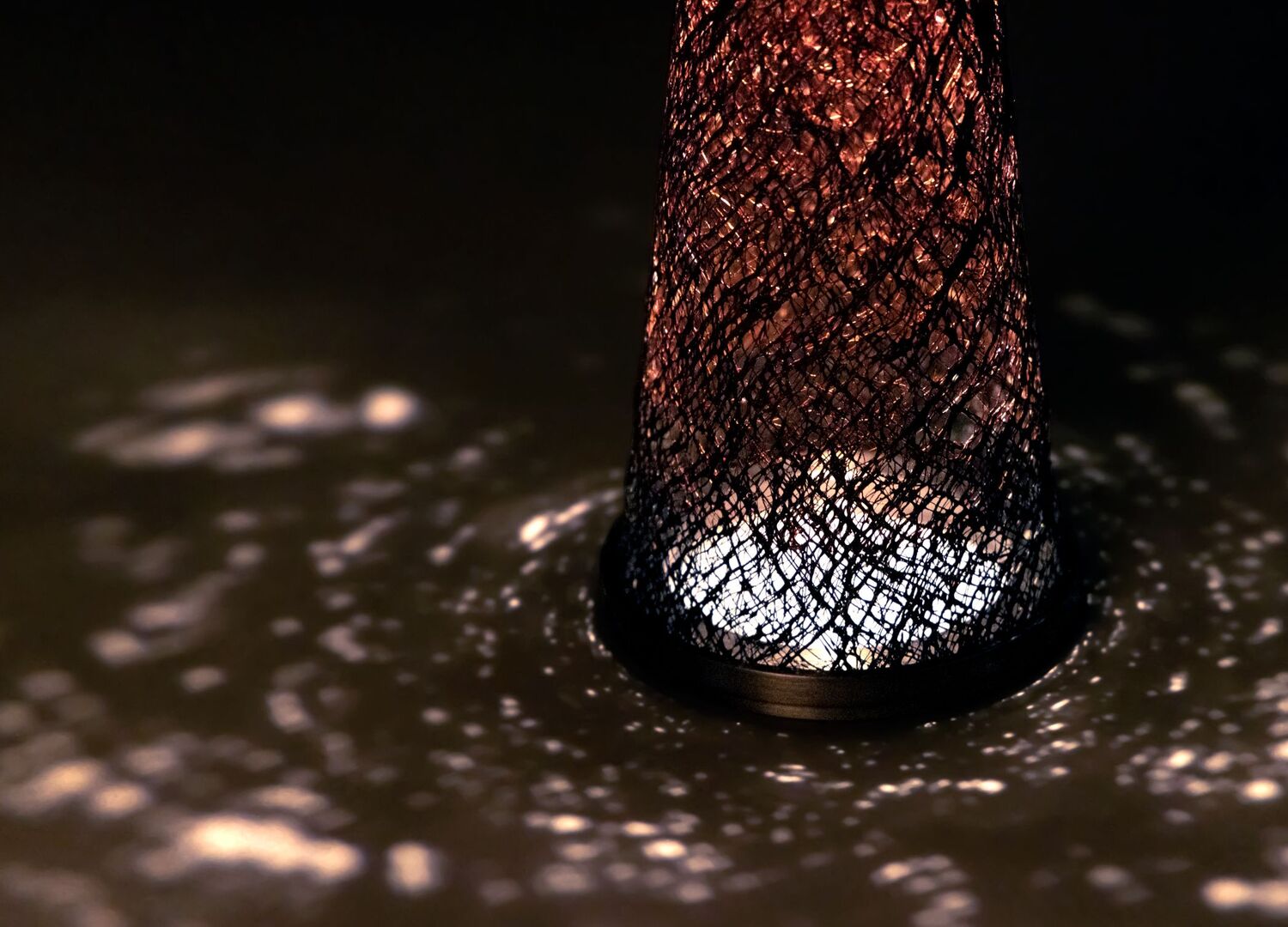
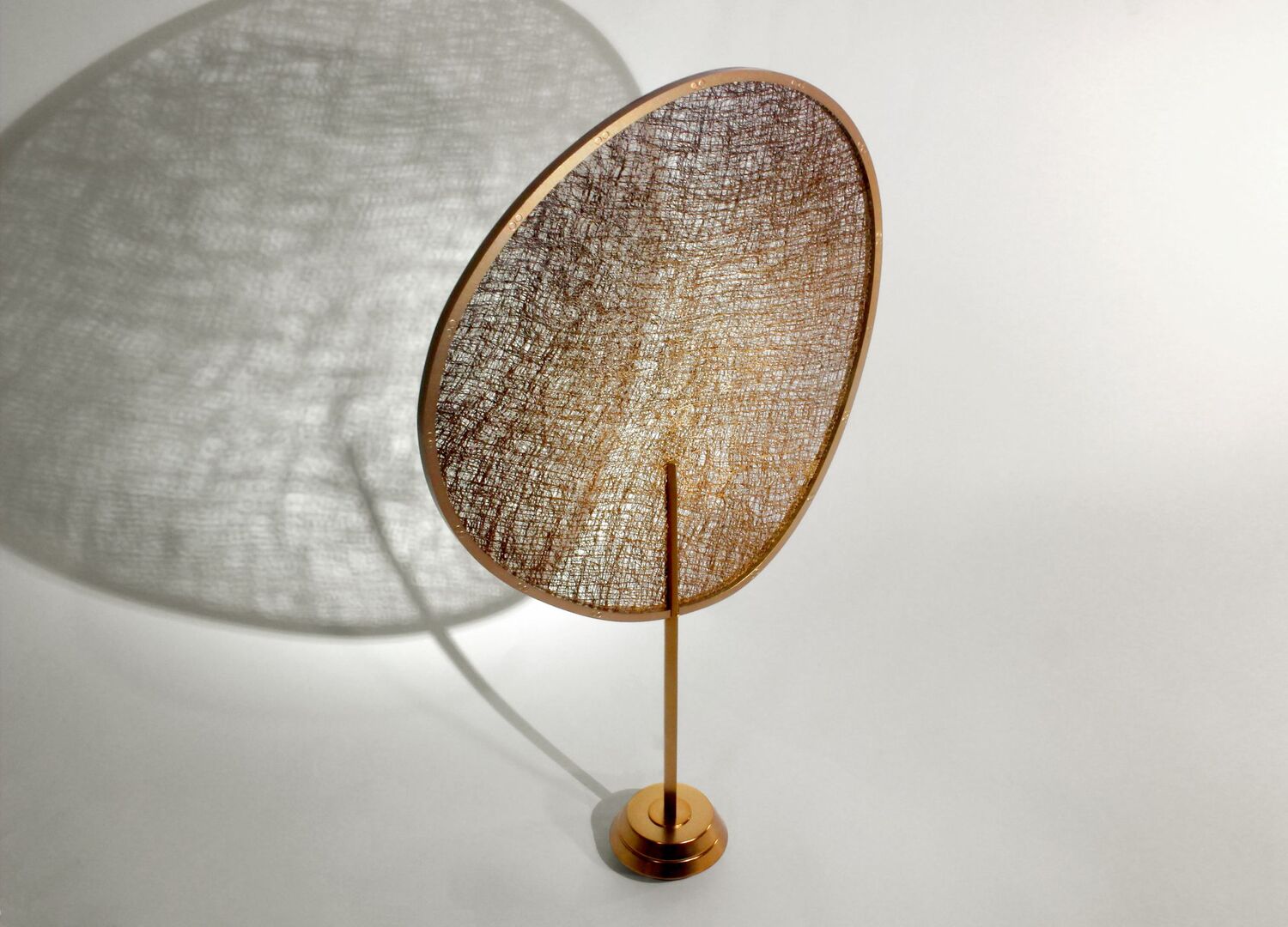
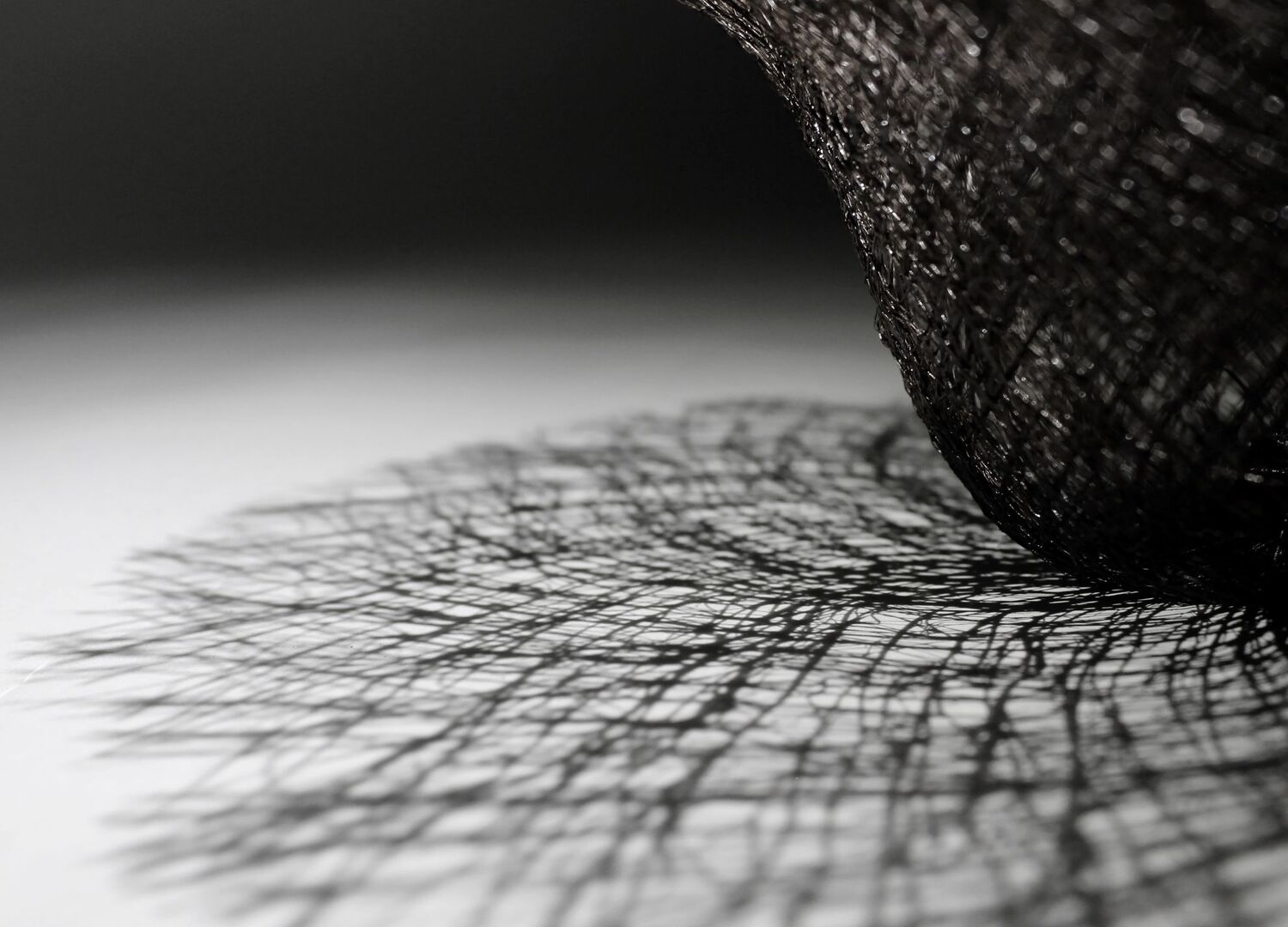
At the heart of their practice – as in a research lab – is the bark of Trachycarpus fortunei, or shuro, a lightweight, translucent, yet surprisingly resilient material. Treated with kakishibu, a liquid derived from fermented persimmons, and enhanced with iron mordants, the bark reveals a complexity that belies its naturally fragile appearance. As Nagasawa explains: “Shuro bark has appealing qualities like lightness and a distinctive texture, but it also comes with many limitations. Through trial and error with traditional adhesives, we arrived at kakishibu, which preserves the mesh structure while allowing free form-building.”
It is this combination of logic and experimentation that gives rise to objects where light and form merge, turning the material itself into a language. The JUHI SERIES – which includes HOUYOU, MA, UTSUWA, and KOMORE – translates this research into tangible outcomes, where the bark becomes both medium and tool for creation. The series stems from a respect for traditional Japanese culture and the use of sustainable techniques, combining reclaimed materials and natural dyes to minimize environmental impact without sacrificing aesthetic or function.
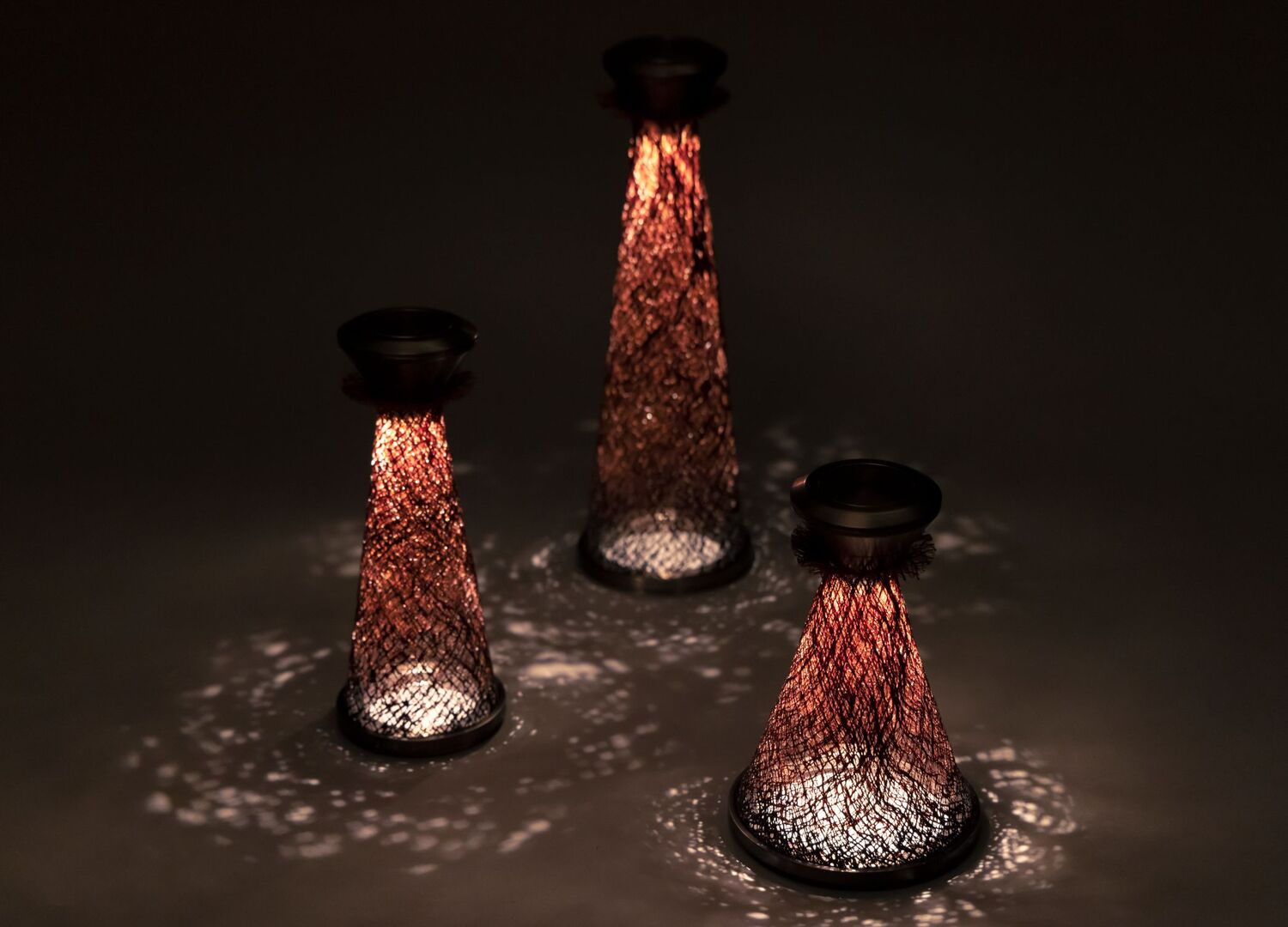
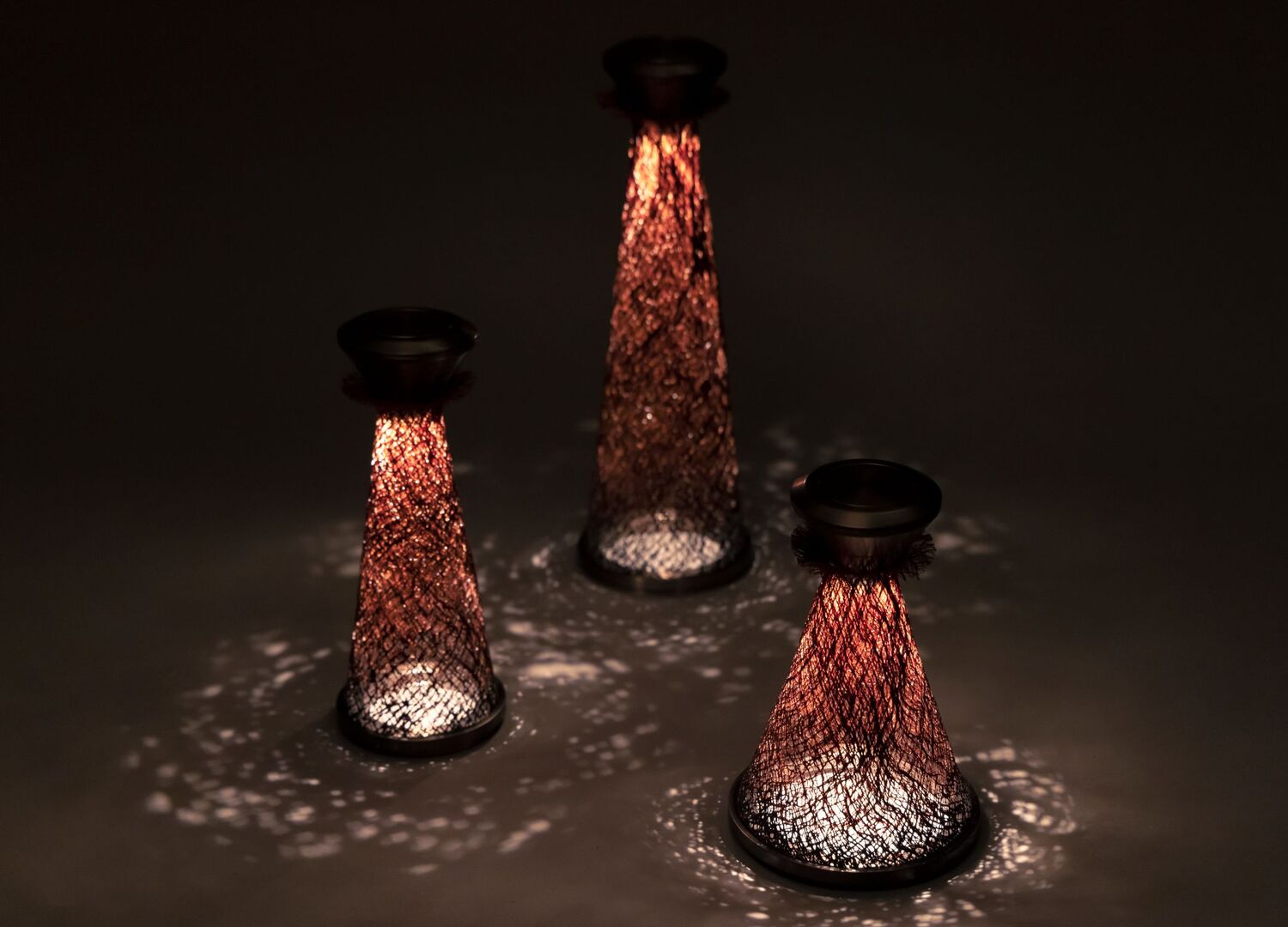
In HOUYOU, a table lamp, the bark is shaped into a hollow cone that envelops and protects the light source. The gesture evokes an embrace, while the seemingly fragile structure reveals an unexpected internal strength.
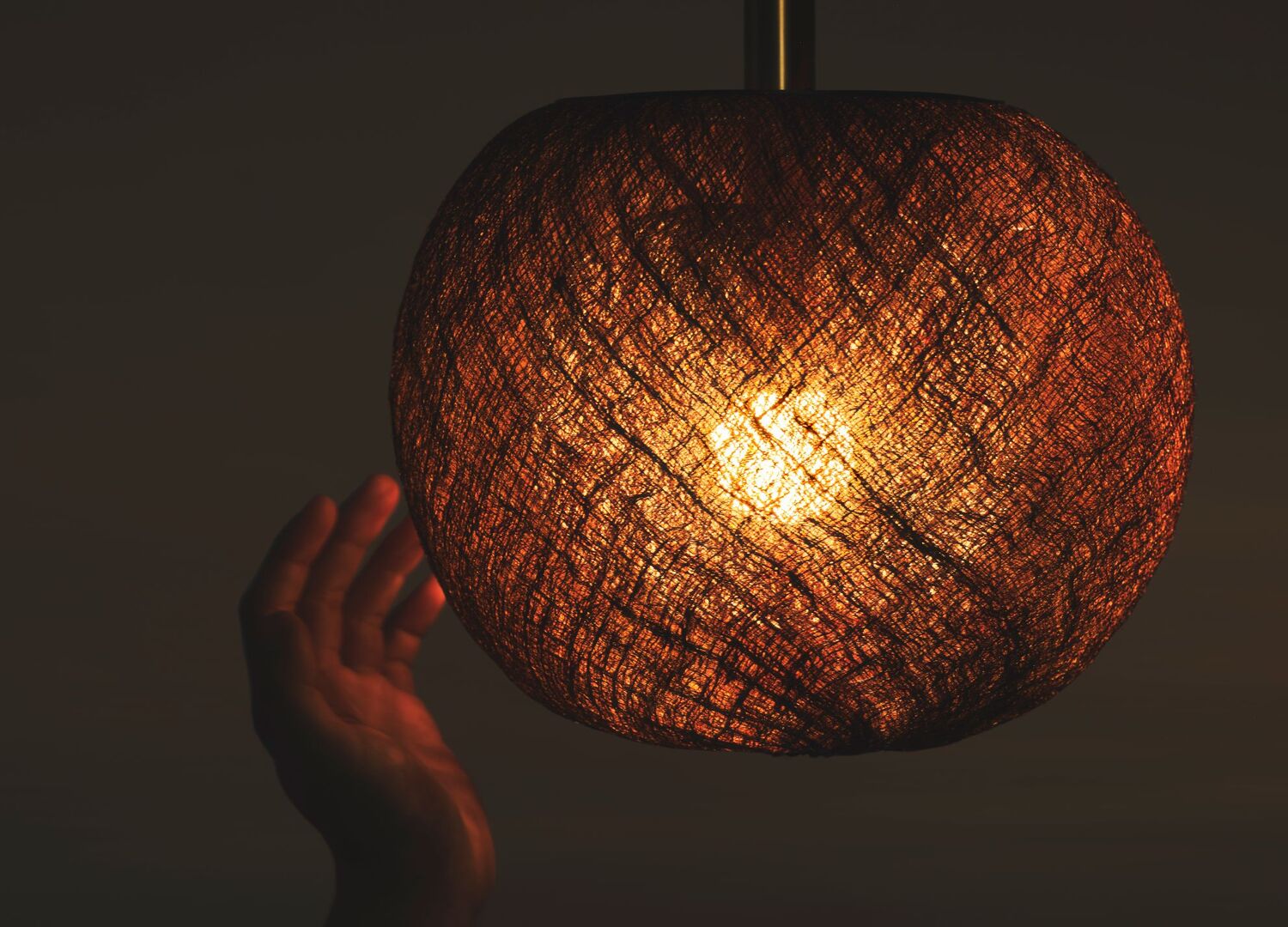
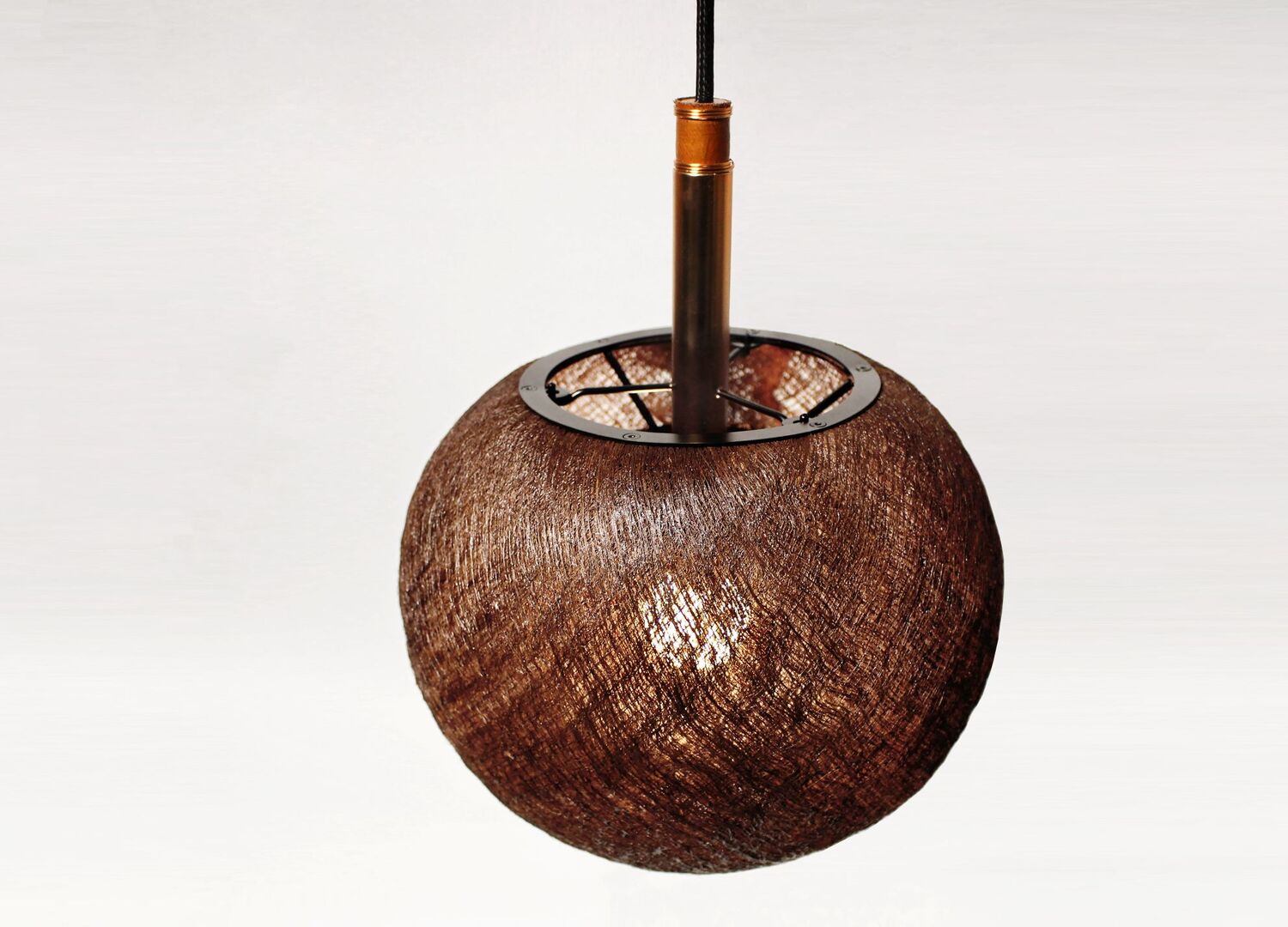
In KOMORE, a spherical pendant light, layered fibers diffuse light softly and irregularly, creating a warm atmosphere. The fibrous texture emerges when illuminated, and the use of parts normally discarded, along with traditional-inspired fastening systems, balances durability and delicacy.
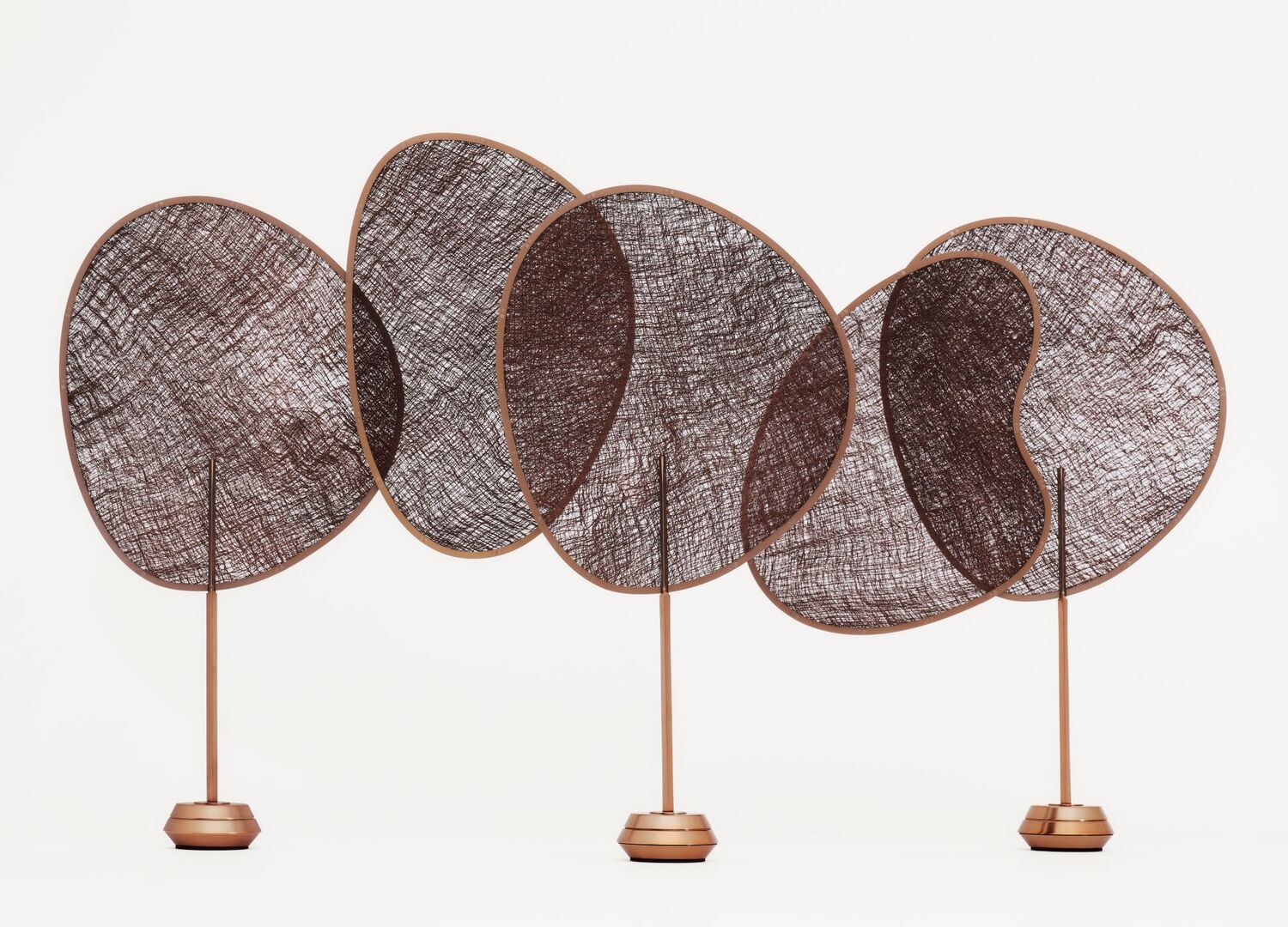
Similarly, MA and UTSUWA transcend the(ir) primary functions to become tools for reading the material. In MA, a tabletop divider, the vegetal membrane transforms into a lightweight yet stable panel: the mesh structure is preserved and reinforced, then made modular through integrated magnets, allowing adjustments in height, overlap, and light permeability.
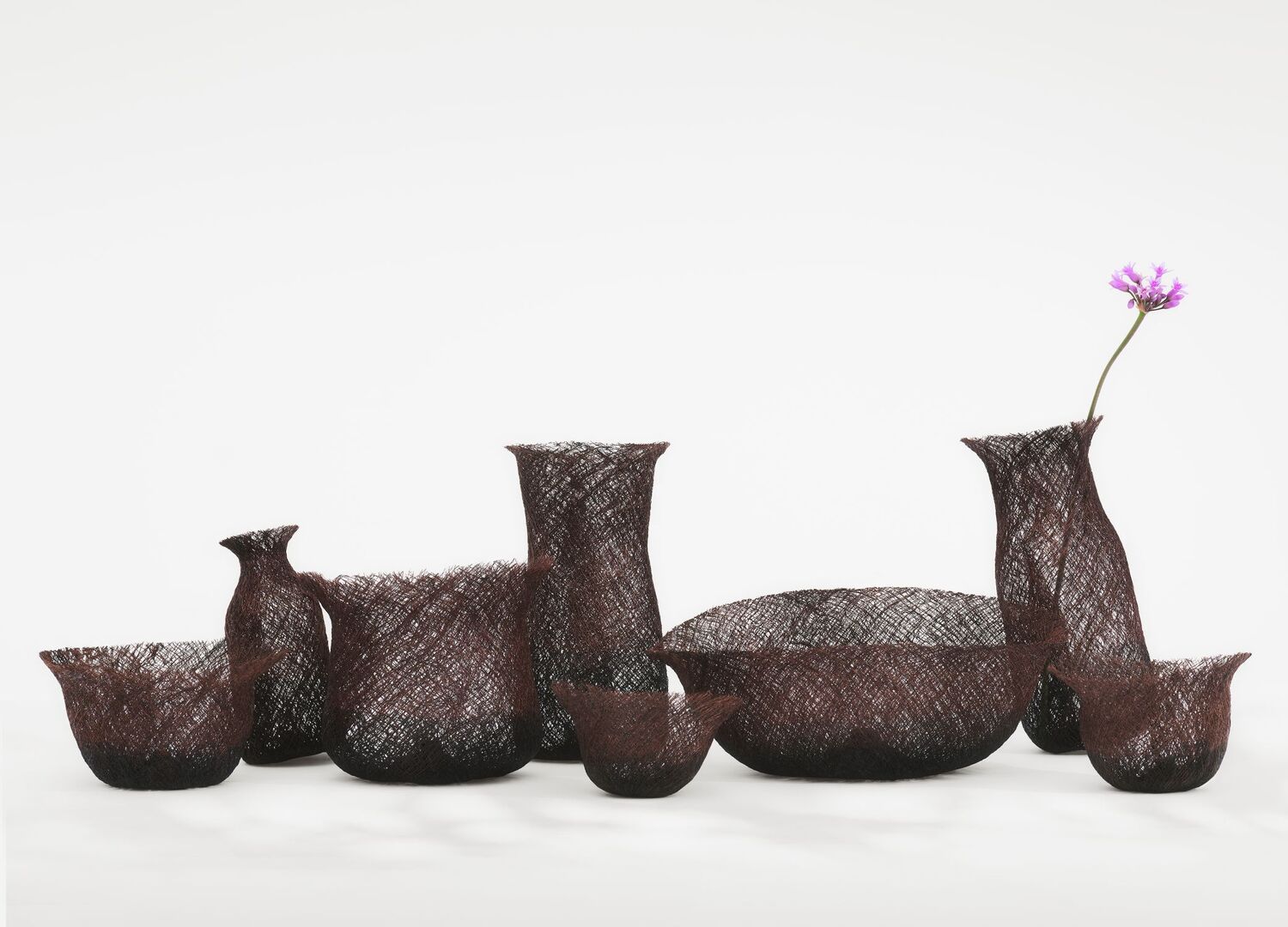
In UTSUWA, the natural covering is pared down to essentials: vessels that are light, almost intangible, where translucency and color variations – achieved through traditional techniques and reclaimed materials – convey a living presence. It is in this transition, from process to form, that SUPER RAT’s approach becomes clear: structure, limits, and possibilities emerge not in the finished product but in the hands-on making.
SUPER RAT transcends the classic dichotomy between tradition and innovation: it does not merely update tradition but reconstructs it, giving it new meaning in the present while opening paths for the future. Trachycarpus fortunei bark, treated with ancient techniques and transformed into light and translucency, reveals what from the past can survive without losing authenticity. There are no clear boundaries between what must be preserved and what can be reinterpreted: as the designer states “We do not simply bring traditional crafts into the present as they are, but rebuild them so they acquire new meaning and value.”
SUPER RAT’s creations are thus in constant transformation, revived through the ‘memory of the hands’, giving rise to a language that is both primitive and sophisticated, where every choice restores a profound connection between nature, culture, and everyday life.