Thomas Sankara Mausoleum: a monument to Burkina Faso’s revolutionary leader
A testament to architecture’s power in creating new hopes and visions while honouring history, following the Pan-Africanist president’s legacy.

In Ouagadougou, Burkina Faso, a new architectural landmark has emerged to honour one of Africa’s most celebrated leaders. On May 17, 2025, the Thomas Sankara Mausoleum was inaugurated by architect Francis Kéré as a space dedicated to future possibilities, as well as being a memorial to the country’s visionary president. Thomas Sankara had ruled as the president of Burkina Faso from 1983 until his death at just 37 years old, after a career dedicated to pursuing women’s rights, environmental conservation, and economic independence.
His government enforced the prohibition of female circumcision and forced marriages, worked on preventing famine and reducing social inequalities, improving the country’s overall development and wellbeing. The mausoleum stands on a haunted ground, in the very place where he was assassinated along with 12 of his closest aids, during a coup in 1987. For decades, this remained a place of fear for many locals, a reminder of past political violence. Now, through the vision of architect Francis Kéré, it has been transformed into a space of respect, remembrance, and hope.
Gallery
Open full width




Open full width
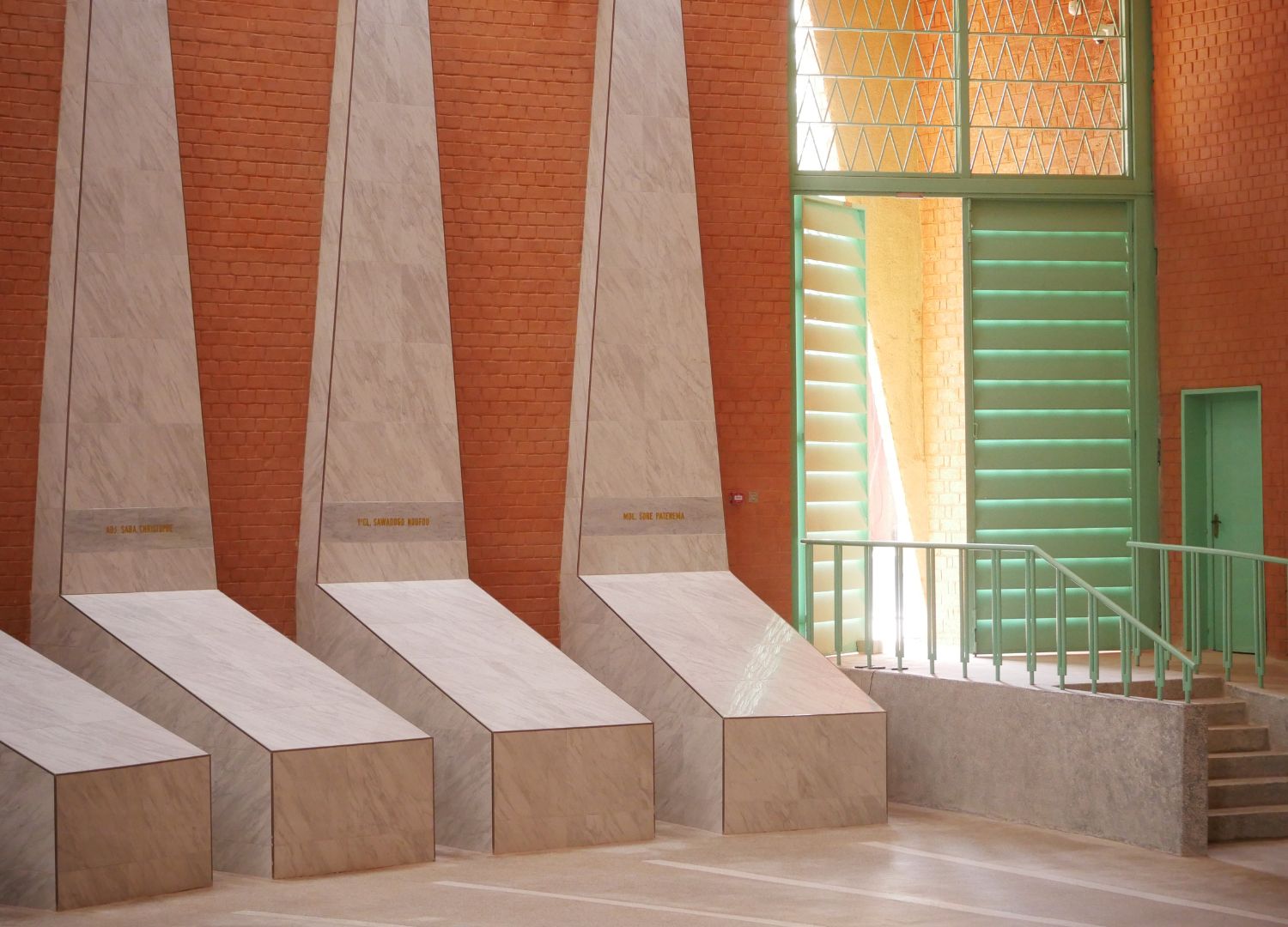
The building’s key feature is its relationship with the sun: inspired by its paths, 13 tombs are arranged concentrically in the structure, each positioned beneath a skylight. As the day passes, natural light moves through the space, illuminating one tomb after the other in a ritual of remembrance. The design creates what Kéré describes as a “poignant reminder of the gap created in the lives of the families”, as 13 columns create open spaces that physically represent the absence of those who were killed.
A massive 34 metre dome caps the structure, protecting the interior from Burkina Faso’s intense heat while creating a cathedral-like resemblance. Two large gates at the entrance harness east-west winds for passive ventilation, allowing fresh air into the building. True to Sankara’s commitment to local resources, the mausoleum is constructed from laterite and clay bricks sourced from the region, transforming the construction process itself into a form of community engagement.
 © Kéré Architecture
For Francis Kéré, the project is also a personal homecoming. Born in a village in Burkina Faso, Kéré became the first African and first Black architect to ever win the Pritzker Architecture Prize in 2022. His encounter with Sankara as a young person left a lasting impression, as he reflects “This is the first time I have been asked to take on the responsibility of constructing a building in memory of a great figure. […] Thomas Sankara played a crucial role in shaping Burkina Faso—even giving our country its name—and his pan-Africanist ideas resonate more deeply today than ever before. Meeting him was a pivotal moment in my early life, and I think many people in Burkina Faso feel a strong connection to Thomas Sankara and his work. The mausoleum will be a space that belongs to the people, presenting an important historic site as a symbol of progress, change, and hope for all.”
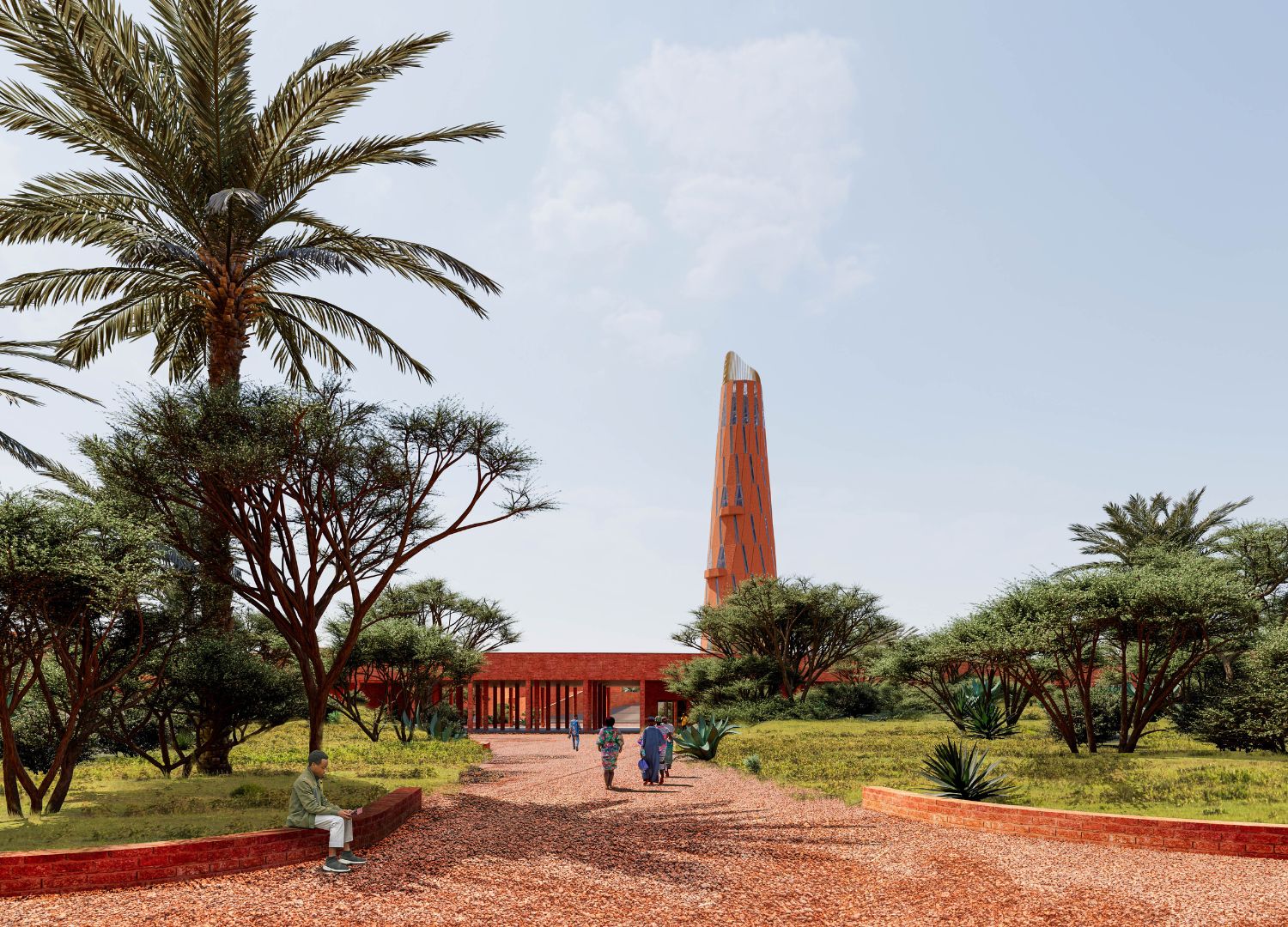
The mausoleum represents only the beginning of what will be a much larger memorial complex, the Thomas Sankara Memorial Park. It will span 14 hectares, and will eventually include an amphitheatre, restaurants, shops, offices, and educational facilities. The centrepiece will be a tower positioned exactly where Sankara and his colleagues were killed, with an accessible terrace positioned at 87 metres, referencing 1987, the year of the assassination.
As visitors move through the Thomas Sankara Mausoleum, following the path of the sunlight from tomb to tomb, they encounter a physical manifestation of Burkina Faso’s political history. Architecture here can serve both as a memorial and a manifesto, honouring the past while also inspiring future action. Transforming a site of violence into a space of hope, the building can truly be of use to local citizens, and represents the lasting power of Sankara’s visionary leadership. It is, in every sense, a monument worthy of the history it honours.