Tom Chung and the construction of a personal design process
From self-initiated projects to concept-driven objects, this article explores how Tom Chung builds his design theory through making, context, and production.
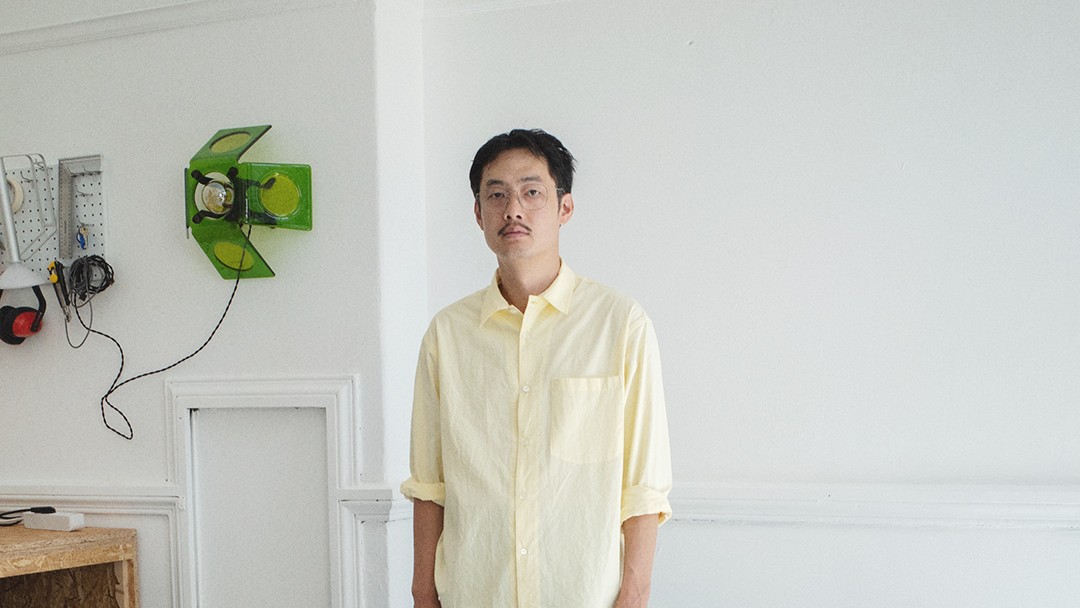
When observing designers of a certain quality, it’s possible to recognize a recurring pattern. Beyond differences in language or medium, they often share a similar attitude: a deep attention to how people interact with objects, a strong awareness of production technologies, and a tendency toward a clear, minimal expression. But what truly connects them is something less visible, a solid design theory that guides their decisions over time.
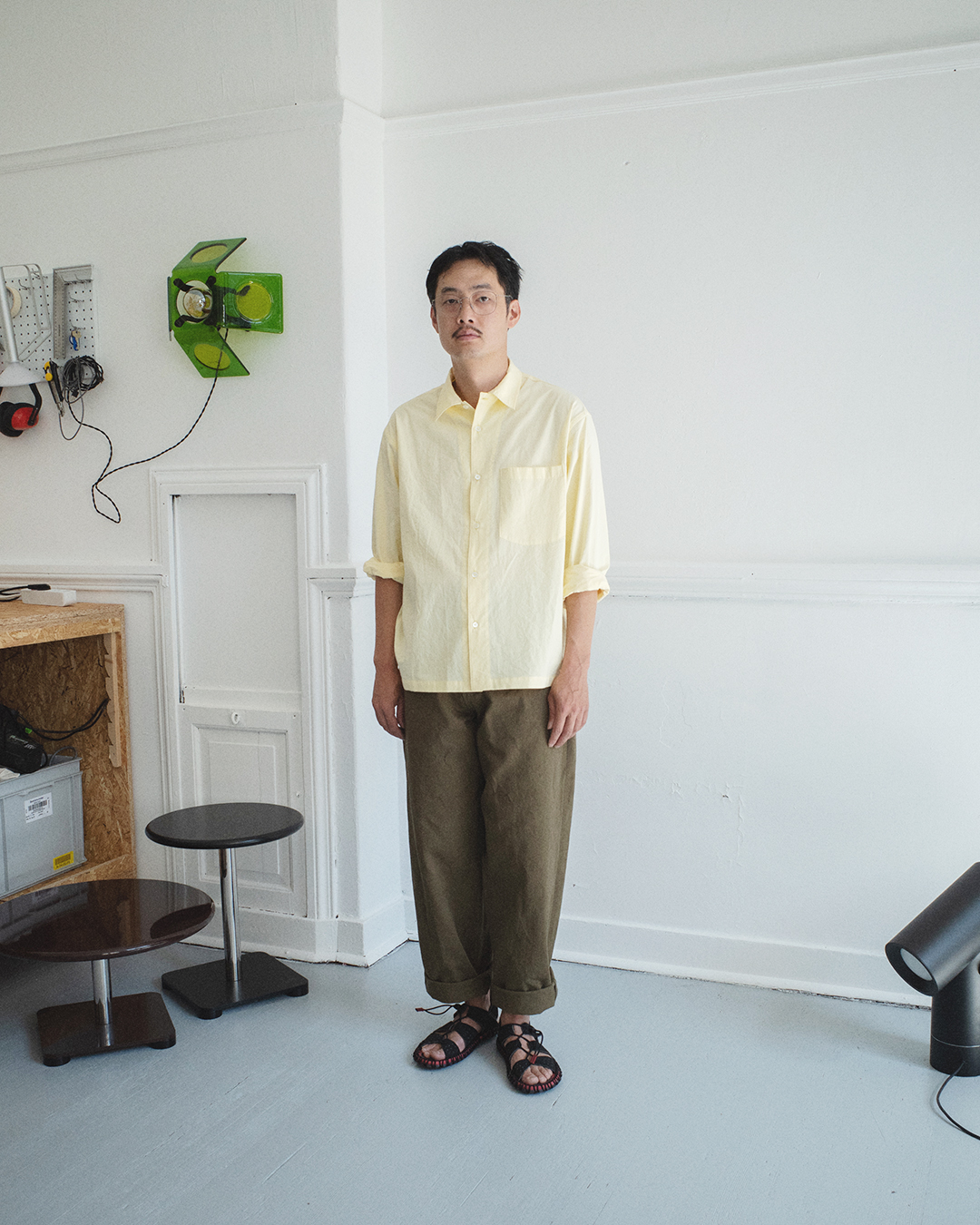
Tom Chung is one of those designers. His work is not driven by trends or stylistic gestures, but by a constant dialogue between concept, production, and context. Looking at his objects, it becomes clear that each one is the result of a precise way of thinking built through experience, experimentation, and self-initiated research.
Gallery
Open full width
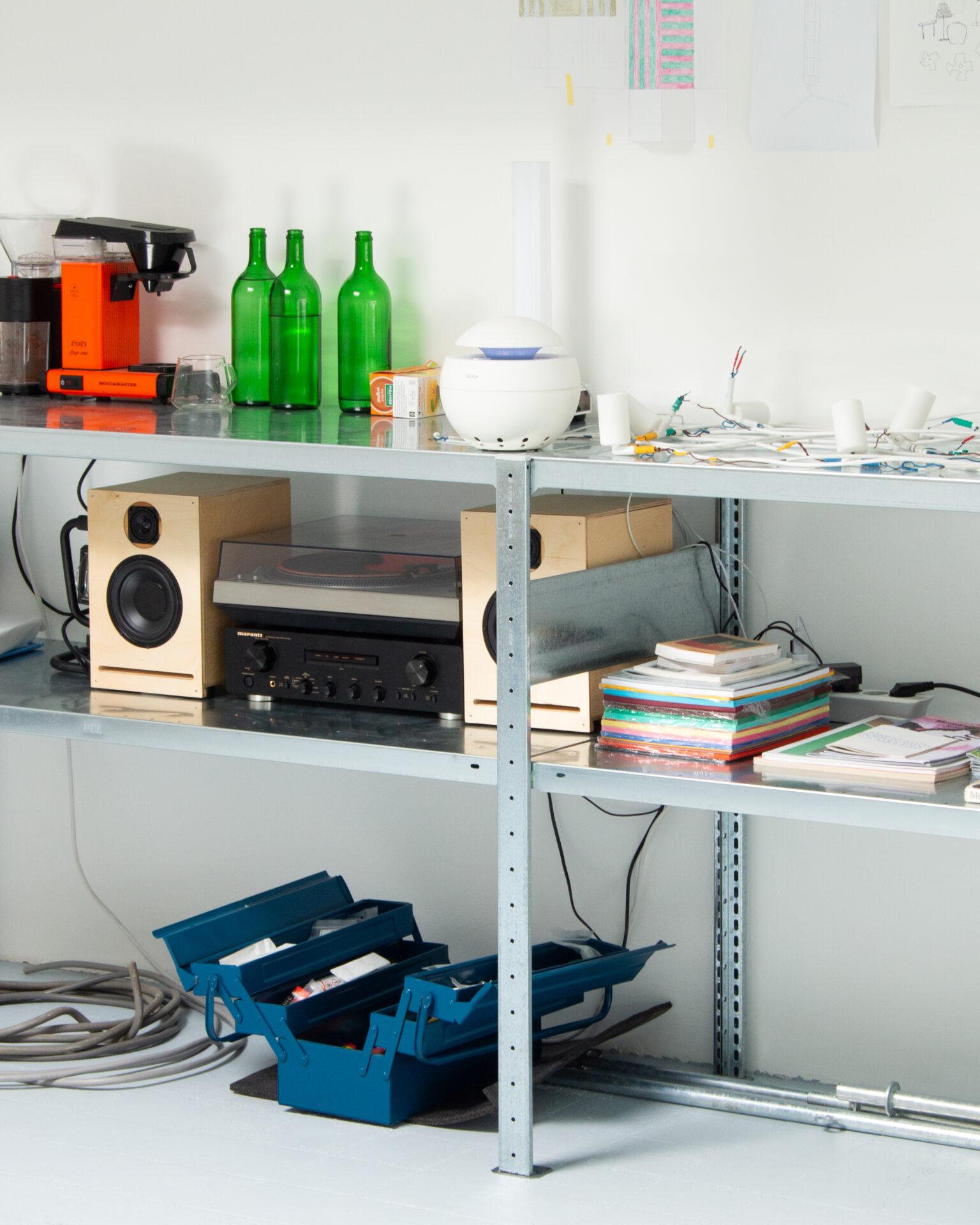
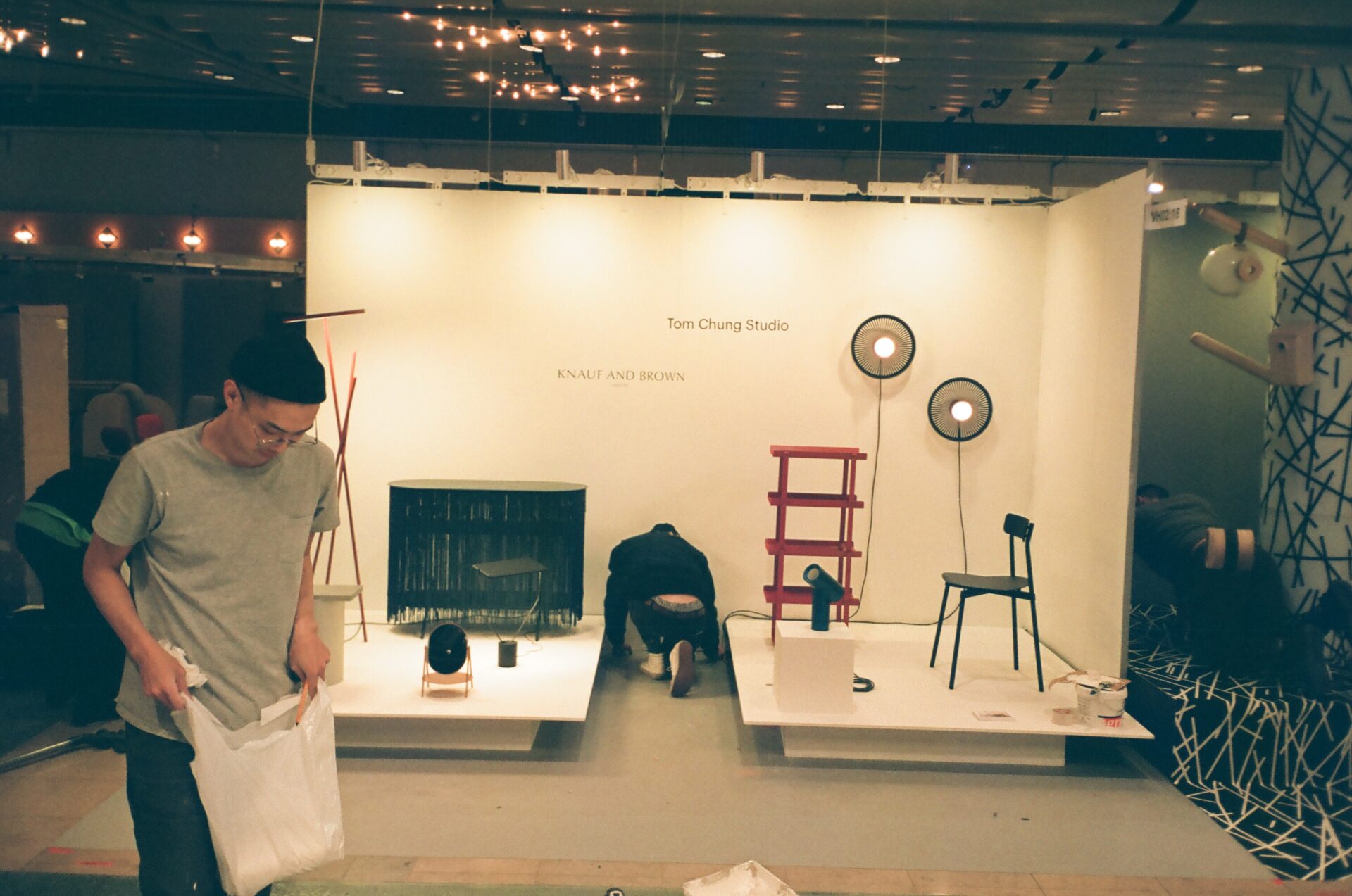
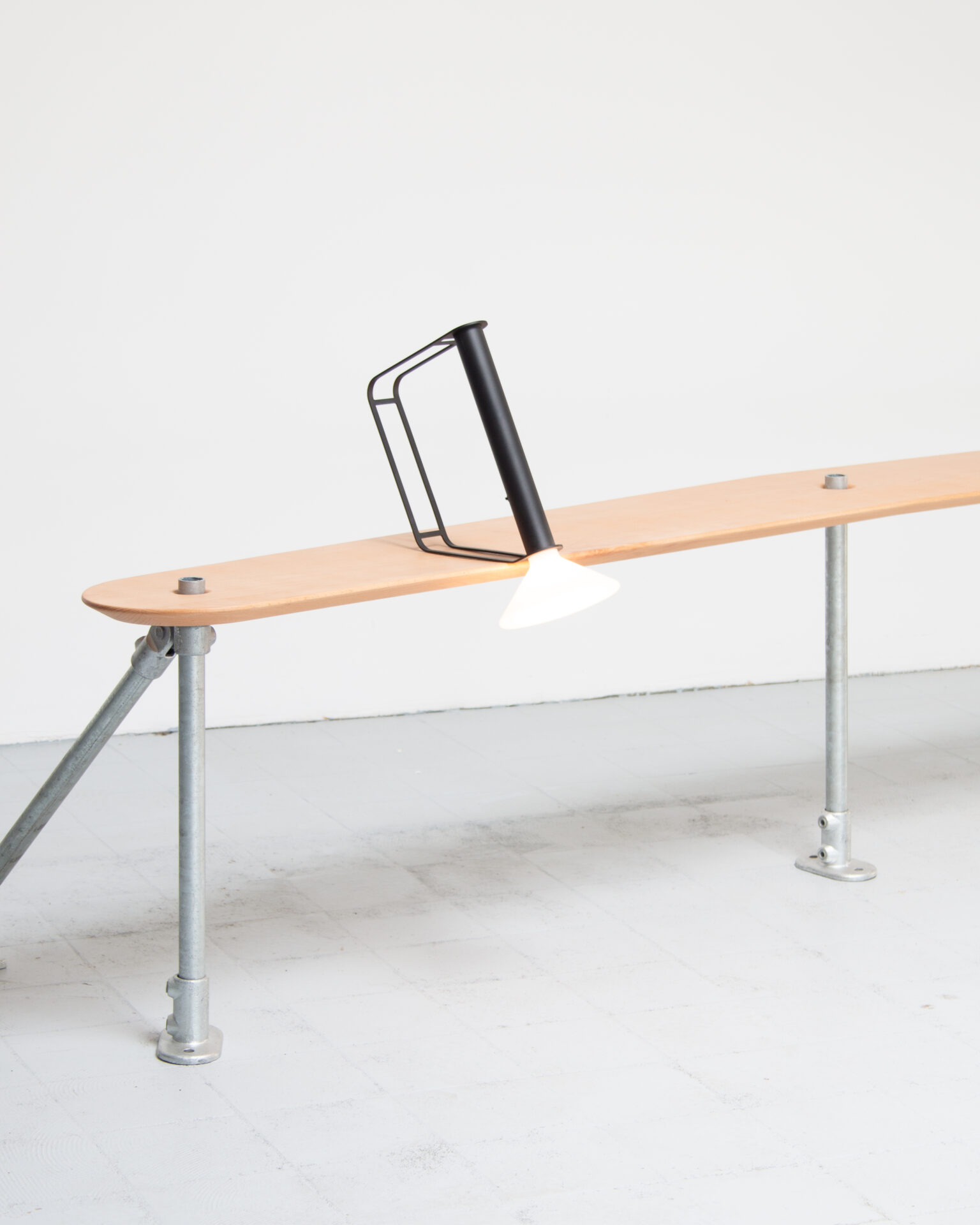
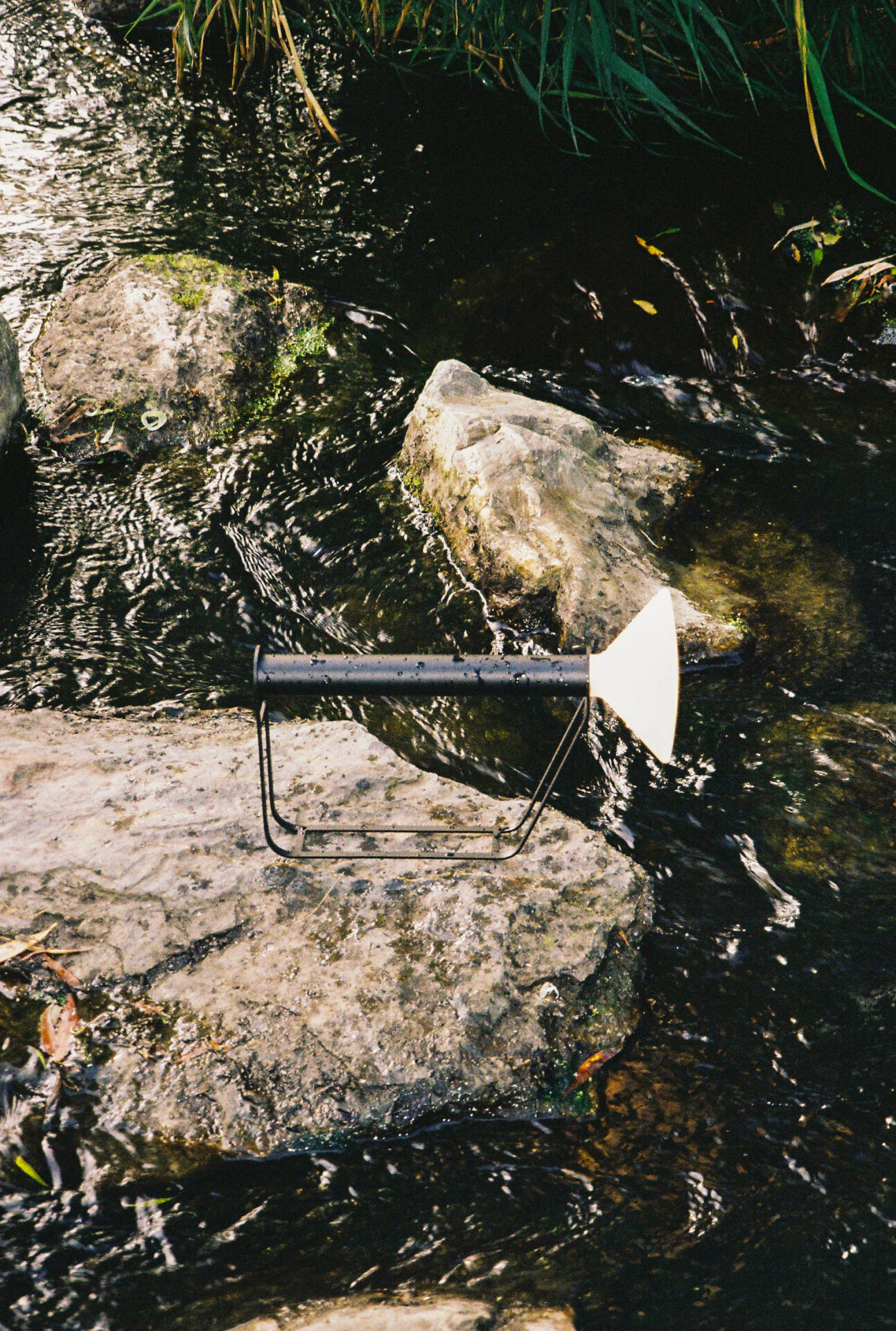
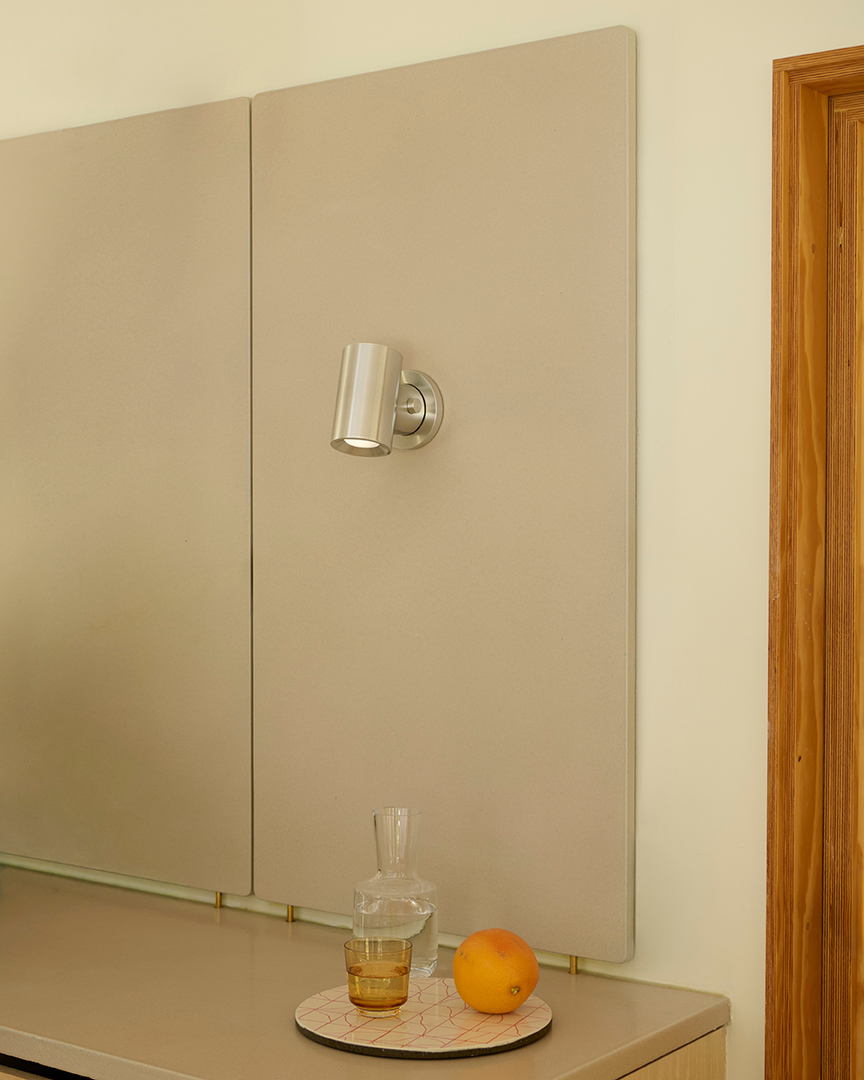
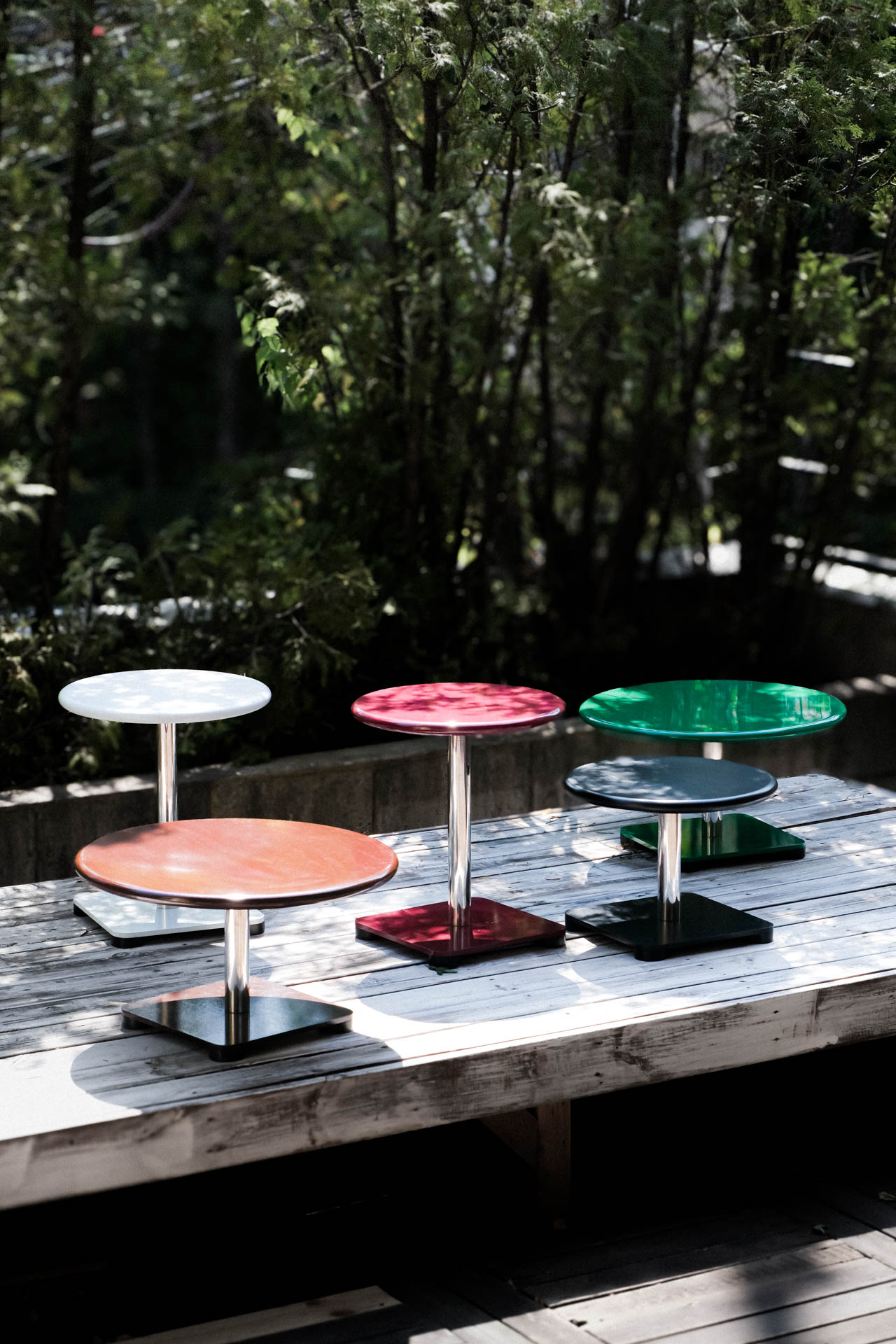
Open full width
Tom Chung – Highlights:
From industry to independence
Before establishing himself as an independent designer, Tom Chung spent several years working at Umbra, one of Canada’s most well-known design brands. That experience played a crucial role in shaping his understanding of industrial processes, scalability, and the dynamics of collaborating with companies.
Working inside a structured organization allowed him to learn how design decisions are made at scale, but it also revealed the limitations of working exclusively within predefined briefs. Over time, the desire to explore ideas more freely became stronger.
Around ten years ago, Chung decided to begin his independent career. This transition didn’t happen in a particularly “design-centric” environment. Toronto, unlike cities such as Milan, London, or Eindhoven, doesn’t offer a dense ecosystem of manufacturers, galleries, and design institutions. Instead of seeing this as a limitation, Chung turned it into a resource. His early work was deeply influenced by what was locally available: industrial materials, workshops, production techniques, and this context played a fundamental role in shaping his way of doing things.
Context as a design driver
Design doesn’t happen in a vacuum, and Tom Chung’s work is a clear demonstration of this idea. His early projects were born from a pragmatic interpretation of the local production landscape, combined with a personal interest in human interaction and material honesty.
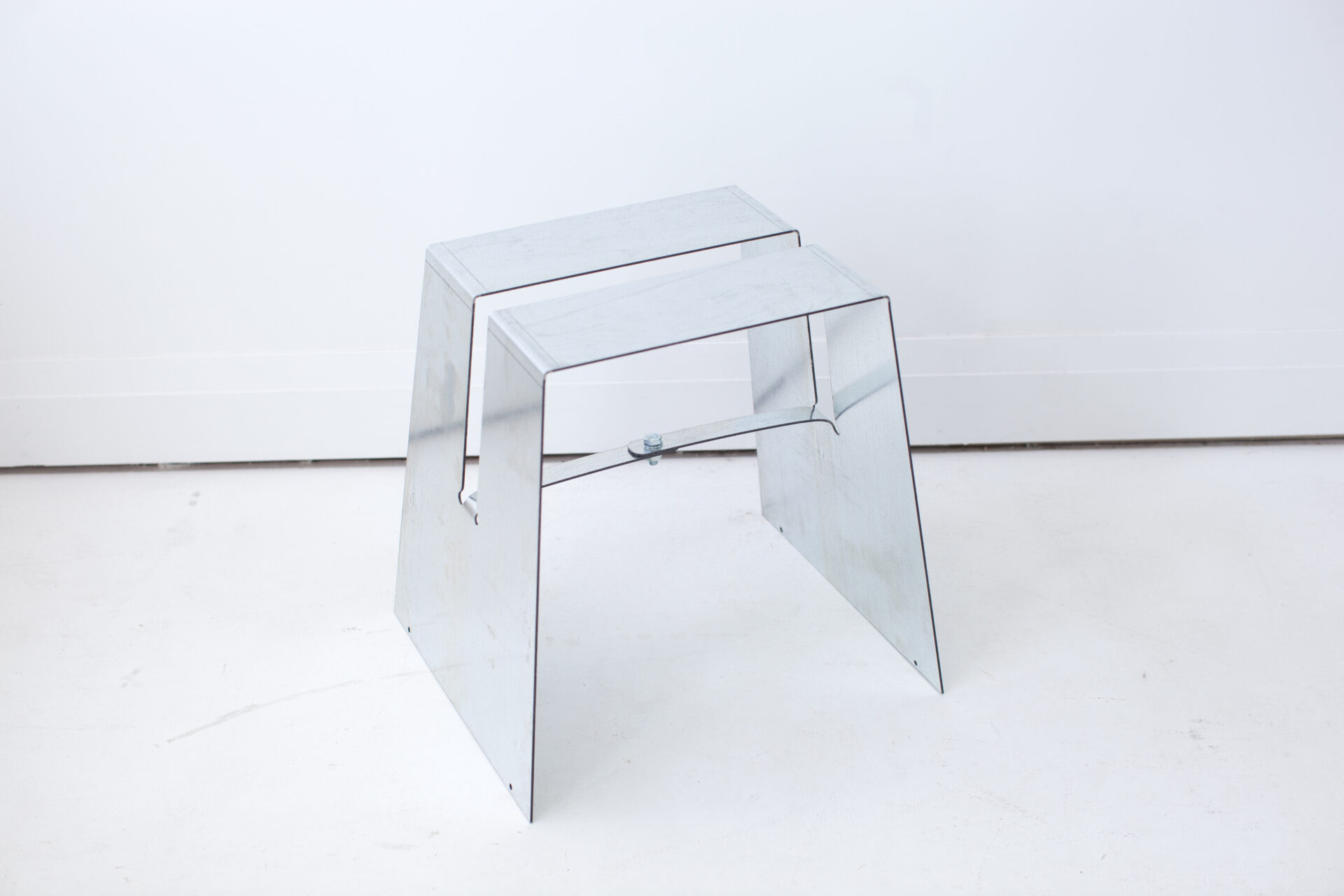
His Laser Cut Stool (2015) is emblematic of this phase. The object doesn’t try to impress through form alone. Instead, it communicates its logic clearly: how it’s made, how it stands, how it’s meant to be used. Production constraints are not hidden, they become part of the narrative.
This approach reflects a broader design theory: form is not imposed, but emerges from structure, material, and use. It’s a way of designing that prioritizes clarity over decoration, and understanding over immediacy.
Self-initiated projects as a foundation
As Tom Chung began presenting his prototypes at fairs and exhibitions, his work started to attract attention. Companies recognized the strength of his language, and collaborations followed. But designing for brands inevitably introduces negotiation: briefs, production targets, and market expectations begin to shape the outcome.
At a certain point, Tom Chung felt the need to rebalance his practice. While collaborations remained important, he decided to return to a more integral approach to design, one in which he could maintain full control over the creative process, from idea to prototype.
Self-initiated projects became a central tool in his practice again. Not as isolated experiments, but as a way to define and refine his method. These projects allow him to explore ideas in their most radical form, without compromise, and later translate them into collaborations when the right partners emerge. Today, his practice follows a hybrid structure: commercial projects coexist with internal research, but the latter often sets the direction for the former.
A shift in environment: moving to Europe
A significant evolution in Tom Chung’s process occurred when he moved from Canada to Europe, settling in the Netherlands. This shift was not only geographical, but cultural and structural.
The Dutch design environment offered new possibilities: stronger manufacturing networks, easier access to experimental production techniques, and a more mature market for design research. Just as importantly, Tom Chung found himself surrounded by a community of designers with whom he could exchange ideas, critique work, and push concepts further.
This change didn’t alter his core values, but it allowed them to evolve. The surrounding context enabled deeper experimentation and more ambitious projects, strengthening the connection between concept and production that lies at the heart of his structure.
Concept before beauty
One of the most interesting aspects of Tom Chung’s work is his relationship with beauty. He doesn’t pursue beauty as a universal or decorative goal – smooth lines, harmonious proportions, or immediate appeal. Instead, he focuses on the strength of the concept. His process often starts by identifying a central idea: a question about production, a material behavior, or a specific interaction. Once that idea is defined, he pushes it to its limits, allowing it to shape the final object.
This approach can result in forms that feel unfamiliar at first glance. Objects may not immediately fit into mainstream expectations, especially when production logic and conceptual intentions are deeply embedded in the design. But over time, these projects become influential. They introduce new ways of thinking and gradually expand the visual language of contemporary design.
Material research and glass experiments
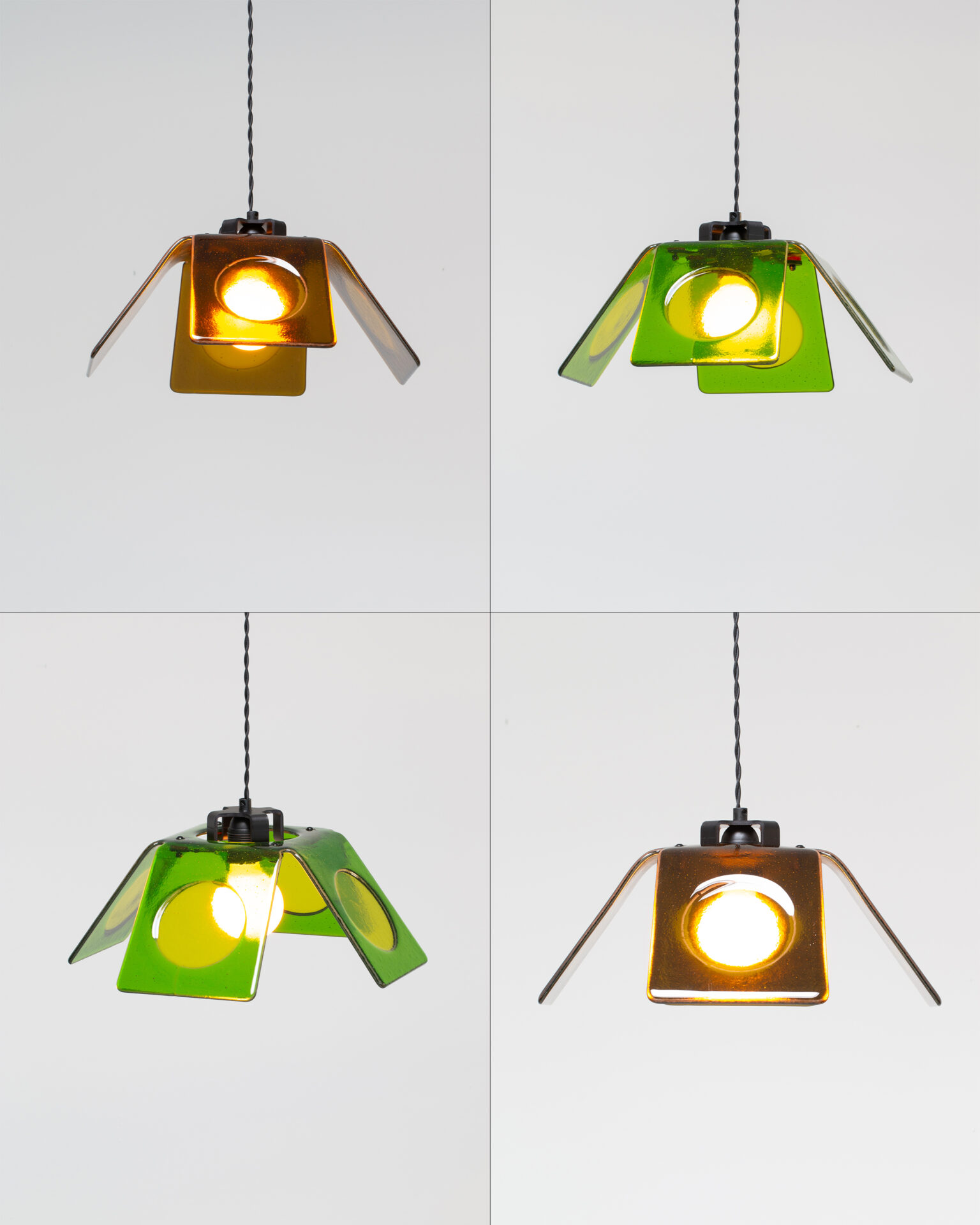
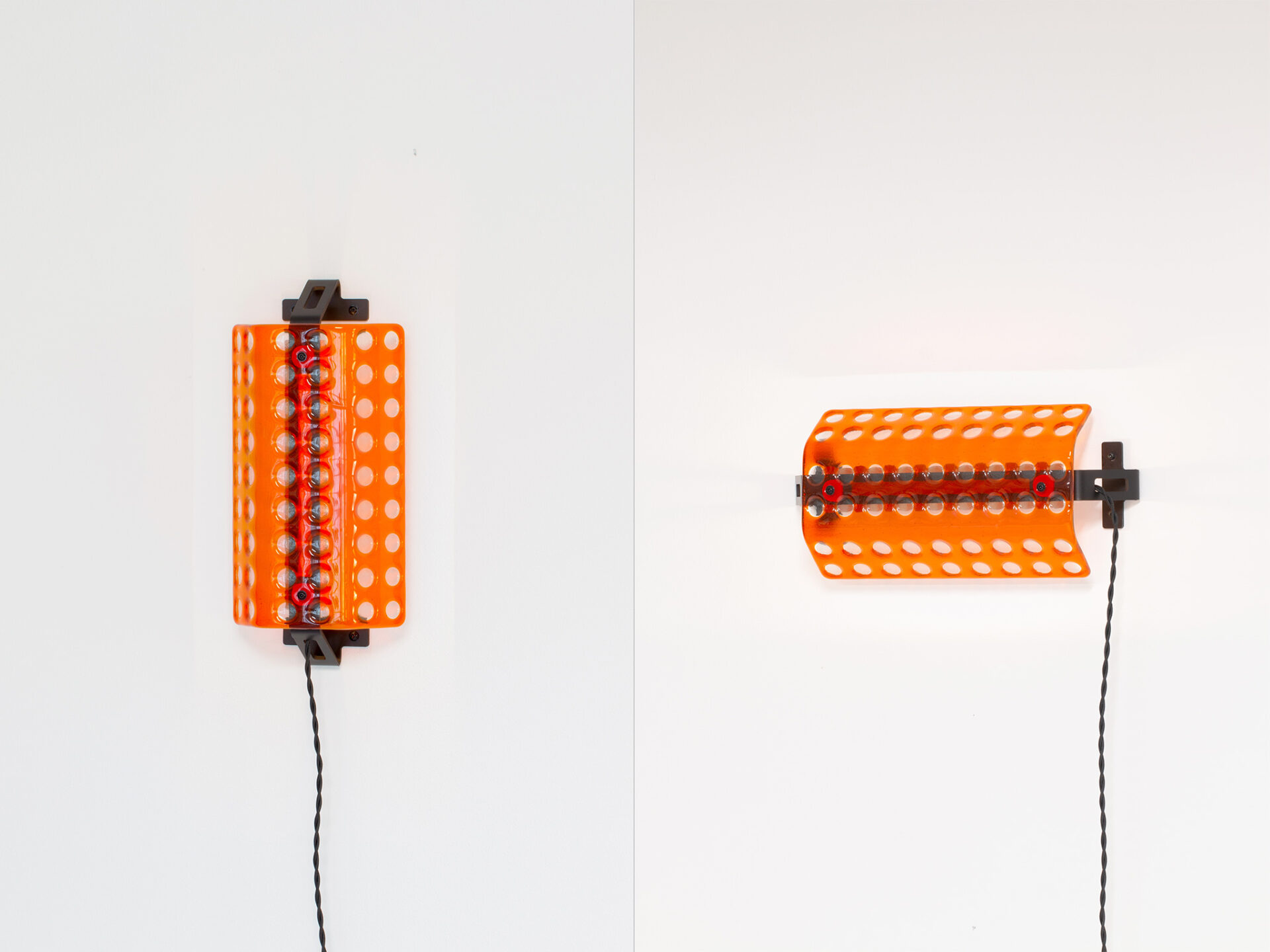
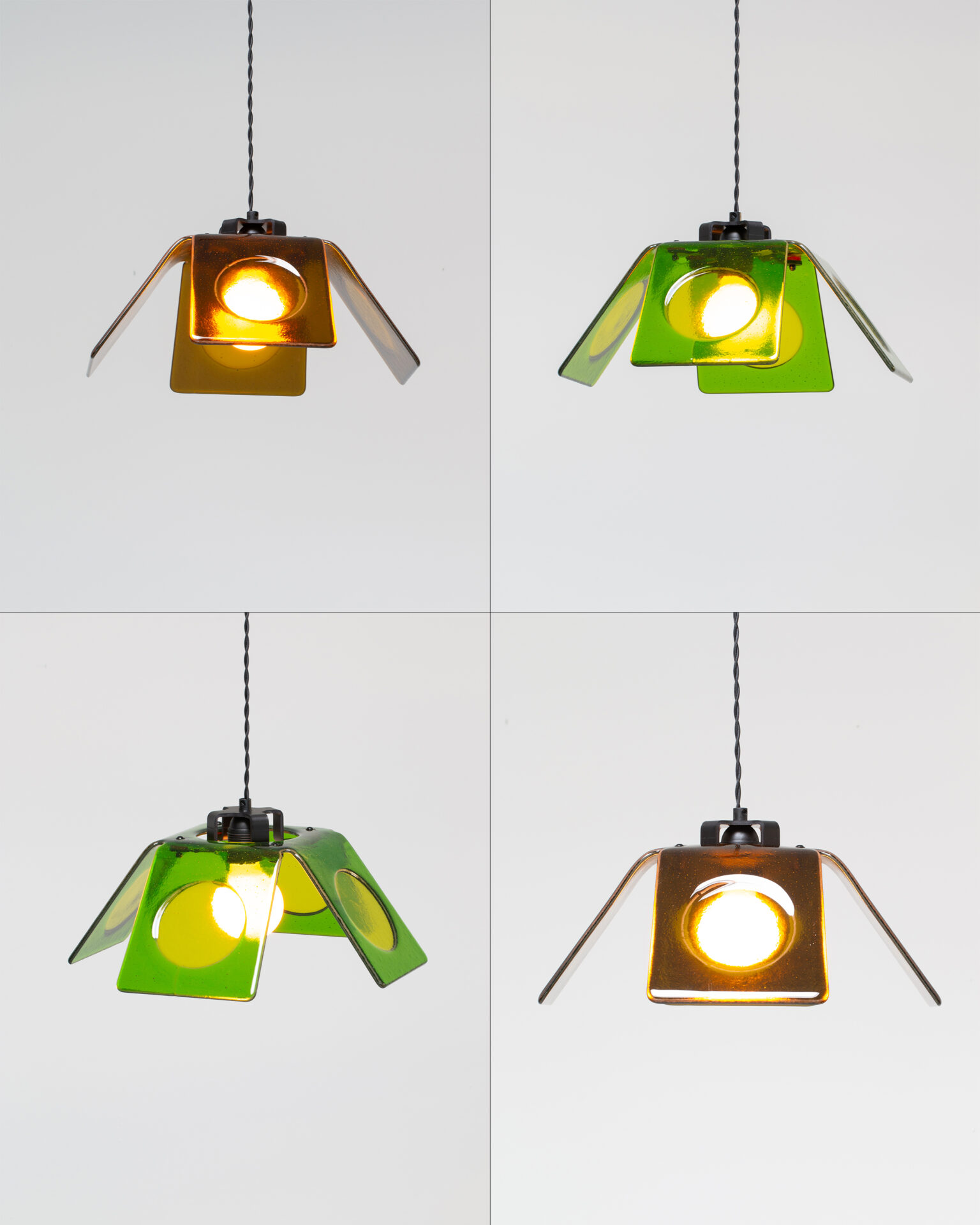
This evolution is particularly visible in Tom Chung’s Fused Glass Lamps. Working closely with skilled artisans, he explored unconventional techniques such as water-jet cutting, followed by fusing and slumping. By manipulating thickness, layering, and internal paths within the material, he created a new visual and functional language.
These experiments were not about aesthetics alone. They were about understanding what glass can do, how it behaves under certain conditions, and how production techniques can generate new forms of expression. The resulting lighting collection is the outcome of this research, a coherent system born from material exploration rather than stylistic intent.
Design theory as practice
Tom Chung’s work demonstrates that a design theory is not something abstract or academic. It is built through making, prototyping, and constant engagement with production realities. It evolves through context, collaboration, and reflection. And the place you live is a huge part of the puzzle.
His objects are not designed to please immediately. They are designed to communicate something about how they’re made, why they exist, and what they stand for. Over time, this clarity becomes their strength. In a design landscape now driven by speed and image, Tom Chung’s practice expresses the value of depth, creating better questions and letting those shape the work.
If you liked this article, we’ve been exploring design theories from the best designers in the world. Have a look at our articles about Daniel Rybbaken, Budde or Michel Charlot.
About the author
Mario Alessiani, founder and creative director of the Italian namesake design studio, specializes in product, lighting, and furniture design. His clients include companies such as Umbra, Fabbian, and Axolight. Mario also teaches at the University of Camerino, IED Rome and Sichuan Normal University in China. His work has been exhibited at prestigious events like the ADI Design Museum in Milan, Eindhoven Design Week, and Milan Design Week, earning him awards like the IF Design Award and Archiproducts Design Award.
WebsiteInstagramLinkedin