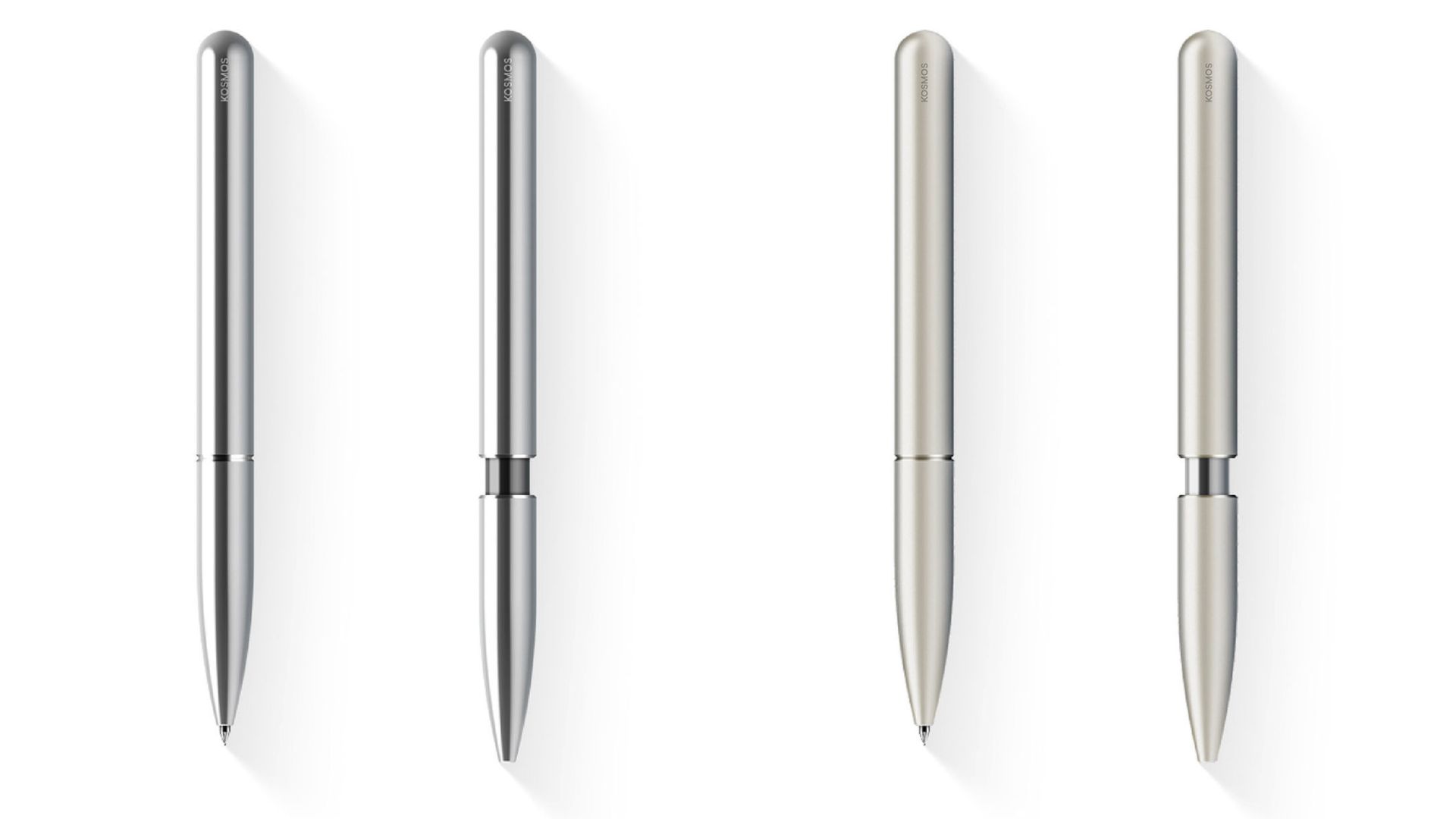
Ugly Duckling: on balancing playfulness and rigour in tech
An interview with Gihawoo, the Korean design studio’s founder, about technology, irony, and having fun in the design world.

Ugly Duckling is not your typical design studio. Founded by Gihawoo in Seoul in 2010, the practice has already collaborated with global giants like Samsung. Despite their misfit name, the studio has carved out its reputation for blending humour with rigour, creating products that surprise and provoke.
With a piglet shaped VR device and a phone controller that looks like a gun, their portfolio reads less like a catalogue and more like a cabinet of curiosities. Ugly duckling refuses the safety of a standardised process, by creating new methodologies for each project, an approach that gives life to these unexpected creations. In our conversation we explored the origins of their name, the elasticity of their process, and how they balance wit with seriousness in a field often allergic to irony.
Gallery
Open full width
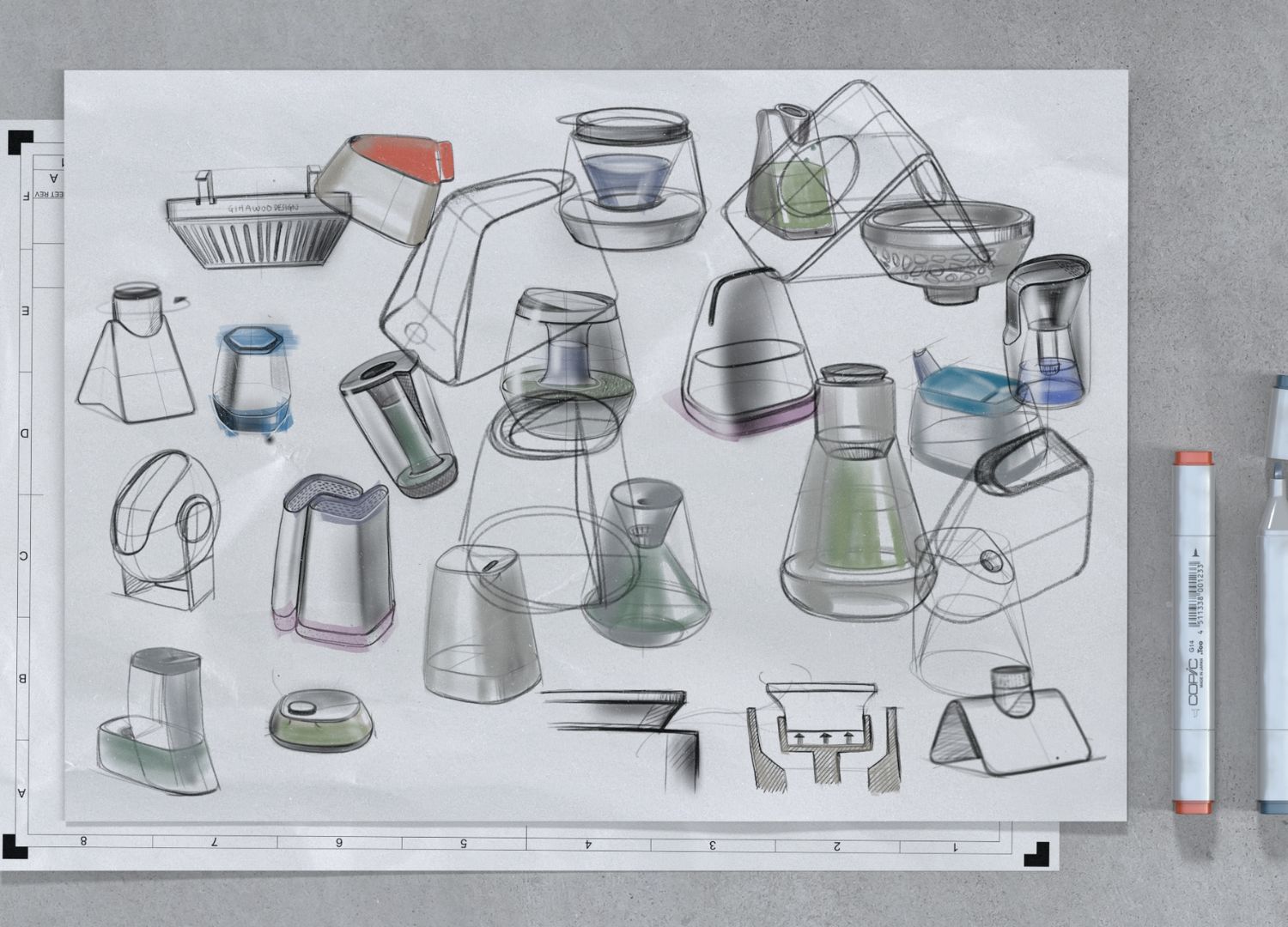
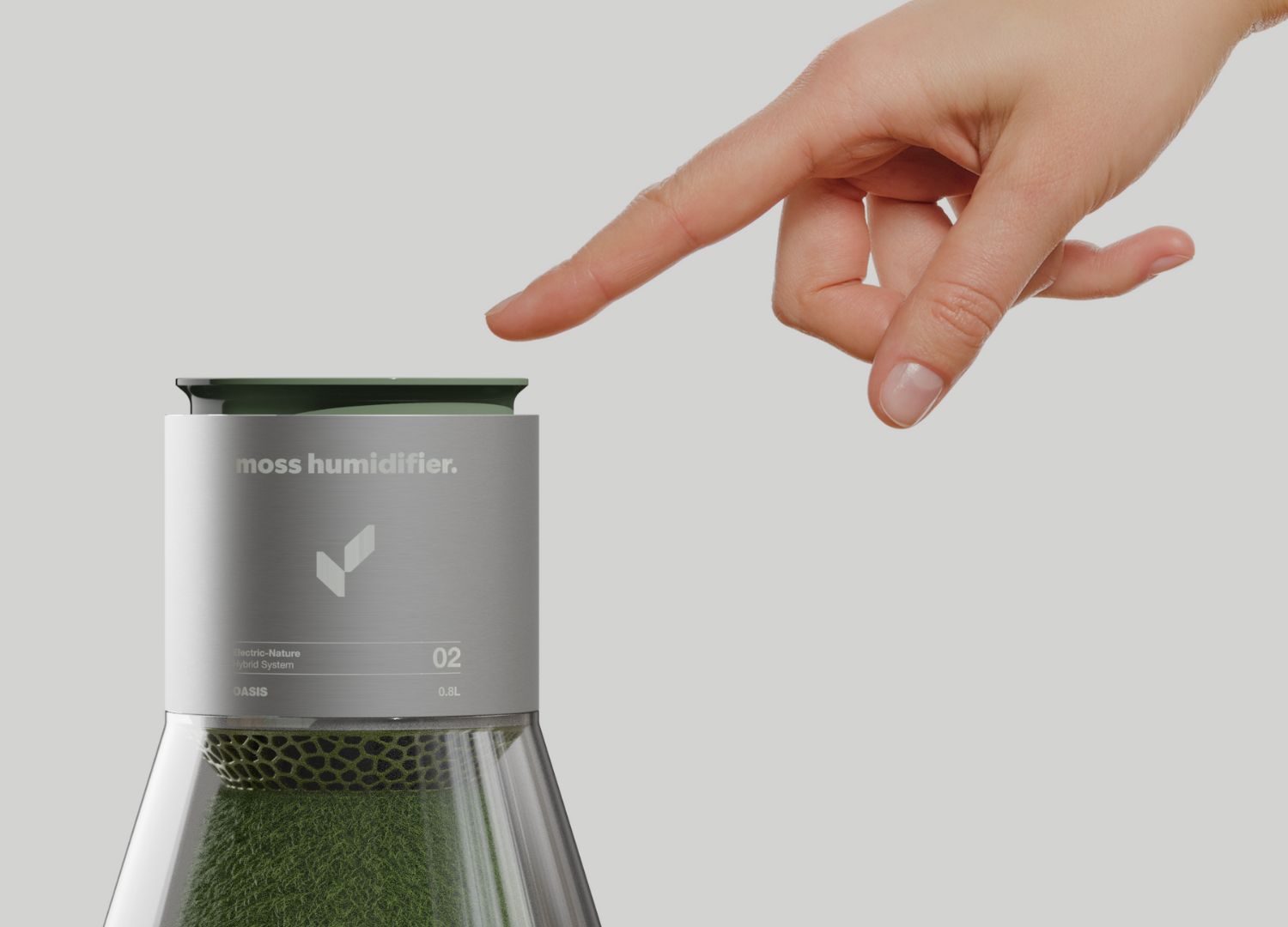
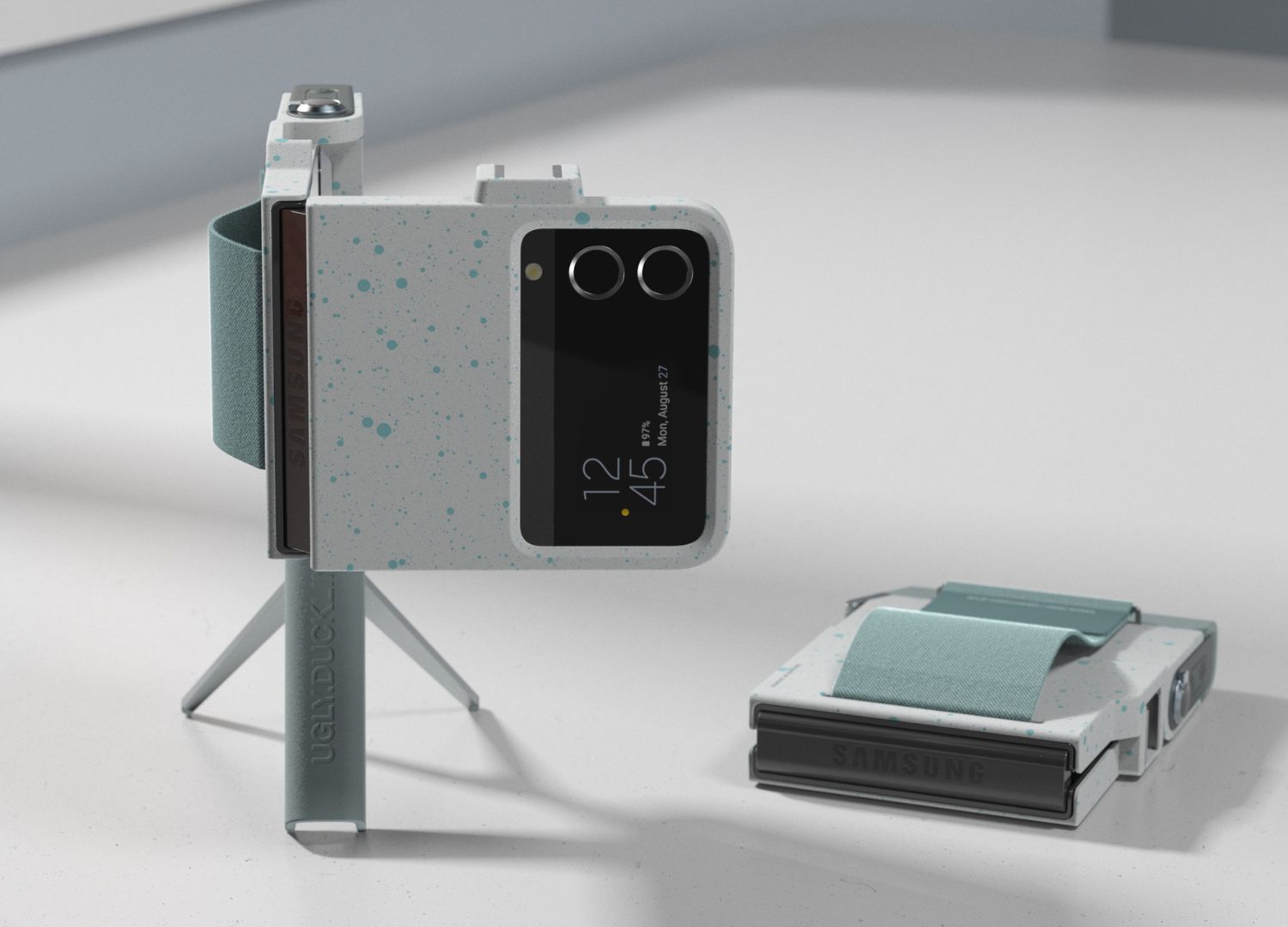

Open full width
First off, how did you come to choose such an odd name for a design studio?
Gihawoo:
“I named the studio Ugly Duckling because I wanted to express my philosophy as a designer. The ugly duckling looks odd and out of place at first, but eventually it grows into a swan. Design works in a similar way: what seems strange or unconventional at first can eventually change perspectives and create new value. That transformative potential is what I wanted the name to stand for.”
You say you don’t follow a standardised process, but you design the process differently for each project. Can you walk us through an example of how that works?
Gihawoo:
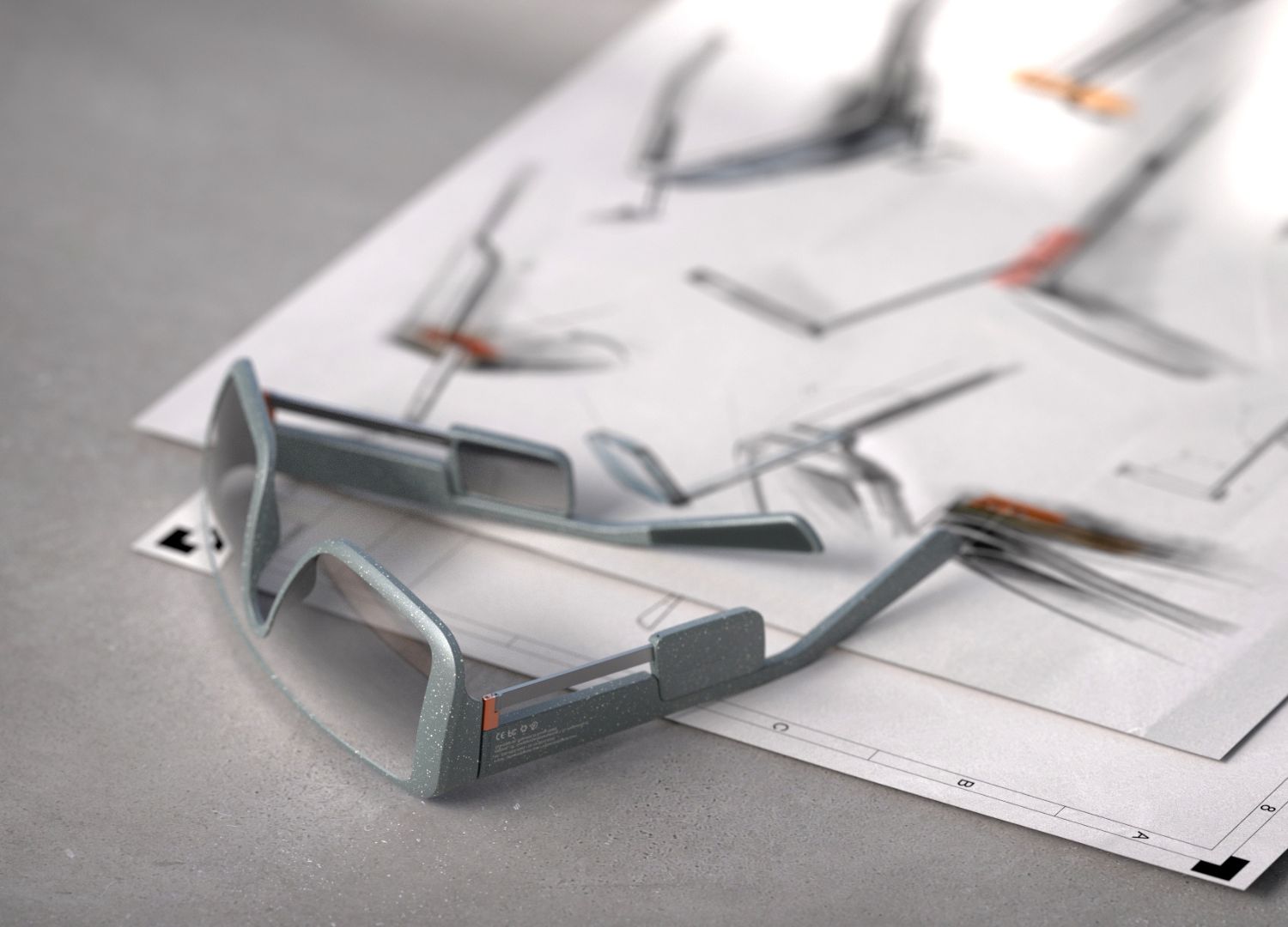
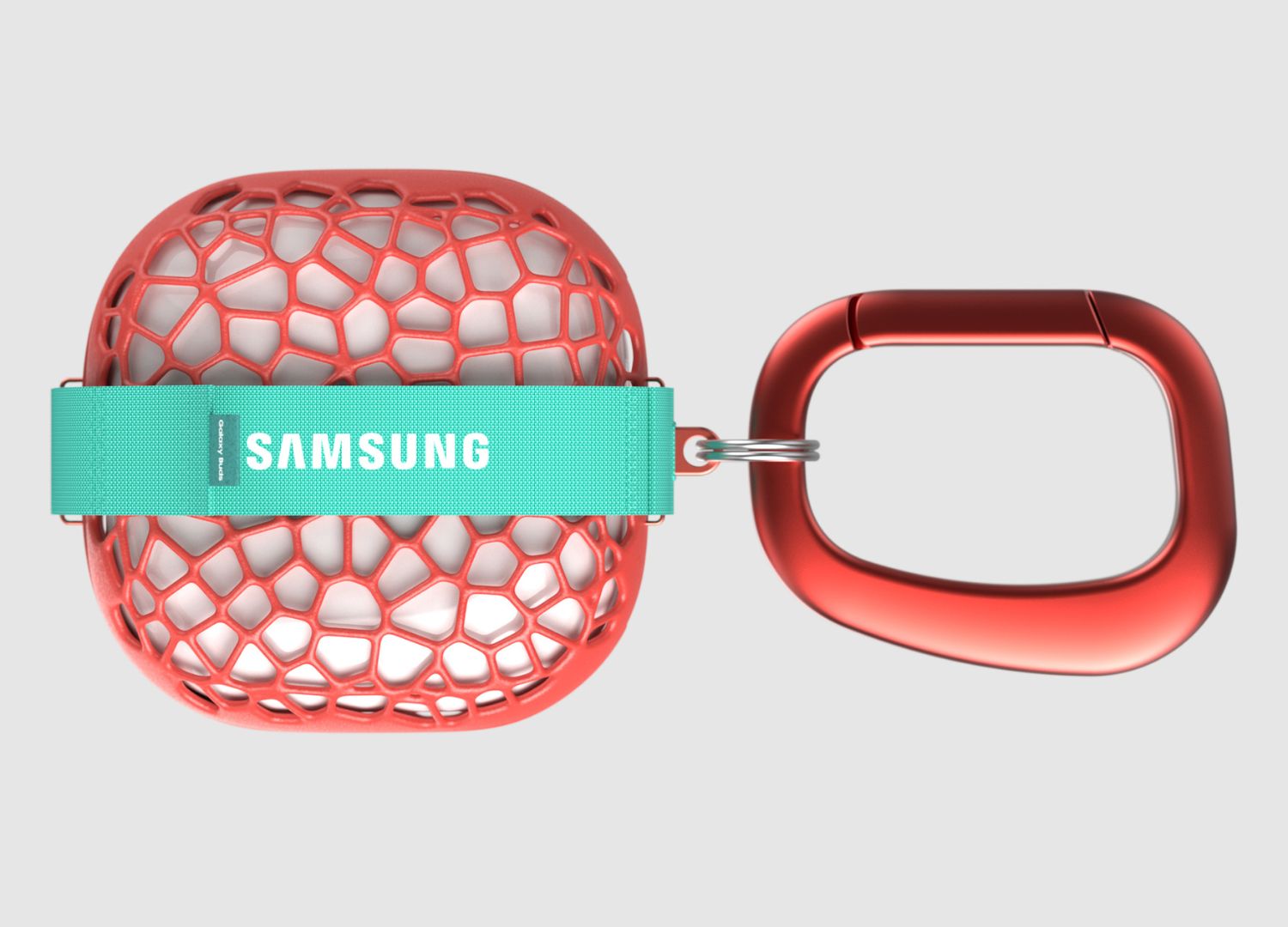
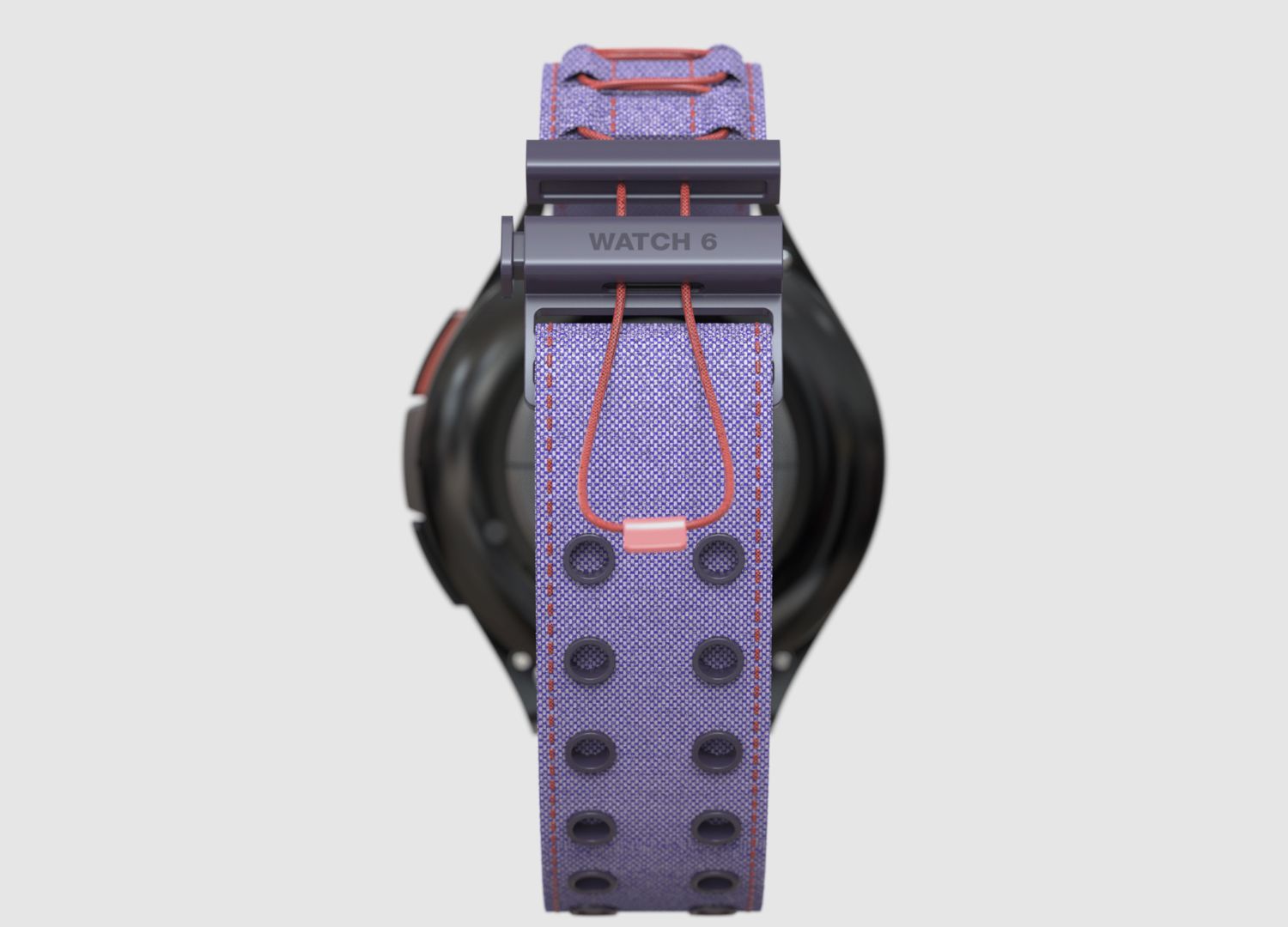
“I never approach two projects in the same way. For example, when working with Samsung on mobile accessories, there was already a well-established development framework in place, so my role was to inject new ideas and user experiences within that structure. On the other hand, when collaborating with a mobility startup, there was no set process, so I began by helping define the brand’s identity and market position, while simultaneously considering technical constraints. In short, the first question to ask changes from project to project — and that is what reshapes the process every time.”

How did you find it to work with global companies like Samsung as a relatively young studio?
Gihawoo:
“At the beginning it was certainly intimidating. But working with a global giant like Samsung was both a test of my capabilities and an incredible learning opportunity. The projects demanded speed and high precision at the same time, and it was in that high-pressure environment that my studio’s flexibility and creativity really came through. Most importantly, I learned that even a small studio can engage with global companies on equal footing, as long as it brings a truly original perspective.”
Many of your products have an ironic quality to them, like the Telegun. How do you balance this with the seriousness and rigour usually found in the tech field?
Gihawoo:
“I believe irony and humor are not just decorative — they can actually shift the way people think. At the same time, a product must be functionally sound. So I always design on two levels: outwardly, the concept should spark curiosity and make people smile, while inwardly, the engineering, safety, and usability must be rigorously validated. To me, irony is the “gateway,” and technical rigour is the “skeleton.” When both are present, the design can truly stand the test of time.”
Finally, what advice would you give to young designers wanting to break into tech?
Gihawoo:
“My first piece of advice is: don’t be afraid of technology. Today, the boundary between design and tech has almost disappeared, and learning new tools and concepts directly expands your creative capacity. At the same time, don’t lose your own viewpoint. If you only chase technology, you’ll be quickly overtaken; but if you nurture your own questions and perspective, no one can easily replace you. In the end, what keeps you relevant in tech is not just the tools you use, but the vision you bring beyond them.”