CLEANUP brings kitchen, basin and shower into a portable format
With its new technology and a wide vision about design as a way of simplifying life and gestures, the Japanese company presents a collection of three elements that twist our way of interacting with objects and water.
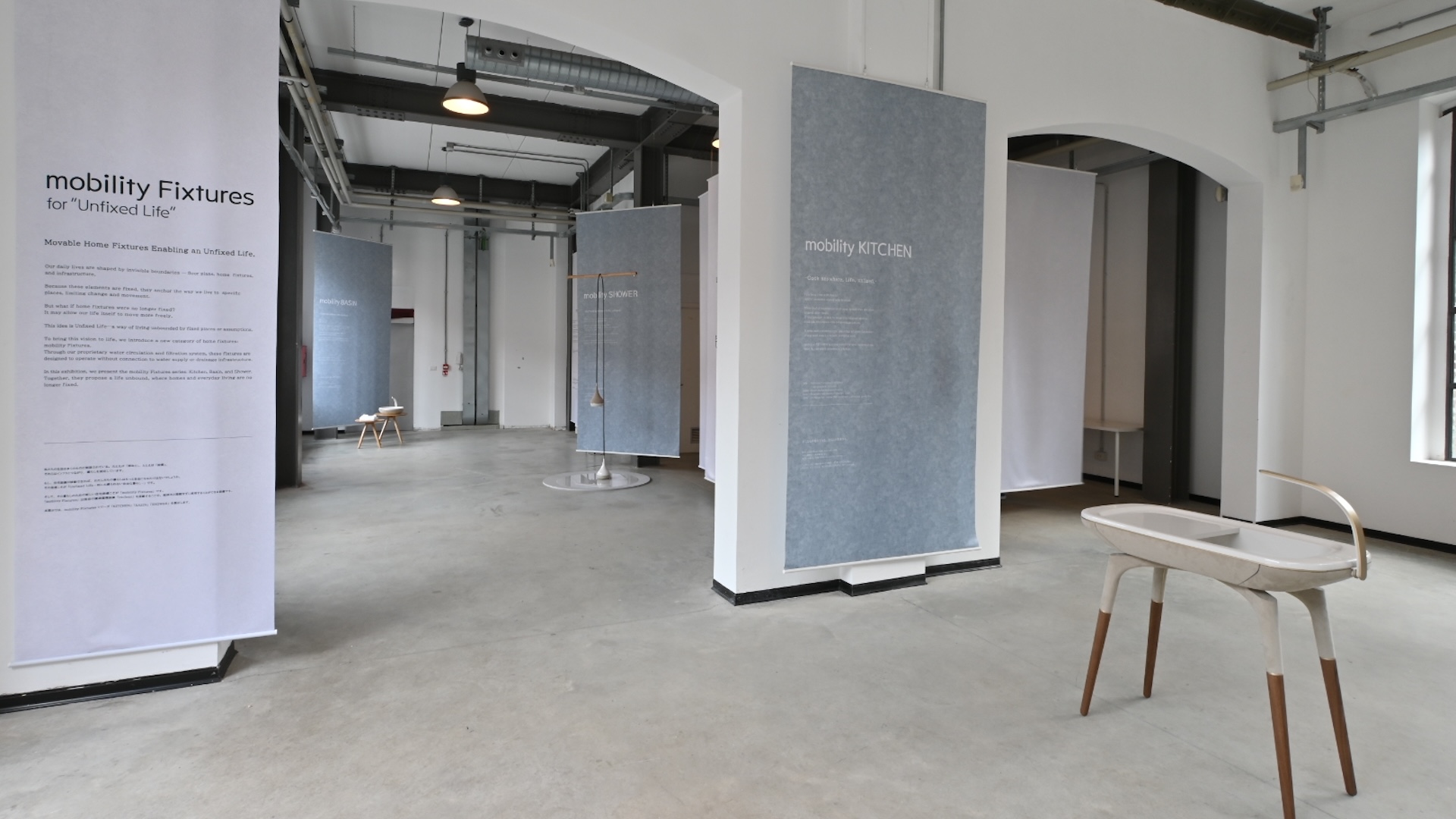
Water, in the Western domestic tradition, is infrastructure – something that arrives through walls, disappears through floors, and organises the rooms built around it so completely that we rarely think to question the arrangement. Kitchens, bathrooms, utility rooms: these are the fixed destinations of residential life, the points where plumbing meets habit, and for decades their position within the home has been treated less as a design choice than as a given condition, as permanent and invisible as the pipes themselves.
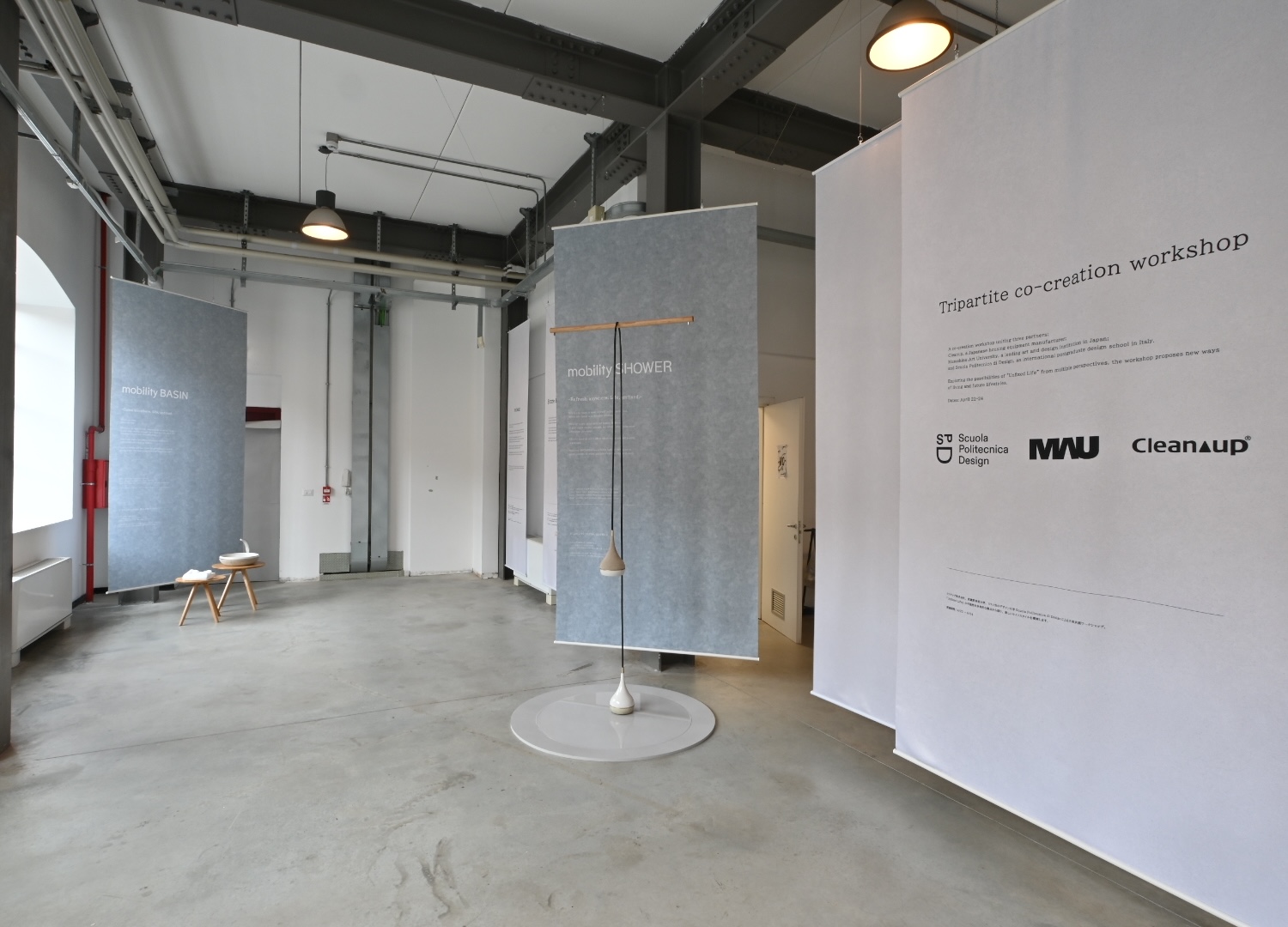
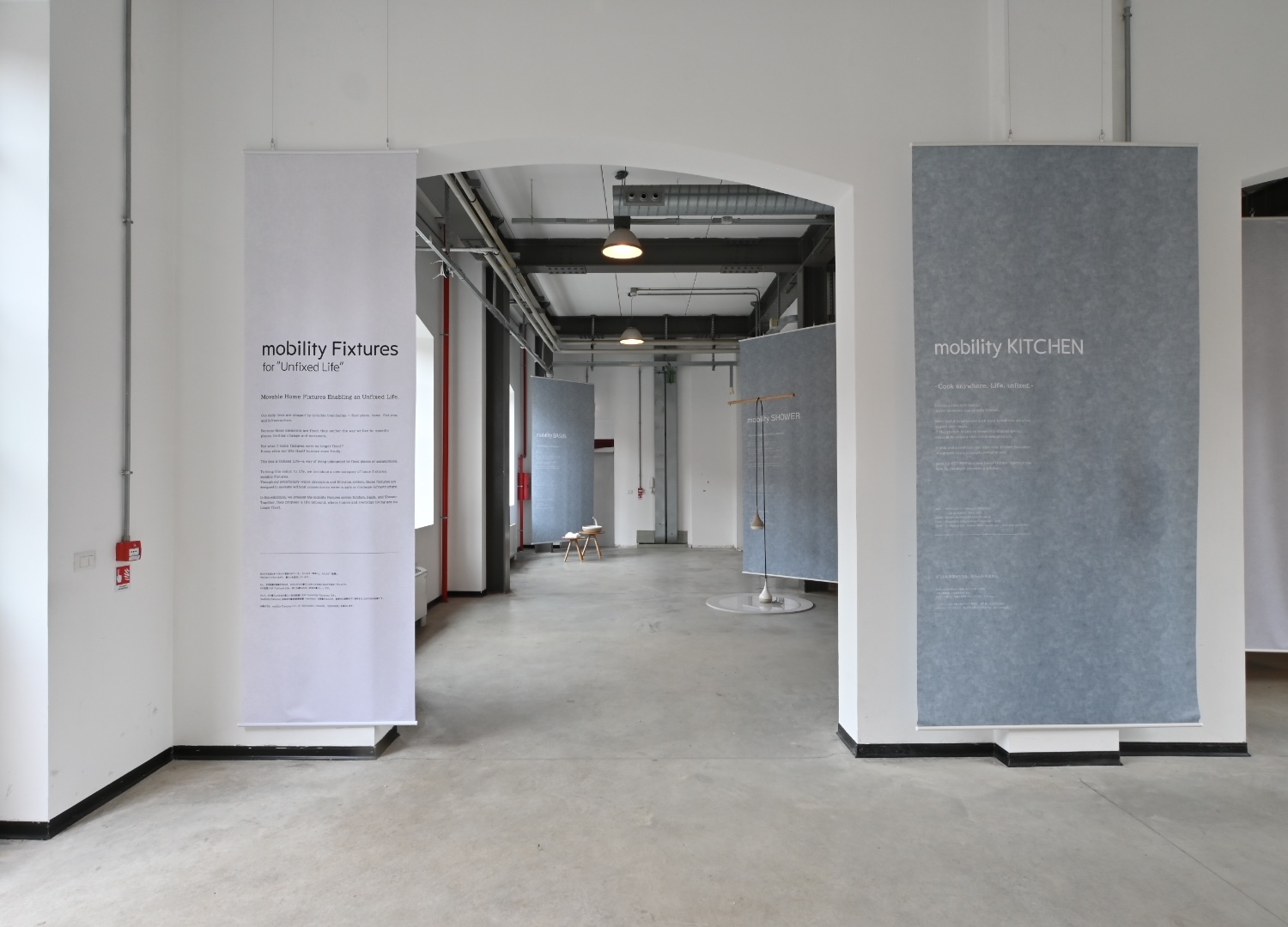
Cleanup, a Japanese housing equipment manufacturer founded in 1949 and one of the country’s early pioneers in modular kitchen systems, has spent its latest research cycle questioning that condition from the inside. Presented at the Fabbrica del Vapore during the Milan Design Week 2026 under the concept of Unfixed Life, the project – Mobility Fixtures for Unfixed Life – proposes a domestic landscape in which the kitchen, the basin and the shower shed their architectural permanence and become autonomous, portable objects, each carrying its own self-sustaining relationship with water wherever it travels.
Gallery
Open full width
Open full width
Mobility Fixtures for Unfixed Life:
The technical core of this vision is re-clean, an original recirculating filtration system developed specifically for the project, which distinguishes itself from conventional approaches – particularly reverse – osmosis systems oriented toward maximum purification – by calibrating its filtration performance to the specific demands of each use.
The output is a family of three prototypes: Mobility Kitchen, Mobility Basin and Mobility Shower, each equipped with an integrated water tank, each designed so that the daily operations of water replacement, filter maintenance and general upkeep become, as much as possible, frictionless actions absorbed into ordinary routine.
The linearity of Japanese design as a starting point
Formally, the collection speaks a language deeply rooted in the history of Japanese design – not the minimalism that became an export product, but a preference for shapes that seem to have arrived at their final expression gradually, for surfaces that are continuous and unmarked, for objects whose technical complexity recedes until what remains is something closer to a stone smoothed by a river than to an appliance.
Soft volumes, rounded profiles, a neutral palette – the three prototypes share an aesthetic that feels less like engineering and more like a long conversation between maker and material. One of the more compelling aspects of Cleanup‘s research is the way it asks us to reconsider water itself – as something visible and circular, continuously filtered, used and regenerated within the object that contains it. The fixtures become small ecosystems, sustaining their own internal processes while remaining intimately connected to the everyday rituals of care.
Three elements for three different uses
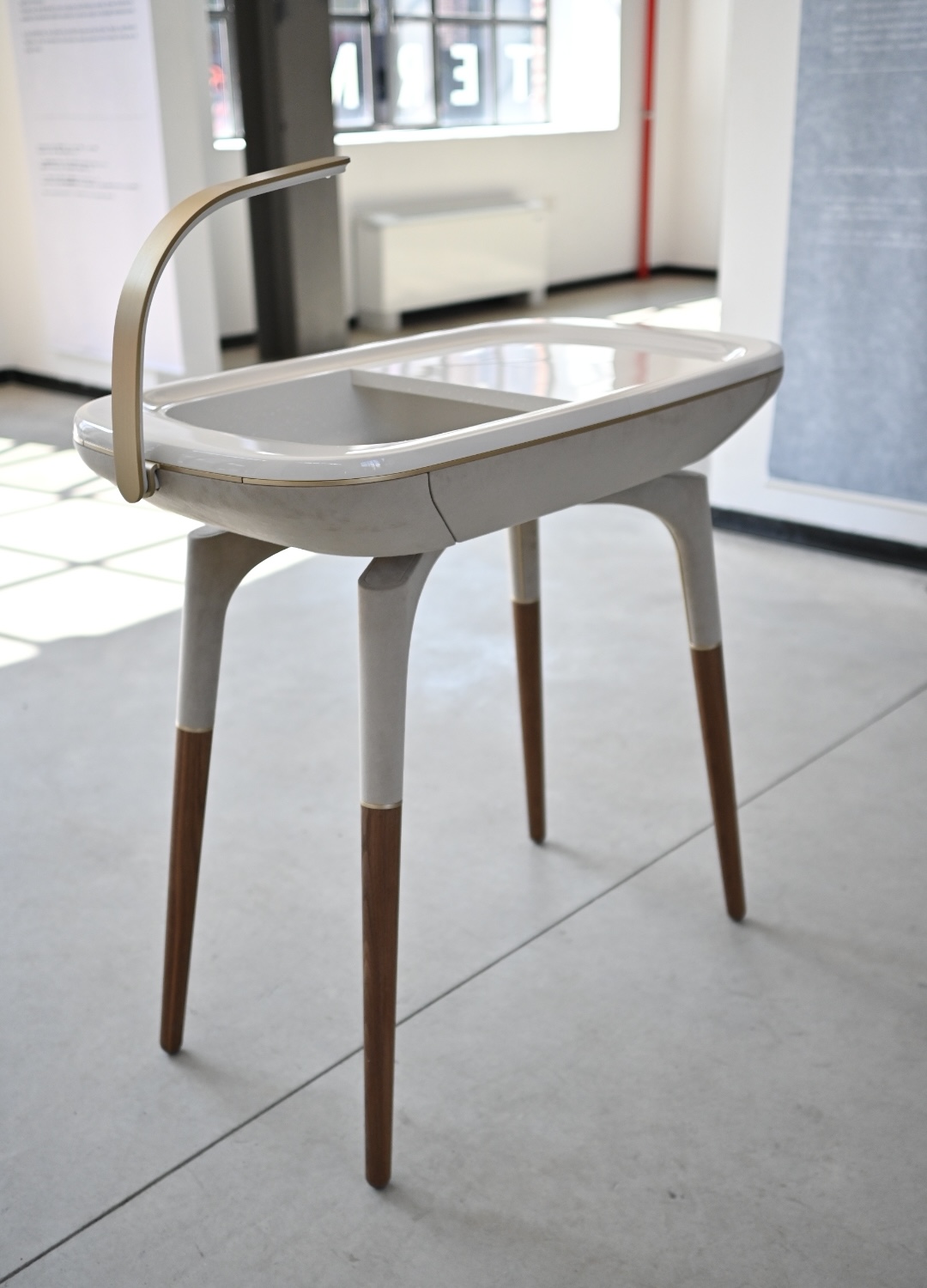
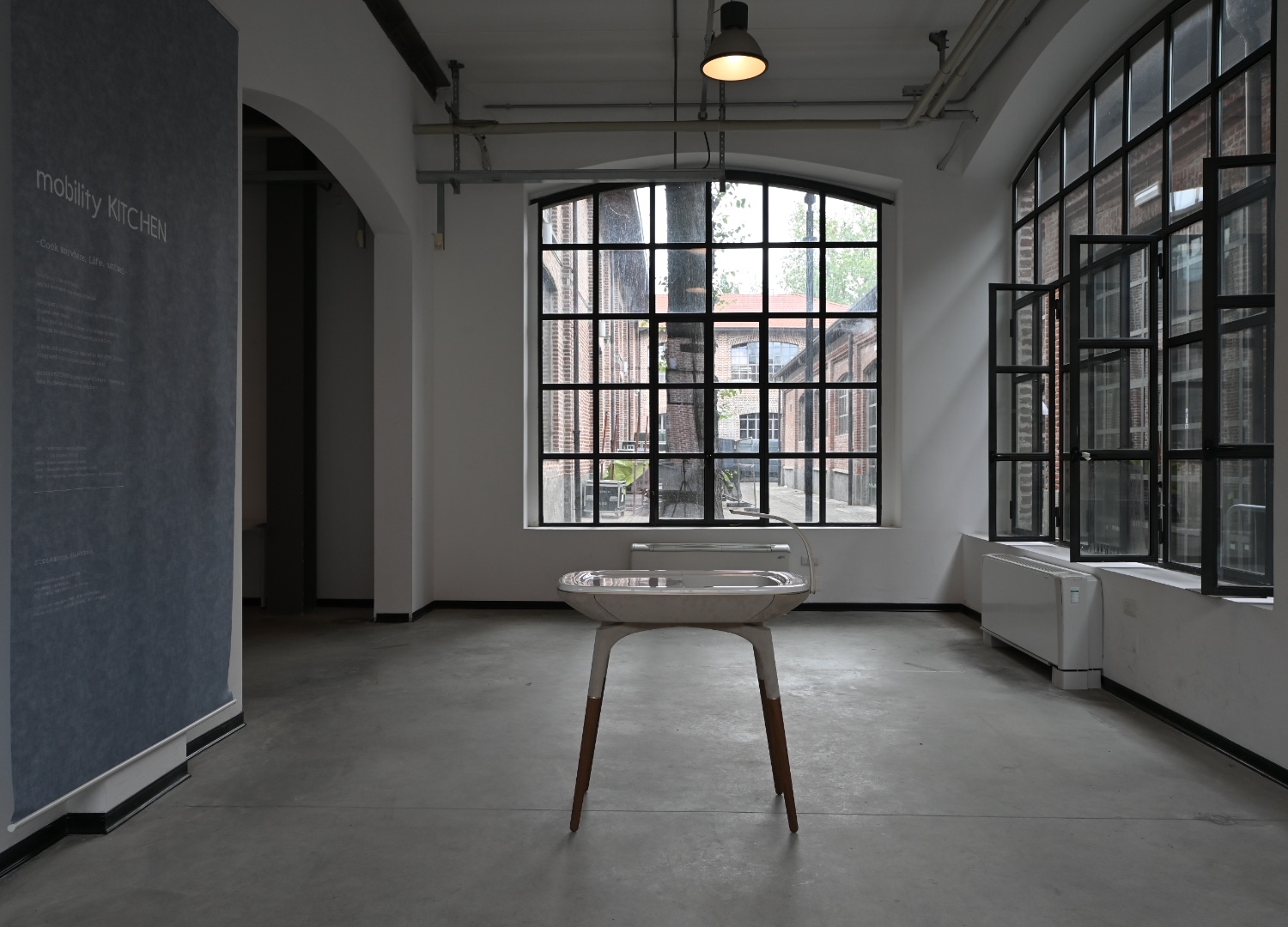
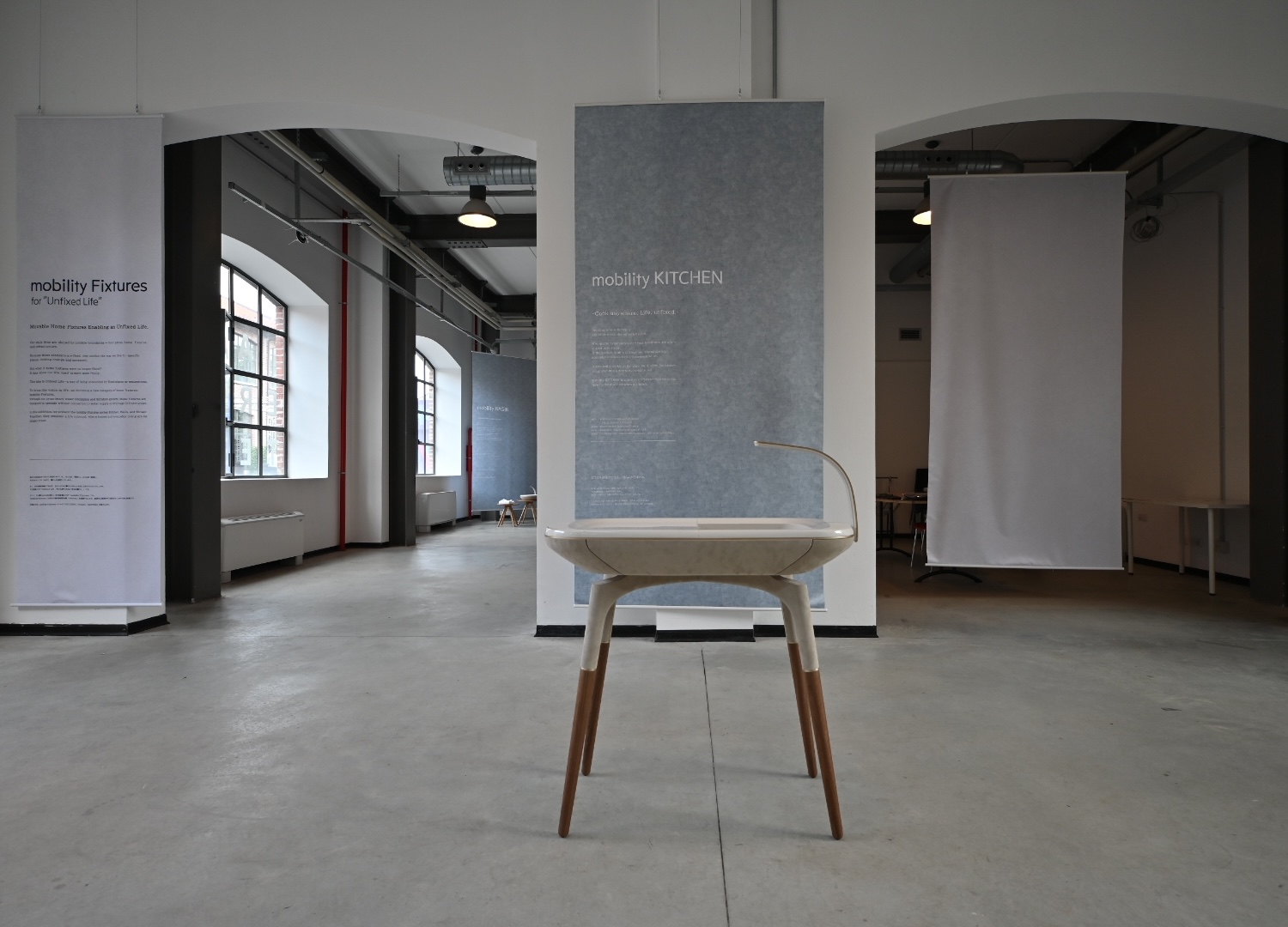
The Mobility Kitchen compresses the essential functions of cooking into a single portable unit – a self-contained object that carries its own water supply and moves through space without asking permission from the floor plan. What Cleanup describes through a deceptively simple statement, “that wherever it goes, that place becomes a kitchen,” is less a claim about portability than about the possibility of decoupling domestic activity from architectural boundaries altogether.
The water tank is designed for easy transport and maintenance, keeping the object visually compact and operationally light, so that the act of relocating it feels closer to moving a piece of furniture than to dismantling infrastructure.
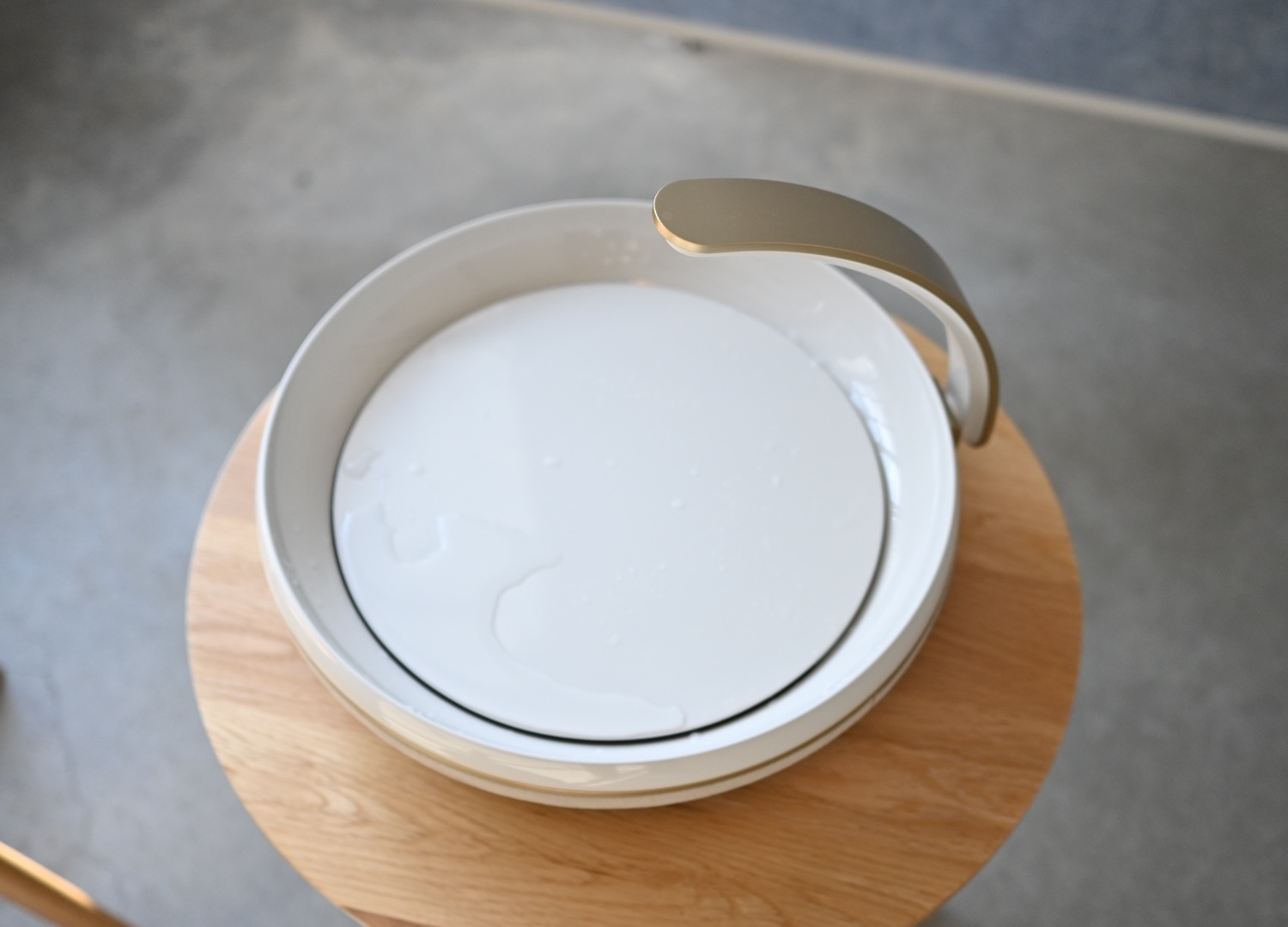
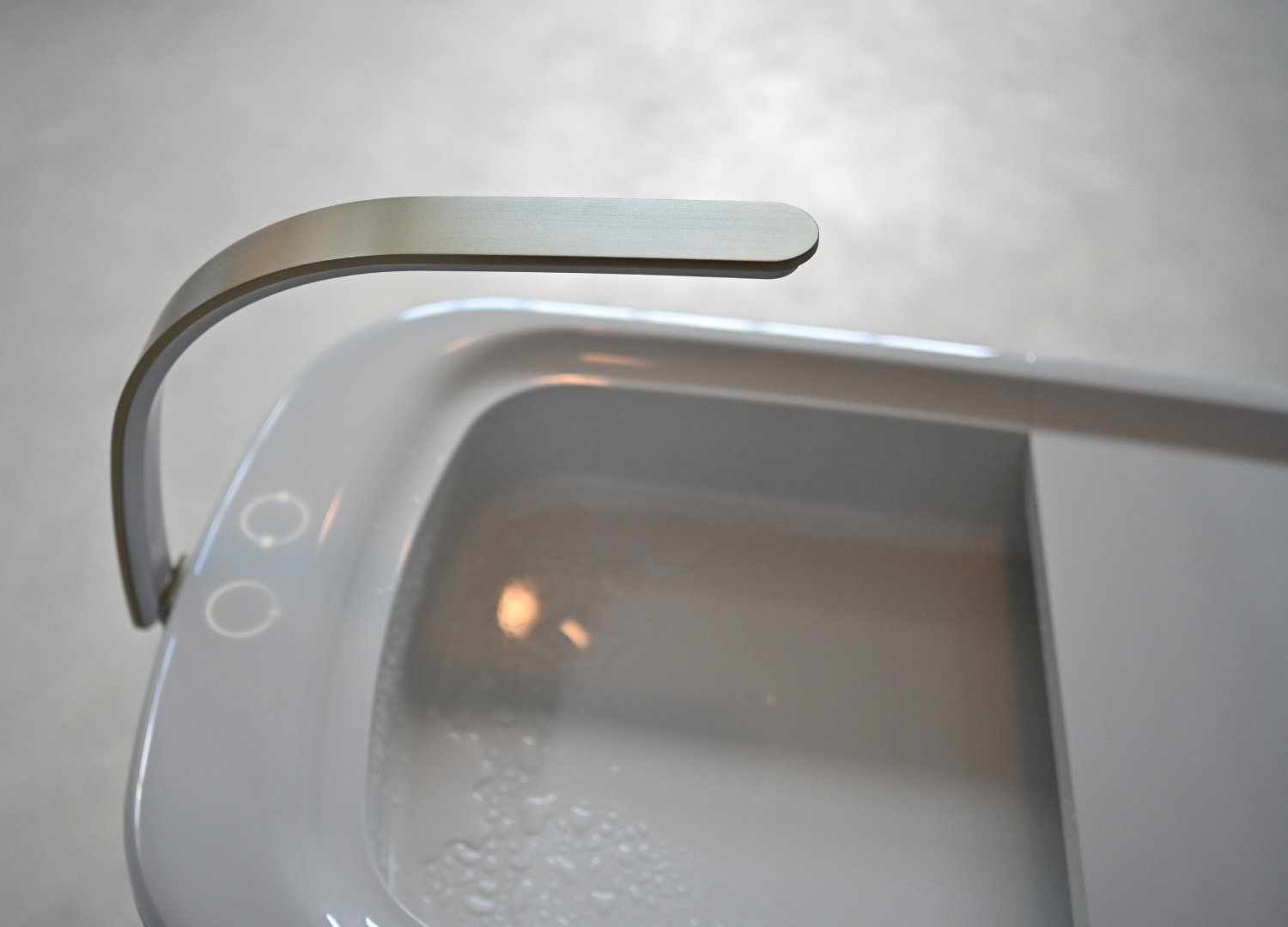
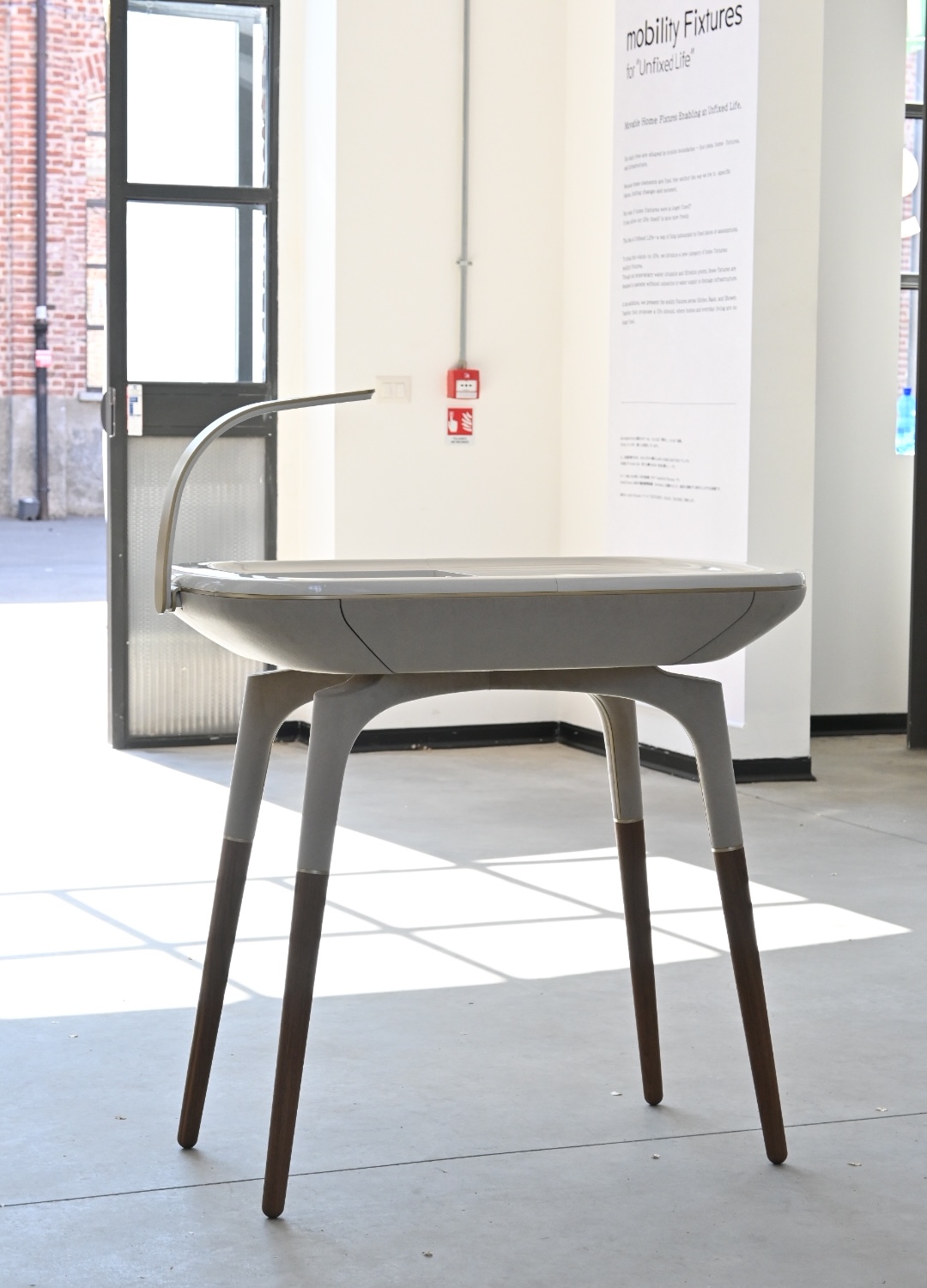
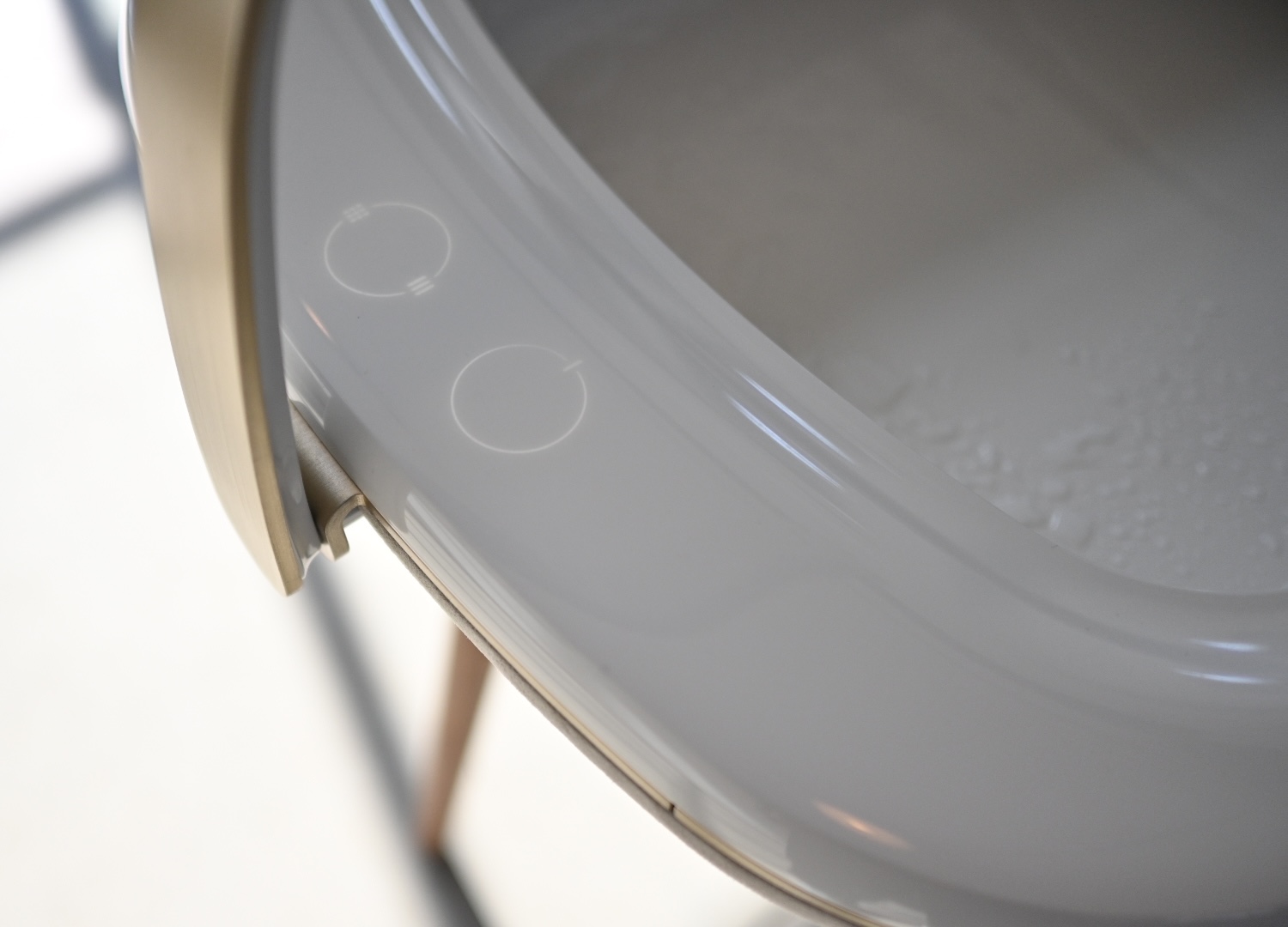
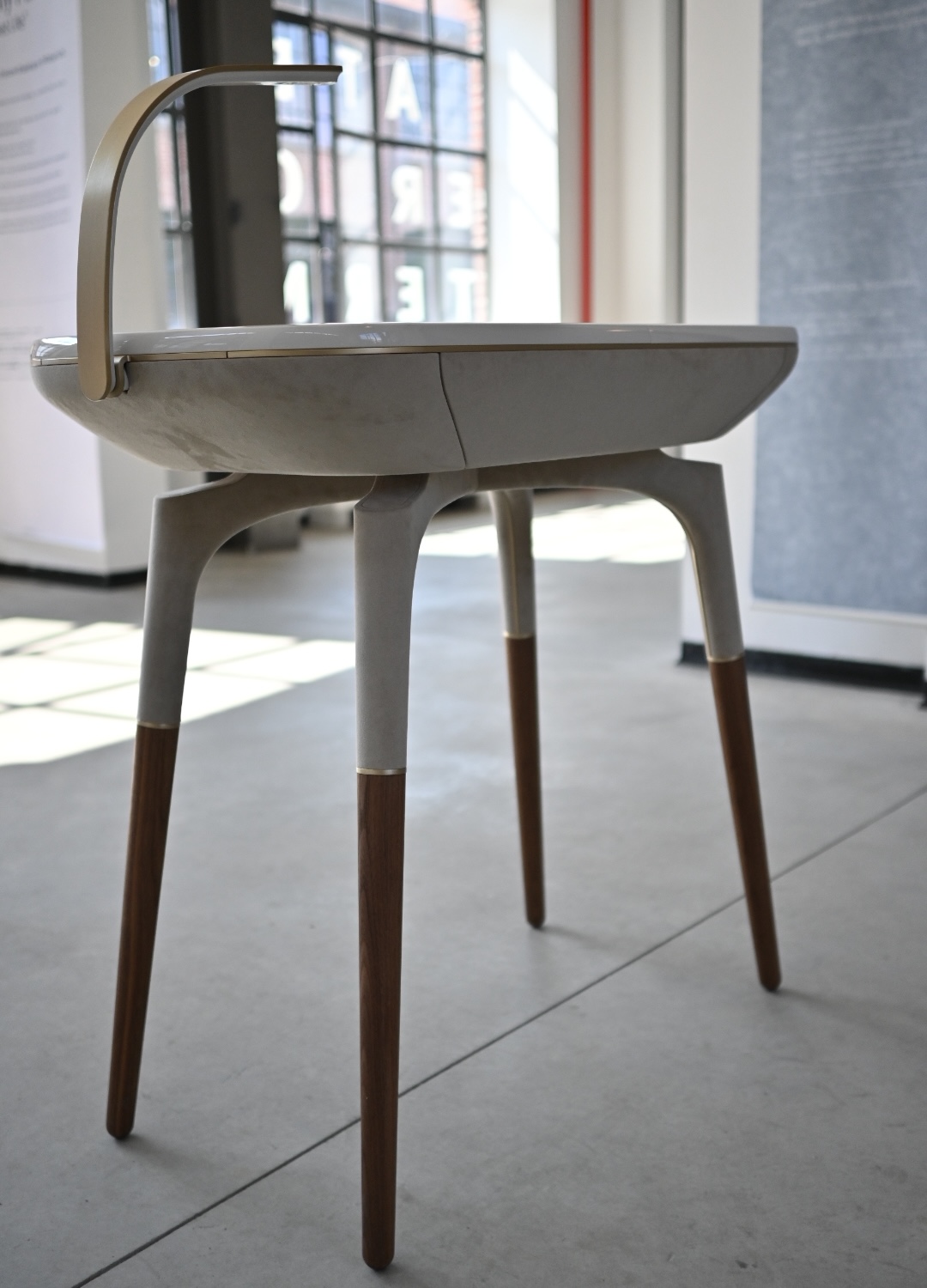
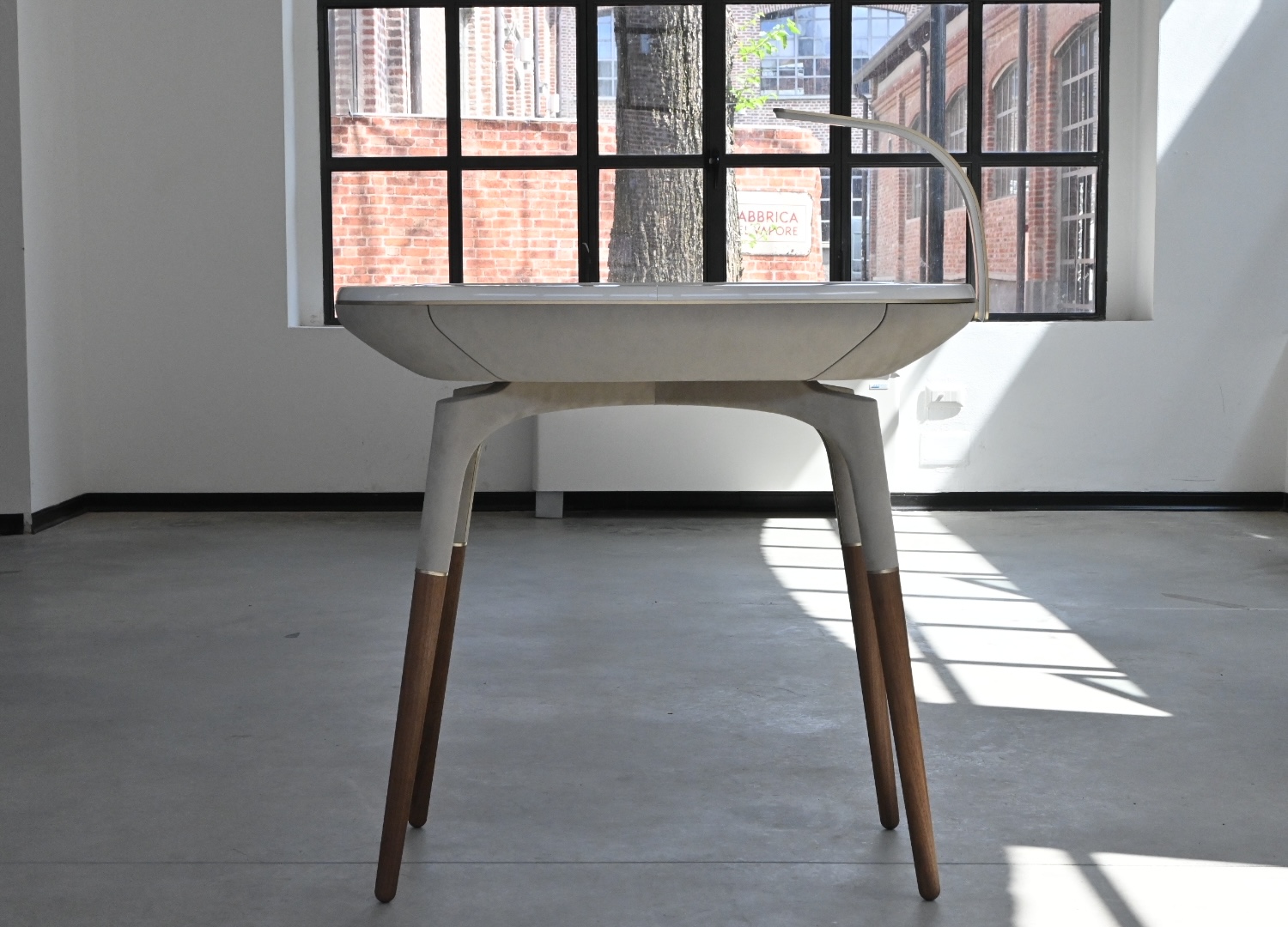
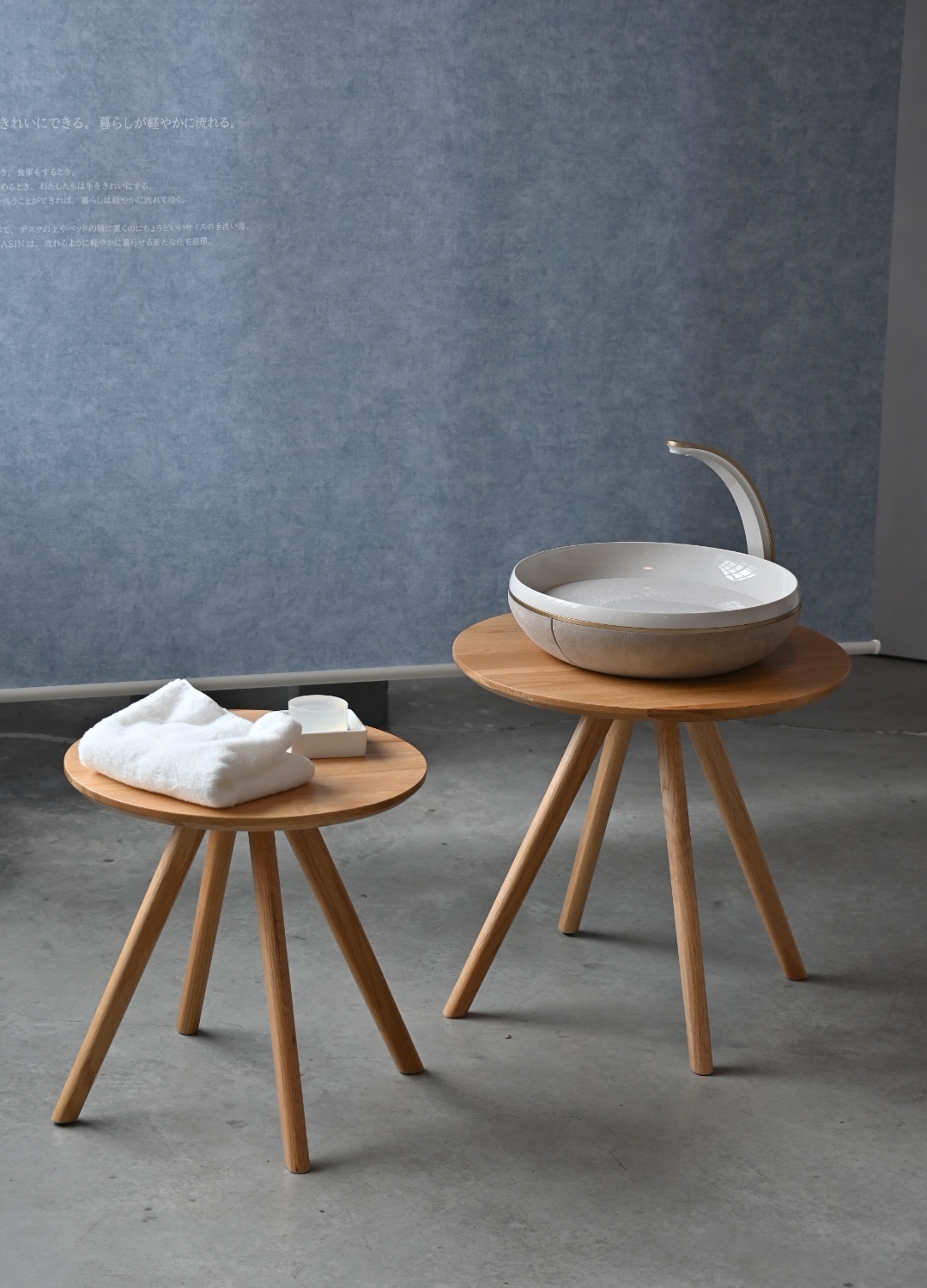
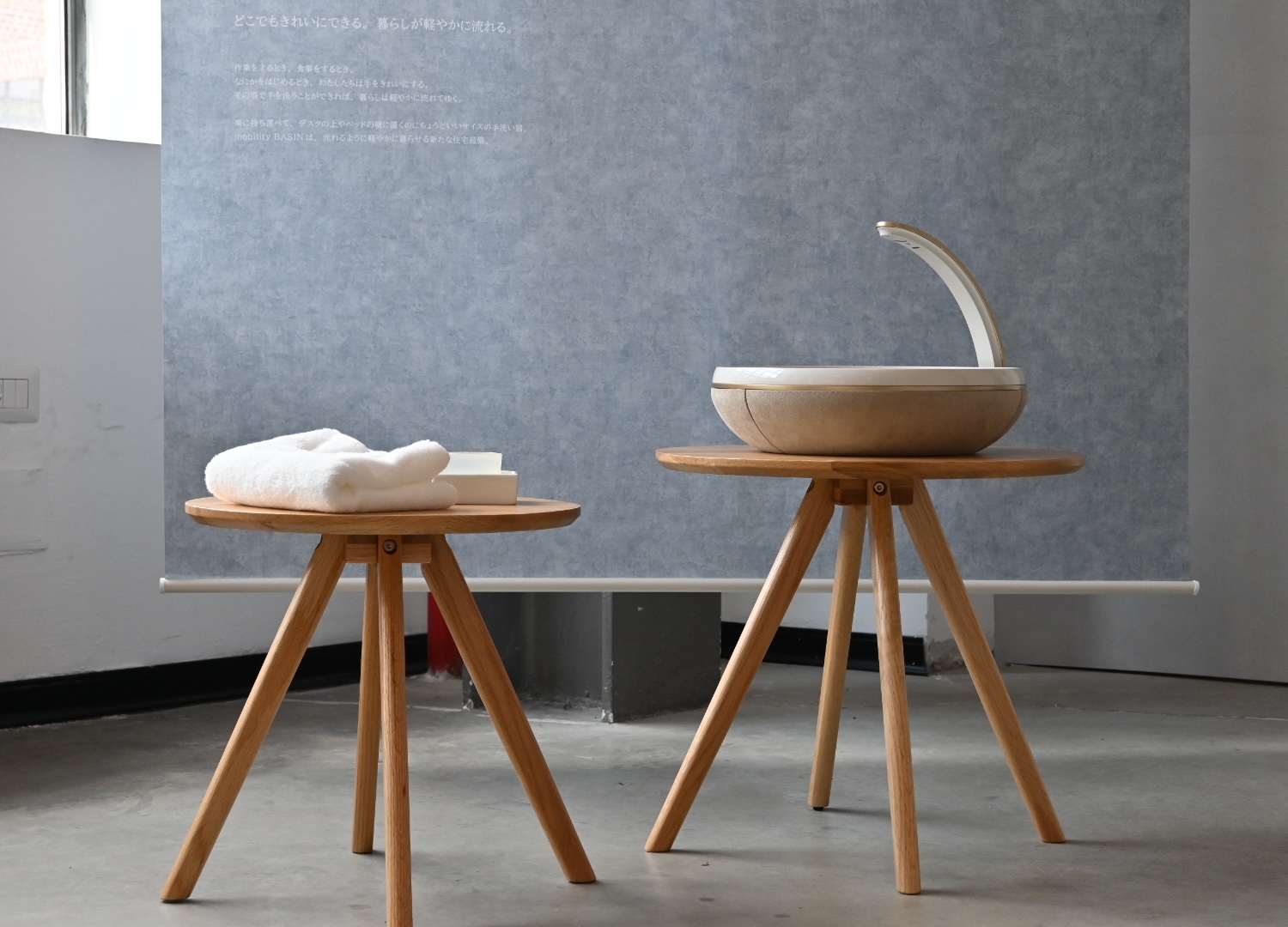
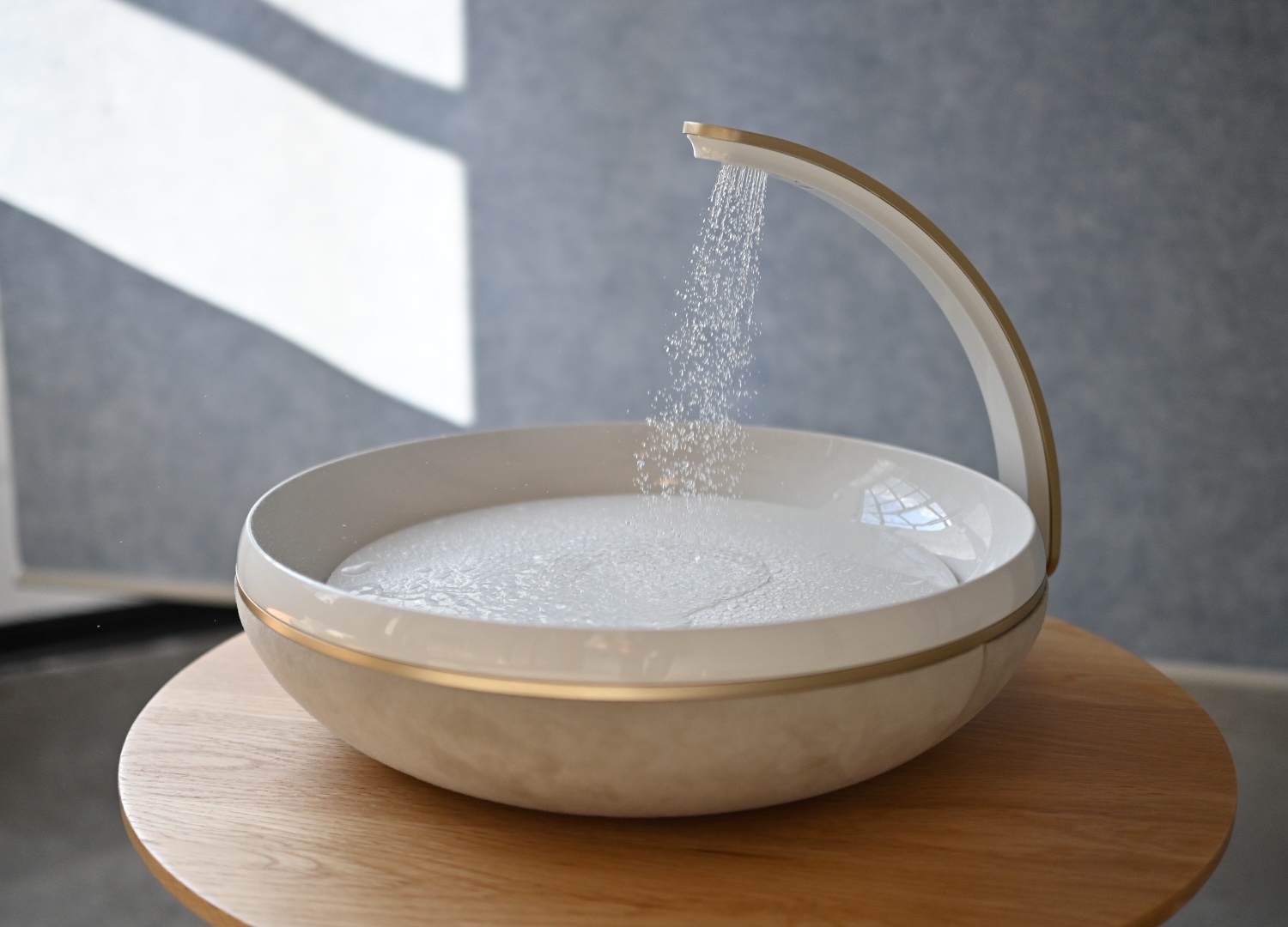
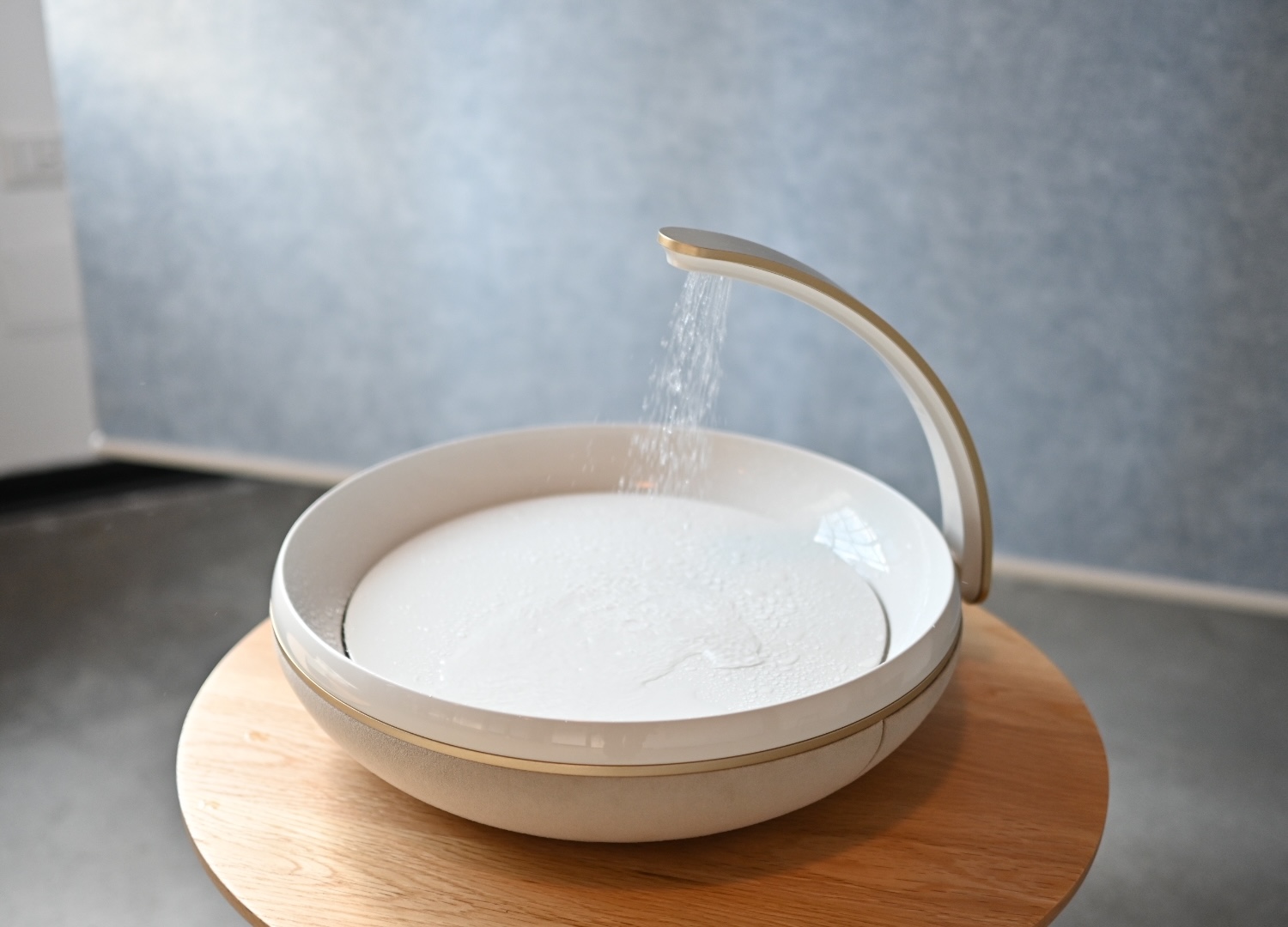
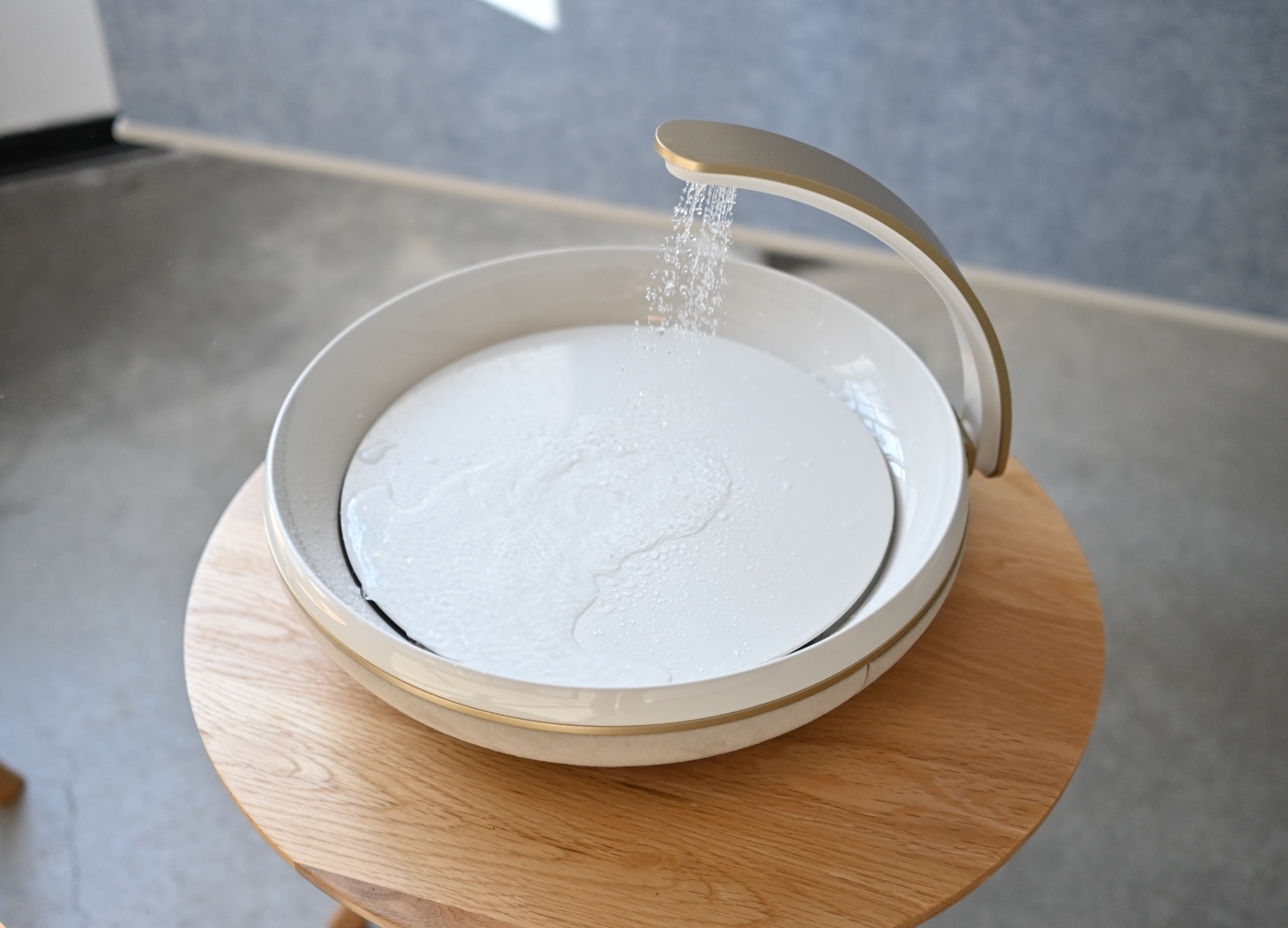
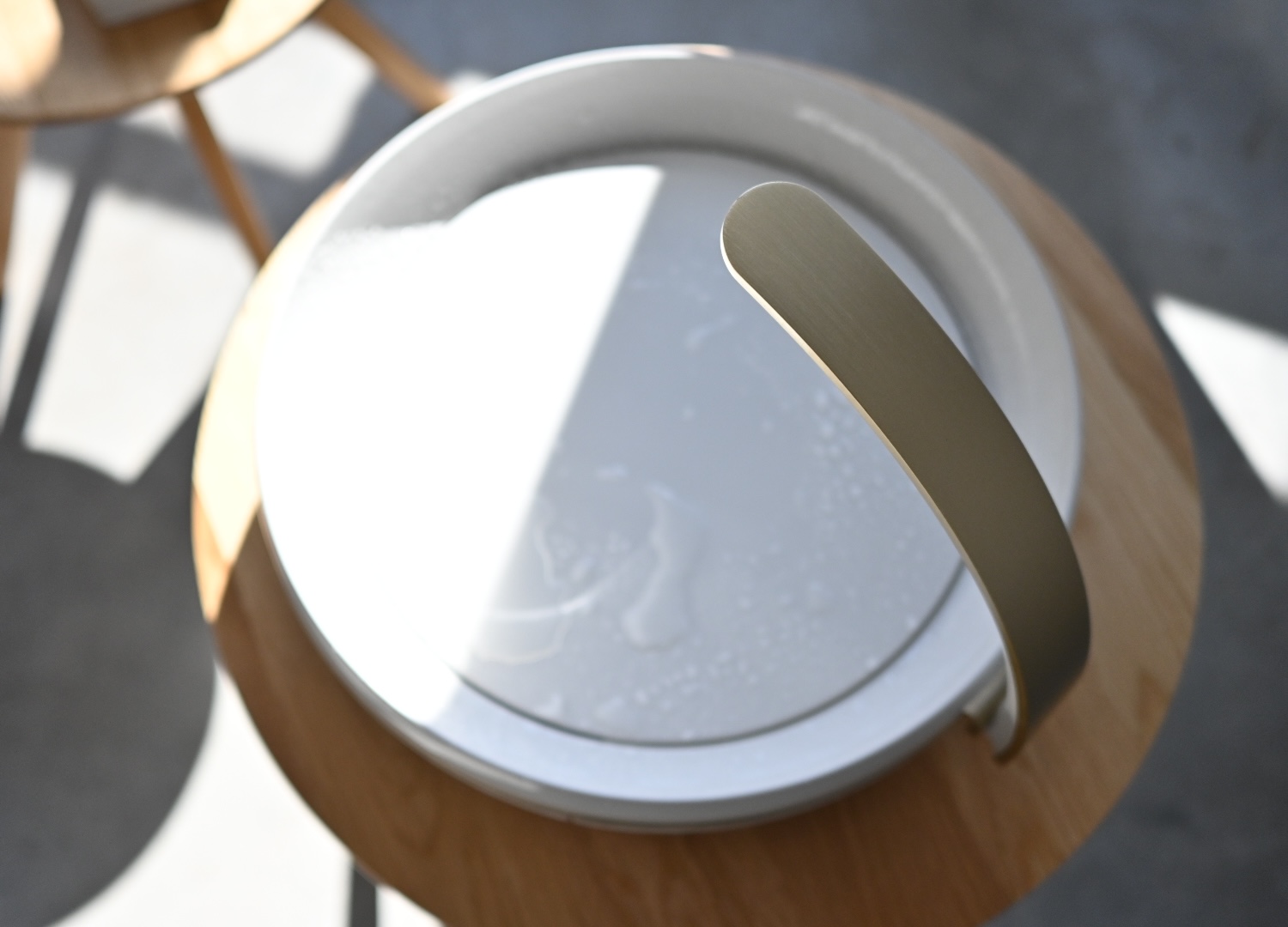
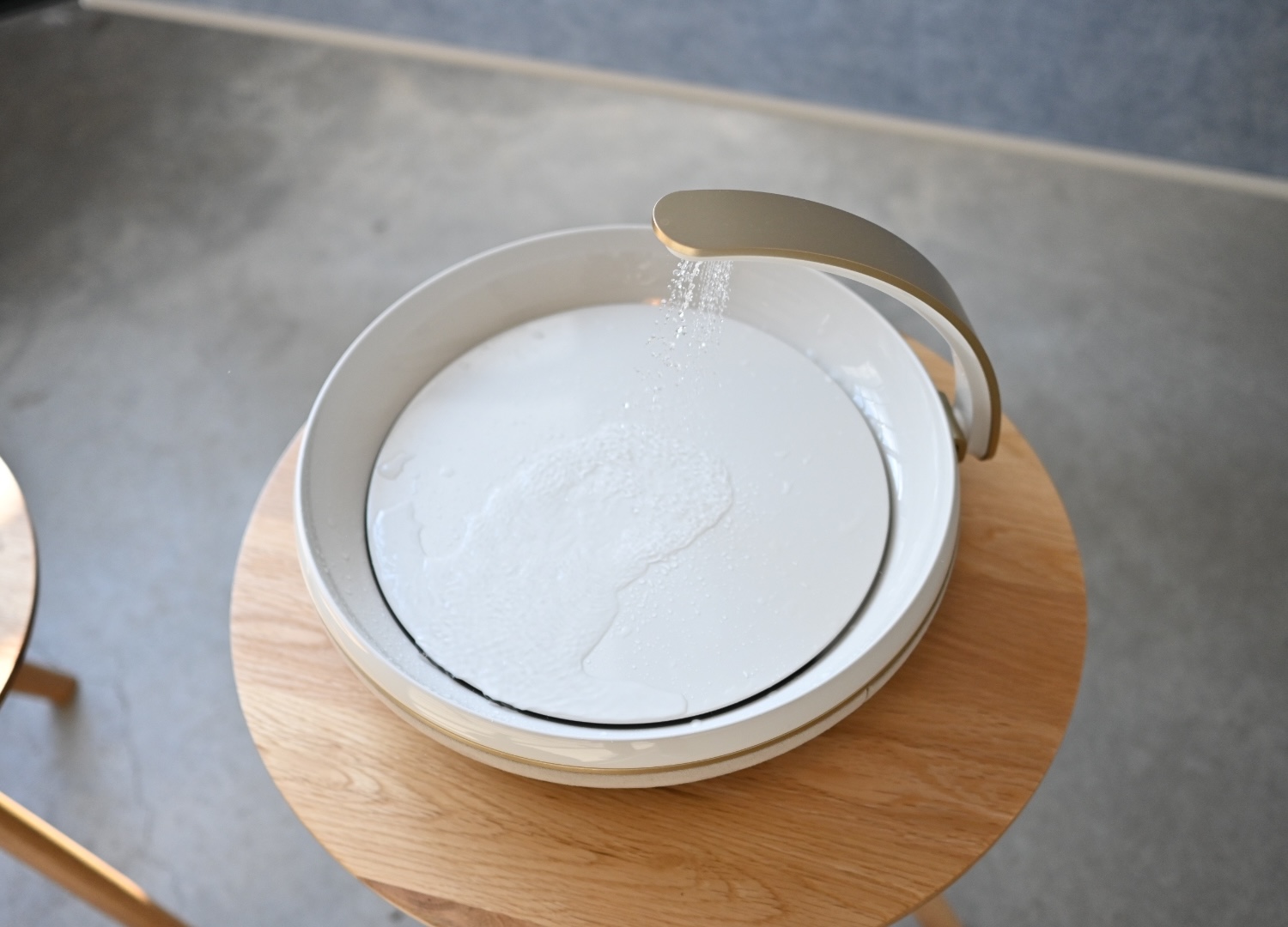
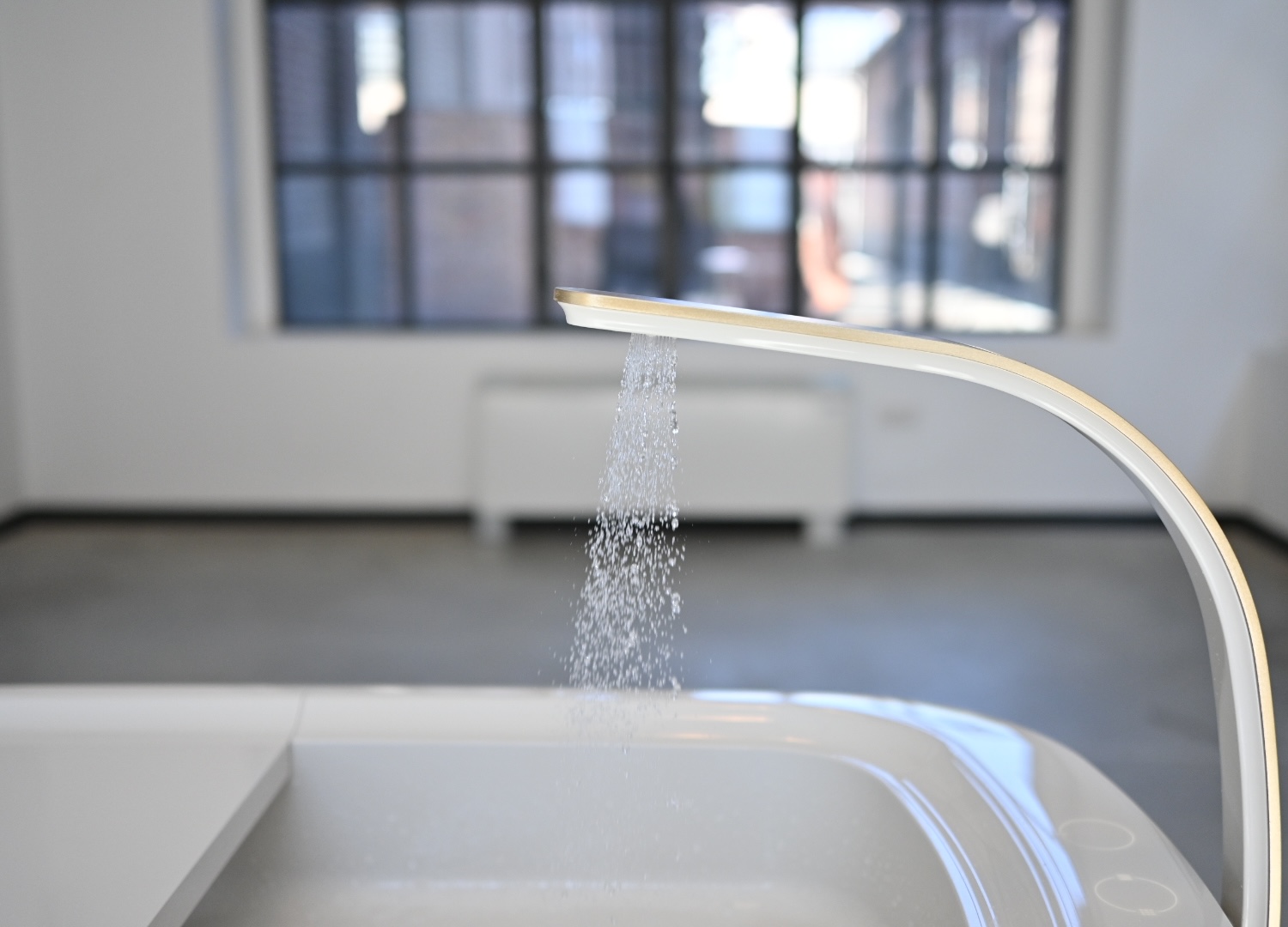
Sized to sit on a desk, a bedside table, a coffee table or an entrance surface, the Mobility Basin introduces the act of washing into spaces that have never had any relationship with bathroom functions – and does so without announcing itself.
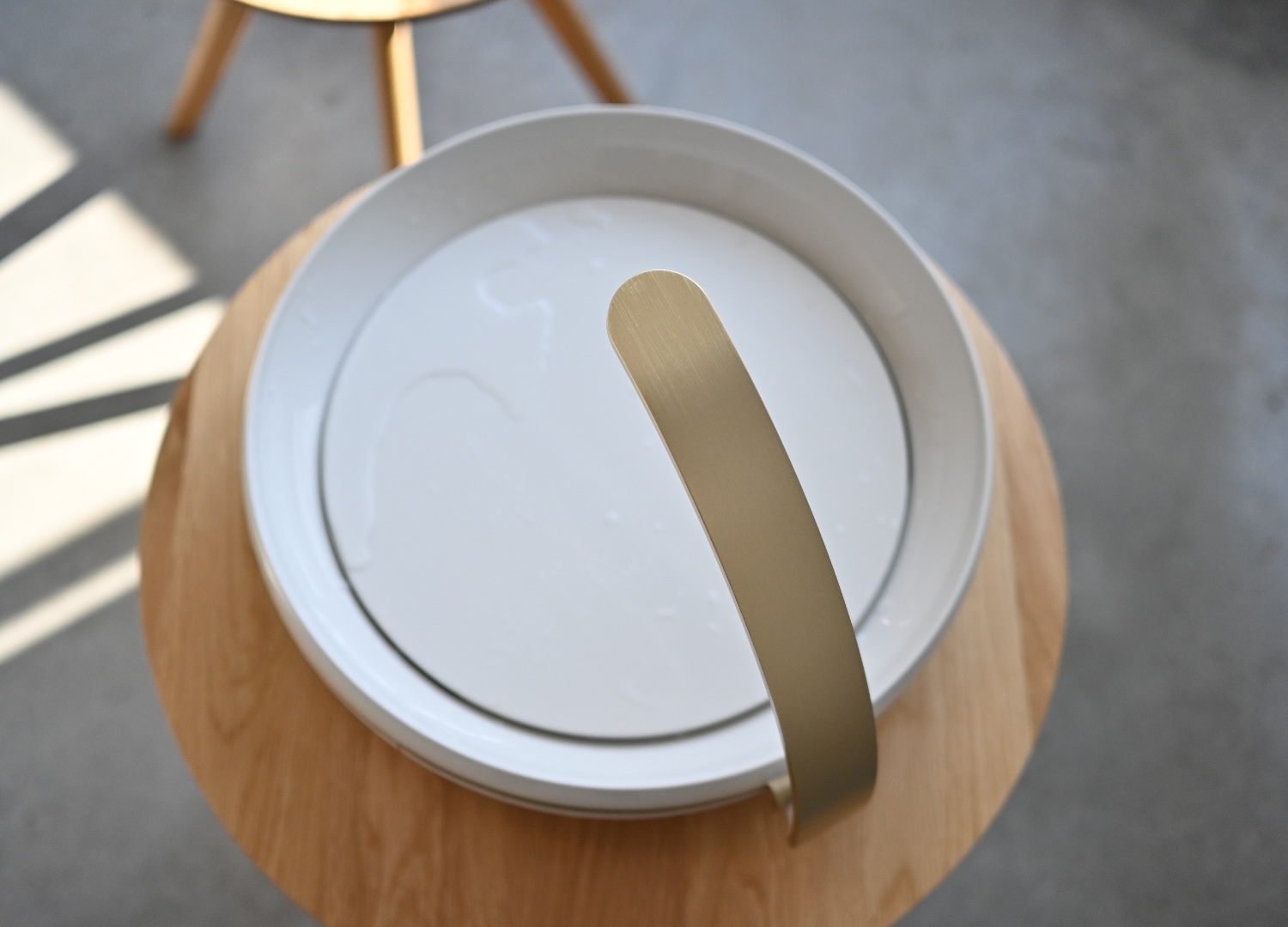
Its integrated water tank disappears into the overall volume of the object, leaving a form that is compact and visually resolved, with technical components almost entirely concealed beneath a continuous, uninterrupted surface. The effect is of cleanliness made immediately accessible, embedded within the ordinary geography of a room rather than confined to a dedicated space at the end of a corridor.
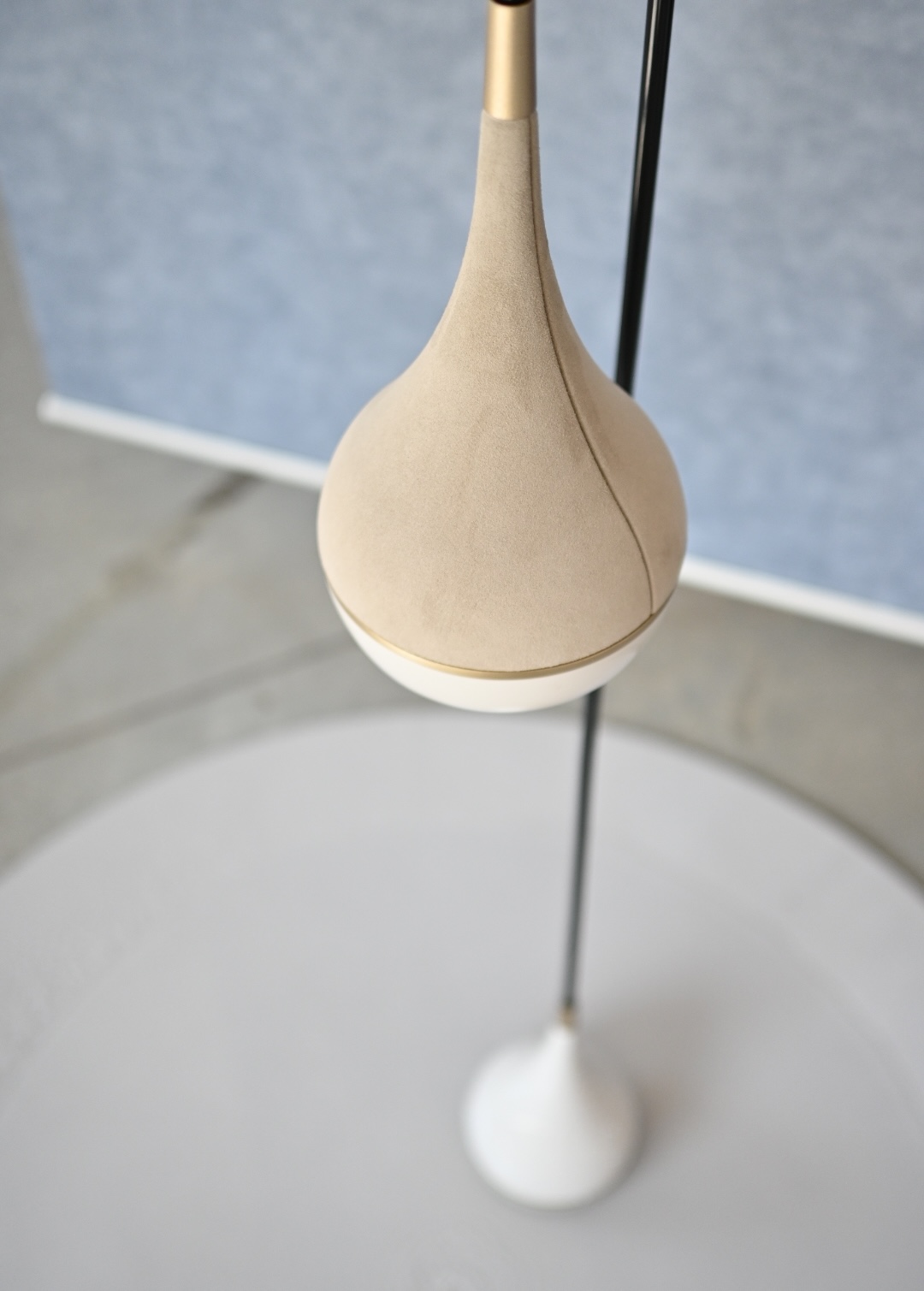
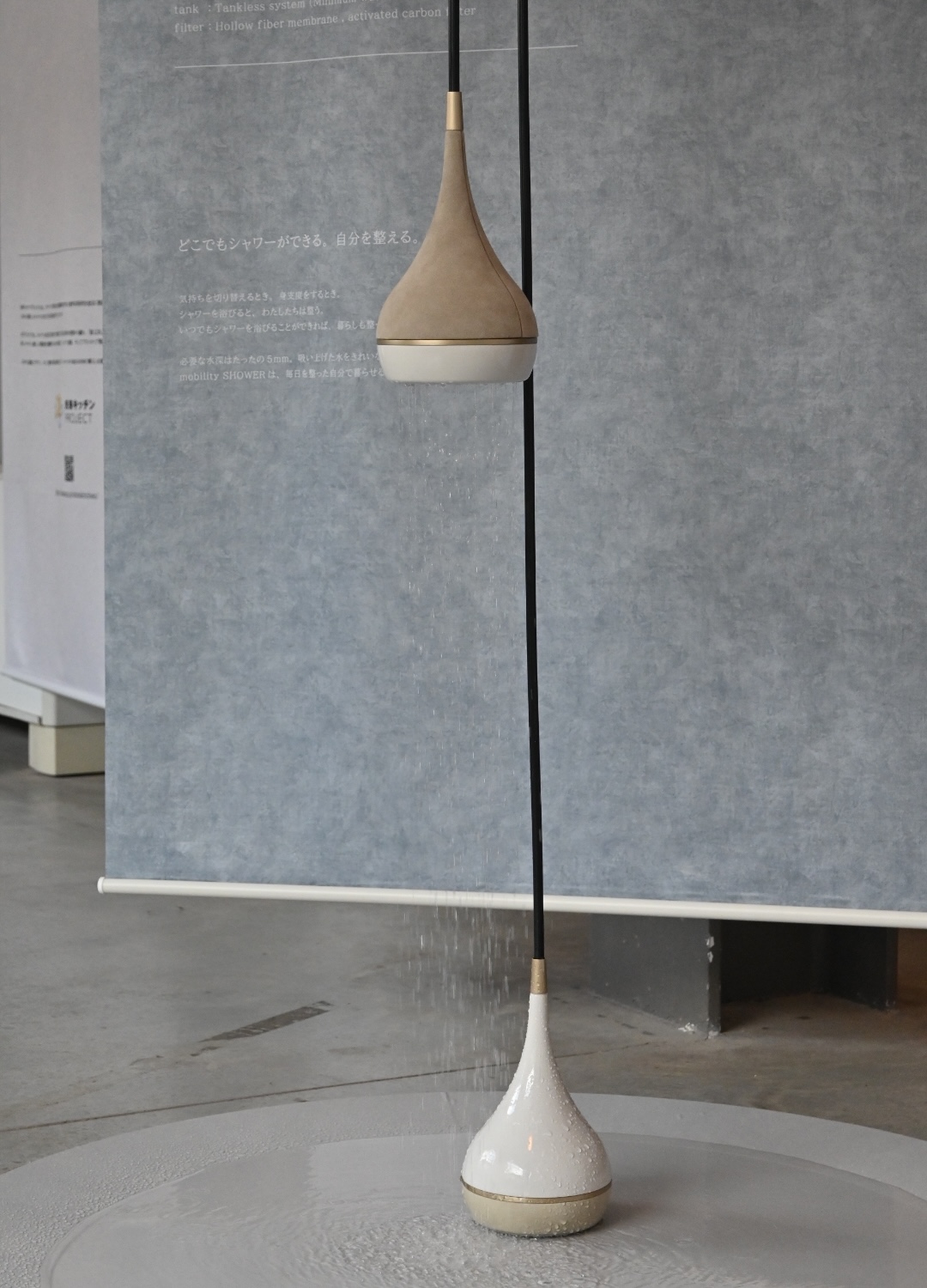
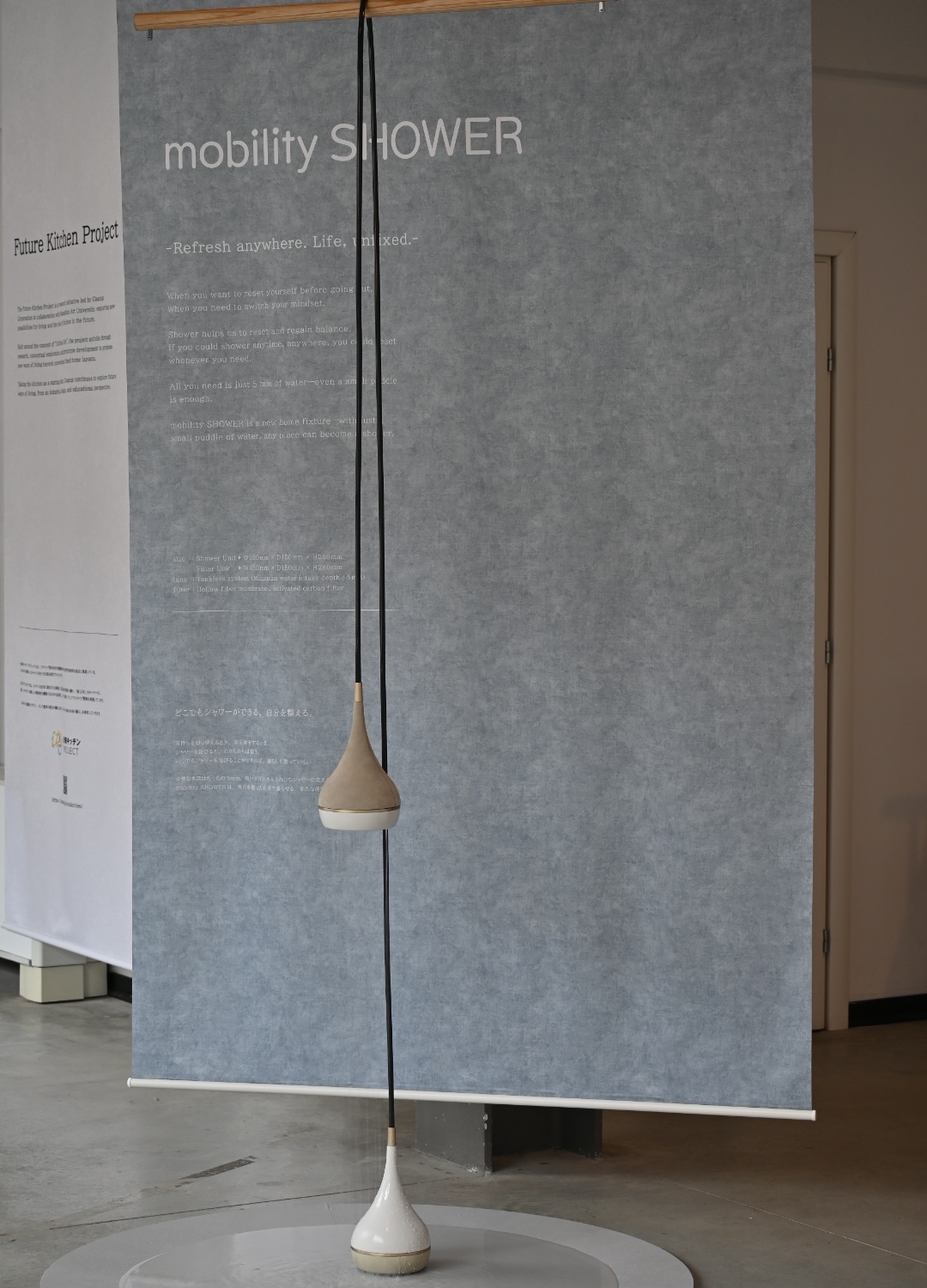
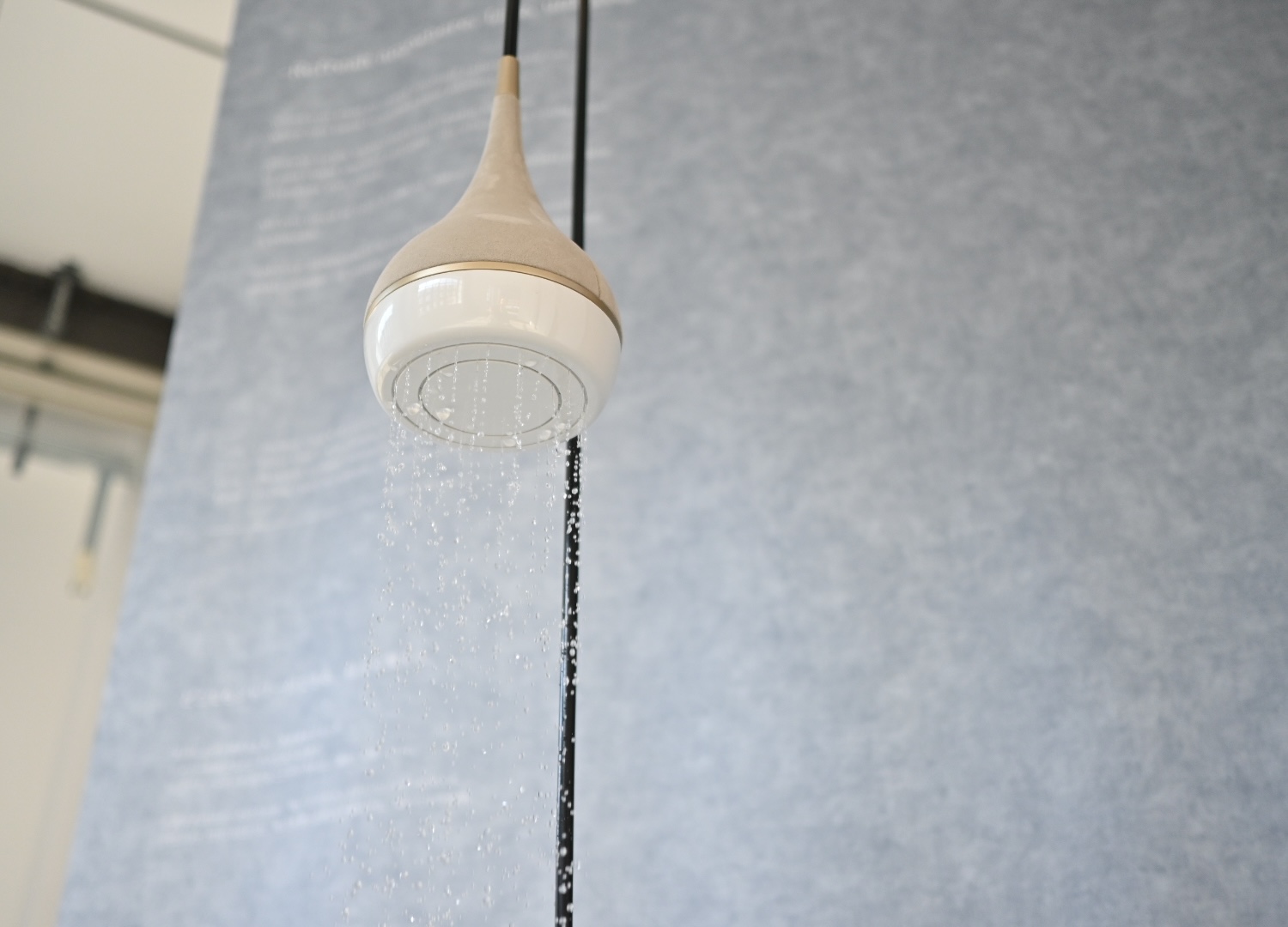
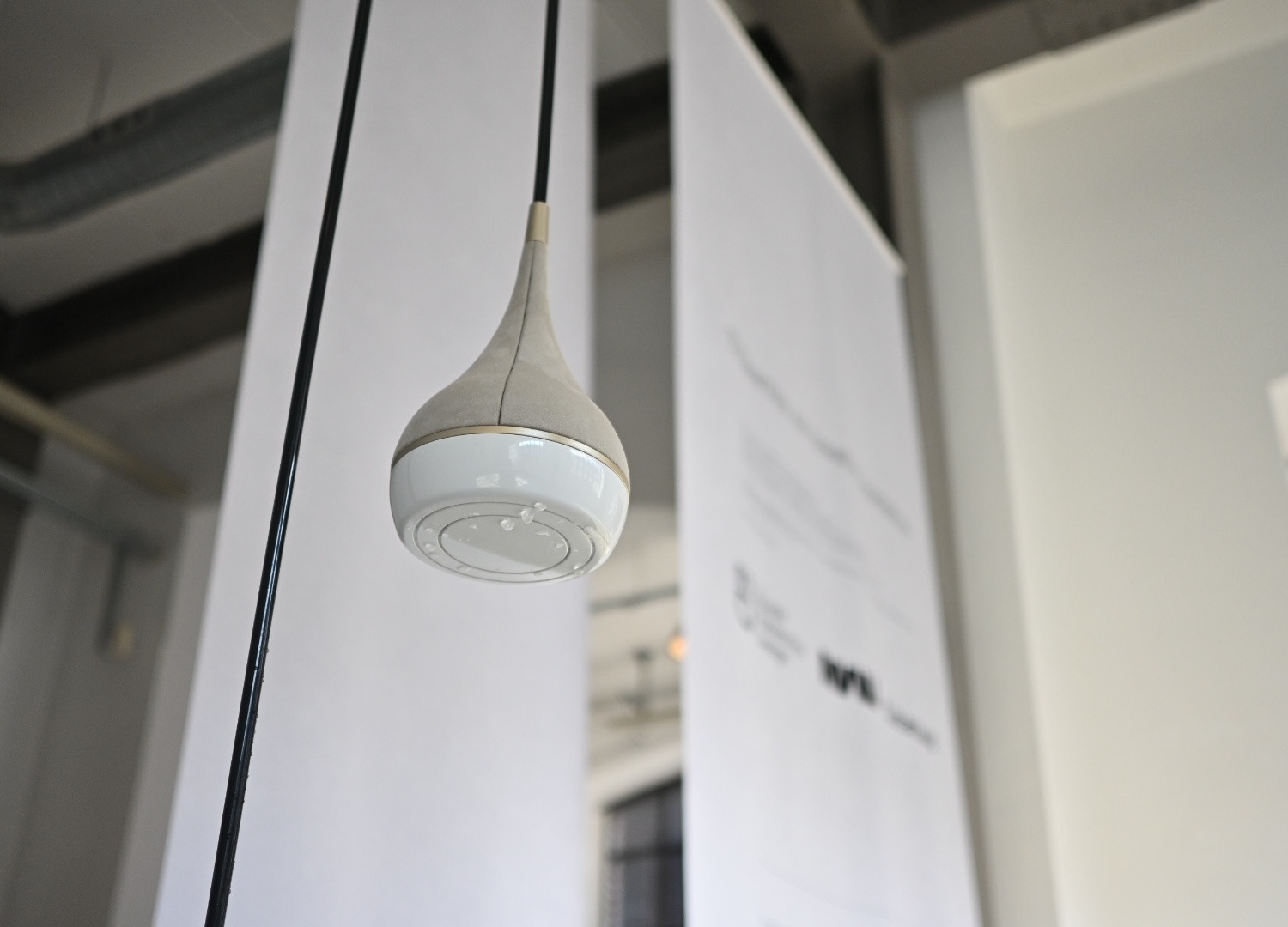
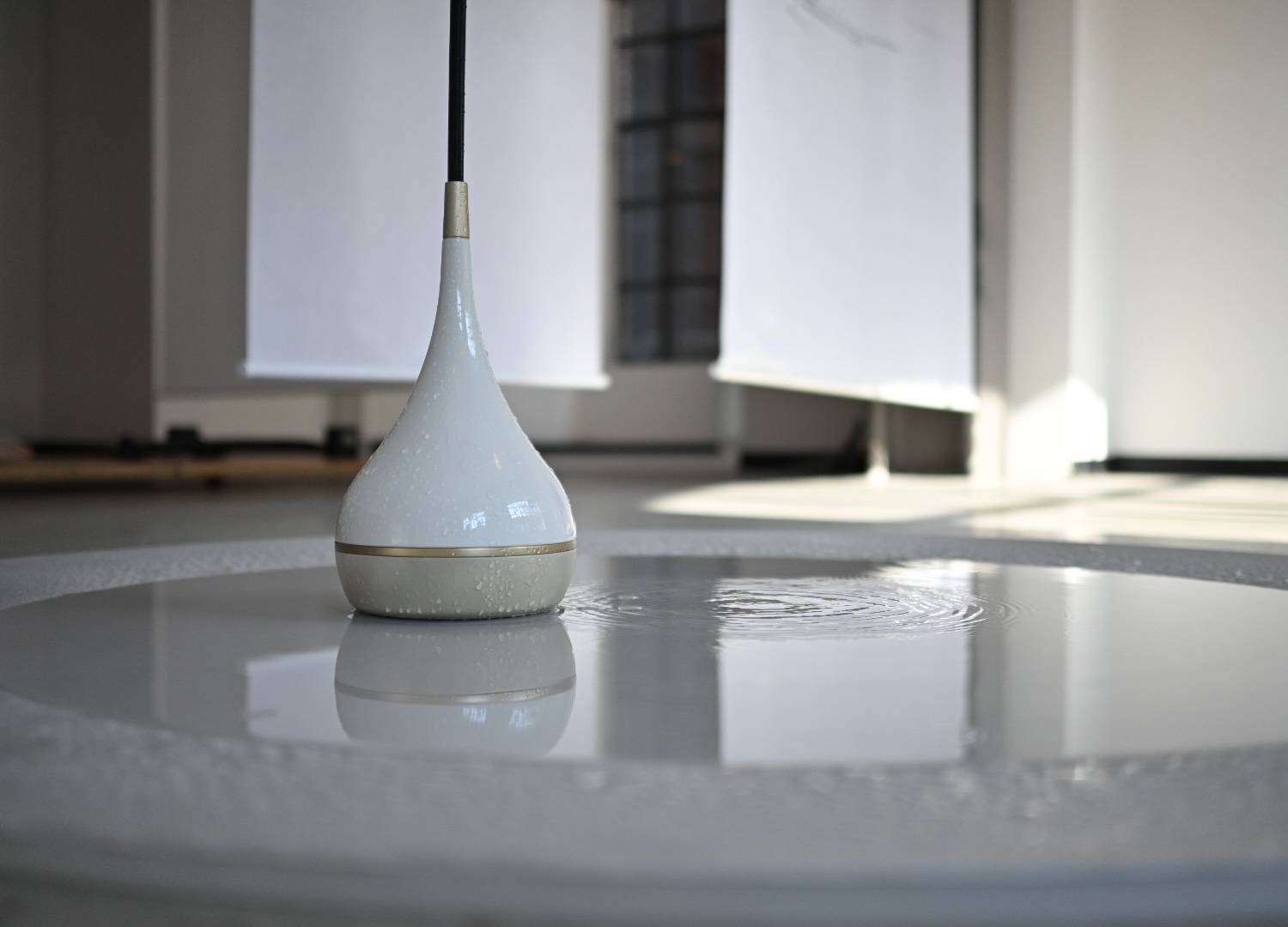
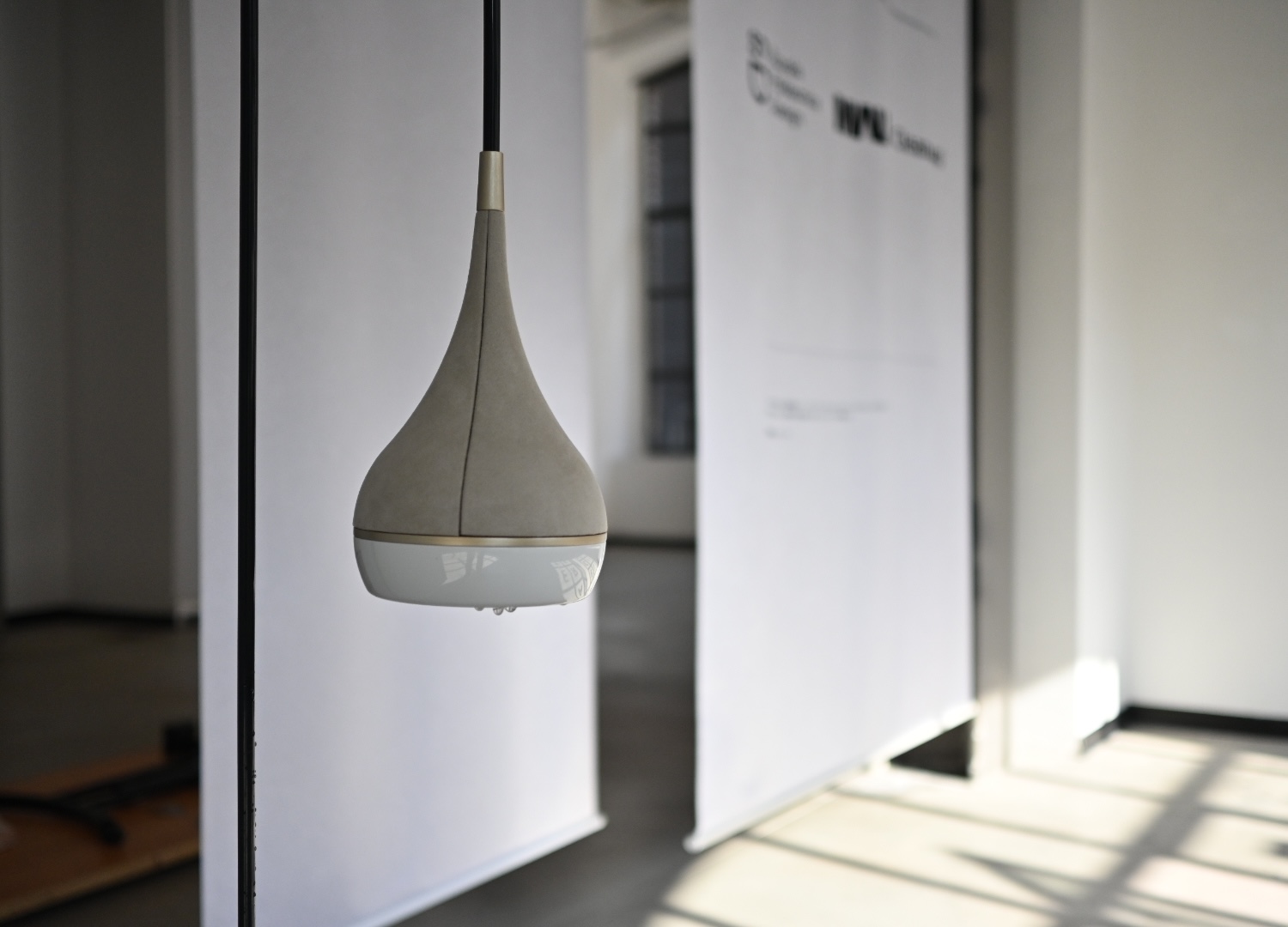
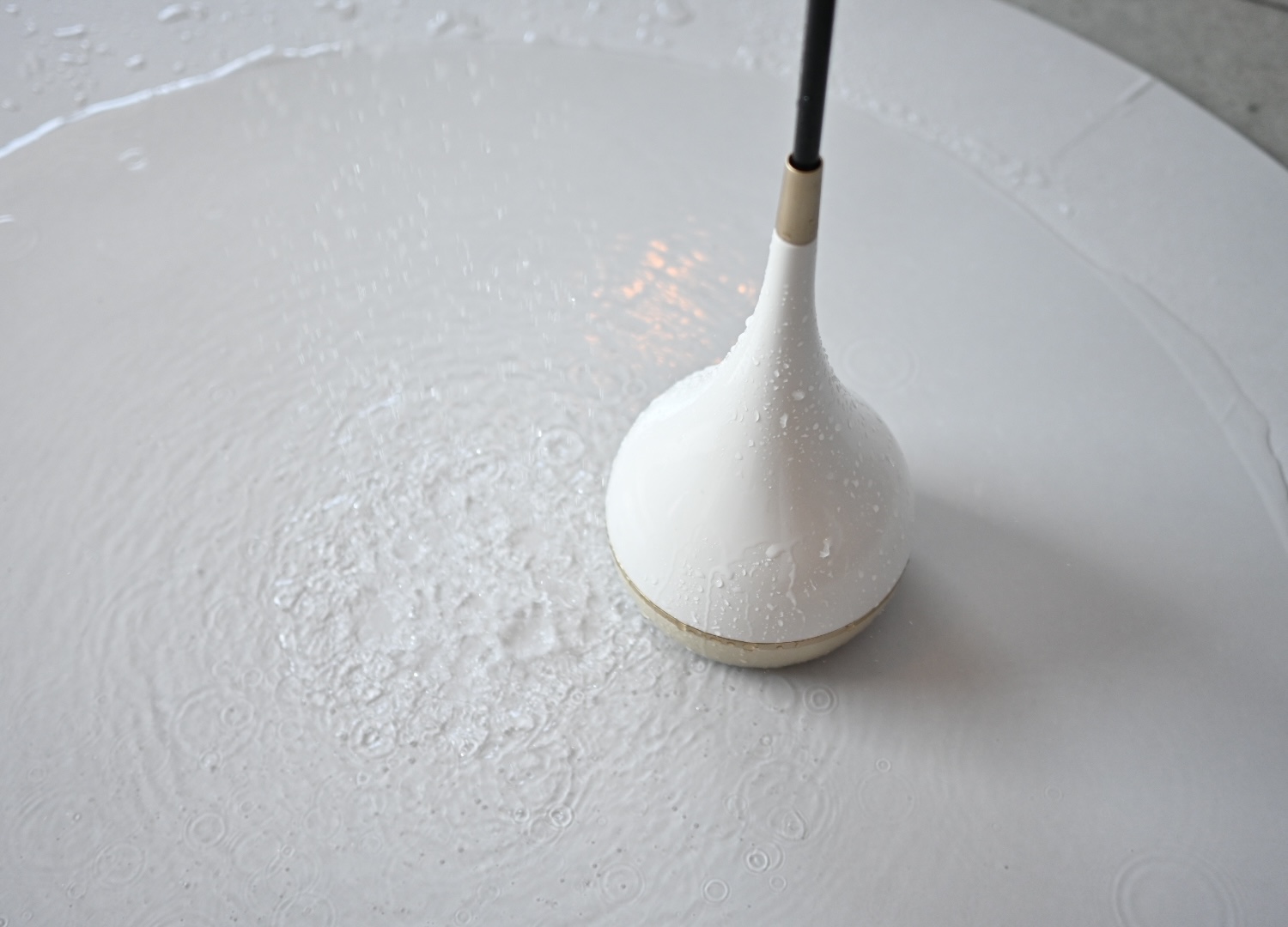
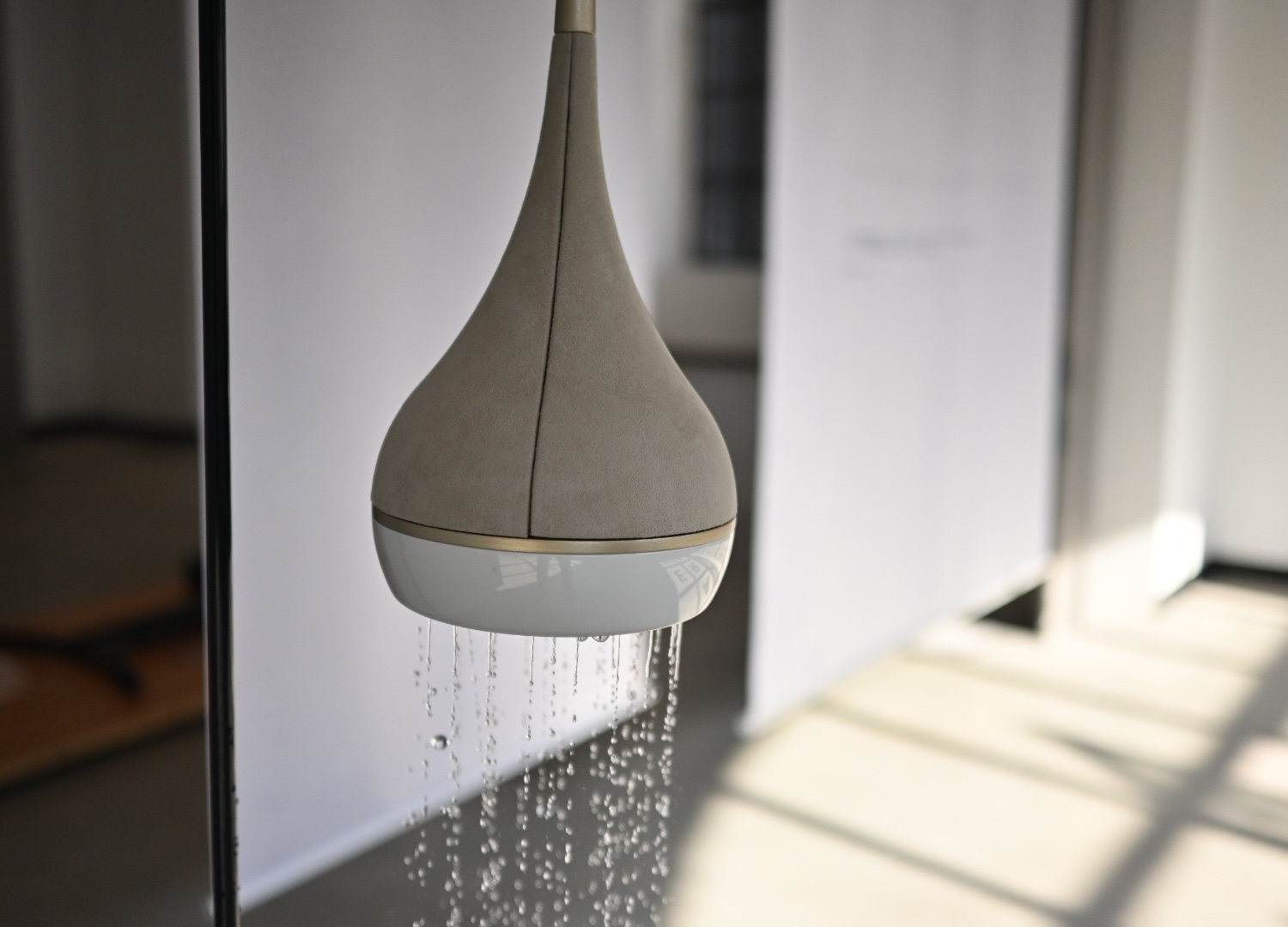
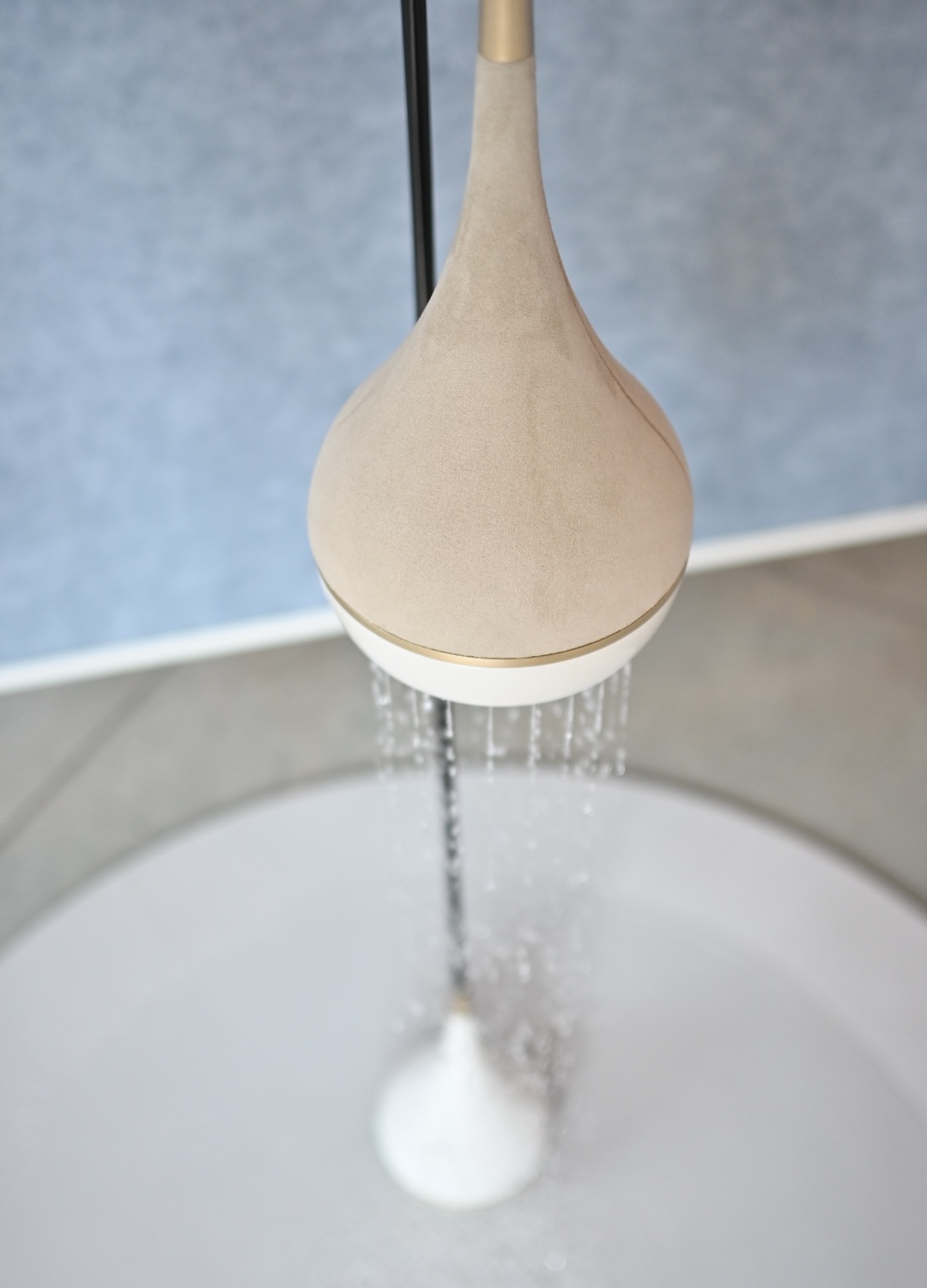
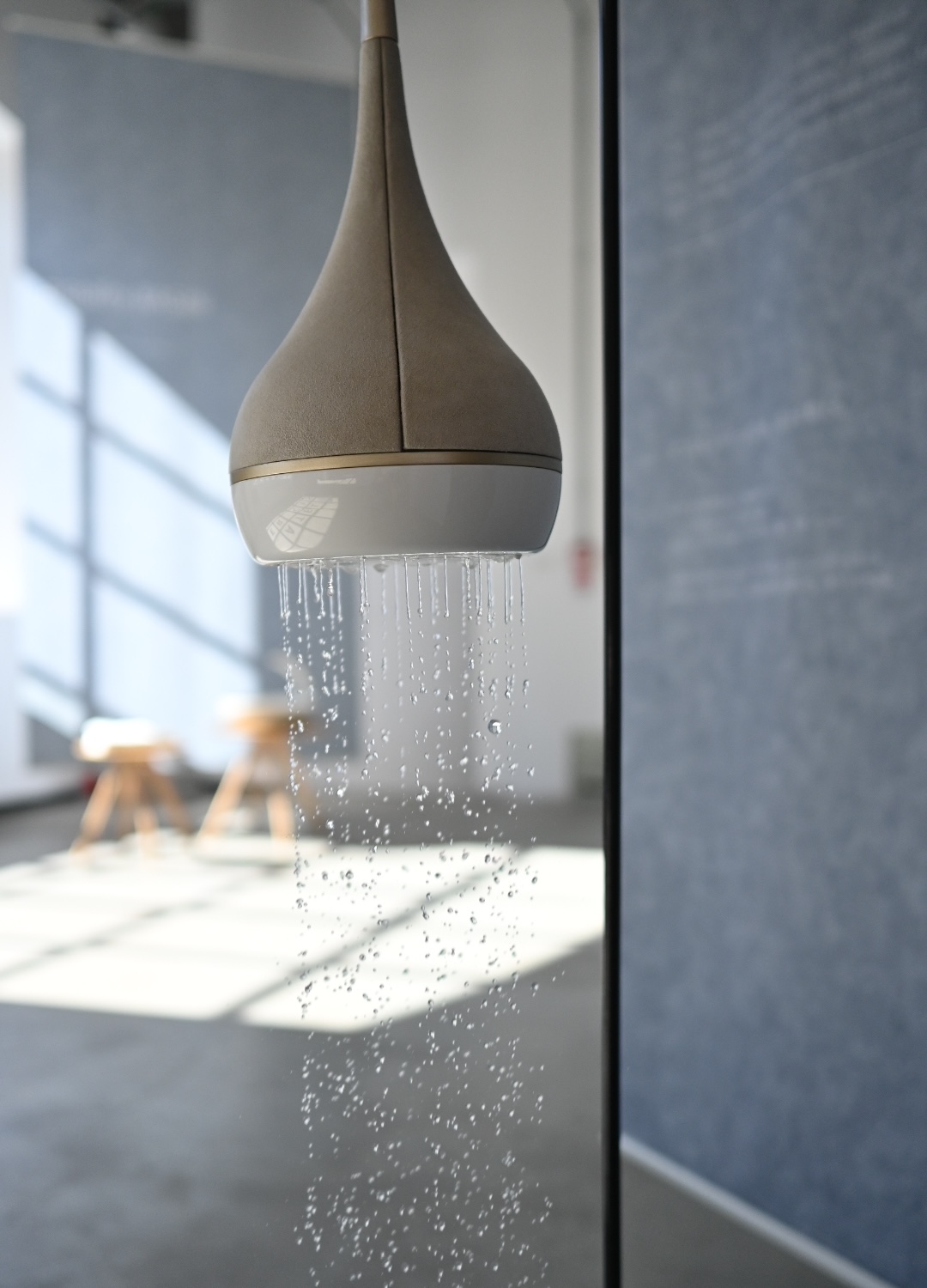
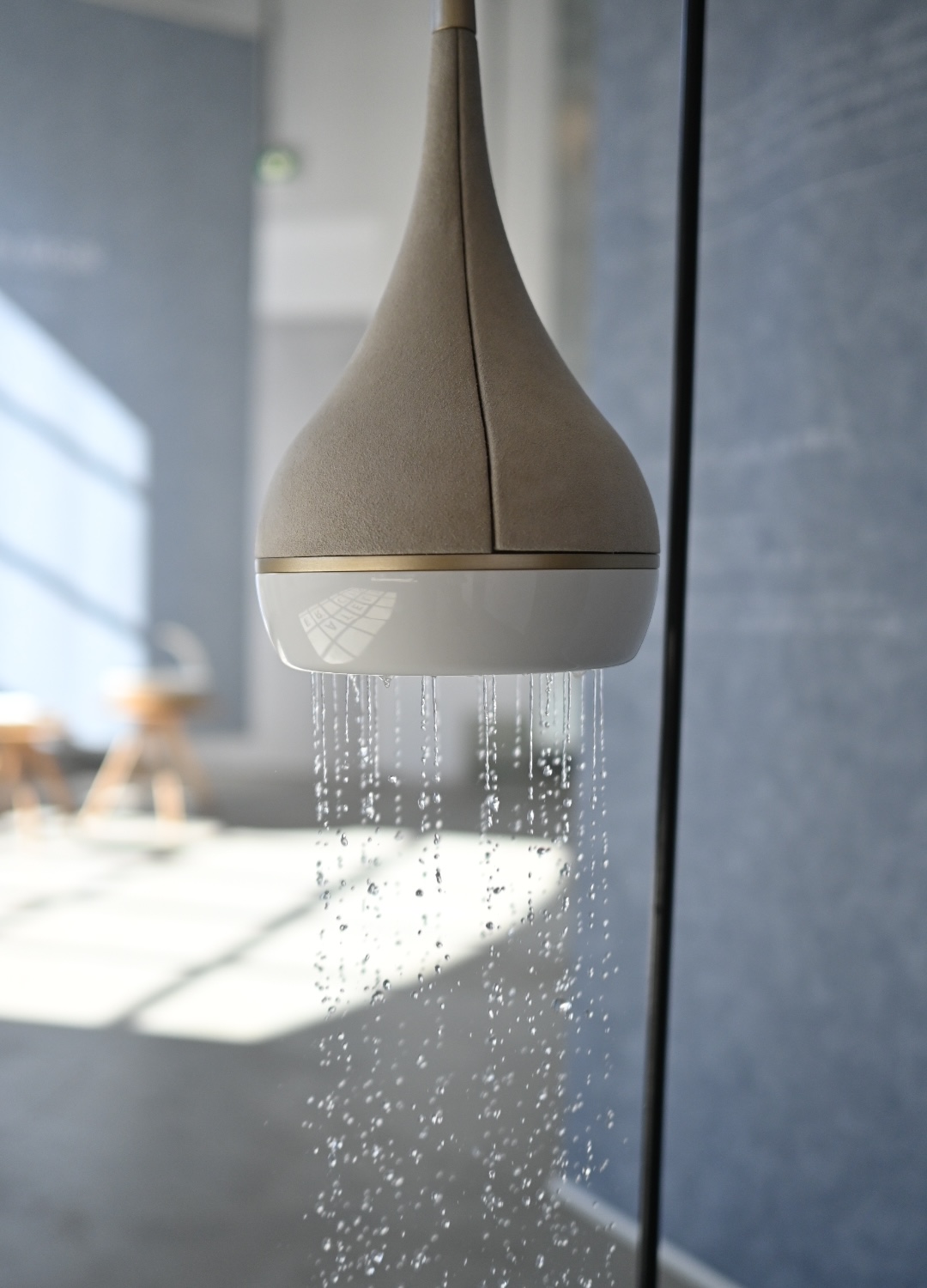
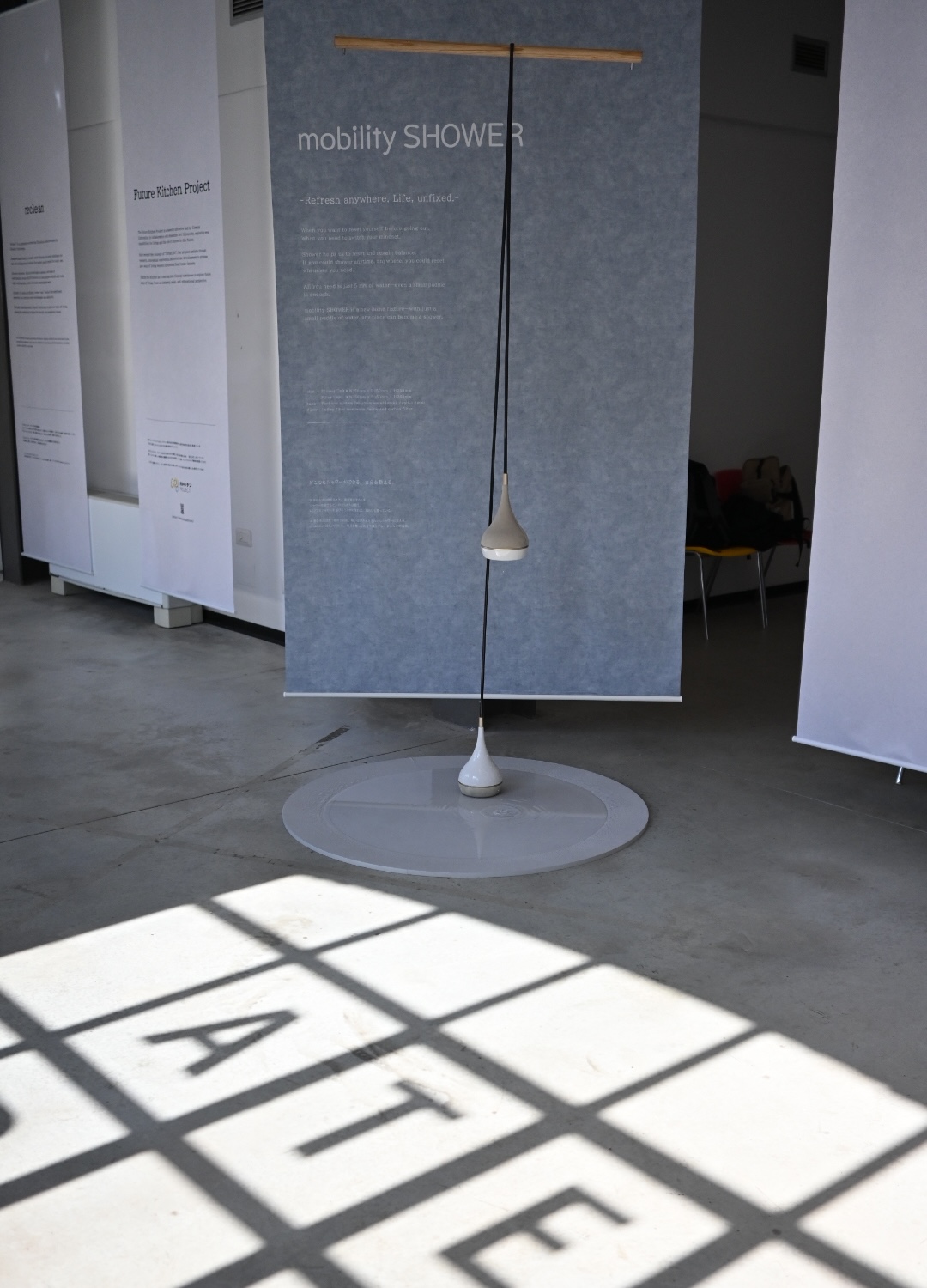
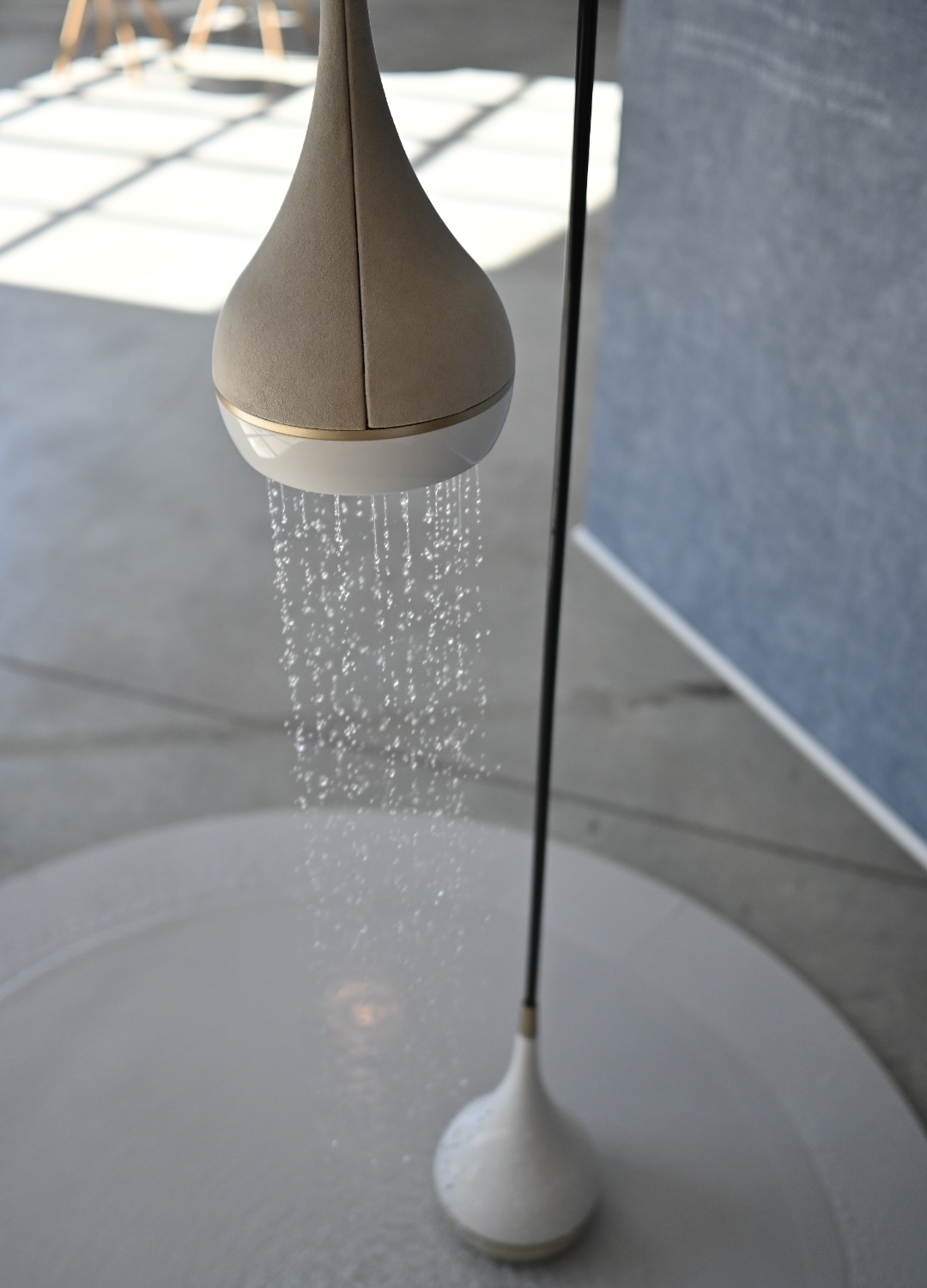
The most radical of the three prototypes, the Mobility Shower operates with a minimal quantity of water, drawing from a depth of just five millimetres through an adjustable tube that separates the filtration and shower functions, allowing considerable freedom in how and where the object is positioned. The image it produces – a shallow puddle transformed into a temporary place for bathing – proposes water as something visible, present and continuously recirculated. It is perhaps the piece that most directly embodies the larger ambition of the project: to make the home itself something you can carry.
Nomadism, in fact, has always been a design subject, from the mobile architectures of Archigram to the off-grid experiments of the last two decades, but it has more often been treated as a form of freedom – an aesthetic proposition, a counter-cultural gesture – than as a practical response to pressure. The conditions of the present moment ask for something more grounded.
Design as an instrument to reflect on nomadism, resource scarcity and climate change
Climate migration is already reshaping which territories are liveable and on what timescale; resource scarcity is restructuring the assumptions about water, energy and infrastructure that have historically underwritten the stable domestic environment. The people most directly affected are not hypothetical, they are moving with what they can carry, settling in places where the fixed plumbing that wealthier contexts treat as invisible simply does not exist. In this context, the nomadic object stops being a provocation and becomes a way of thinking through what domestic life might need to carry within itself when the infrastructure beneath it can no longer be assumed.
What makes the brand’s contribution feel particularly considered within this conversation is that it arrives from a cultural tradition in which cleanliness is not primarily a practical necessity but a value – something closer to care, to ritual, to the daily maintenance of things worth maintaining. That attitude, translated into portable and self-sustaining form, produces a different kind of argument than the usual one: not that mobility is desirable, but that certain gestures of domestic life are important enough to travel with, important enough to keep alive regardless of where one ends up.
The project was developed further through a co-creation workshop involving Cleanup, Musashino Art University and Scuola Politecnica di Design of Milan, gathering designers, researchers and students around the question of what future living environments might look like when domestic infrastructure is no longer permanently in place.
About the author

Ludovica Proietti, journalist, design historian and curator, teaches in universities and curates events, always exploring projects with fresh, unconventional perspectives.
Instagram