How VAIA is turning the Xylella crisis into a new landscape of possibilities
The B-Corp born on the Dolomites and now part of a strong system of regenerative processes brings its vision to the Puglia region to transform dead wood into a live, vibrant bio-material.
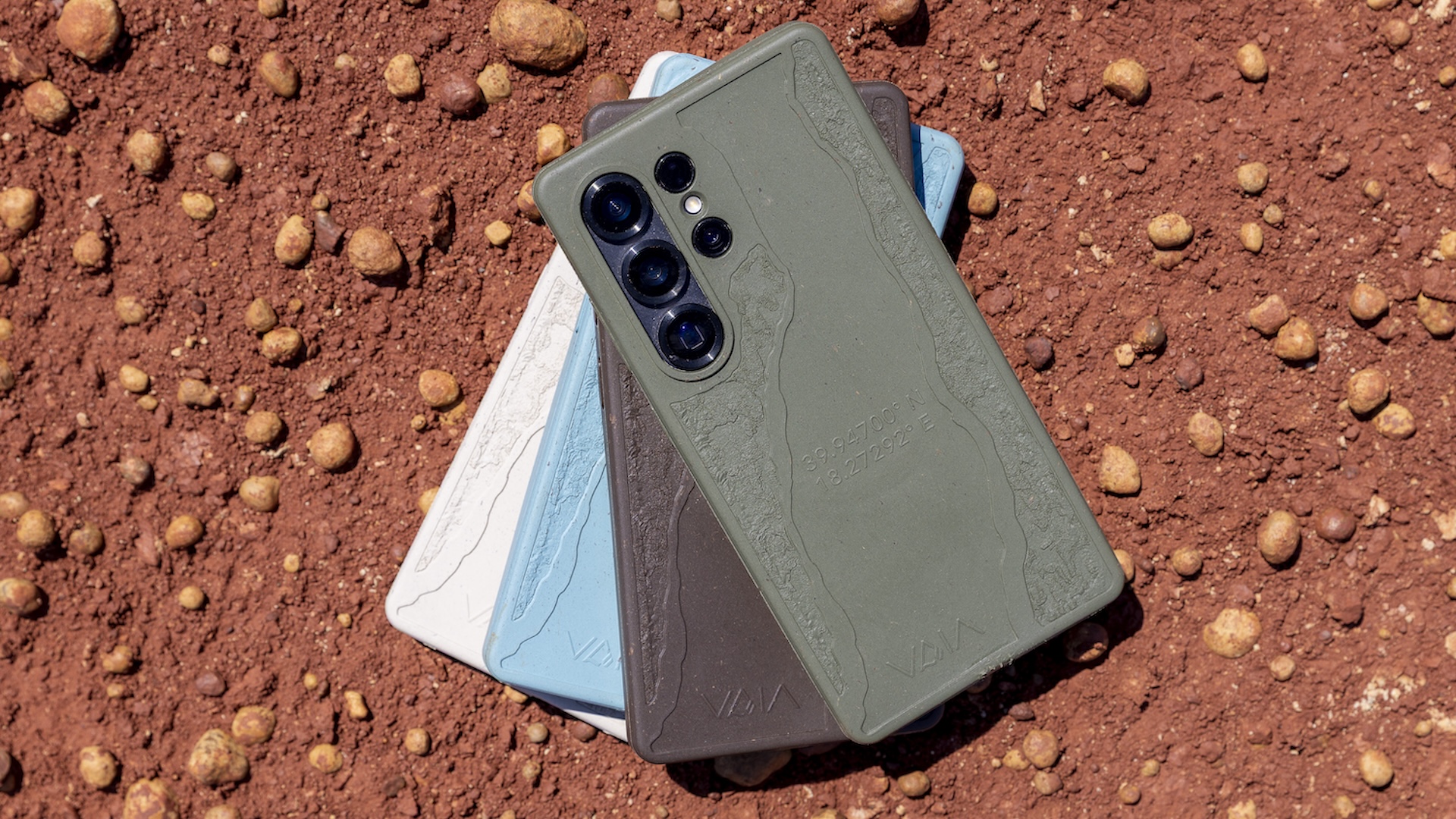
Some environmental disasters arrive suddenly. Others unfold so slowly that communities only realize the scale of the loss when it has already become part of the landscape.
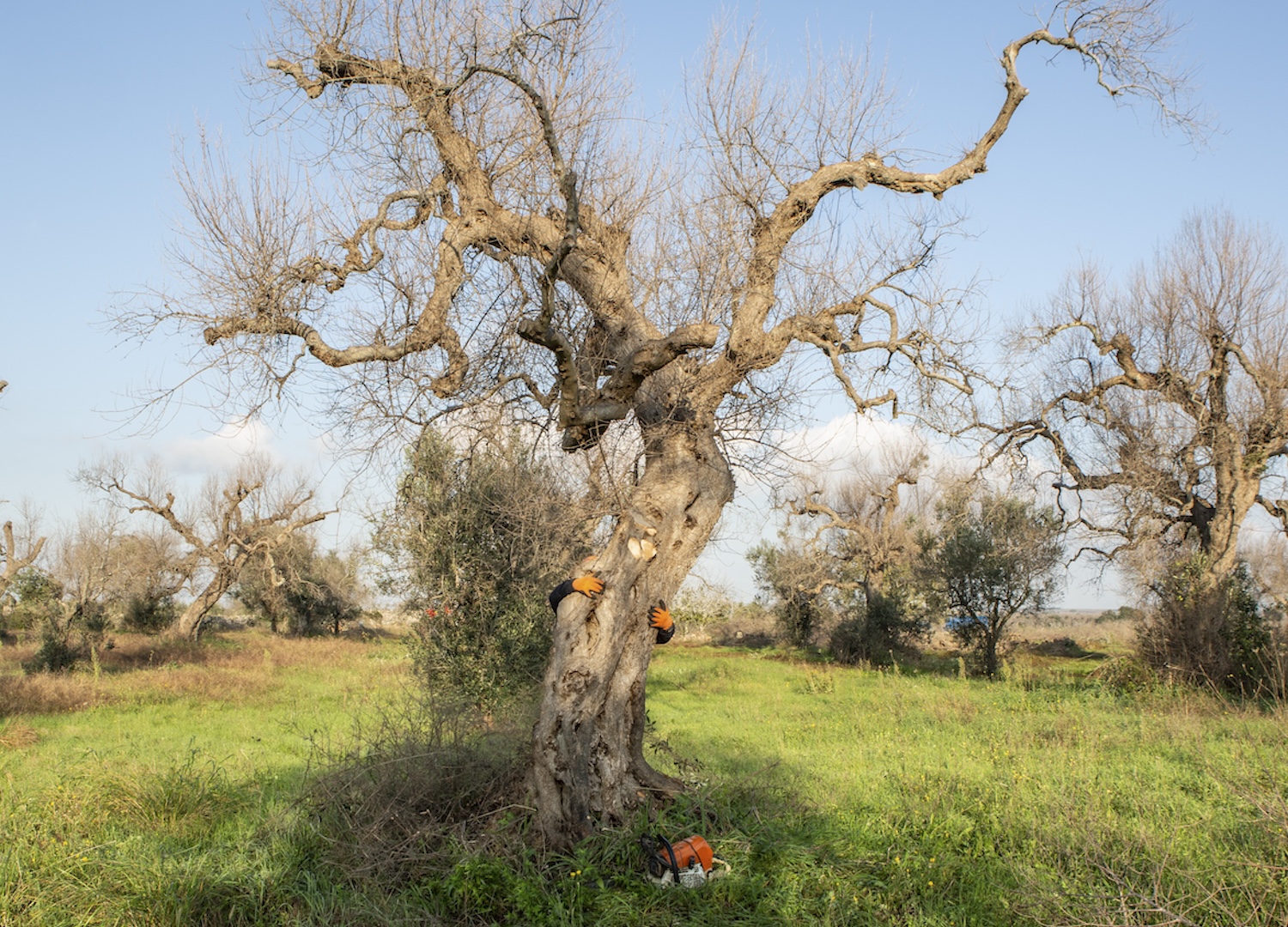
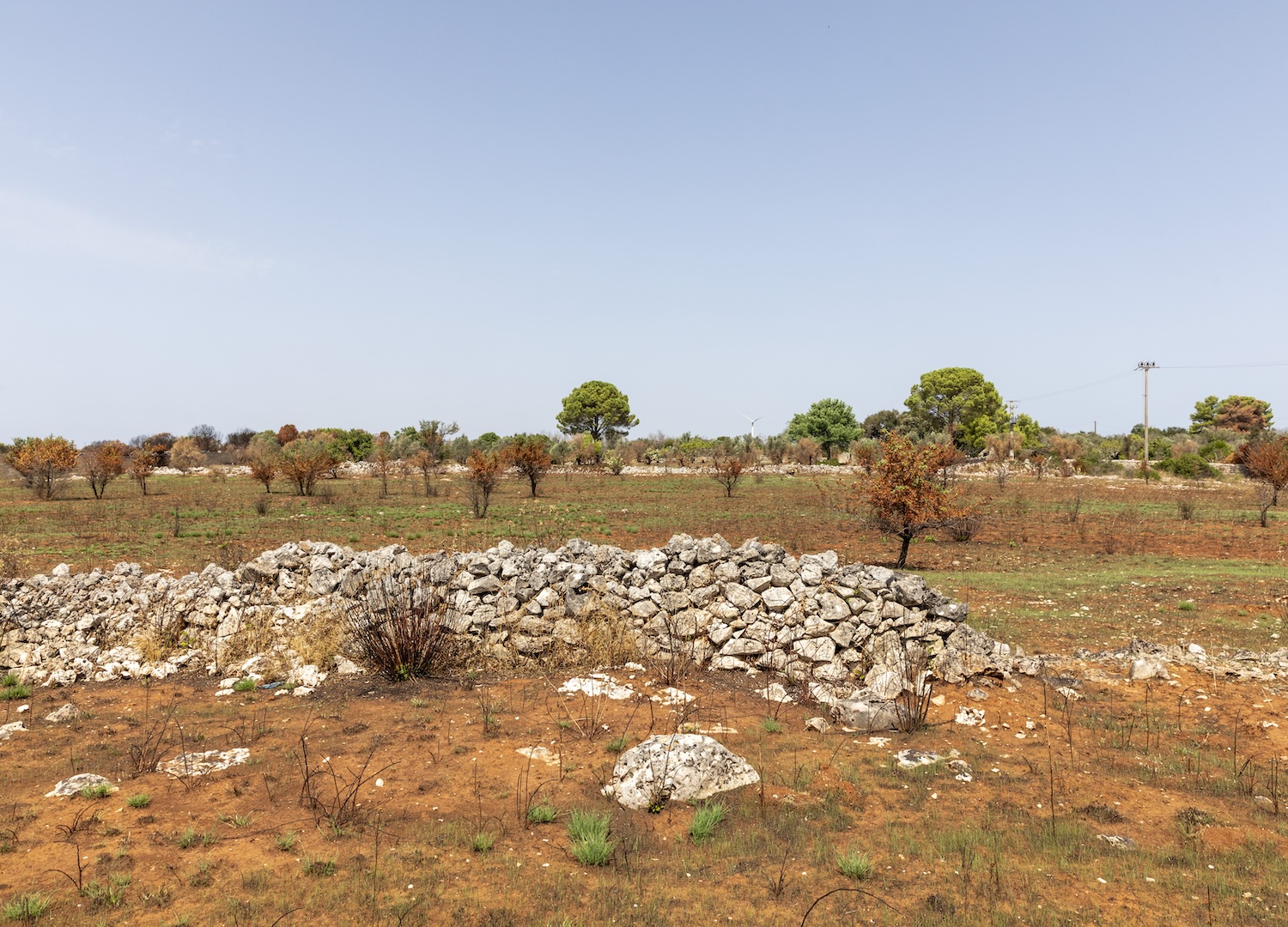
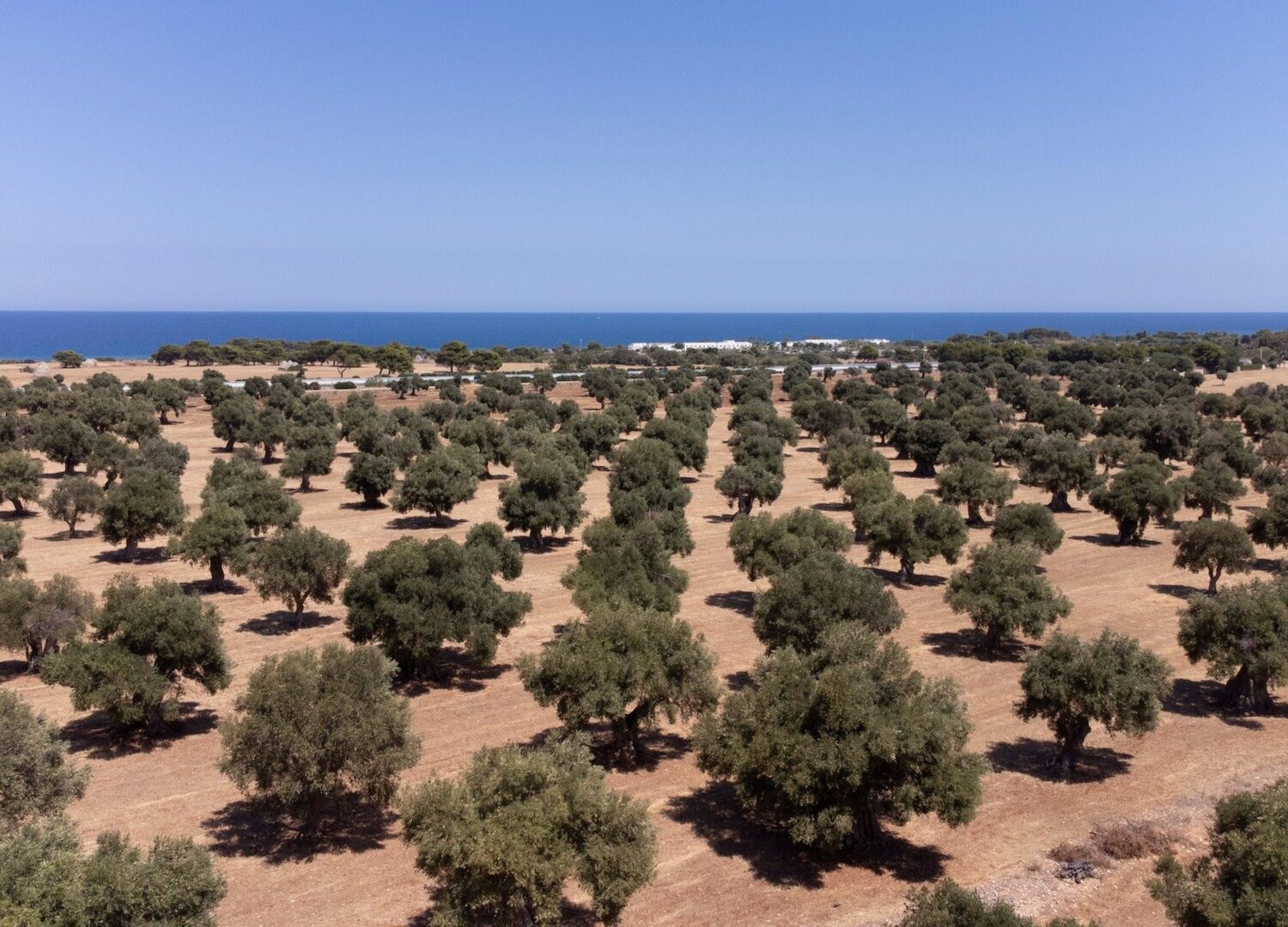
In northeastern Italy, Storm Vaia struck the Dolomites in October 2018, felling more than 42 million trees in a matter of hours. In Salento, southern Puglia, the devastation caused by Xylella followed a different timeline – the bacterium spread gradually through one of Europe’s largest continuous olive-growing landscapes, transforming millions of trees into skeletal silhouettes and permanently altering the identity of the territory.
Different events, different geographies, different causes, yet both left behind the same question: what happens after a catastrophe? For VAIA, the benefit corporation founded in the aftermath of the storm that gave the company its name, the answer has never been simply about recovery, but about regeneration.
Gallery
Open full width

Open full width
After transforming timber recovered from the Dolomites into a local design supply chain and contributing to the planting of more than 200,000 trees, the company is now bringing its regenerative model to Puglia with the launch of Olive Matter, a new bio-based material developed from wood fibers sourced from olive trees affected by Xylella. The project marks a new chapter for a company whose origins lie in one of Italy’s most dramatic climate events, though the challenge it encounters in Salento is of a profoundly different order.
VAIA turns the Xylella crisis into new possibilities:
A challenge becoming an opportunity
Unlike the forests destroyed by Vaia, olive trees are part of family histories. “Every family here owns thirty or forty olive trees,” explains Anna Laura Remigi, the mayor of Specchia, the municipality involved in the initiative. “The loss of the olive groves was experienced almost like the illness of a loved one.” The comparison is not rhetorical or exaggerated: for generations, olive cultivation has shaped the social, economic and cultural fabric of Salento – trees inherited, cared for and passed on across centuries – and their disappearance has often led to the abandonment of the land.
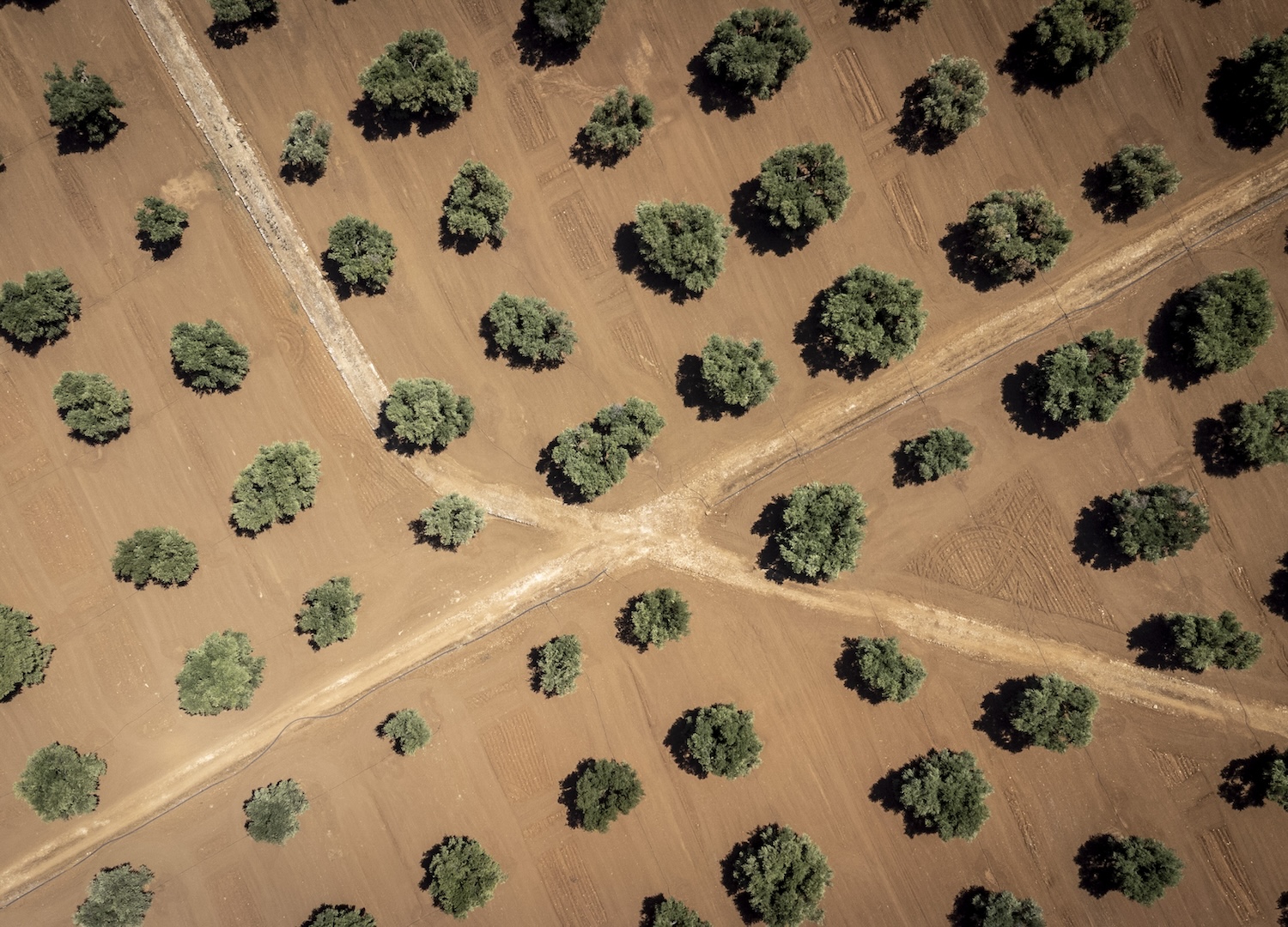
The outbreak that began in 2013 was the result of an exceptional convergence of factors. The strain responsible, Xylella fastidiosa pauca, had never previously been recognized as particularly aggressive towards olive trees, yet in Salento it encountered ideal conditions: a favorable climate, an immense and uninterrupted olive-growing territory, and abundant populations of meadow spittlebugs, the insects that act as vectors for the bacterium.
Xylella is a known threat elsewhere in the world – in California it has long affected vast areas of vineyard – but the Salento epidemic emerged as a distinct event, amplified by the specific interaction between pathogen, environment and landscape, and produced one of the largest agricultural and environmental crises in contemporary Europe.
When Federico Stefani, founder and president of VAIA, first visited the region in 2021, he found himself confronted by an unfamiliar kind of devastation. “The challenge seemed impossible,” he recalls. “But looking at those landscapes, I promised myself we would find a way to do something.”
A biomaterial that transforms everyday gestures in consciousness
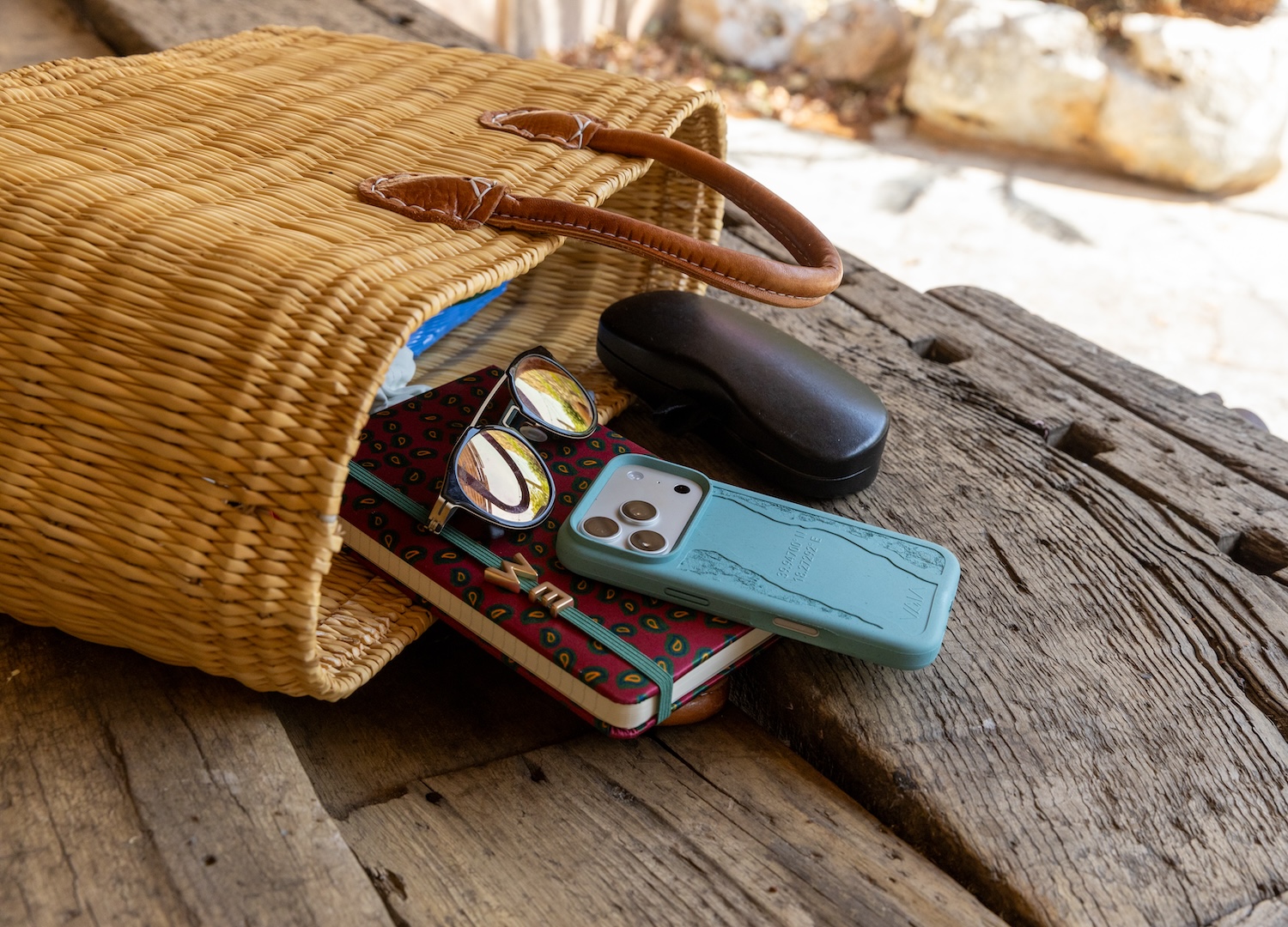
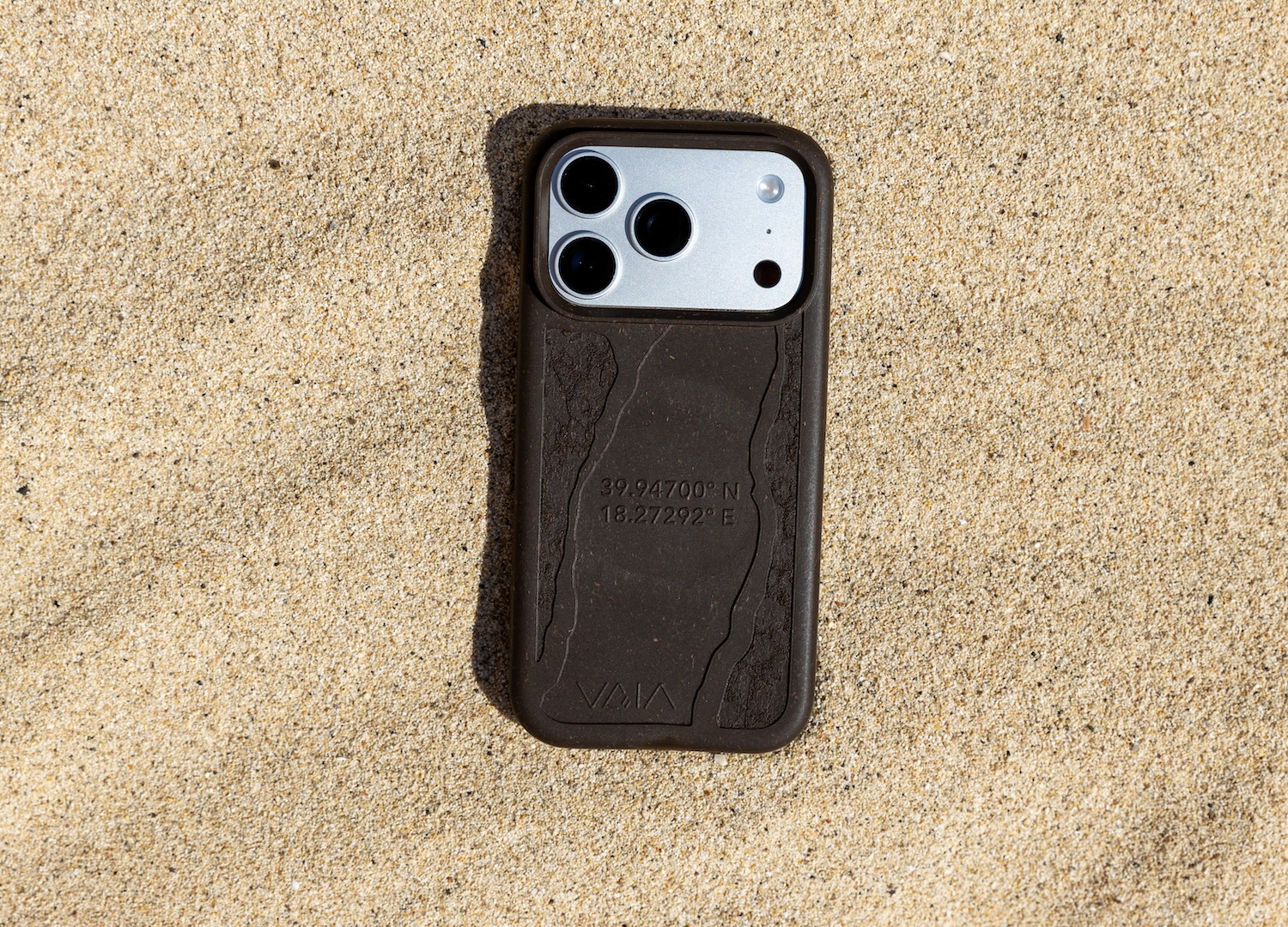
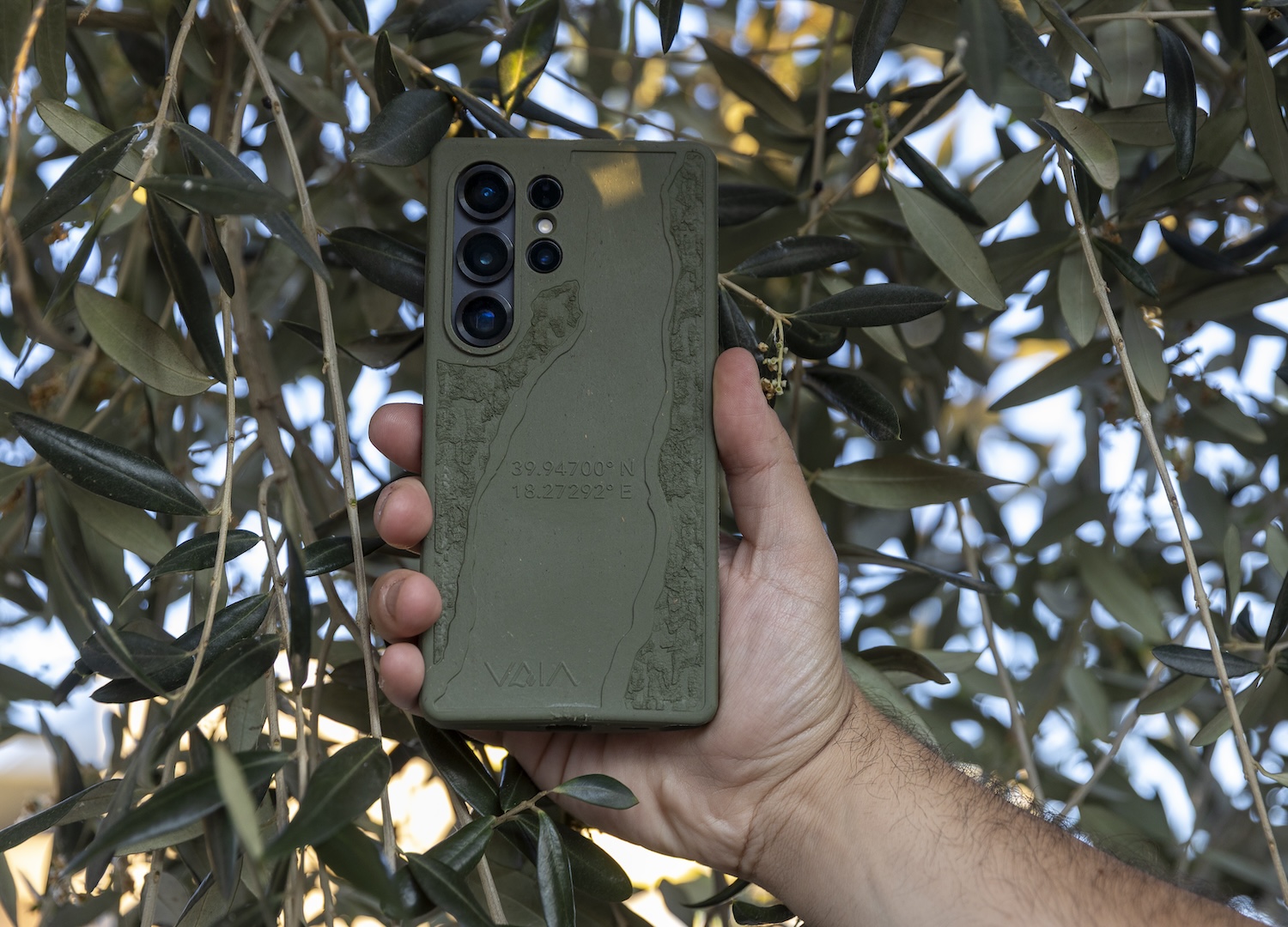
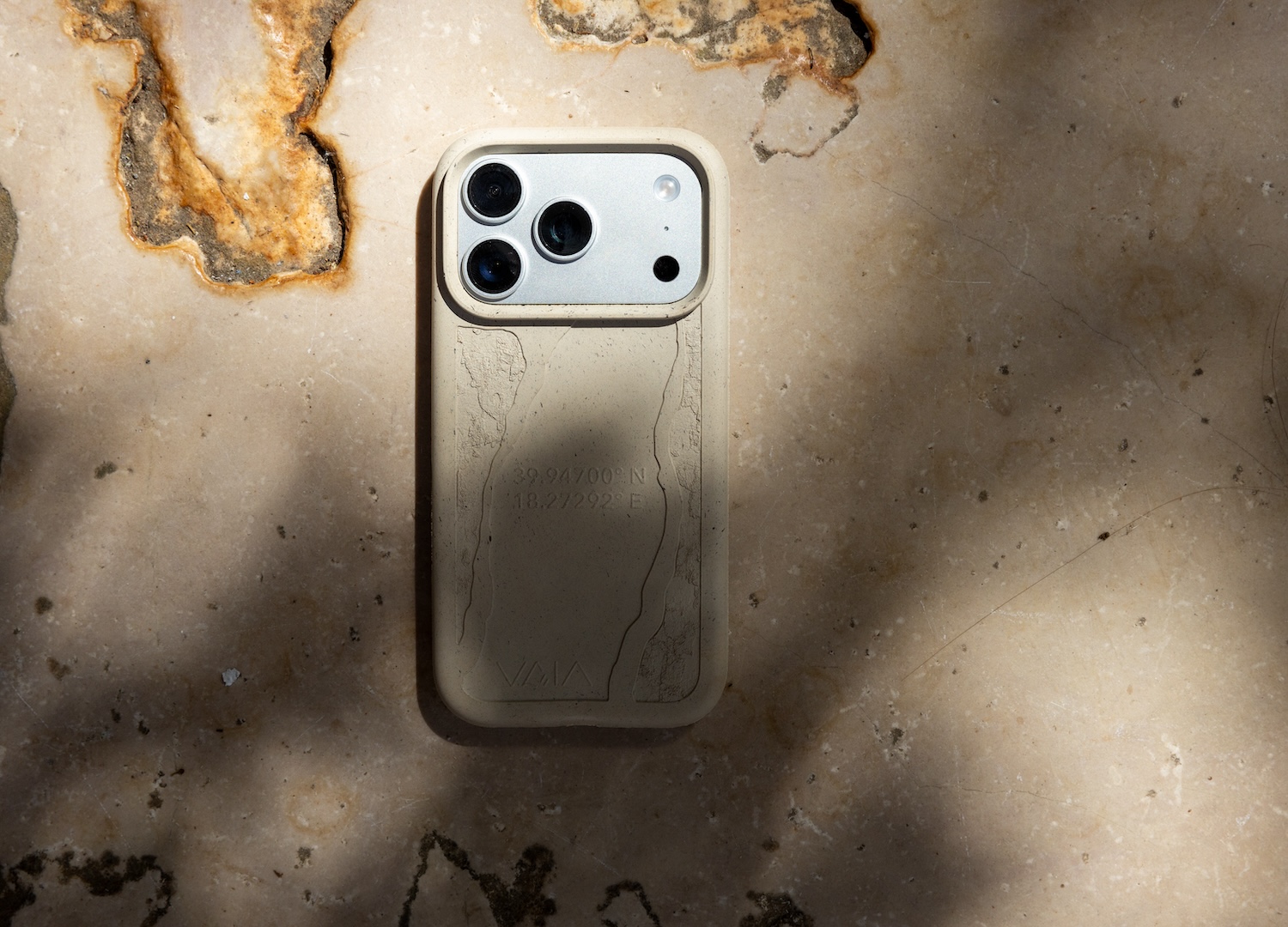
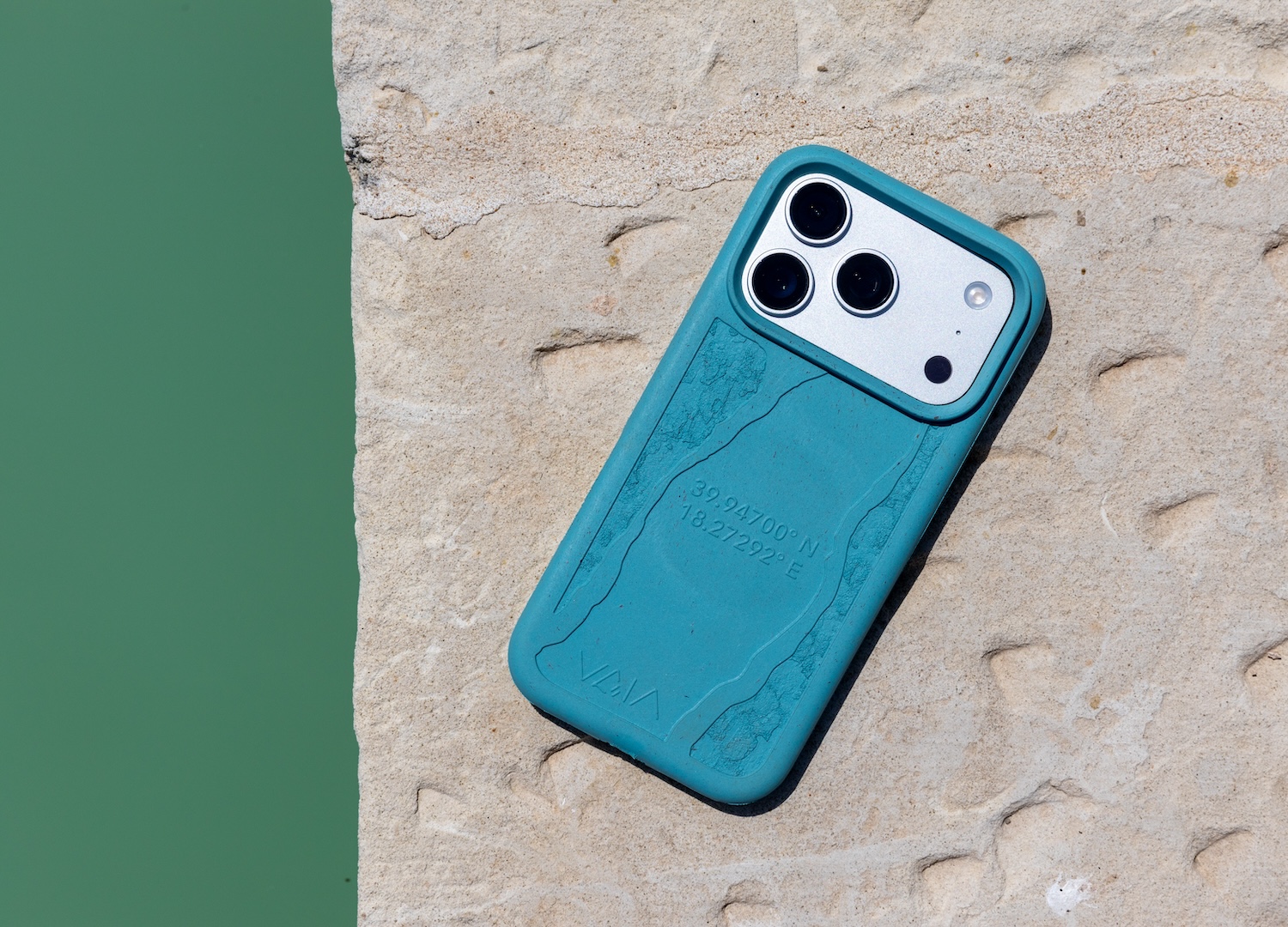
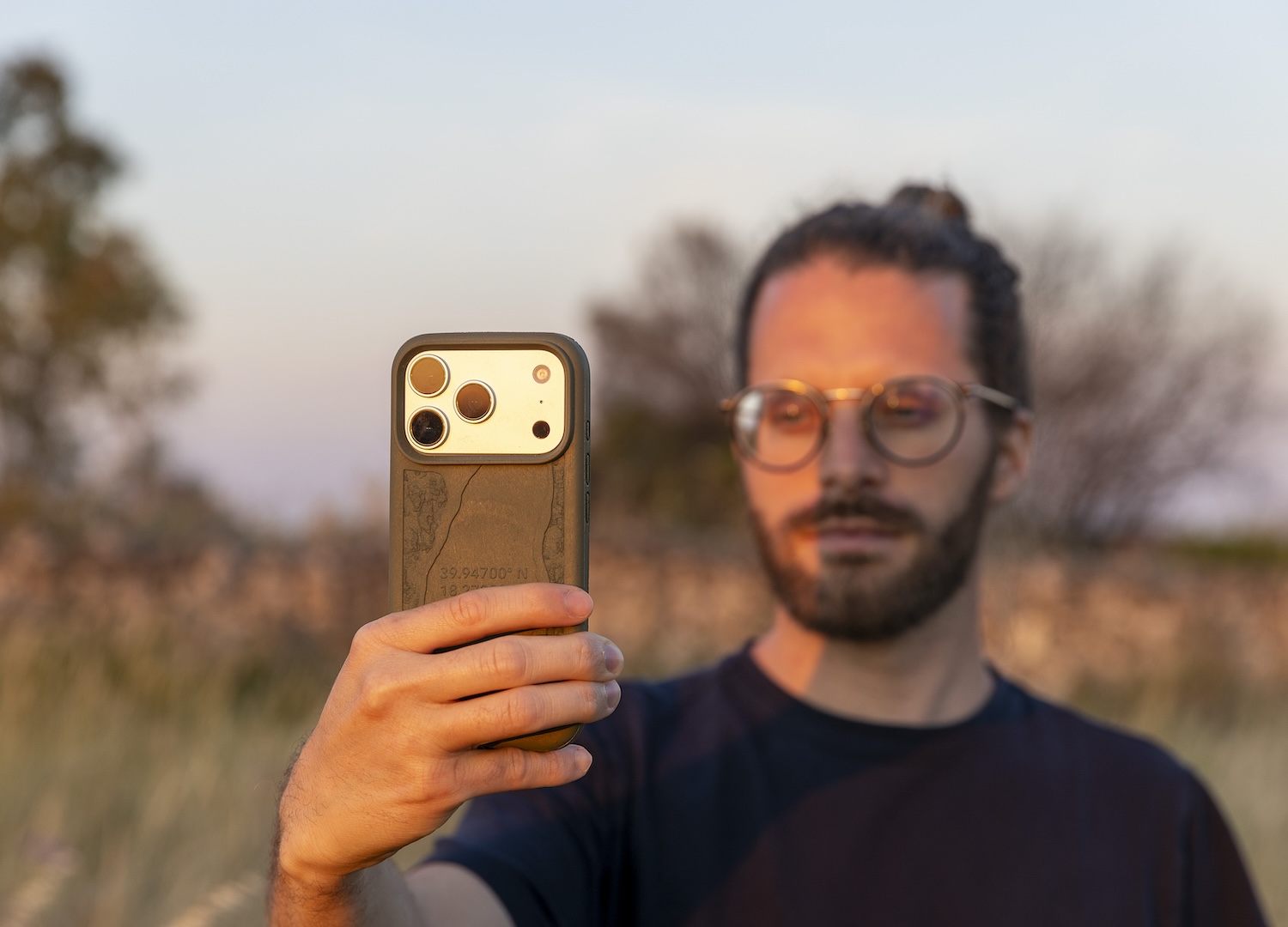
Five years later, that promise has taken material form: developed in collaboration with researchers from the University of Trento, the National Research Council in Bari and the University of Salento, Olive Matter transforms wood from Xylella-affected olive trees into a fully recyclable bio-composite, whose first application is deliberately ordinary – a smartphone case.
Few objects accompany us as constantly as our phones – we carry them everywhere, replace their covers almost routinely – and if the ambition is to bring a material, and the story embedded within it, into everyday life, there are few better vehicles. The goal is not simply to provide a bio-based alternative to the plastic that dominates the market for phone accessories, but to make sustainable materials desirable in their own right: tactile, durable and accessible, with a retail price below €50.
Rebirth through action
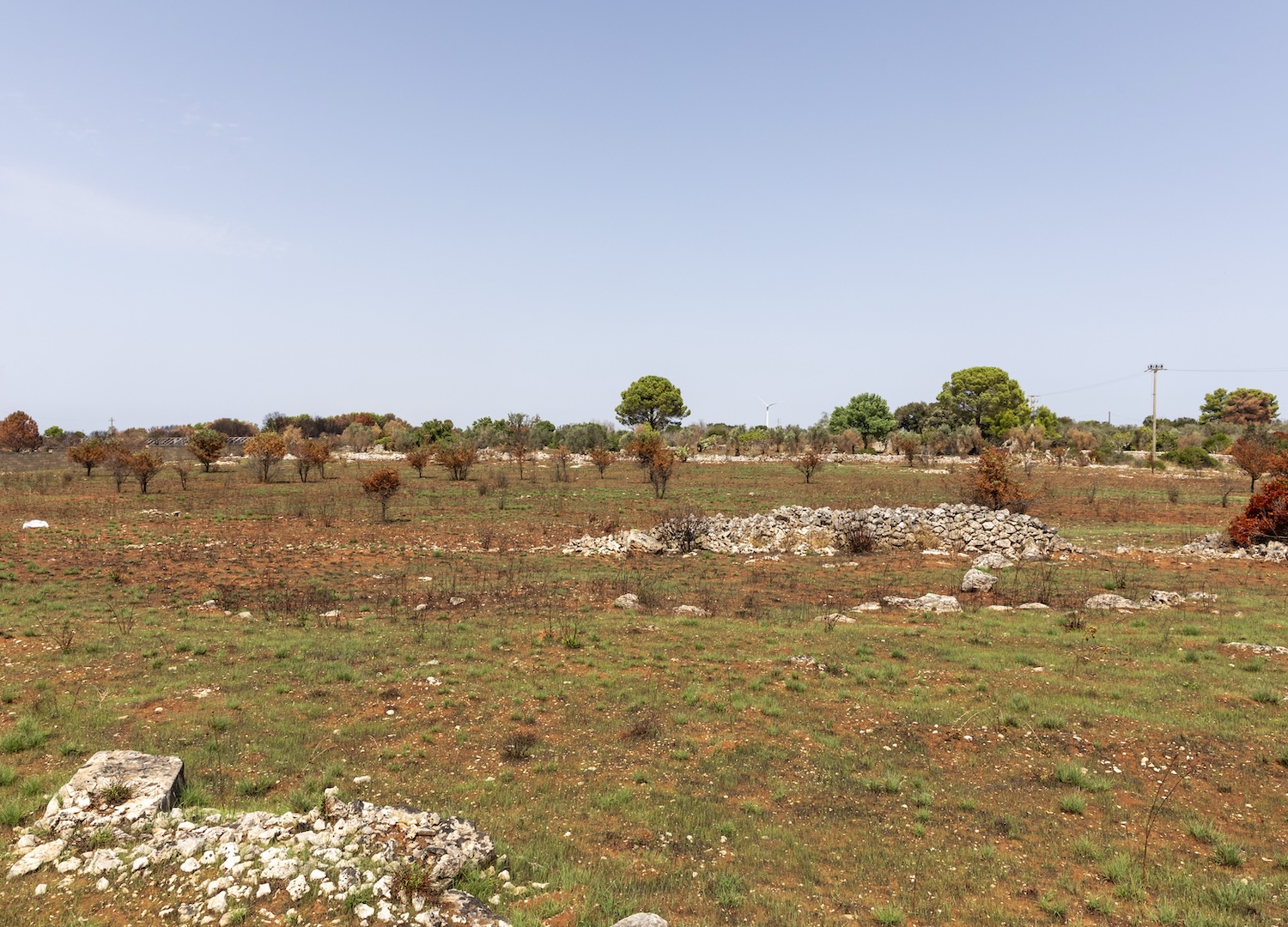
For VAIA, however, the object itself is only part of the story. The company describes its products as “objects of relationship” rather than objects of consumption, their purpose being not merely to give new life to discarded materials but to create a tangible connection between people and places – transforming an everyday purchase into an act of restitution. That principle is embedded in the Puglia project from the outset, guided by a scientific committee, and every product sold contributes to the regeneration of one square metre of Mediterranean scrubland in Specchia, where VAIA is supporting the creation of what it describes as the first Forest of Rebirth in Puglia.
The initial intervention will focus on the ecological restoration of approximately two hectares of land through the reintroduction of native Mediterranean species that here are lacking and reconnect with the history of this place, giving shade and water, and, significantly, the objective is not to recreate what existed before – there is no attempt to replace millions of olive trees with millions of new ones. The project instead embraces a broader ecological perspective, promoting biodiversity and landscape resilience through the regeneration of Mediterranean maquis ecosystems.
The distinction matters because regeneration is often confused with replacement, yet landscapes, like communities, rarely return to a previous state after a profound disruption. In the Dolomites, fallen trees became the foundation of a new local economy. In Salento, wood from infected olive trees is becoming the starting point for a different conversation about materials, biodiversity and territorial identity. The olive groves that defined the region for centuries cannot simply be brought back, but from their remains, a new landscape may begin to emerge.
About the author

Ludovica Proietti, journalist, design historian and curator, teaches in universities and curates events, always exploring projects with fresh, unconventional perspectives.
Instagram