ZBOZHZHA’s manual of imperfection: reinventing materiality sustainably
Using a material invented from scratch—made of recycled cardboard, clays, and natural pigments—Vanya Kruk’s studio crafts lamps without internal structure, hand-modeled. Objects that are slow to make, but hard to forget.

At a time when sustainability is all too often reduced to a communication strategy, ZBOZHZHA takes a more authentic and radical path: one of rediscovered material, slow gestures, and imperfect forms. Founded by Belarusian designer Vanya Kruk, the workshop operates in a design dimension where eco-compatibility is not a label but a tangible design practice and a clear projectual vision. This translates into continuous material experimentation, entirely handcrafted production, and an aesthetic inspired by wabi-sabi principles.
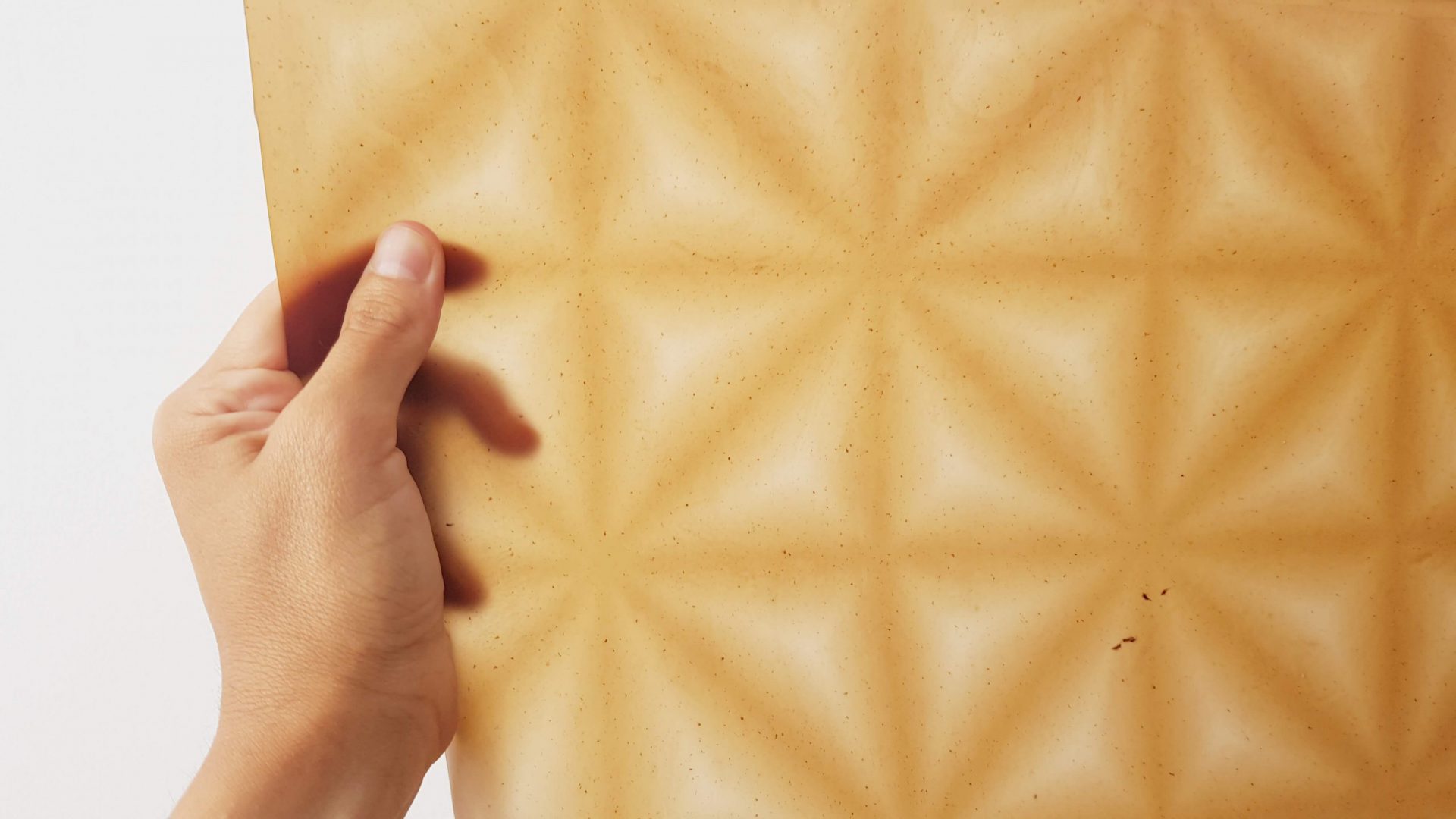
At the heart of the project is an original composite material, the result of a year of tests and iterations, developed by the designer, almost like an alchemist: a blend of recycled cellulose pulp, clays, gypsum, and natural earth pigments. “I didn’t just want to create eco-friendly objects,” Kruk explains. “I wanted to start from the raw material itself. To give a second life to what would otherwise be waste, and transform it into something beautiful, functional, and emotional.”
Gallery
Open full width


Open full width
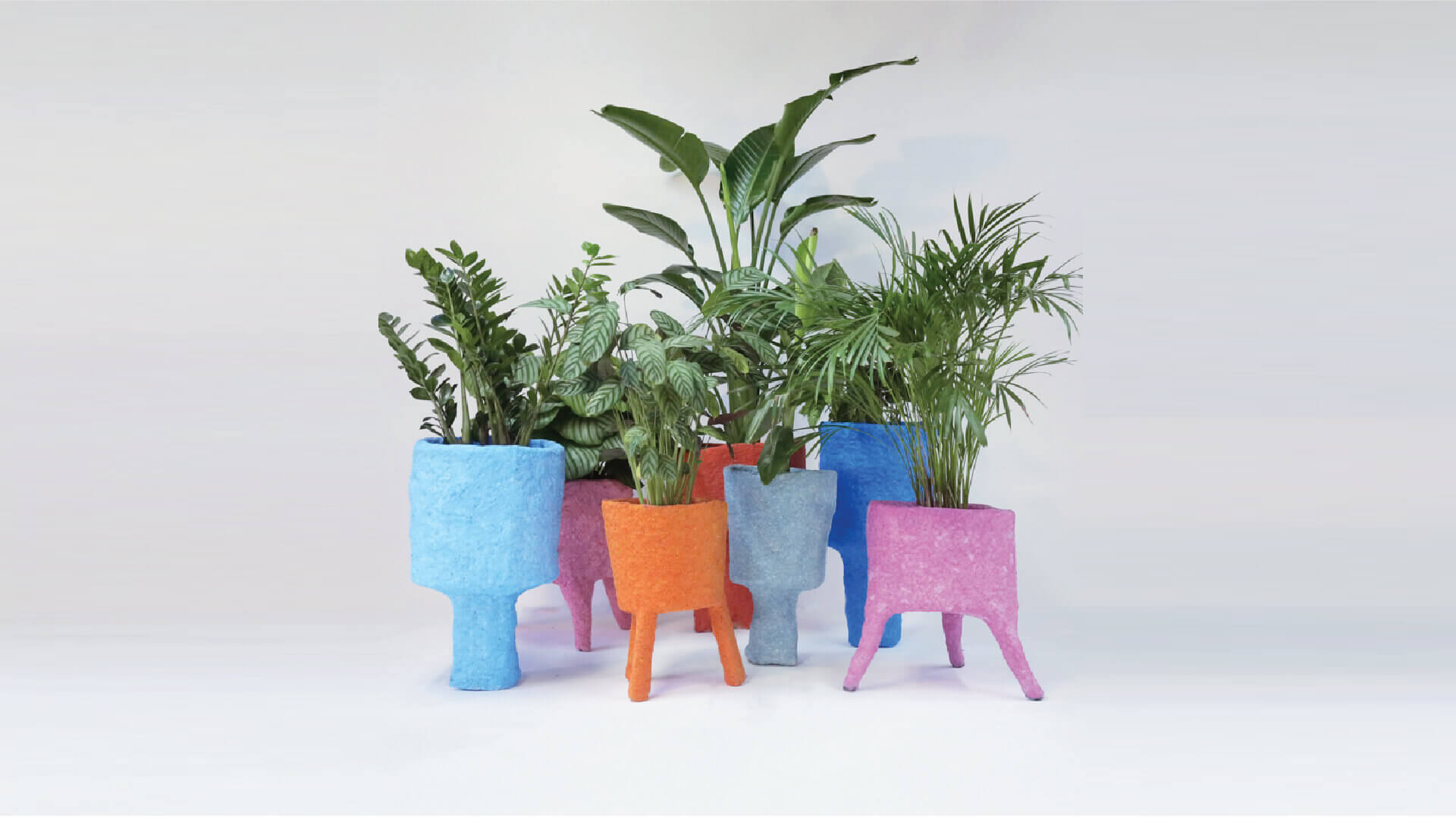
The PERSHY, PATCHVARA and most recent PYALYOSTAK collections demonstrate how Kruk’s material can be translated into functional, sustainable, and expressive objects. More than just light sources, these lamps are material micro-sculptures, where every surface is carefully designed to evoke organic textures — bark, fur, sea foam. “I want people to touch them, not just look at them,” says the designer, emphasizing the sensorial dimension of his design process.
PERSHY stands out for its full, primitive volume, a totemic form that seems to rise from the earth. PATCHVARA, by contrast, plays with a more fragile balance, featuring stratified surfaces that appear eroded by wind and water. The latest model, PYALYOSTAK (“petal” in Belarusian), represents a true material challenge: made without any internal structure, it’s built entirely from self-supporting hand-modeled layers. A central light diffuser made of recycled cotton softens the light, creating a warm and enveloping atmosphere. “It was a difficult step, but necessary to push the boundaries of what my material can do.”

One of the most compelling aspects of ZBOZHZHA’s approach is the balance between craftsmanship and digital fabrication. While everything is shaped by hand in an almost meditative process, some production phases incorporate contemporary tools—such as 3D printing to create supports and drying molds. “Almost every step is done by hand. I believe this gives each piece a different energy—a soul. And knowing we do it with respect for nature adds even more meaning to our work.”
This craft-based methodology is not just a stylistic choice, but a cultural stance: a design manifesto that addresses the urgent need to slow down and rethink what it means to “make design” today. In a sector often dominated by mass production and disposable aesthetics, ZBOZHZHA stands out by merging poetic sensibility with material ethics, technique with tradition, the past with the future.

ZBOZHZHA is not (just) a design studio, but a project born from a deep and coherent vision of sustainable design, where material rediscovery and respect for the natural rhythms of craft production are essential. Each object becomes a tangible exploration of the possibilities offered by alternative materials, manual processes, and non-linear production workflows, where every imperfection is part of the object’s inherent beauty.
The upcoming projects — such as lamps made using eggshell aggregates — follow the same material-driven design trajectory, not aimed at novelty for novelty’s sake, but at testing new applicative scenarios for sustainable design. In parallel, the studio is expanding into collections of vases and accessories. “I have sketchbooks full of ideas just waiting for the right moment to come to life,” says Kruk. The biggest challenge? Making this experimental methodology replicable—without compromising its core identity: objects that are slow to make, but hard to forget.