Iconic debuts and immersive installations on domestic rituals marked IKEA’s presence in Milan
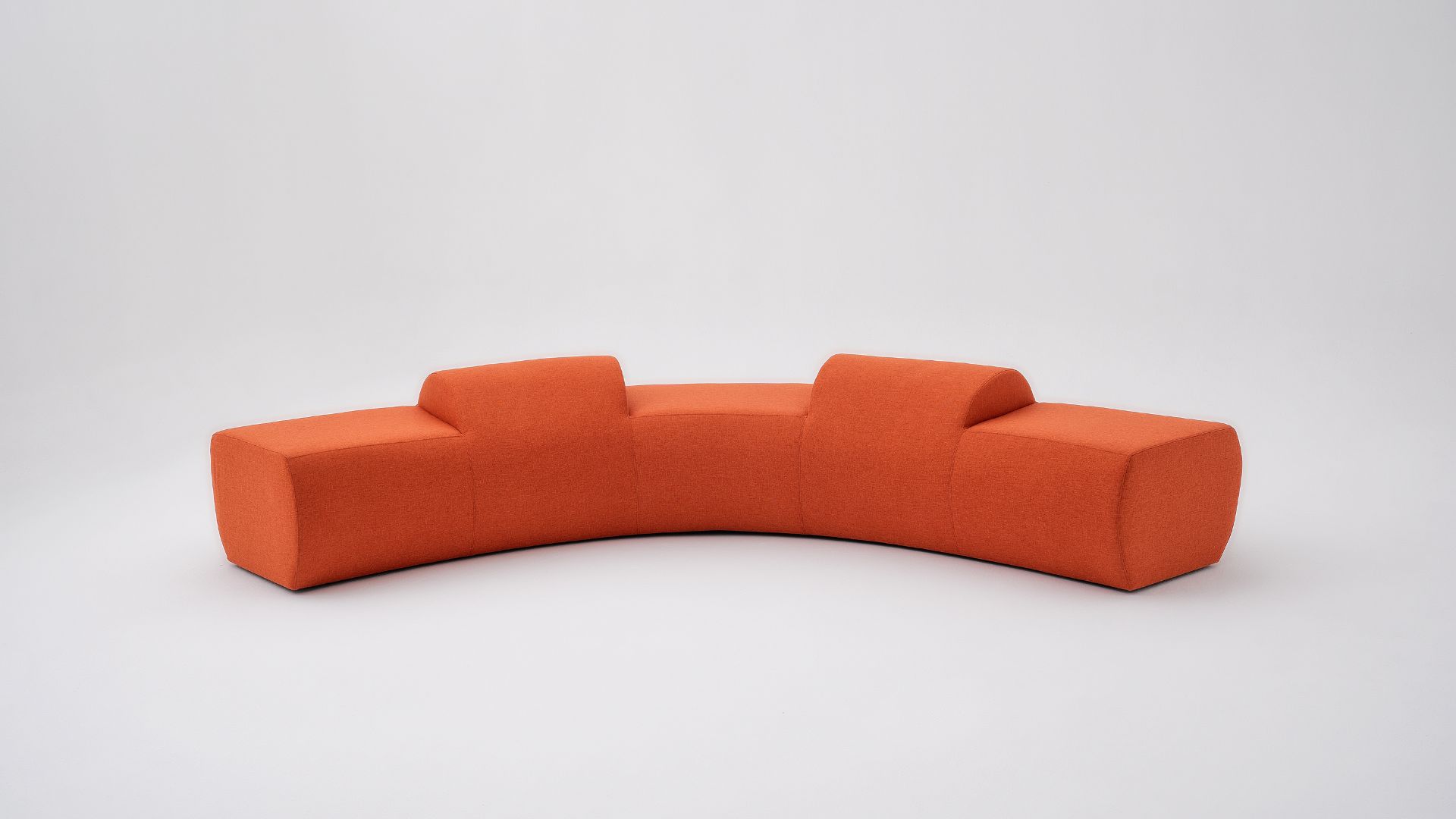
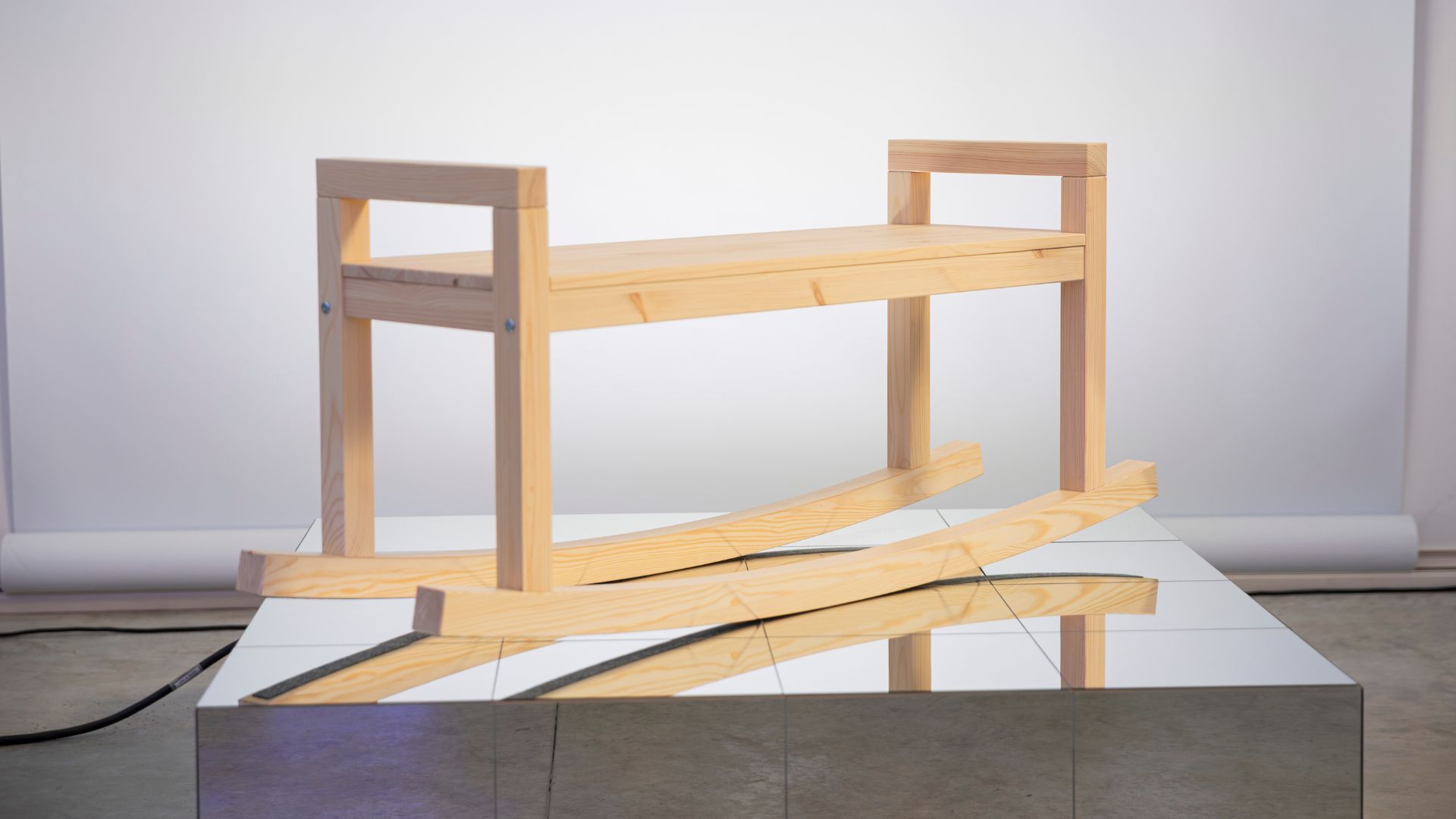
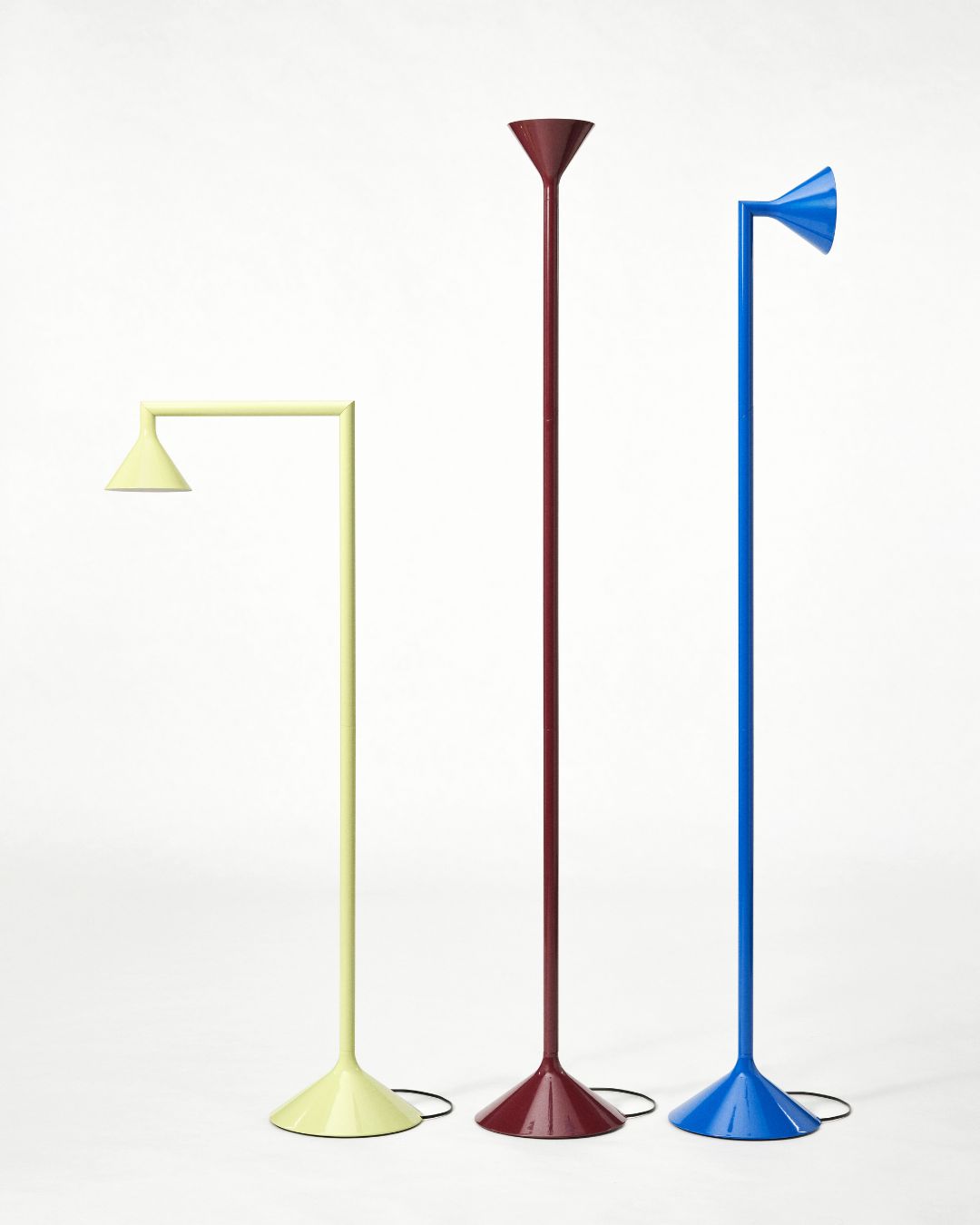
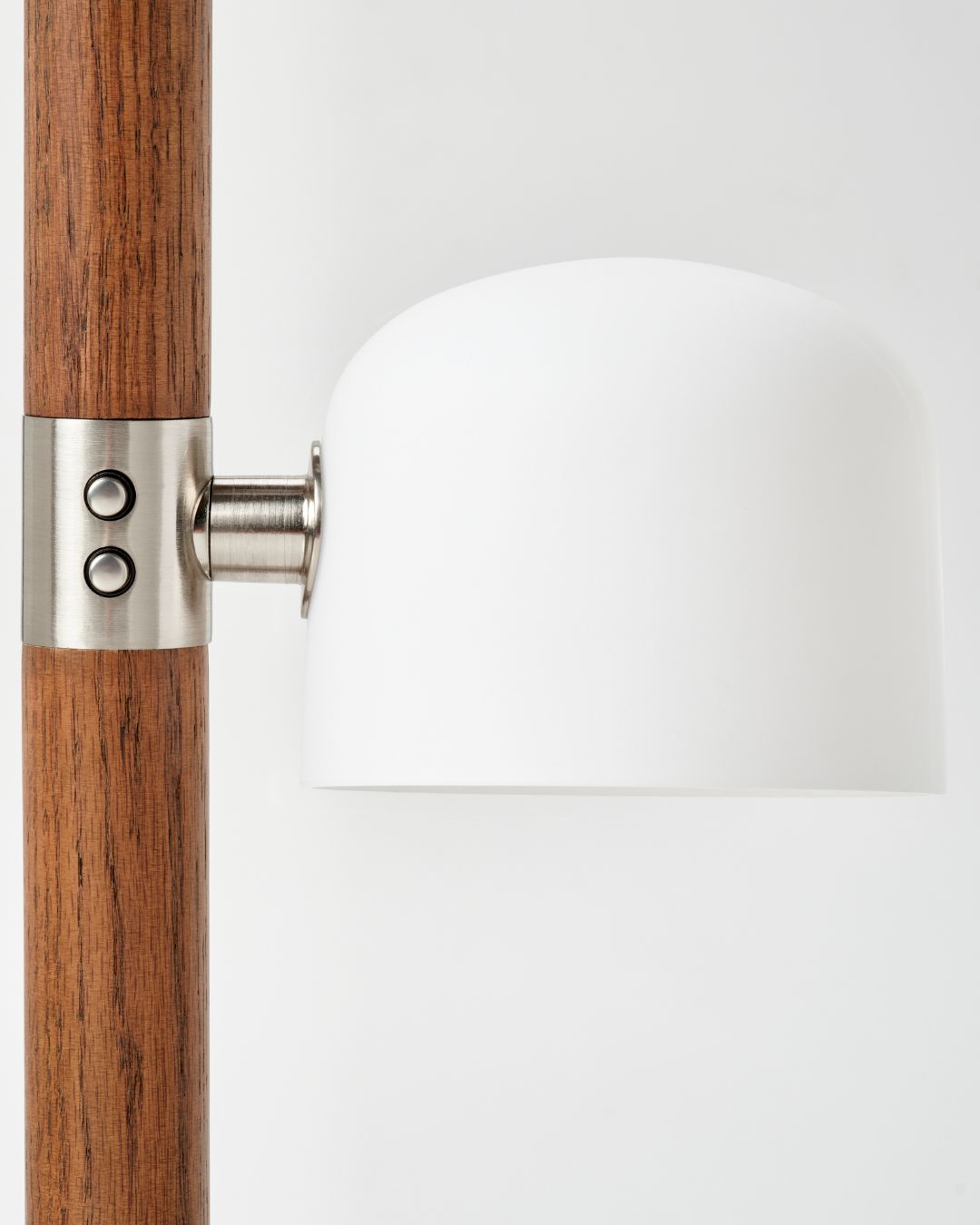
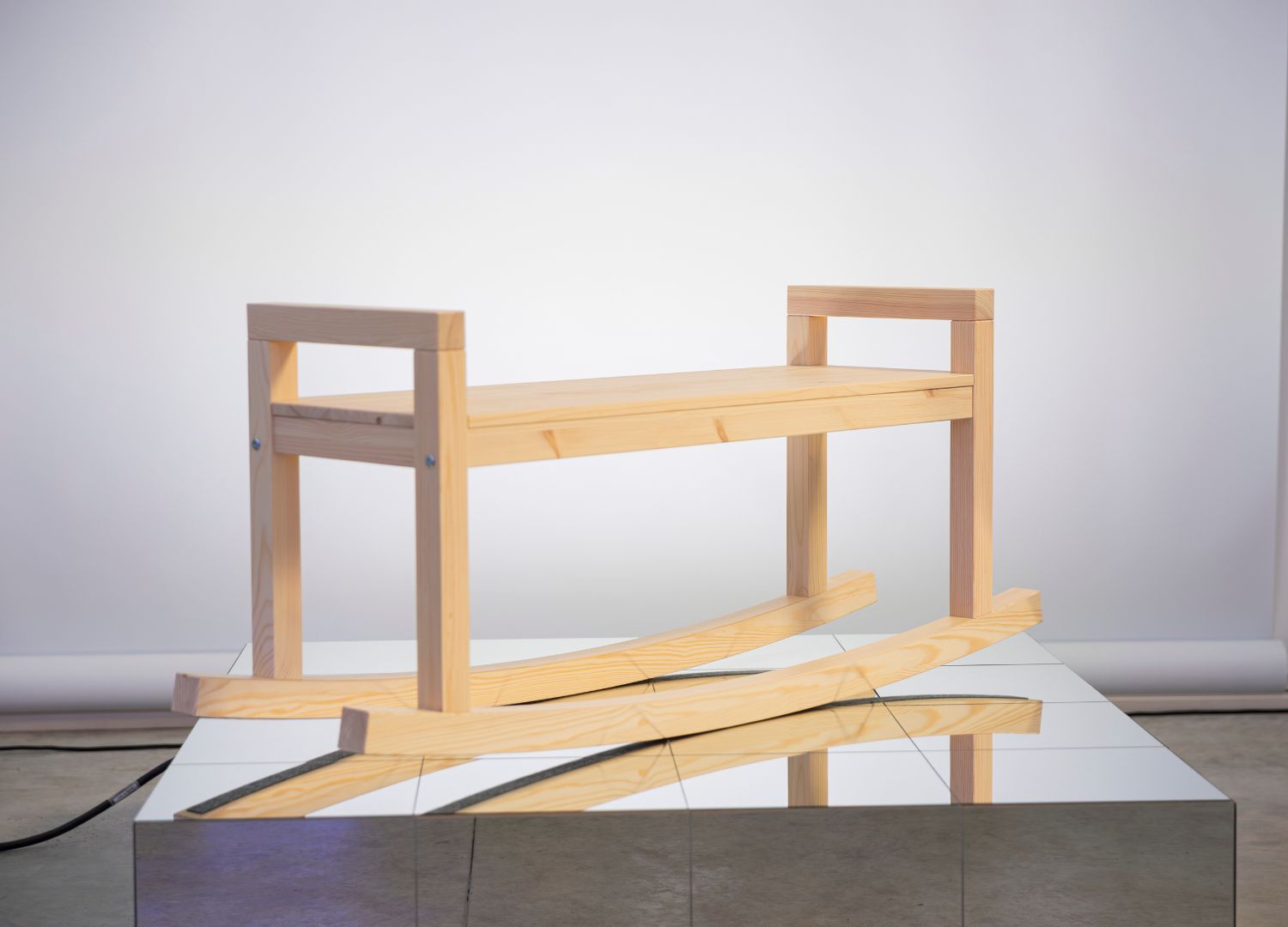
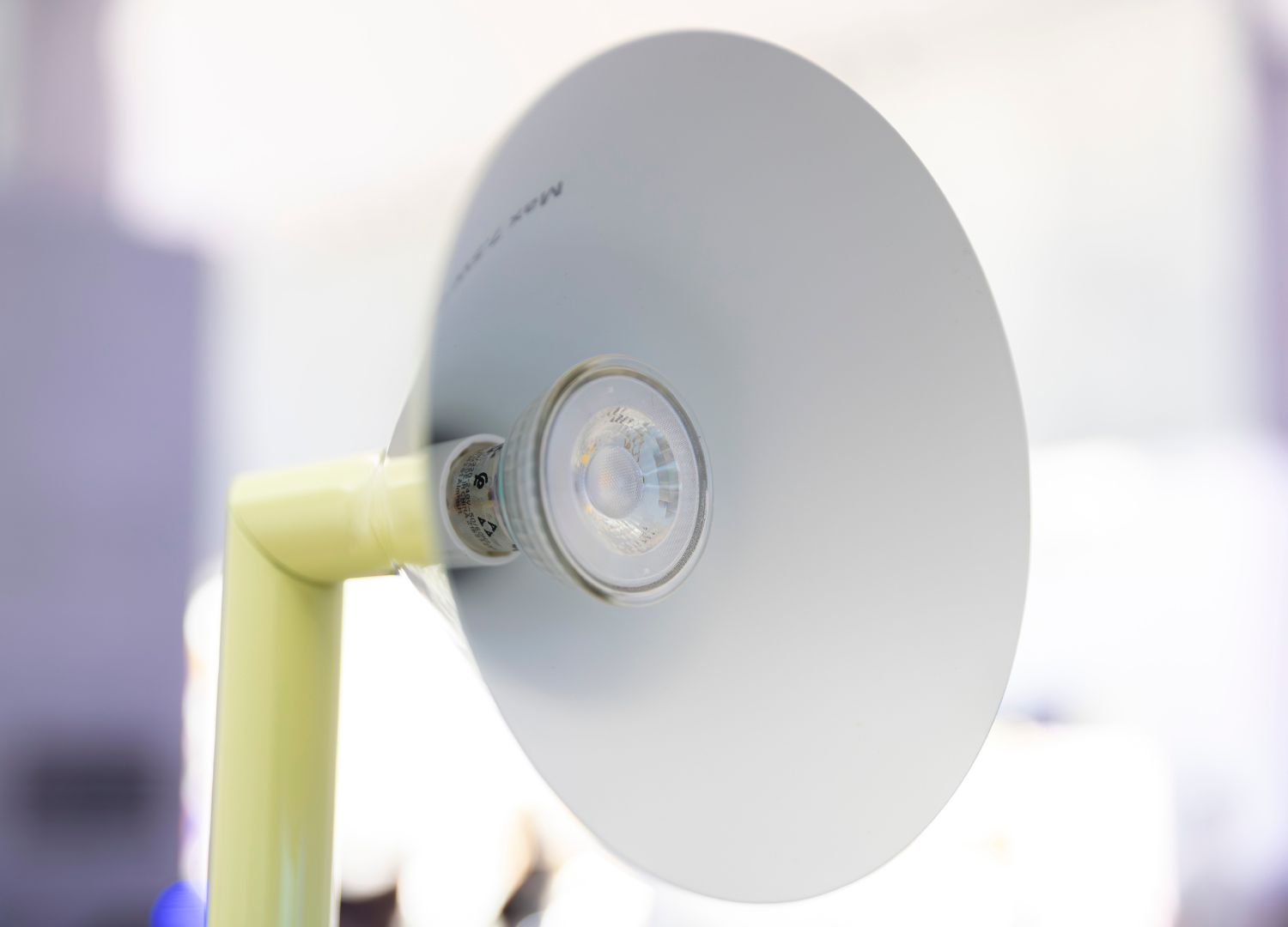
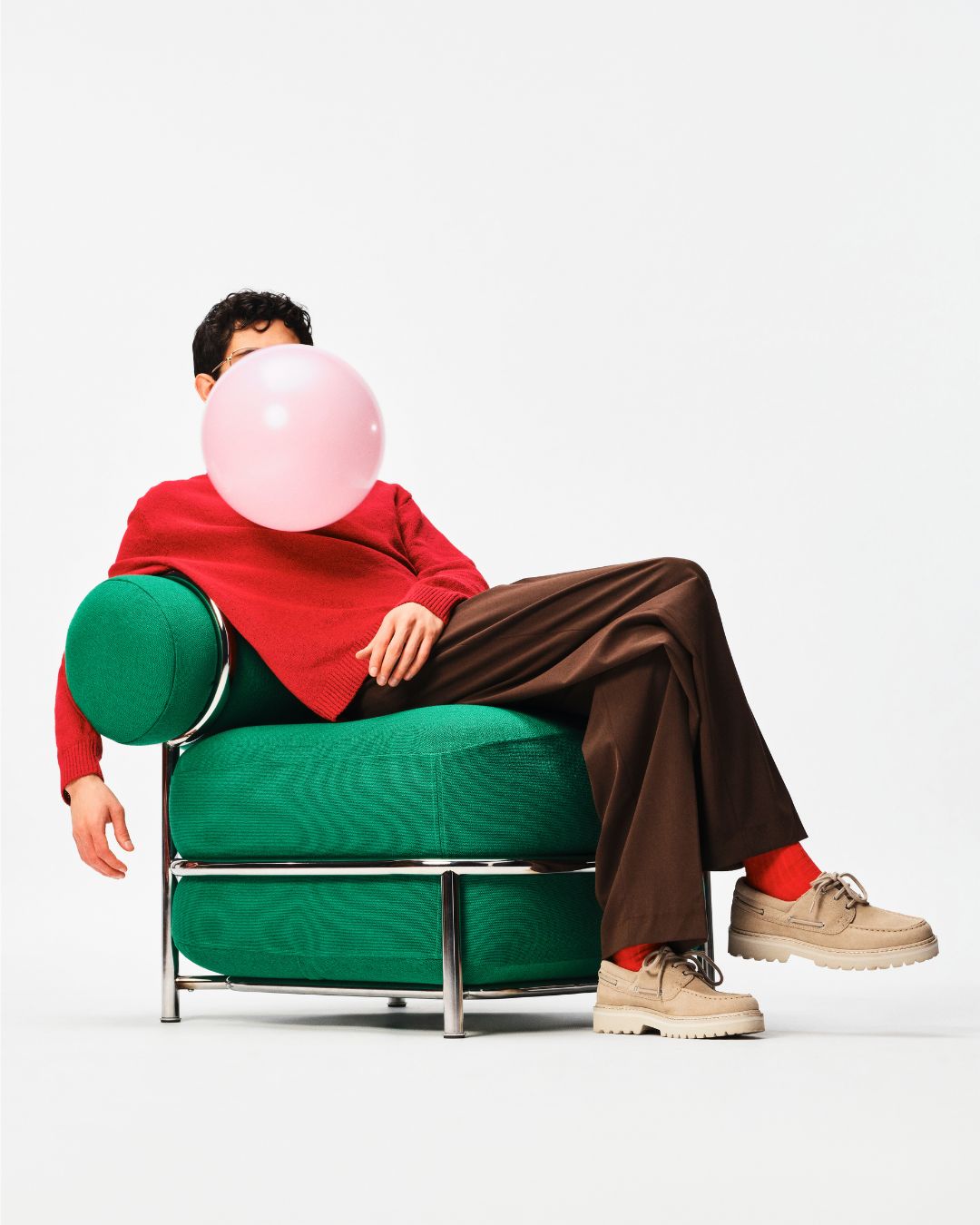
The tenth edition of IKEA’s iconic PS collection took center stage at Spazio Maiocchi, spotlighting three new pieces: an inflatable easy chair, a solid pine rocking bench, and a three-directional floor lamp.
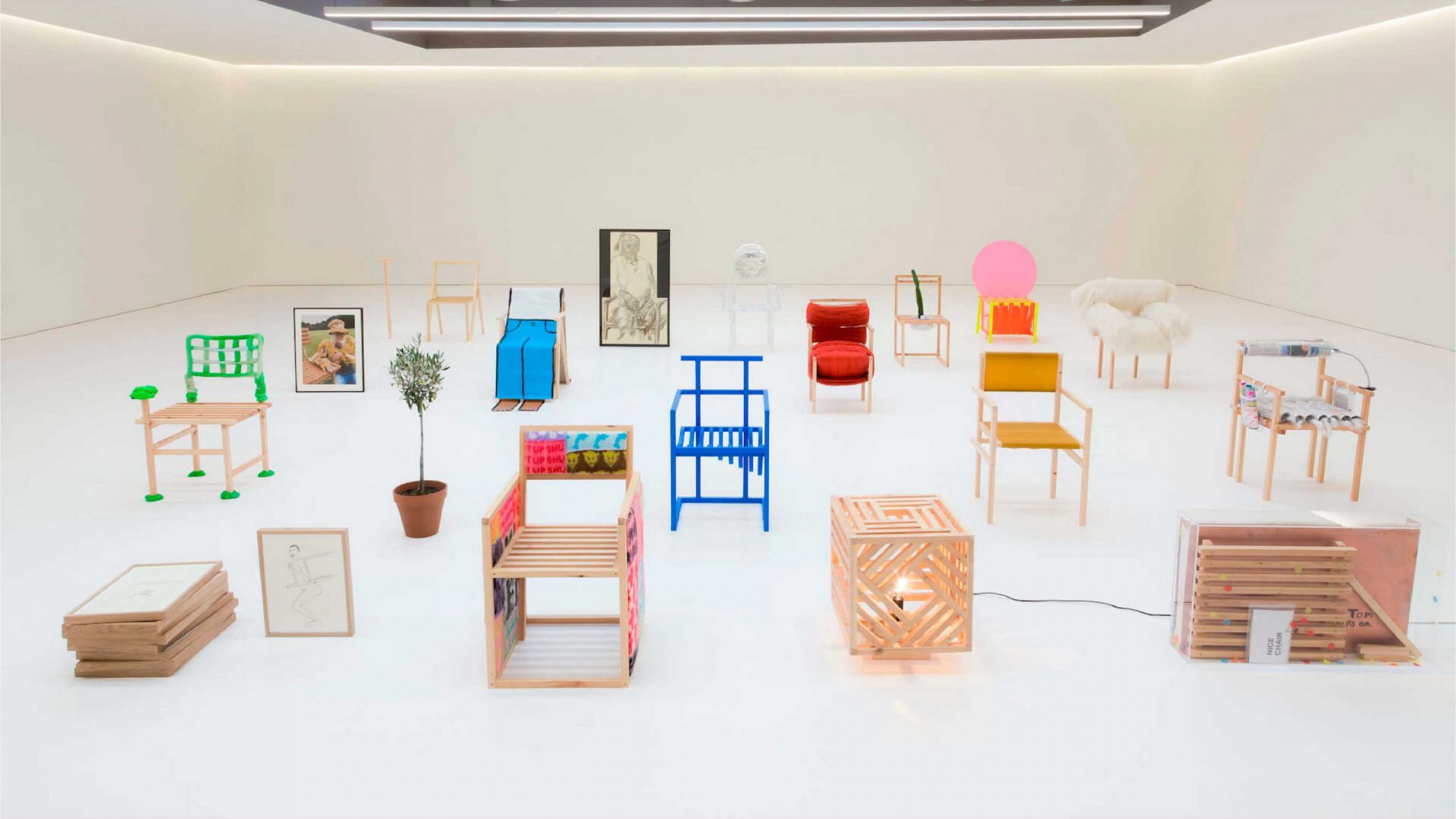
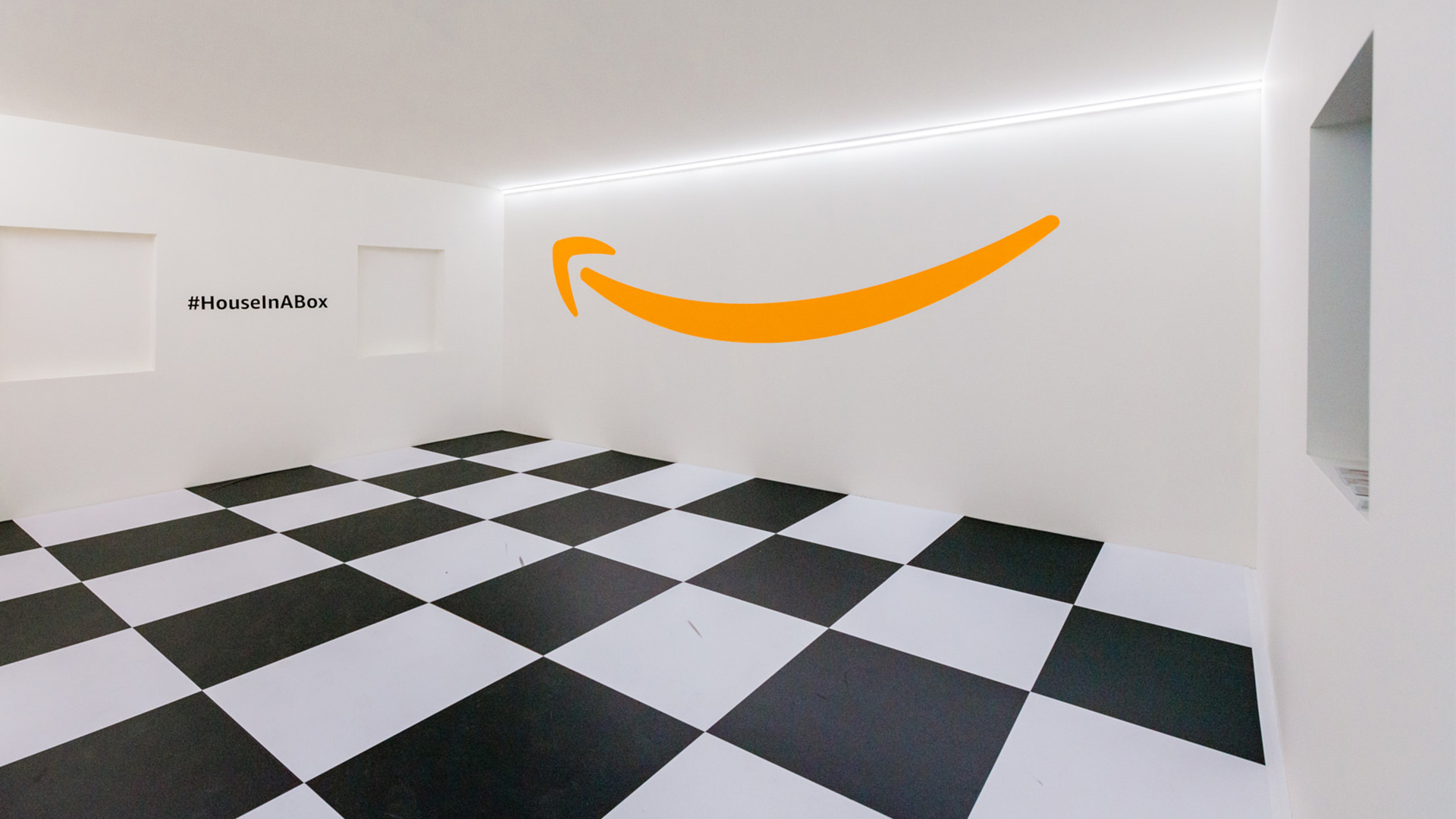
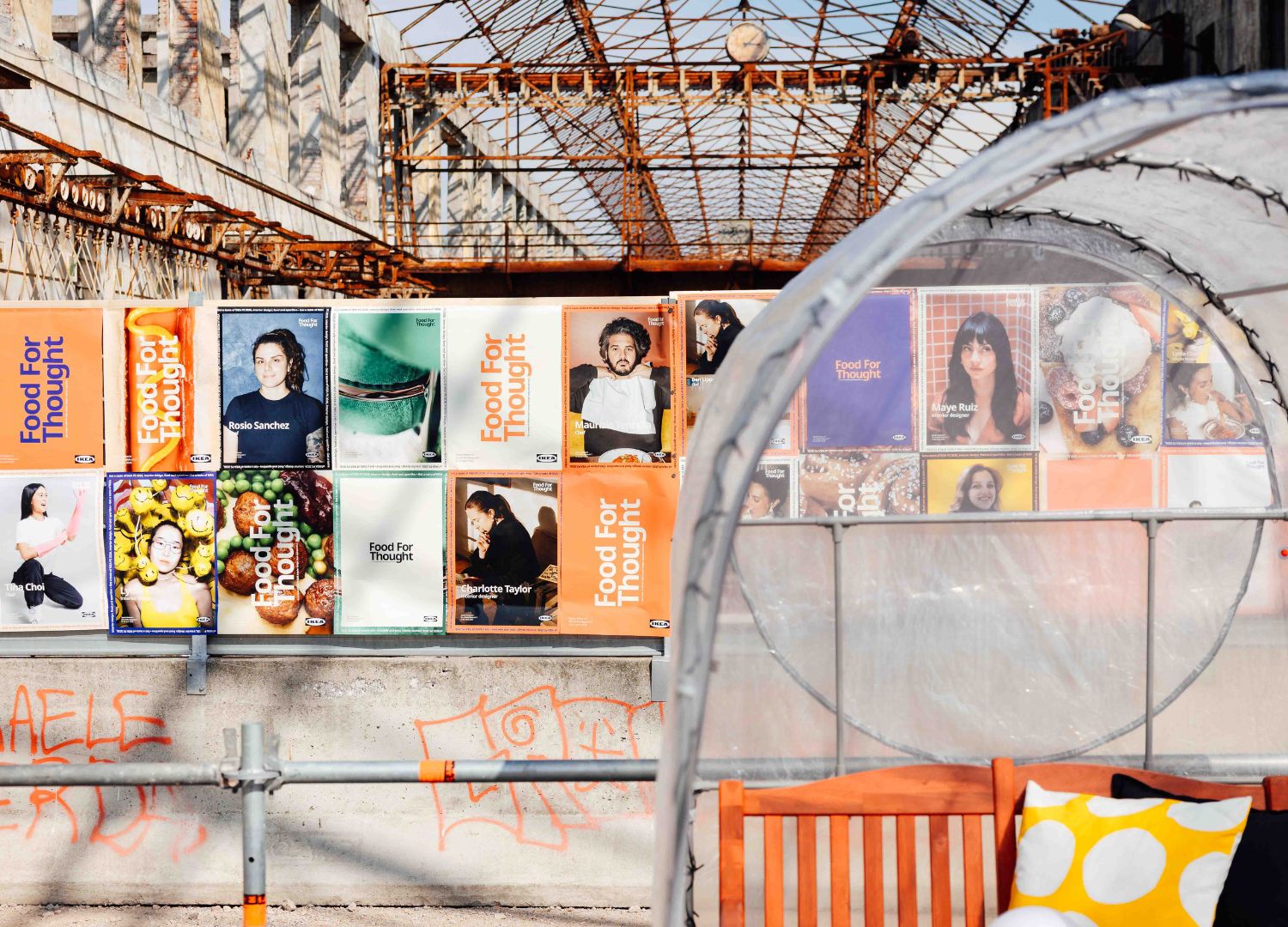
Milan Design Week has long been IKEA’s preferred stage for stepping outside the showroom and into something altogether more experiential. This year, the brand returned to the city with Food for Thought– an immersive installation at Spazio Maiocchi, in the Porta Venezia district. Conceived by architect Midori Hasuike and spatial design studio Emerzon, the project brought together five designer-chef duos from across the world, each tasked with translating a moment of everyday domestic life into both a fully designed room and an original menu. The result was a participatory space where cooking, eating, and sharing a meal became as much a design conversation as an aesthetic one – a place to experience democratic design through all the senses.
Yet Food for Thought was more than an installation. It also served as the launchpad for two significant product debuts. The first is the world premiere of three pieces from the tenth edition of IKEA PS – a collection that has shaped the brand’s design identity for over three decades, and whose return to Milan, after 31 years, feels particularly fitting. The second is a preview of two new lamps by Milanese architect and researcher Raffaella Mangiarotti – Mossplym and Trådnate – sculptural pieces that bring together Italian Carrara marble, solid oak, steel, and brass and nickel details, combining ambient and task lighting in objects with a genuine material presence.
Gallery
Open full width
Open full width
IKEA at Milan Design Week 2026
A postscript that became a manifesto
The origins of IKEA PS lie in a moment of creative reckoning. By the late 1980s, the furniture brand had drifted – its range had grown unwieldy, its identity diluted. The stock market crash of 1987 triggered a wider cultural shift, and minimalism began reasserting itself across the design world. British, Japanese, and Italian designers were producing restrained, pared-back work in light woods — an aesthetic that read as distinctly Scandinavian. The irony was not lost on those inside IKEA. It was Stockholm-based design entrepreneur Stefan Ytterborn who posed the question directly to Lennart Ekmark, then head of design: Shouldn’t a company with Scandinavian design at its very core be part of this conversation?
That provocation sparked a collaboration. Together, they assembled eighteen young Scandinavian designers and set them a clear brief: reclaim the company’s roots, distil the essence of Scandinavian simplicity, and do it at a price point true to IKEA’s founding principles. The collection they created launched at the 1995 Salone del Mobile in Milan under the banner of Democratic Design – a term that captured, in just two words, the idea that good form, honest function, and accessibility were not competing values but complementary ones. The name of the collection itself carried a quiet wit: PS, as in postscript, an addendum to the standard range – a distinctly Scandinavian nod to irony.
The debut was a critical success, and the format proved durable. Over the years, IKEA PS returned at irregular intervals, each edition shaped by a new theme and a new generation of designers, both Scandinavian and international. From explorations of multifunctionality and sustainable materials to collections designed for urban mobility and independent living, every chapter pushed the brief in a different direction while holding to the same underlying conviction: that well-conceived design should be within everyone’s reach.
Playful functionality, thirty years on
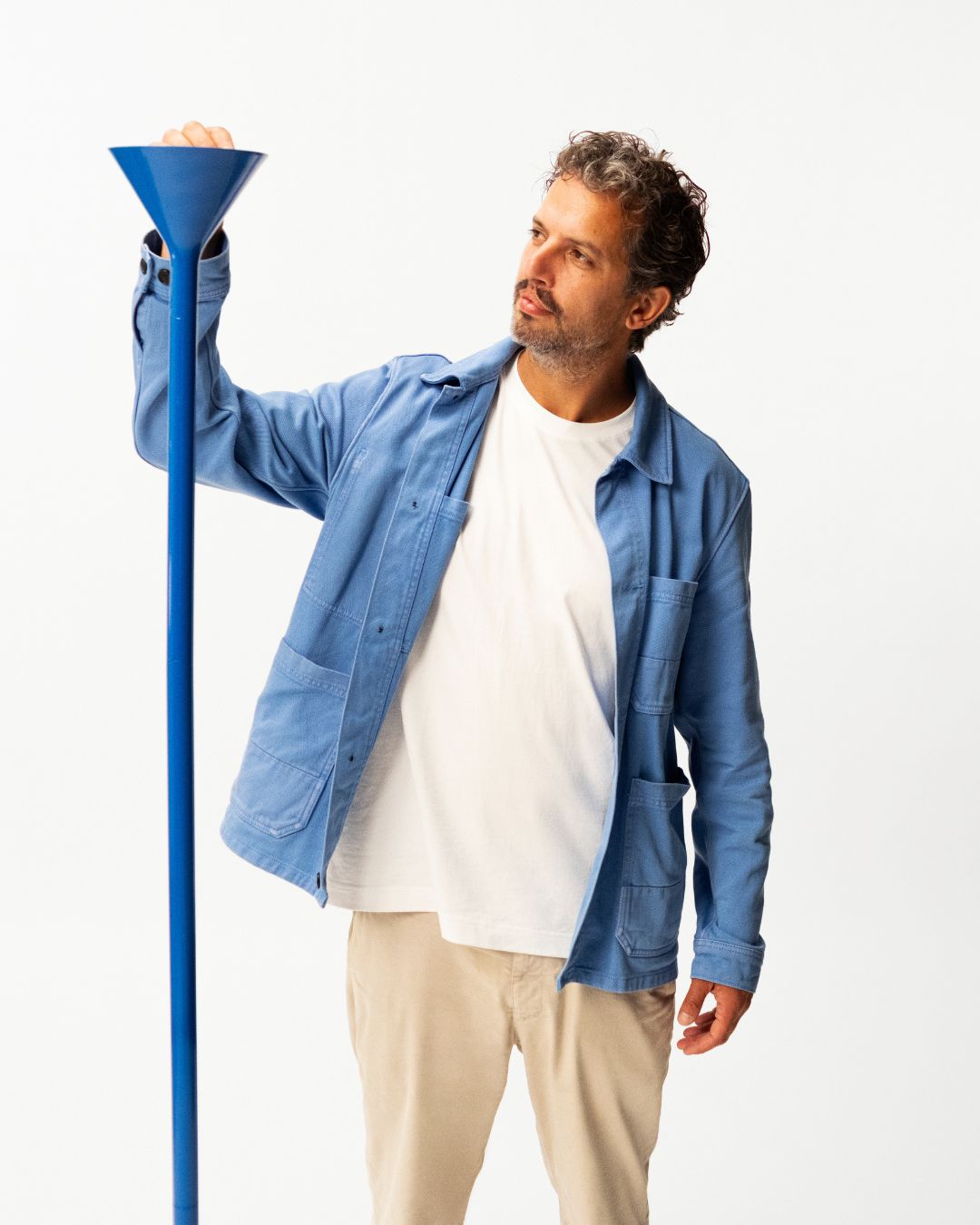
Now in its tenth edition, IKEA PS 2026 channels that founding spirit through what the brand describes as “playful functionality” – an approach that pairs practical purpose with expressive, unexpected details. Three pieces offer the first glimpse of the new collection: an inflatable easy chair, a solid pine rocking bench, and a three-directional floor lamp. Distinct in form and material, they share a sensibility that is at once considered and joyful, grounded in utility yet unafraid of personality.
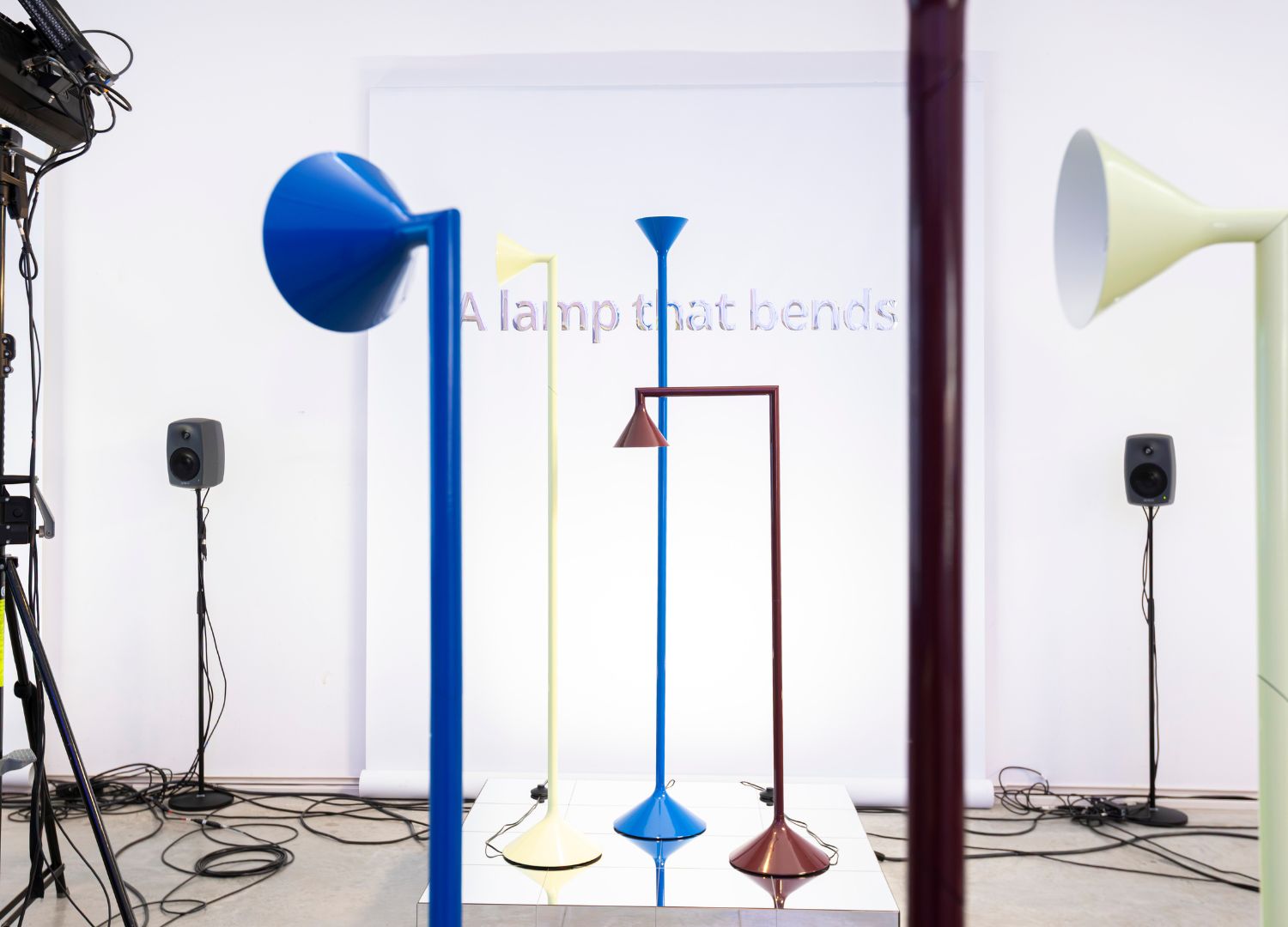
“IKEA PS 2026 is about pushing Scandinavian design forward through playful, expressive simplicity, always grounded in one ambition: to make bold and forward-thinking design accessible to the many,” says Maria O’Brian, Creative Leader at IKEA of Sweden. “More than 30 years after our first PS collection launched here in Milan, we’re excited to offer a first glimpse of this tenth edition, introducing three pieces that capture this ambition in its purest form.”
The choice to preview the collection within Food for Thought is not incidental. Play and food run as parallel threads through the entire exhibition, both treated as languages through which design can engage with the rhythms of everyday domestic life – across cultures, generations, and living situations. The three new PS pieces feel entirely at home within this context: objects that belong not on a pedestal, but in use.
Good design, good practice
Alongside the product launches and creative programme, Food for Thought also reflected IKEA’s broader commitments to sustainable living. In partnership with Too Good To Go – the anti-food-waste app active in 15 countries since 2018 – visitors were able to save Surprise Bags filled with unsold food at the end of each day. The exhibition also featured Etrash, an Italian startup developing AI-powered smart bins designed to support more effective waste sorting.
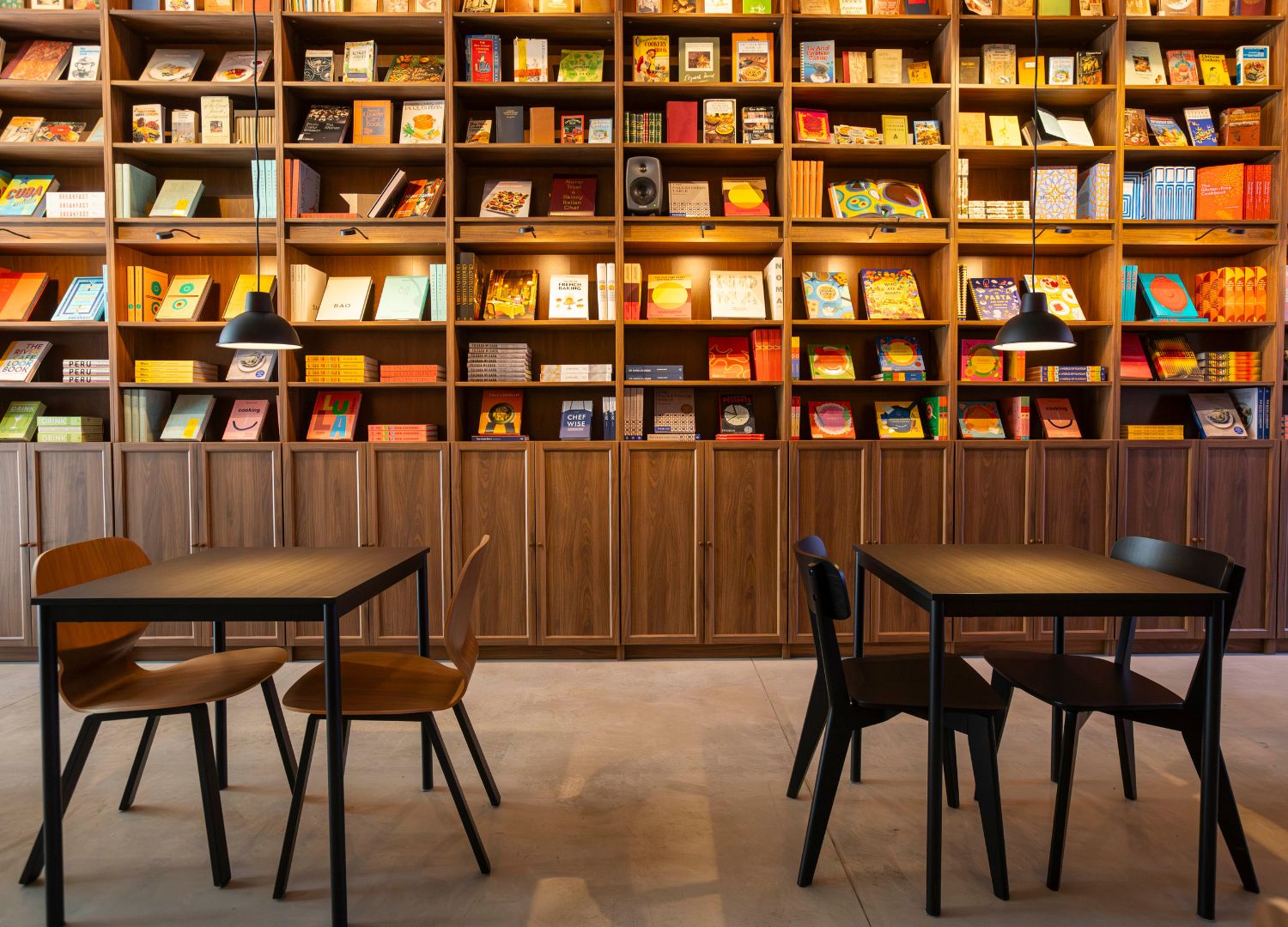
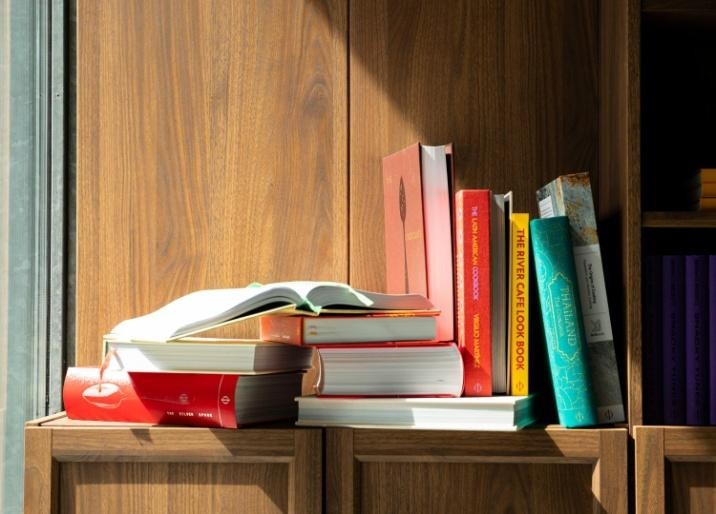
The courtyard extended the experience outdoors with a saluhall-inspired market featuring a Campagna Amica farmers’ market by Coldiretti and a selection of upcycled pieces crafted from IKEA fabrics by PRISM, an Italian benefit company specialising in socially inclusive textile production. At the Food kiosk, the beloved Hot Dog Extravaganza returned with a daily topping created by the resident chefs – joined this year by a fish finger hot dog and, in a more unexpected turn, a meatball lollipop developed in partnership with Chupa Chups. The visit concluded at the BILLY Café, a library-inspired space where a curated selection of Phaidon cookbooks offers a moment of quiet reflection amid the bustle of Design Week.
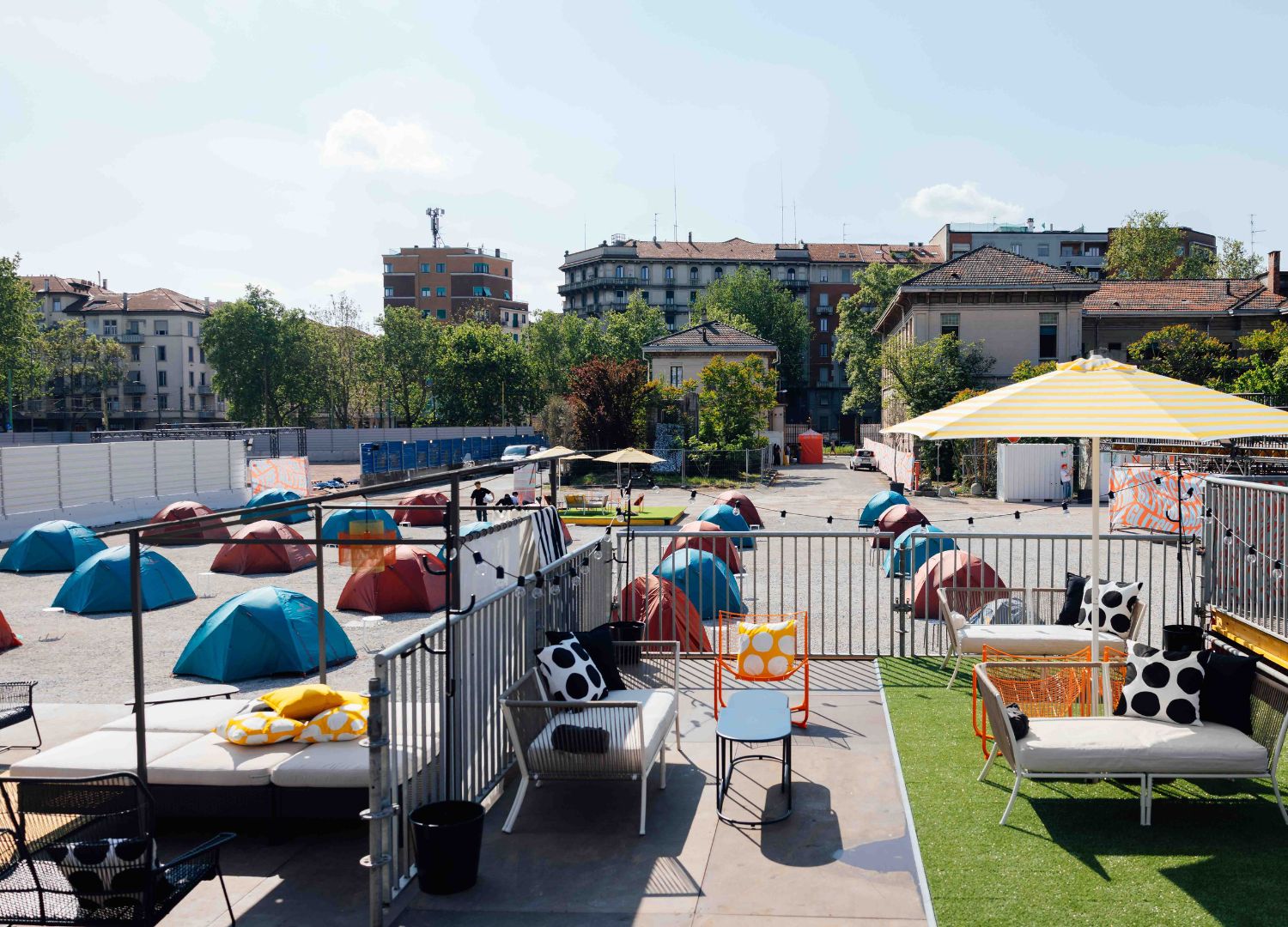
Beyond Spazio Maiocchi, IKEA extended its presence across the city through its third consecutive partnership with Glitch Camp, an initiative by Fondazione Francesco Morelli and IED (Istituto Europeo di Design). As in previous years, the brand furnished shared spaces for design students attending Milan Design Week and hosted communal dinners – an initiative that extends the same spirit of openness and connection beyond the main venue and into the city itself.