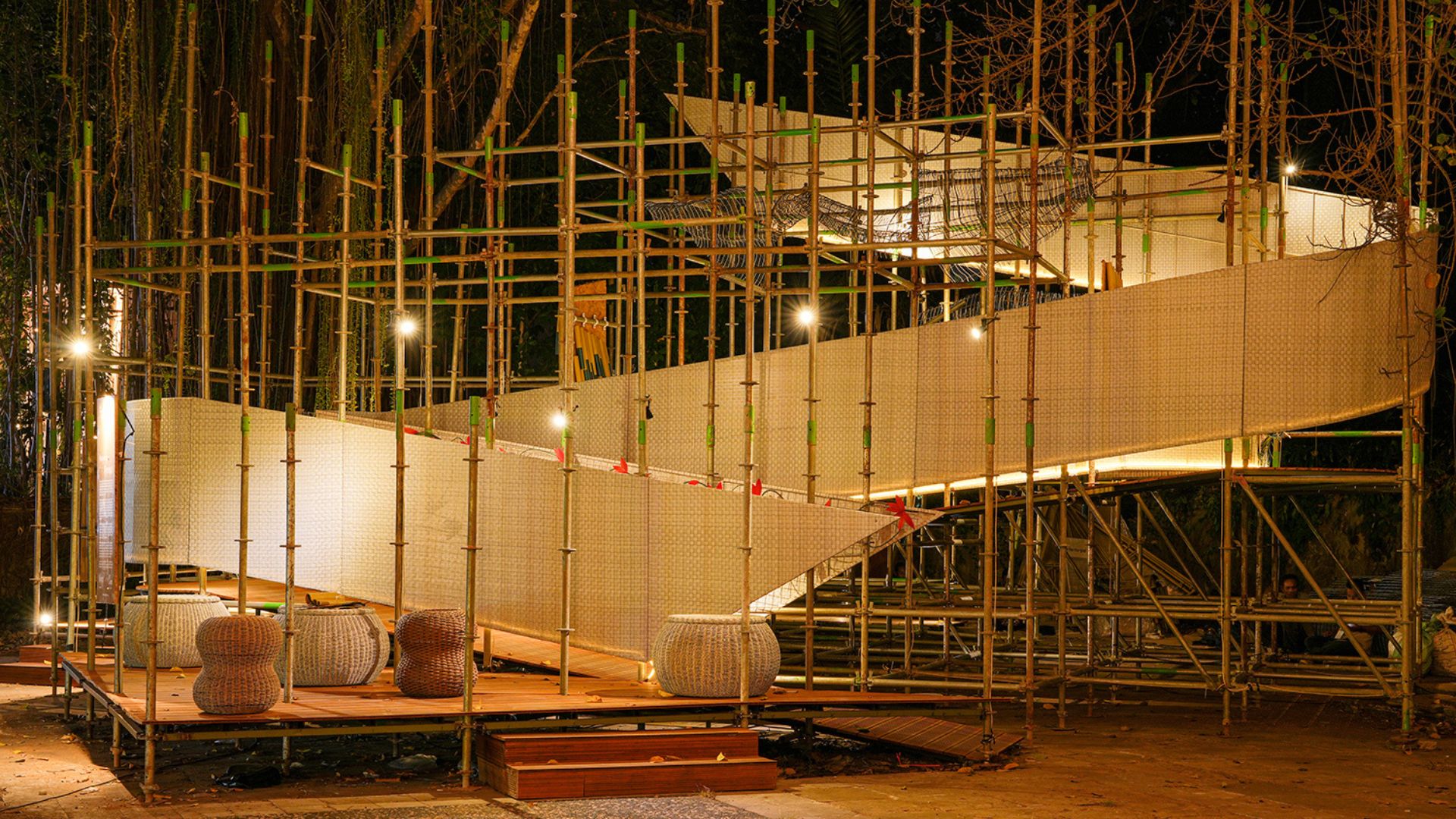
Raw, rebel, real: Dutch Design Week 2026 is coming back to the essence of design
From a full-scale printed house and a department store for living materials, DDW 2026 puts unpolished, experimental design at the centre of the city for 9 days.
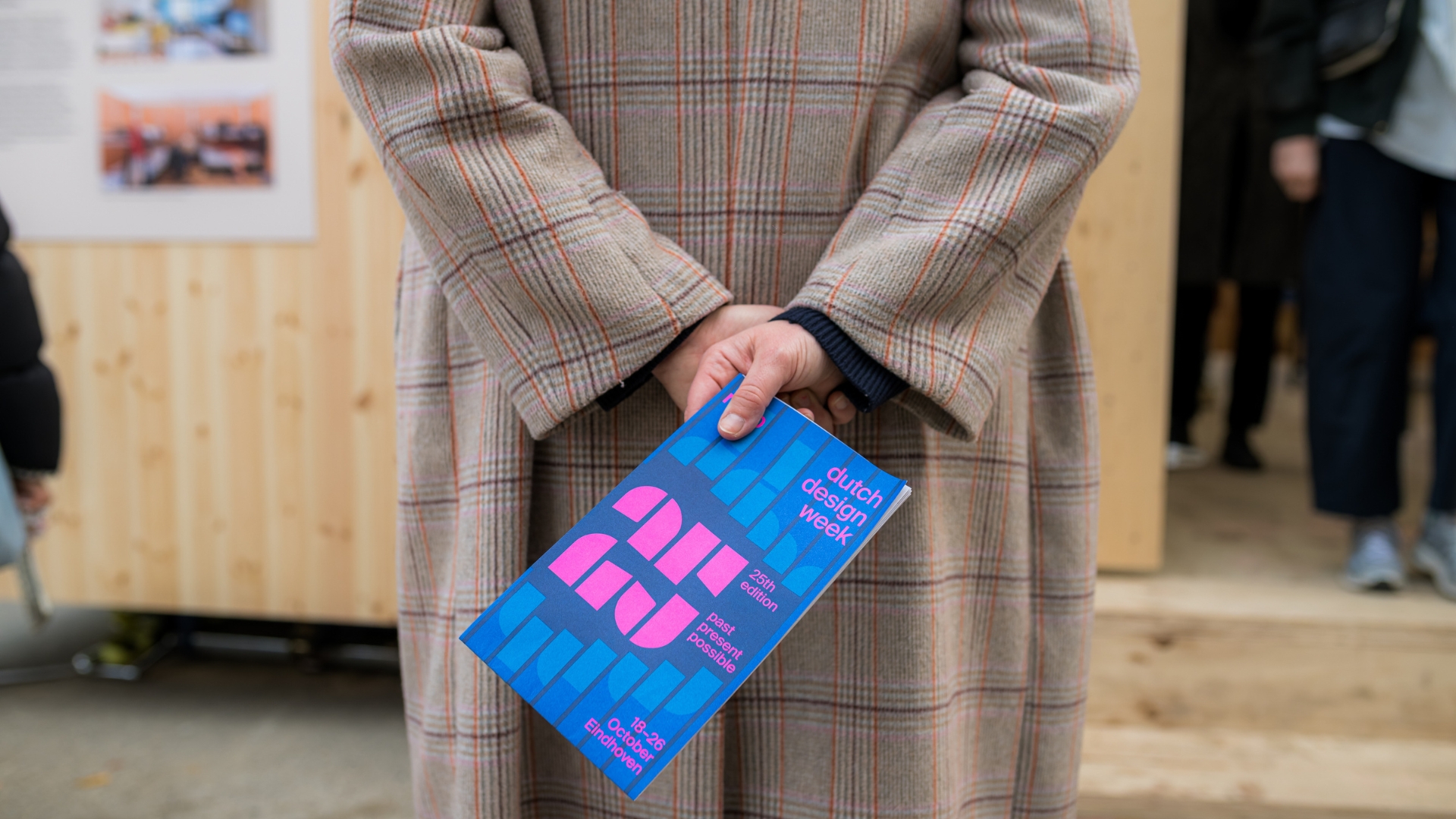
From the 17th to the 25th of October, Eindhoven becomes Europe’s design capital. Dutch Design Week returns under the theme R.A.W., short for Rebel Authentic Worth, a title that points the festival towards the exploratory and the experimental. It describes a place where designers question inherited ideas, test new possibilities and show how change can actually come.
Between large installations placed in the open air of the city, two newly nominated Beacons, and a full programme of exhibitions across the festival’s venues, this edition promises to be dynamic and inspiring.
Gallery
Open full width
Open full width
Dutch Design Week 2026:
A festival with industrial roots
Dutch Design Week is inseparable from the city that hosts it. Eindhoven grew around Philips, which was founded there in 1891, and for much of the twentieth century the company’s factories shaped the city. When Philips moved its headquarters to Amsterdam in 1997, the question of what would fill its vast industrial spaces became pressing. Design, nurtured locally by the Design Academy Eindhoven, offered an answer.
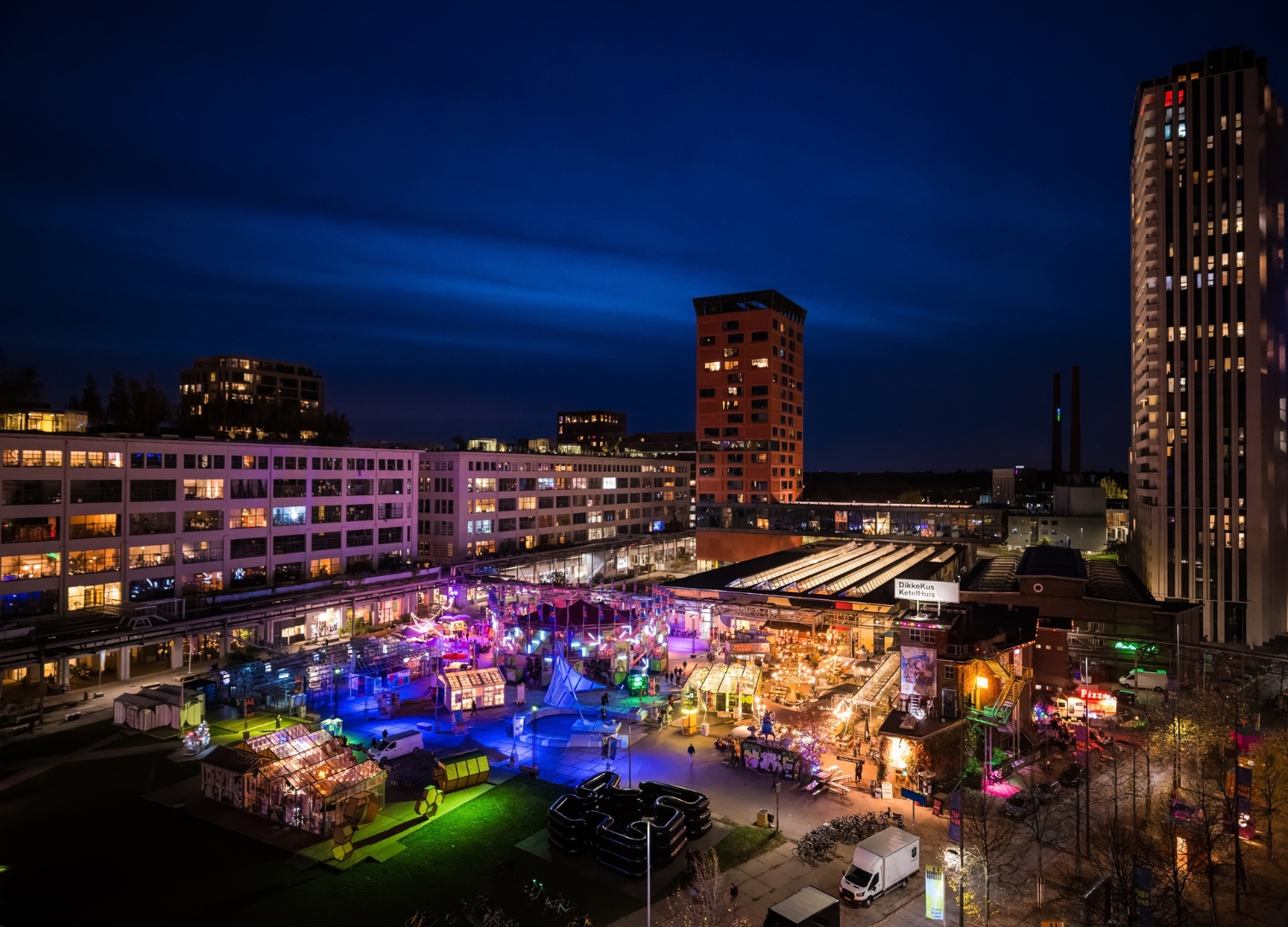
The former Philips complexes, once closed to the public, became the festival’s home. Strijp-S, with landmarks such as the Klokgebouw, is now one of its central areas, and pop-up presentations held there during the festival helped pave the way for the area’s redevelopment.
The city as exhibition
Eight large installations will take over public spaces in the city centre and Strijp-S, free to visit throughout the week. On the Markt stands Consultation Room of the Future by Atelier Van Lieshout: a 7-metre golden bird perched on a giant egg that doubles as a consultation room. Inside, visitors are invited to reflect on what technologies like AI and robotics mean for health. The same studio’s Colonic Cleansing Clinic at Strijp-S takes the form of an intestine, investigating how design can improve the healthcare system.
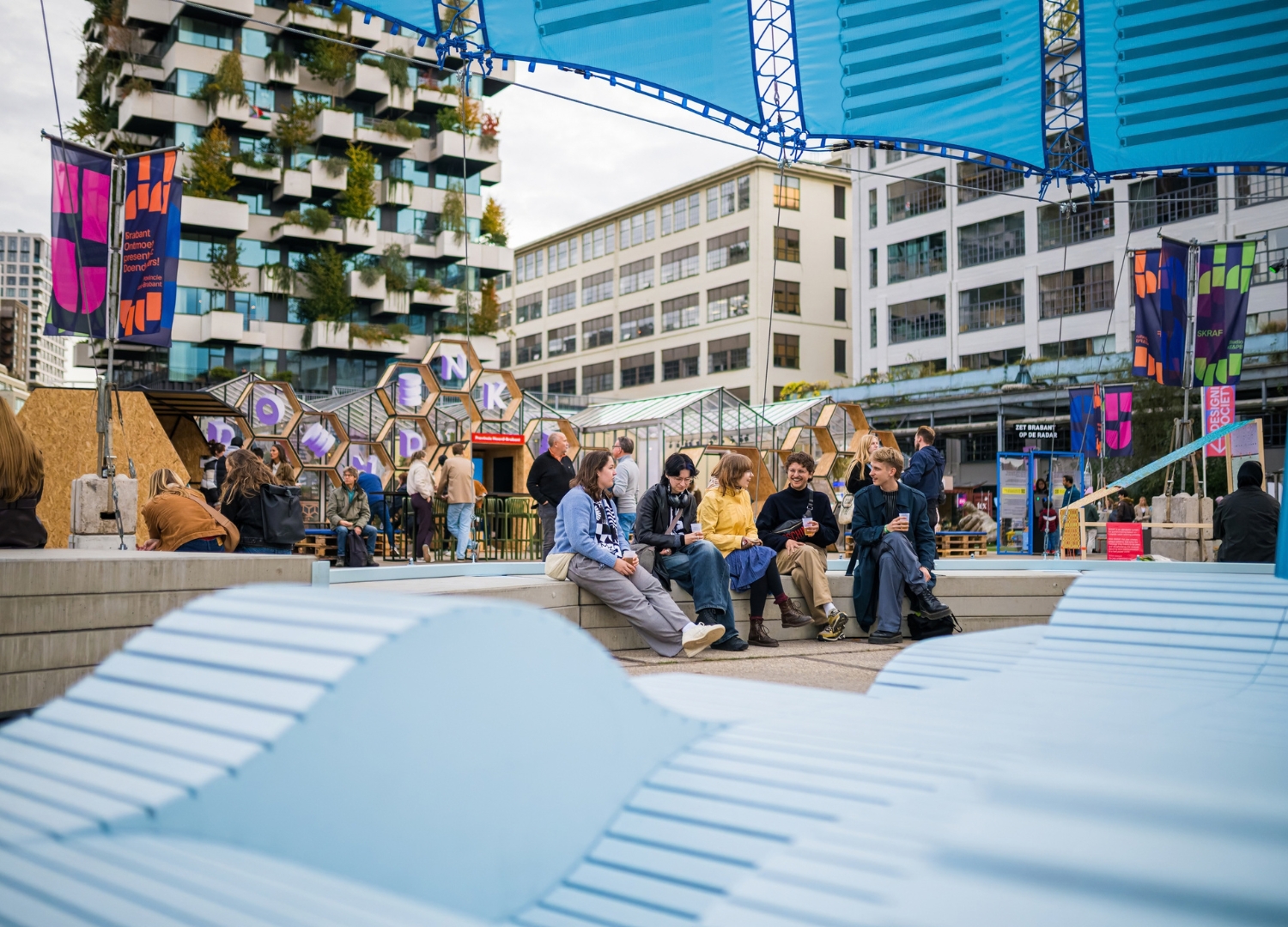
Elsewhere in the centre, Kollektiv Plus X‘s BLAUPAUSE transforms three trailers into a stage, a grandstand and a kiosk, which act as tools for the square to take on new roles. Huis, een installatie over drempels by Studio Kars en Boom withRAUM is a colourful play space on wheels where children with and without disabilities can play together. Luca Ortmann‘s Waiting for the Bus turns yellow steel tubing into a place to sit and linger, a tribute to an everyday moment of reflection.
Two new beacons
Each year DDW invites Beacons: pioneers who organise a project, event, or exhibition with the festival. The 2026 pair, Emma van der Leest and Anab Jain, share a commitment to the planet.
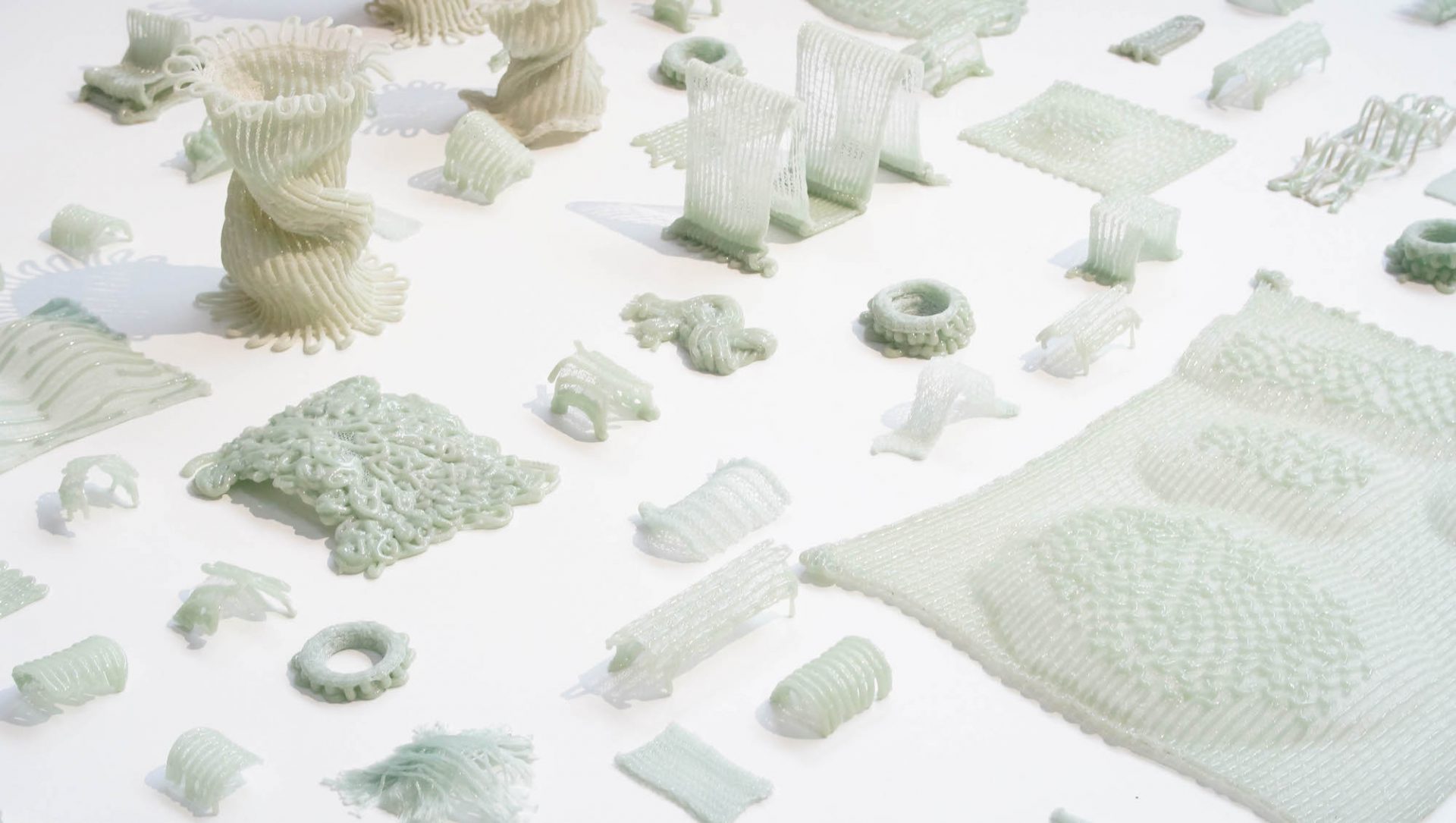
Van der Leest is a Rotterdam-based biodesigner, researcher, and author who integrates living organisms such as bacteria, fungi, and algae into design. She is the founder of BlueCity Lab, a circular ecosystem for designers and entrepreneurs. She will present The Biodesign Warehouse – Department Store for Life, which connects the familiar world of the department store with science and biology.
Jain is a futurist and co-founder of Superflux, a studio established in 2009. The studio is widely recognised in speculative design and critical futures, and has exhibited at the MoMA, V&A, Tate Modern and more. She will give a public lecture and keynotes throughout the festival.
Projects on show
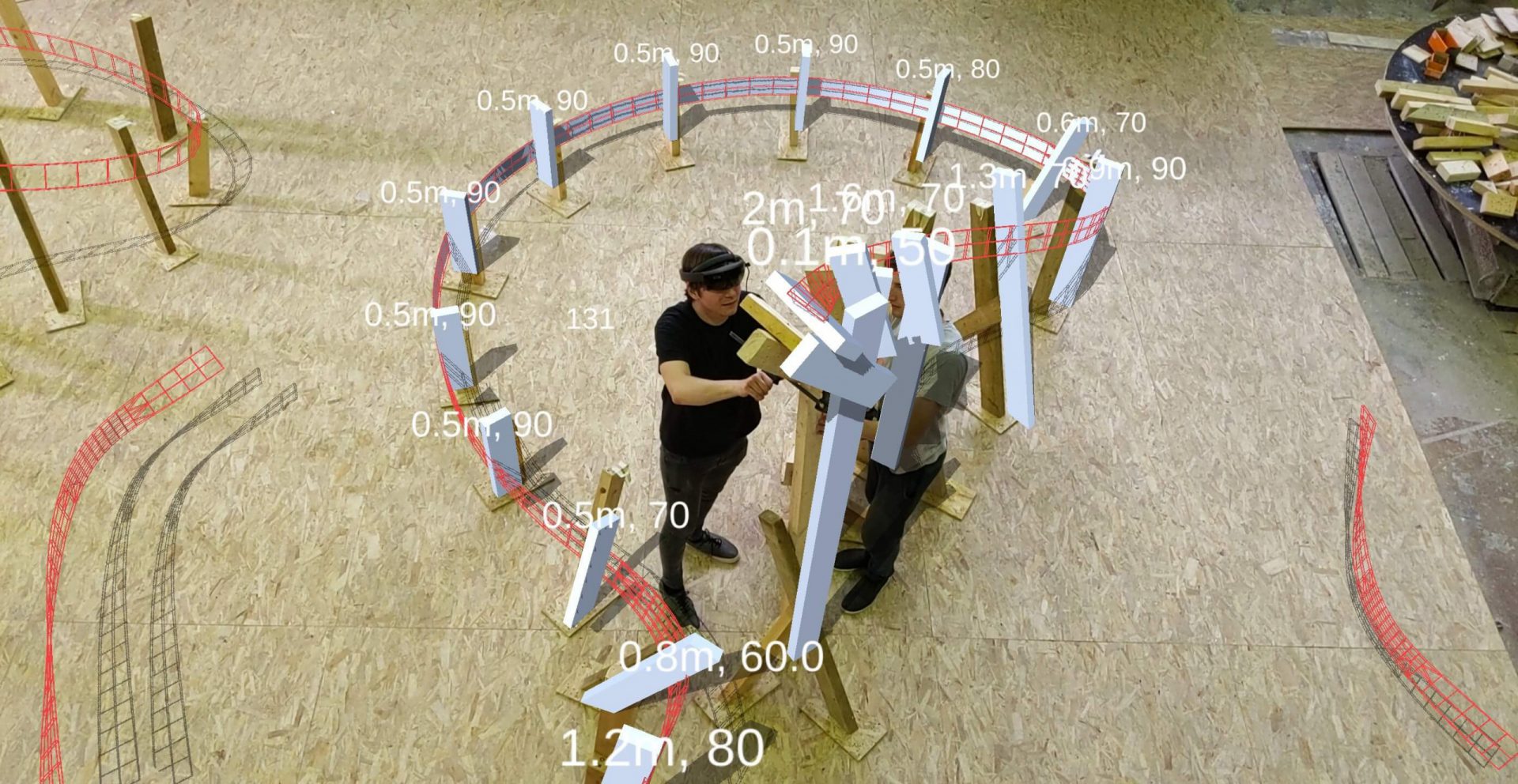
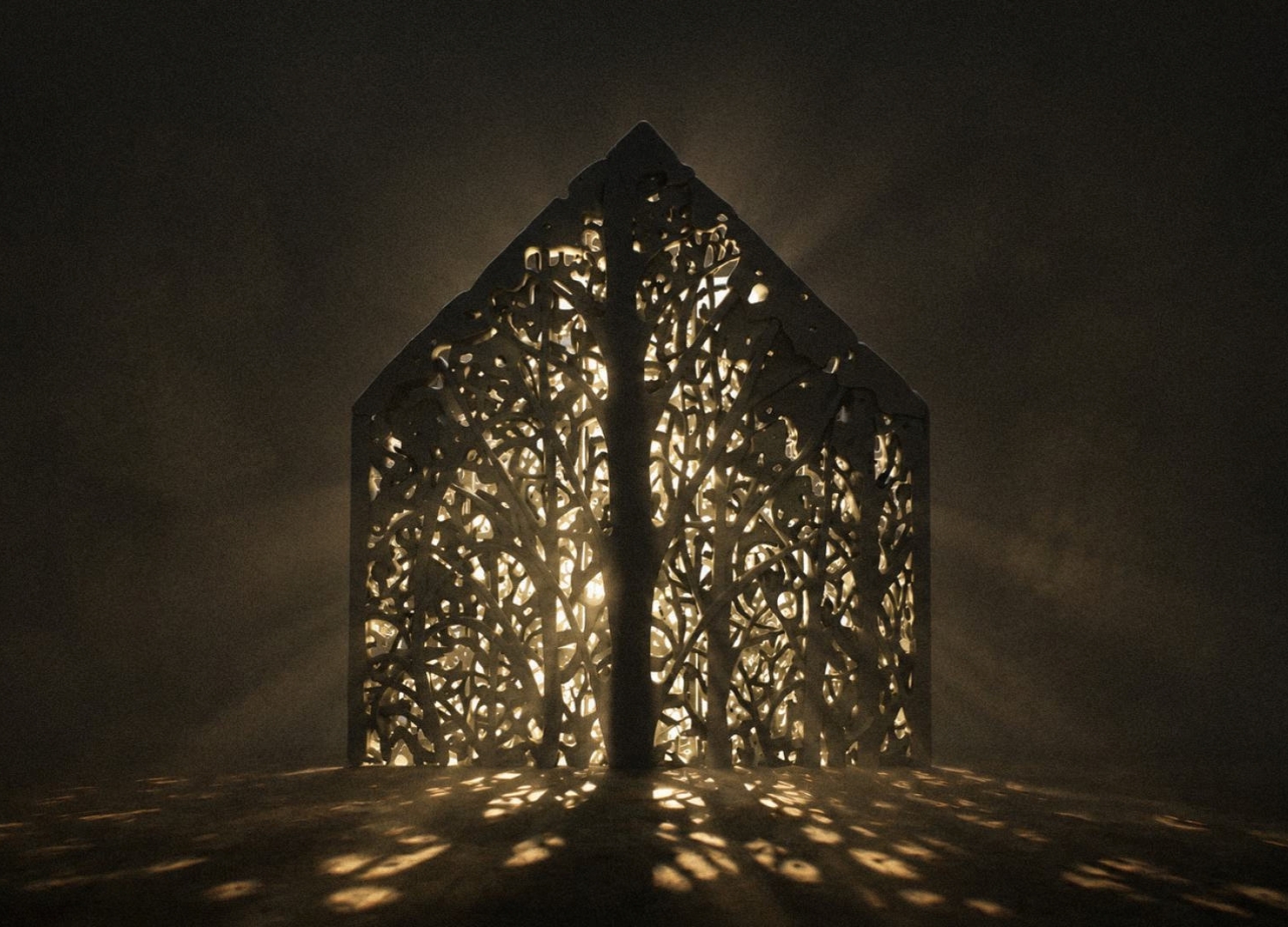
Several projects focus on material design and climate change. TAM Industries presents House of Lights, a full-scale house printed in recycled plastic on machines TAM builds itself. The idea is that factories can adapt to architecture rather than the other way around, and at the end of its life, the house is fully recyclable. TAM is currently building the largest 3D print factory in Europe, in Eindhoven.
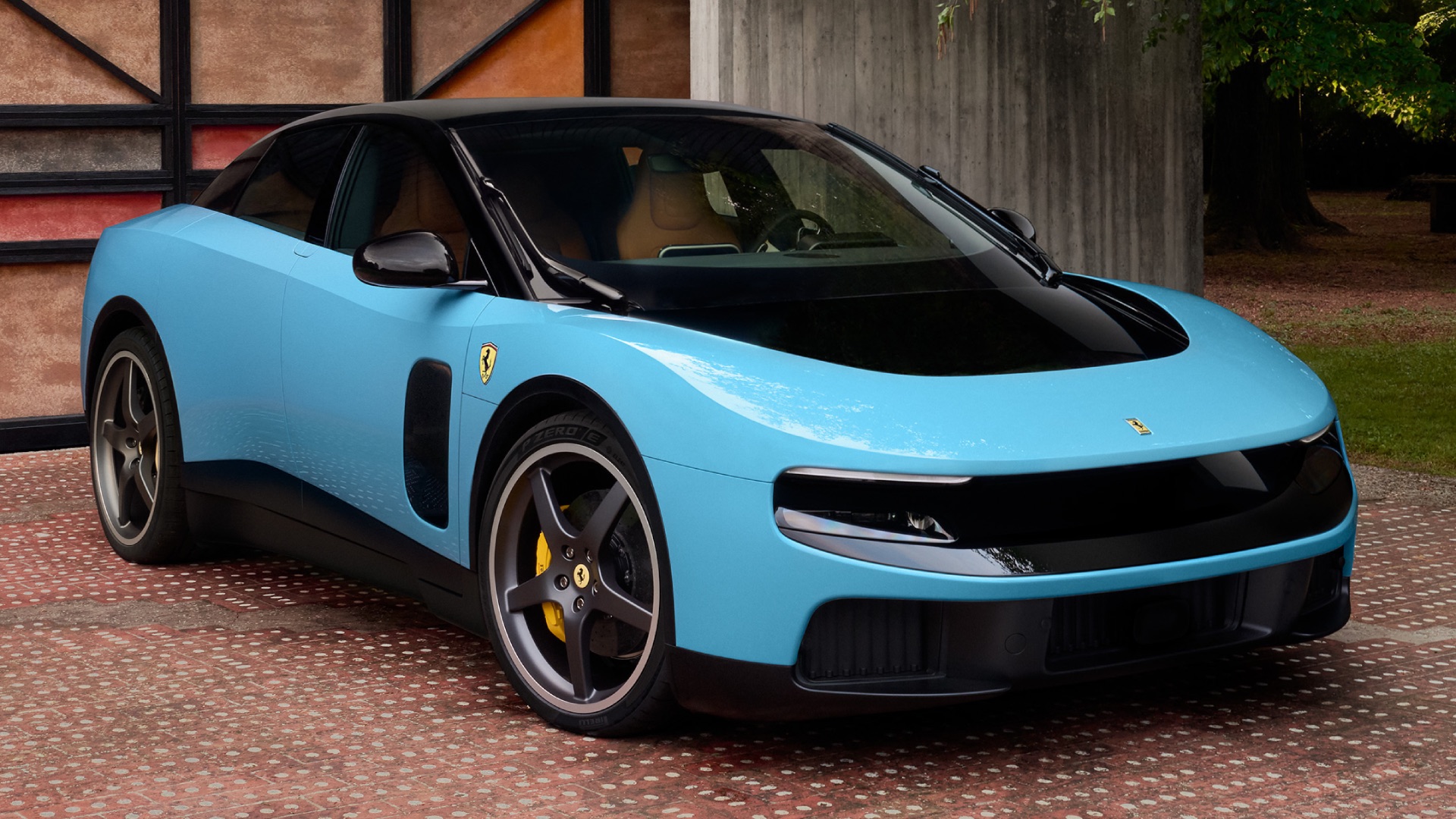
TU/ecomotive‘s VENTRA is an electric concept car designed to capture particulate matter from its own tyres and brakes through an electrostatic system. Its carbon-fibre mainframe weighs 45.5 kg, and the full chassis only 135 kg. It’s the team’s eleventh vehicle, designed by 43 students of 23 nationalities.
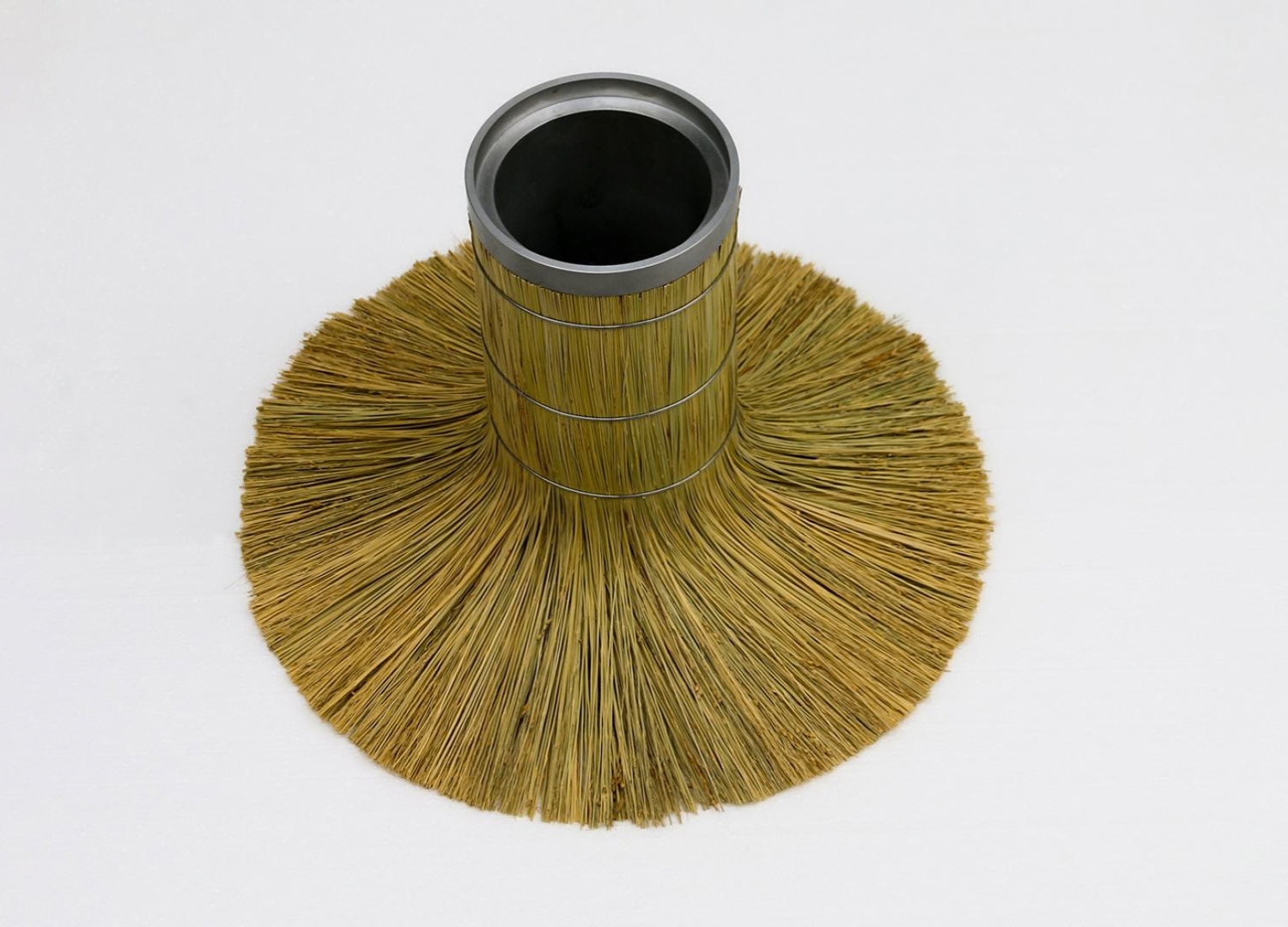
At Kazerne, Studio Noff‘s Folk investigates broomcorn, an ancient fibre crop that is drought-resistant and low in water needs, as a material for design, developed with Dutch farmers adapting the crop to local conditions.
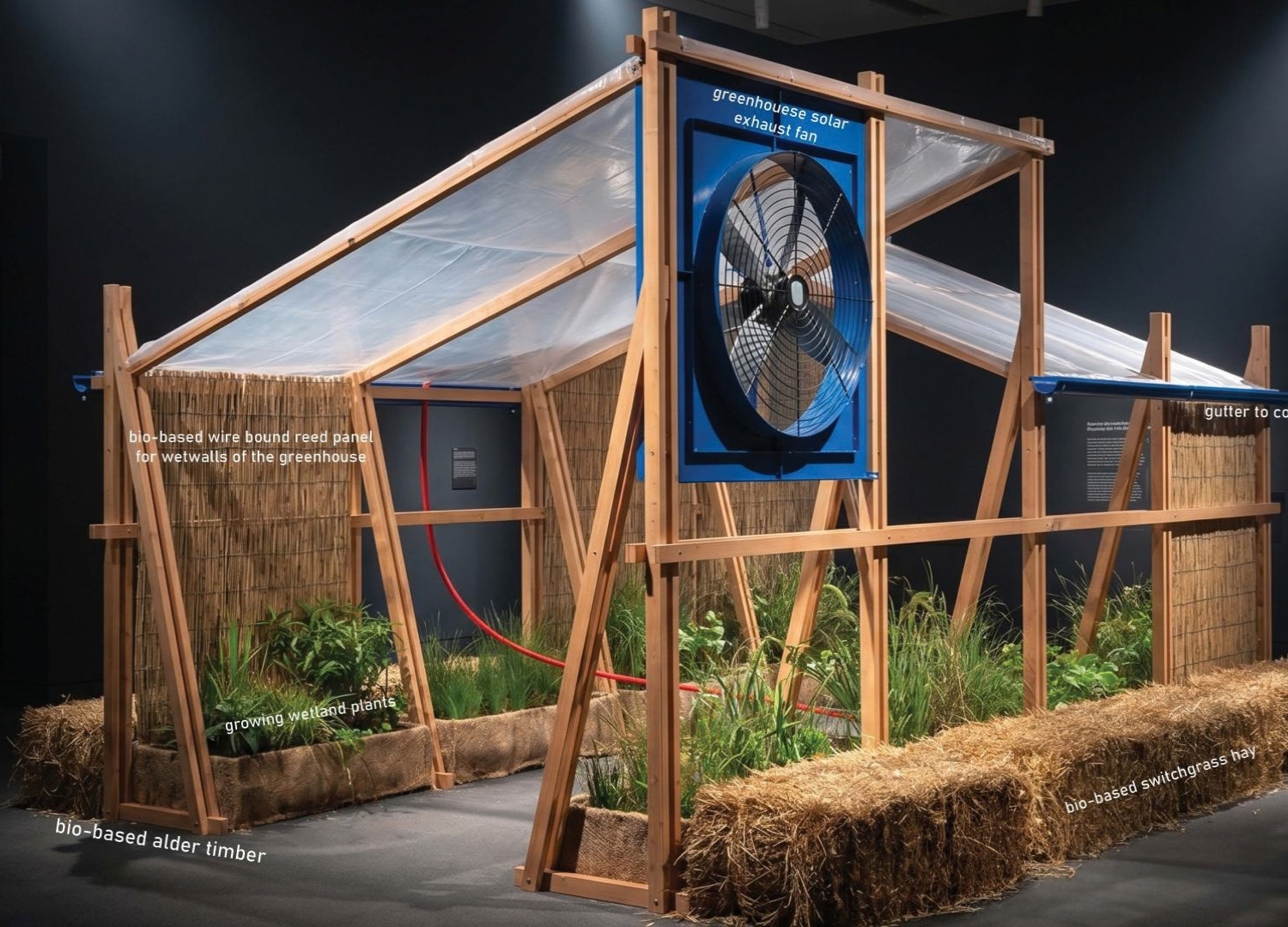
Yvonne Gu of 3h57m shows WETHOUSE, a greenhouse pavilion grown from wetland plants such as reed, cattail, sedge, and willow. These crops, cultivated on wet land, become insulation, wall panels, woven screens, and clay-fibre composites. The pavilion collects rain and holds humidity, supporting wetland farming.
More than two decades after it began as a small gathering, Dutch Design Week remains a place where the future of design is made visible, approachable, and shared. The theme R.A.W. suits the festival’s overall spirit, asking designers to show work in progress, to ask questions as readily as they offer answers, and to place people at the centre of the project.