Does Ferrari Luce deserve a second chance?
Ferrari fans took a sharp dig at its first electric car Luce designed by Jony Ive and Marc Newson, but in less than two months, it sold out.
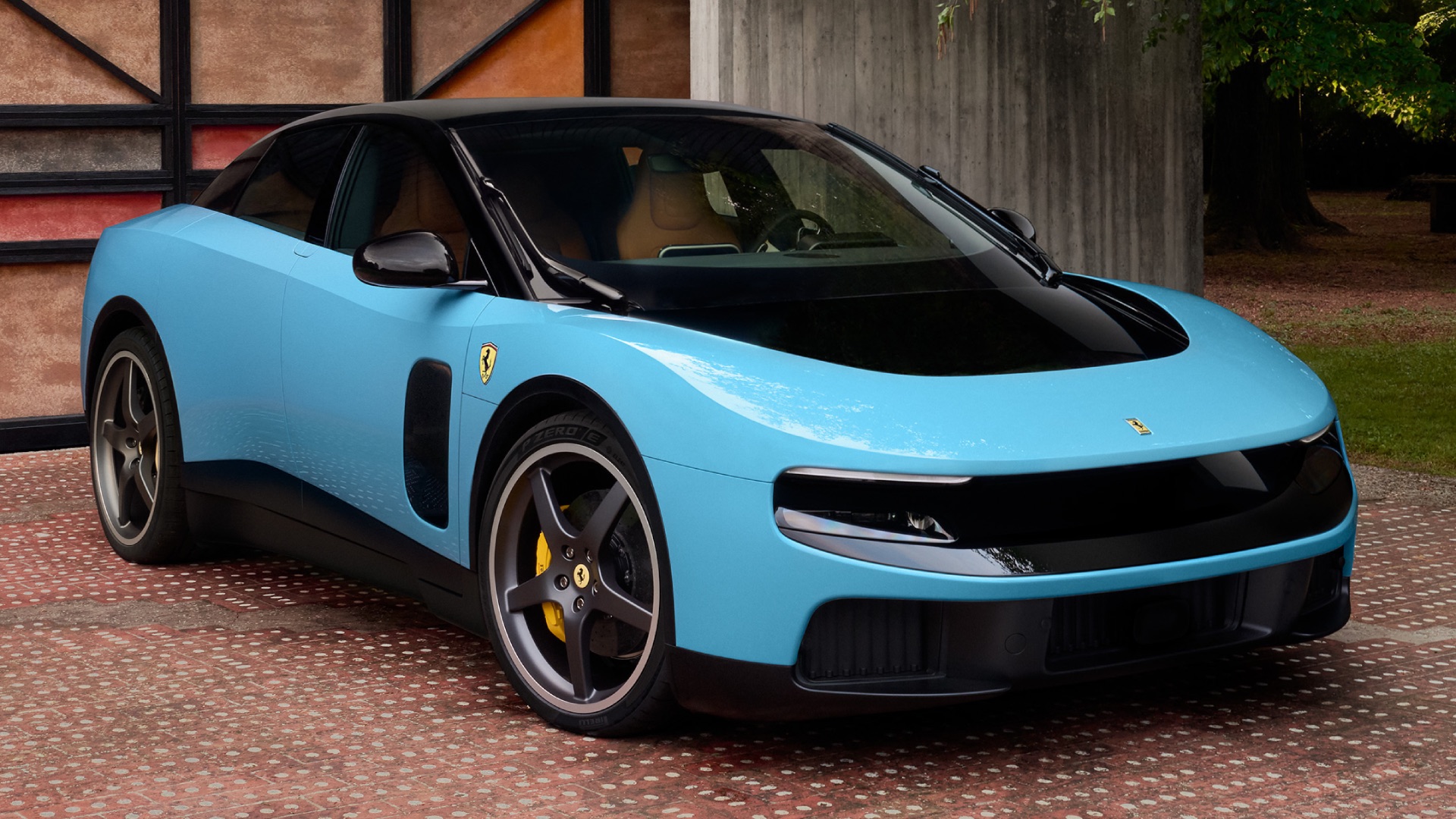
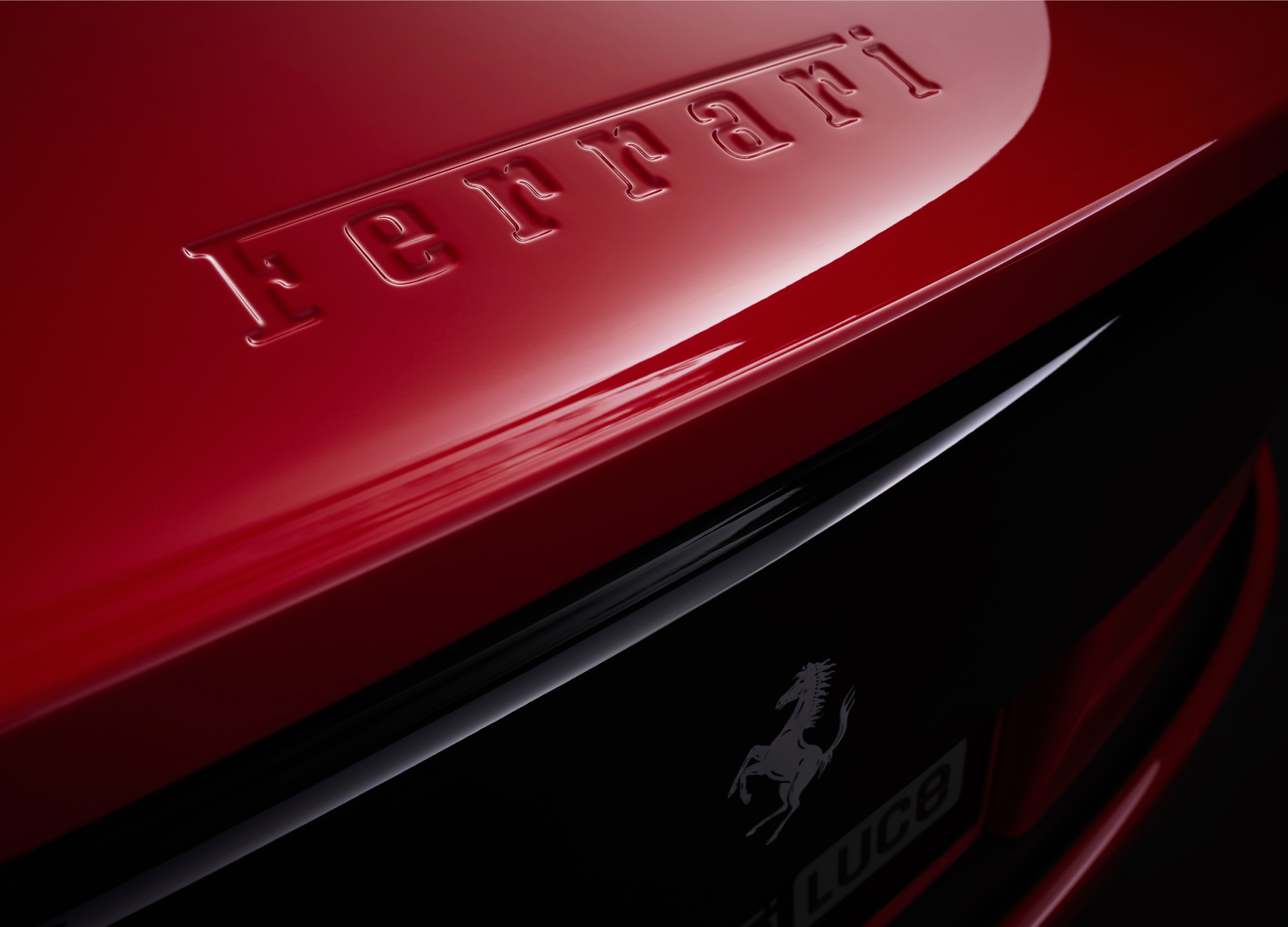
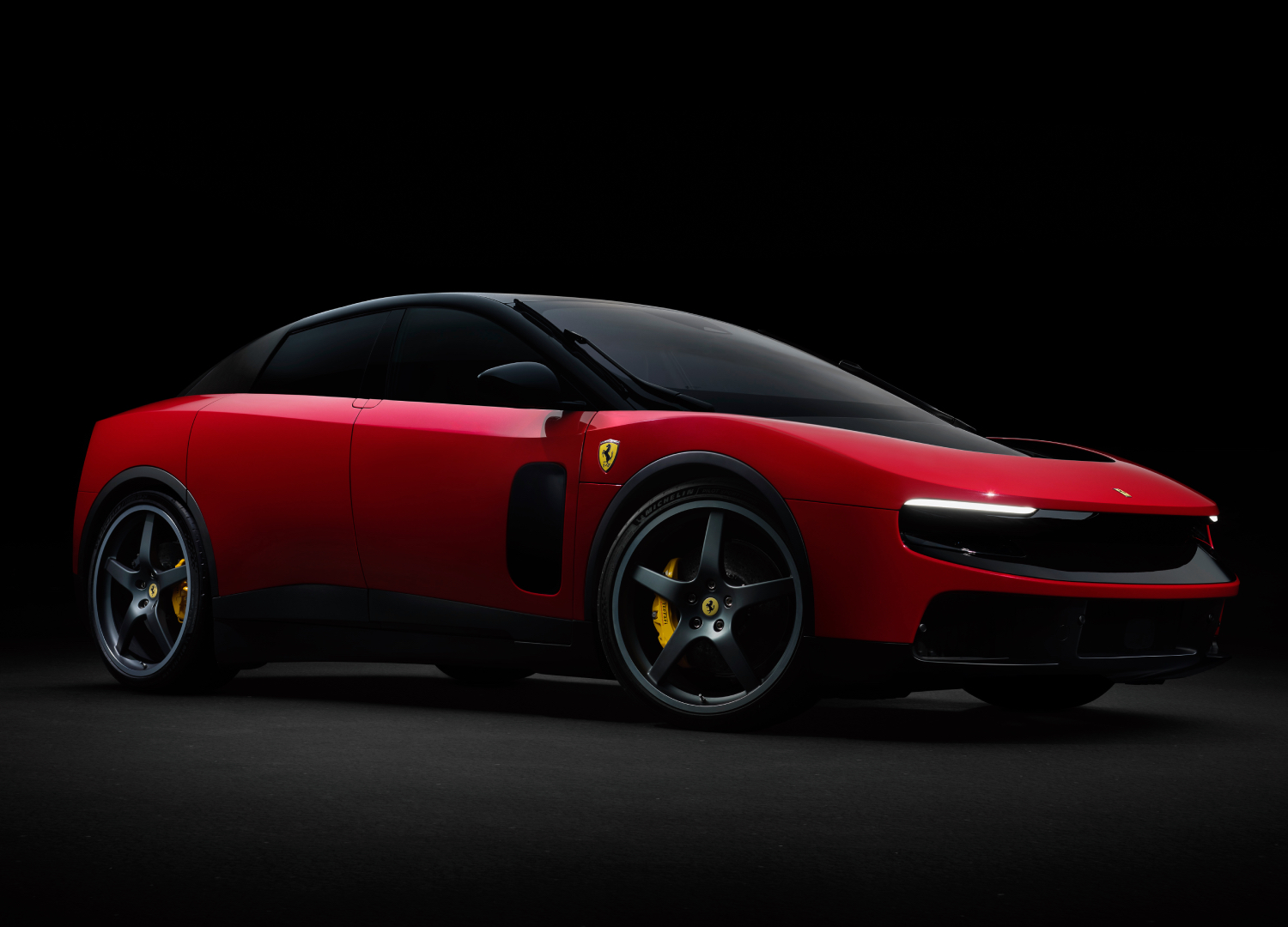
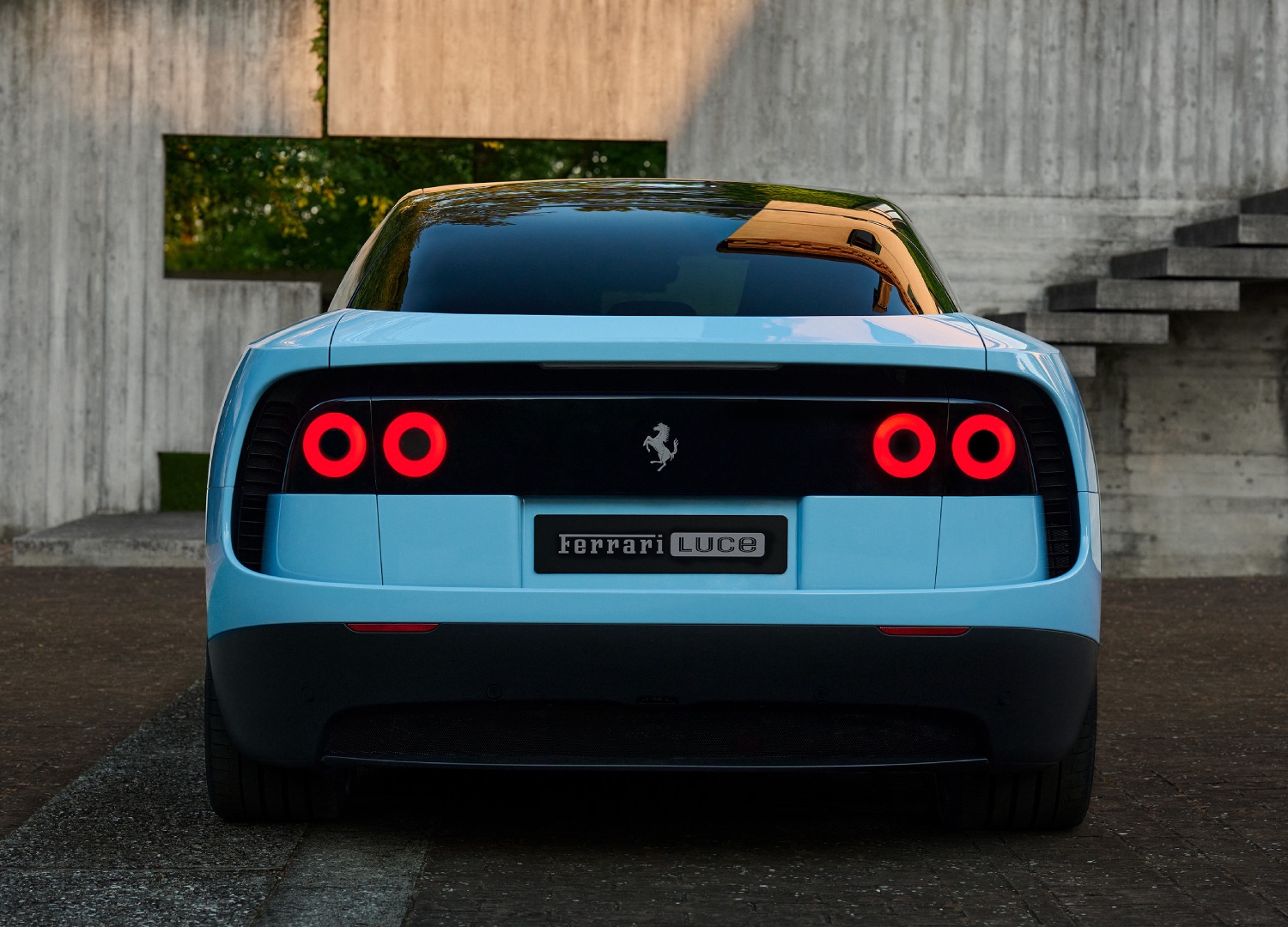
Back in May 2026, Ferrari revealed the prototype of its first electric car, Luce. In Italian, it means “light,” and in that sense, the vehicle signals a new beginning for the historic car company. Ferrari has now gone into production, with plans to release the first batch to reserved customers by the end of 2026.
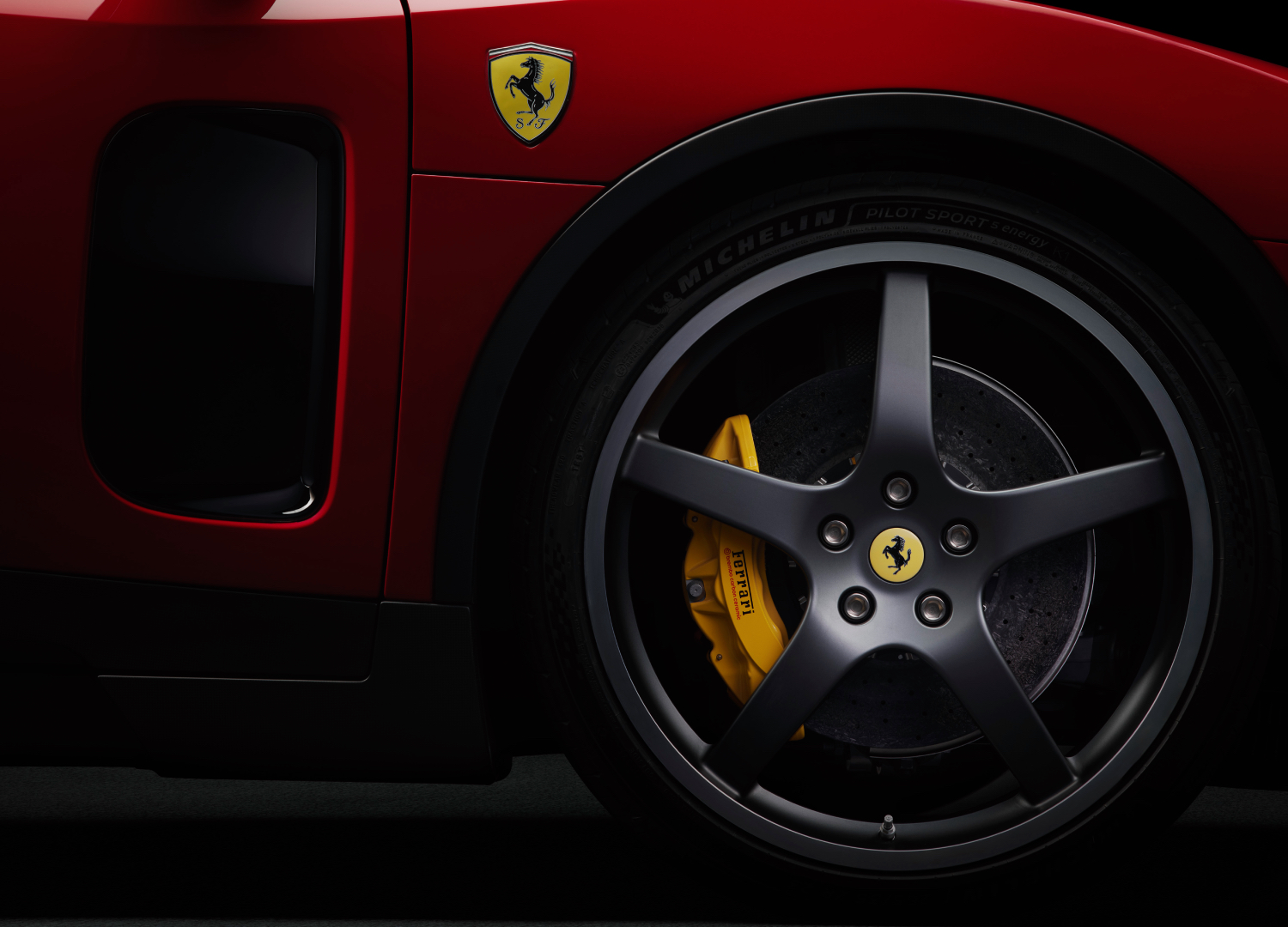
Briefly on the tech side, the Ferrari Luce has four separate electric motors — one in each wheel — drawing from the Formula 1 racing setup, instead of the usual single, powerful engine. Ferrari also places 85 percent of the battery flat in the floor of the car, between the front and back wheels. The other 15 percent of the battery is hidden under the back seats, near the ground, helping the vehicle stay close to the road and avoid rolling over when it turns abruptly.
For the frame, the company uses 75 percent recycled aluminum, and to keep the loud revving these cars are famed for, instead of “faking” it because of the electric motors, the company adds sensors to the motors and wheels that pick up the vehicle’s physical vibrations. The car’s system then absorbs these vibrations, amplifies them, and plays them in the cabin.
Gallery
Open full width
Open full width
Does Ferrari Luce deserve a second chance?
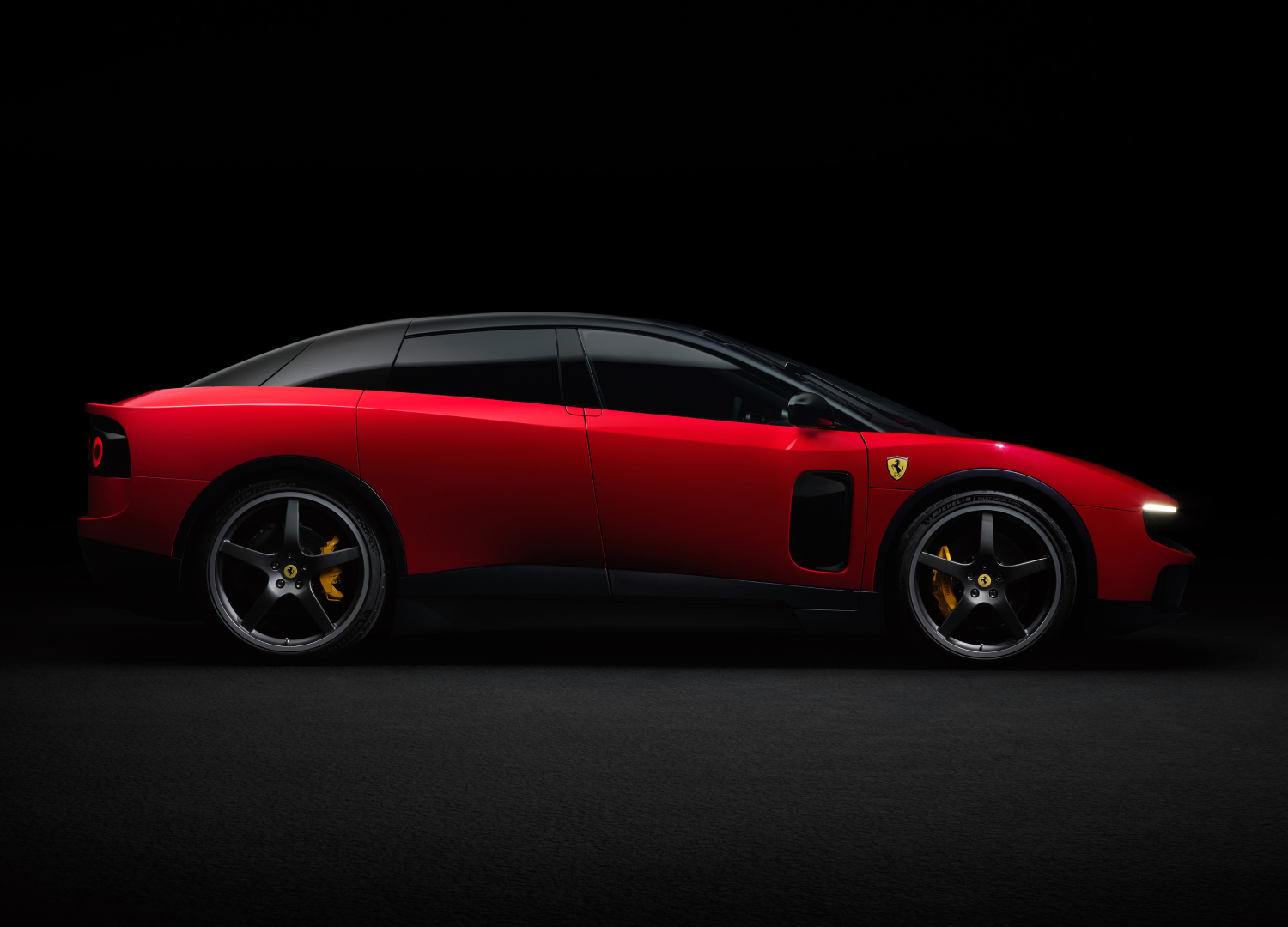
The “controversial” design of Ferrari’s first electric car
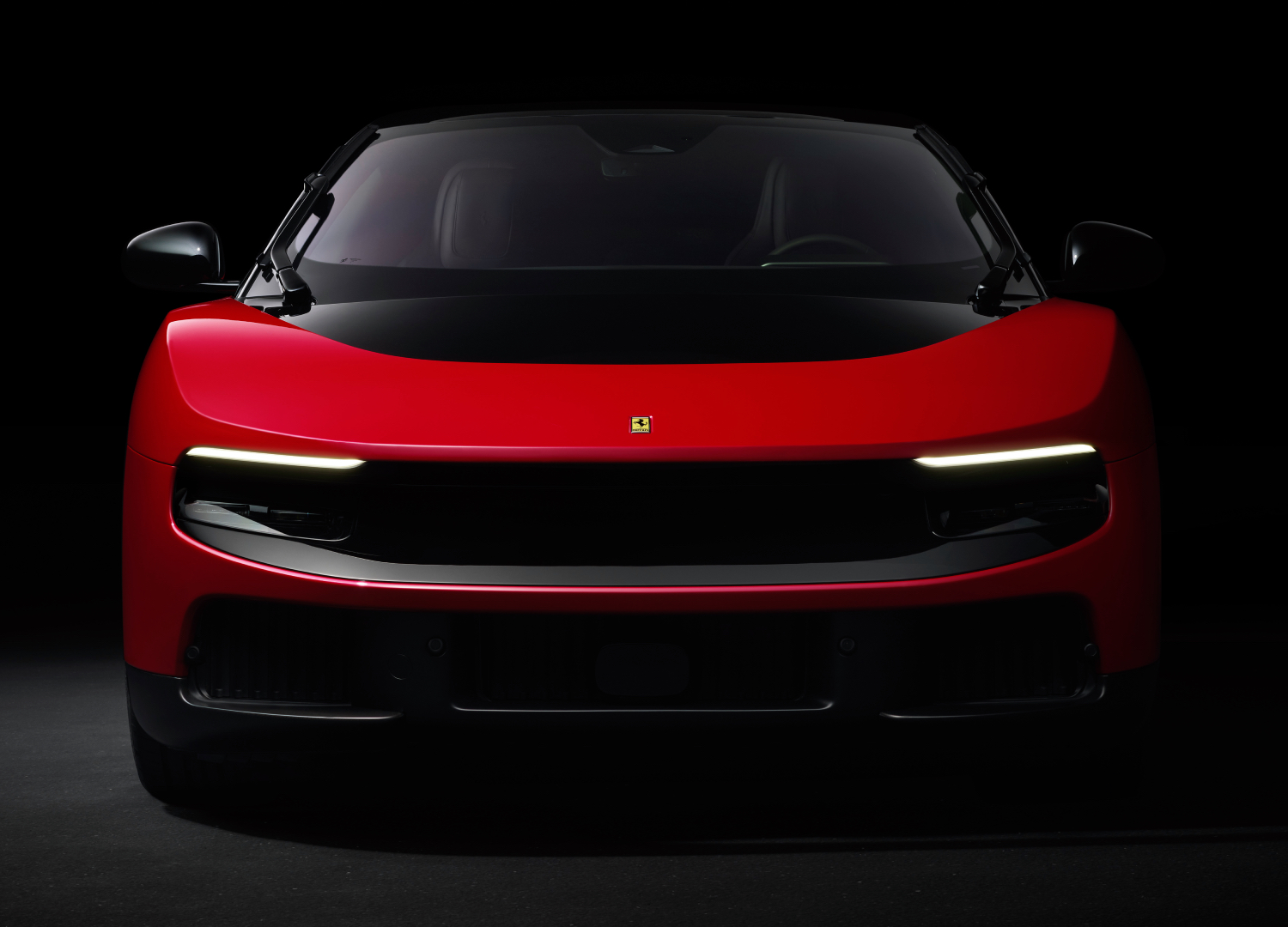
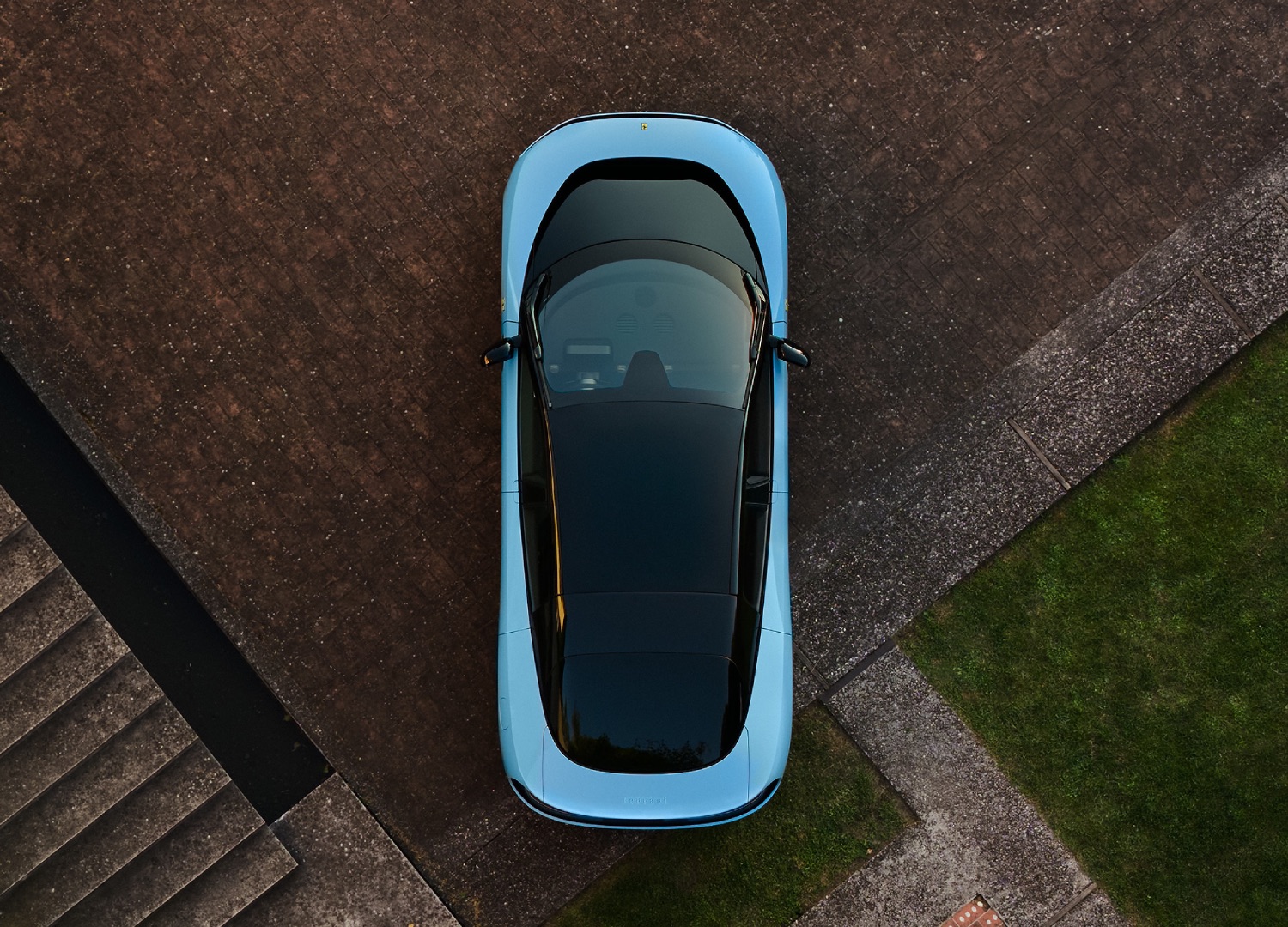
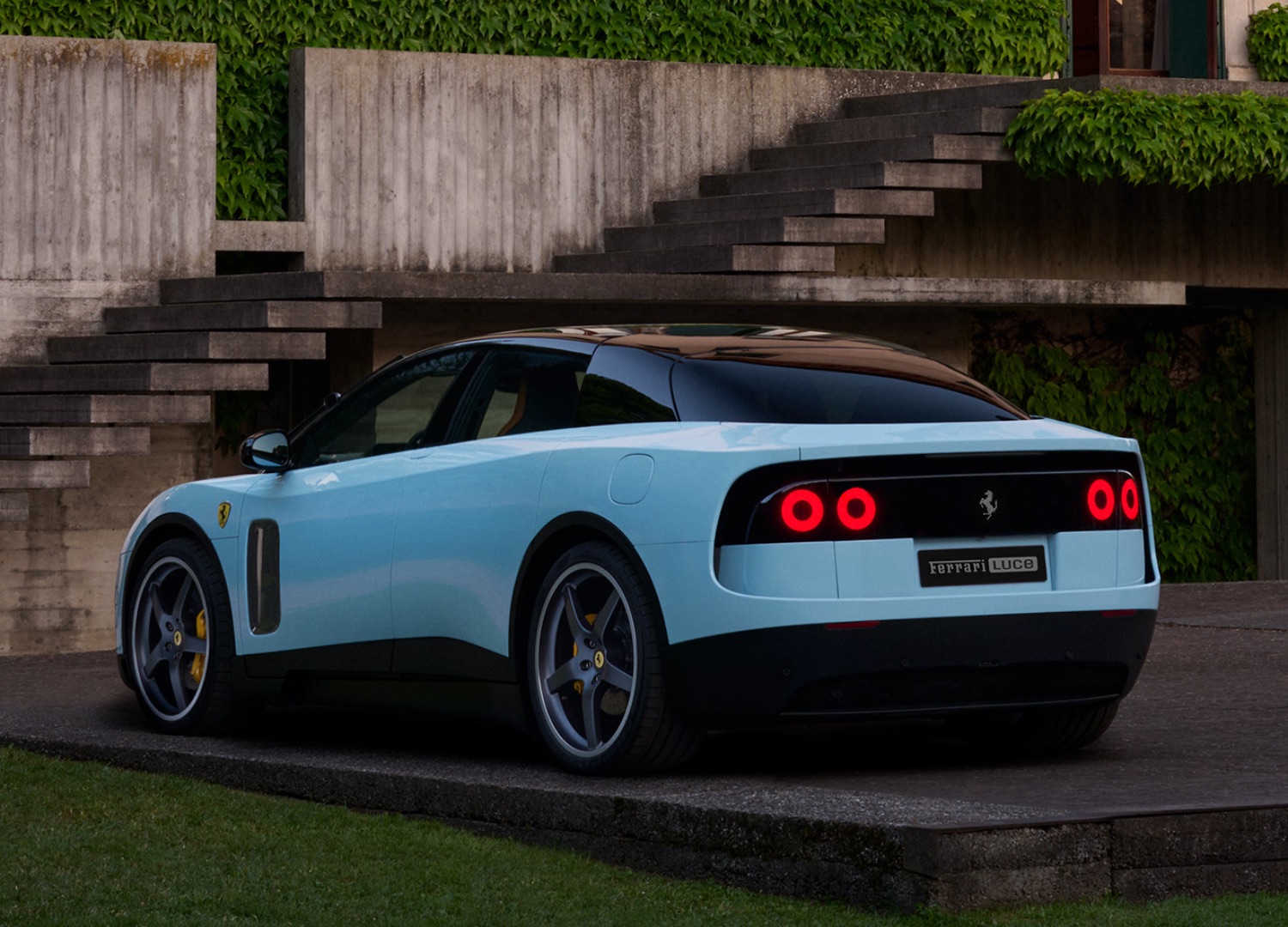
Now, the design. Ferrari tapped the creative studio LoveFrom and the industrial designer Marc Newson. The former is led by Jony Ive, who used to be the chief design officer at Apple and the co-designer of OpenAI’s smart devices. For the Ferrari Luce, they separated the design into two visual parts. The top is a glasshouse, formed by a clear bubble, while the bottom is an aluminum body that wraps around the glass.
Going minimalist, the duo hid parts that usually stick out on a car, like the windshield wipers, which stand upright next to the side pillars of the window. The hood of the car resembles a large wing, so air flows into the front, slides up over the glasshouse, and peels off a smaller wing at the back.
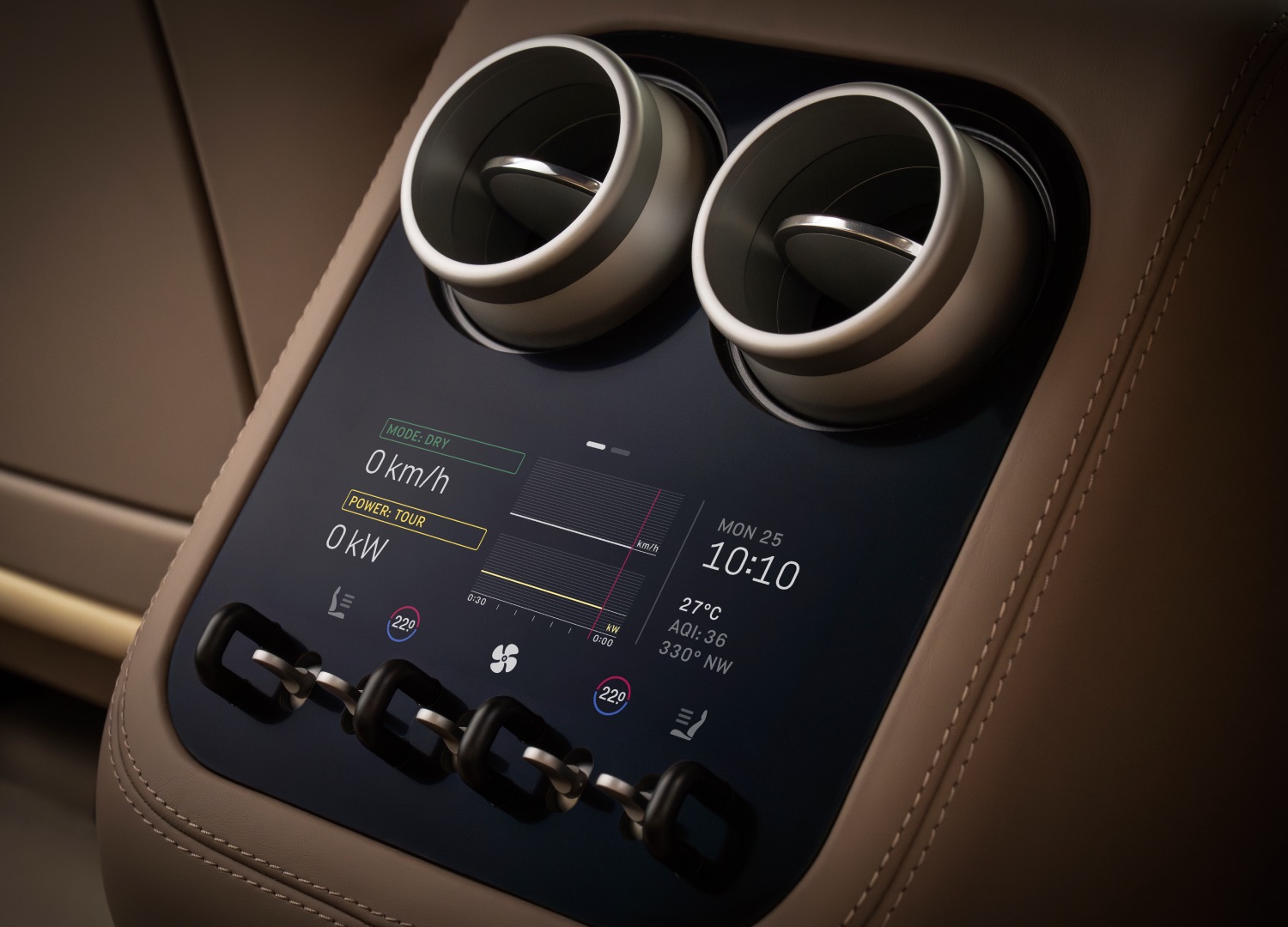
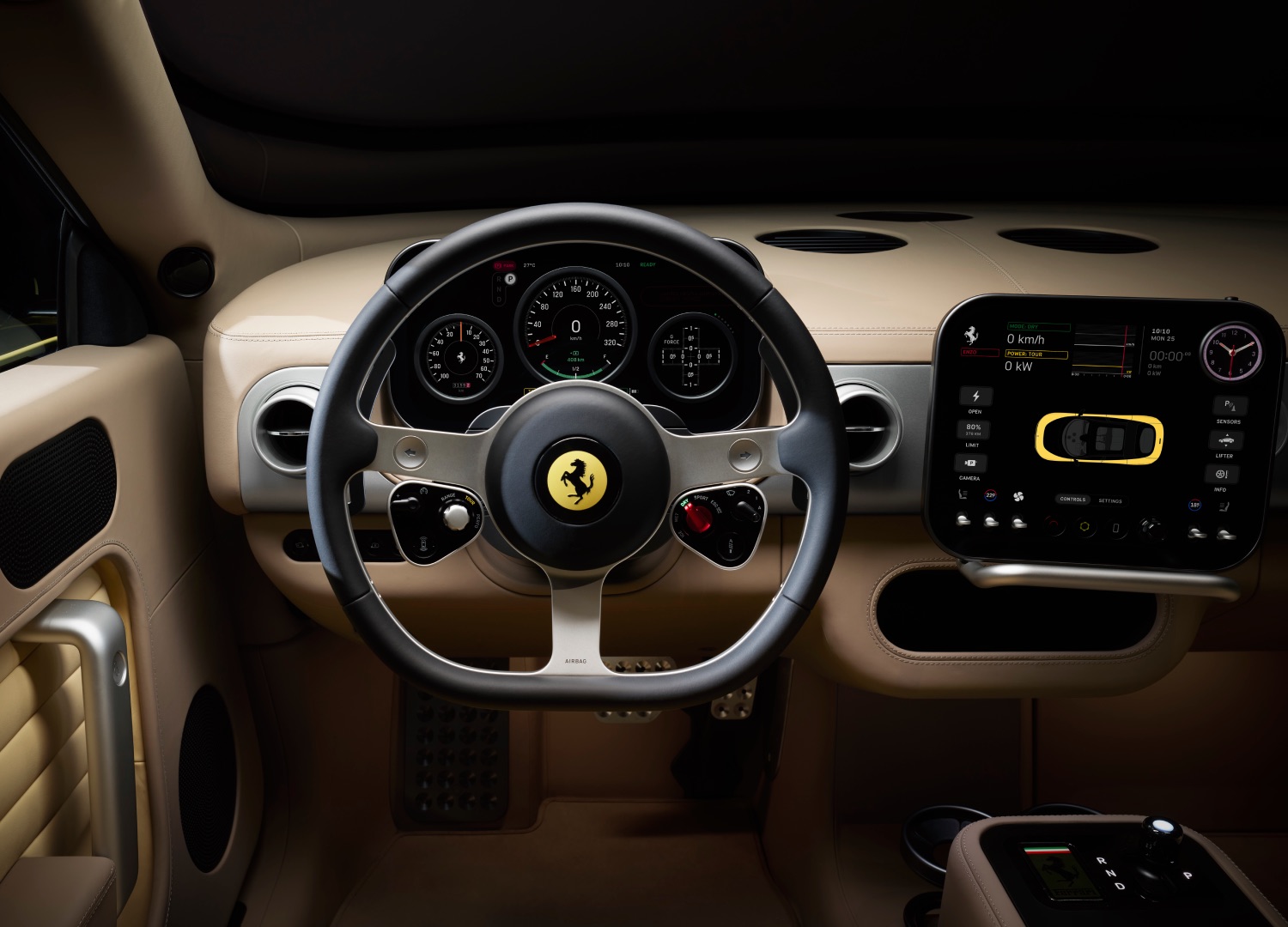
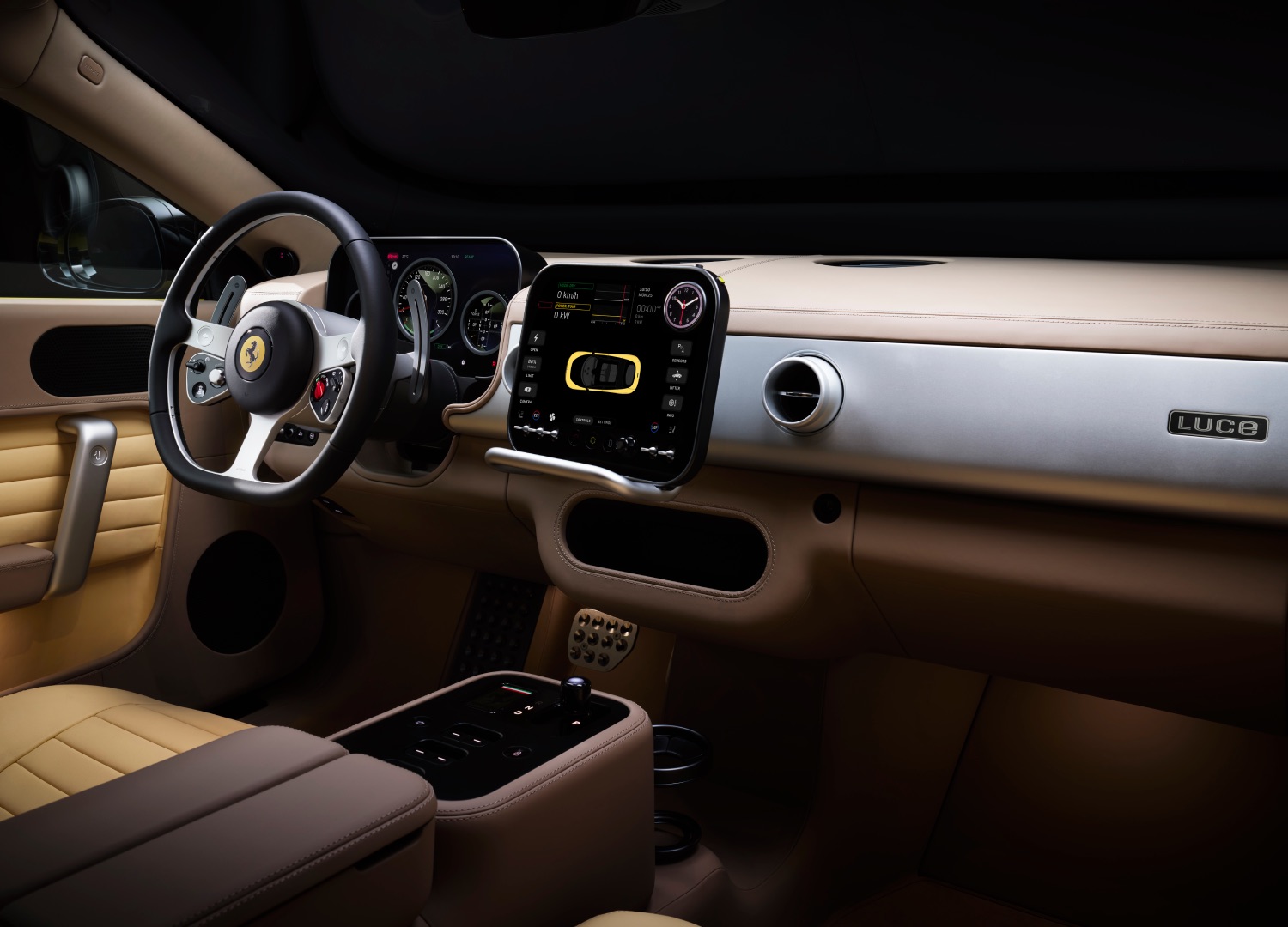
Inside, the cabin is stripped down to its bare essentials. Physical metal buttons share space with digital screens, and on each side of the wheel sit tactile rings and switches, one of which triggers a different driving mode. A tablet-like screen with rounded edges sits at the center of the dashboard and can be adjusted for better viewing. Below it, physical metal levers control the air conditioning, gleaming in polished cold gray.
Social media “noise” around the Luce
The public’s reception of the Ferrari Luce has ignited a design debate comparable to when Jaguar unveiled its rebranding and the single-block-looking Type 00. Online communities feel the vehicle has lost the spirit that makes a Ferrari a Ferrari in its traditional, impressive, and imposing sense.
Some find it soulless and generic, compare it to commercial sedans, and think it was the wrong move to bring in product designers to design a car for a beloved, historic company. There have been comments targeting the typical Apple flair, with one user noting that with the rounded edges and “everything,” the Ferrari Luce would be the type of car Apple would produce.
The criticism also comes from Ferrari buyers and owners themselves, some of whom feel the company assumes it can put its prancing horse logo on any car and loyal customers will immediately buy it. So far, the vehicle is priced at 550,000 euros ($640,000), more than a Porsche Taycan Turbo GT, for example, which is “faster.”
Ferrari Luce’s first production is sold out
Yet the 500 units in the first batch sold out in under two months, mainly to buyers in China. It seems the prancing horse logo carries more weight than mere history. There’s appreciation for the design risk taken and for innovation, especially at a time when other luxury car companies are delaying their own electric models.
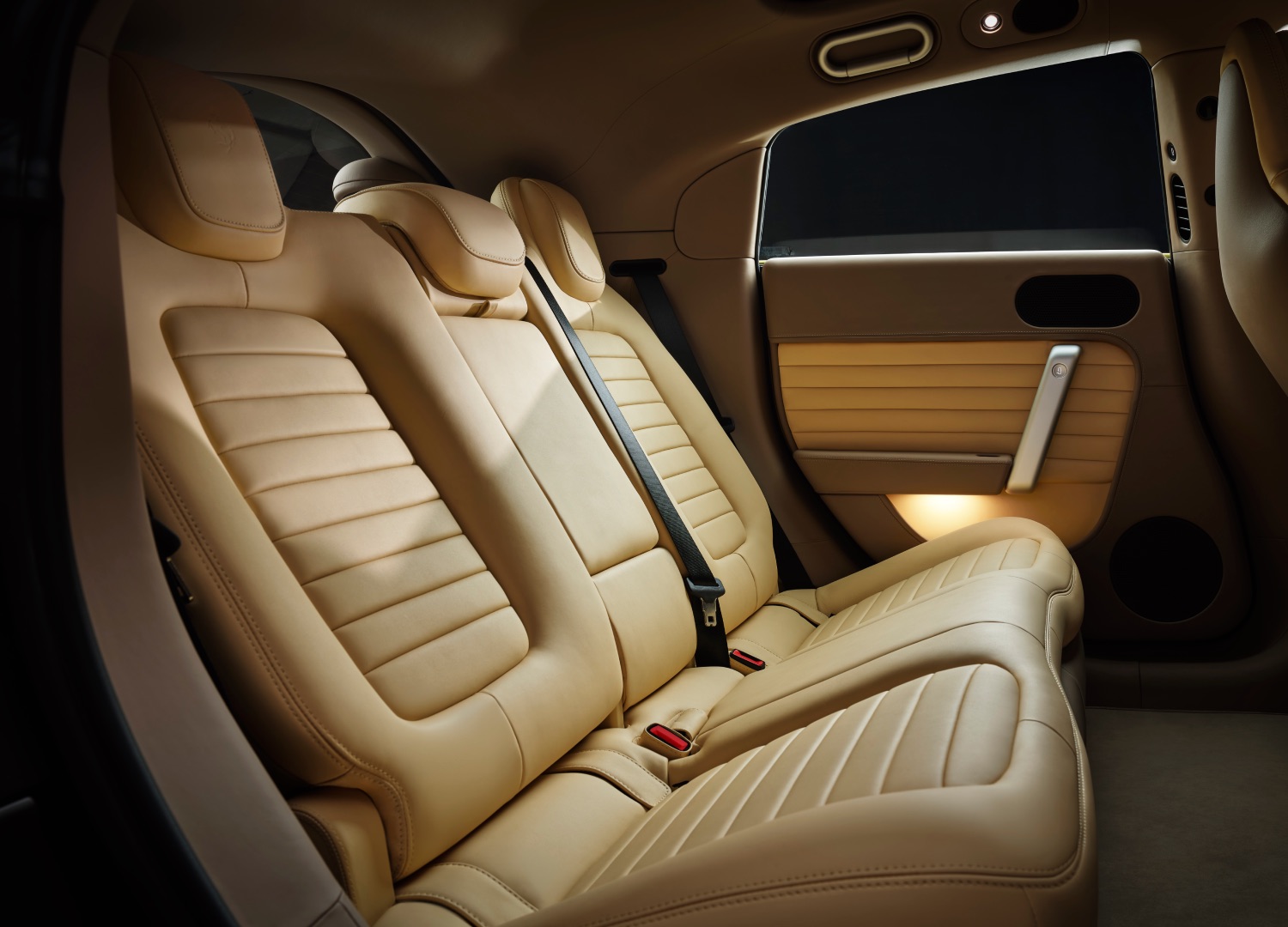
Benedetto Vigna, CEO of Ferrari, has said that engineering cars today is much more expensive with new technologies, hence the price tag on the Luce. Pietro Virgolin from the company’s product marketing team also defends the car, stating that the Luce is still a Ferrari and a true sports car, even as a five-seater instead of the typical two. The company says that once drivers get behind the wheel, they’ll understand what it means.
The democratized internet allows opinions from all sides, but the company prefers to focus on its sales, its niche target audience, what they need, and how the Luce can be the fitting vehicle for them. In the end, all the social noise is background sound to the real deal happening in the foreground.