Antoine Seguin and constructive simplicity, where design comes apart and reassembles
The young French designer builds reversible objects that speak of Marseille and the Luberon. And he brings the same logic inside Shiseido and Decathlon, proving that change is possible in the industry too.
We often hear how designers are able to work, nowadays, at the intersection of local craftsmanship, sustainability, and industry. How they merge different points of view on the same kind of research, study materials, and work on communication and product design at the same level. But how do they do it? And what do we mean when we speak about multi-functionality in design and multi-disciplinary designers? What are we looking for when we talk about the ability of designers to jump into different fields of this discipline and bring their vision and touch to it? We look for answers that are usually right in front of our eyes from the beginning. Going back to the roots of the design discipline itself, bringing back knowledge from our ancestors and reinterpreting it under a new light could be an interesting approach.
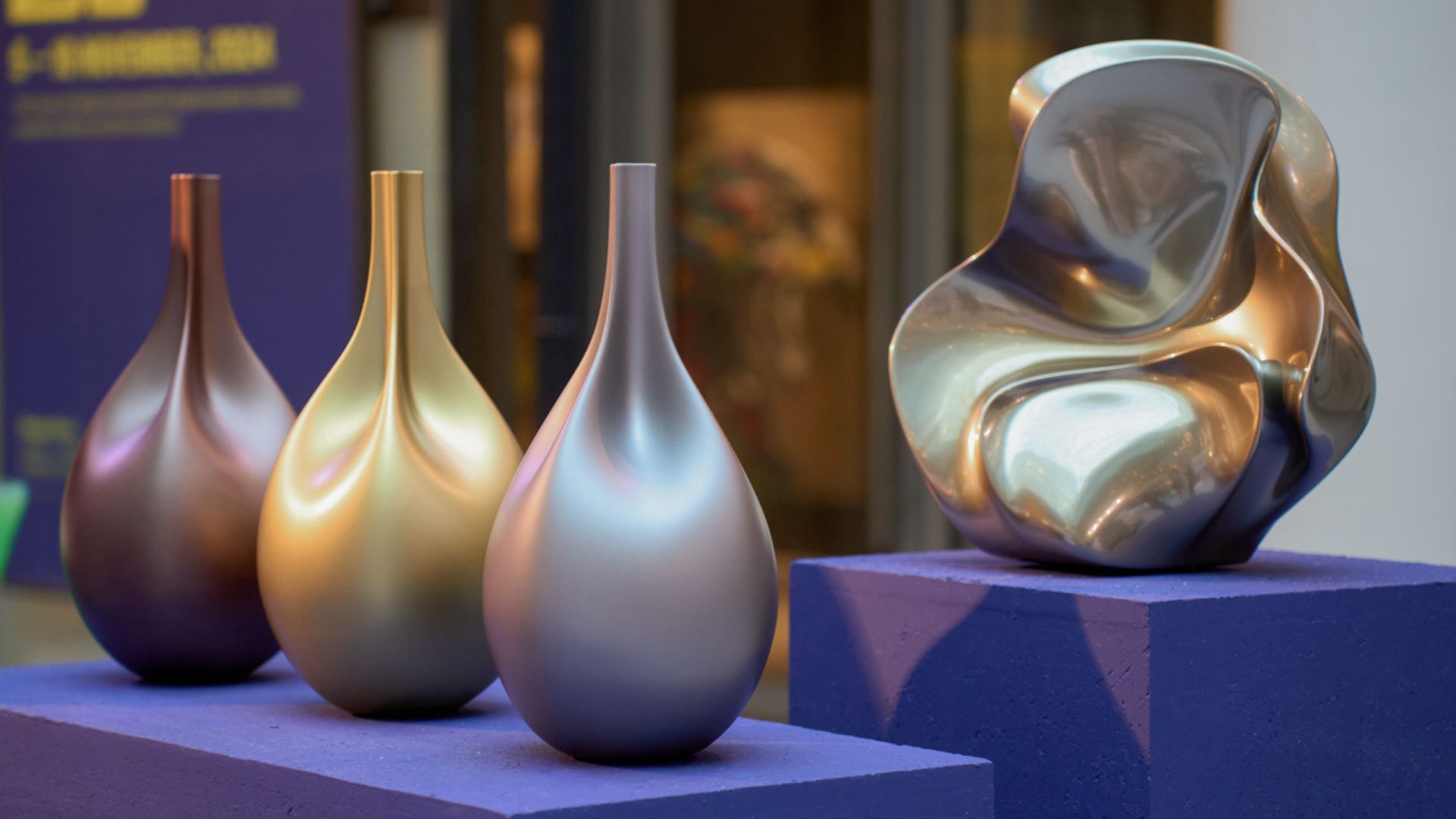
And it is, in fact, the approach of Antoine Seguin, a very young designer who caught our eye during the last edition of EDIT Napoli this past October, when he presented the Èreità Vase – which we can consider a kind of manifesto project for him – and part of the Acampa collection, where he expresses at his best the philosophy of constructive simplicity based on circular economy that he tries to expand also in his collaborations and branded projects.
Gallery
Open full width



Open full width
But let’s start from the beginning: Antoine Seguin is a French designer who defines his work at the intersection of materials, local craftsmanship, and sustainability. His research on materials and traditional techniques is a way for him to explore a contemporary response to today’s design challenges, especially those related to our planet and production practices. For him, the focus on territory and artisanal knowledge is a focal point in his practice: he sees design as a snapshot of living crafts, adapting over time and responding not only to needs but also to social problems, without forgetting aesthetics and the capacity to blend with context.
His idea is to design without glue or screws, to create elements that are modular, so we can always reconfigure them. We can reassemble every part, interchange it, and reuse it without any kind of waste or unrecyclable material.
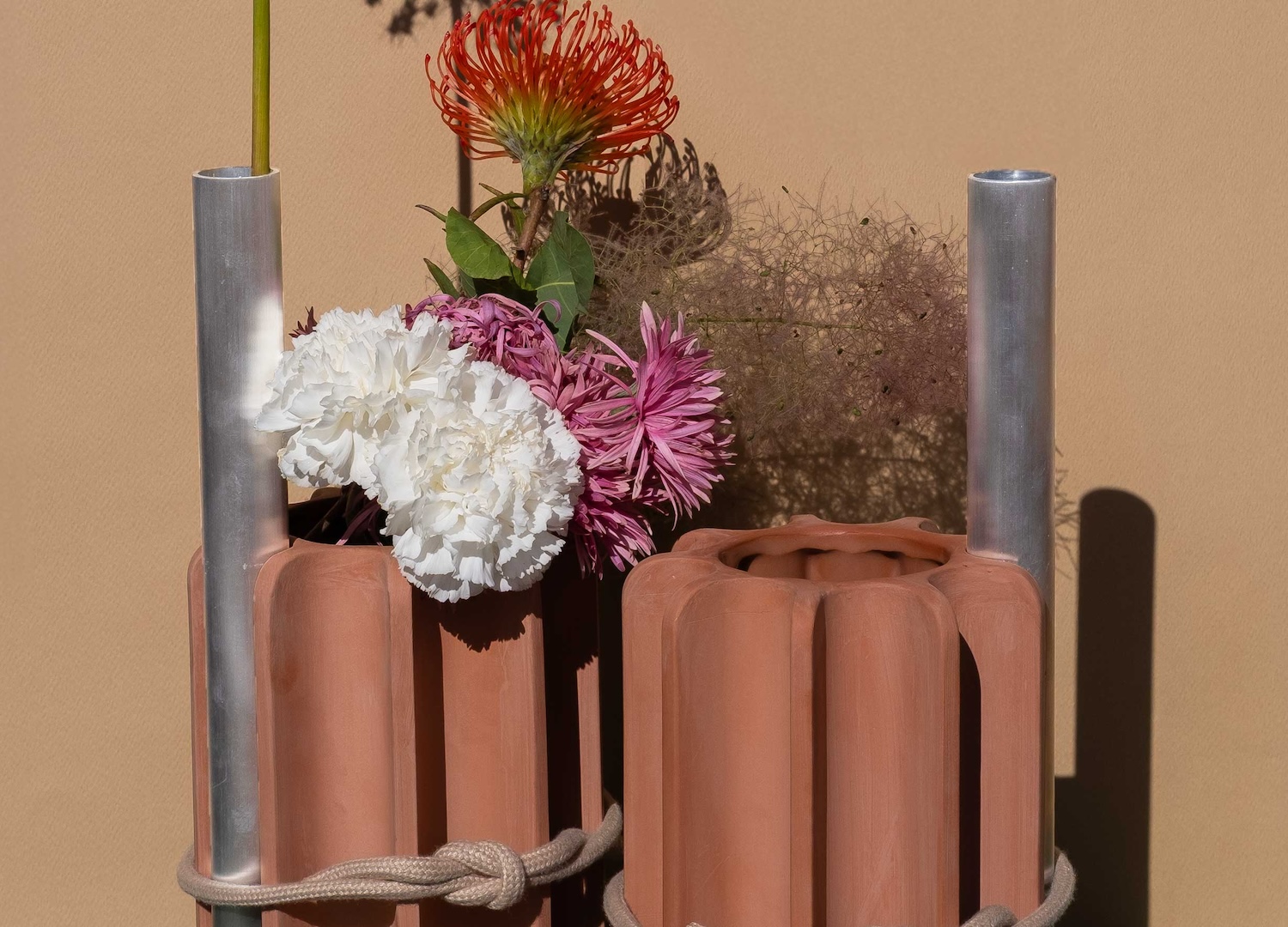
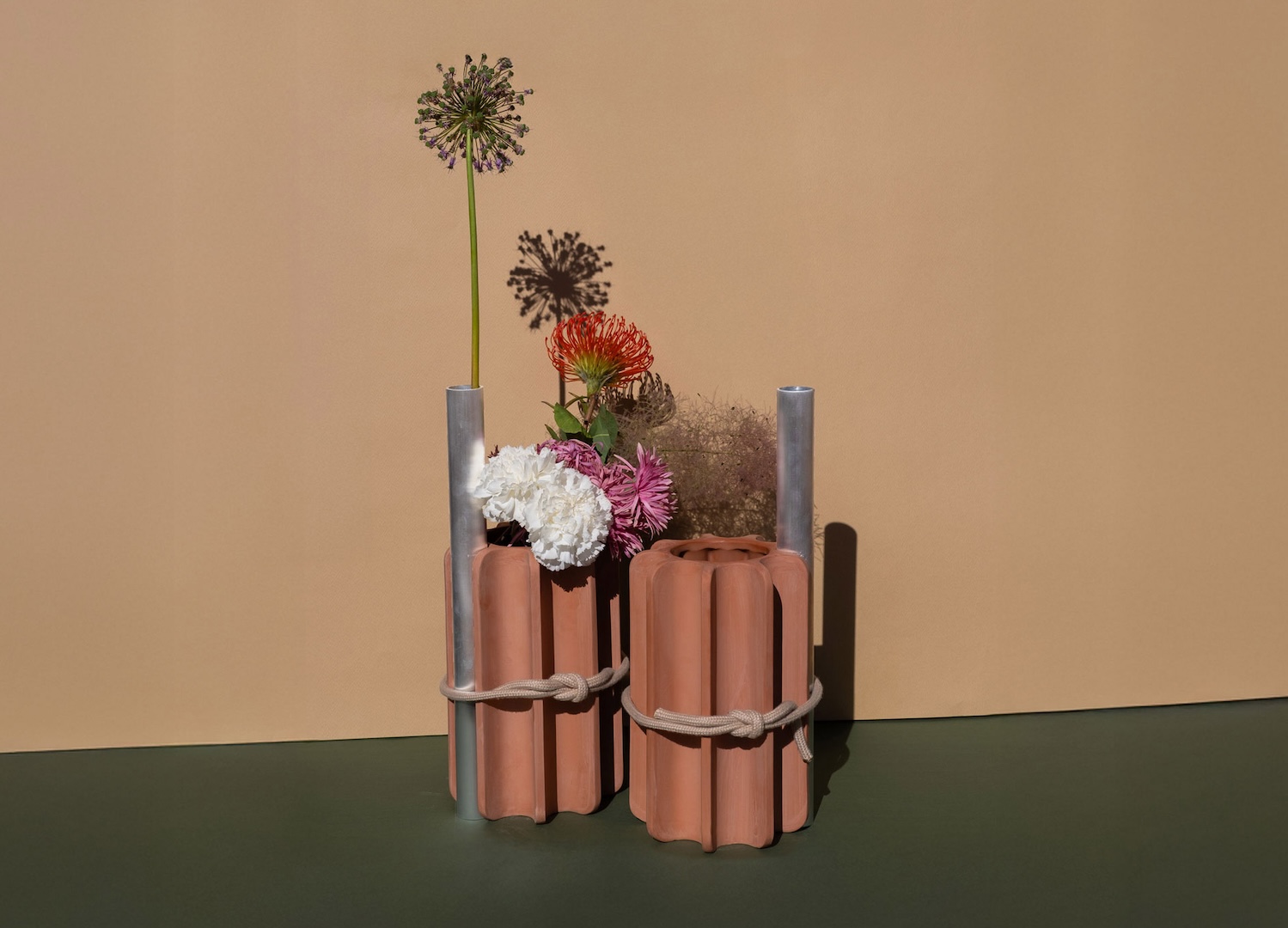
That’s why we can consider the Èreità vase as a proper example of this point of view and approach: this vase was born from three materials that represent, for the designer, Marseille, his birthplace. We have a clay base on which a tubular aluminum piece adapts with a rope. The configuration of these three elements is very simple and intuitive, creating a design piece that speaks to the territory without being literal.
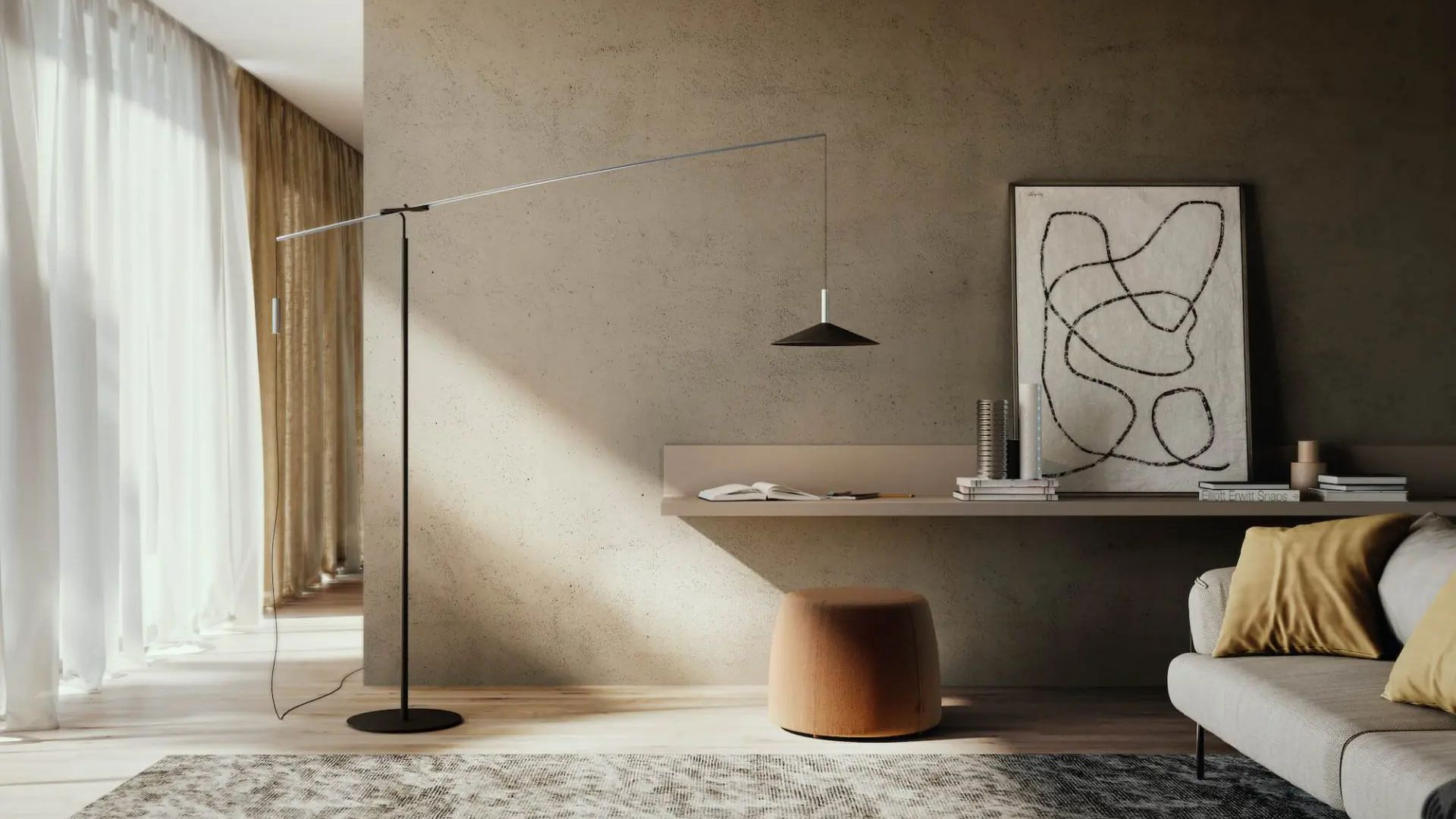
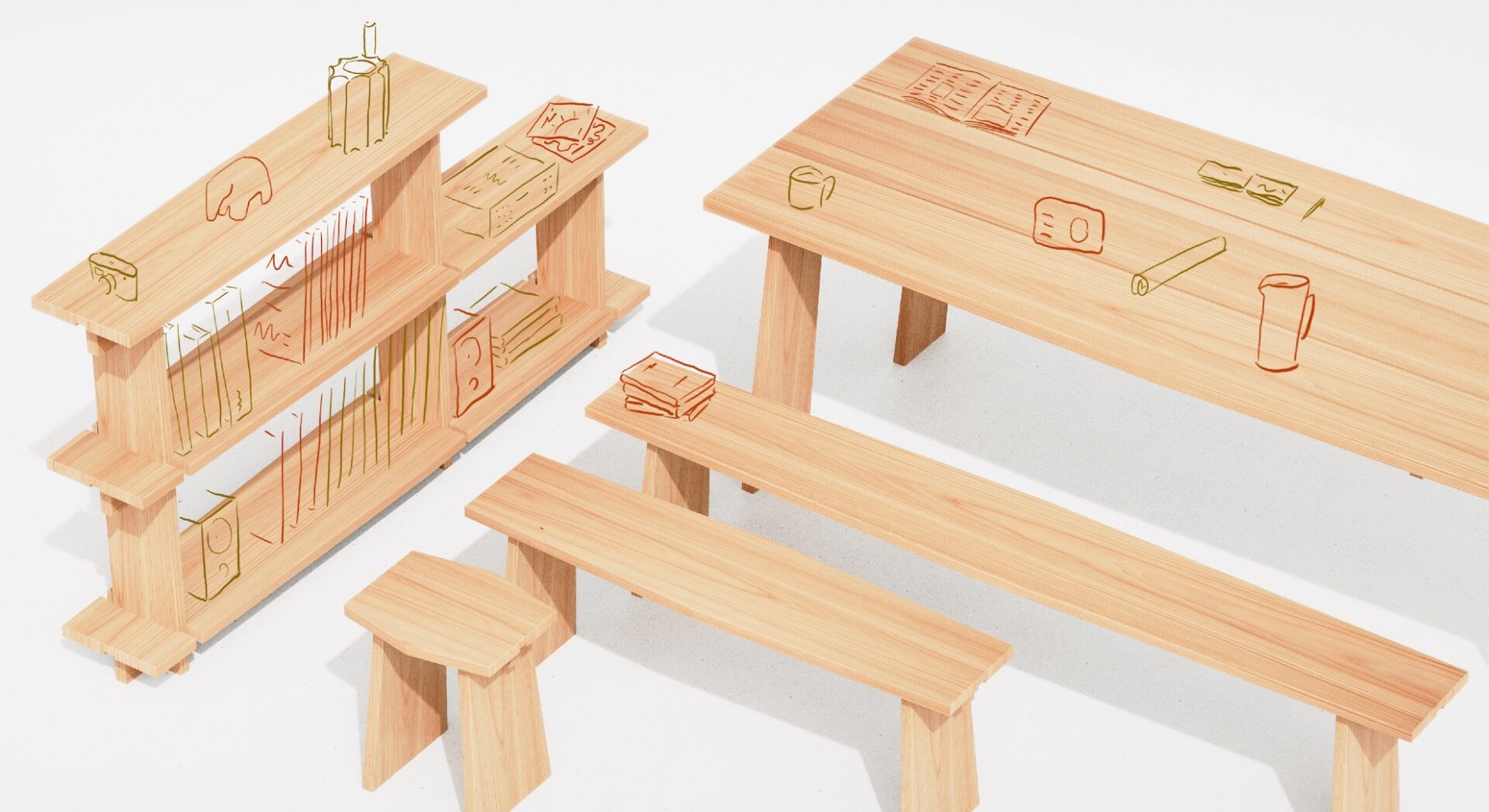
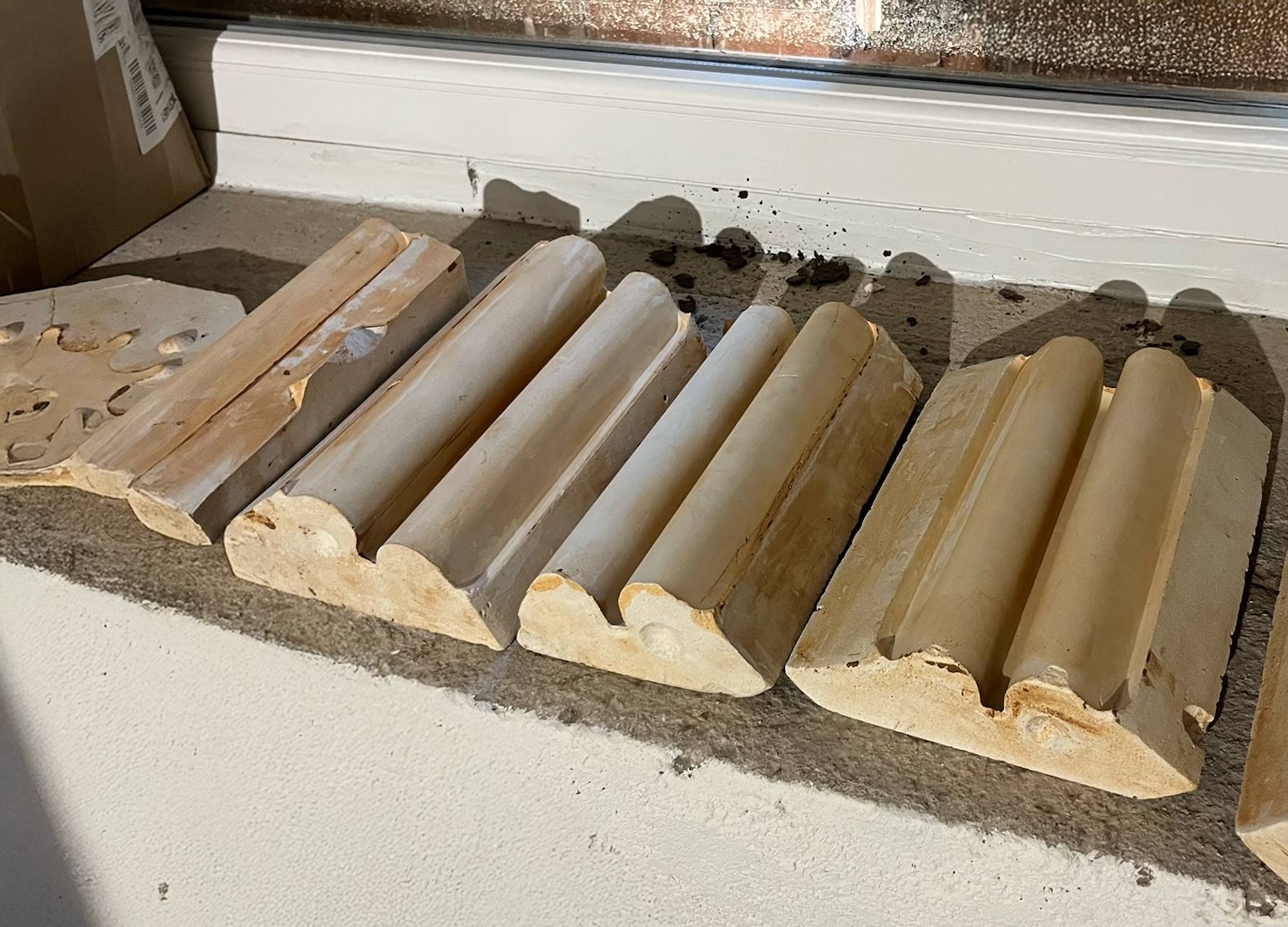
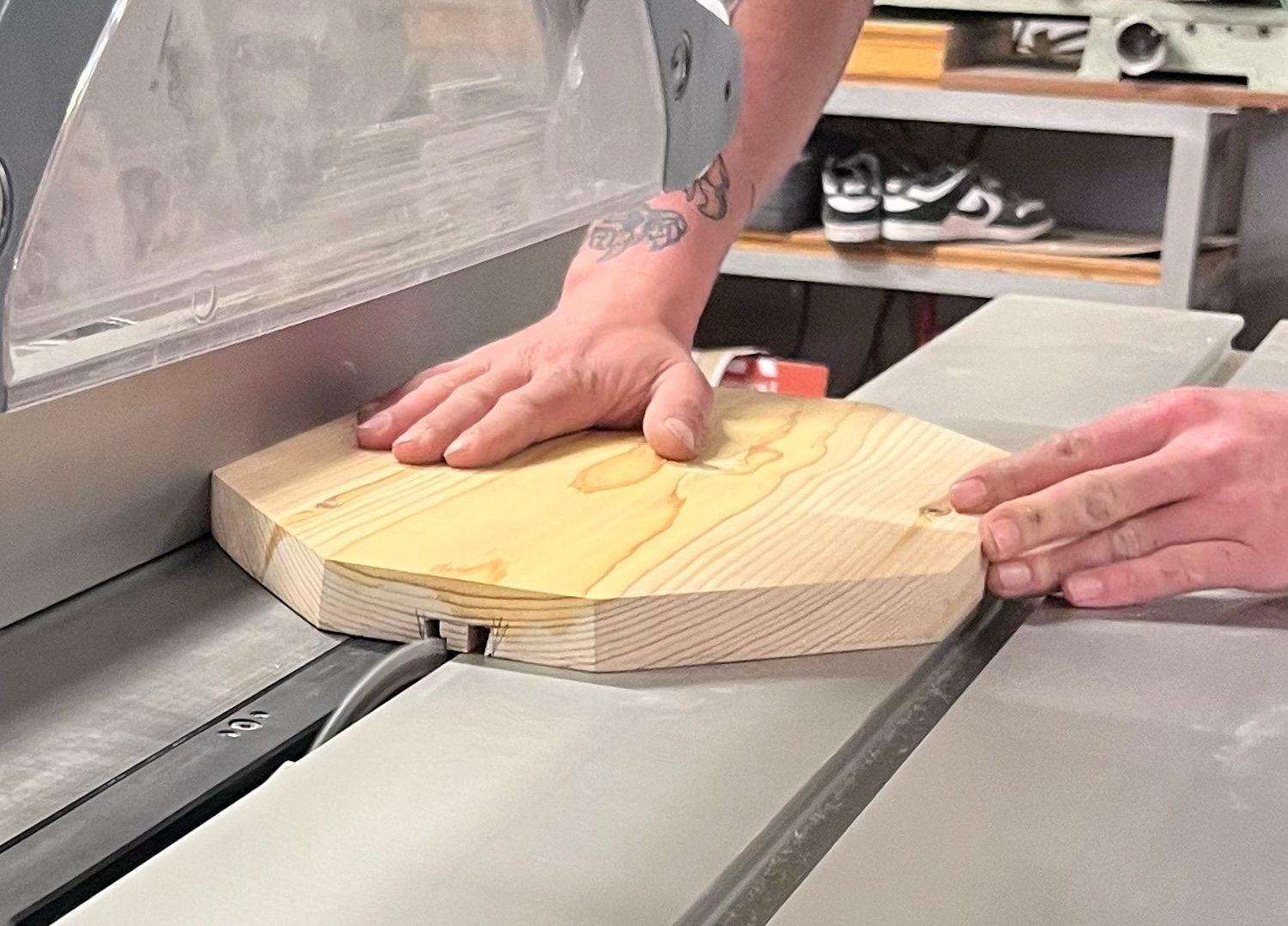
The same happens with the Acampa collection, a furniture range based on all-wood joinery without glue or screws. Here, Seguin puts to work a local network and a sustainable manufacturing team, where the philosophy is simple: constructive cleanness and reusing, recycling, and redesigning a way of composing our everyday objects. Originally from southeastern France and based in Marseille, the project was conceived to be made from cedar and cypress from the Luberon region. Its assembly principles, which use no glue, nails, or screws, ensure a fully local supply chain. The range currently includes a stool, two benches, a table, and a shelf.
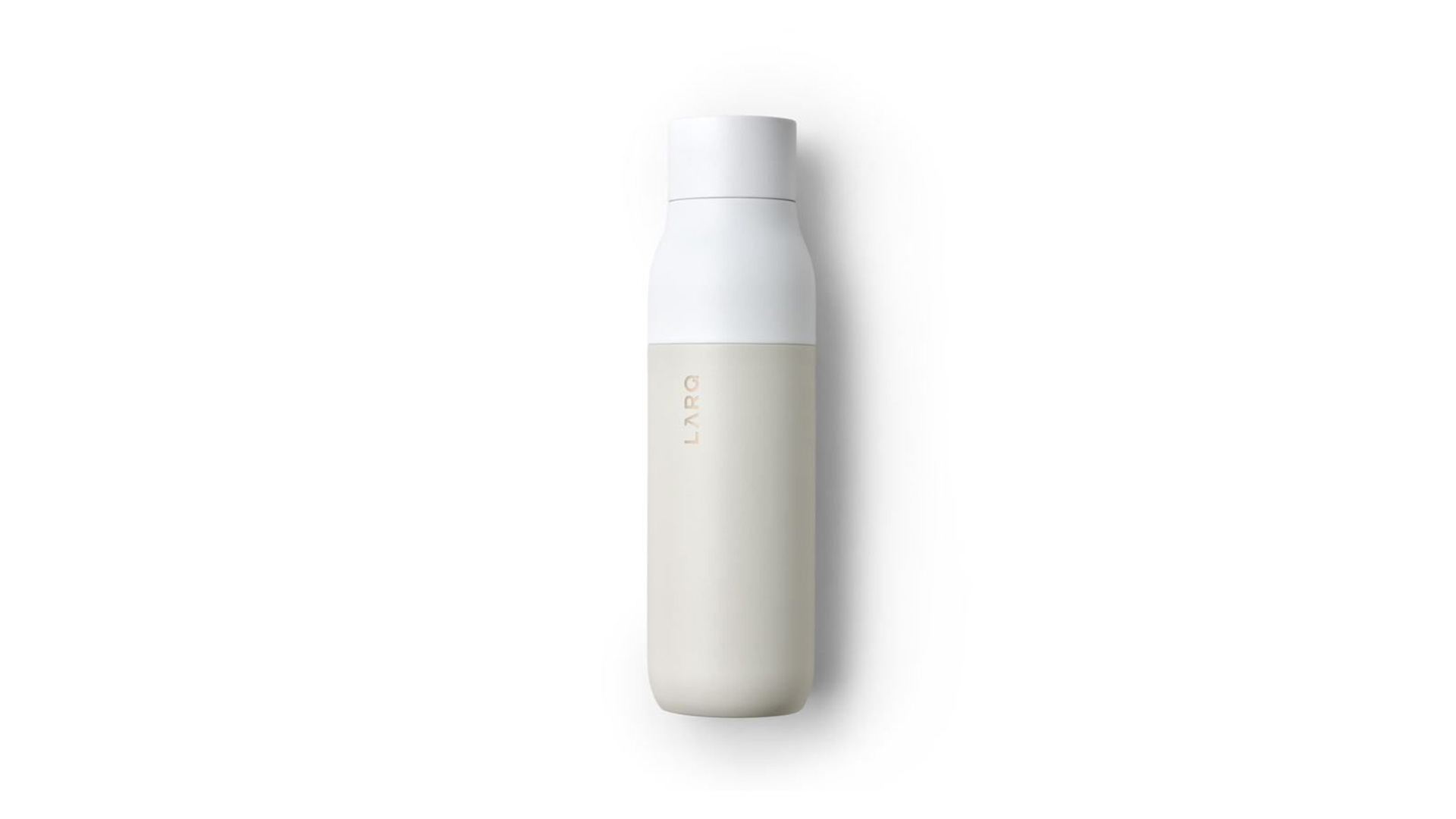
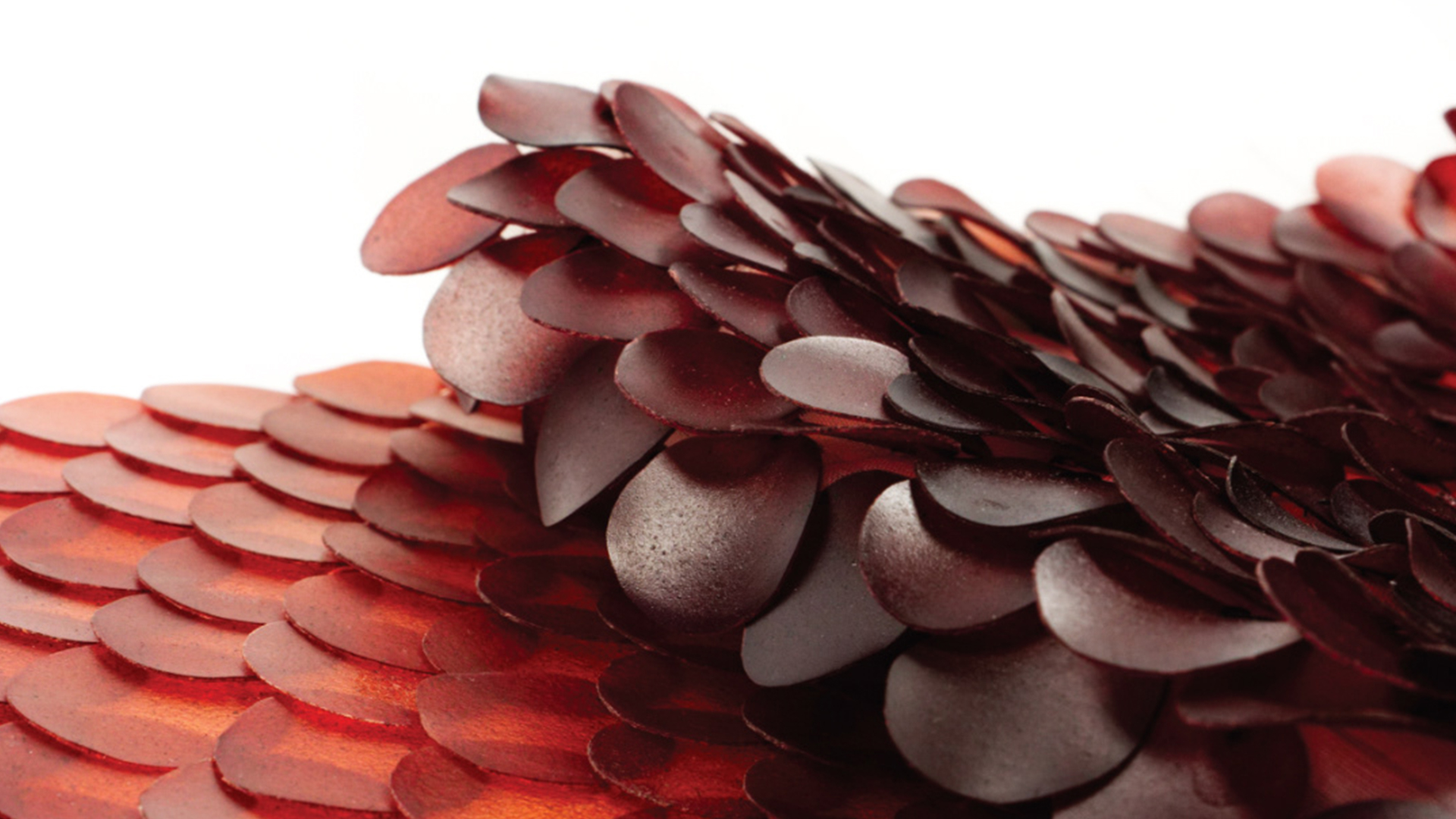
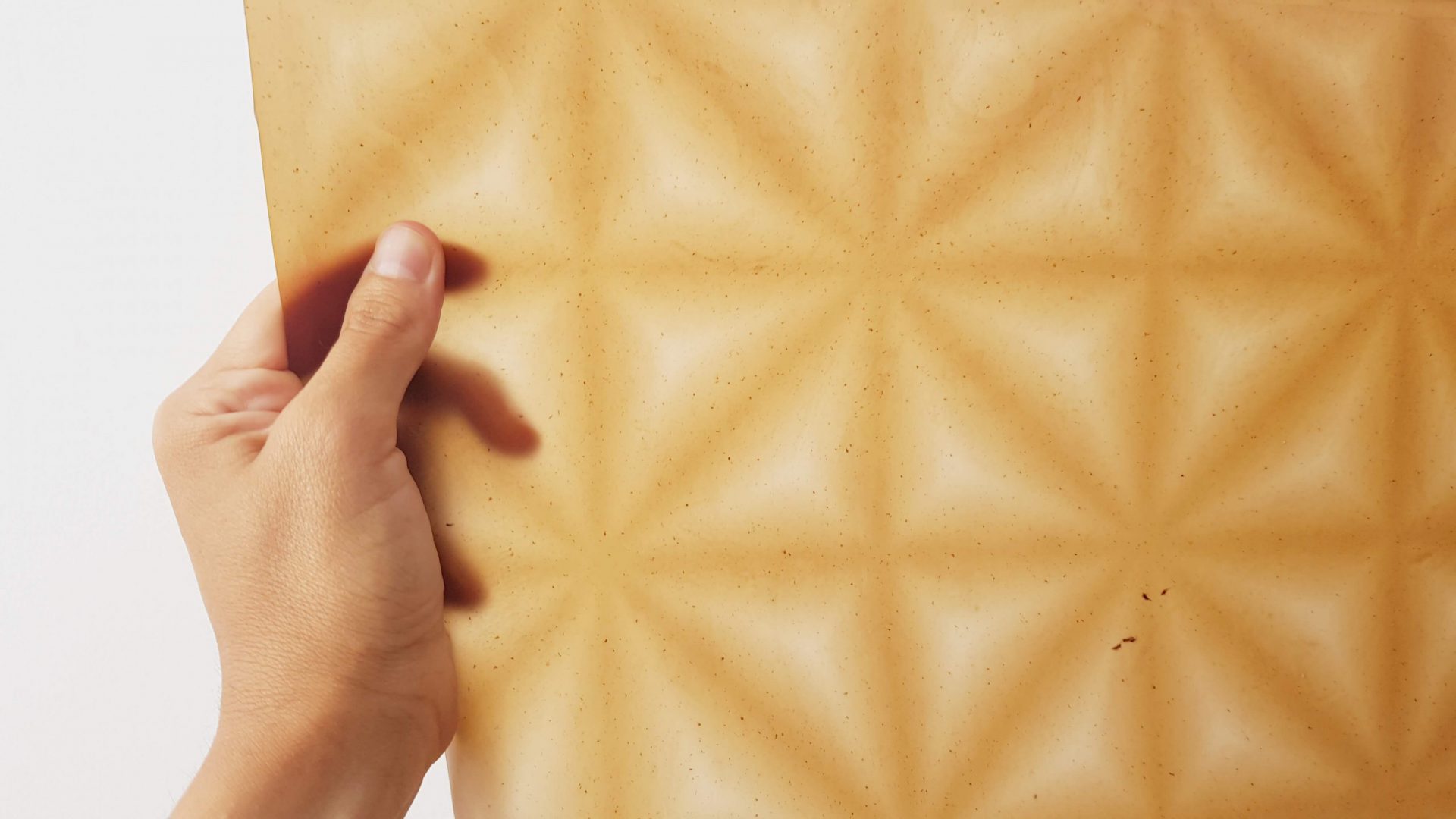
But how can we bring this point of view inside brands and high-end factories? Can we be agents of change also inside more mainstream companies? For Seguin, the answer is yes. In his two collaborations with major brands such as Shiseido and Decathlon, the French designer brought his research directly into the companies. With the Shiseido Group, he developed the packaging for the Ulé Skin Care collection, featuring the most sustainable primary packaging design to date in the company’s entire portfolio. Lightweight drawn glass and Sulapac®, a bio-sourced material, were chosen as base materials, and the packaging eliminated all chemical and fossil-based elements – a true demonstration of how his principles apply to industry.
Projects like Acampa emphasize assembly without glue or screws, while Ulé for Shiseido eliminates fossil-based materials. Your work seems to embody an “aesthetics of sobriety” through material honesty and simplified production. How do you balance this philosophy with the market’s expectations for novelty and visual impact?
Antoine Seguin:
My work tends to be as honest and restrained as possible, almost ascetic, an attitude that naturally shapes its aesthetic. But the real tension appears when the final price enters the equation. Cost inevitably frames aesthetic expectations, and when prices rise too high, the sobriety of my approach can become a barrier to broader adoption or even to a clear understanding of what the client is actually investing in. Paradoxically, when this philosophy is pushed to its limits, it becomes a form of novelty in itself. Producing a vase within a tight 20-kilometer radius around Marseille, or developing 100% wood pieces assembled without glue or screws, is an extreme and contemporary expression of how to relocate production.
The visual language that emerges from these constraints is only about coherence, and its impact has meaning only if it corresponds to the fairest possible price. To keep prices accessible, I design with manufacturing efficiency in mind. My background in industrial design helps me optimize production time, reduce complexity, and avoid unnecessary elements, so the design itself contributes directly to cost control. Distribution can also help reduce prices, a topic some designers are exploring today. In the end, for me the priority is to ensure that each project remains coherent: the production logic, the price, and the aesthetic must all align. Ultimately, I believe there is a genuine and growing desire for this kind of sobriety. My aim is to cultivate it thoughtfully, stripping away what is superfluous so that what remains feels essential, meaningful, and responsible.

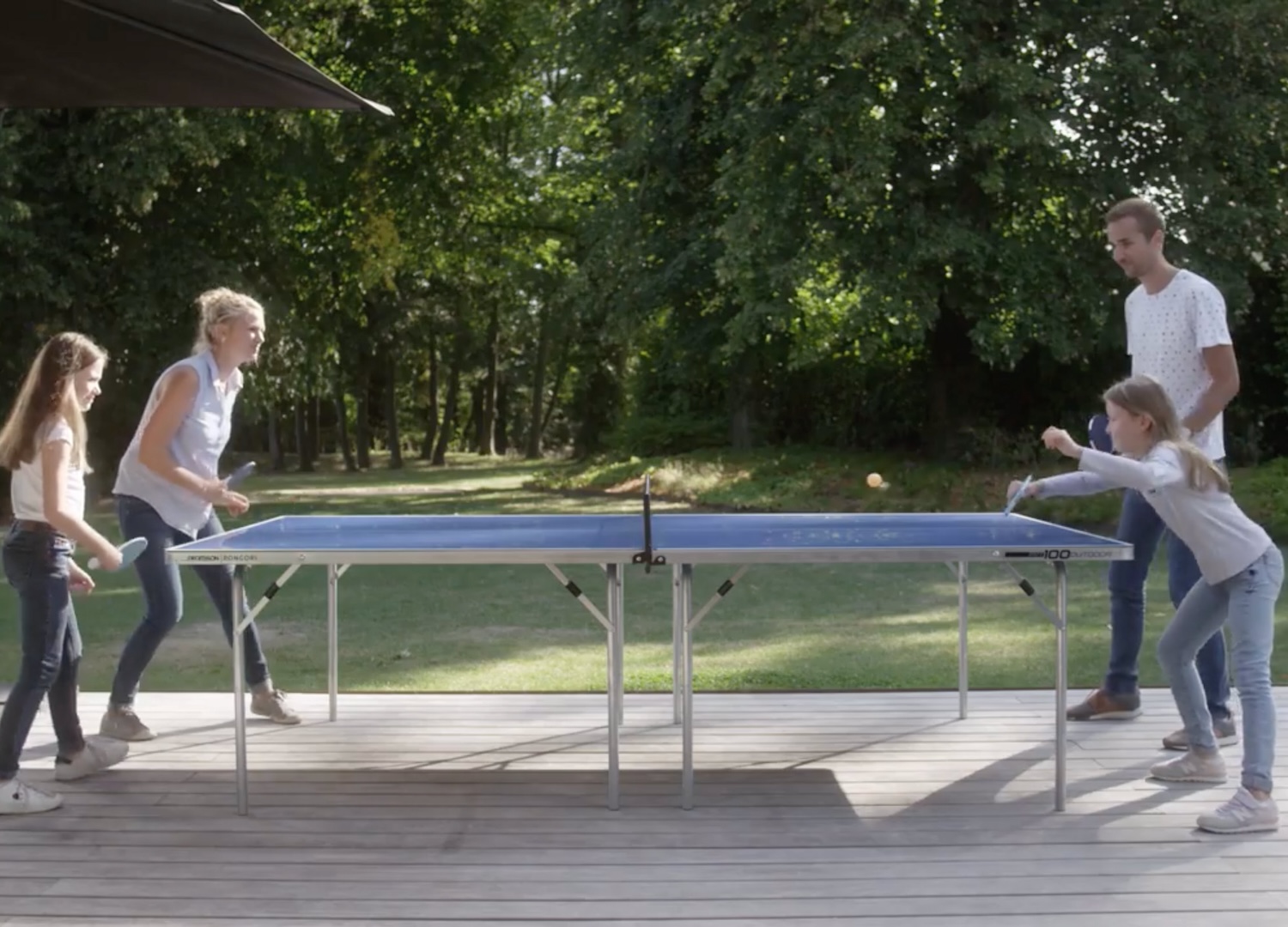
In his collaboration with Decathlon, Antoine Seguin designed the PPT 130 O, a democratic ping pong table adaptable to every level of play. This six-month project led to reducing installation time from five minutes to thirty seconds while respecting strong cost constraints. Safety was also prioritized, introducing rounded corners for the first time in this price range – a feature now standard across the entire lineup. Launched just after the end of his internship, this table is still sold worldwide for less than 300€.
You’ve worked on both highly conceptual projects like Hors Piste (exploring memory in a post-photographic era) and commercial redesigns like the Decathlon ping pong table. How does your critical approach to production and environmental impact translate when designing for mass-market clients with tight cost constraints?
Antoine Seguin:
Designing for the mass market is actually where I come from. I trained as an industrial designer and worked in industrial design studios before developing a more sustainability-driven perspective through working with engineers and strategists. A key part of the process is giving clients a clear understanding of the impacts of their industry, both environmental and societal, with Life Cycle Assessment (LCA), Climate Fresk and IPCC or IPBES reports. Once this awareness is established, they are far more willing to innovate in the right direction and to use sustainability as a strategic advantage. My role is to guide them through that shift. Speaking about environmental impacts, it also means identifying where the real impacts are, which is not always where people imagine.
Sometimes the location of production has a greater footprint than the material itself or the disposal, yet it remains invisible to consumers. Part of the work is also making these issues tangible. The most successful projects are those where environmental impacts, both hidden and visible, can be reduced simultaneously, without compromising on social impacts. I believe there is still a major opportunity for mass-market brands to differentiate through genuinely sustainable solutions.
I will gladly revise this belief the day every competitor in a category adopts responsible practices, because it would mean we have reached a collective milestone, with sustainability deeply rooted in innovation’s processes. Finally, leaving my position in a design studio to pursue a more personal practice allows me to explore these questions from another angle. I am convinced that these two experiences, industrial and independent, will nourish each other and help shape a stronger approach.

What makes Antoine Seguin’s work particularly relevant today is his ability to demonstrate that sustainable design isn’t just about materials – it’s about rethinking entire systems of production, distribution, and use. His approach shows that the designer’s role can extend far beyond form-giving: it becomes a practice of connecting territories, preserving craft knowledge, and making sustainable solutions accessible at every price point. From a vase that tells the story of Marseille to a ping pong table that democratizes quality design, Seguin proves that local thinking can have a global impact.
Antoine Seguin started from territory and its material history, bringing to us a new and adaptable reinterpretation, able to speak from a specific place while being understood all over the world. In an era where design often chases trends and novelty, his work reminds us that innovation can also mean looking back – to materials, to gestures, to knowledge – and bringing them forward with clarity and purpose.
About the author

Ludovica Proietti, journalist, design historian and curator, teaches in universities and curates events, always exploring projects with fresh, unconventional perspectives.
Instagram